Marry Yourselves: State Guide (2027)
By zainzari • Published October 23, 2026 • Updated October 23, 2026
 📌 Save
Self-solemnization — marrying yourselves without an officiant — is genuinely allowed in a handful of US states, commonly cited examples being Colorado, Pennsylvania, Wisconsin and Washington, DC, but rules differ even within them and can depend on county practice, license type or religious history. Requirements vary, so check your local registrar or county clerk before planning around it. This guide is general educational information, not legal advice.
Imagine exchanging vows on a mountaintop at sunrise, just the two of you, and signing the license yourselves — legally married before breakfast. In a small number of US states, that is a real legal route, with roots in Quaker and other traditions that married without clergy.
These 25 points explain how self-solemnization typically works, where it is commonly available, the license and witness details that trip couples up, and how to build a ceremony that feels profound without an officiant. Your county clerk’s word outranks everything here.
At a Glance: Commonly Cited Places & What to Verify
| # | Topic | What to Check | Timing |
|---|---|---|---|
| 1 | Colorado | Widely cited as allowing | County clerk process |
| 2 | Pennsylvania | Self-uniting license tradition | License type at county |
| 3 | Wisconsin | Cited with conditions | County interpretation |
| 4 | Washington, DC | Cited as allowing | Clerk’s current rules |
| 5 | Other states | Generally require officiant | Ask before assuming |
| 6 | Quaker / Baháʼí routes | Faith-based traditions | Community requirements |
| 7 | Witnesses | May still be required | Confirm number |
| 8 | Filing deadline | License return window | County rule |
| 9 | Certificate copies | Order certified | After filing |
| 10 | Recognition elsewhere | Marriages travel with you | Home registrar advice |
Inclusion here reflects commonly published guidance, not a guarantee — verify current practice with the specific county issuing your license.
What Self-Solemnization Means
 📌 Save
Self-solemnization means the couple themselves perform and certify their marriage, without an officiant solemnizing it. You declare your vows to each other, sign the license as required, and file it — the state recognizes the marriage because its law permits couples to marry this way.
Why Only a Handful of States Allow It
 📌 Save
The tradition survives mainly where historical religious practice — notably Quaker self-uniting marriages — shaped the law. Most states instead require an authorized officiant, so self-solemnization remains the exception in American marriage law, not a nationwide option couples can elect anywhere.
Colorado: The Best-Known Example
 📌 Save
Colorado is the state most commonly cited for straightforward self-solemnization: couples may solemnize their own marriage and complete the certificate themselves. Even so, confirm the current process with the specific county clerk issuing your license, since forms and filing details are administered locally.
Pennsylvania: The Self-Uniting License
 📌 Save
Pennsylvania is commonly cited for its self-uniting marriage license, a distinct license type with historical Quaker roots. Couples must request the correct license type at the county office — a standard license and a self-uniting license are not interchangeable paperwork.
Wisconsin: Allowed With Conditions
 📌 Save
Wisconsin is commonly cited as permitting self-solemnization in certain circumstances, sometimes connected to the couple’s religious beliefs or customs, and county interpretation can vary. Because the conditions matter, discuss your exact plan with the issuing county clerk before relying on this route.
Washington, DC: A City Option
 📌 Save
Washington, DC is commonly cited among jurisdictions allowing couples to officiate their own marriage. As a single-city jurisdiction its process is centralized, but you should still confirm the current application and certificate steps with the DC authorities before planning a trip around them.
Everywhere Else: Assume an Officiant Is Needed
 📌 Save
Outside the commonly cited places, expect the law to require an authorized officiant — clergy, judge or registered officiant — and sometimes witnesses too. If your state is not known for self-solemnization, plan on an officiant unless your county clerk confirms an exception in writing.
The License Still Comes First
 📌 Save
Self-solemnizing never skips the license. You still apply at the county, meet its ID, fee and waiting-period rules, collect the license within its validity window, and complete your ceremony before it expires. The freedom is in the ceremony, not in the paperwork.
Witnesses May Still Be Required
 📌 Save
Some self-solemnizing processes still expect witness signatures on the certificate, even without an officiant. Confirm how many witnesses your county’s form provides for and whether they must be present at the declaration or simply sign the completed certificate.
How to Word a Self-Led Ceremony
 📌 Save
Without an officiant, structure carries the moment: an opening grounding, personal vows, an exchange of rings, a clear declaration that you take each other as spouses, and a closing celebration. Speaking an unmistakable declaration aloud matters emotionally — and mirrors the legal act you are signing.
Signing the Certificate Correctly
 📌 Save
Complete every field exactly as the form directs: names as on the license, ceremony date and county, signatures in the correct boxes. Errors on self-completed certificates are the main cause of filing delays, because no officiant double-checks the paperwork for you.
Filing Deadlines Still Apply
 📌 Save
The completed license must be returned to the issuing office within the county’s deadline, by the method it specifies. Calendar the deadline the day you collect the license, keep proof of posting or delivery, and confirm receipt if the office allows enquiries.
Getting Your Certified Certificate
 📌 Save
After filing, order certified copies of the marriage certificate exactly as officiated couples do. You will need them for name changes, passports, insurance and records, and ordering extras at the source remains the cheapest, fastest route.
Religious Self-Uniting Traditions
 📌 Save
Beyond the commonly cited states, some faith traditions — Quaker meetings and the Baháʼí faith among them — have recognized routes for marriages without individual clergy in certain places. These belong to the faith communities, with their own requirements, and are not a general public shortcut around officiant law.
A Friend Officiant Is the Common Alternative
 📌 Save
Where self-solemnization is unavailable, the usual alternative is a friend or family member becoming authorized to officiate under your state’s rules. It keeps the intimate, self-shaped ceremony while satisfying officiant requirements — often the reason couples research self-solemnization in the first place.
Destination Self-Solemnization Trips
 📌 Save
Some couples travel to a self-solemnizing state specifically for the freedom, marrying legally there before celebrating at home. Your marriage, valid where performed, generally travels home with you — but confirm license residency rules, since some counties have expectations about applicants.
Recognition in Your Home State
 📌 Save
A marriage validly performed in one US state is generally recognized in others, including self-solemnized ones. Keep your certified certificate accessible for any agency that asks how the marriage was solemnized, and expect curiosity rather than obstacles from officials unfamiliar with the format.
What About Other Countries?
 📌 Save
Self-solemnization is largely an American curiosity; the UK, Canada and most countries require an authorized officiant or registrar at a licensed venue. Couples abroad should plan for an officiant-led legal ceremony, or marry legally in a US state that allows self-solemnization and celebrate elsewhere.
Design a Ceremony That Feels Complete
 📌 Save
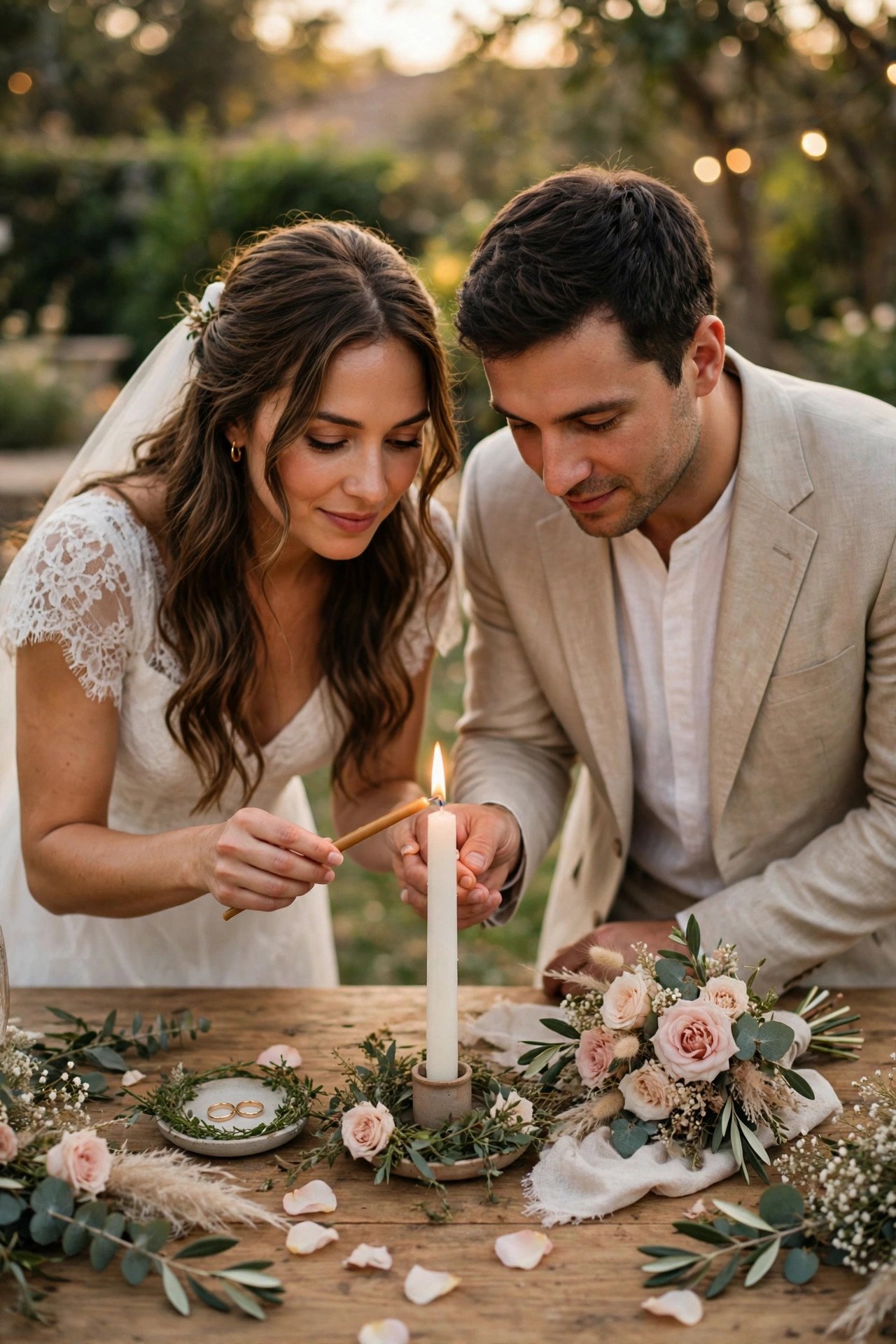
Build small rituals into the self-led format: reading letters from family, exchanging vows from handwritten books, planting a tree, or sharing sparkling cider at a summit. Without an officiant’s voice, these anchors give the ceremony shape, gravity and unforgettable photographs.
Photography Without a Third Role
 📌 Save
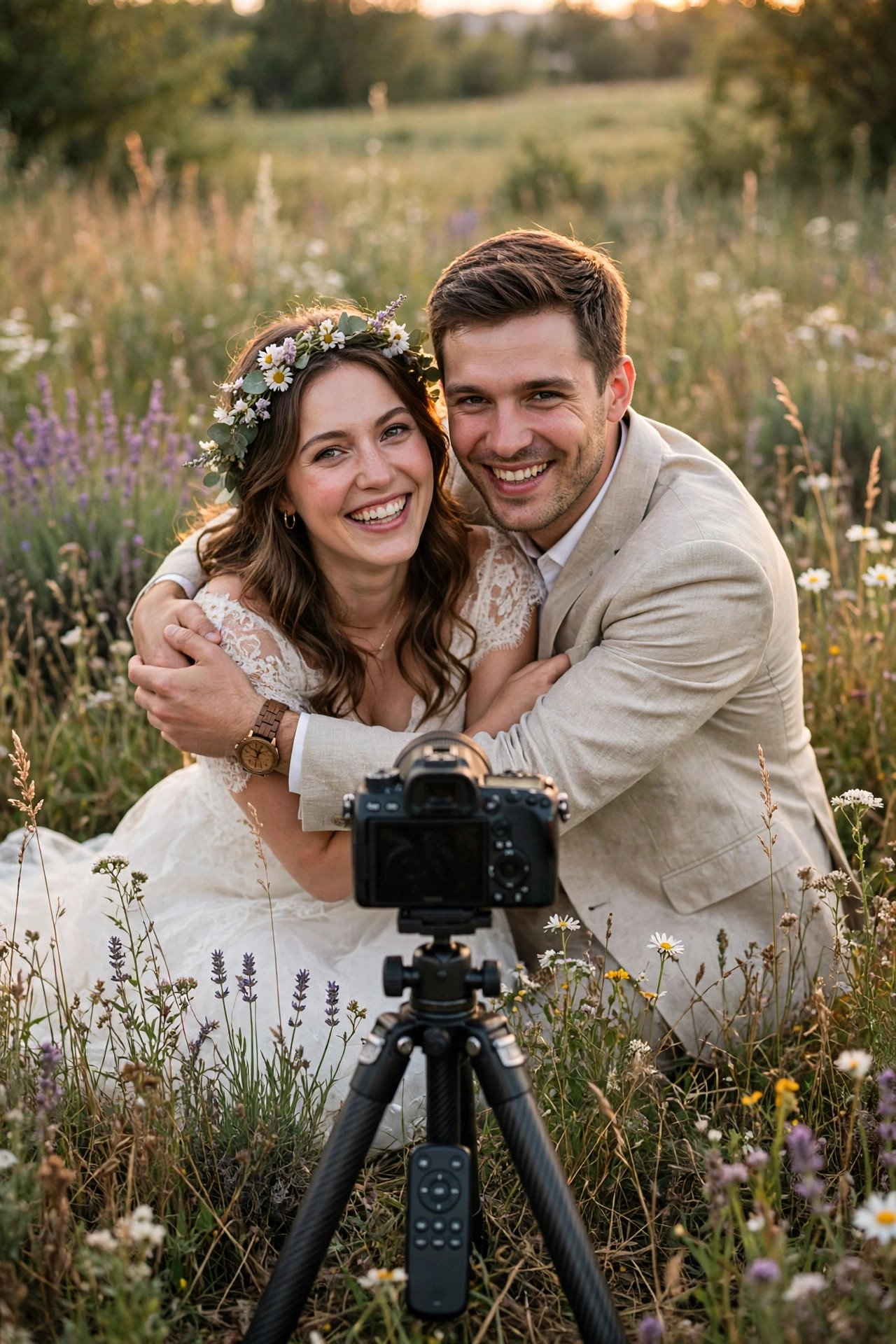
A self-solemnized elopement has no natural photographer, so plan coverage: hire a photographer who doubles as witness where permitted, or use a tripod and remote for the declaration. Confirm whether a photographer-witness is acceptable on your county’s form if you rely on their signature.
Weather and Privacy Planning
 📌 Save
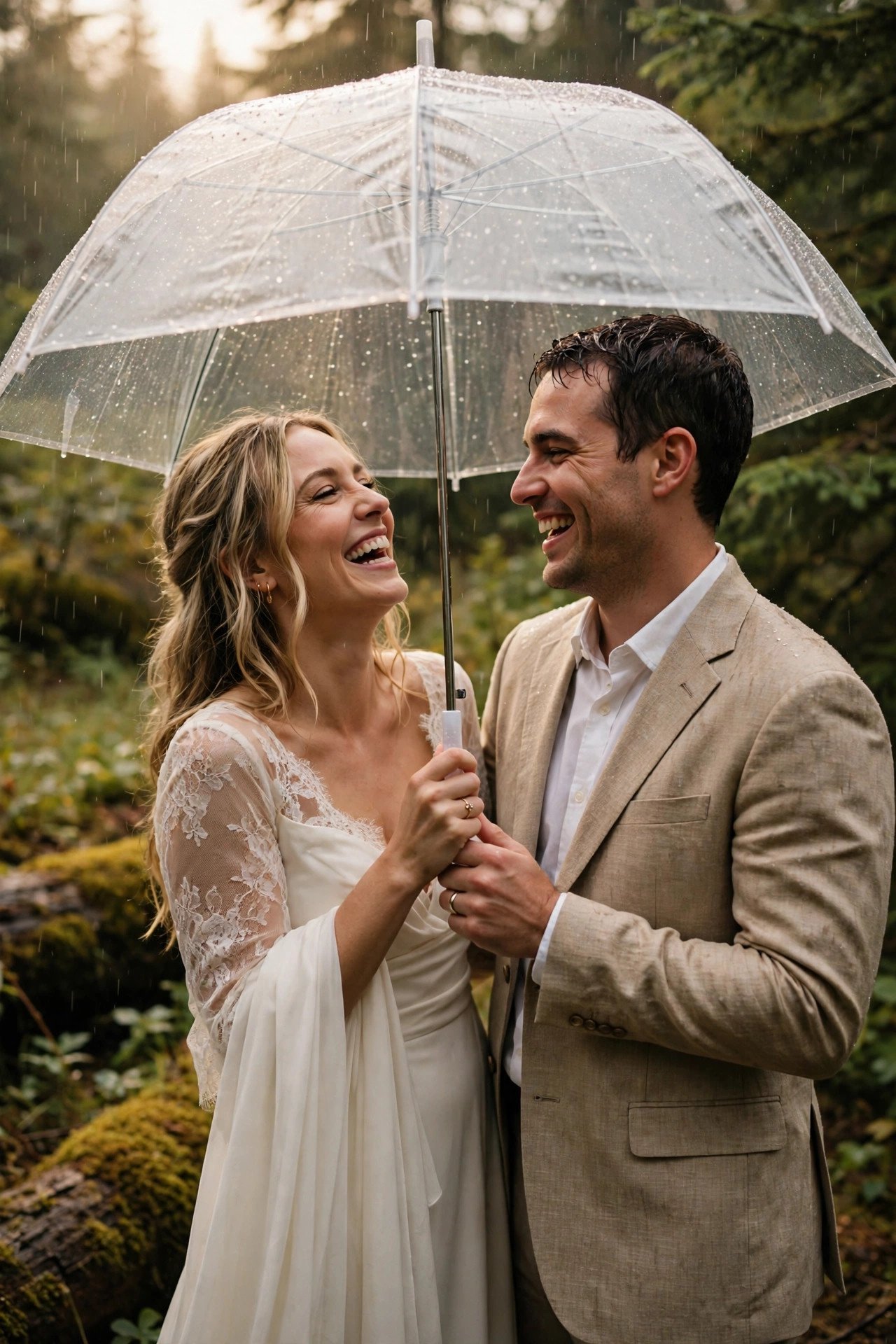
Self-led ceremonies often happen in remote beauty spots. Check land permits for your chosen spot, plan weather backups, and decide how you will share the news afterward — announcement cards, a celebration party, or a reception weeks later for family and friends.
Tell Family With Care
 📌 Save
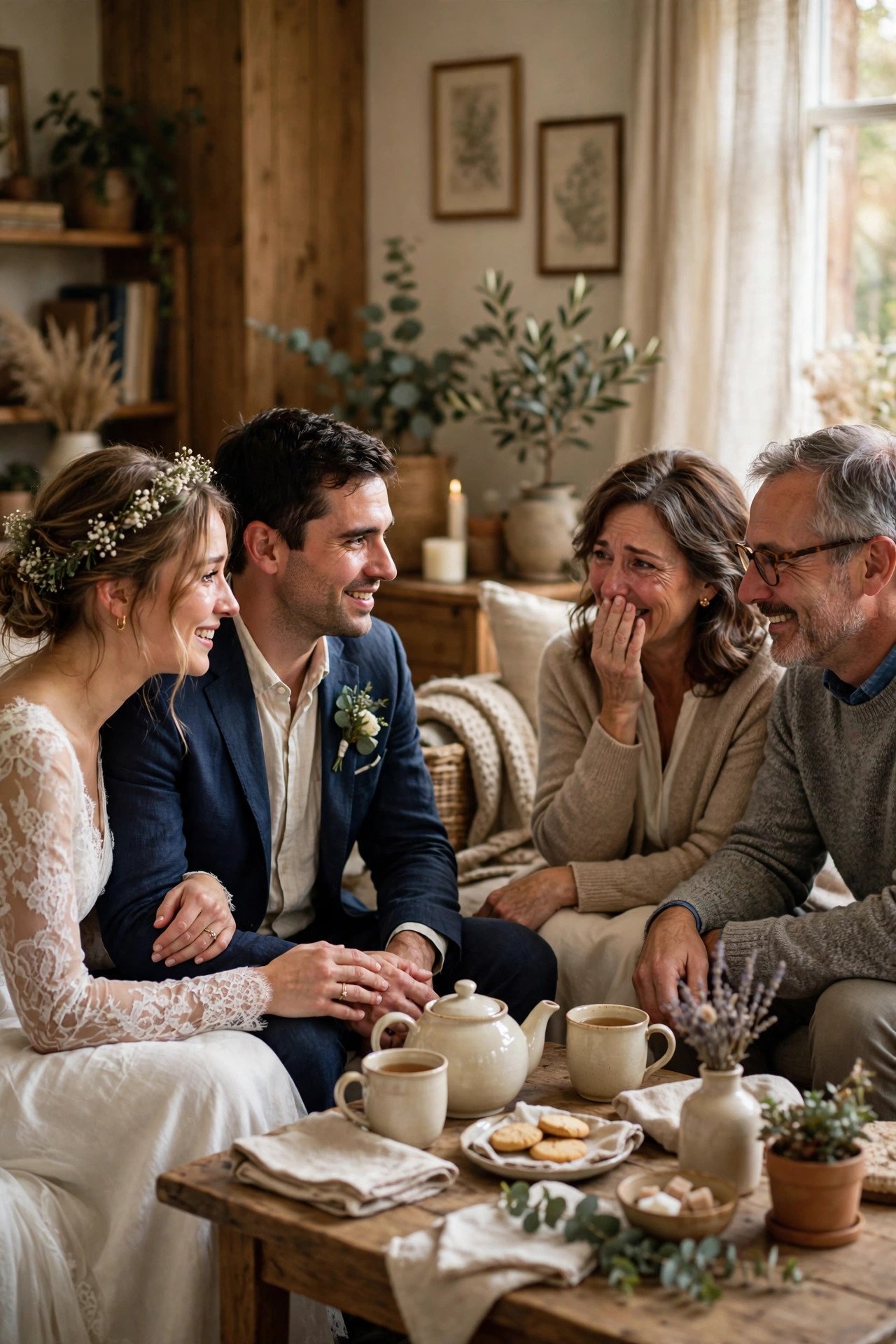
Some relatives feel hurt learning a wedding happened without them, even a two-person legal ceremony. A thoughtful announcement — promptly, warmly, with photos and an invitation to celebrate together soon — prevents most bruised feelings around an elopement-style choice.
Keep Language Consistent on Forms
 📌 Save
Use your legal names exactly as printed on your IDs across the application, certificate and later certified-copy requests. Self-filed paperwork gets no officiant’s proofread, so a mismatched middle name or wrong date is yours to catch before filing, not after.
Verify With the County, Every Time
 📌 Save
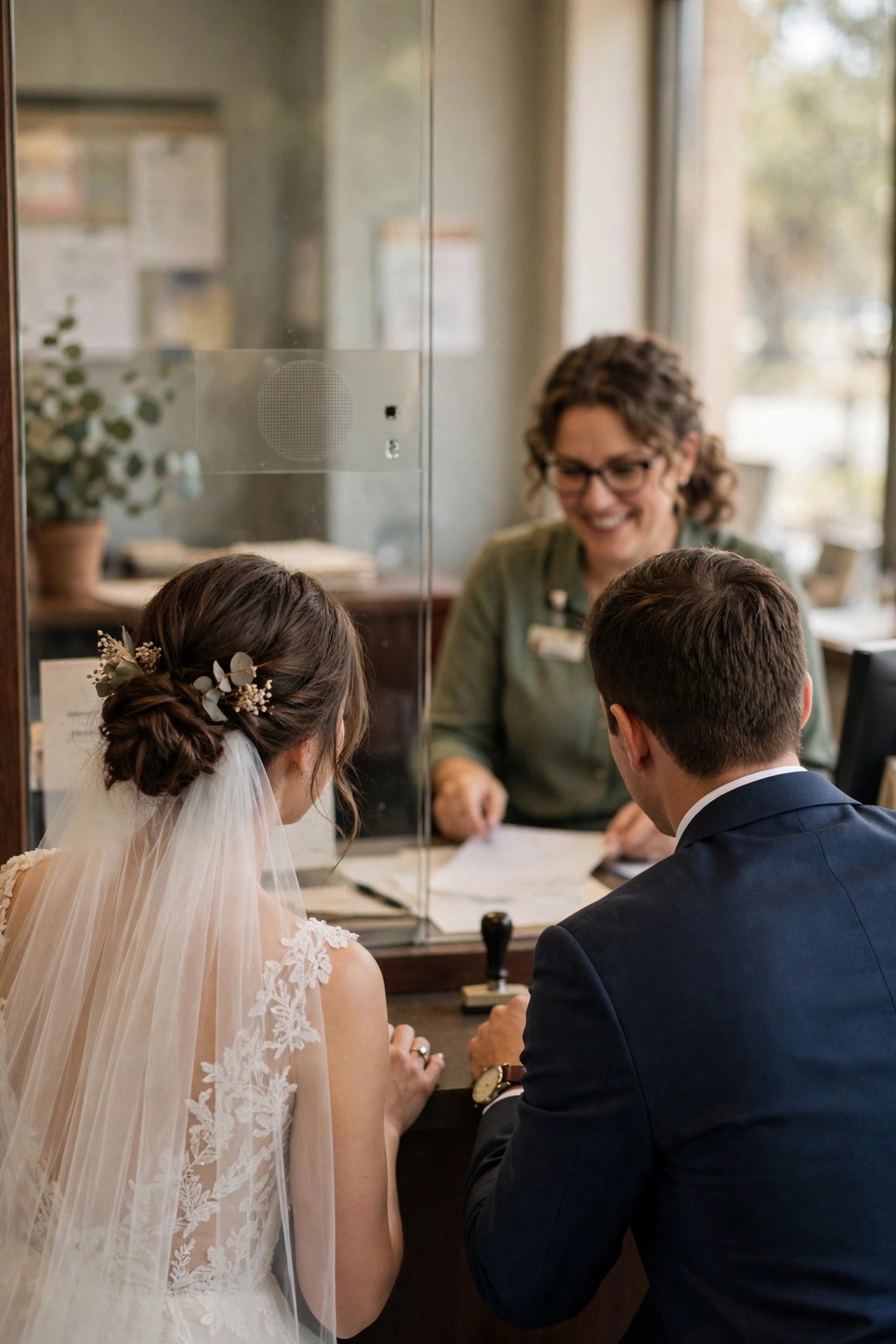
Finish where you started: the issuing county clerk confirms license type, witness needs, signing order and filing deadline for your exact date and county. Rules differ even between counties in the same state, and clerks would always rather answer questions beforehand than correct filings afterward.
The Joy of Marrying Yourselves
 📌 Save
For couples who choose it, self-solemnization distills marriage to its essence: two people, freely promising, signing their names. Where the law allows it and the paperwork is done properly, it is as legal, binding and romantic as any cathedral ceremony — and entirely your own.
Marry Yourselves: State Guide FAQs
Which states allow self-solemnizing weddings?+
A handful of US states are commonly cited — including Colorado, Pennsylvania, Wisconsin and Washington, DC — but rules differ even within them. Check your local registrar or county clerk for your exact county before planning.
Do we still need a marriage license if we marry ourselves?+
Yes. Self-solemnization changes who performs the ceremony, not the license requirement. You apply, meet the local rules and file within the deadline, exactly as other couples do. Requirements vary by county.
Are witnesses needed for a self-uniting ceremony?+
Sometimes — some forms and counties expect witness signatures even without an officiant. Requirements vary, so confirm the number and role of witnesses with the issuing clerk.
Will other states recognize our self-solemnized marriage?+
A marriage valid where it was performed is generally recognized elsewhere in the US. Keep certified copies of your certificate for agencies, and ask your home registrar if you have any doubts.
Can we self-solemnize in the UK or Canada?+
Generally no — those systems require authorized officiants or registrars. Rules vary by country, so check the local registrar or official guidance for any destination you are considering.
Key Takeaways
- Self-solemnization is legal in only a handful of US states.
- CO, PA, WI and DC are commonly cited — with differing conditions.
- The license, witnesses and filing deadlines still apply in full.
- Your county clerk’s confirmation outranks any guide, including this one.
- Where unavailable, a friend officiant is the usual intimate alternative.
Final Thoughts
Marrying yourselves in 2027 is a beautiful, genuinely legal option — in the few places that allow it, on their exact terms. Verify your county’s current rules before planning a single detail, complete the license paperwork with extra care, and then enjoy a ceremony that belongs to nobody but the two of you.