12 Hair Mistakes Brides Almost Always Make
By zainzari • Published April 2026 • Updated October 11, 2026
 📌 Save
The hair mistakes brides almost always make are skipping the trial, ignoring the weather, washing hair the morning of, forgetting accessories at the trial, choosing a style that clashes with the dress neckline, skipping trims, hiding hair history from the stylist, and having no touch-up or timing plan. The fix is simple: trial two to three months out, plan around weather and neckline, prep hair the night before, and pack a touch-up kit.
Your wedding day is one of the most photographed days of your life. The dress can be perfect and the makeup flawless — but if your hair gives up by the first dance, it shows up in every picture. The frustrating part? Nearly every bridal hair disaster is preventable.
These are the twelve mistakes brides make again and again, with the practical fix for each one. Whether your wedding is months or weeks away, it’s not too late to get your hair plan right.
At a Glance: Mistake, Why It Happens & The Fix
| Mistake | Why It Happens | The Fix |
|---|---|---|
| Ignoring the weather | Trial was indoors, wedding is outdoors | Pick humidity-proof styles; research seasonal weather |
| Too many opinions at trial | Bringing the whole bridal party | One trusted person max |
| Skipping the trial | Saving time or money | Book 2–3 months out, non-negotiable |
| Forgetting accessories | Testing hair in isolation | Bring veil, headpiece, earrings to trial |
| Going over-the-top | Pinterest rabbit holes | Elevated version of you, not a costume |
| Skipping trims | Growing hair out | Trim every 6–8 weeks; healthy ends hold styles |
| Washing morning-of | Seems logical | Wash the night before for grip and texture |
| Mismatched extensions | Assuming they’ll blend | Color-match at every appointment; trial with them in |
| Hiding hair history | Embarrassment | Disclose all chemical treatments honestly |
| No touch-up plan | Assuming it lasts all day | Pack pins, mini hairspray, comb; assign a helper |
| Clashing with neckline | Planning hair and dress separately | Bring dress/neckline photo to the trial |
| Skipping timing run-through | Underestimating the schedule | Detailed timeline + 30-min buffer, confirmed a week out |
The common thread: hair needs the same planning energy as the dress and the venue. Treat it like a project, not an afterthought.
Ignoring the Weather
 📌 Save
A sleek blowout perfected in an air-conditioned salon can collapse into frizz within an hour outdoors.
Weather is the most underestimated hair variable. Humidity is the great destroyer of smooth, loose styles — while wind turns veil-plus-loose-hair into a tangled situation. Before your trial, research typical weather for your venue and season, then choose accordingly: updos, braids and pinned styles survive heat and humidity far better than anything relying on perfectly smooth hair.
Ask your stylist specifically about anti-humidity products for your hair type, and do a “weather test” if possible — wear the trial style out on a similar-weather day and see how it holds by evening.
Read next: 10 Items to Bring to Your Bridal Getting-Ready Room
Too Many Opinions at the Trial
 📌 Save
Bringing the whole bridal party to the trial turns your decision into a group debate.
You love your people, but a hair trial with five opinions pulls the stylist in five directions — pinned up for mom, down for the maid of honor, braided for your sister. You leave with a compromise style that pleases everyone except the person wearing it. Keep the trial intimate: one trusted person at most, ideally someone who knows your taste and will be honest without being pushy.
Everyone else gets their reveal at the wedding. Your trial is about what suits you — your face, your dress, your comfort — not a group vote.
Read next: Don’t Make These Wedding Day Mistakes
Skipping the Hair Trial
 📌 Save
Skipping the trial to save money or time is gambling with your most photographed look.
A hair trial is where you and your stylist discover what actually works for your texture, face shape and dress — before it counts. It reveals whether that Pinterest updo suits your hair density, whether the style survives a full day, and whether you even like how it feels. Without it, you’re trusting an untested look on the biggest photo day of your life.
Book two to three months before the wedding. That window gives you time to course-correct, book a second trial, or even find a different stylist if the chemistry isn’t right.
Read next: 10 Items to Bring to Your Bridal Getting-Ready Room
Forgetting Your Accessories
 📌 Save
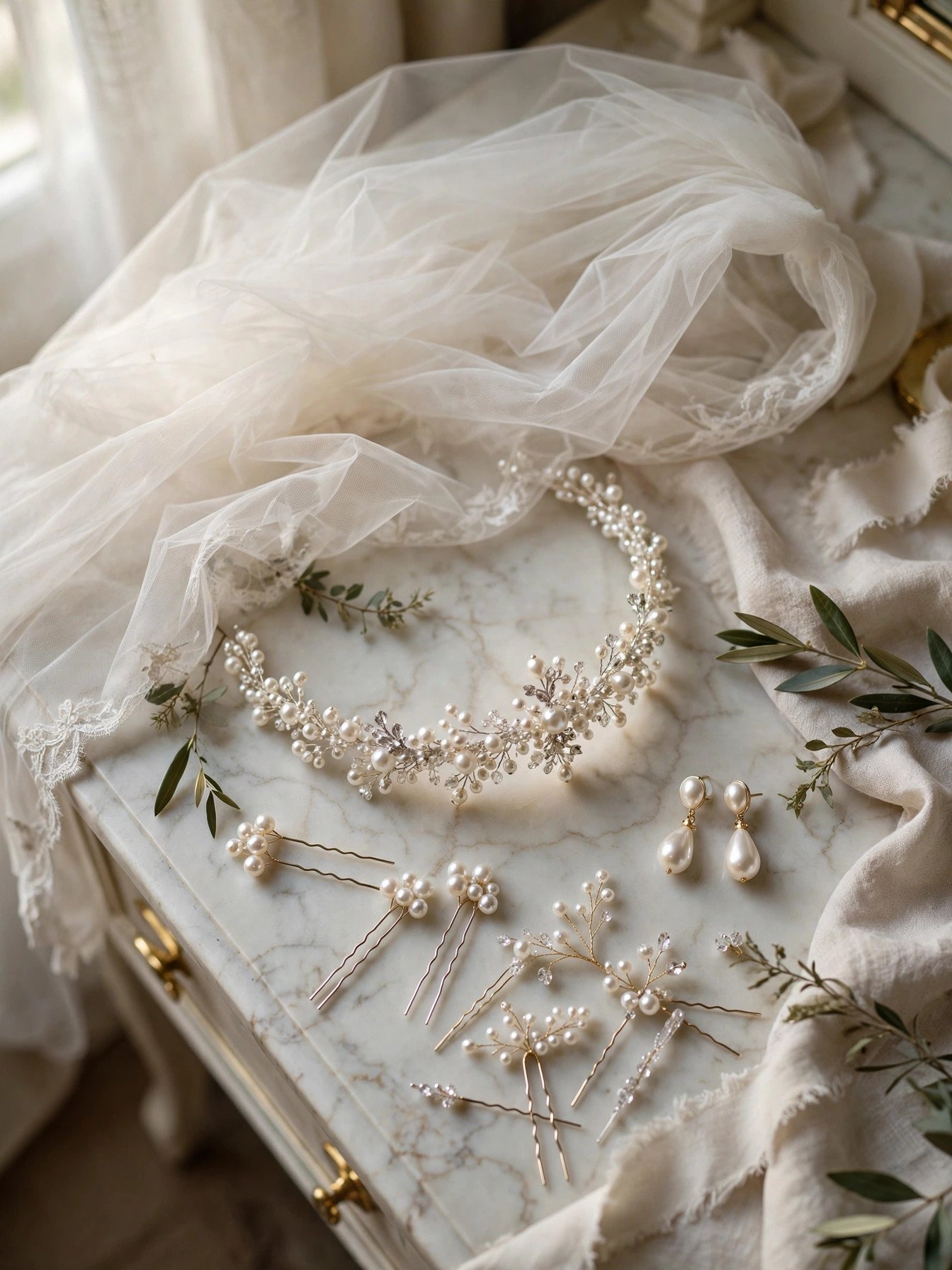
A hairstyle tested without your veil, headpiece or earrings is a hairstyle tested halfway.
Hair doesn’t exist in isolation — it has to work with your veil, earrings, necklace and headpiece. A style that looks stunning alone can look completely wrong under a heavy cathedral veil, and statement earrings change which necklines and updos feel balanced. Bring every accessory to your trial so your stylist can engineer the style around them.
This matters doubly if you’ll remove the veil for the reception: your stylist needs to build a style that still looks intentional once the veil comes out, not like something’s missing.
Read next: Don’t Make These Wedding Day Mistakes
Going Over-the-Top
 📌 Save
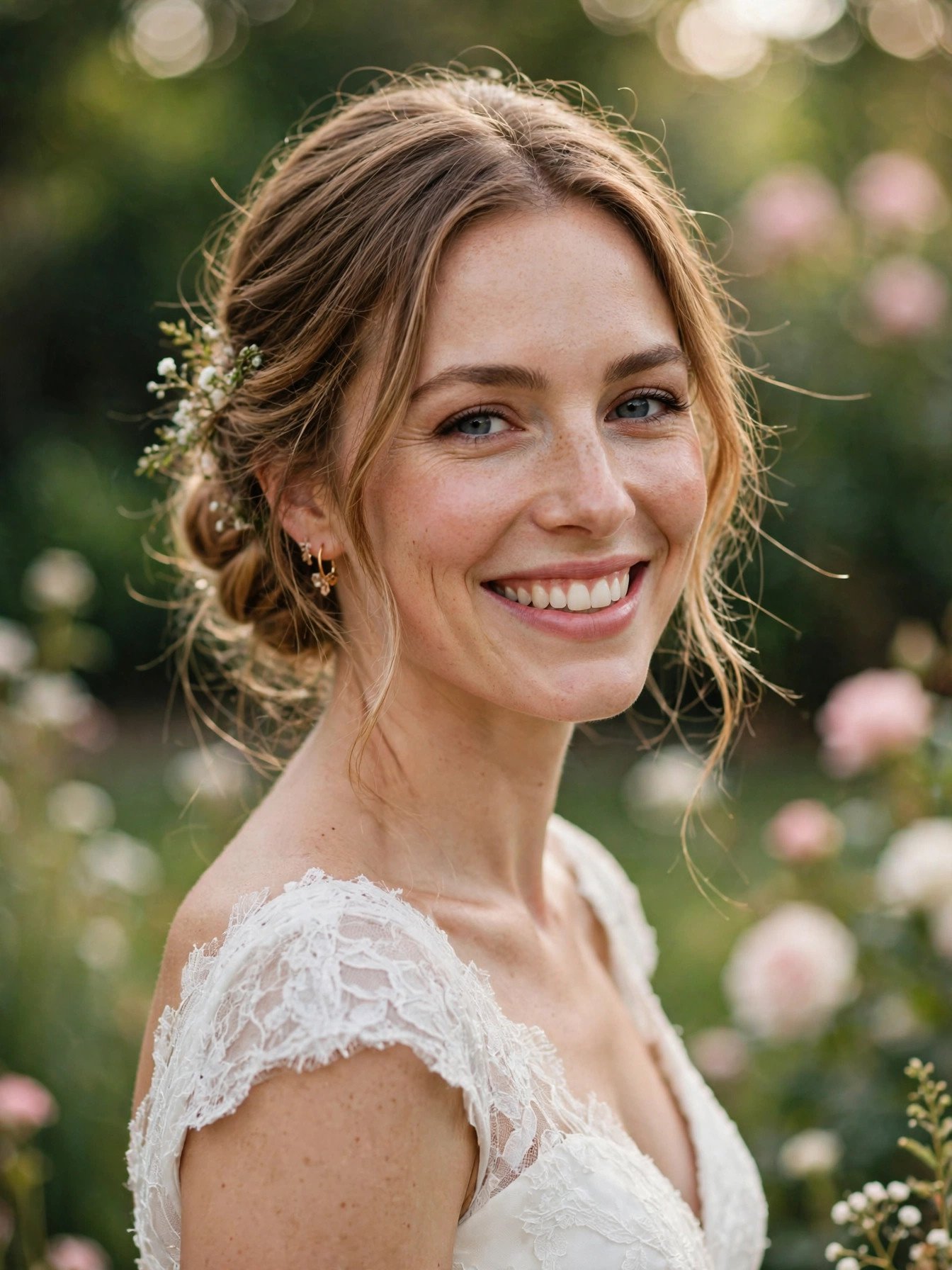
After scrolling hundreds of inspiration photos, it’s easy to request a style that looks incredible online but feels like a costume on you.
Your wedding hairstyle should feel like the most beautiful version of yourself — not someone unrecognizable. If you always wear your hair down in loose waves, a hyper-structured updo with forty pins may feel stiff and foreign all day, and that discomfort shows in photos. Bring inspiration photos, but filter them through what feels natural to you.
The best bridal hair has a “you, but luminous” quality. Complexity is not the goal; confidence is.
Read next: 10 Items to Bring to Your Bridal Getting-Ready Room
Skipping Trims Before the Wedding
 📌 Save
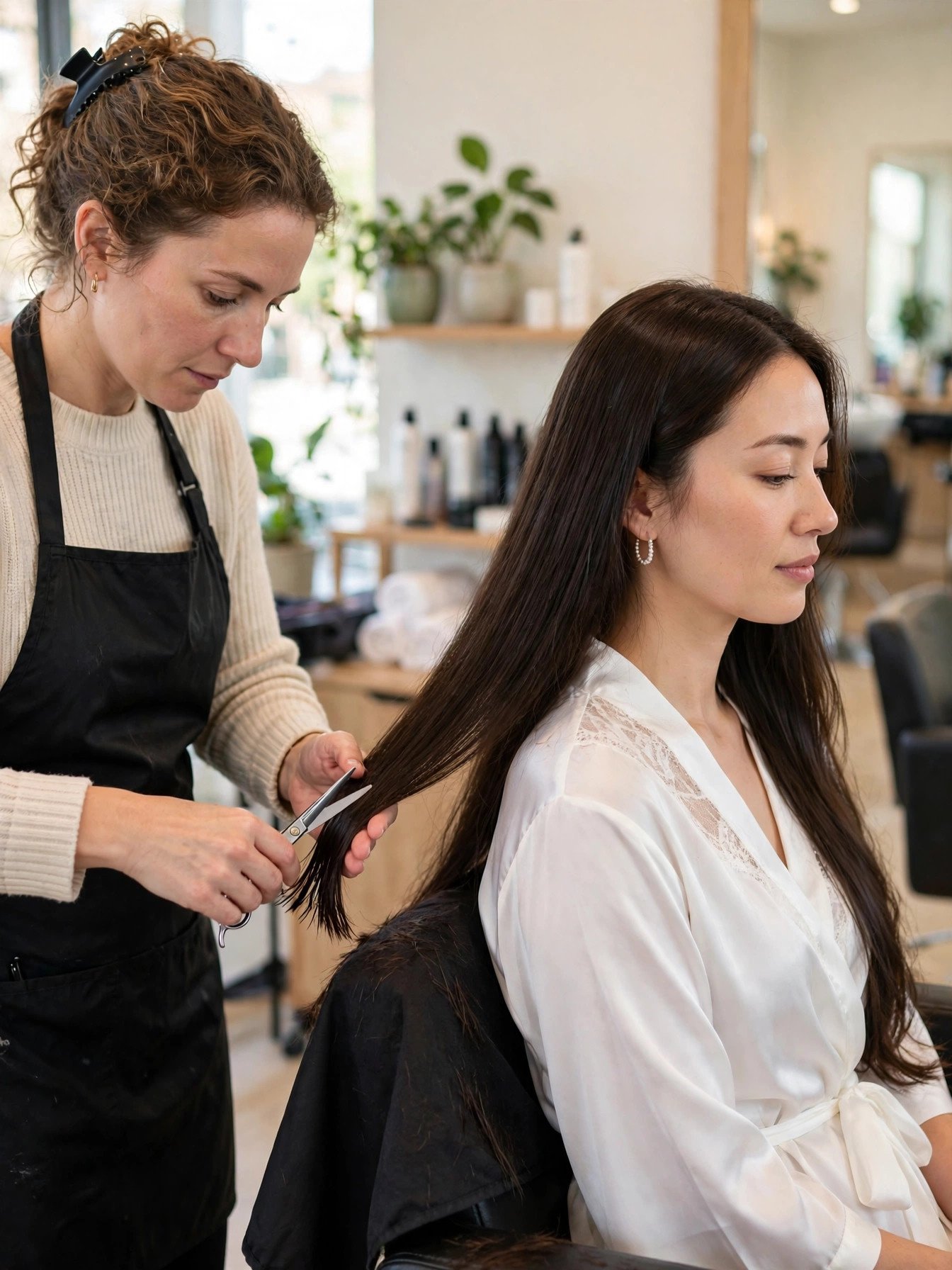
Growing your hair out doesn’t mean abandoning the scissors — split ends sabotage every style.
Many brides stop all haircuts to gain length, then arrive at the wedding with fragile, split ends that won’t hold a curl, won’t take color evenly, and look dull in photographs. You don’t need to sacrifice length: a small trim every six to eight weeks removes damage while hair keeps growing. Healthy hair grips pins, holds curls and catches light.
Talk to your stylist early about a grow-out maintenance plan, and stop all trims about six weeks before the wedding so the final shape is fresh.
Read next: Don’t Make These Wedding Day Mistakes
Washing Hair the Morning Of
 📌 Save
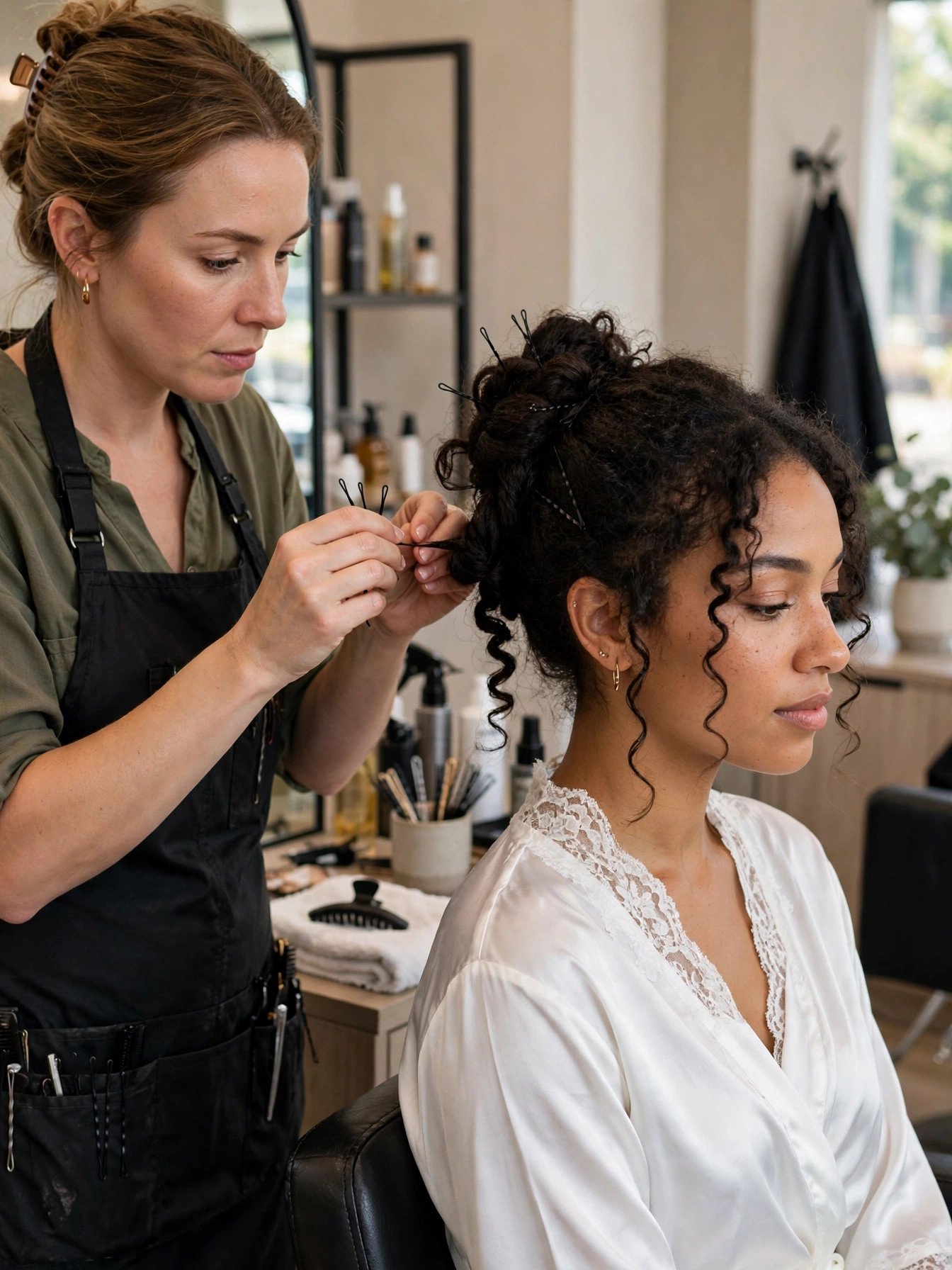
Freshly washed hair is too soft and slippery to hold curls, pins and updos through a long day.
It feels logical to arrive with squeaky-clean hair, but most stylists prefer working with hair washed the evening before. A little natural texture and oil gives hair grip — curls hold longer, pins stay put, updos don’t slide. Very dirty hair is its own problem, so the sweet spot is a wash the night before with minimal heavy conditioner.
Follow your stylist’s specific prep instructions — they know exactly what their products need from your hair type.
Read next: 10 Items to Bring to Your Bridal Getting-Ready Room
Mismatched Hair Extensions
 📌 Save
Extensions that don’t match your color or texture will stand out in every photograph — and not in a good way.
Extensions add gorgeous volume and length, but only when they’re invisible. Bring them to every coloring appointment in the months before the wedding so your colorist can blend your natural hair and the extensions into one seamless shade. Then do a full trial with the extensions actually installed — the complete look, not an approximation.
Never assume a match without checking in multiple lights. Professional photography lighting reveals tonal differences the salon mirror hides.
Read next: Don’t Make These Wedding Day Mistakes
Hiding Your Hair History
 📌 Save
Keratin treatments, relaxers, color corrections — past chemical processes change how your hair behaves, and your stylist needs the full story.
Chemically treated hair responds differently to heat, products and tension. A stylist working blind might choose tools or techniques that frizz, snap or simply refuse to hold on treated hair — then scramble to fix it on the wedding morning. Disclose everything from the past year or two at your consultation, even the embarrassing box-dye incident.
Your stylist is there to solve, not judge. Full honesty gets you the right products, the right heat settings and a style engineered for your actual hair.
Read next: 10 Items to Bring to Your Bridal Getting-Ready Room
No Touch-Up Plan
 📌 Save
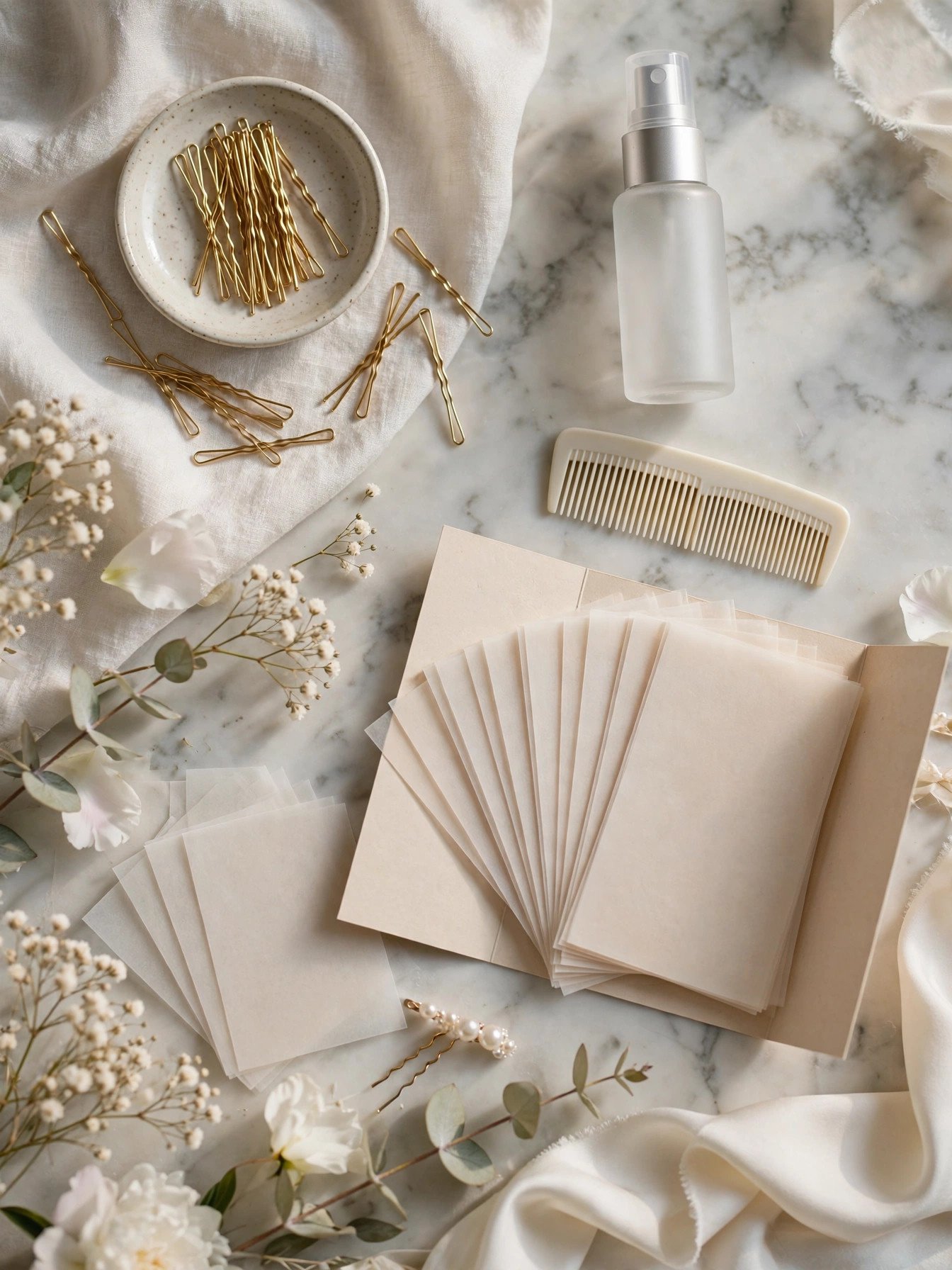
Hair that looks perfect at 10 AM has ten hours of hugs, dancing and wind ahead of it — plan for maintenance.
Your wedding day is long: ceremony, portraits, cocktail hour, dinner, dancing. Even the best style needs a refresh by evening. Discuss likely touch-ups with your stylist in advance — what will loosen, what to re-pin — and pack a small kit: bobby pins in your hair color, travel hairspray, a few extra pins and a small brush.
If your stylist stays for touch-ups, coordinate timing now. If not, designate one trusted bridesmaid and show her exactly what to do. Planning for maintenance isn’t pessimistic — it’s how you look as good in the last photo as the first.
Read next: Don’t Make These Wedding Day Mistakes
Clashing with the Neckline
 📌 Save
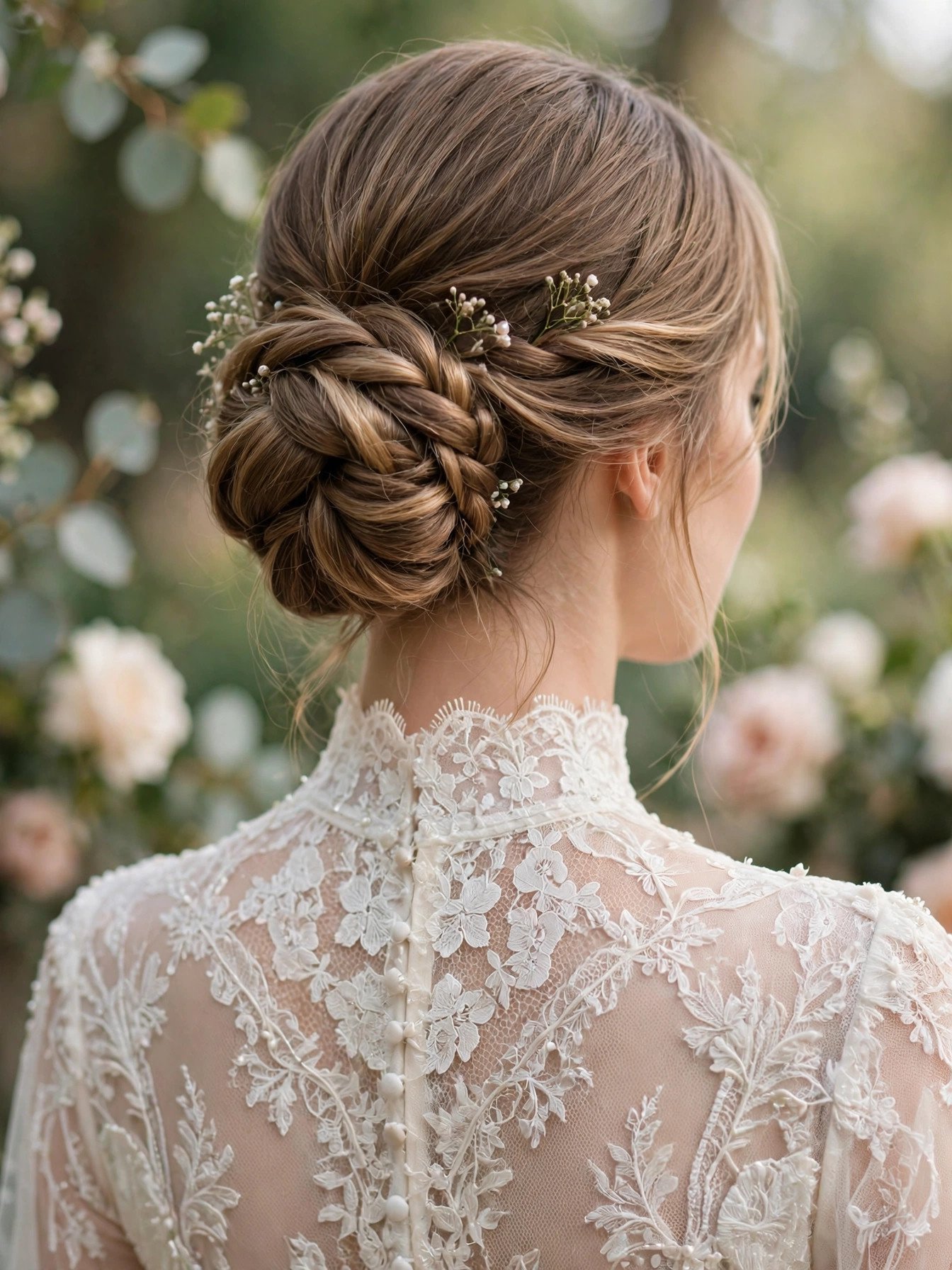
A heavily detailed updo plus an intricate high neckline equals visual clutter — hair and dress must be planned together.
Your hairstyle and neckline share the same frame in every portrait, so they need to cooperate. High necklines and detailed collars pair best with simpler, swept-back hair; open backs deserve hair pinned up or swept aside so the dress detail shines; clean, simple necklines give you freedom to go bolder with the hair. Plan them as one look, not two separate decisions.
Bring a photo of your dress — or wear a similar neckline — to your hair trial so your stylist can design for the real picture.
Read next: How to Match Your Wedding Hairstyle to Your Wedding Gown
Skipping the Timing Run-Through
 📌 Save
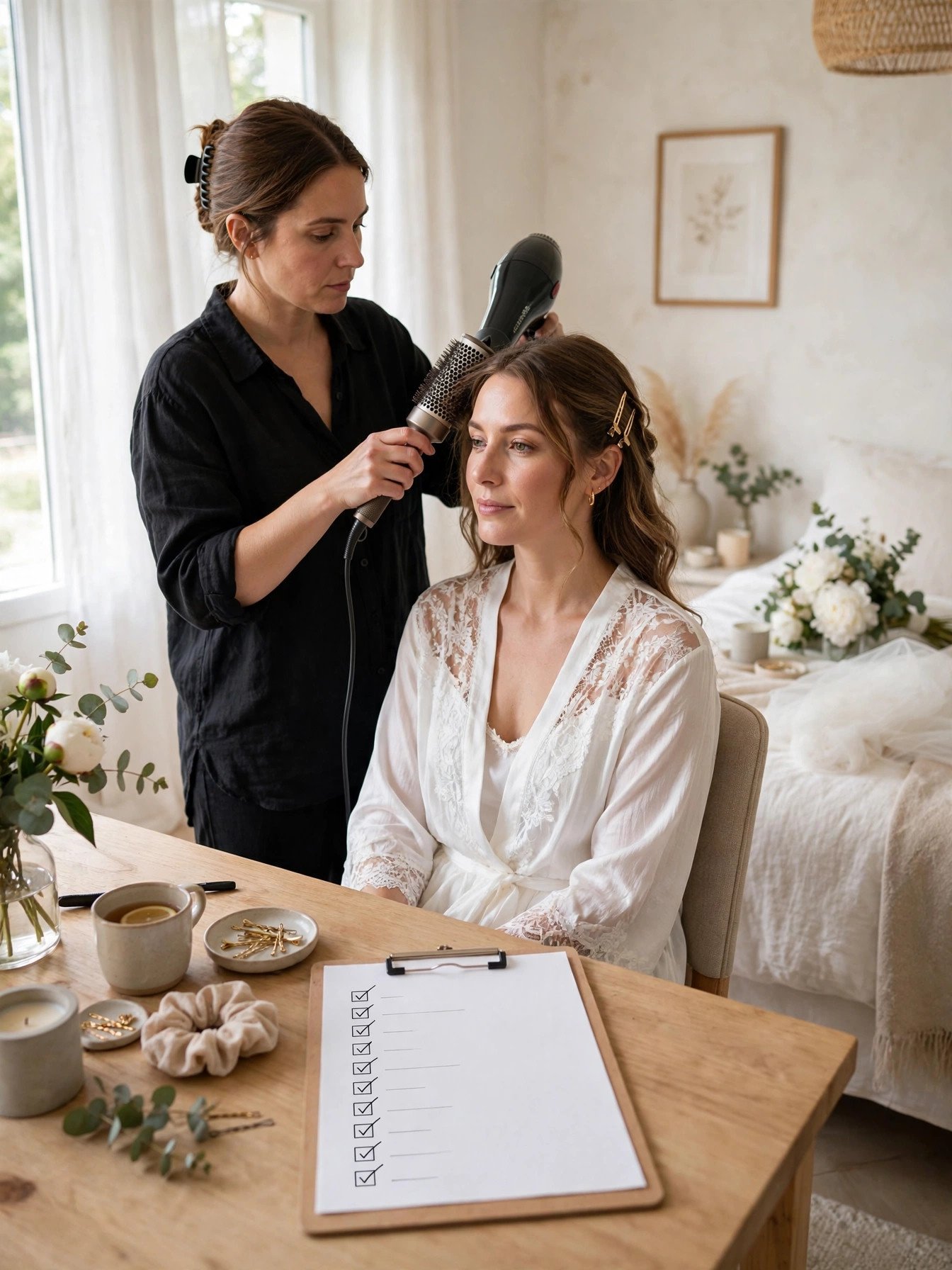
Hair and makeup for a bride plus bridesmaids can take hours — without a timeline, delays cascade into the ceremony itself.
Before the wedding, walk through a detailed schedule with your stylist: how long will your style take, how long per bridesmaid, when do touch-ups happen, and where’s the buffer? Confirm everything a week before the wedding in case anything changed. Arriving late to your own ceremony because hair ran over is completely avoidable.
Build in thirty minutes of buffer you hope not to need — wedding mornings always produce one surprise, and a cushion turns it from a crisis into a footnote.
Read next: Don’t Make These Wedding Day Mistakes
Frequently Asked Questions
When should I book my bridal hair trial?
Two to three months before the wedding. That leaves time for a second trial or even a new stylist if the first attempt isn’t right. Bring your veil, headpiece and a photo of your dress neckline to the trial.
Should I wash my hair before my wedding hair appointment?
Wash it the night before, not the morning of. Day-old hair has natural texture that grips pins and holds curls far better than freshly washed, slippery hair. Ask your stylist for their preferred prep routine.
How do I keep my wedding hairstyle from falling flat?
Choose a style suited to the weather (updos beat humidity), use professional hold products, pack a touch-up kit with pins and travel hairspray, and ask your stylist which styles hold best for your hair type.
Can I try a brand-new hairstyle on my wedding day?
No — your wedding day is the worst time to experiment. Any new cut, color or style should be tested at least two months out so there’s time to adjust. Your wedding look should be an elevated version of you, not a stranger.
How long does bridal hair take on the wedding day?
Plan 45–90 minutes for the bride depending on style complexity, plus 30–45 minutes per bridesmaid. Discuss a detailed timeline with your stylist in advance and build in a 30-minute buffer — hair running late cascades into everything.
✨ Key Takeaways
- Always do a hair trial two to three months out — it’s the single highest-impact step.
- Plan hair around the weather, the dress neckline and your accessories — not in isolation.
- Wash the night before, keep up trims, and be honest about your hair history.
- Pack a touch-up kit and assign a helper so your style lasts from first look to last dance.
- Your wedding hair should feel like the best version of you — never a costume.
Final Thoughts
Beautiful bridal hair doesn’t happen by accident — it’s the result of planning, honest communication with your stylist, and a little respect for what hair can and can’t do in a ten-hour day. Avoid these twelve mistakes and you’ll walk down the aisle confident, comfortable, and completely yourself. One less worry on your wedding day makes all the difference.