20 Curved Band Ideas (2027)
By zainzari • Published October 22, 2026 • Updated October 22, 2026
 📌 Save
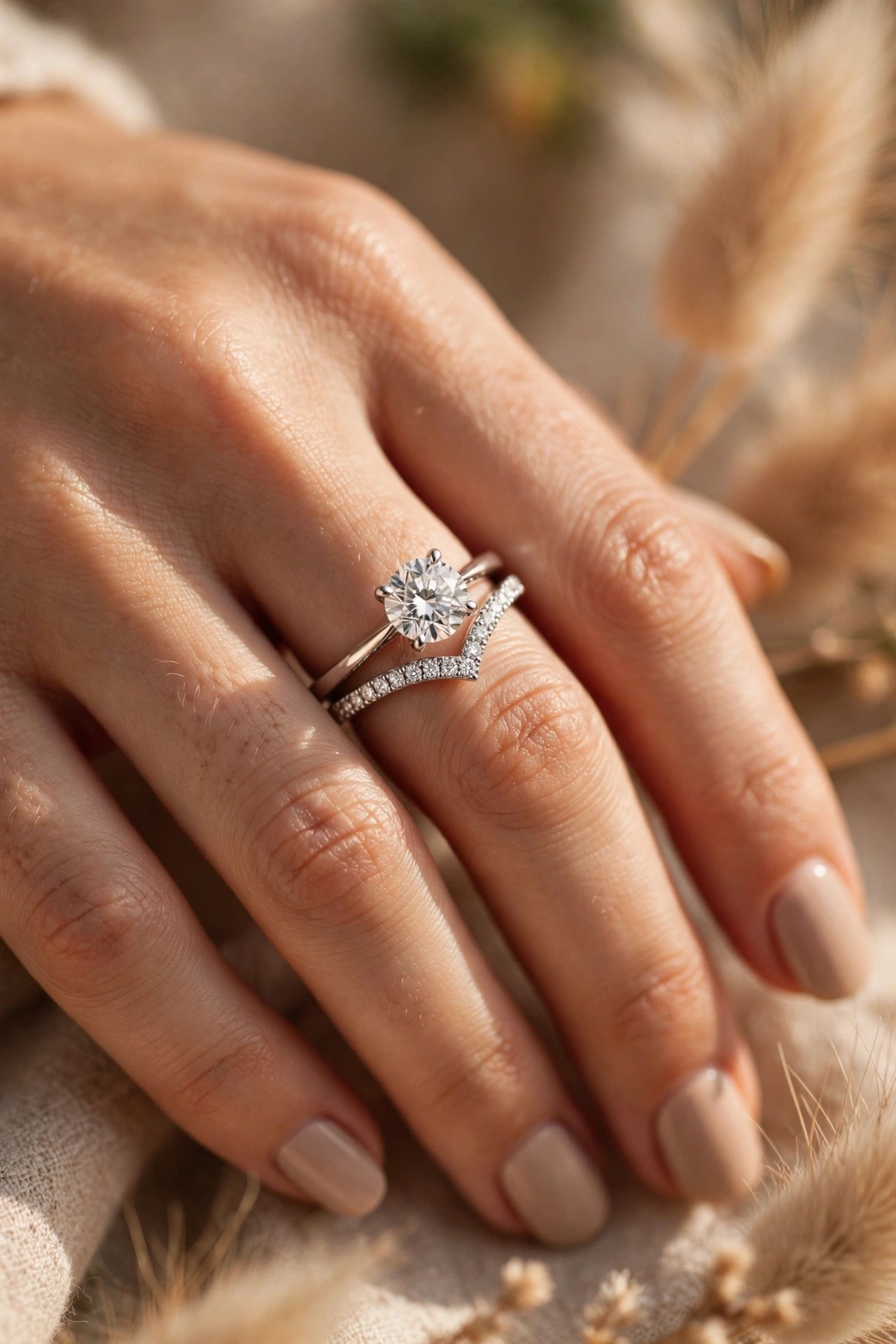
The best curved wedding bands in 2027 follow the exact silhouette of your engagement ring, so the two rings sit flush with no gap and no rocking. Start by matching the curve to your center stone shape — a soft arc for round and oval stones, a pointed chevron for pear and marquise — then try the band on both sides of your ring to check comfort before you buy.
A straight band against a low-set or unusually shaped engagement ring leaves a wedge-shaped gap that catches, spins, and wears unevenly. A curved — or contoured — band is shaped to close that gap, tracing your ring like a puzzle piece.
This guide covers twenty curved band ideas, from barely-there arcs you can wear alone to dramatic chevrons and custom-molded contours. For each one, note how deep the curve is and whether it still looks intentional if you ever wear the band solo.
At a Glance: Curve Shape, Profile & Best Match
| # | Band Idea | Curve Type | Best For | Profile |
|---|---|---|---|---|
| 1 | Gentle Arc Solitaire Band | Soft arc | Round solitaire | Low |
| 2 | Chevron Point Diamond Band | Chevron | Pear & marquise | Pointed |
| 3 | Deep Contour Halo Hugger | Deep contour | Halo rings | High wrap |
| 4 | Open Curve Bypass Band | Open curve | Oval solitaire | Asymmetric |
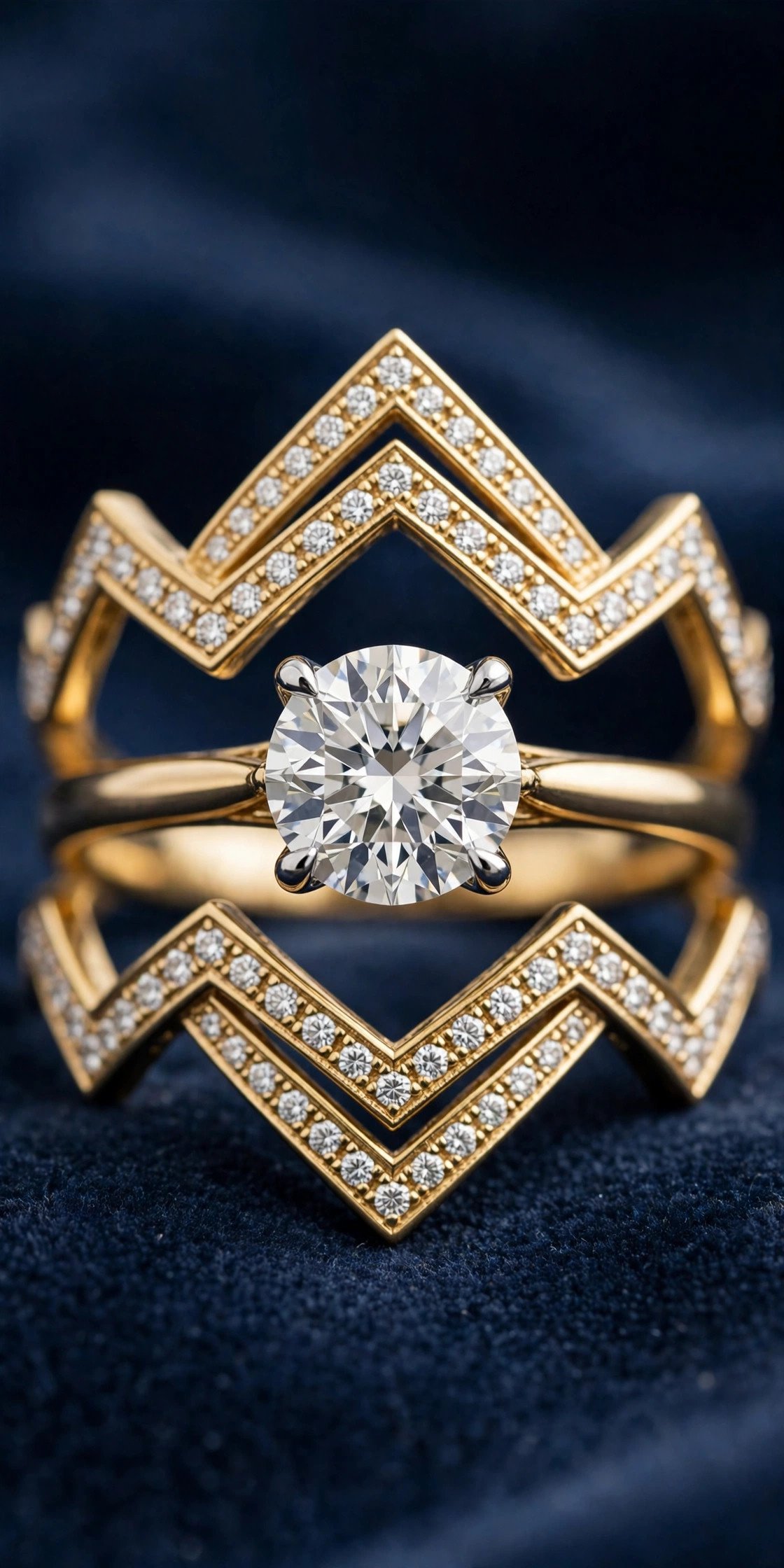
| 5 | Double Curve Crown Band | Double chevron | Stacking | Layered |
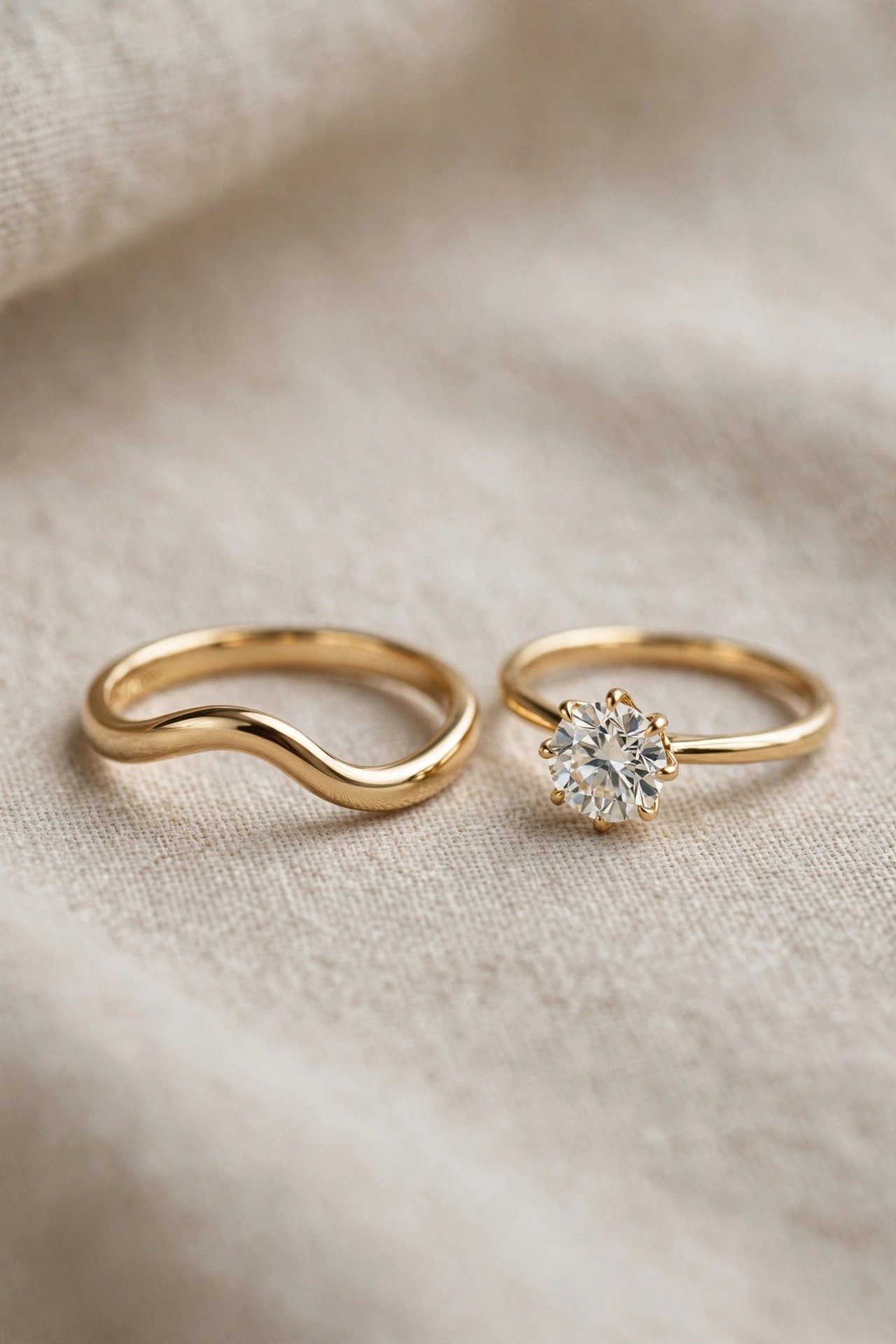
| 6 | Wave Curve Plain Gold Band | Wave | Any ring | Flowing |
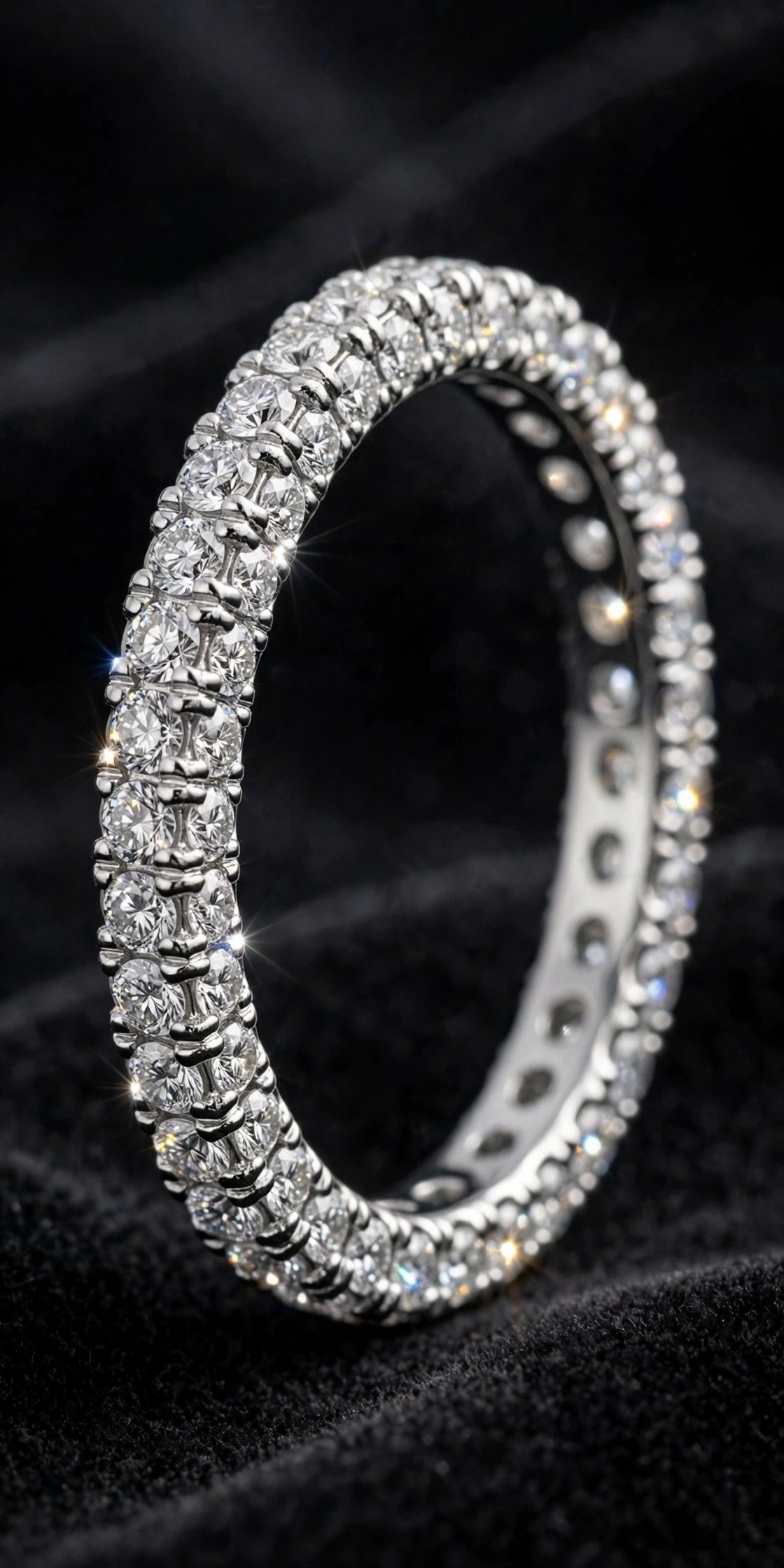
| 7 | Curved Eternity Diamond Band | Arc + eternity | Diamond lovers | Full circle |
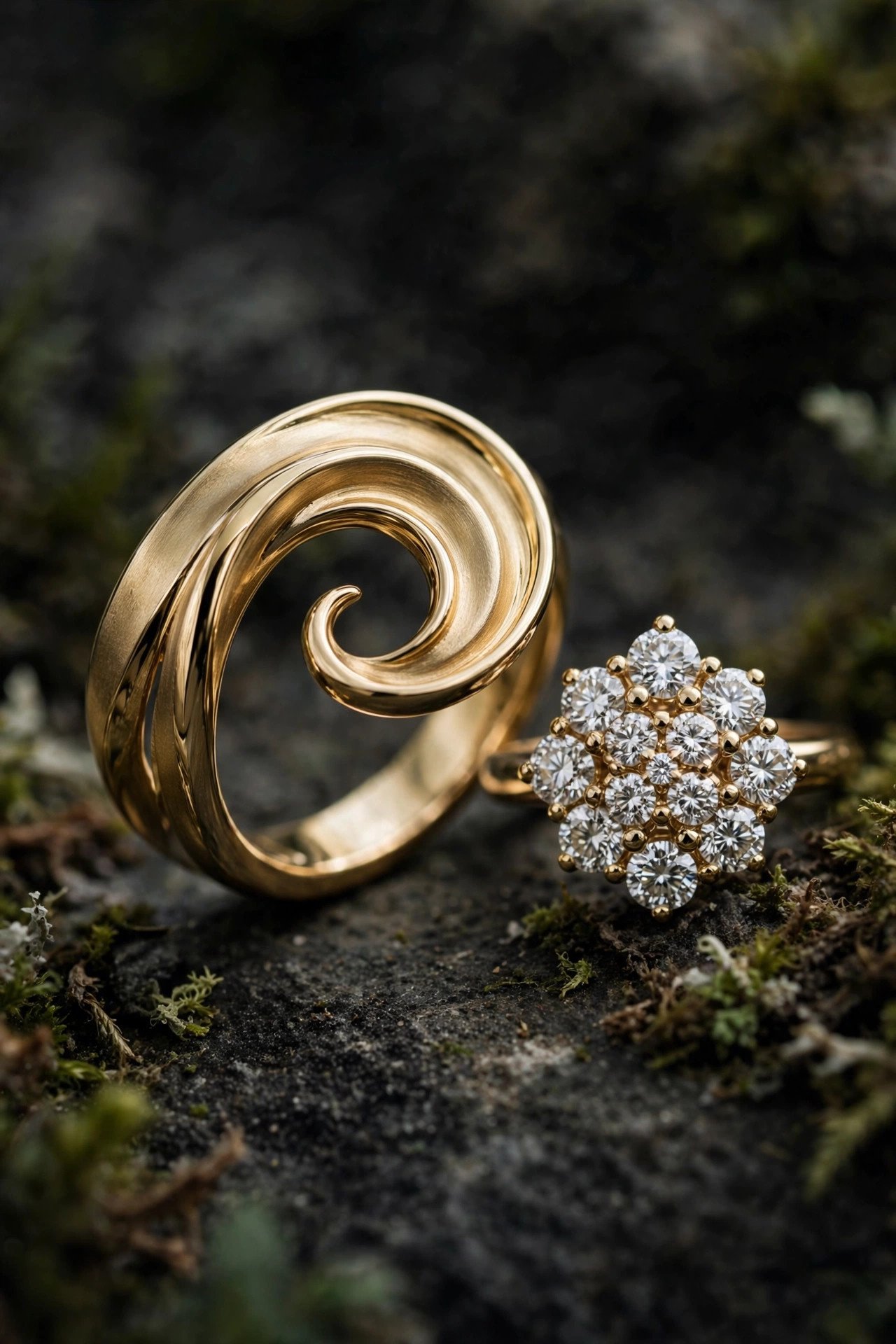
| 8 | Asymmetric Swirl Band | Asymmetric | Unique rings | One-sided |
| 9 | Nested Tiara Curve Band | Tiara arc | Vintage rings | Raised center |
| 10 | Flat Curve Wedding Band | Shallow arc | Low-profile rings | Flat |
Curve guide: a shallow arc suits low solitaires, a deep contour suits halos and three-stones, and a chevron suits pointed stones. Full details for all 20 ideas are below.
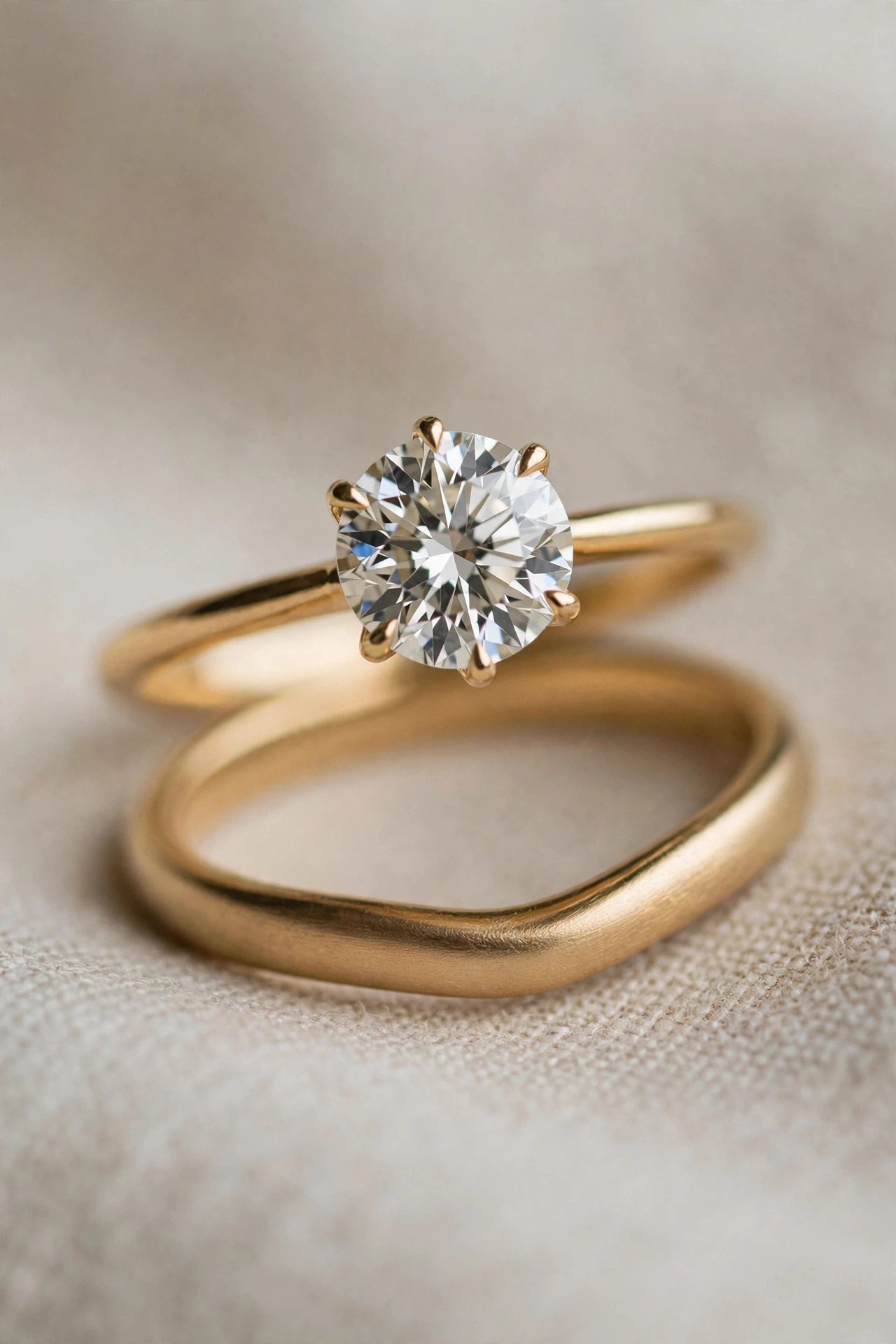
Gentle Arc Solitaire Band
 📌 Save
A barely-bent band with a smooth, shallow curve that disappears against a classic round solitaire.
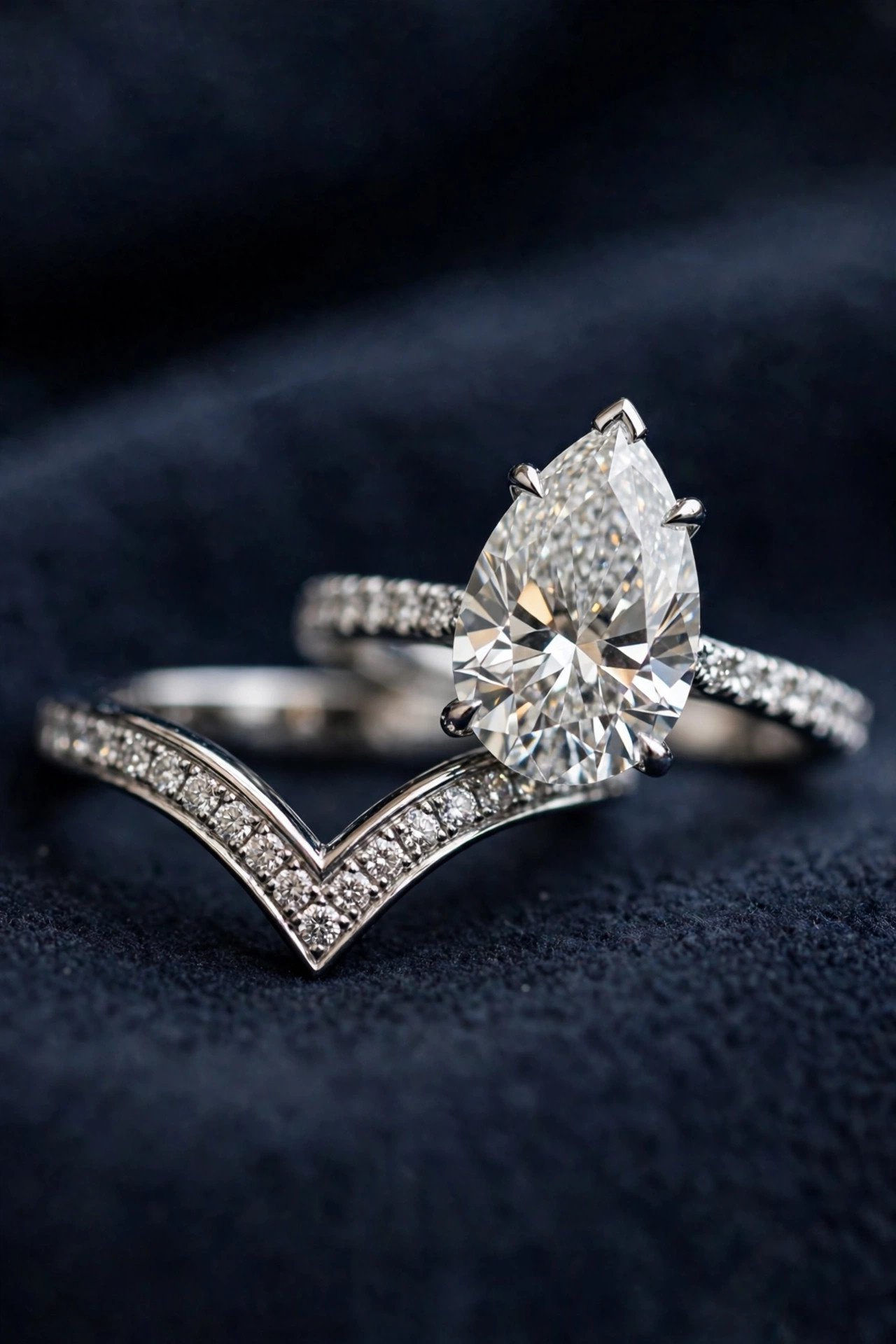
Chevron Point Diamond Band
 📌 Save
A V-shaped band tipped with pavé diamonds points straight at a pear, marquise, or kite center stone and makes it look longer.
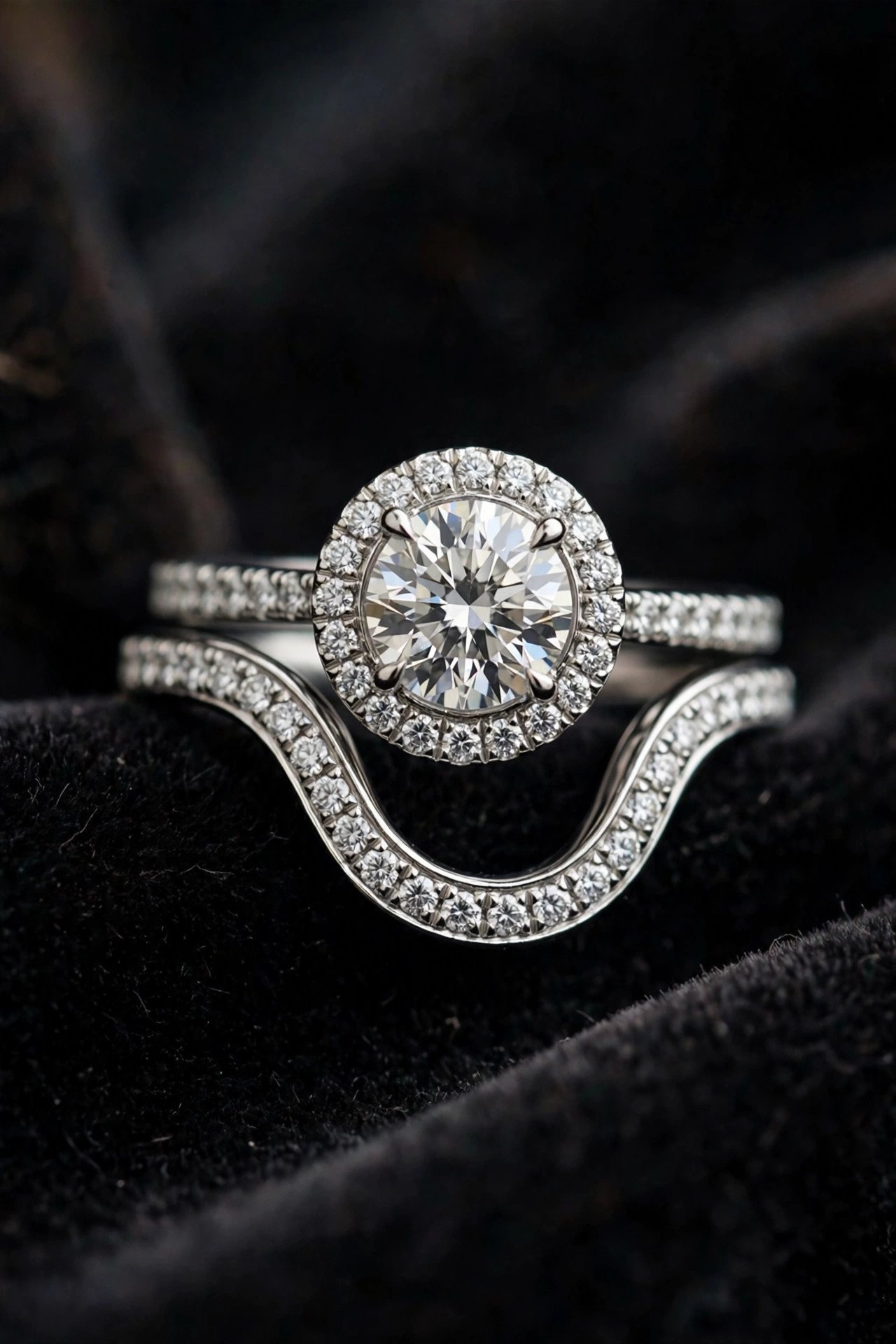
Deep Contour Halo Hugger
 📌 Save
This deeply scooped band wraps around a halo setting so the two rings lock together like a single wide design.
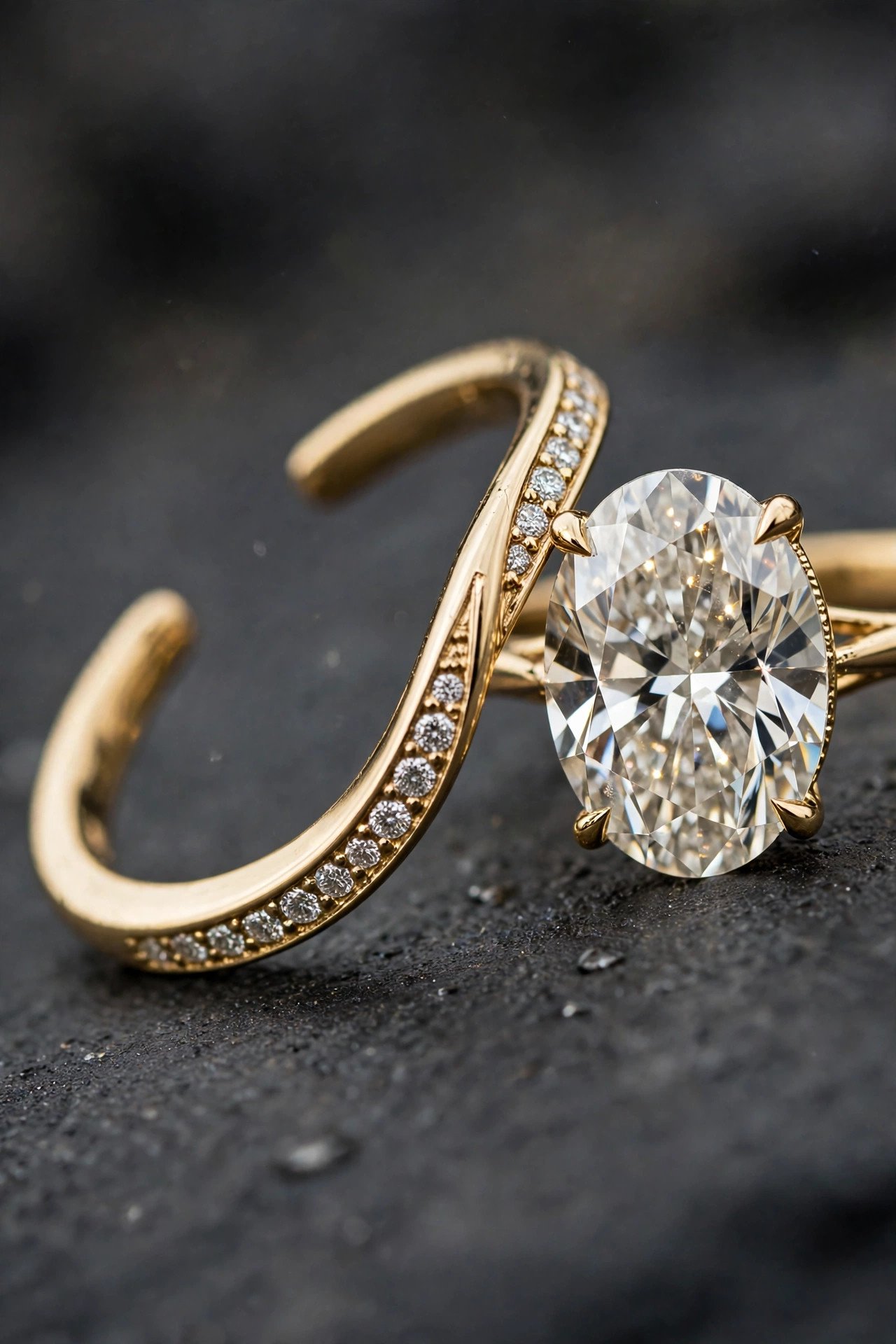
Open Curve Bypass Band
 📌 Save
One side sweeps up and past the center stone in a bypass motion, leaving airy negative space that feels modern and light.
Double Curve Crown Band
 📌 Save
Two stacked chevrons form a crown above and below the center stone, turning a simple solitaire into a regal set.
Wave Curve Plain Gold Band
 📌 Save
A smooth wave of plain yellow gold with no stones at all — the curve itself is the design, and it pairs with everything.
Curved Eternity Diamond Band
 📌 Save
Diamonds run the full circle of a gently curved band, so the sparkle never stops even though the shape is contoured.
Asymmetric Swirl Band
 📌 Save
The curve rises on one side only, echoing freeform and cluster engagement rings that straight bands never fit.
Nested Tiara Curve Band
 📌 Save
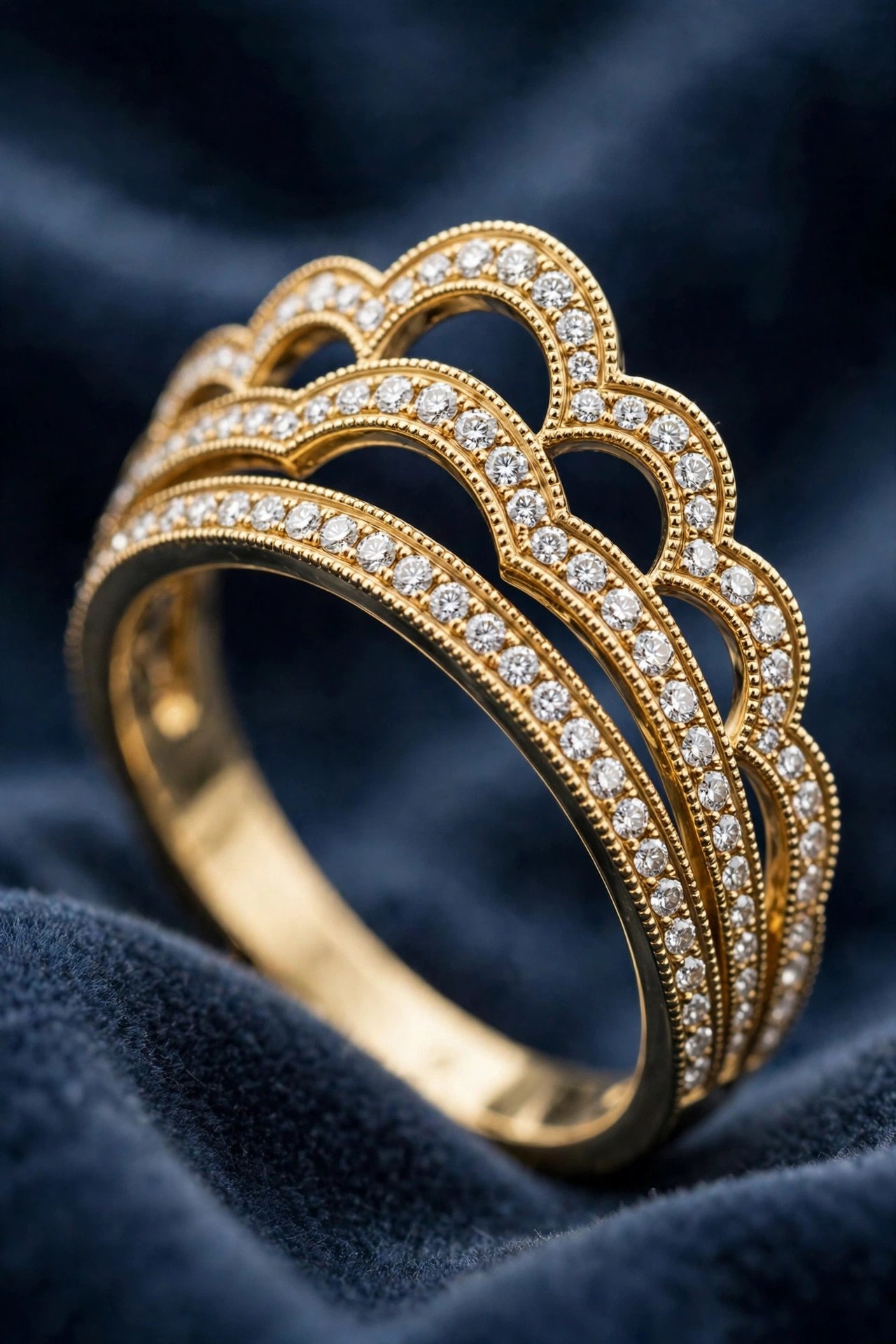
A raised, tiara-style arc with milgrain edges lifts a small diamond peak above the band, a nod to vintage crown rings.
Flat Curve Wedding Band
 📌 Save
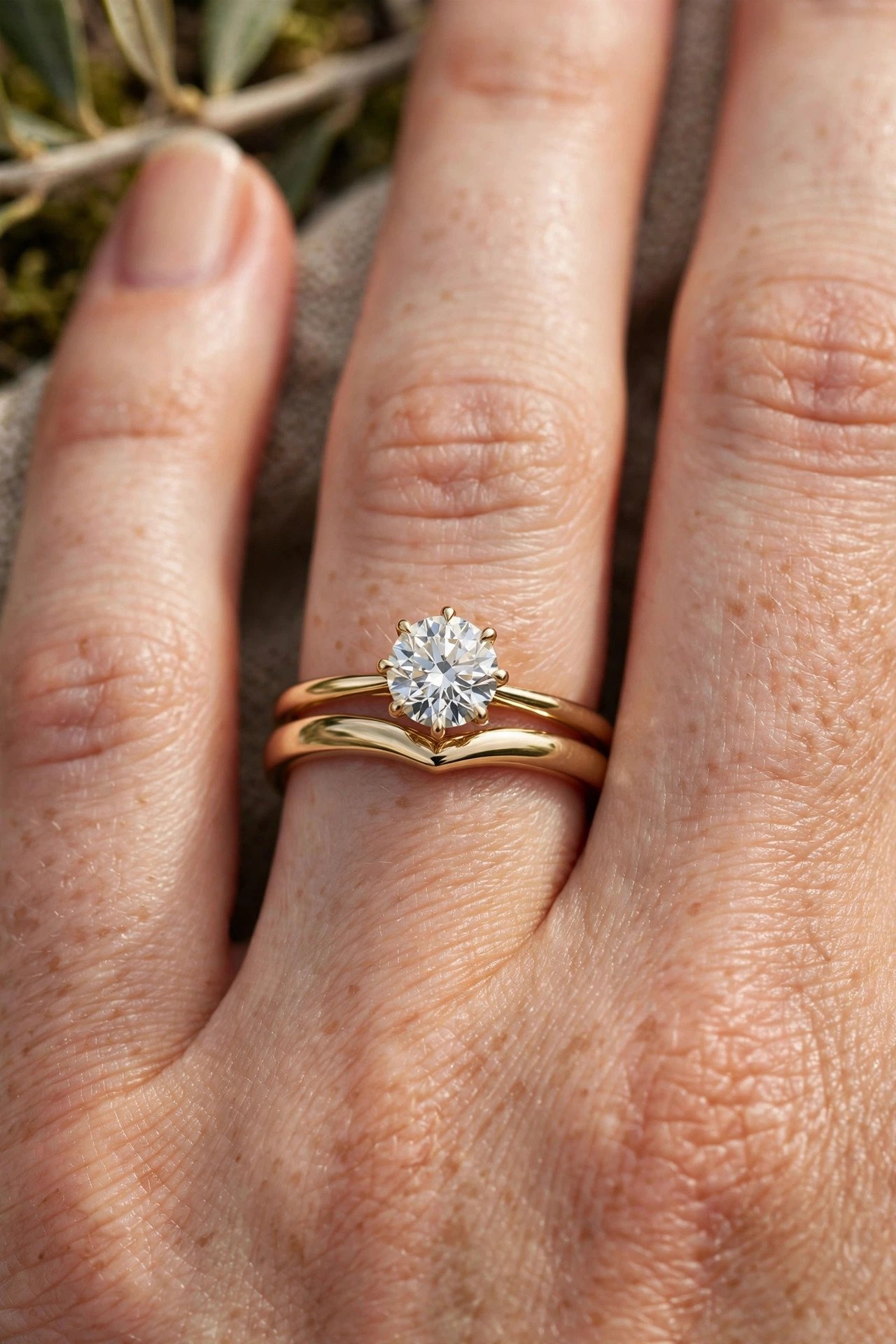
A flattened arc keeps the whole set sitting low and close to the finger — ideal if you work with your hands or wear gloves.
Rose Gold Soft Curve Band
 📌 Save
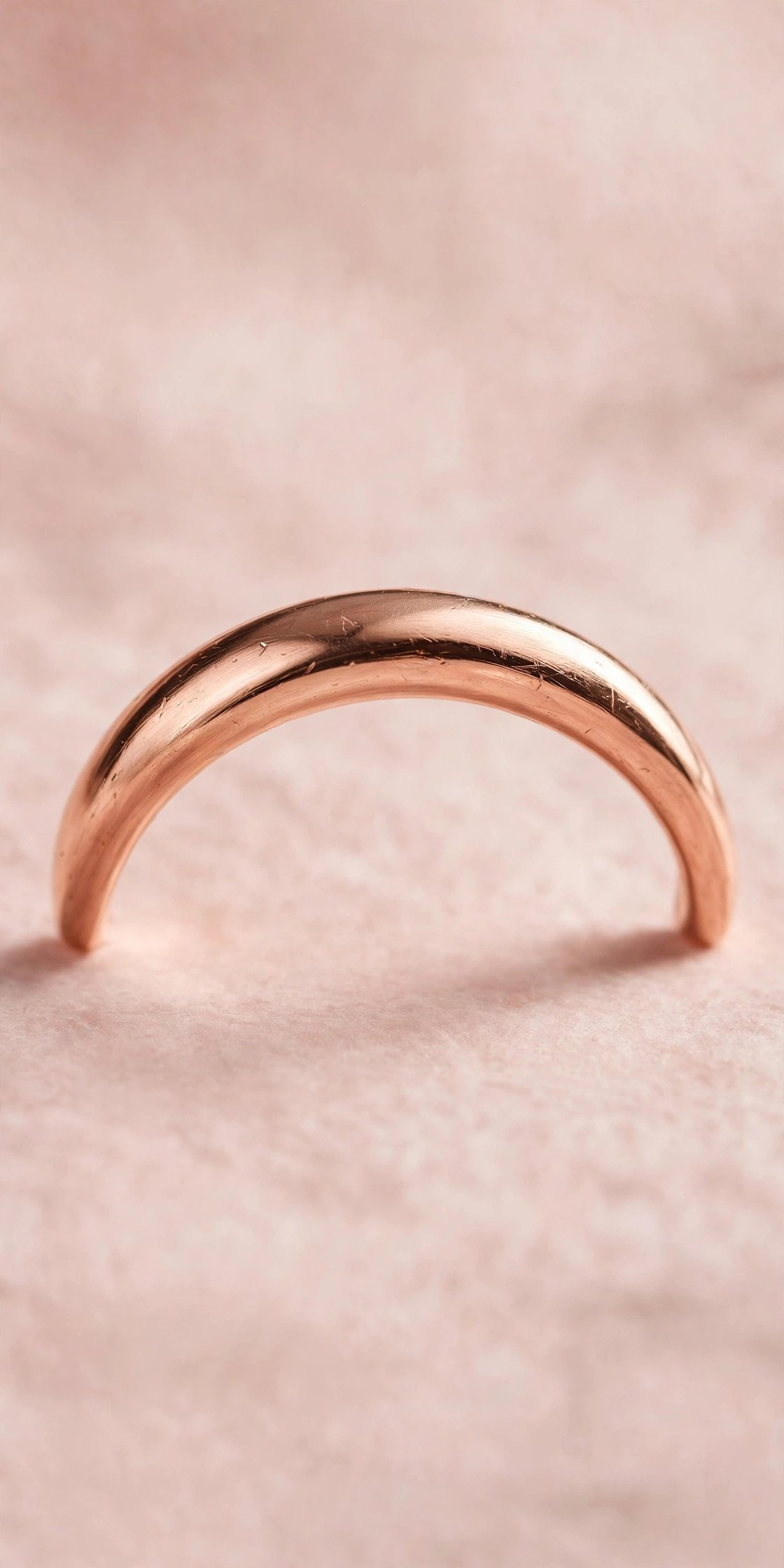
Blush rose gold softens the look of a curved band and flatters warm and neutral skin tones beautifully.
Platinum Contour Band
 📌 Save
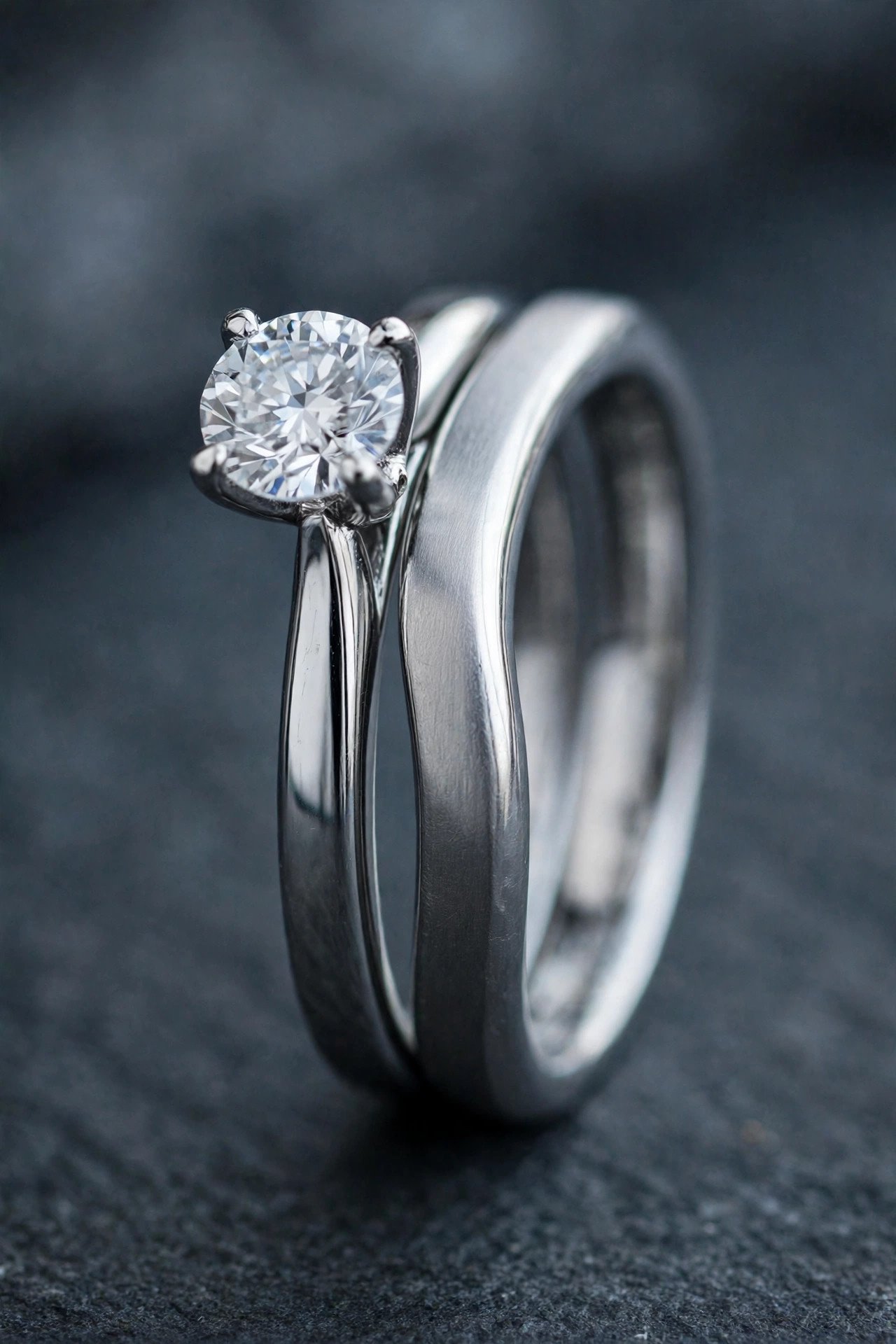
Platinum holds a precise contour for decades without wearing thin, making it the heirloom choice for a custom-shaped band.
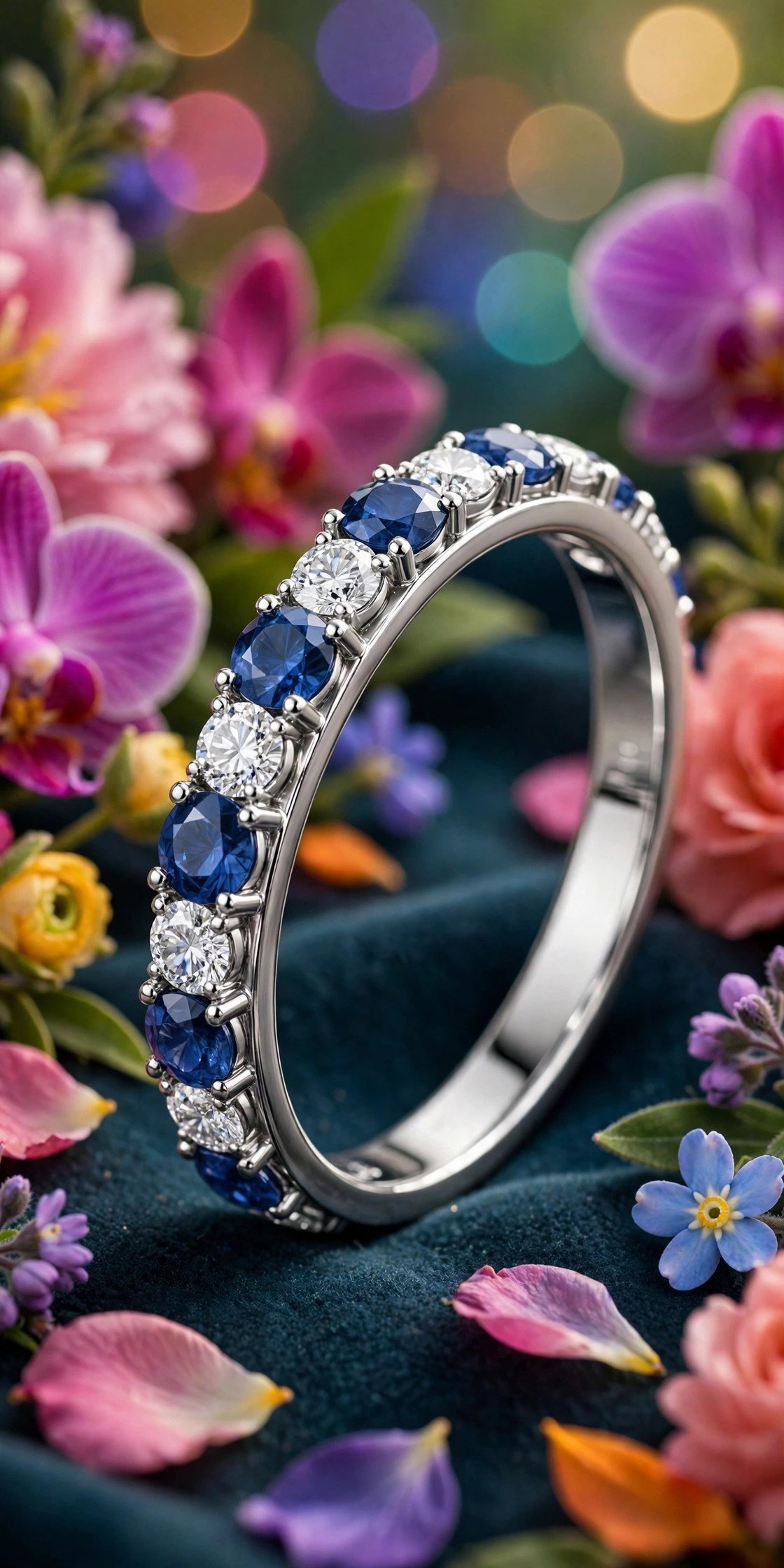
Curved Band With Sapphires
 📌 Save
Alternating sapphires and diamonds along a gentle arc add a band of color that makes a white-metal set feel personal.
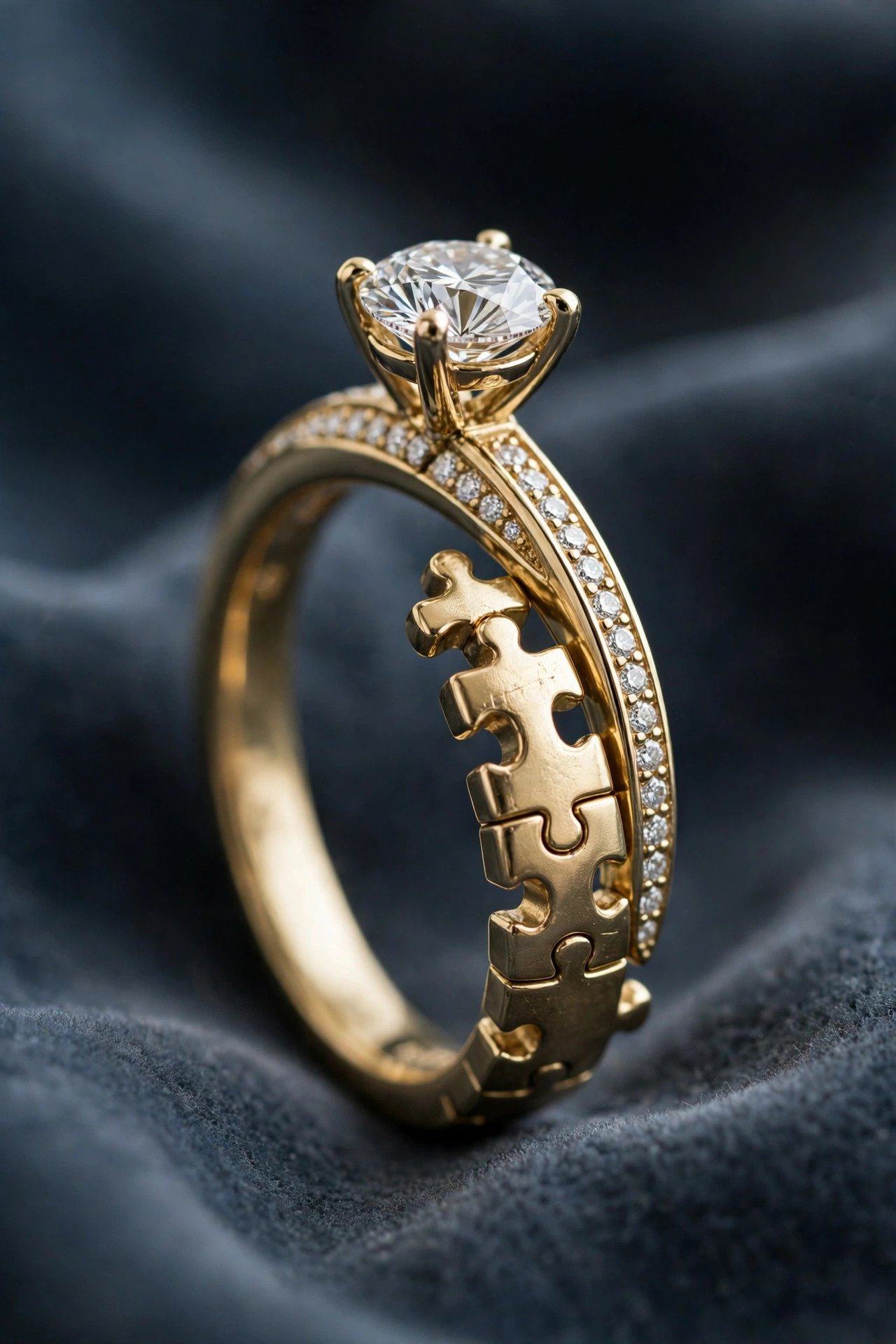
Interlocking Puzzle Band
 📌 Save
Cut to interlock with your exact engagement ring, this band cannot spin or separate — the set moves as one ring.
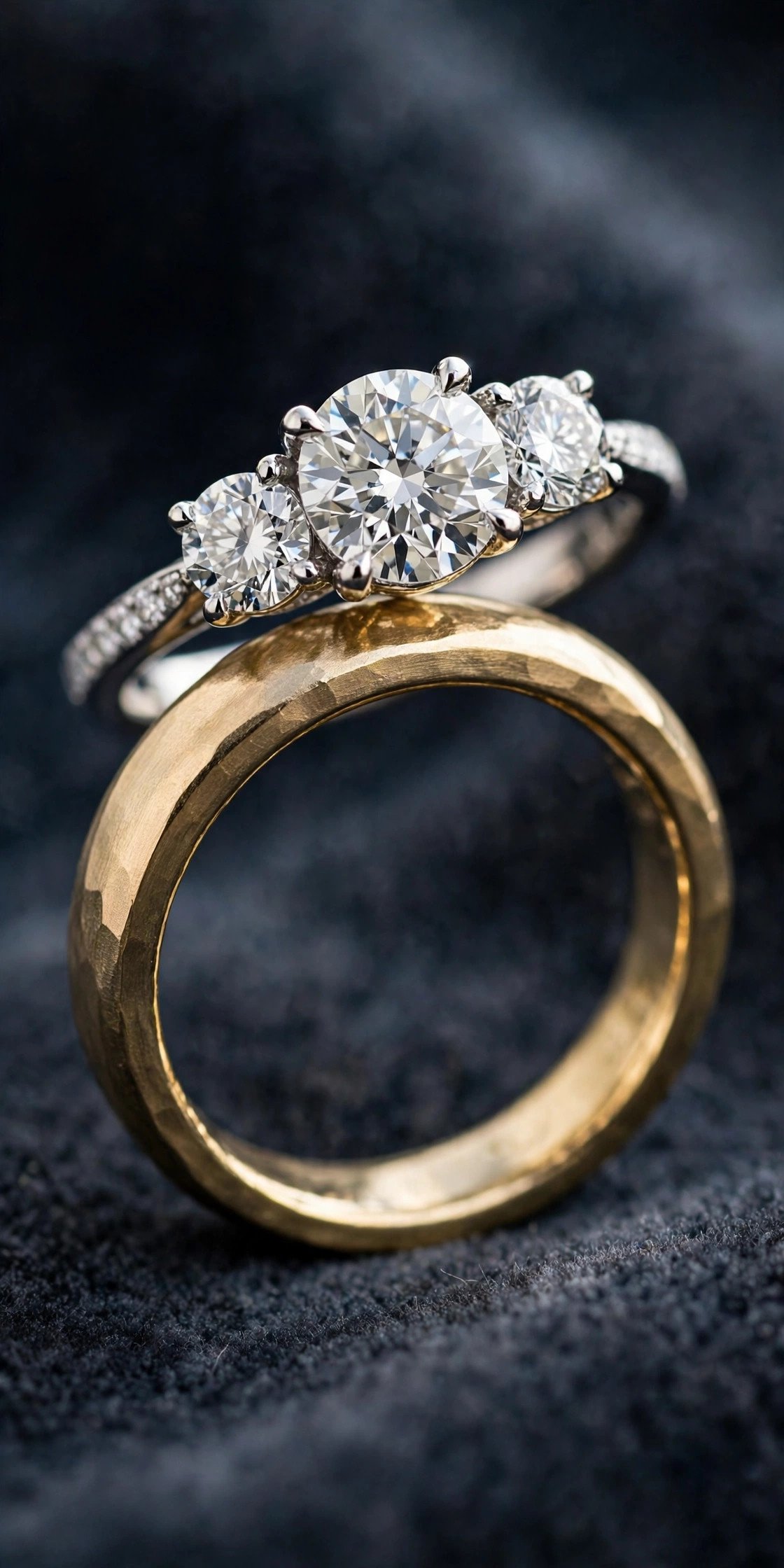
Curved Band for Three-Stone Rings
 📌 Save
A wide, shallow scoop clears the side stones of a three-stone ring, where a narrow curve would collide and wear.
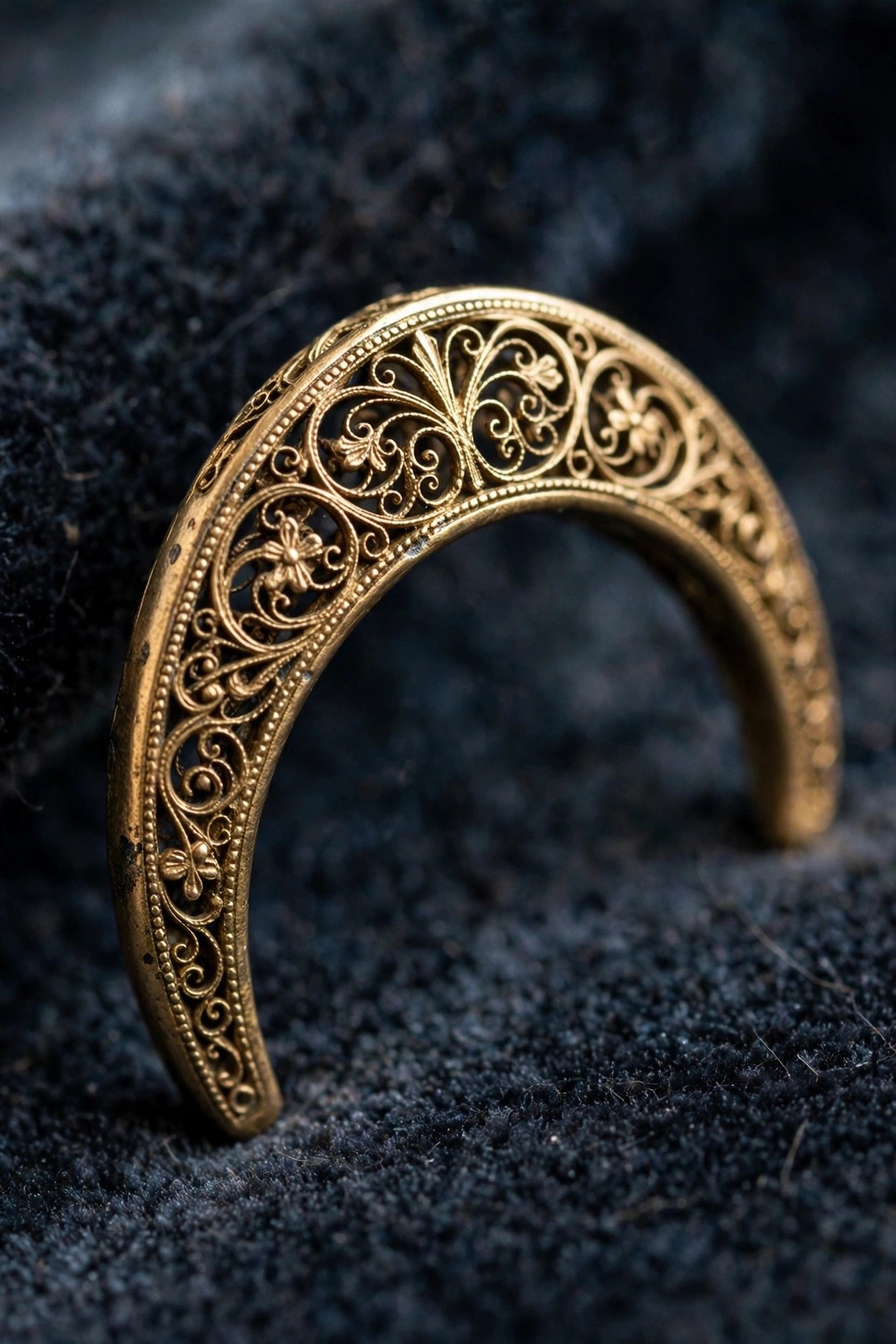
Vintage Filigree Curve Band
 📌 Save
Hand-cut filigree scrollwork along a curved silhouette echoes antique engagement rings and hides the curve in the detail.
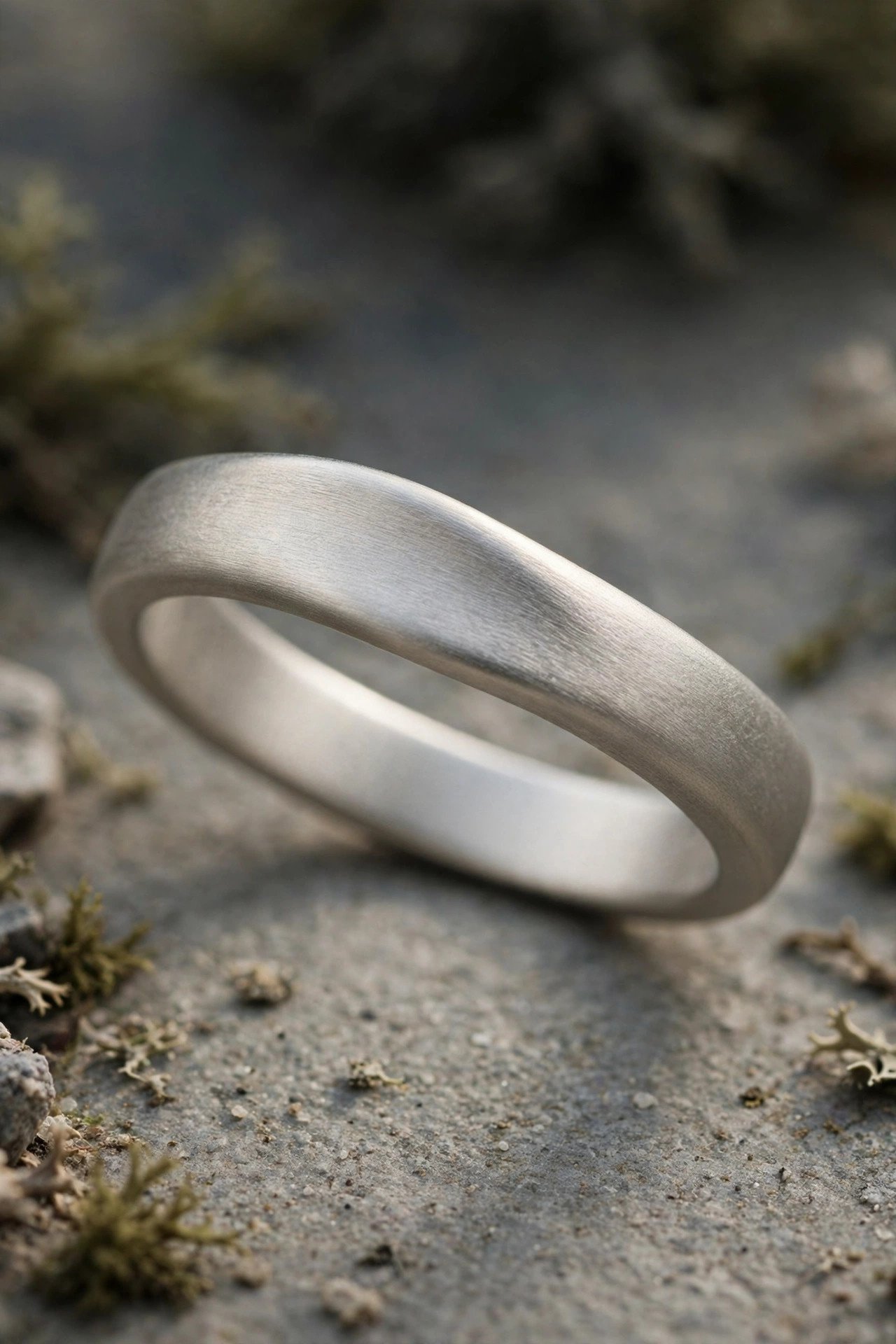
Matte Finish Curved Band
 📌 Save
A brushed matte finish on a simple curve reads calm and contemporary next to a high-polish engagement ring.
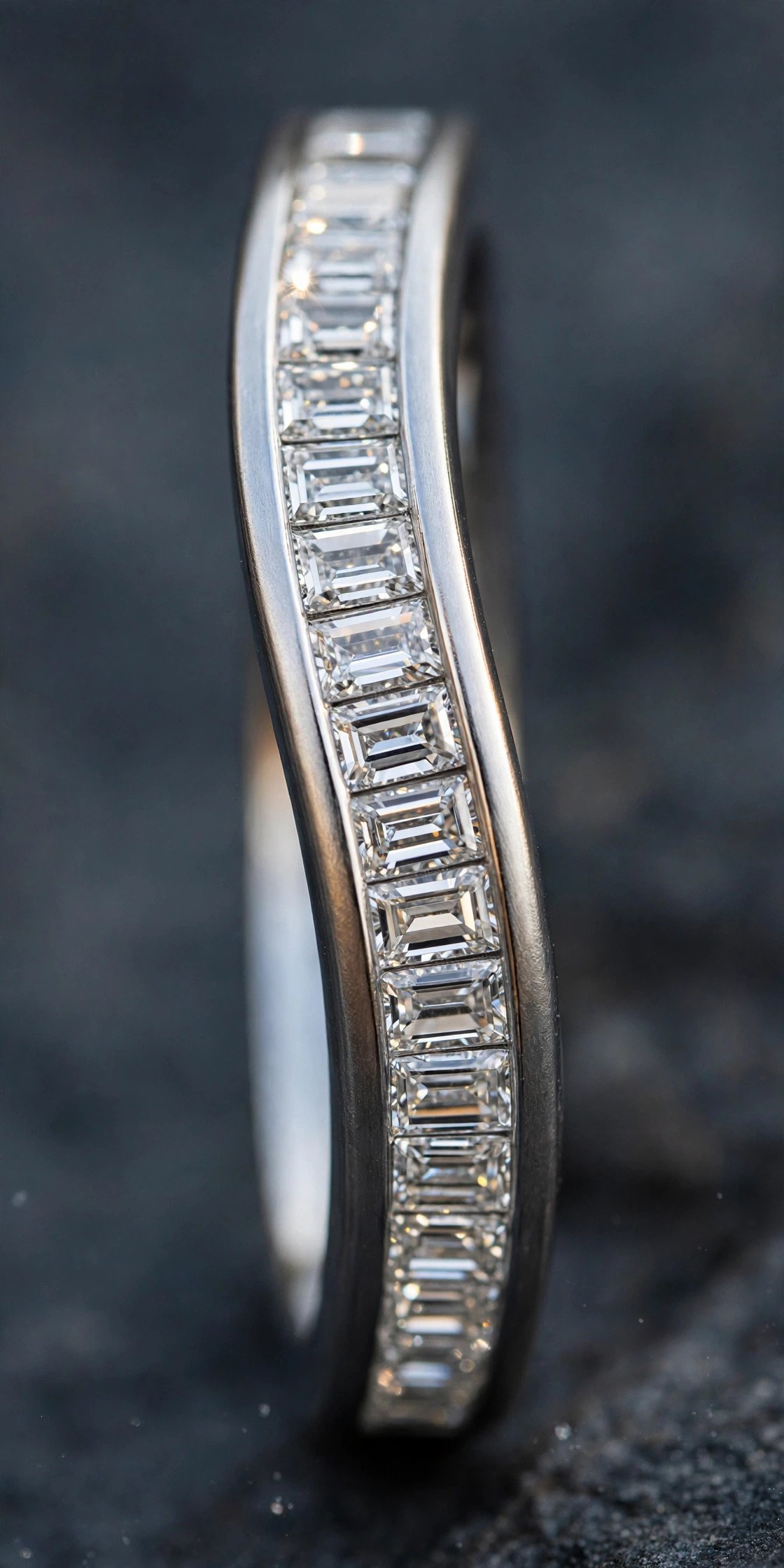
Curved Band With Baguettes
 📌 Save
Channel-set baguettes step along a shallow arc, giving deco-loving brides geometry plus a flush fit.
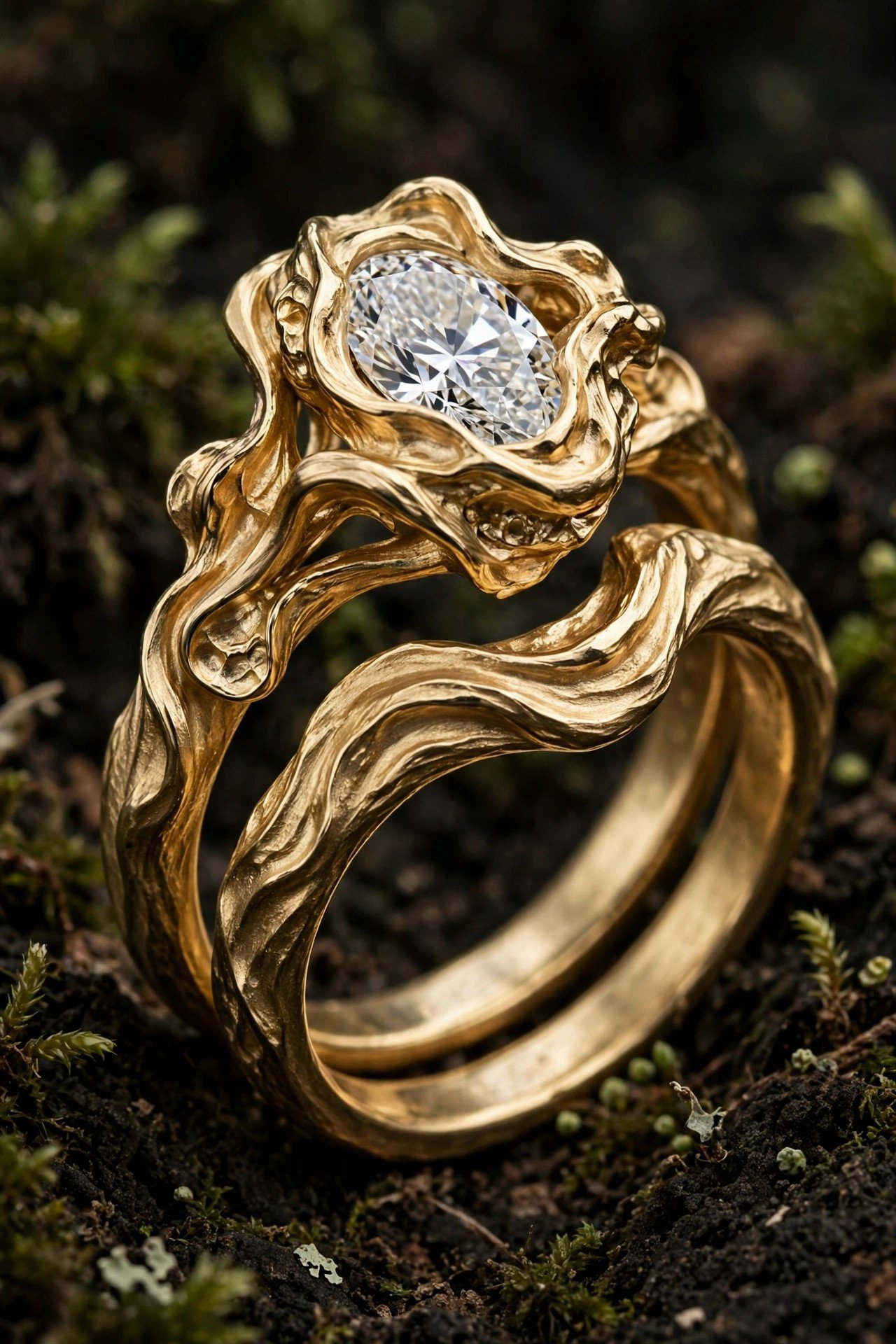
Custom Molded Contour Band
 📌 Save
A jeweler takes a mold or 3D scan of your ring and casts a band that traces it exactly — the answer for one-of-a-kind settings.
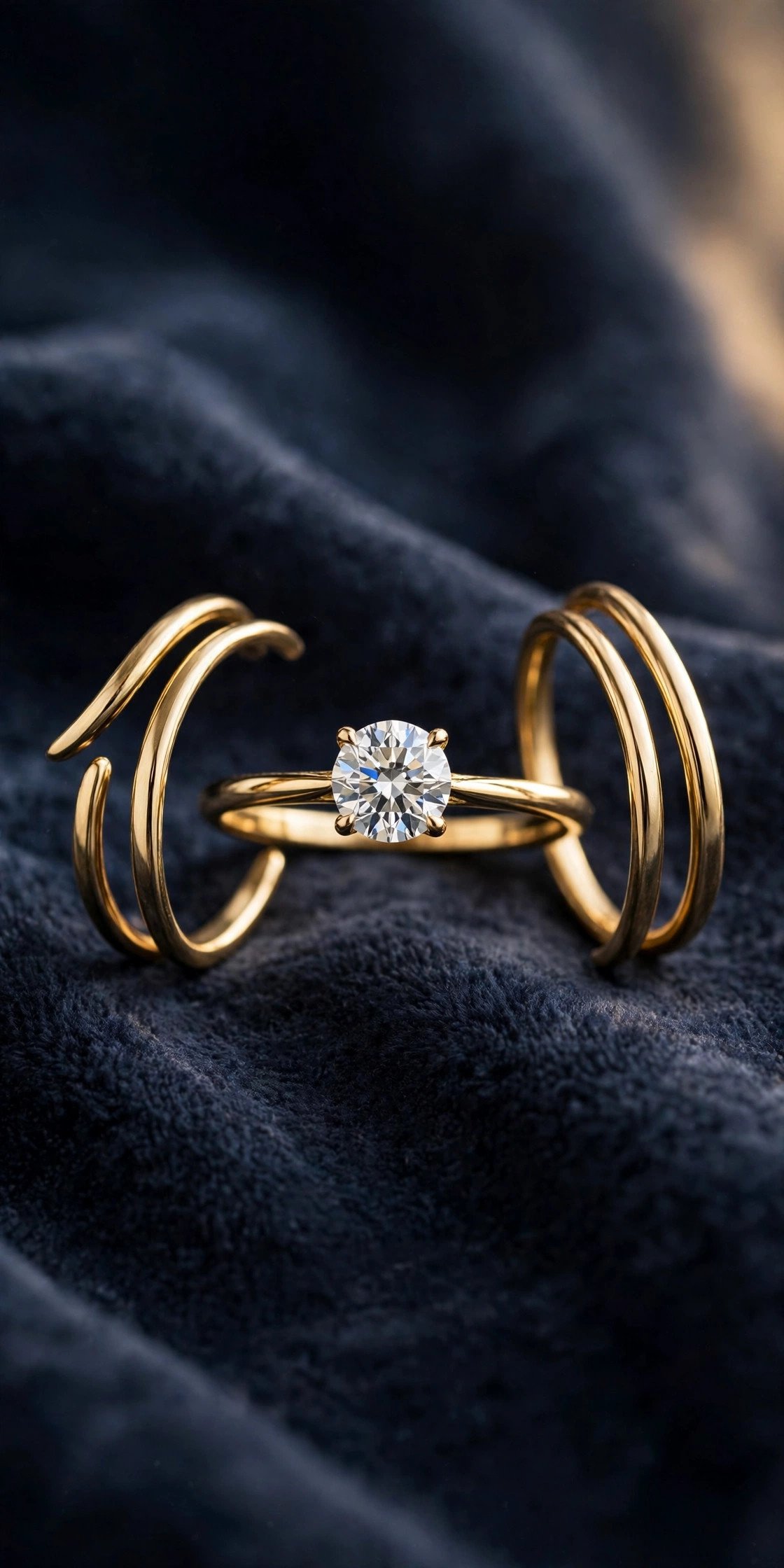
Stackable Mini Curve Bands
 📌 Save
Two slim mini-curves, one above and one below your ring, let you build a framed set you can rearrange or wear apart.
20 Curved Band Ideas FAQs
What is a curved wedding band?+
A curved wedding band, also called a contoured or shadow band, is shaped with an arc, dip, or point so it sits flush against an engagement ring instead of leaving a gap. Jewelers design the curve to trace the outline of your center stone or setting.
Do curved bands look good worn alone?+
Shallow arcs and gentle waves look intentional worn alone, while deep contours and sharp chevrons can look unfinished without the engagement ring. If you plan to wear your band solo often, choose a soft curve or a wave style.
Can any engagement ring use a curved band?+
Most can, especially low-set solitaires, halos, three-stone rings, and pointed stones like pear and marquise, which leave the biggest gaps with straight bands. Very high-set round solitaires may sit fine with a straight band, so try both before deciding.
How much does a custom curved band cost?+
Ready-made curved bands in the US typically run $400 to $1,800 depending on metal and diamonds, while a fully custom molded contour usually starts around $900 to $1,500 plus stones. Get quotes from two jewelers, since custom pricing varies widely.
Should both rings be soldered together?+
Soldering stops spinning and reduces wear where the rings rub, but it means you can never wear the band alone and resizing gets harder. Many couples wear the set unsoldered for the first year, then decide once they know their habits.
Key Takeaways
- Match the curve depth to your setting: shallow for solitaires, deep for halos, pointed for pear and marquise stones.
- Try the band on both sides of your ring and check the fit from above before buying.
- Deep contours rarely work solo — choose a soft arc if you will wear the band alone.
- Custom molded bands need two to six weeks, so start well before the wedding.
- Same-metal pairings wear most evenly where the two rings touch.
Final Thoughts
A gap between your rings is not a small detail — you will see it every day. The right curve turns two separate rings into one considered design, so take your engagement ring shopping with you, try every silhouette on your actual hand, and let the fit, not the photo, make the final call.