How Old Should a Flower Girl Be (2027)
By zainzari • Published October 23, 2026 • Updated October 23, 2026
 📌 Save
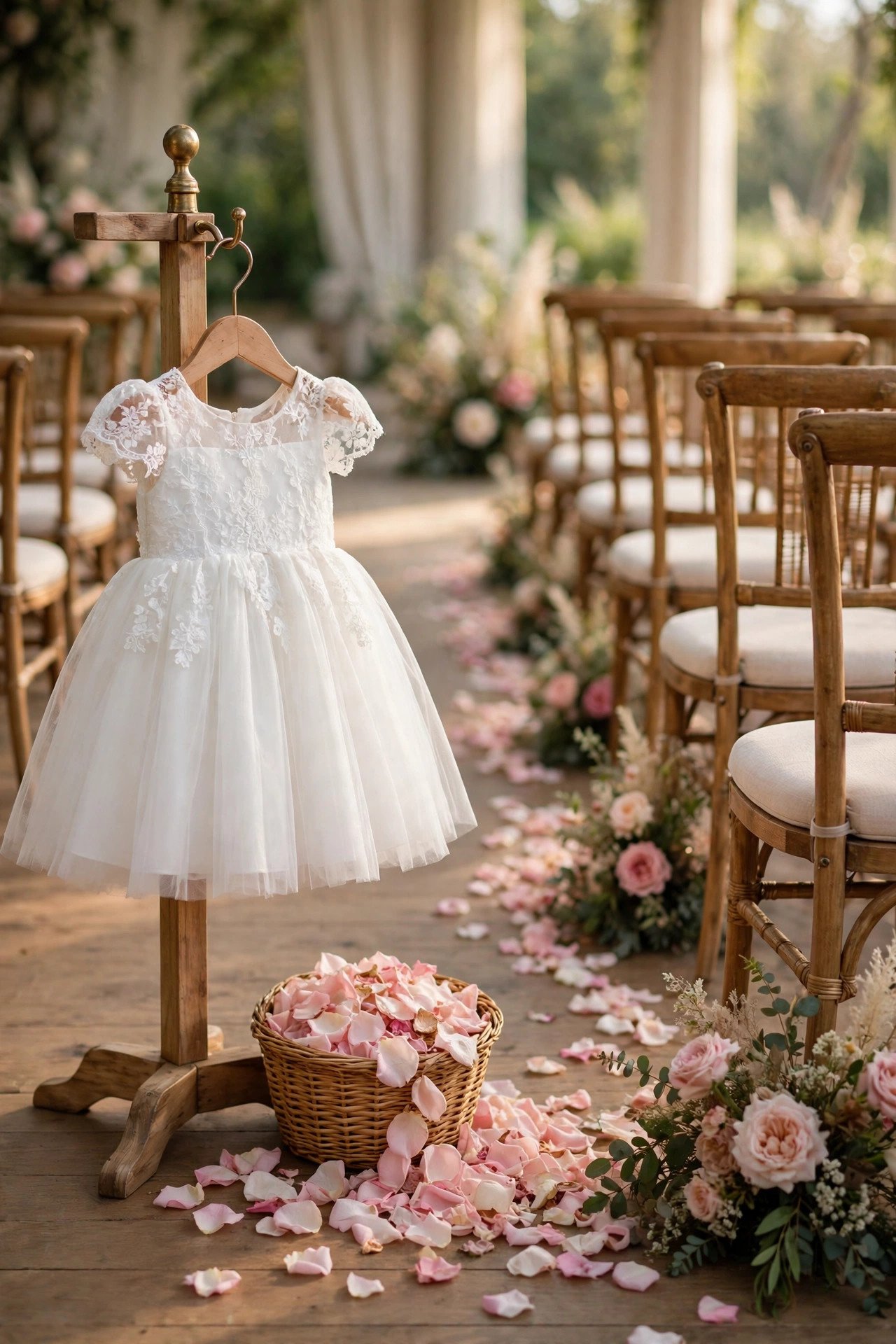
Most flower girls are between 3 and 8 years old, with 4 to 6 the most reliable sweet spot for walking solo, scattering petals, and posing for a few photos. That said, there is no official rule — younger toddlers can ride in a wagon or walk with a parent, and older girls can take the role with a slightly more grown-up title. The best age is the one that matches your child’s confidence, not a number on a chart.
Ask ten couples how old a flower girl should be and you will get ten different answers, because the honest answer depends on the child, the aisle, and the kind of ceremony you are planning. A confident 3-year-old who loves an audience may sail down the aisle, while a shy 7-year-old might rather hand out programs — and both reactions are completely normal.
This guide walks through every age from toddler to tween: what you can realistically expect, what support helps most at each stage, and how to adapt the role so your smallest attendant feels proud instead of pressured. Whether she is your daughter, niece, or a friend’s little one, the goal is the same — a happy child and a sweet moment, in whatever order they arrive.
At a Glance: What to Expect at Every Age
| Age | What to Expect | Best Support |
|---|---|---|
| Under 2 | Cannot walk the aisle solo; may nap or fuss | Wagon ride or a parent’s arms |
| 2 | Short attention span; may run to Mom | Walk hand-in-hand with an adult |
| 3 | Understands the job; still unpredictable | A buddy, a short aisle, low pressure |
| 4 | Follows simple directions; loves practice | Rehearsal run and a familiar target face |
| 5 | Reliable, proud, and photo-ready | A real job briefing and praise |
| 6 | Poised and independent | Solo walk; a slightly fancier basket |
| 7 | Confident and helpful with younger kids | Pair her with a toddler partner |
| 8 | Polished; may feel the role is babyish | Elegant dress and a grown-up bouquet |
| 9–10 | Often ready for junior bridesmaid duties | New title, bouquet, matching party role |
Use this table as a starting point, not a verdict — personality always outranks birthdays, and the cards below explain how to support each age well.
The Classic Sweet Spot: Ages 4 to 6
 📌 Save
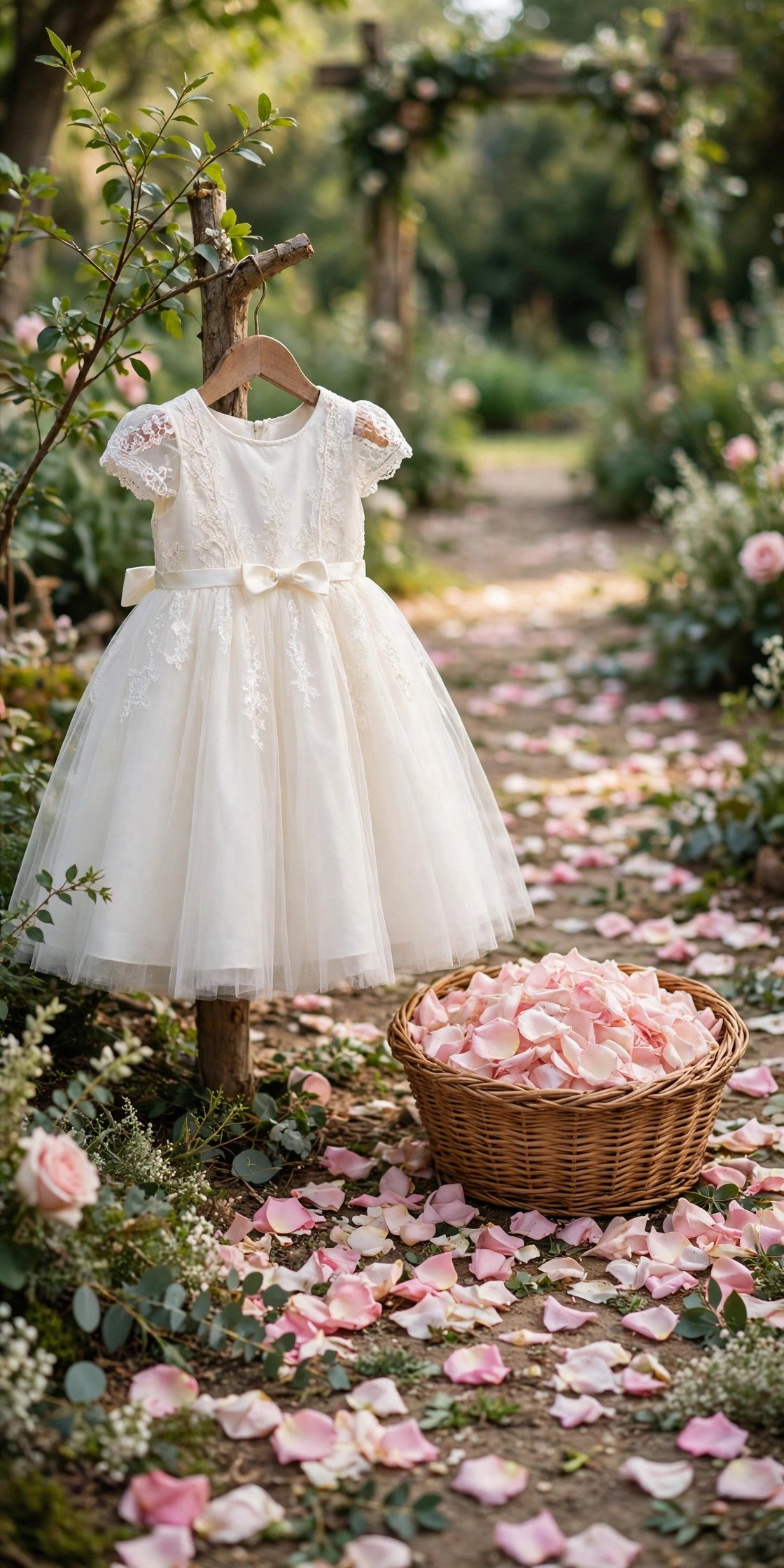
If there is a textbook answer to the flower girl age question, it is 4 to 6. Girls in this range can usually walk a straight line, remember a simple two-step job — walk and sprinkle — and beam through a handful of posed photos without melting down.
Age 3: The Adorable Wildcard
 📌 Save
Three-year-olds understand the idea of the job — many can tell you exactly what a flower girl does — but the day itself, with its crowd, cameras, and waiting, can still overwhelm. Some 3-year-olds perform flawlessly; others decide the aisle is optional, and both outcomes photograph beautifully if you stay relaxed about it.
Age 4: Confident With a Little Coaching
 📌 Save
Most 4-year-olds can follow a short sequence, take pride in doing it right, and recover quickly if something surprises them. This is the youngest age at which a solo walk is a genuinely safe bet for many children, especially when the aisle is short and a beloved face is waiting at the front.
Age 5: The Reliable Middle
 📌 Save
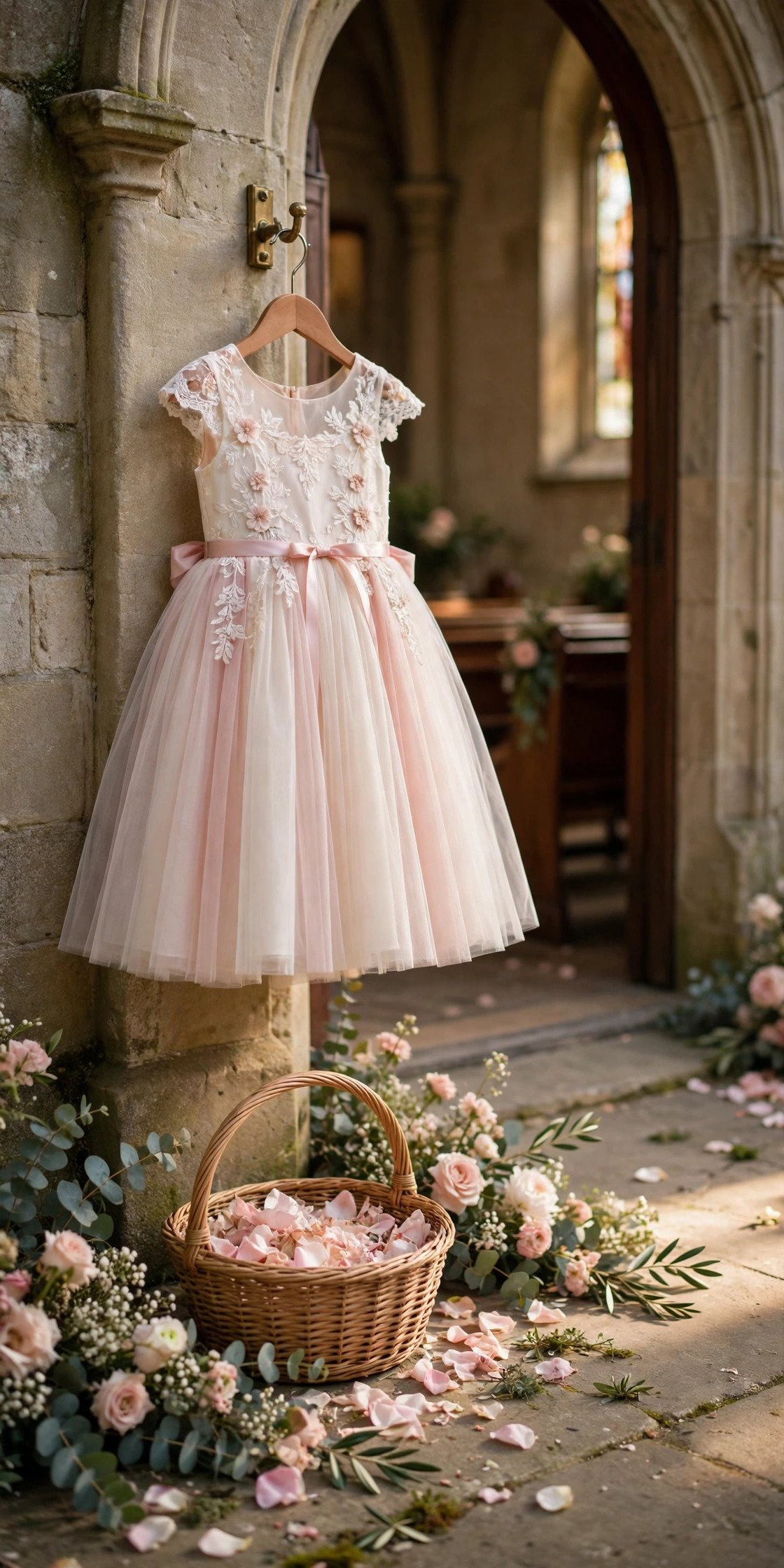
Five is the age many coordinators quietly hope for. A typical 5-year-old can handle a longer aisle, wait her turn without constant entertainment, scatter petals on cue, and even help a younger partner along. She also still finds the whole thing magical rather than embarrassing, which is a lovely combination.
Age 6: A Mini Professional
 📌 Save
By 6, most girls can manage a solo entrance, remember where to stand during the ceremony or exit gracefully to a seat, and stay patient through family photos. If your ceremony includes a longer processional or a big guest count, a 6-year-old is rarely fazed by either.
Age 7: Polished and Proud
 📌 Save
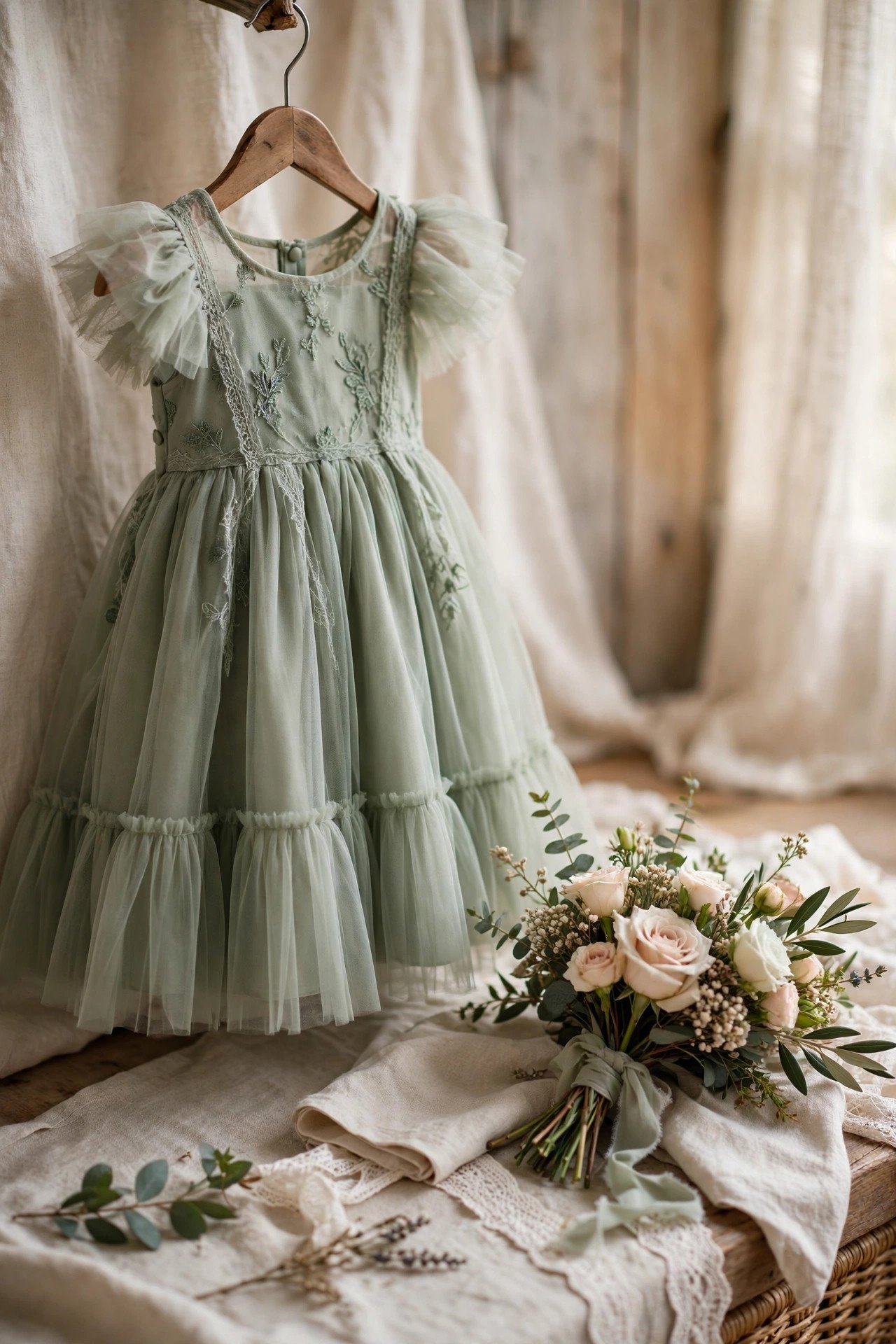
A 7-year-old flower girl is essentially a junior member of the wedding party: poised, helpful, and able to mentor a toddler partner down the aisle. The role still feels special at this age, especially if her dress is a touch more sophisticated than the twirly toddler styles.
Age 8: The Upper End of Classic
 📌 Save
Eight is generally considered the top of the traditional flower girl range. Many 8-year-olds carry the role beautifully, but some start to feel a petal basket reads a little young. A small bouquet instead of a basket, or a dress closer to the bridesmaids’ style, keeps her feeling age-appropriate and included.
Ages 9 to 10: Junior Bridesmaid Territory
 📌 Save
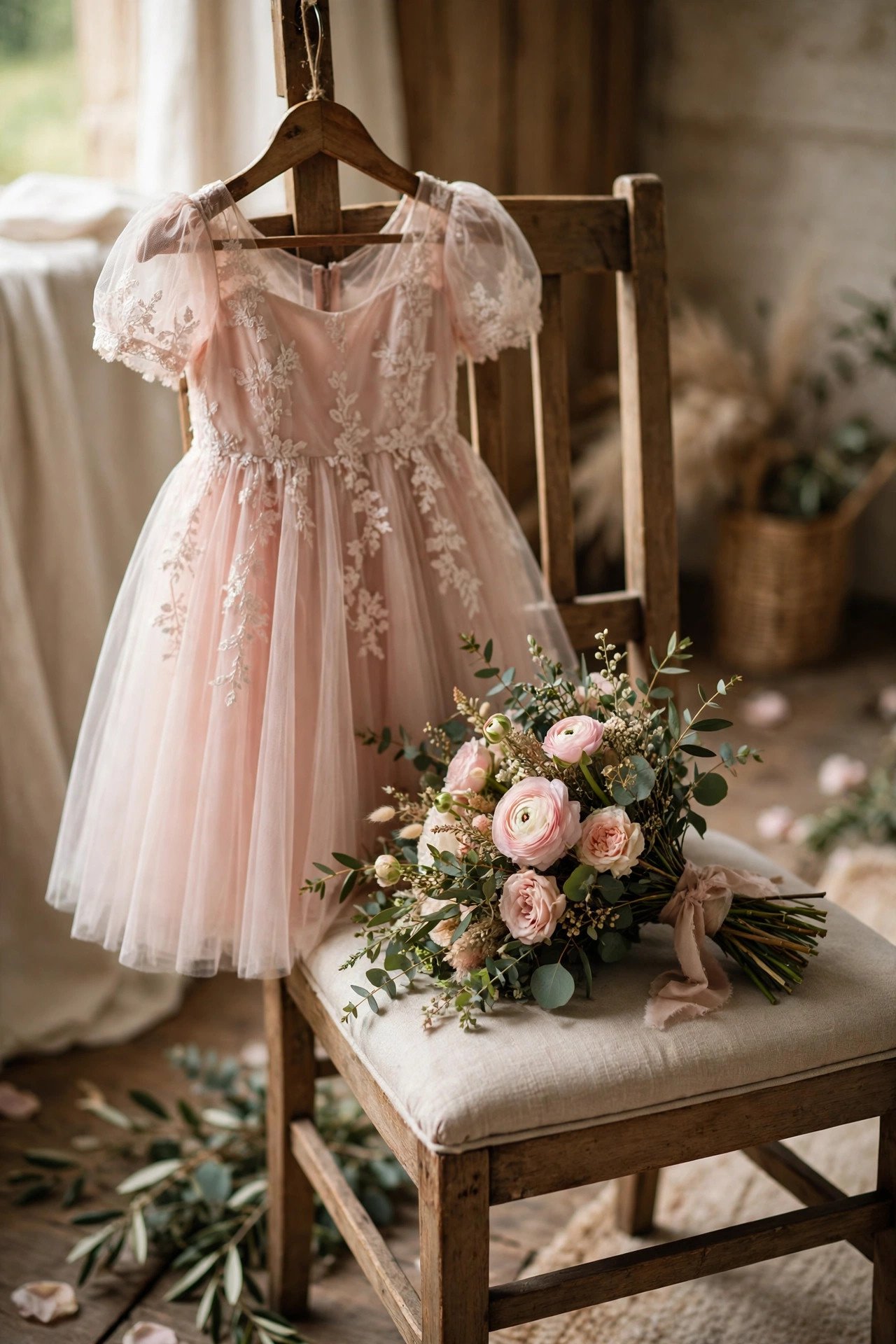
Once a girl reaches 9 or 10, couples often promote her to junior bridesmaid: same aisle walk, but with a bouquet, a dress that matches the wedding party, and a seat of honor rather than petal duty. Some girls this age still adore being flower girls, though, so let her preference — not a chart — make the call.
Under 2: A Wagon Ride Instead
 📌 Save
Babies and young toddlers cannot walk an aisle, follow directions, or be relied on to be awake — and that is fine. A ribbon-trimmed wagon pulled by an older sibling or a parent lets your tiniest attendant make an entrance that guests will talk about for years, with zero performance pressure on anyone.
Age 2: Sweet but Unpredictable
 📌 Save
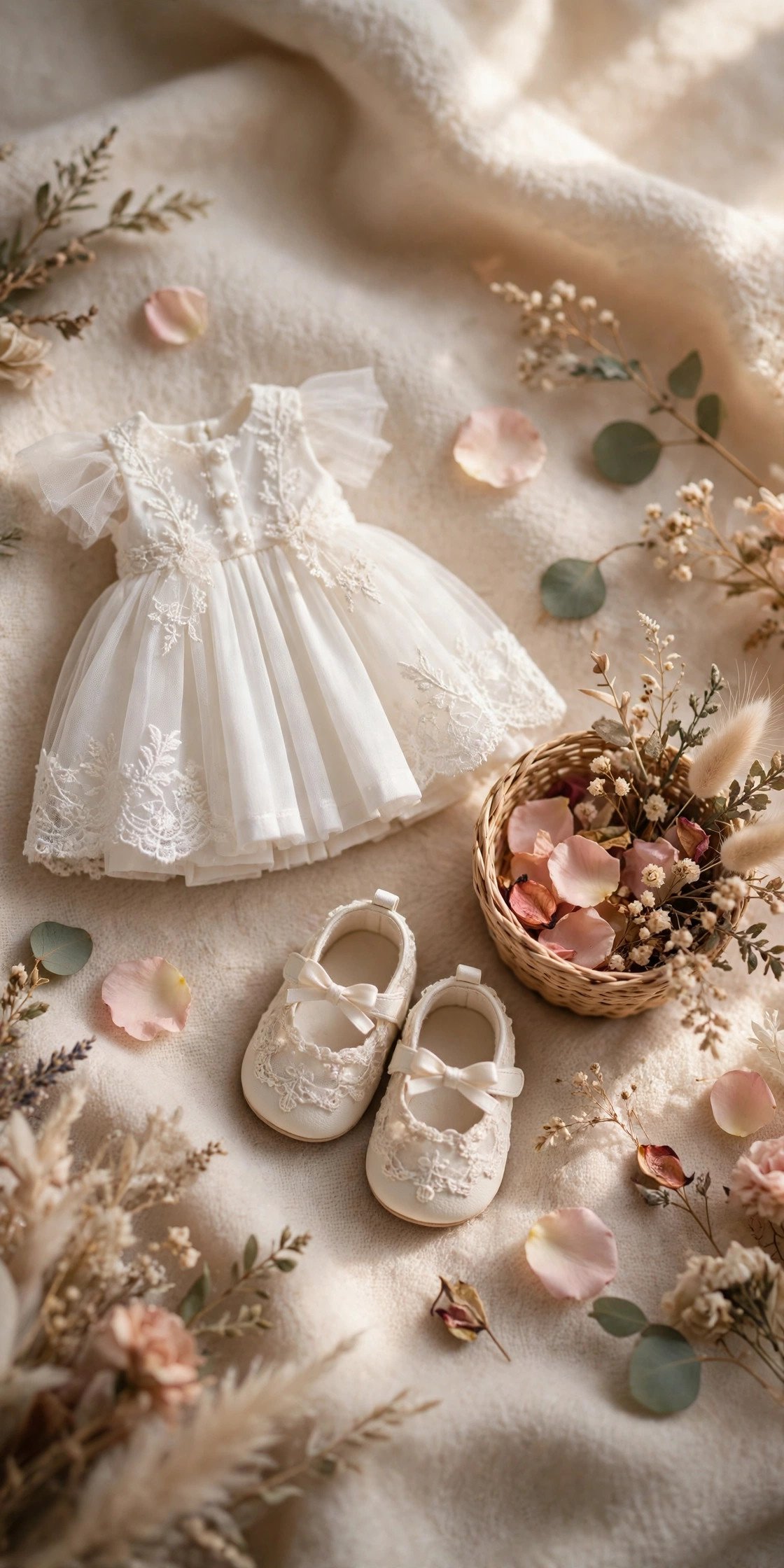
Two is the age of glorious unpredictability: she may sprint to Grandma, sit down mid-aisle to examine a petal, or charm everyone by waving the whole way. The couples who love having a 2-year-old flower girl are the ones who genuinely find every one of those outcomes adorable.
Twins and Siblings: Double the Petals
 📌 Save
Twins and close-in-age siblings solve the biggest flower girl variable — nerves — because they bring their favorite person with them. Two girls the same age also balance the photos beautifully and can share one generous basket or carry matching mini baskets of their own.
Two Flower Girls of Different Ages
 📌 Save
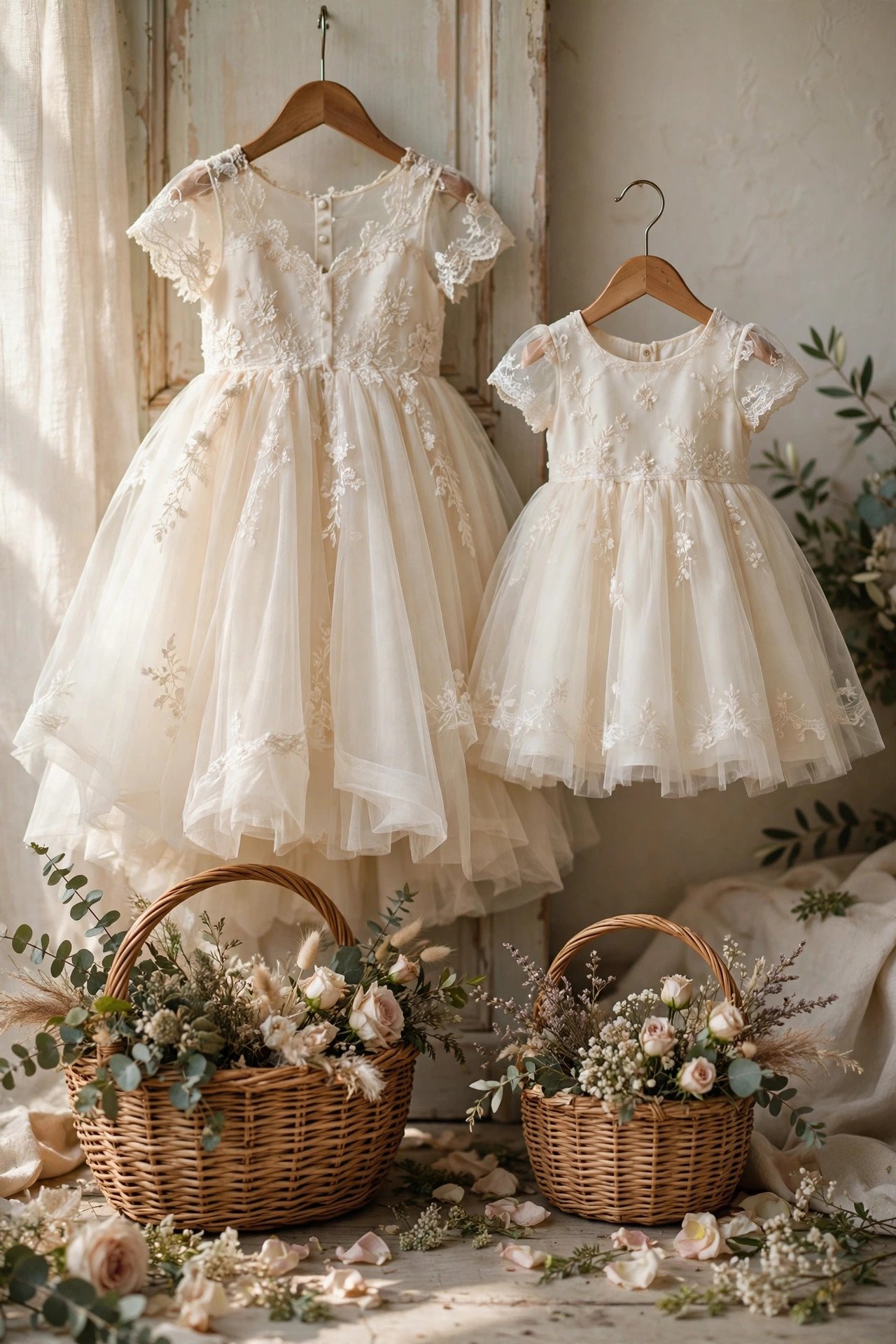
Pairing a 6- or 7-year-old with a 3-year-old gives you the best of both ages: the younger girl copies her hero, and the older one rises to the responsibility. It also spreads your options when one special niece is 8 and the other is barely 3 — nobody has to be left out for the sake of a tidy age range.
A Shy Child at Any Age
 📌 Save
A shy 6-year-old may struggle more than a bold 3-year-old, which is why temperament matters more than age. For a shy child, shrink the spotlight: walk with a partner, enter with the wedding party rather than alone, or swap the aisle walk for handing out petals or programs before the ceremony.
A Bold, Outgoing Child
 📌 Save
If your candidate narrates her own life and performs for the grocery store checkout line, age almost stops mattering. Outgoing 3- and 4-year-olds often handle solo walks that would rattle older, quieter kids, and their unscripted waves and bows become everyone’s favorite ceremony memory.
Matching the Role to Her Personality
 📌 Save
Before you decide by birthday, run a quick readiness check: Can she walk 30 feet in a straight line without a hand to hold? Can she wait quietly for two minutes? Does she like the idea when you describe it? Three yeses mean she is ready at almost any age from 3 up.
The Aisle Length Matters
 📌 Save
Age guidance assumes an average aisle. A short garden path is manageable for a steady 3-year-old, while a long cathedral aisle with hundreds of guests is a bigger ask that suits a 5- or 6-year-old, or a younger child with a partner. Tour the venue with the aisle in mind before you finalize her role.
Outdoor Weddings and Little Legs
 📌 Save
Outdoor ceremonies add variables that skew younger kids: uneven grass that catches small shoes, bright sun during a long wait, and wind that redecorates her hair and her petal plan. Slightly older flower girls cope better, but a younger one manages fine with flat shoes, shade for the wait, and lower petal ambitions.
Evening Weddings and Bedtimes
 📌 Save
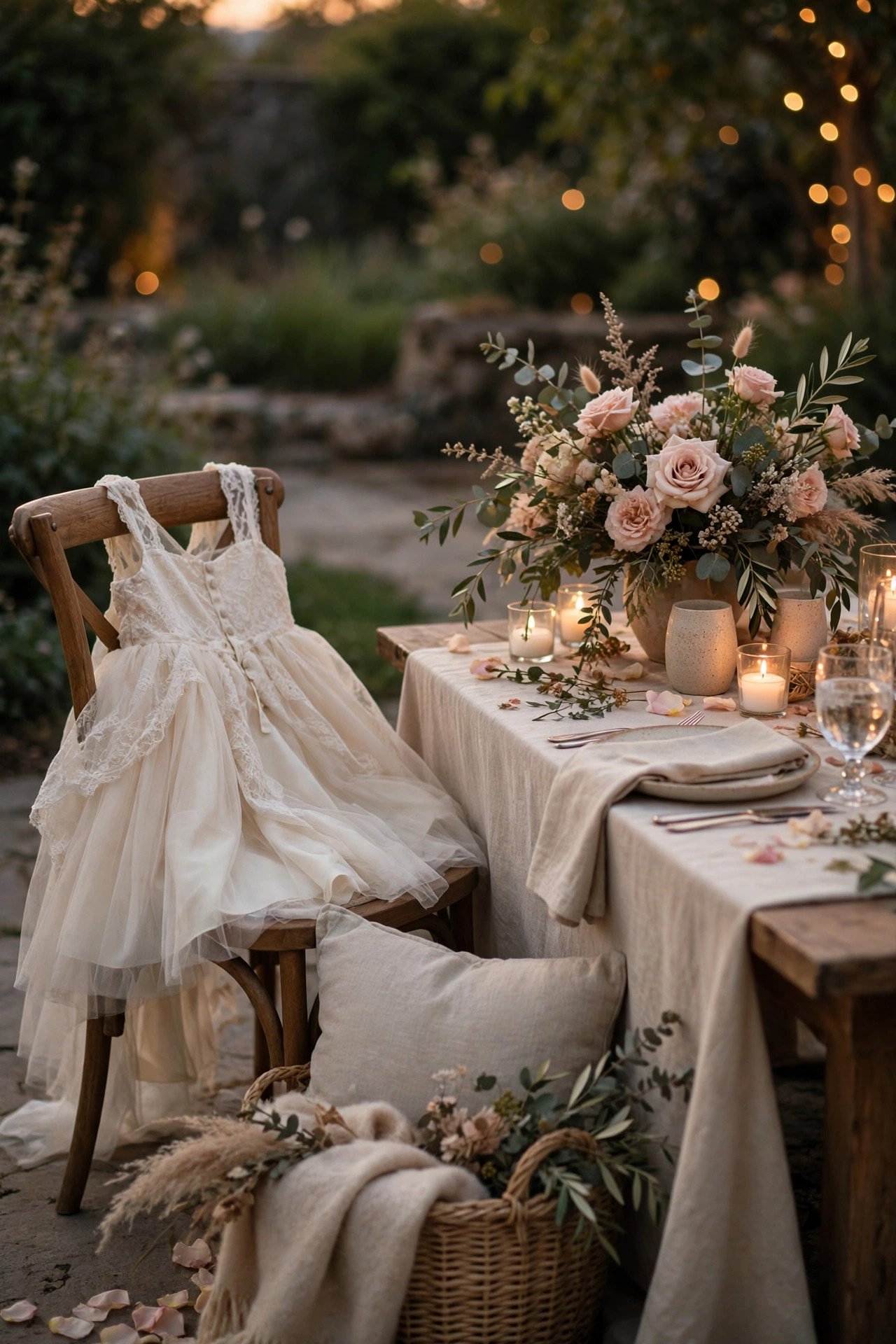
A 4-year-old who is delightful at a 2 p.m. garden ceremony may be a puddle by a 7 p.m. black-tie one. If your wedding runs late, either choose an older flower girl, plan for her to leave with a caregiver after dinner, or move her big moment earlier with a pre-ceremony photo session.
What If She Freezes? A Calm Backup Plan
 📌 Save
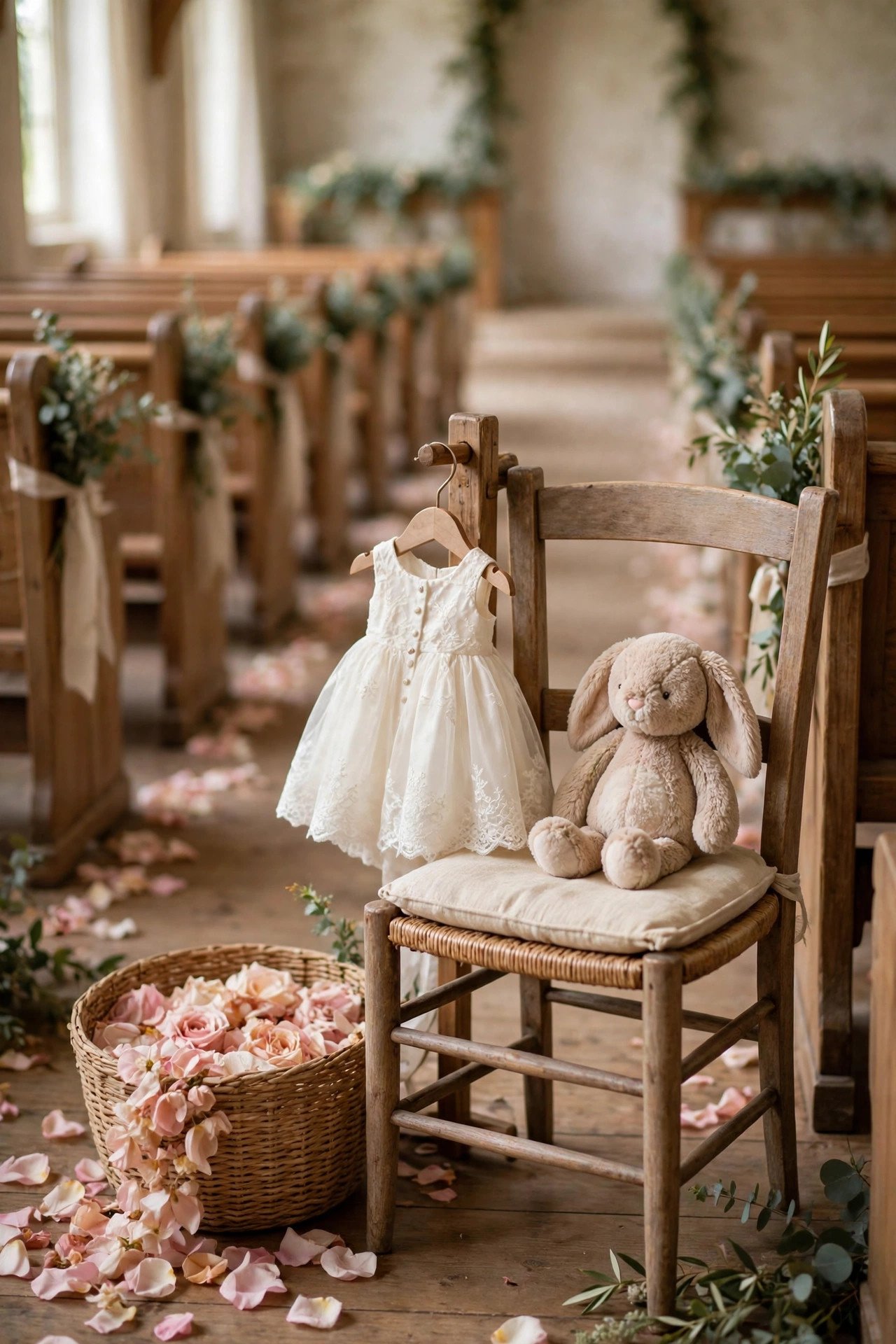
Even the most rehearsed child can freeze at the sight of a hundred faces. Decide in advance who rescues her — a parent seated at the aisle entrance who can walk her down or scoop her up smiling — and tell everyone involved that her skipping the walk entirely is a perfectly good outcome.
Rehearsal: The Age Equalizer
 📌 Save
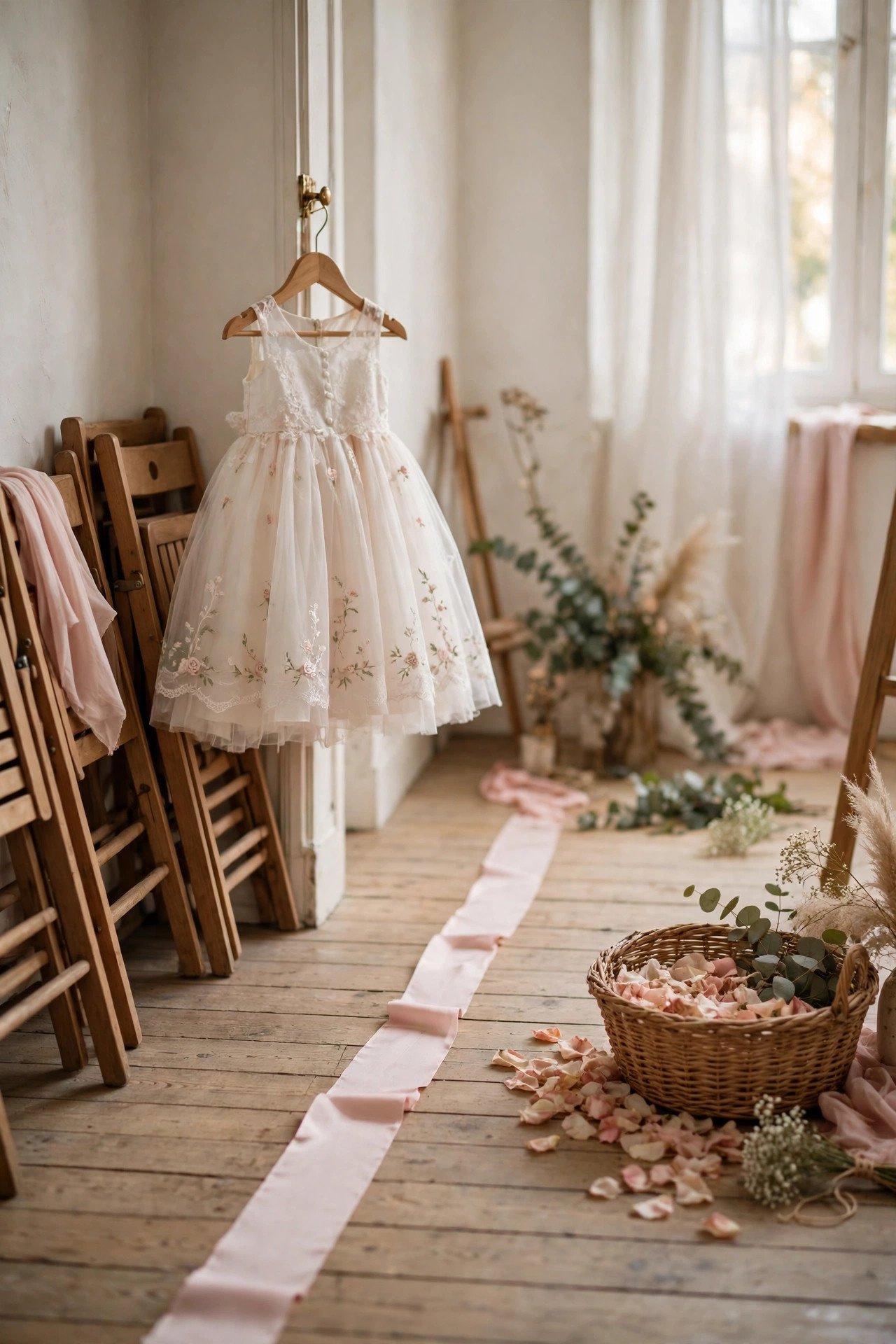
Rehearsal is the single biggest equalizer in this whole guide: a rehearsed 3-year-old regularly outperforms an unrehearsed 6-year-old. Walk the actual aisle, show her exactly where to stop, introduce her to the face she will walk toward, and let her scatter a few practice petals if the venue allows.
Giving Her a Job She Can Say Out Loud
 📌 Save
Children rise to jobs they can articulate. Before the wedding, have her practice saying, I walk slowly, sprinkle my petals, and smile at Aunt Sarah. That tiny script gives her something to hold onto when the doors open, and if she cannot repeat it back yet, she may need a partner or a simpler role.
When There’s No Child the Right Age
 📌 Save
Plenty of families have no girls between 3 and 8, and the modern fix is delightful: a flower grandma, a flower man with a fanny pack of petals, or the couple’s best friends sharing the honor. Petal-scattering has no age requirement at all, and guests consistently rank these twists among the day’s best moments.
A Grown-Up Flower Person Instead
 📌 Save
If your wedding is adults-only or your crew simply has no little ones, a grown-up flower person delivers the whimsy without a single age calculation. Choose someone playful, give them a generous petal supply and a clear cue, and expect the aisle moment to land somewhere between heartfelt and hilarious.
Asking Her Parents First
 📌 Save
Before you tell a little girl she is the flower girl, ask her parents privately. They know her nap schedule, her stranger anxiety, and whether a new baby or a big move has made this a hard season — and they are the ones buying the dress and managing the day-of logistics, so their enthusiastic yes matters.
Trusting Your Child’s Readiness
 📌 Save
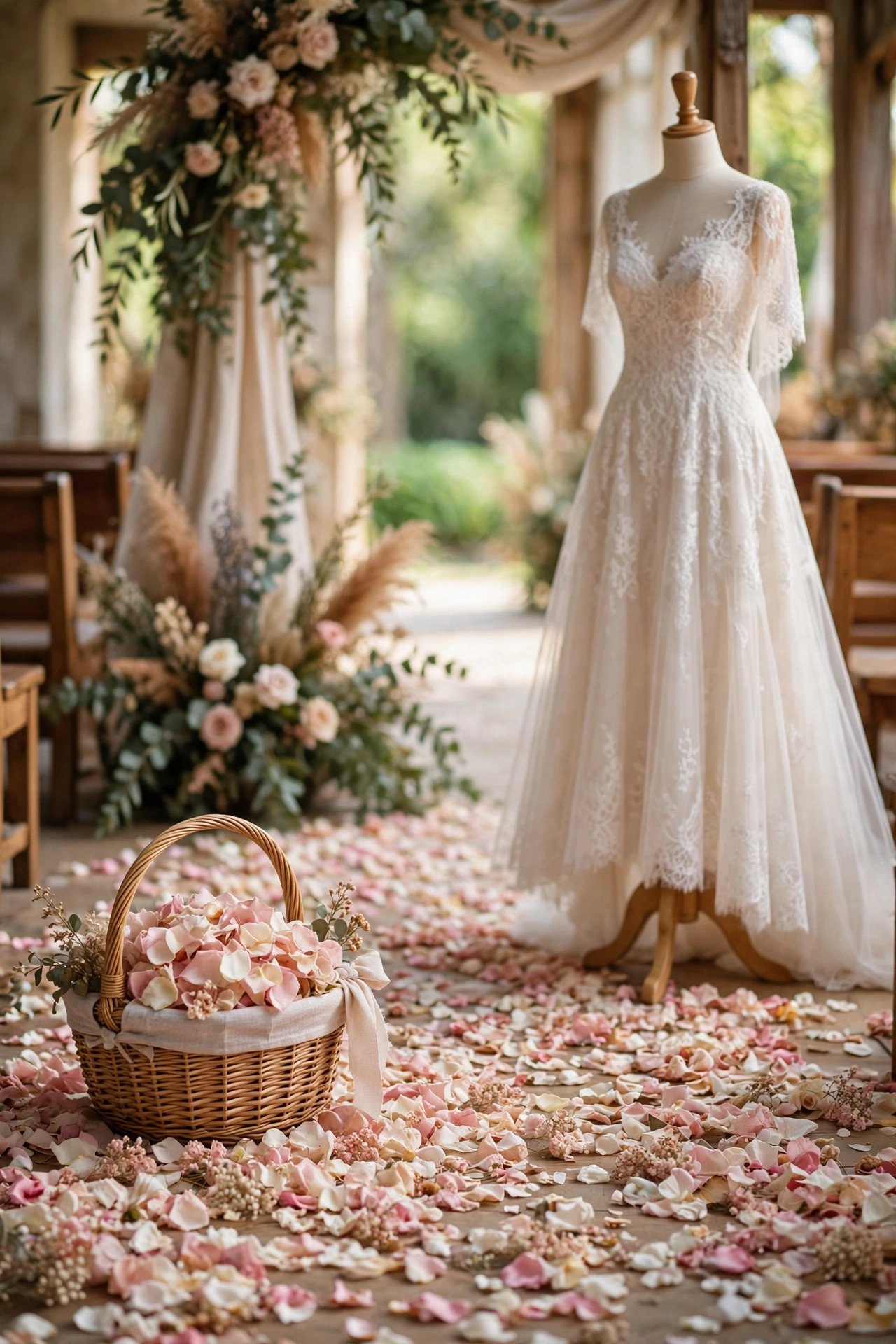
Every age range in this guide is a typical pattern, not a rule, and the children who shine are the ones whose adults read them accurately. If your almost-3-year-old is steady, sociable, and thrilled by the dress, she is ready; if your 8-year-old would rather not, that answer deserves respect too. The role is an honor, never an obligation.
How Old Should a Flower Girl Be FAQs
What is the most common flower girl age?+
Most flower girls are between 4 and 6 years old, within a typical overall range of about 3 to 8. Ages 4 to 6 hit the sweet spot of being able to walk solo, follow simple directions, and enjoy the attention without tiring as quickly as toddlers do.
Can a 2-year-old be a flower girl?+
Yes — many couples include a 2-year-old successfully by planning for her unpredictability. Have her walk hand-in-hand with a parent or older child, seat her family at the front on the aisle, and treat any improvisation as part of the charm rather than a problem to fix.
Is 9 or 10 too old to be a flower girl?+
Not necessarily, but many girls that age prefer the junior bridesmaid title, which comes with a bouquet and a dress matching the wedding party instead of a petal basket. Ask her which role she would enjoy more — being consulted makes either choice feel like an honor.
What if our flower girl refuses to walk on the day?+
It happens at every age and is never a disaster. Have a parent seated near the aisle entrance who can walk with her or carry her, brief your photographer to capture the moment kindly, and simply continue the ceremony — guests find it endearing, and she will enjoy the reception regardless.
Can a boy be a flower child or share the role?+
Absolutely. Boys can scatter petals as a flower child, carry a sign, or team up with the ring bearer, and mixed pairs of children walk down aisles at weddings across the USA, UK, and Canada every weekend. The role is about the petals and the moment, not a dress code.
Key Takeaways
- Ages 4 to 6 are the most reliable flower girl range, within a typical span of 3 to 8.
- Temperament beats age: a bold 3-year-old can outshine a shy 7-year-old.
- Under 3, plan a wagon ride, a parent’s arms, or a hand to hold the whole way.
- One real rehearsal closes most of the confidence gap between ages.
- Always ask her parents first, and always have a kind backup plan for a freeze.
Final Thoughts
So, how old should a flower girl be? Old enough to be happy doing it — and with the right support, that can be almost any age. Pick your favorite little person, match the role to her confidence rather than her birthday, rehearse once, and promise yourself you will smile at whatever version of the walk she gives you. That is the version everyone remembers fondly anyway.