Including Siblings (2027)
By zainzari • Published October 23, 2026 • Updated October 23, 2026
 📌 Save
The best ways to include siblings in a wedding go beyond the party lineup: a sibling can officiate, read, walk a parent down the aisle, give a toast, host an event, join the processional, take a named role in a unity ritual, or share a sibling dance. Match the role to the sibling’s personality and age, offer it as an invitation rather than an assignment, and every brother and sister feels genuinely honored.
Wedding parties are chosen, but siblings are given — and couples often realize late that a brother or sister with no role can feel like a guest at their own family’s biggest day. The fix is not forcing everyone into matching outfits; it is finding the role each sibling would actually shine in, from the deeply traditional to the quietly essential.
This guide covers 25 ways to include brothers and sisters of all ages — including step-siblings, half-siblings and siblings-in-law — with honest notes on what each role involves, so you can offer the ones that fit and skip the ones that would feel like a chore wearing a corsage.
At a Glance: The First 10 Sibling Roles
| # | Role | Category | Best For |
|---|---|---|---|
| 1 | Start with an Honest Conversation | Conversation | Ask first |
| 2 | Sibling in the Wedding Party | Wedding party | Classic role |
| 3 | Sibling as Officiant | Officiant | Personal ceremony |
| 4 | A Reading During the Ceremony | Reading | Featured moment |
| 5 | Walking a Parent Down the Aisle | Escort role | Family honor |
| 6 | Sibling Toast or Welcome Speech | Toast | Best stories |
| 7 | Getting-Ready Invitations | Getting ready | Intimate hours |
| 8 | Family Photo Shot List Priority | Photos | Framed forever |
| 9 | A Role in the Processional | Processional | Ceremony role |
| 10 | Candle Lighting or Unity Ritual Role | Unity ritual | Symbolic role |
The first ten are the classic, visible roles. The remaining fifteen cover younger siblings, complicated family dynamics, siblings who cannot attend and the thank-yous that complete the inclusion.
Start with an Honest Conversation
 📌 Save
Before assigning anything, talk: ask each sibling how involved they want to be. Some dream of standing beside you; others would be relieved by a smaller role. The conversation itself is the inclusion — it says their feelings about the day matter to you.
Sibling in the Wedding Party
 📌 Save
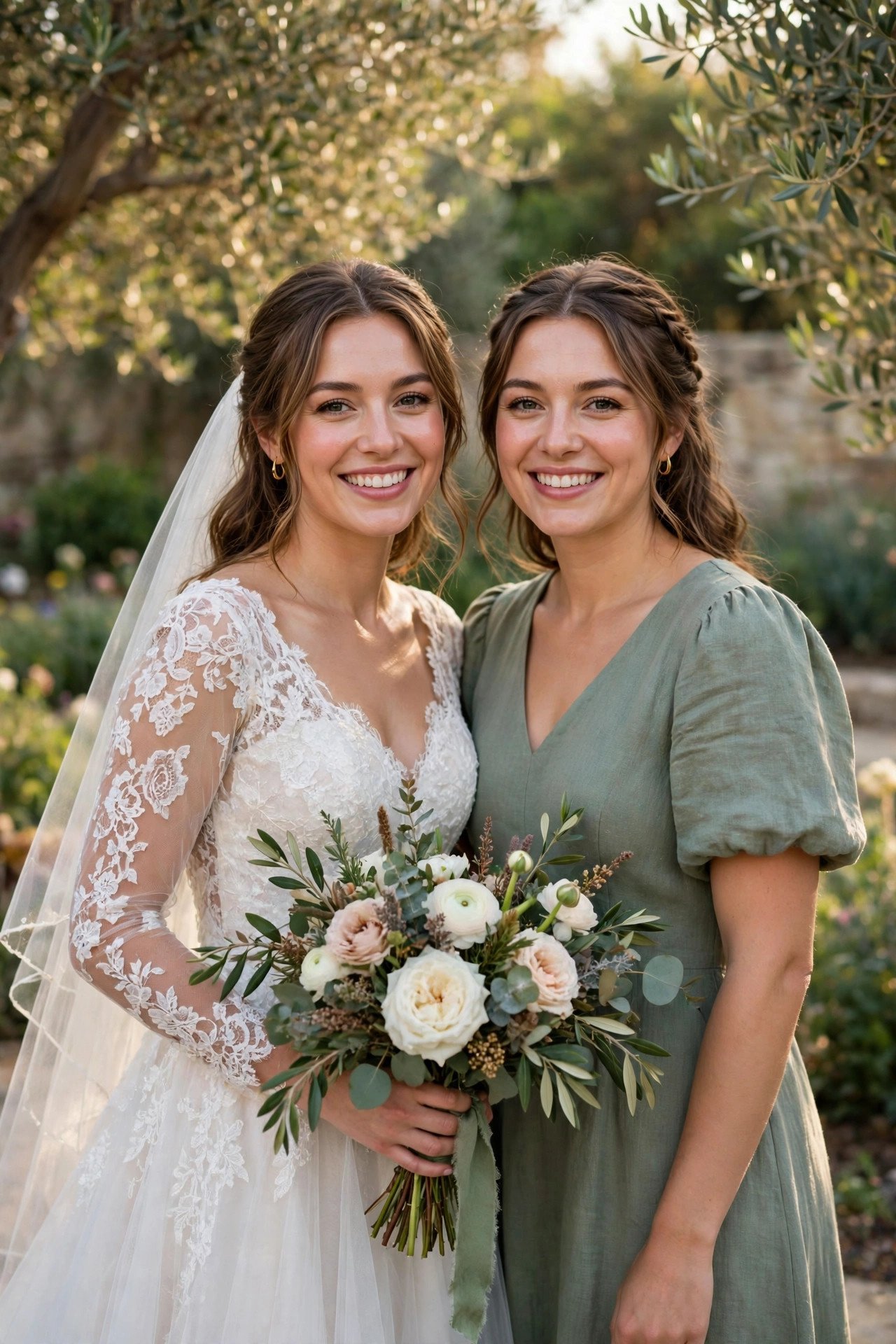
The classic option still leads for a reason: standing in the party is visible, honored and simple to understand. Offer it without assuming — a sibling who prefers another role should be able to choose it without the offer becoming a test.
Sibling as Officiant
 📌 Save
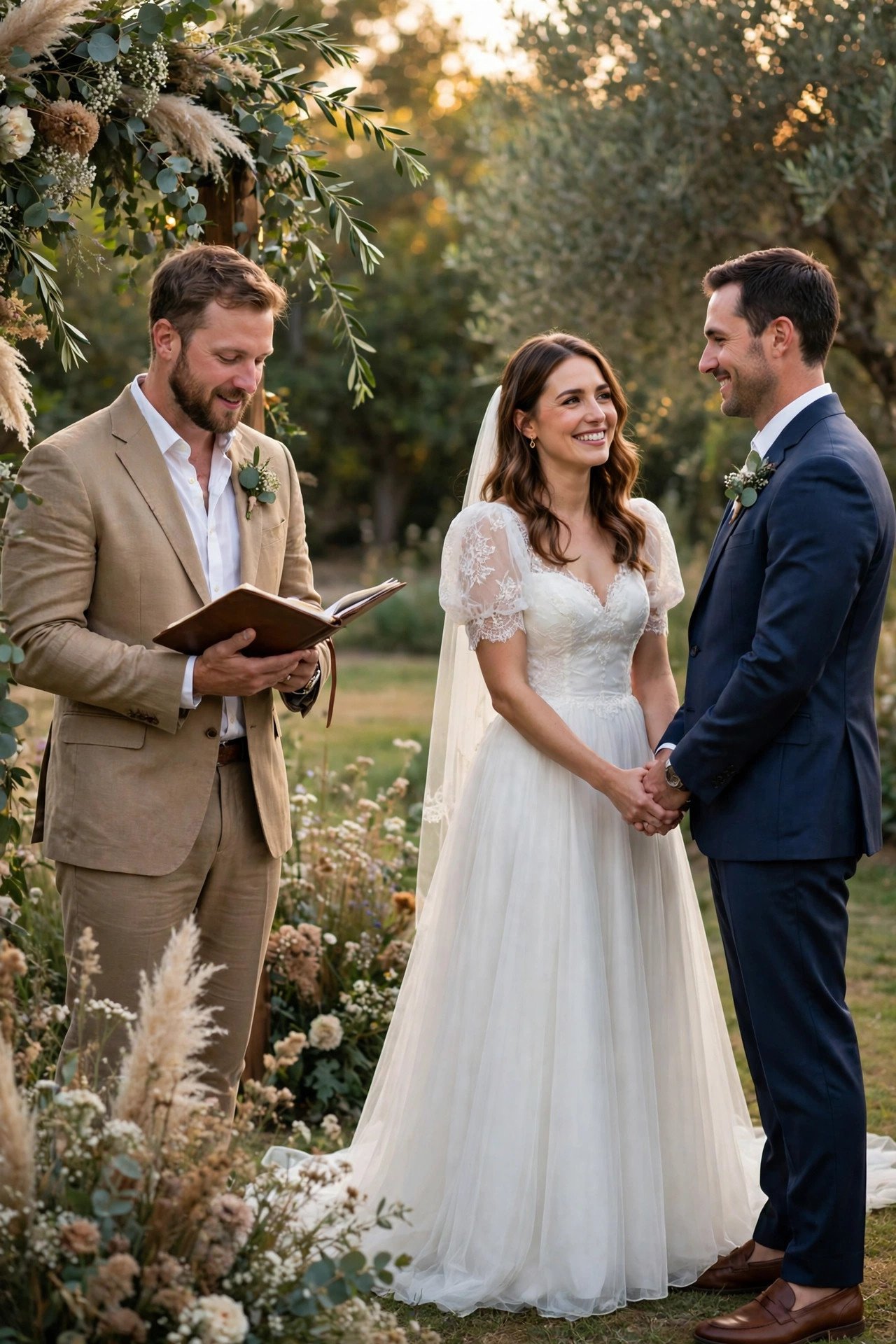
A sibling marrying you is one of the most personal ceremonies possible — they know the stories, the families and the couple. In most US states and many other places, a sibling can become legally ordained or registered; check local rules early, because paperwork timelines vary.
A Reading During the Ceremony
 📌 Save
A poem, passage or short piece read by a sibling gives them a featured, meaningful moment without a full party commitment. It suits siblings who are eloquent but busy, shy about outfits or living far away during planning.
Walking a Parent Down the Aisle
 📌 Save
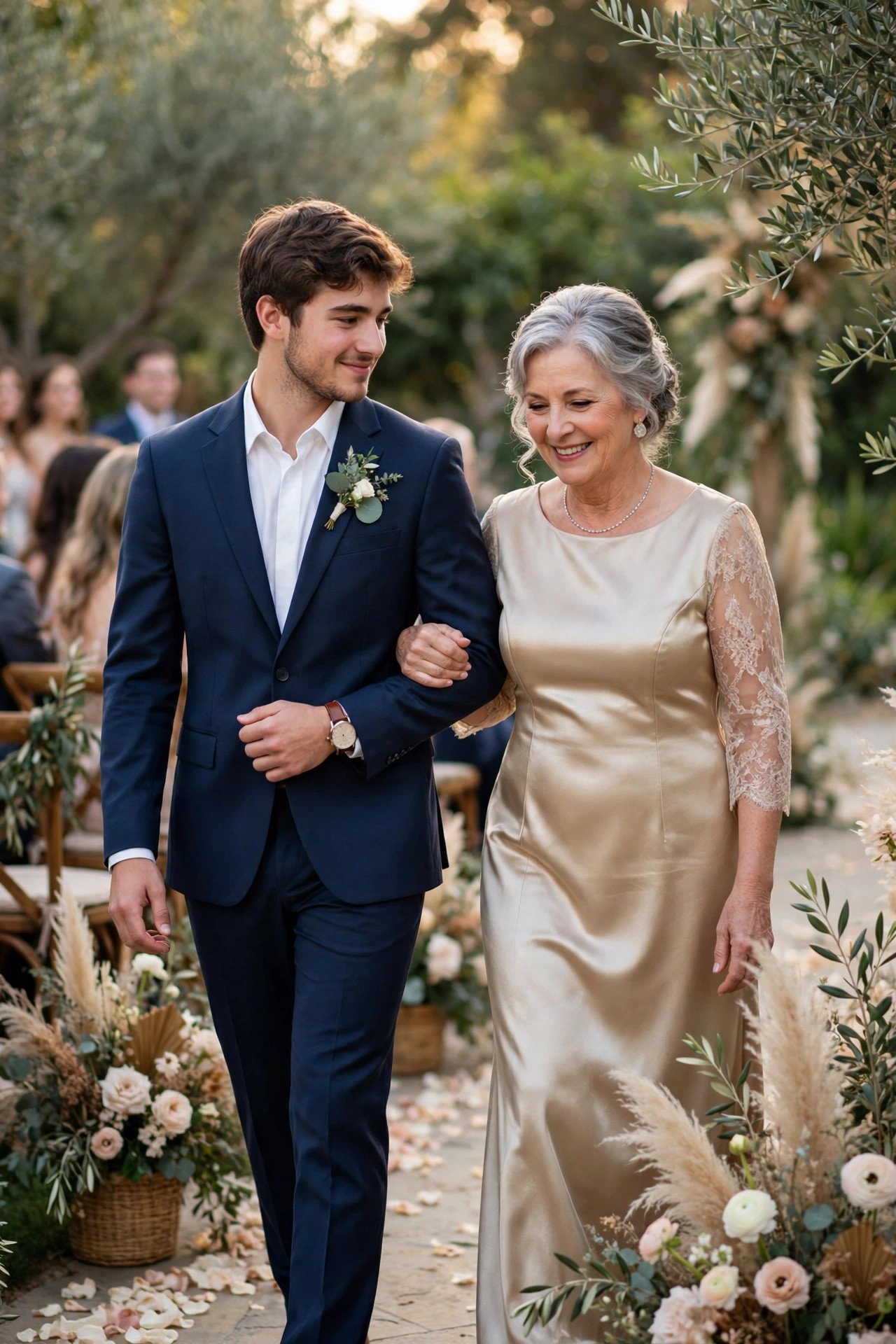
A sibling escorting a parent is a beautiful, traditional honor — especially when a parent would otherwise walk alone, or when family circumstances make the entrance delicate. It photographs wonderfully and means a great deal to parents.
Sibling Toast or Welcome Speech
 📌 Save
A sibling toast brings stories nobody else can tell — childhood, the before-you version of the couple. Alternatively, a sibling can give the welcome speech at the rehearsal or reception, a slightly lower-pressure stage with the same honor.
Getting-Ready Invitations
 📌 Save
Inviting siblings into the getting-ready rooms — hair, makeup, coffee, music, nerves — includes them in the day’s most intimate hours without any formal role at all. Many siblings name this, later, as their favorite part.
Family Photo Shot List Priority
 📌 Save
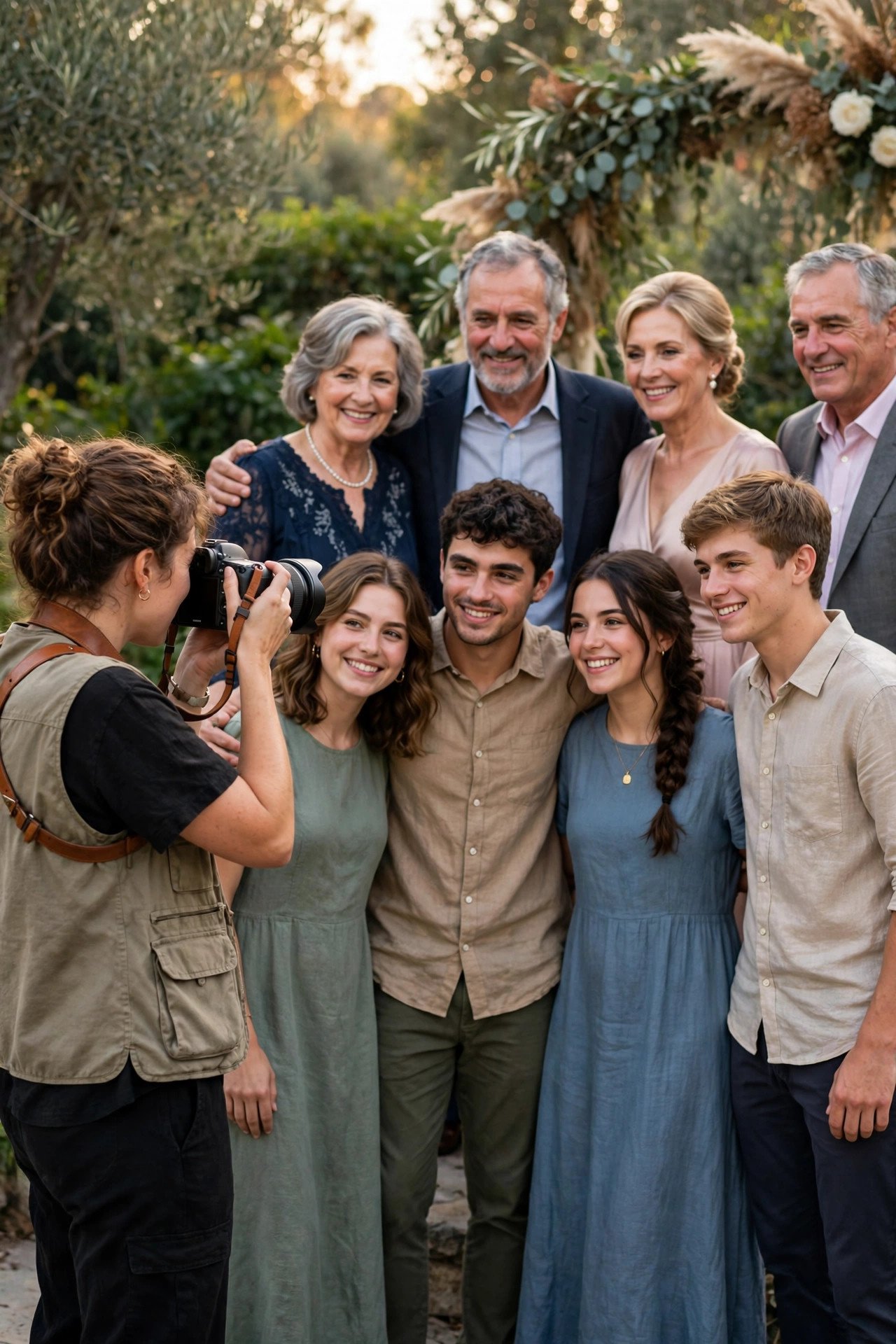
Put siblings high on the shot list and schedule a dedicated siblings-only photo — the picture that ends up framed in every family home. Telling them in advance that this photo is a priority signals their place clearly.
A Role in the Processional
 📌 Save
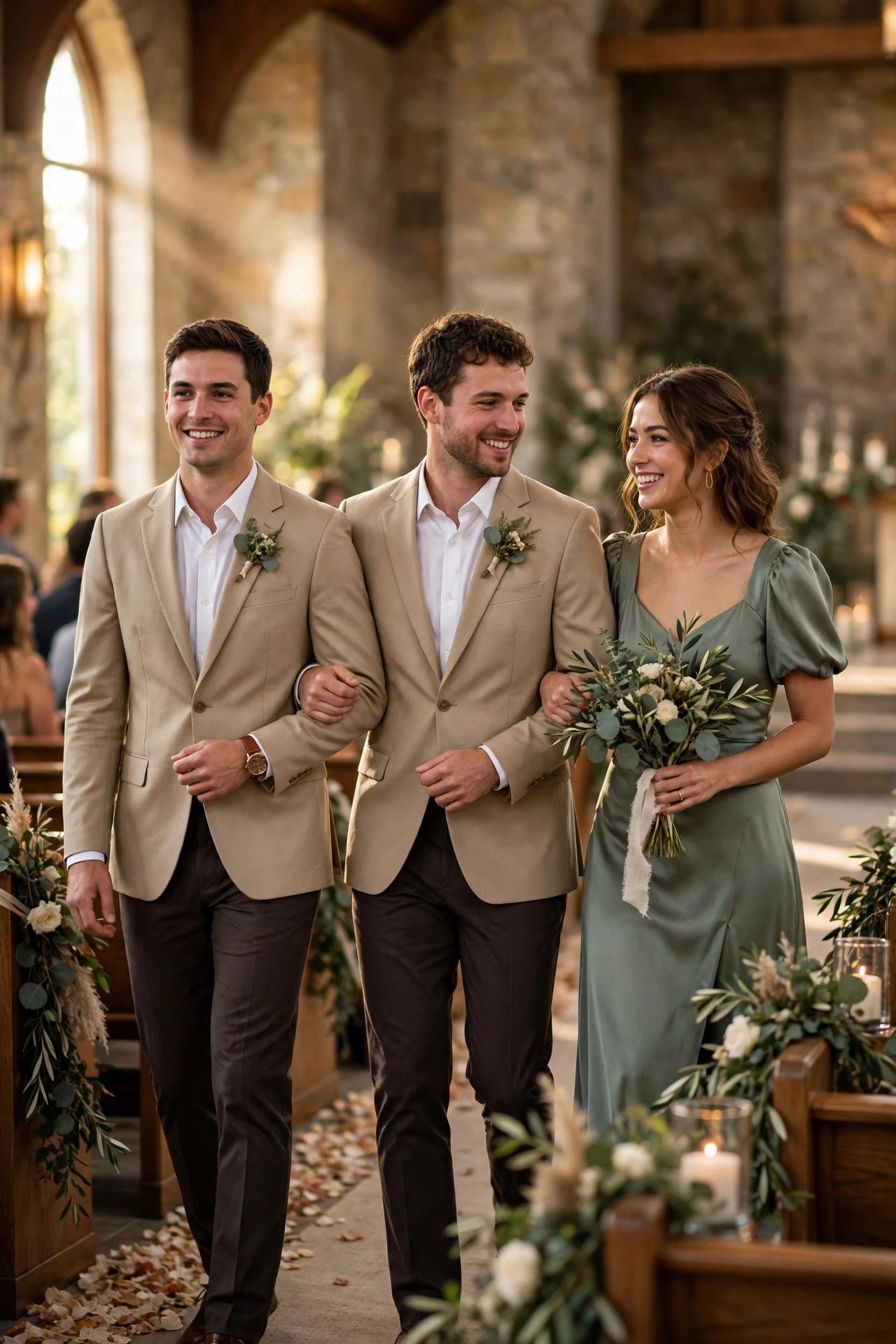
Walking in the processional — escorting a grandparent, accompanying a flower girl, carrying a family item — places a sibling visibly inside the ceremony without a party title. It is a flexible honor that adapts to almost any age or comfort level.
Candle Lighting or Unity Ritual Role
 📌 Save
Many ceremonies include a unity candle, sand ritual or handfasting where family members can participate — lighting a candle, holding the cords, presenting the rings’ pillow. A sibling woven into the ritual becomes part of the marriage symbolism itself.
Sibling as Ceremony Musician or Singer
 📌 Save
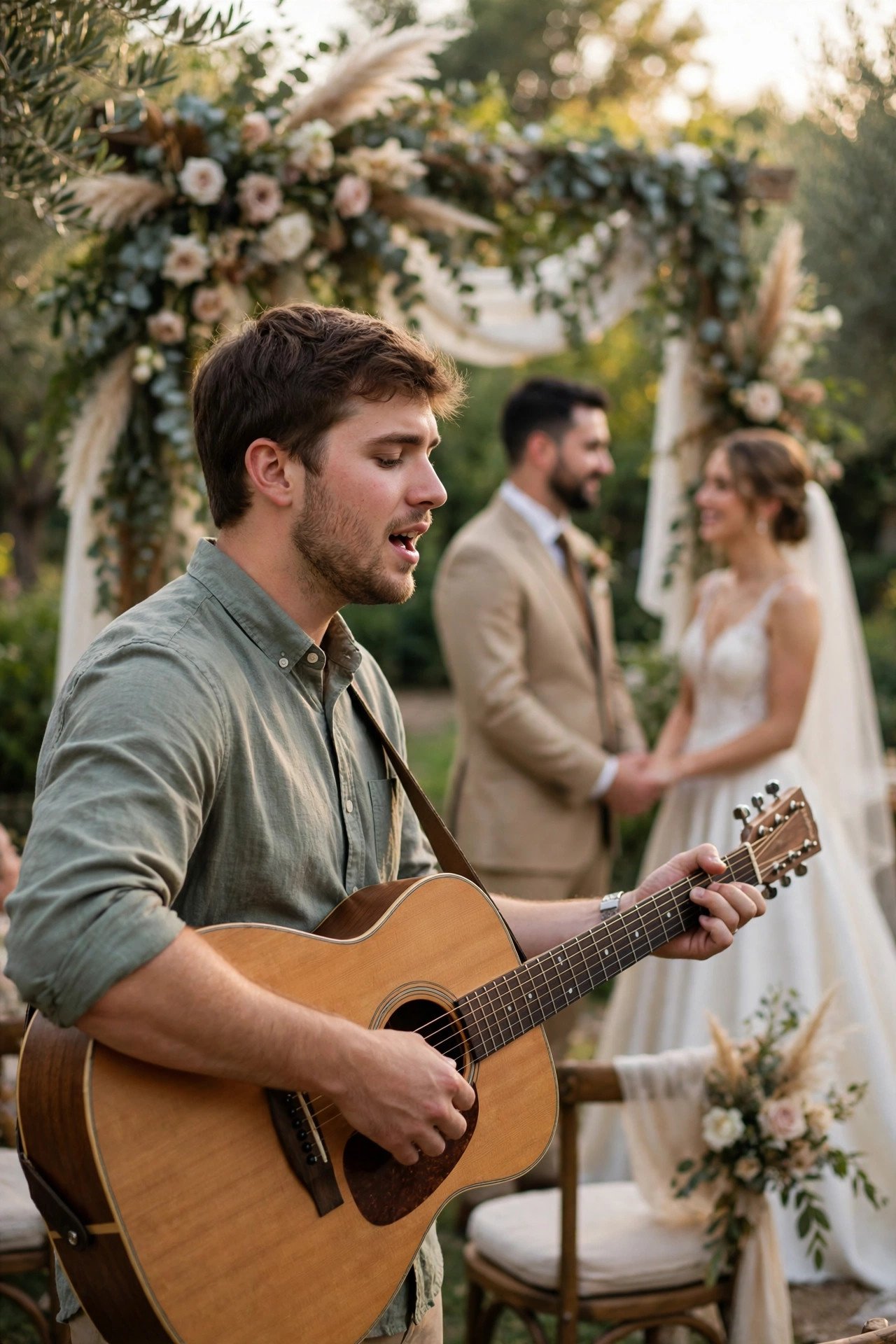
A musical sibling performing during the ceremony — processional, signing, a quiet moment — gives the day a soundtrack no hired musician can match emotionally. Keep the ask pressure-free; performing at a sibling’s wedding is joyful for some and nerve-shredding for others.
Ring or Bouquet Backup Duty
 📌 Save
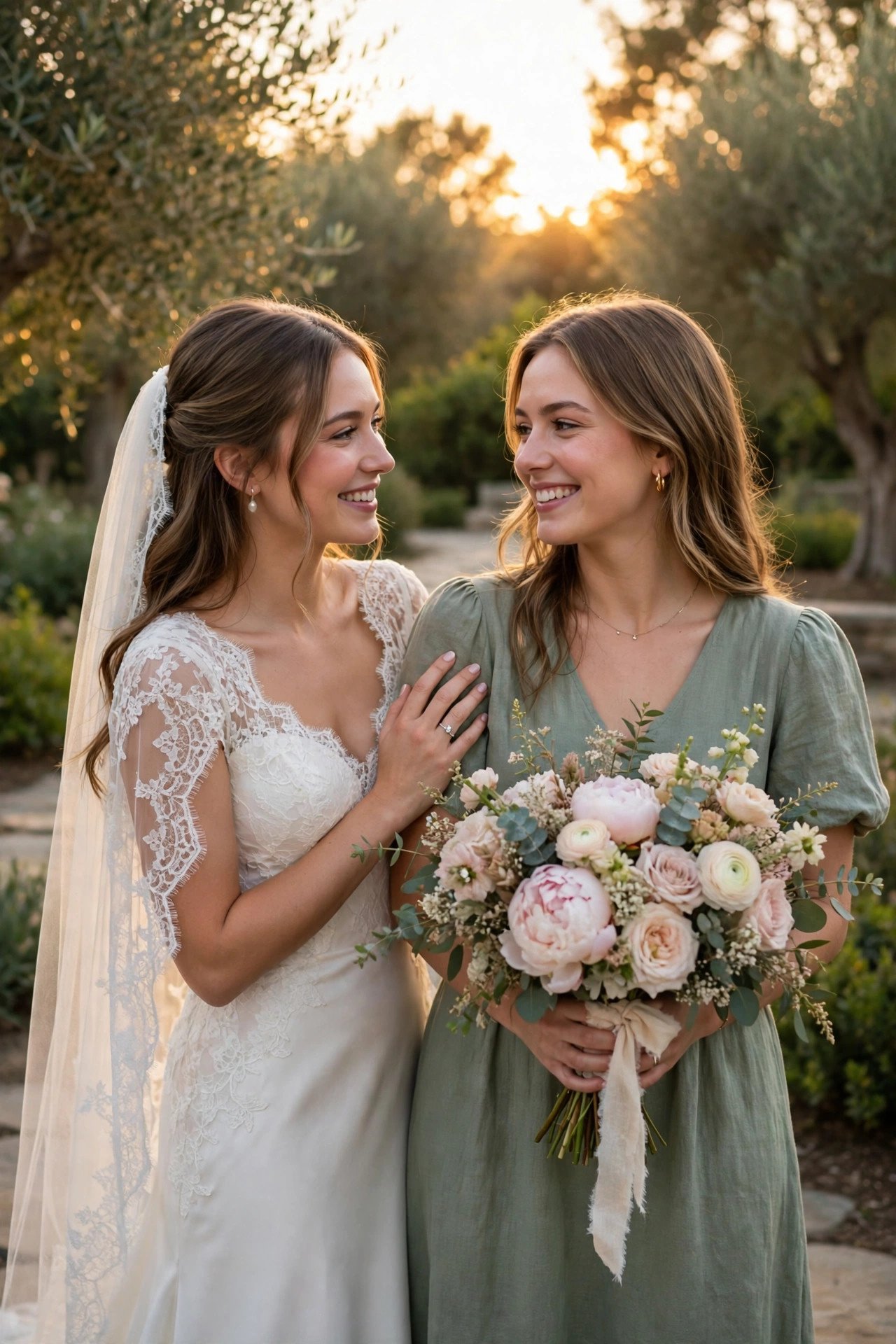
Name a sibling the keeper of small crucial things: holding the bouquet during vows, safeguarding a copy of the readings, carrying the emergency kit between venues. Backup duty sounds minor and is, in practice, the trust role — the person you hand the important things to.
Hosting the Rehearsal or Welcome Event
 📌 Save
A sibling with hosting gifts — a home, organizational talent, a legendary welcome — can host or co-host the rehearsal dinner or welcome gathering. It is a substantial, visible contribution that suits siblings who shine behind a well-run evening.
A Sibling Dance Moment
 📌 Save
Beyond the parent dances, a short sibling dance — or the siblings joining a dedicated song — creates a reception moment guests remember. Keep it optional and brief; a reluctant dancer at center floor is nobody’s good memory.
Guest Book or Welcome Table Host
 📌 Save
A warm, organized sibling at the welcome table greets guests, guards the card box and answers the hundred small questions — where to sit, where the restrooms are, when dinner starts. It is a front-of-house honor perfect for a social sibling.
Helping with Younger Guests
 📌 Save
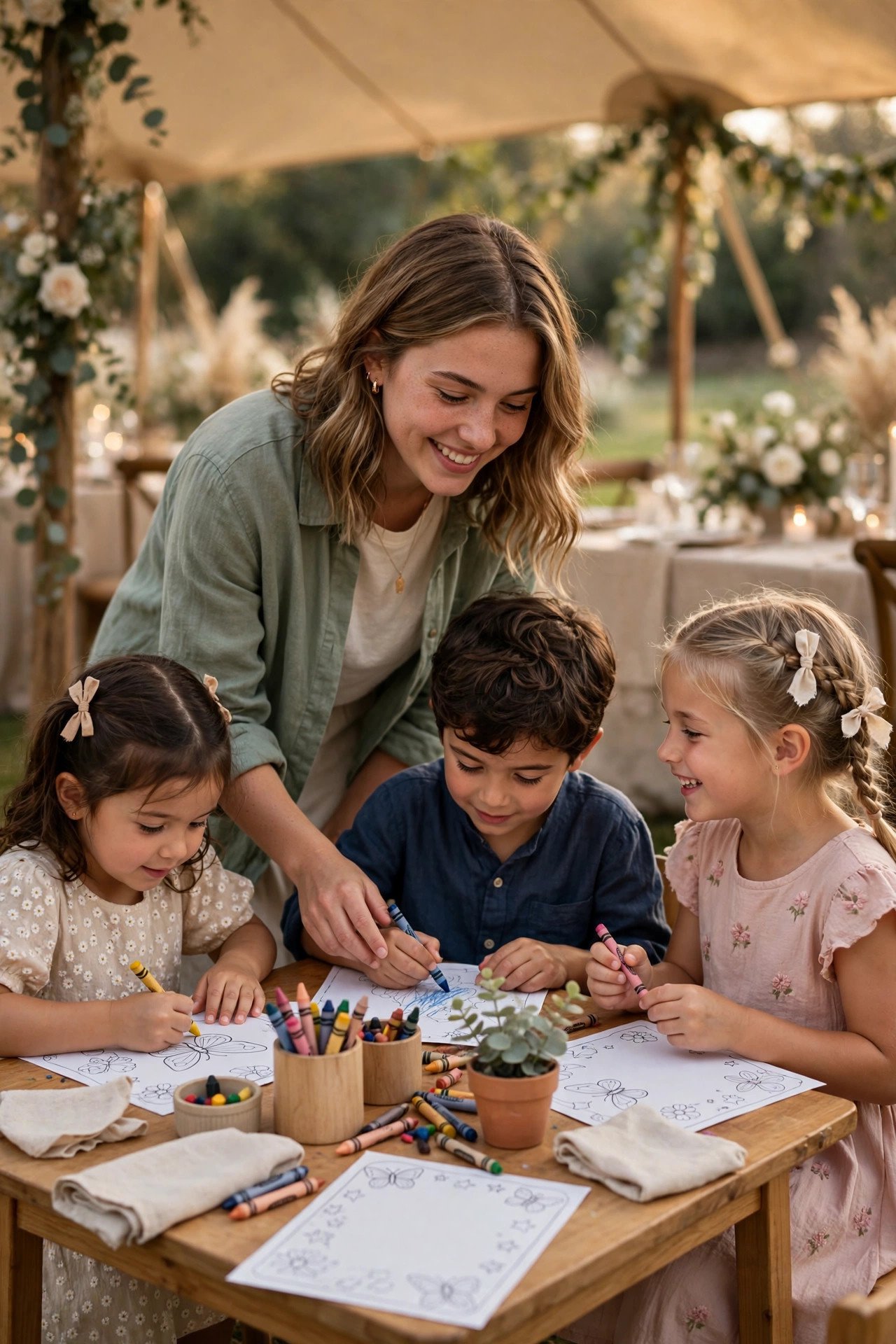
A responsible teen or adult sibling can be the hero of the kids’ table — coordinating the children’s activities, escorting little ones and keeping small guests happy. Frame it as a real role with real thanks, never as default family babysitting.
A Seat of Honor Without a Title
 📌 Save
Sometimes the right inclusion is simple: siblings seated at the head table or the first family table, named in the program’s family listing and included in every key photo. Proximity and recognition, without duties, is a complete honor for the sibling who wants to simply celebrate.
Including Step and Half Siblings Equally
 📌 Save
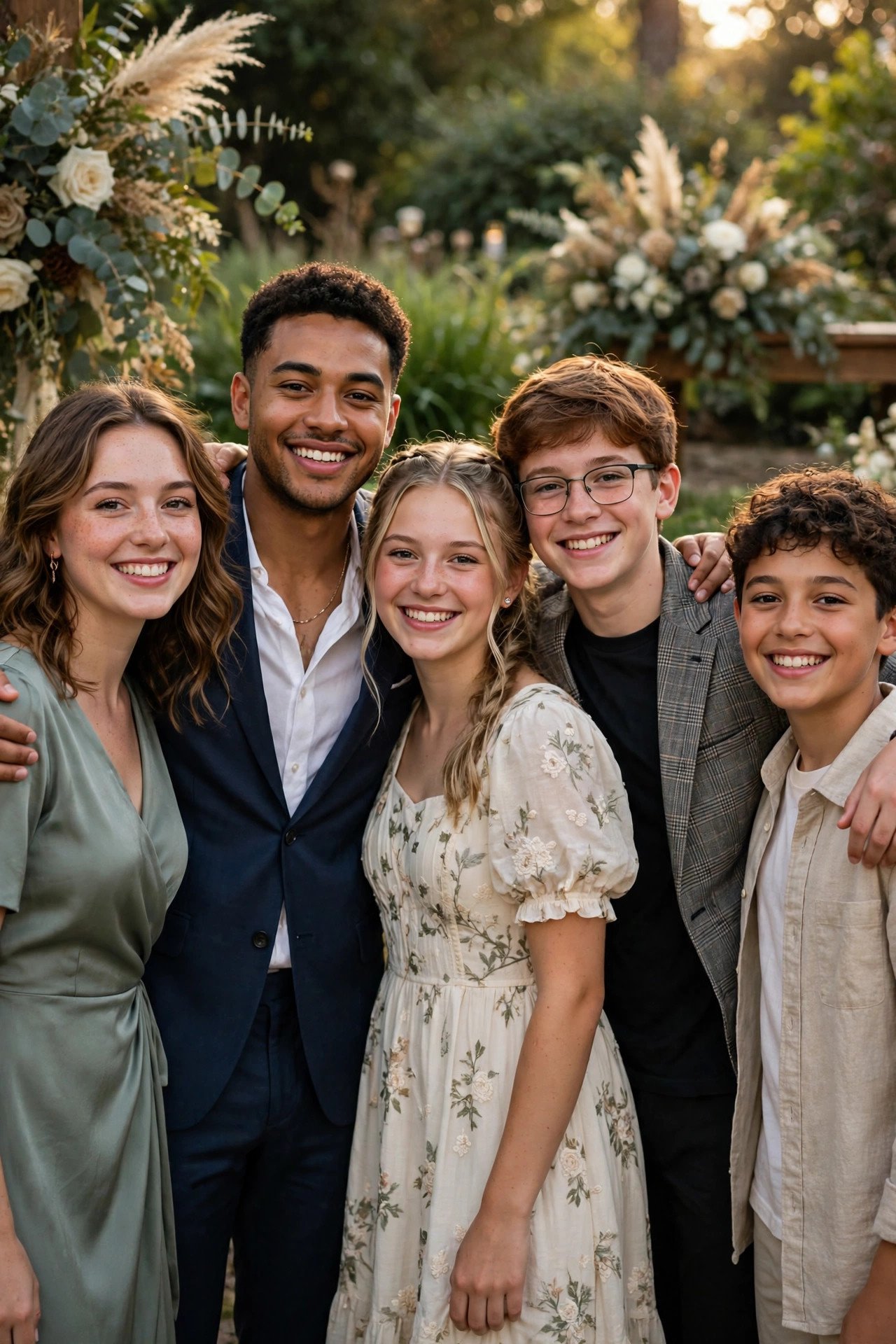
Step and half siblings notice instantly whether they were counted as family or as an afterthought. Offer roles from the same list, with the same warmth, and list them in the program the same way — inclusion that has to be decoded is not inclusion.
Including Siblings-in-Law
 📌 Save
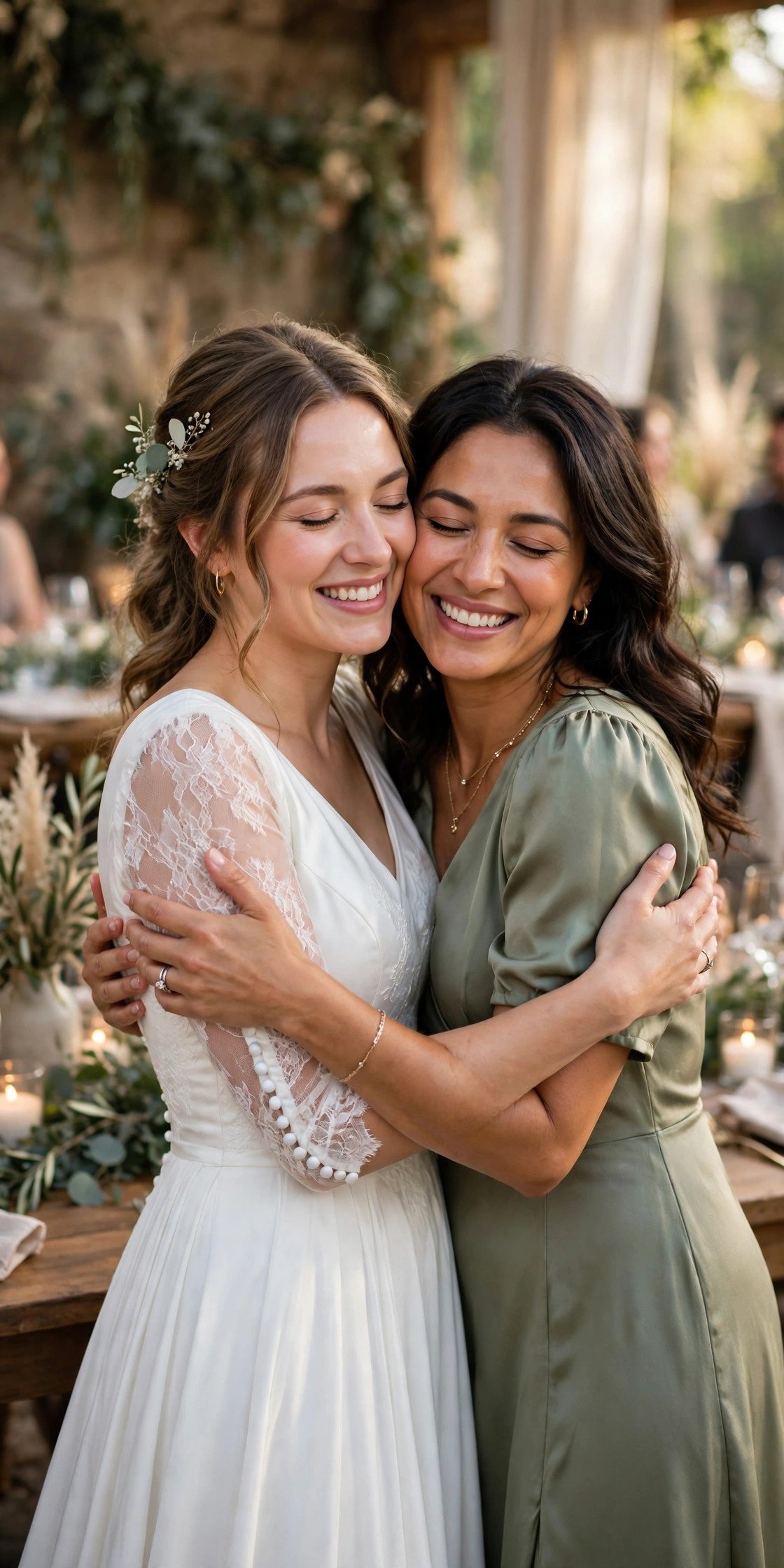
The couple’s new siblings by marriage often hover at the edge of both families’ plans. A reading, an escort role, a place in photos or a named welcome duty tells them they joined a family, not just attended an event.
A Private Gift or Letter Exchange
 📌 Save
Not every honor is public. A letter and a small gift exchanged privately with each sibling before the wedding — thanking them for the shared childhood and the adult friendship — can mean more than any microphone moment, especially to private people.
Sibling in the Engagement Story
 📌 Save
Include siblings earlier than the wedding: in the proposal plans, the engagement party, dress or suit shopping and venue visits. Siblings who shared the journey arrive at the wedding feeling like insiders, whatever their day-of role is.
When a Sibling Cannot Attend
 📌 Save
Distance, health, cost or duty can keep a sibling away — include them anyway: a livestream seat saved, their name in the program, a photo toast at the reception, a call during getting ready. Absence handled with love is still inclusion.
When Siblings Do Not Get Along
 📌 Save
If siblings are estranged or tense, do not assign them joint duties and do not use the wedding as a reconciliation stage. Give separate, spaced roles, brief each privately and let the day be peaceful rather than therapeutic.
Age-Appropriate Roles for Young Siblings
 📌 Save
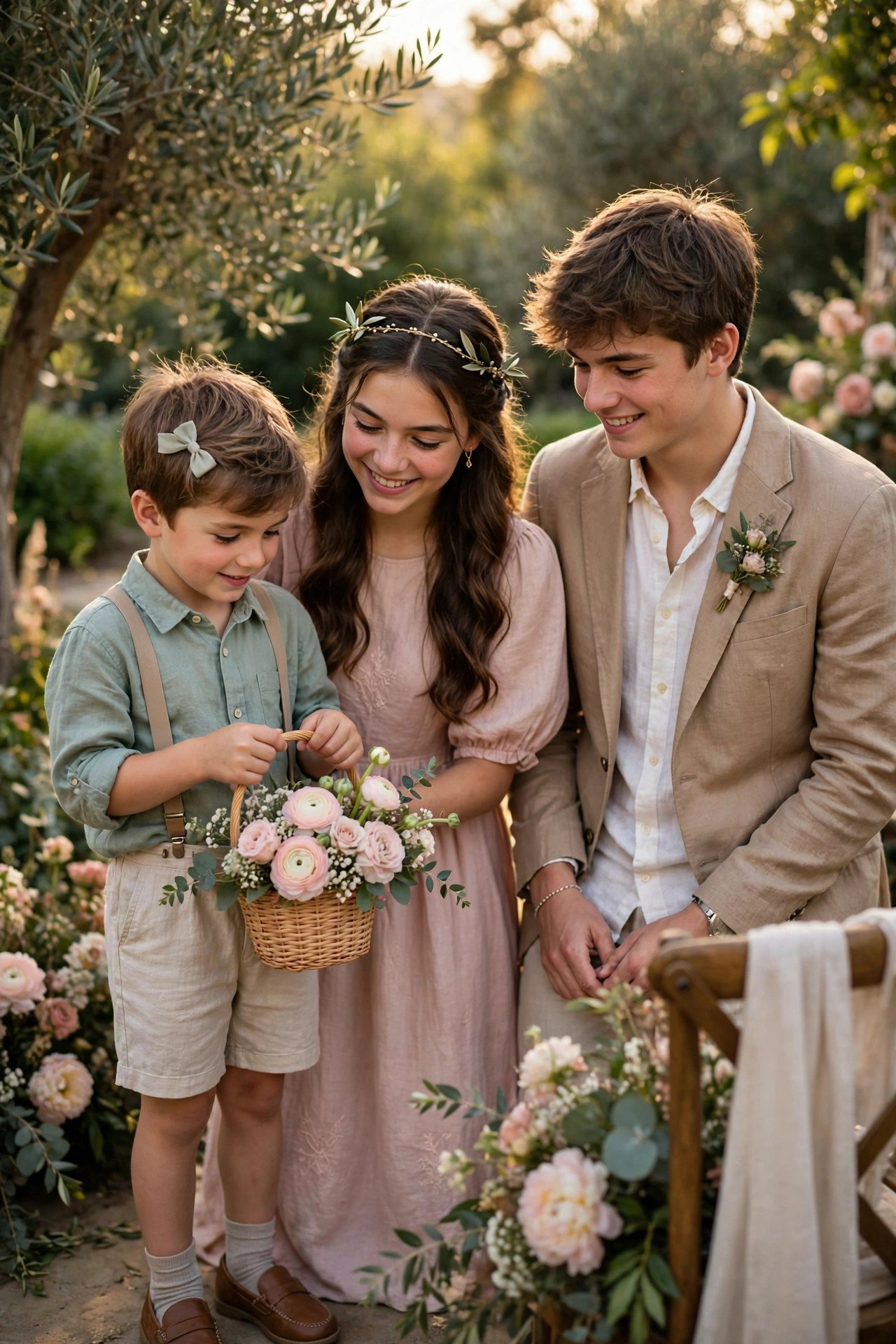
Young siblings can carry a sign, scatter petals alongside the flower girl, hand out programs, ring a bell before the bride or present the rings on a pillow with an adult nearby. Small, real tasks beat decorative standing — children know the difference instantly.
Thank Them Publicly at the Reception
 📌 Save
Whatever roles they held, thank your siblings by name during the reception — in the couple’s speech or a dedicated moment. Public thanks converts a duty into an honor in front of the whole family, and it takes twenty seconds.
Including Siblings FAQs
How can I include my sibling in my wedding without making them a bridesmaid or groomsman?+
Offer a role matched to their strengths: officiant, ceremony reader, parent escort, toast giver, processional walker, unity ritual participant, welcome host or musician. A named, specific role honors a sibling far more than a leftover task.
Should step-siblings get the same roles as full siblings?+
Yes — offer from the same list with the same warmth, and list them in the program the same way. Step and half siblings read inclusion instantly and accurately; equal treatment is the only version that counts.
What if my sibling does not want a role?+
Believe them and honor it. A seat of honor, priority in family photos and a private letter can include a sibling who genuinely prefers to simply celebrate. Inclusion offered freely includes the freedom to decline.
How do I include a sibling who cannot attend the wedding?+
Save them a livestream seat, print their name in the program, raise a photo toast at the reception and call them during getting ready. Afterward, send the favor and a program — absence handled with love still feels like belonging.
Can a sibling officiate our wedding?+
In many places, yes — a sibling can become ordained online or registered locally, but rules and paperwork timelines vary widely by state, province and country. Check your local requirements at least six months ahead and confirm the marriage will be legally recognized.
Key Takeaways
- Ask each sibling how involved they want to be before assigning anything.
- Match roles to personalities: readers read, hosts host, musicians play.
- Step, half and in-law siblings get offers from the same list.
- A sibling who cannot attend can still be named, streamed and toasted.
- Thank every sibling by name, for the specific thing they did.
Final Thoughts
Siblings are the people who knew you first and will know you longest — a wedding that finds each of them a true place becomes a family story everyone retells warmly. Ask what they want, match the role to the person, and thank them like you mean it. The matching outfits were never the point; being counted was.