Receiving Line Etiquette (2027)
By zainzari • Published October 22, 2026 • Updated October 22, 2026
 📌 Save
Keep a receiving line moving with a simple formula: a handshake or hug, congratulations, your name and connection if needed, one specific compliment, and a graceful move along. Thirty to sixty seconds per person is the sweet spot — the couple may greet two hundred guests, and your warmth travels further when it does not hold up the line.
The receiving line is the couple’s promise that every single guest gets a personal moment — and the guest’s promise, in return, is to make that moment warm and brief. It is a small performance with a big heart.
These 25 rules decode the whole ritual: the order, the introductions, what to say to parents you have never met, and how modern couples are reshaping the tradition for 2027.
At a Glance: The Essentials
| # | Rule | Best For | Priority |
|---|---|---|---|
| 1 | The 60-Second Formula | Timing | Essential |
| 2 | Introduce Yourself by Connection | Introductions | Essential |
| 3 | Greet Everyone in the Line | Whole line | Essential |
| 4 | Order: Parents, Couple, Party | Line order | Essential |
| 5 | Keep Hands Free for the Line | Free hands | Essential |
| 6 | Compliment Something Specific | Specifics | Essential |
| 7 | Skip the Life Update | No updates | Essential |
| 8 | Never Raise Problems in the Line | No issues | Essential |
| 9 | Hug or Handshake: Follow Their Lead | Their lead | Essential |
| 10 | Kids in the Line: Keep It Sweet | Children | Essential |
Skim the table for the essentials, then read the full notes below — each rule includes the why behind it and a pro tip from experienced guests.
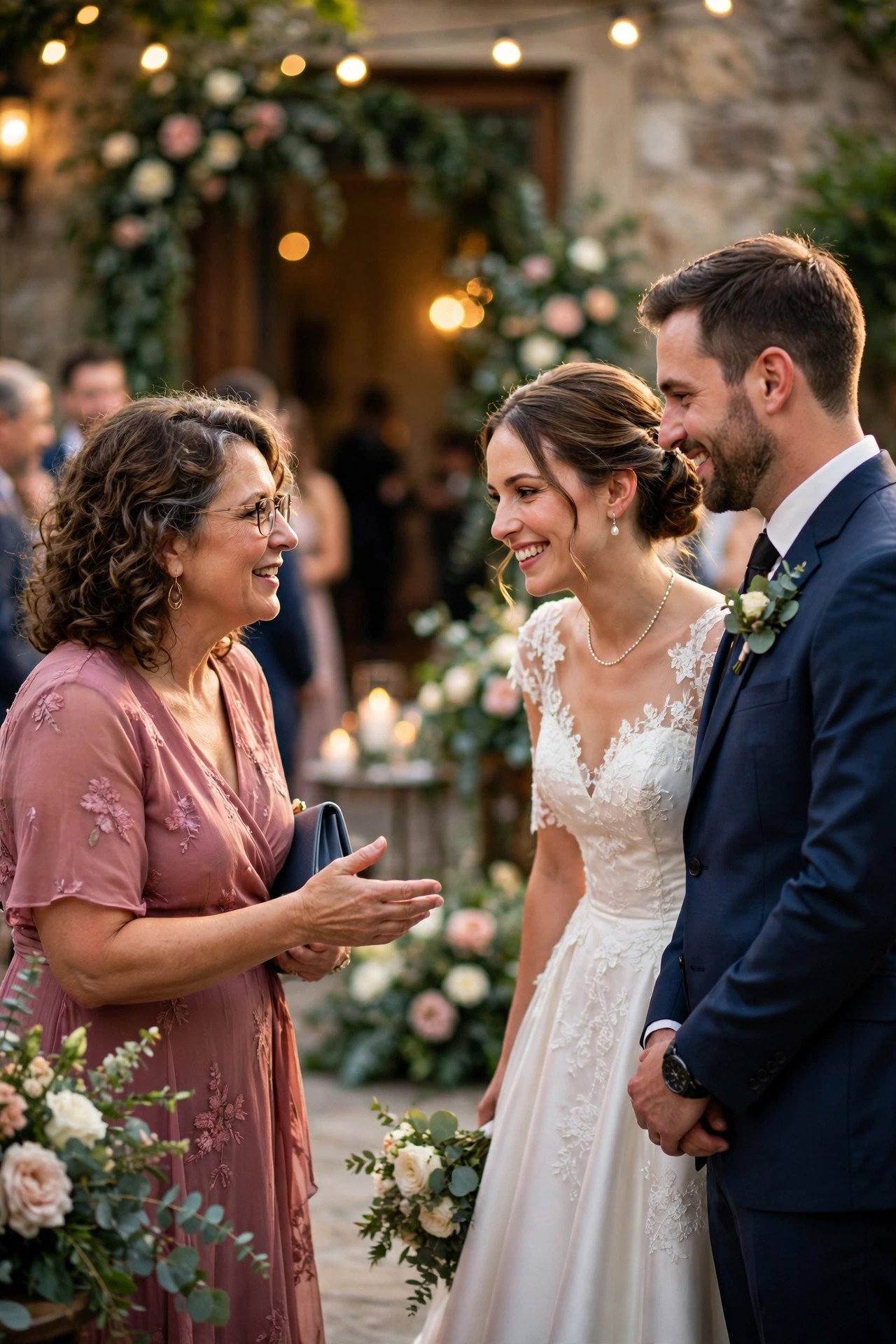
The 60-Second Formula
 📌 Save
Handshake, congratulations, one specific compliment, and move — sixty kind seconds is the complete job description{D} — and doing it gracefully takes the social guesswork out of the whole day for you and the table around you.
Introduce Yourself by Connection
 📌 Save
‘I’m Sarah, a friend of Emma’s from university’ gives the couple instant context in a sea of faces{D}, which is exactly the kind of small courtesy couples remember long after the last song plays.
Greet Everyone in the Line
 📌 Save
Shake hands or smile with every person standing in the line, including parents and attendants you have never met{D}. It costs you nothing, keeps the day running smoothly, and quietly marks you as a guest everyone loves hosting.
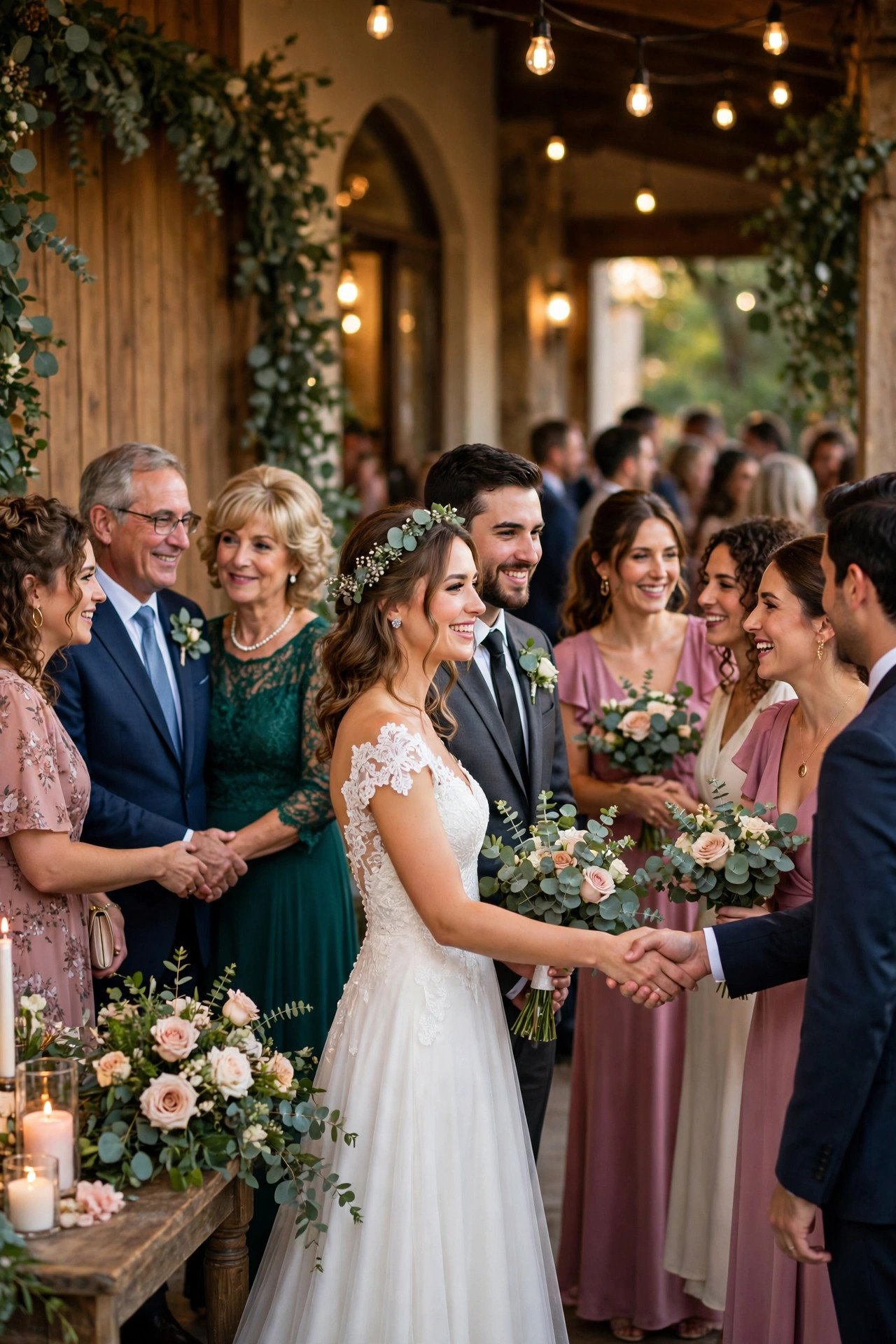
Order: Parents, Couple, Party
 📌 Save
Lines typically run hosts or parents first, then the couple, then the wedding party — though every family arranges its own{D} — a simple habit that protects the couple’s planning and keeps you relaxed instead of scrambling.
Keep Hands Free for the Line
 📌 Save
Put your drink down and keep your clutch tucked away before you join — handshakes and hugs need two available hands{D}. When in doubt, follow the couple’s cues, watch the wedding party, and choose the option that draws the least attention.
Compliment Something Specific
 📌 Save
Name one real detail — the vows, the flowers, the venue, the music — and your greeting becomes a gift instead of a formality{D} — and doing it gracefully takes the social guesswork out of the whole day for you and the table around you.
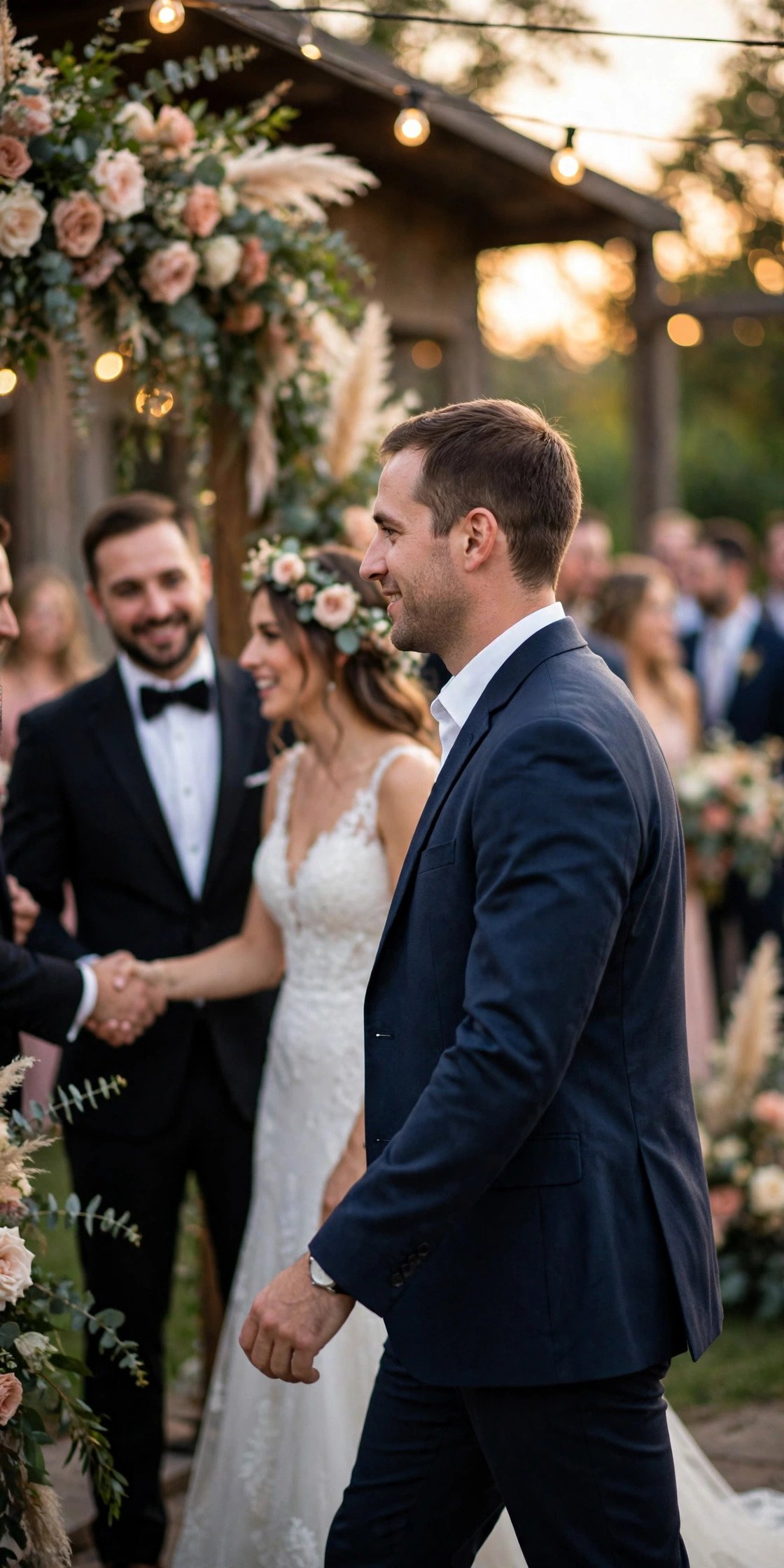
Skip the Life Update
 📌 Save
The line is not the place for job news, family sagas, or catching up on three years — save it all for the reception{D}, which is exactly the kind of small courtesy couples remember long after the last song plays.
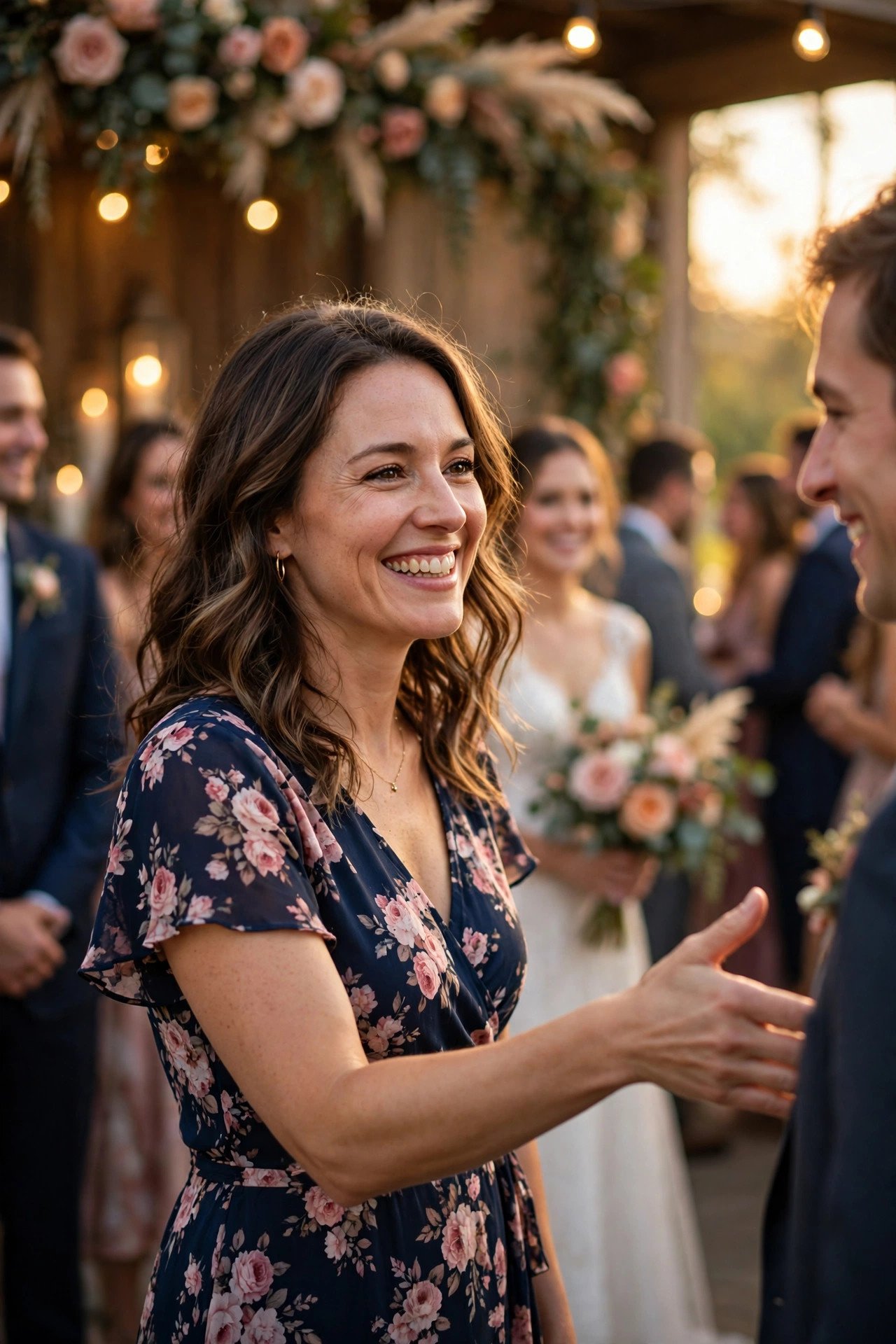
Never Raise Problems in the Line
 📌 Save
Parking, weather, a missing cousin — nothing logistical or negative is ever raised with the couple mid-line{D}. It costs you nothing, keeps the day running smoothly, and quietly marks you as a guest everyone loves hosting.
Hug or Handshake: Follow Their Lead
 📌 Save
Let each person in the line set the physical greeting — an offered hand gets a handshake, open arms get a hug{D} — a simple habit that protects the couple’s planning and keeps you relaxed instead of scrambling.
Kids in the Line: Keep It Sweet
 📌 Save
A quick hello, a compliment on their outfit, and along you go — children in lines get shy fast{D}. When in doubt, follow the couple’s cues, watch the wedding party, and choose the option that draws the least attention.
Plus-Ones Introduce Themselves Too
 📌 Save
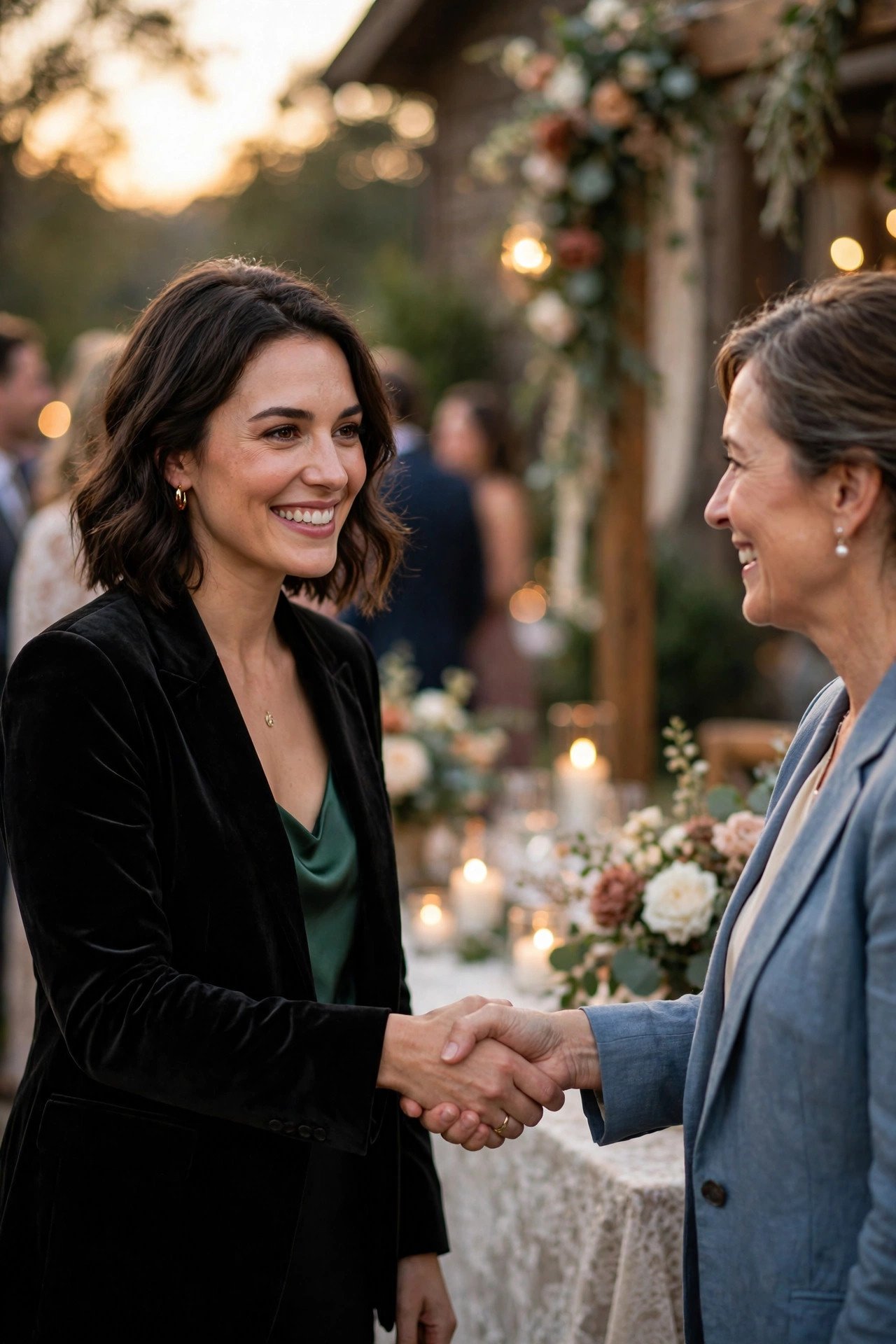
Plus-ones greet the whole line under their own name plus their connection: ‘I’m Dan, here with Priya'{D} — and doing it gracefully takes the social guesswork out of the whole day for you and the table around you.
Photos Belong After the Line
 📌 Save
Never stop the line for a selfie with the couple — it doubles your slot and stalls fifty people behind you{D}, which is exactly the kind of small courtesy couples remember long after the last song plays.
If There Is No Line, Table Visits Happen
 📌 Save
Many couples skip the line and visit tables during dinner instead — be at your seat during courses so you do not miss your moment{D}. It costs you nothing, keeps the day running smoothly, and quietly marks you as a guest everyone loves hosting.
Join the Line Promptly
 📌 Save
Lines form right after the ceremony or at the reception entrance — join when it forms rather than drifting in twenty minutes late{D} — a simple habit that protects the couple’s planning and keeps you relaxed instead of scrambling.
Do Not Hold a Place With Bags
 📌 Save
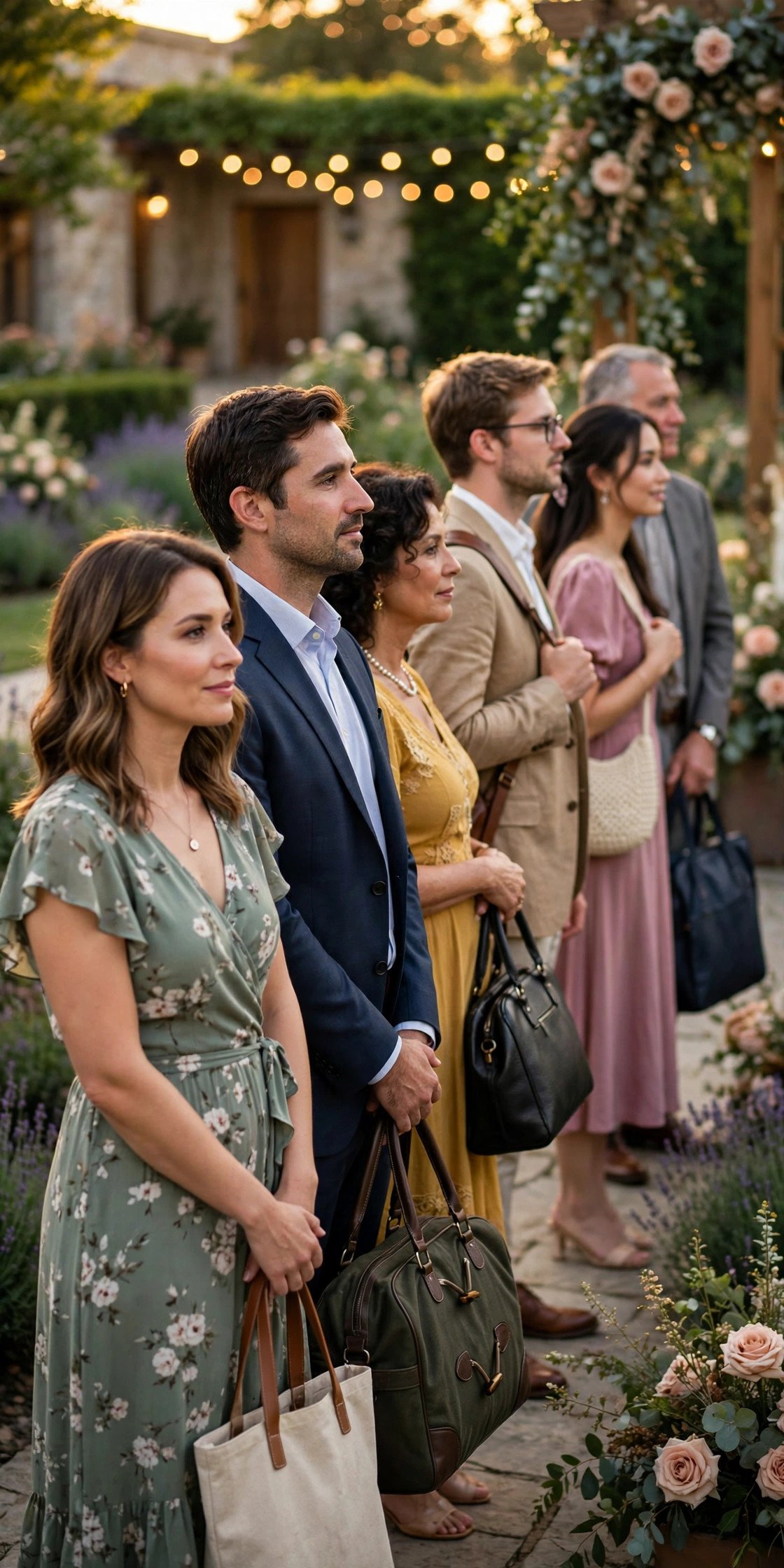
The line moves person by person; joining means being present, not represented by a handbag and a promise{D}. When in doubt, follow the couple’s cues, watch the wedding party, and choose the option that draws the least attention.
Compliments for Parents
 📌 Save
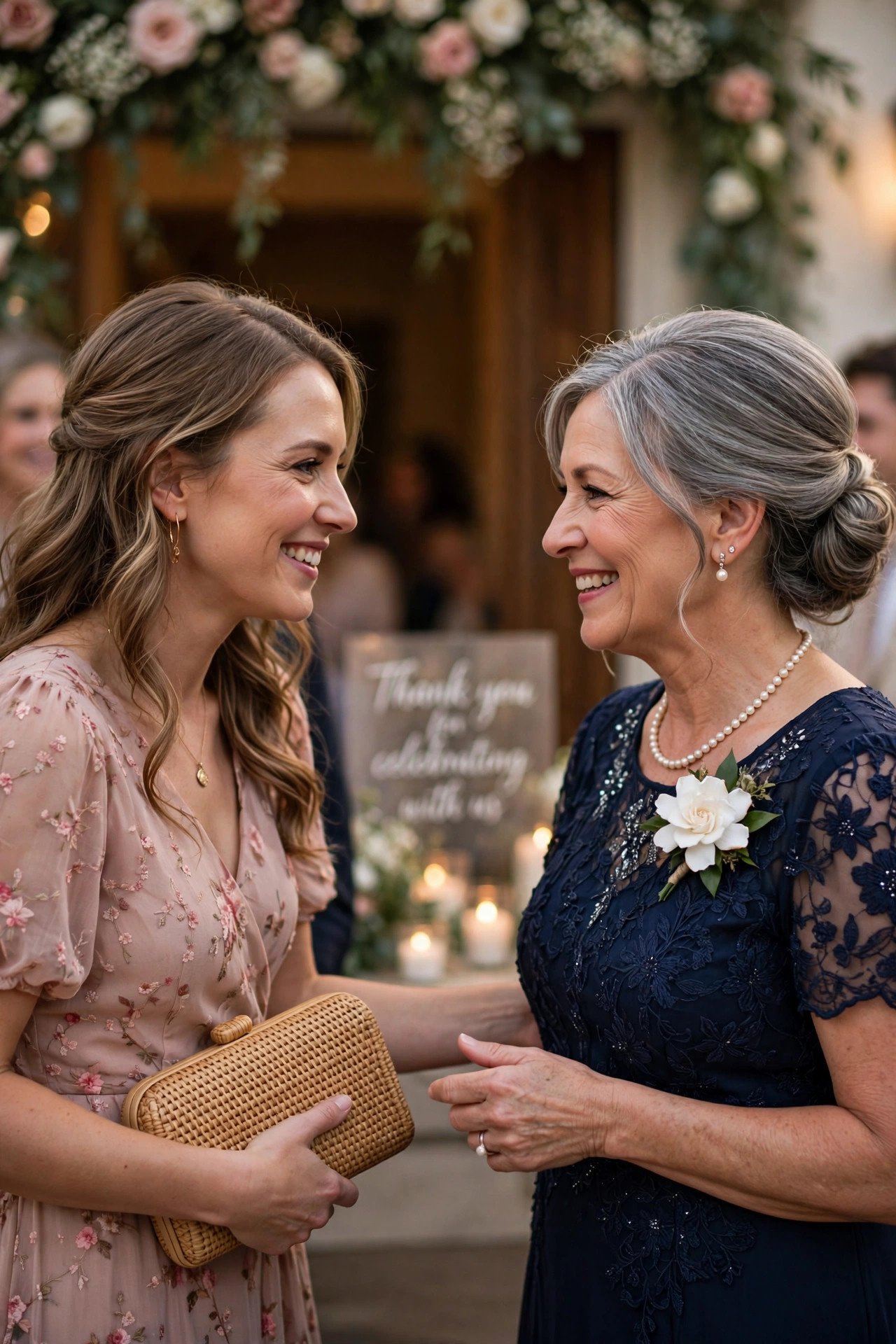
Tell the parents one kind thing — ‘You must be so proud’ never fails and is always true{D} — and doing it gracefully takes the social guesswork out of the whole day for you and the table around you.
Keep Your Voice Down the Line
 📌 Save
Lines often form in echoing foyers — a conversational volume keeps the moment feeling intimate rather than shouted{D}, which is exactly the kind of small courtesy couples remember long after the last song plays.
Mobility in the Line
 📌 Save
Guests with mobility needs may greet from a chair at the line’s end or skip to a seated hello — all completely proper{D}. It costs you nothing, keeps the day running smoothly, and quietly marks you as a guest everyone loves hosting.
Rain and Heat Contingency Lines
 📌 Save
Bad weather moves lines indoors and compresses them — extra patience and brevity are the guest’s contribution{D} — a simple habit that protects the couple’s planning and keeps you relaxed instead of scrambling.
Religious and Cultural Variations
 📌 Save
Some traditions greet at the church door, some at a sweetheart table, some family-by-family — watch the first guests and mirror the format{D}. When in doubt, follow the couple’s cues, watch the wedding party, and choose the option that draws the least attention.
The Departing Line Counts Too
 📌 Save
Some couples form an informal goodbye line near the exit — the same rules apply, warmer and even briefer{D} — and doing it gracefully takes the social guesswork out of the whole day for you and the table around you.
Do Not Interview the Couple
 📌 Save
Honeymoon interrogations, house-hunting questions, and baby timelines are all banned from the line{D}, which is exactly the kind of small courtesy couples remember long after the last song plays.
If You Missed the Line
 📌 Save
Find a calm moment during the reception — never during their meal — for your congratulations, and keep it just as brief{D}. It costs you nothing, keeps the day running smoothly, and quietly marks you as a guest everyone loves hosting.
Thank the Hosts by Name
 📌 Save
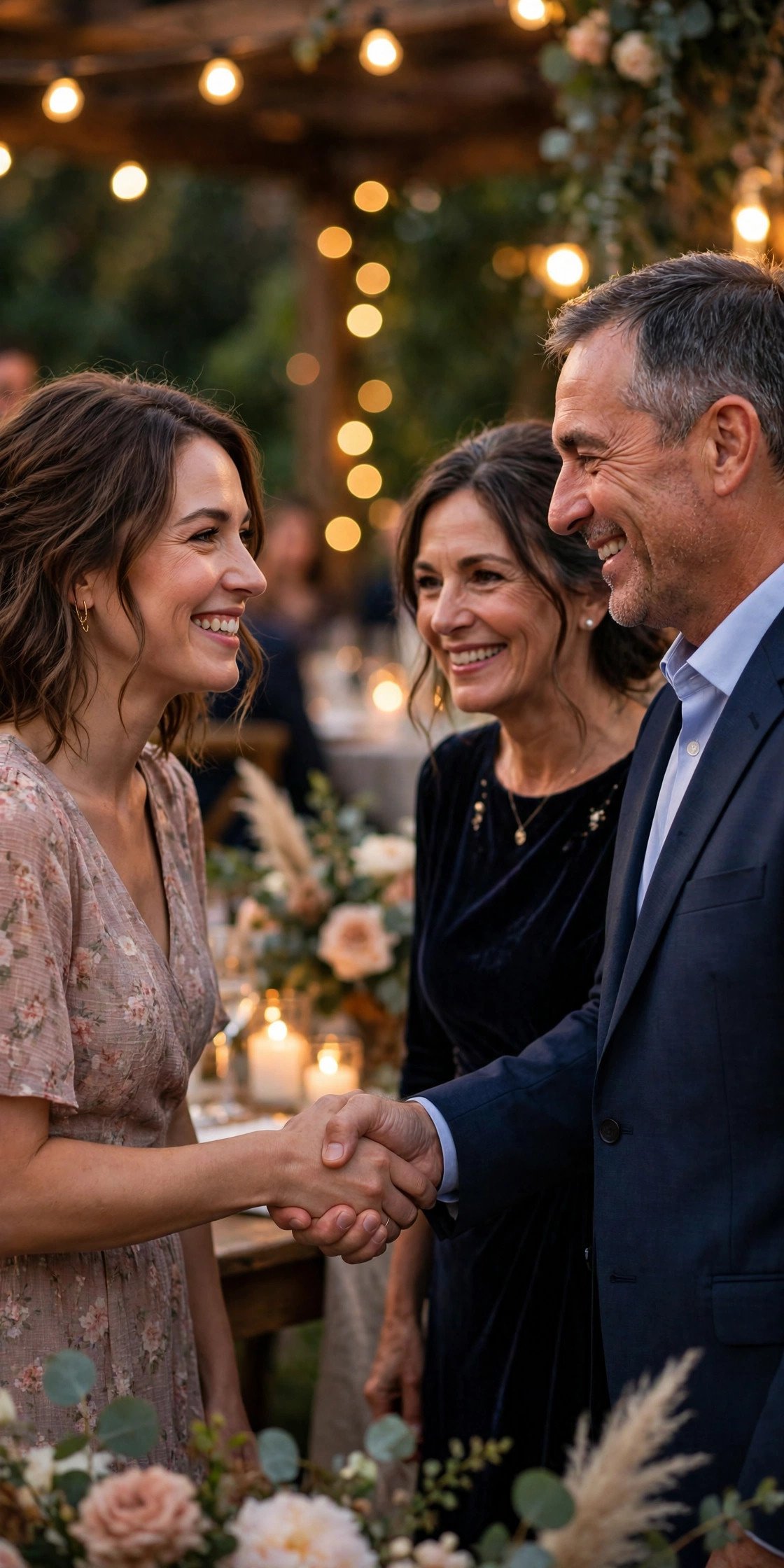
Where parents hosted, thanking them by name in the line is old-school polish that lands beautifully{D} — a simple habit that protects the couple’s planning and keeps you relaxed instead of scrambling.
Carry the Warmth to Your Table
 📌 Save
The line’s job is done when every guest feels personally welcomed — arrive at your table already feeling like an insider{D}. When in doubt, follow the couple’s cues, watch the wedding party, and choose the option that draws the least attention.
Receiving Line Etiquette (2027) FAQs
What do you say in a wedding receiving line?+
Keep it simple and specific: congratulations, your name and connection if they may not know it, and one genuine compliment about the ceremony — the vows, the reading, the music. Then move along with a smile.
How long should you spend in a receiving line?+
About thirty to sixty seconds per person. The couple may be greeting one or two hundred guests, so warmth plus brevity is the kindest combination. Save real conversation for the reception.
Who stands in a receiving line?+
Traditionally the hosts or the couple’s parents first, then the couple, then the wedding party. Modern lines vary — some couples greet alone. Simply greet everyone standing in the line, in order.
What if I do not know the parents in the line?+
Introduce yourself by name and connection — ‘I’m Alex, a friend of Ben’s from work’ — shake hands, offer congratulations, and add ‘you must be so proud.’ That formula has never failed anyone.
Are receiving lines still common in 2027?+
They are less universal than they were — many couples choose table visits during dinner or a greeting moment at cocktail hour instead. The etiquette is identical either way: warm, specific, and brief.
Key Takeaways
- Sixty seconds: congratulations, one specific compliment, move on.
- Introduce yourself by name and connection — every time.
- Greet everyone in the line; never skip the strangers.
- No photos, no life updates, no problems in the line.
- Missed the line? Congratulate later — never during their meal.
Final Thoughts
A receiving line is two hundred tiny promises kept in a row. Yours takes a minute: a warm hand, a real compliment, your name offered kindly. Do that for everyone standing there, and you will have given the couple exactly what the tradition was invented for — the feeling that every guest truly arrived.