Vow Renewal vs Wedding: What Is the Difference? (2027)
By zainzari • Published October 23, 2026 • Updated October 23, 2026
 📌 Save
The core difference in vow renewal vs wedding is legal: a wedding creates a legal marriage and requires a marriage license, an authorized officiant and paperwork, while a vow renewal is a purely symbolic ceremony for an already-married couple — no license is needed, anyone can lead it, and it has no legal effect whatsoever. Renewals are also typically smaller, cheaper, freer of etiquette rules, and focused on celebrating years already lived rather than starting a new life.
Couples planning a renewal often ask whether they are ‘allowed’ to do the things weddings do — the dress, the cake, the big entrance. The short answer is that a renewal plays by almost none of the wedding rulebook, because its purpose is different: a wedding begins a marriage; a renewal honors one that already exists.
Below are the 25 differences that actually matter, from the legal paperwork to the gift table. Keep this page open while you plan and you will never waste a minute worrying about a rule that does not apply to you — or miss the one or two that genuinely do.
At a Glance: The Key Differences at a Glance
| # | Topic | Wedding | Vow Renewal | Why It Matters |
|---|---|---|---|---|
| 1 | Legal Status | Creates a legal marriage | Symbolic only — no legal effect | The core difference |
| 2 | Marriage License | Required by law | Never required | No courthouse visit |
| 3 | Officiant | Must be legally authorized | Anyone you choose | Kids or friends can lead |
| 4 | Purpose | To become married | To celebrate being married | Looks forward vs back |
| 5 | Paperwork | License, certificate, name changes | None at all | Zero admin |
| 6 | Who Can Have One | Unmarried couples | Married couples only | You must already be wed |
| 7 | Timing | Once (per marriage) | Any anniversary, repeatable | Renew as often as you like |
| 8 | Cost | High — full production | Usually far lower | Budget goes to joy, not rules |
| 9 | Guest List | Often large and obligation-heavy | Whoever you truly want | No plus-one politics |
| 10 | Etiquette Rules | Extensive | Almost none | Freedom to personalize |
The remaining 15 differences — dresses, gifts, rings, registries, vows and more — are covered in the cards below.
Legal Status: Binding vs Symbolic
 📌 Save
A wedding is a legal event: when it ends, two people who were not married are married, with new rights and obligations under the law. A vow renewal changes nothing legally — your marital status before and after is identical — and that freedom from legal weight is exactly what makes it so joyful.
Marriage License: Required vs Never Needed
 📌 Save
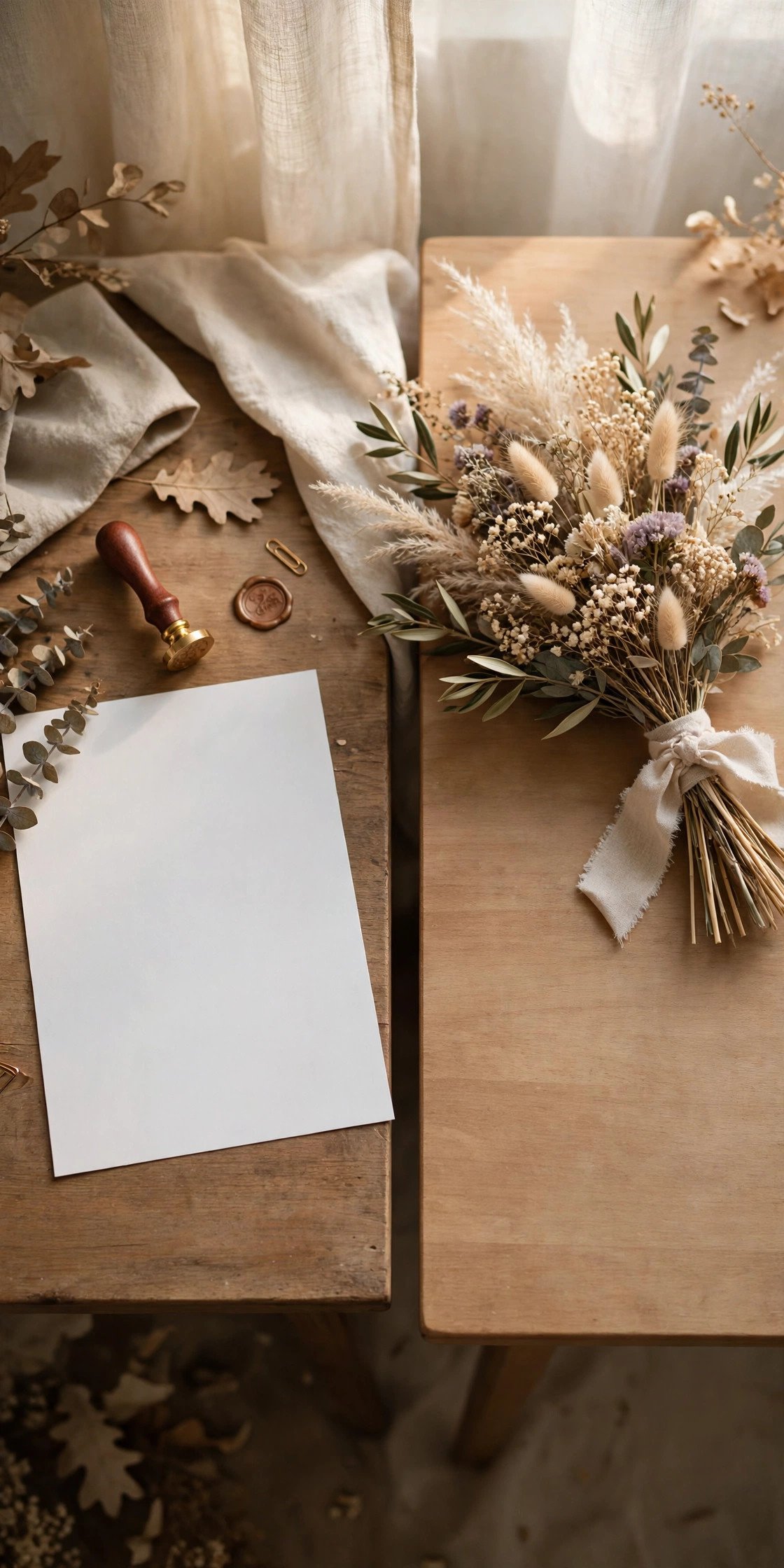
Every wedding in the USA, UK and Canada requires a marriage license obtained in advance, often with waiting periods and expiry dates. A vow renewal never requires one, in any jurisdiction, because there is nothing for the state to record — you are already married.
Officiant: Authorized vs Anyone You Love
 📌 Save
A wedding officiant must be legally authorized — clergy, a registrar, a judge, or an ordained celebrant, depending on where you live. A renewal has no such rule: your children, your best friend, your original officiant, or a professional celebrant can lead it, because no legal act is taking place.
Purpose: A Beginning vs A Celebration
 📌 Save
A wedding promises a future neither person can fully imagine. A renewal looks back at a future that actually happened — the promises kept, the storms weathered — and recommits with evidence in hand. That is why renewals so often feel deeper: the words are backed by years.
Paperwork: Forms vs None at All
 📌 Save
Weddings generate a paper trail: license applications, certificates, and often name-change forms for banks, passports and licenses. Renewals generate none of it. Your names, status and documents remain untouched — the only writing involved is the vows themselves.
Eligibility: Who Can Have Which
 📌 Save
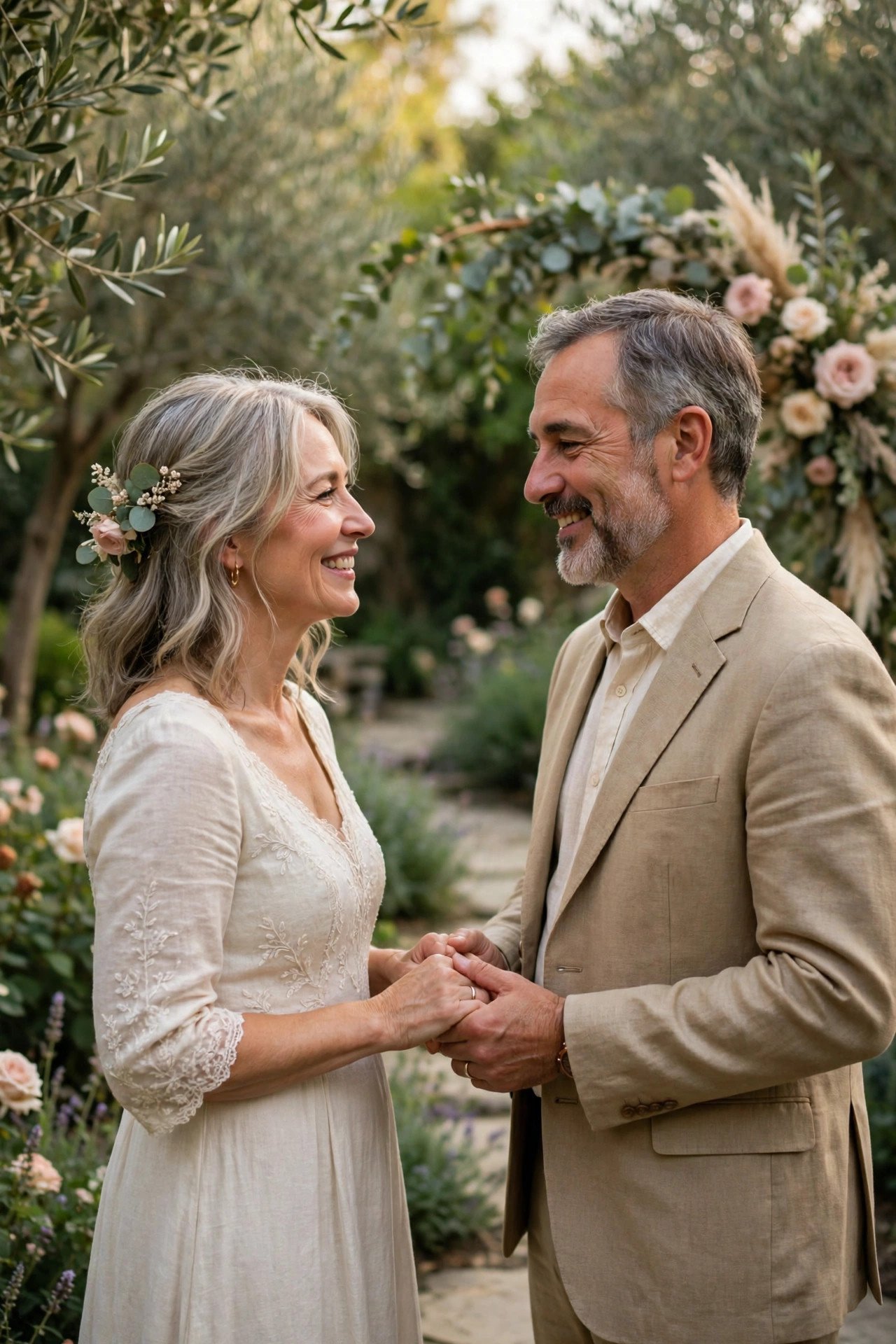
Anyone unmarried can have a wedding; only married couples can have a vow renewal, by definition. Couples who eloped, married at a courthouse, or had a tiny first ceremony often choose a renewal as the celebration they skipped — sometimes called a ‘sequel wedding’ — and it is a perfectly accepted tradition.
Timing: Once vs Whenever You Like
 📌 Save
A wedding happens once per marriage. A renewal can happen at any anniversary — 5, 10, 25, 50 — after a hard season survived, when the kids are grown, or simply because you want to. Some couples renew every decade; there is no limit and no raised eyebrows.
Cost: Full Production vs Your Choice
 📌 Save
Weddings carry expected elements — venue, catering per head, attire, photography — that push budgets upward regardless of taste. A renewal has no expected elements, so couples spend only on what they value: a great meal, a photographer, a trip, or nothing but a cake and a garden. Most renewals cost a fraction of a wedding.
Guest List: Obligations vs Invitations
 📌 Save
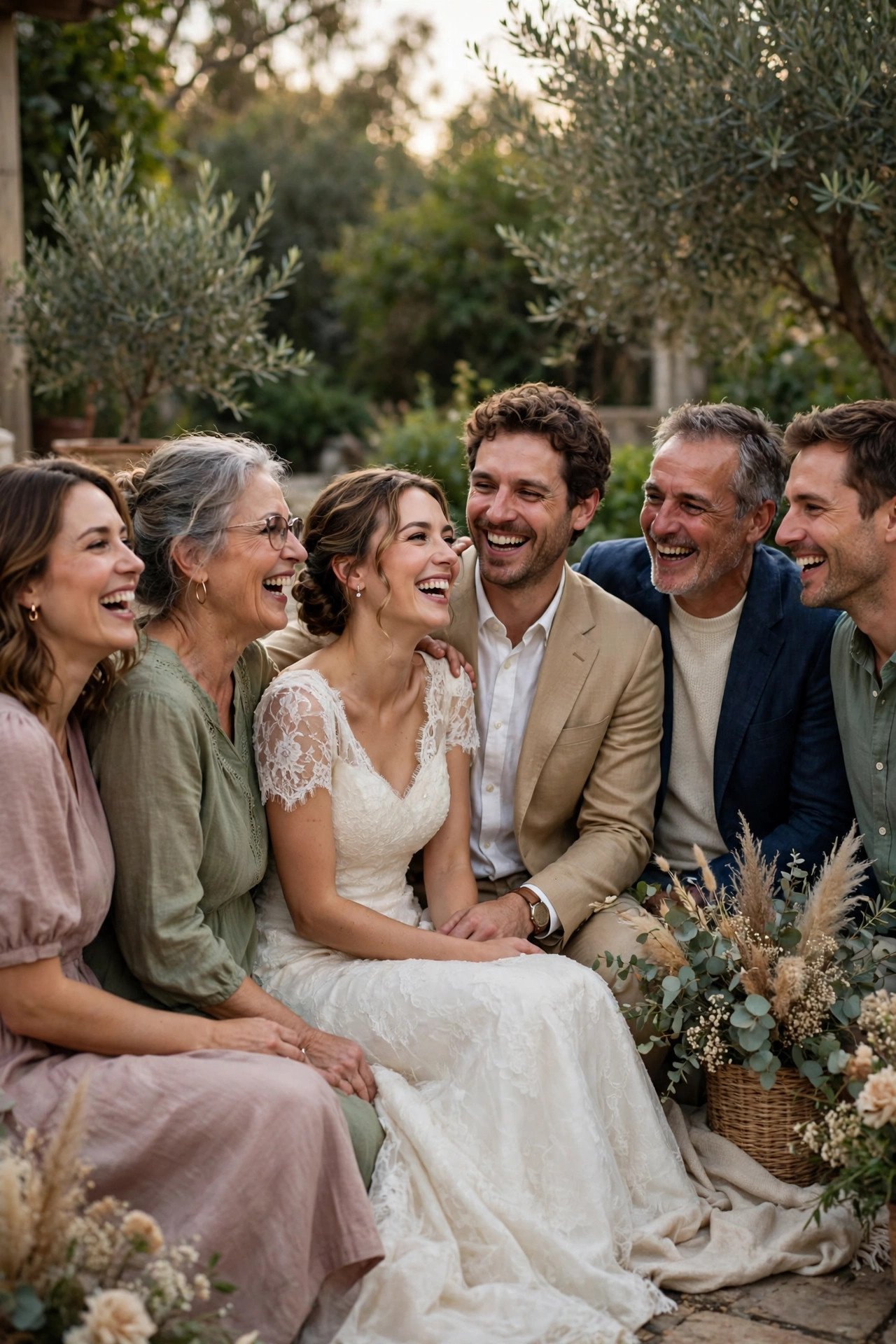
Wedding guest lists famously bend to family politics, parental colleagues and reciprocal invitations. Renewal lists bend to nothing: invite the people who have actually shared your married life. Ten beloved faces or a hundred — the list is a portrait of your real community.
Etiquette: A Rulebook vs A Blank Page
 📌 Save
Weddings sit inside a century of etiquette about who pays, who walks whom, what colors guests may wear and when gifts arrive. Renewals have almost no etiquette at all — walk in together, wear color, seat people anywhere, skip any tradition you dislike. The blank page is the benefit.
Vows: Promises Made vs Promises Reviewed
 📌 Save
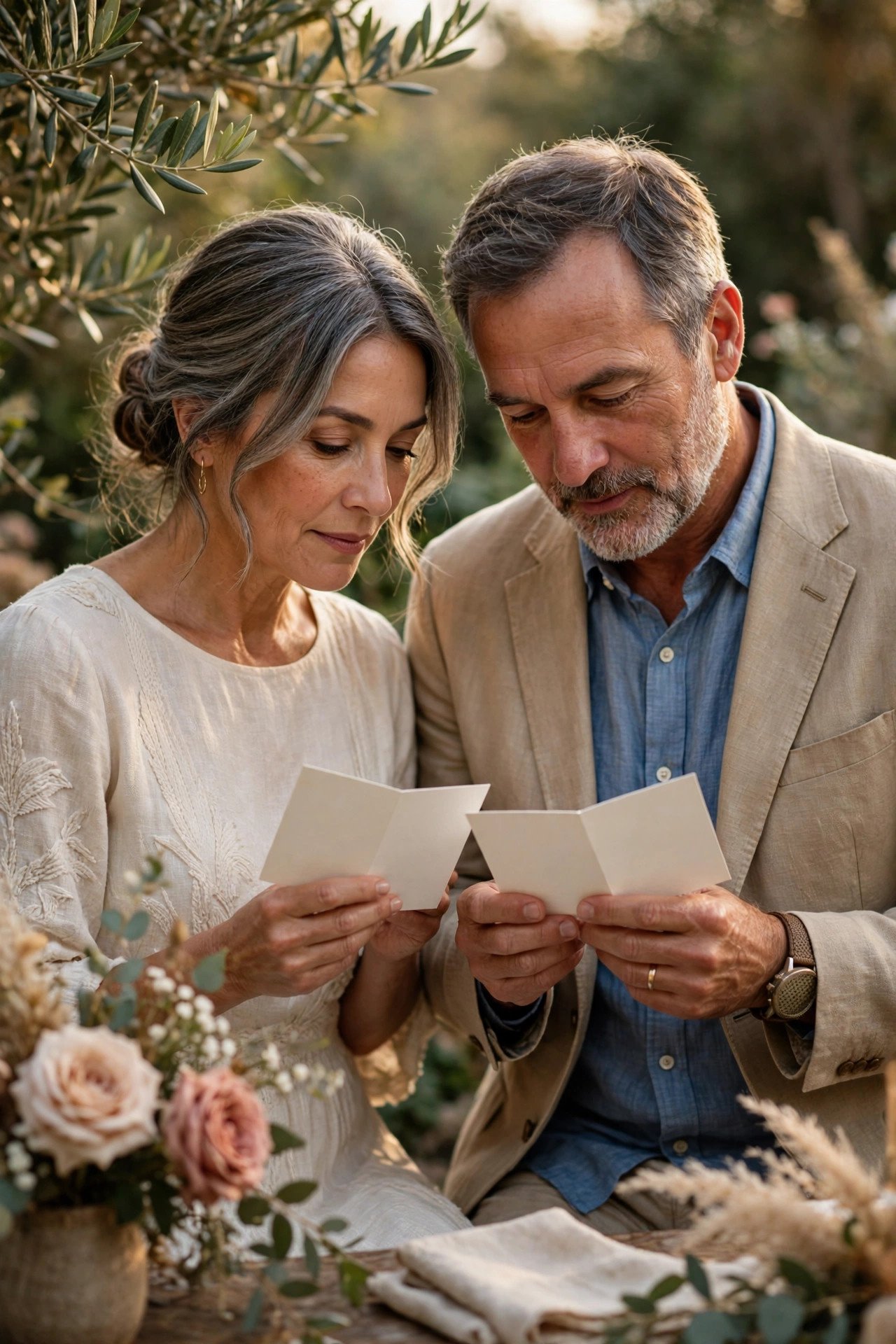
Wedding vows are prospective: ‘I will.’ Renewal vows can look both ways — thanking your partner for the years, naming what you have learned, laughing at what you got wrong, and promising the next chapter with specifics only experience can supply. Many couples quote a line from their original vows and answer it.
The Dress: Bridal Rules vs Total Freedom
 📌 Save
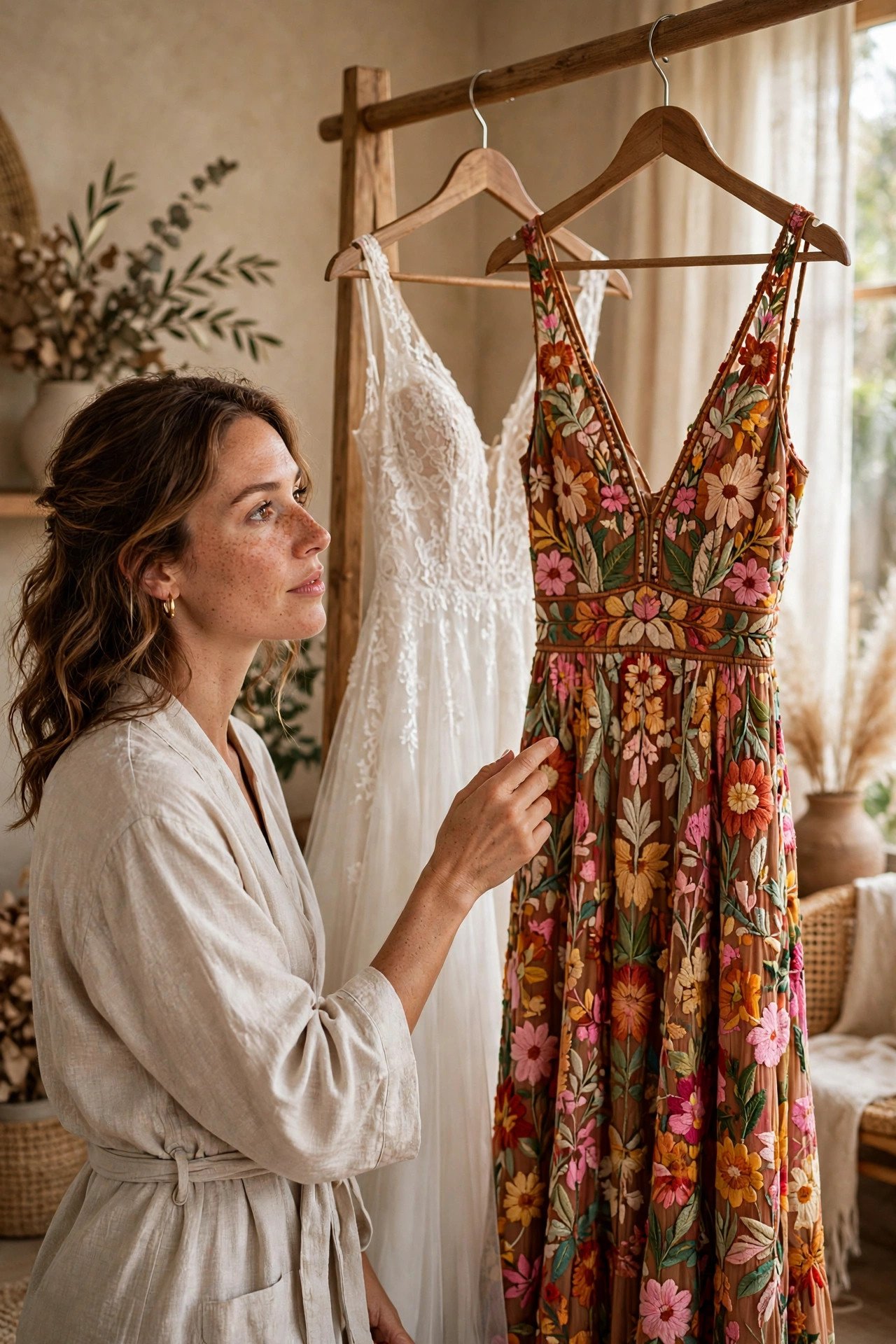
Wedding dresses operate inside strong traditions about color, veils and trains. At a renewal, every door is open: your original dress restyled, a white gown, a silver dress for a silver anniversary, a suit, a jumpsuit — all correct, because there is no incorrect. Guests likewise need not avoid white-adjacent shades unless you ask.
Walking In: Given Away vs Walking Together
 📌 Save
Wedding tradition has the bride escorted and ‘given away’. Renewal couples usually walk in together, hand in hand — a small piece of choreography that says everything about an established partnership — or enter from among their guests, or are escorted by their children.
Wedding Party: Formal Roles vs Relaxed Honors
 📌 Save
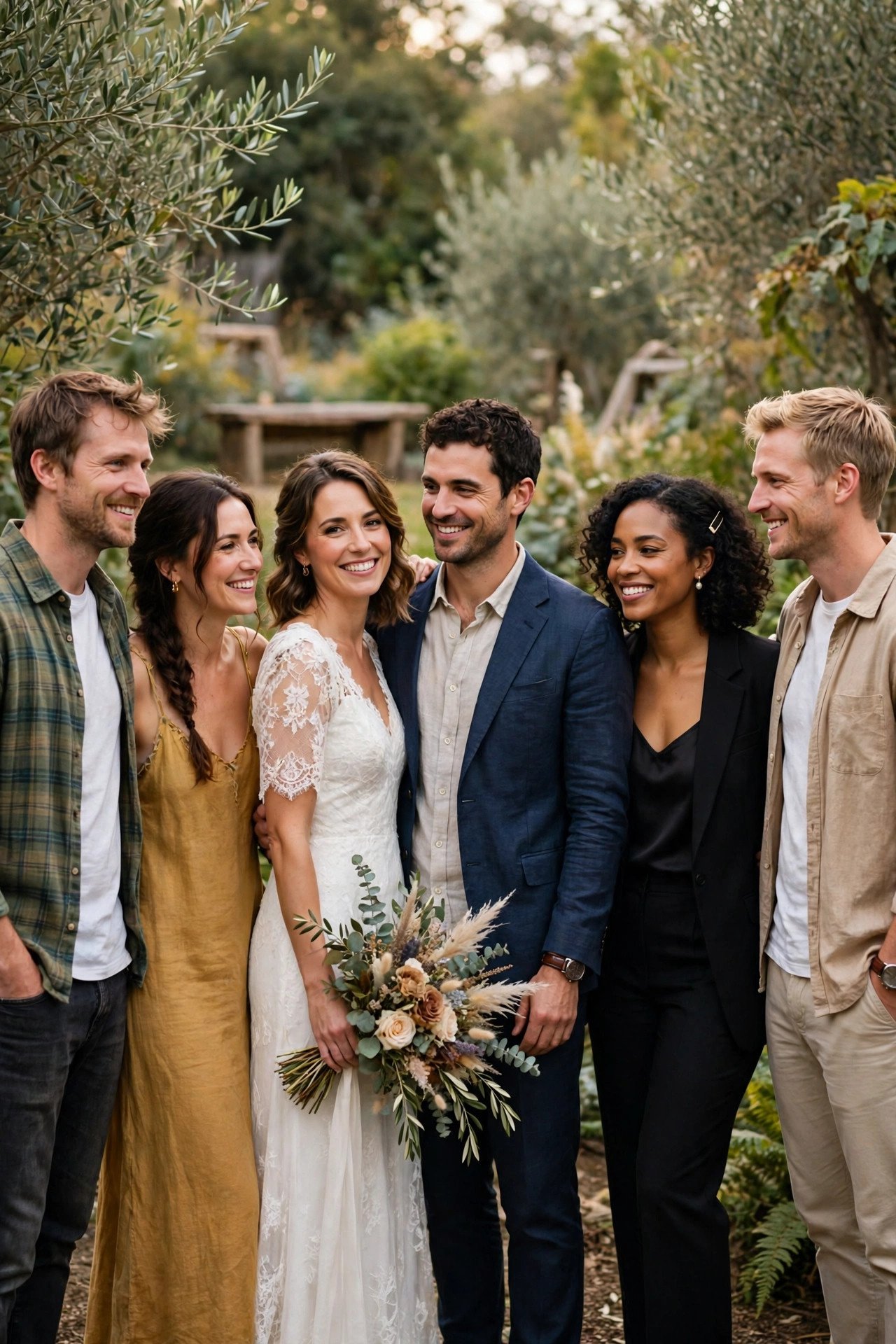
Weddings assign attendants outfits, duties and costs. Renewals often invite the original wedding party simply to stand up — in their own clothes — or skip attendants entirely and honor friends with seats of pride instead. Nobody at a renewal is conscripted into a matching dress.
Gifts: Expected vs Genuinely Optional
 📌 Save
Wedding gifts are an expected part of the event, with registries to guide them. At a renewal, gifts are neither expected nor registered for; most guests bring a card, flowers, or a bottle of something sparkling and non-alcoholic like a premium sparkling cider or juice to toast with. Many couples write ‘your presence is the only gift’ on the invitation and mean it.
Registry: Standard vs Not a Thing
 📌 Save
Creating a gift registry is normal for weddings and considered inappropriate for renewals — you have a household, and the day celebrates your history, not your housewares. If guests insist on giving, couples often suggest a favorite charity or a contribution to a shared experience, like a family photo session.
Rings: First Exchange vs Re-Exchange and Upgrades
 📌 Save
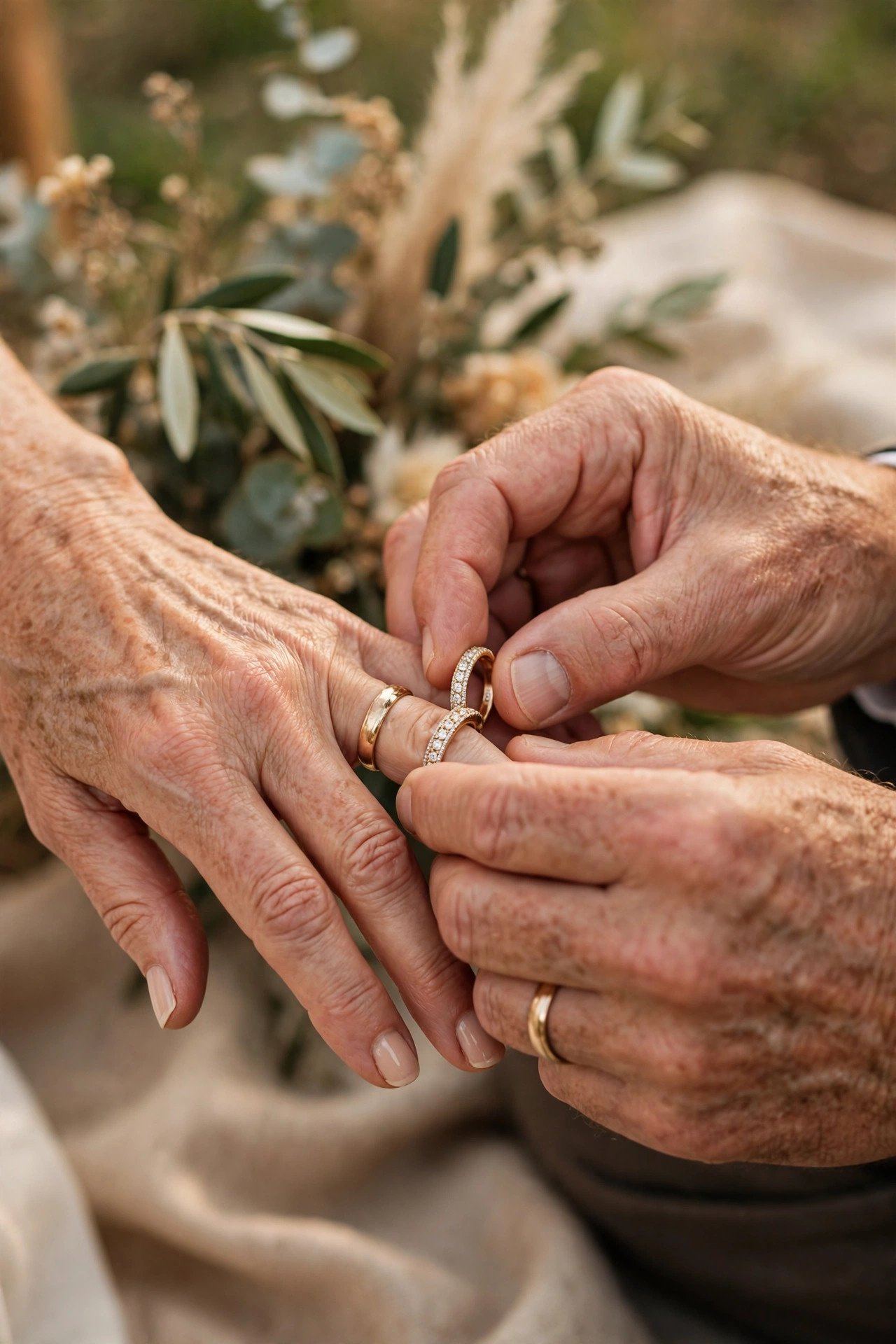
At a wedding, rings are exchanged for the first time. At a renewal, couples re-exchange their original bands, add an anniversary band, engrave the inside of the originals with the renewal date, or pass the rings through guests’ hands in a ring-warming ritual before the exchange.
Ceremony Length and Content: Structured vs Personal
 📌 Save
Wedding ceremonies follow recognizable structures set by law, faith or custom. Renewal ceremonies are typically 15 to 30 minutes of pure personal content: stories, readings chosen by your children, rituals like sand or handfasting, humor a registrar would never permit, and vows written entirely by you.
Venue: Booked Spaces vs Anywhere at All
 📌 Save
Because a wedding must satisfy legal requirements, venues are limited to licensed or approved places in many regions. A renewal can happen literally anywhere: your living room, a beach, a boat, a mountaintop, another country — no venue approval is ever needed for a ceremony with no legal effect.
Reception: Expected Format vs Any Party You Like
 📌 Save
Wedding receptions carry expected beats: receiving line, seated dinner, speeches, first dance, cake cutting. A renewal celebration can keep the beats you love and delete the rest — a brunch, a garden barbecue, a dance party, a storytelling dinner. There is no format a renewal ‘should’ follow.
Photography: Full Coverage vs What Matters
 📌 Save
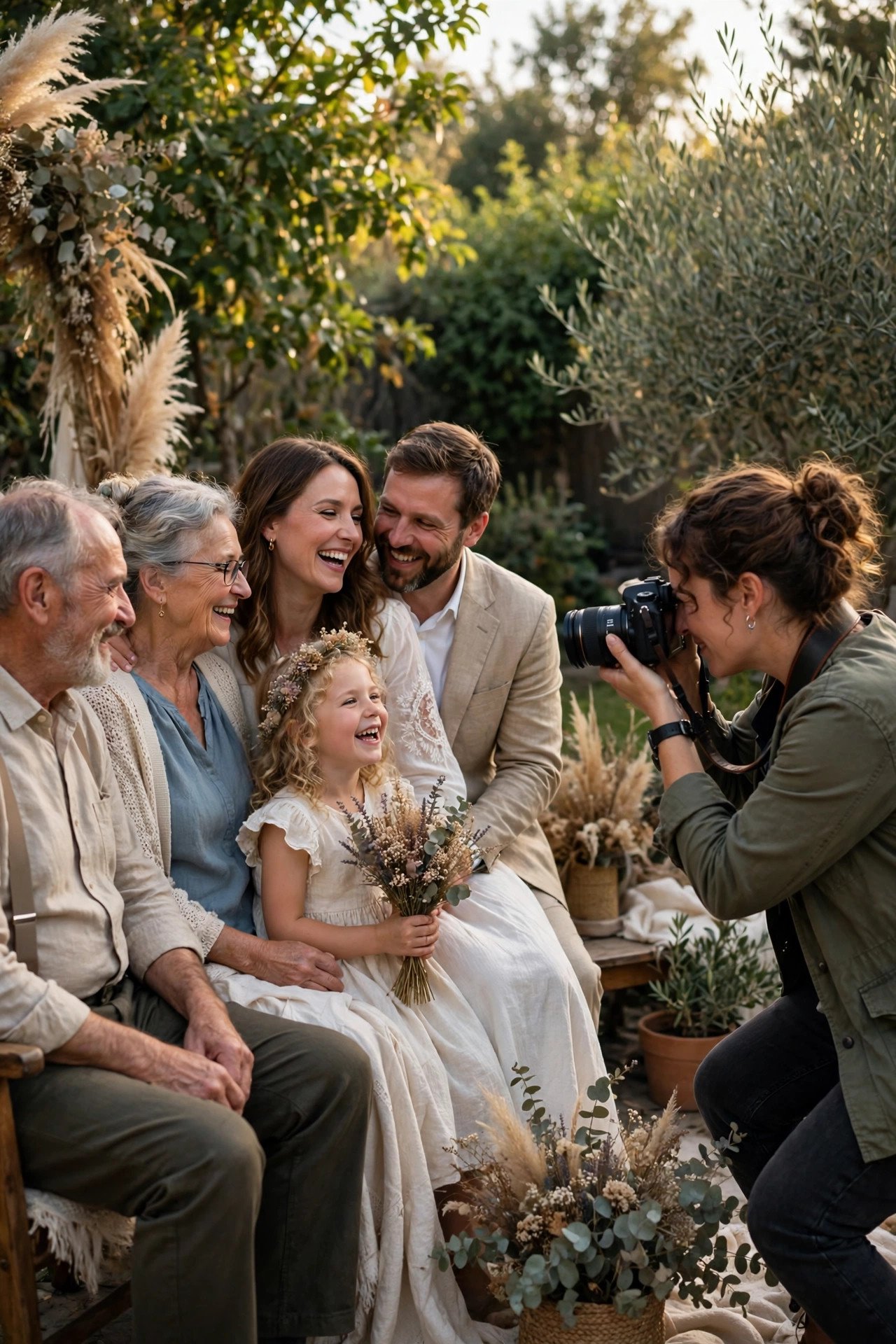
Wedding photography is an all-day production with long formal lists. Renewal couples typically book a few hours and prioritize the shots a wedding could never offer: three or four generations together, your original wedding party re-formed, and a portrait beside your wedding-day photo. Candids of a family celebrating beat stiff formals every time.
Children: Flower Girls vs The Whole Point
 📌 Save
At most weddings children are adorable accessories. At a renewal, your children and grandchildren are central to the story — as officiants, readers, ring carriers and witnesses to a promise they grew up inside. Many couples aim their renewal vows partly at their kids: this is what commitment looks like.
Announcements and Invitations: Formal Rules vs Plain Language
 📌 Save
Wedding invitations follow strict conventions about hosts, names and wording order. Renewal invitations need only be clear and warm: who is celebrating, how many years, that vows are being renewed, and where to show up. Children hosting their parents is common and needs no etiquette contortions.
Stress Level: Production vs Pure Pleasure
 📌 Save
Ask married couples which event they enjoyed more and renewals win in a landslide: no legal deadlines, no seating-plan diplomacy, no tradition inspections, and a guest list of people who already love you. The planning feels like planning a great party with a beautiful fifteen minutes in the middle.
Meaning: A Promise vs A Proof
 📌 Save
A wedding says ‘we believe this will last.’ A renewal says ‘it did — through the moves, the illnesses, the ordinary Tuesdays — and we choose it again, knowing exactly what it costs and what it gives.’ Different events, different weight. The renewal is not a smaller wedding; on the evidence of the couples who do both, it is often the larger one.
Vow Renewal vs Wedding: What Is the Difference? FAQs
Is a vow renewal legally binding?+
No. A vow renewal is a symbolic ceremony with no legal effect. It does not create, change or re-register your marriage, which is why no marriage license, authorized officiant or paperwork is ever required for one.
Do we need a marriage license or an officiant with credentials for a renewal?+
Neither. Because nothing legal is taking place, you need no license, and anyone — a friend, your children, a celebrant — can lead the ceremony. Couples who married in a religious ceremony sometimes invite clergy for a blessing, but that is a choice, not a requirement.
Can a vow renewal replace a wedding if we are not married yet?+
No — a renewal only celebrates an existing marriage, so an unmarried couple needs a legal wedding (however small) to be married. Some couples marry quietly at a courthouse, then hold a renewal-style celebration with family later; the celebration is styled like a renewal but the legal step came first.
Is it appropriate to have a big celebration for a renewal, like a second wedding?+
Yes, if that is what you want. Many couples keep renewals small, but milestone anniversaries — 25th, 40th, 50th — often feature ballrooms, bands and a hundred guests. The etiquette is simply to call it a vow renewal on the invitation and skip the gift registry.
What should we not copy from a wedding at our renewal?+
Very little is off-limits, but a few wedding elements do not translate: a gift registry, being ‘given away’, and any wording that pretends you are marrying for the first time. Everything else — dress, cake, rings, dancing, a grand celebration — is yours to enjoy again.
Key Takeaways
- A wedding is legal and requires a license; a renewal is symbolic, needs no license, and has no legal effect.
- Anyone can officiate a renewal — children and friends are popular, beloved choices.
- Renewals are usually smaller, cheaper and far freer of etiquette than weddings.
- No gift registry at a renewal; a card from guests is the perfect scale.
- Wedding vows promise a future; renewal vows celebrate a future that actually happened — and choose it again.
Final Thoughts
Think of it this way: the wedding was the launch, and the renewal is the celebration of everywhere the journey has taken you. Once you understand that a renewal carries none of the wedding’s legal machinery or rulebook — only its joy — planning becomes simple: gather your people, say the truest words you have ever said to each other, and throw exactly the party you want.