Wedding Food Tasting Checklist (2027)
By zainzari • Published October 23, 2026 • Updated October 23, 2026
 📌 Save
A wedding food tasting works when you arrive with a checklist: score every dish on flavor, temperature, portion and presentation, taste the exact vegetarian and kids options your guests will get, and confirm portions, timing, dietary handling and final costs before you leave. These 25 checklist cards walk a 2027 couple through the tasting from first bite to signed menu.
The tasting is the most delicious appointment in wedding planning — and the easiest to waste by treating it as a free lunch. Your caterer will serve their best; your job is to taste like a guest, a host and a project manager at the same time, because the menu you approve here is the meal 150 people will judge your wedding by.
Work through these 25 checklist items in order: what to arrange beforehand, how to score each course, the dietary and kids dishes couples forget to taste, the drinks pairing, and the service and contract questions to settle while the chef is still at your table.
At a Glance: Tasting Day at a Glance
| Check | When | Why It Matters |
|---|---|---|
| Scorecard & pen ready | Before you arrive | Memory fades by dessert |
| Taste dietary dishes | During mains | Guests judge you by their plate |
| Portion size check | During mains | Hungry guests dance less |
| Service timing questions | With dessert | Courses set the evening’s pace |
| Final costs in writing | Before you leave | Tasting-day promises need paper |
Print this checklist twice — one copy each — and score independently before you discuss. The dishes where your scores disagree are the ones worth a second taste.
Book the Tasting at the Right Time
 📌 Save
Schedule the tasting three to six months before the wedding: late enough that your menu shortlist is real, early enough to change caterers or courses without panic. If your wedding is in a different season, ask which tasting dishes are seasonal stand-ins and what will replace them on the day. Note the tasting date in your planning timeline alongside the final headcount deadline — the two are linked.
Confirm Who Attends & What’s Included
 📌 Save
Confirm in writing how many tasters are included, what the dish count is, and whether extra guests or dishes cost extra. Two tasters is standard; a third and fourth are often chargeable. Knowing the scope in advance stops the tasting starting with an awkward invoice conversation instead of a hungry hello.
Bring a Scorecard for Every Dish
 📌 Save
Score each dish from 1 to 5 on flavor, temperature, texture, portion and presentation, with one line for ‘what I’d change.’ Independent scoring matters: taste in silence, write, then compare — couples who discuss mid-bite converge on the loudest opinion. Your scorecard becomes the evidence when you finalize the menu a week later.
Taste the Canapés Standing Up
 📌 Save
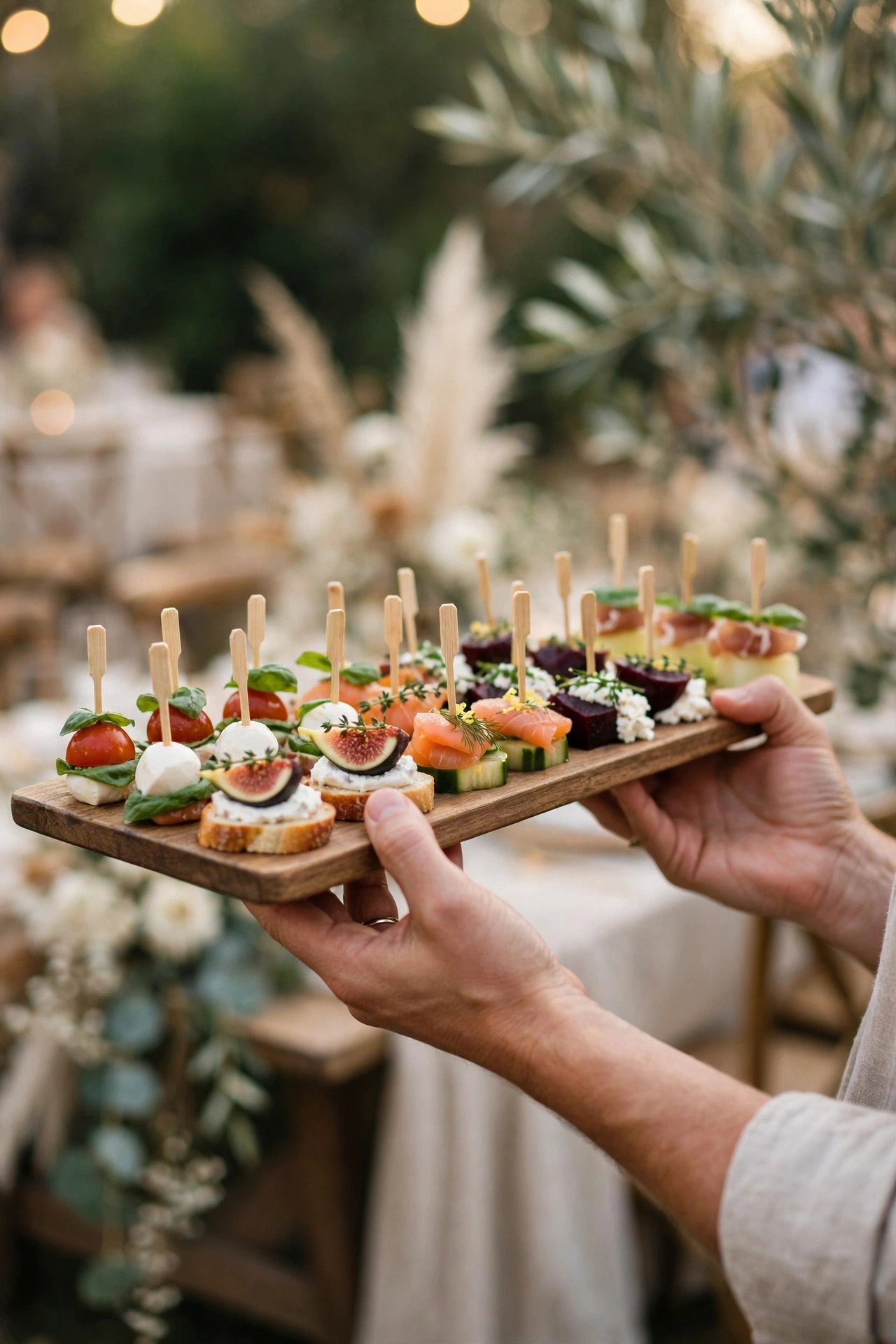
Eat canapés the way guests will: standing, one-handed, holding a sparkling drink in the other. A canapé that needs two hands, a napkin rescue or a jaw strategy fails its only job. Check that each bite is one clean mouthful, stable on its base, and tasty at room temperature, because the last tray circulates long after the first.
Score Starters on First-Bite Impact
 📌 Save
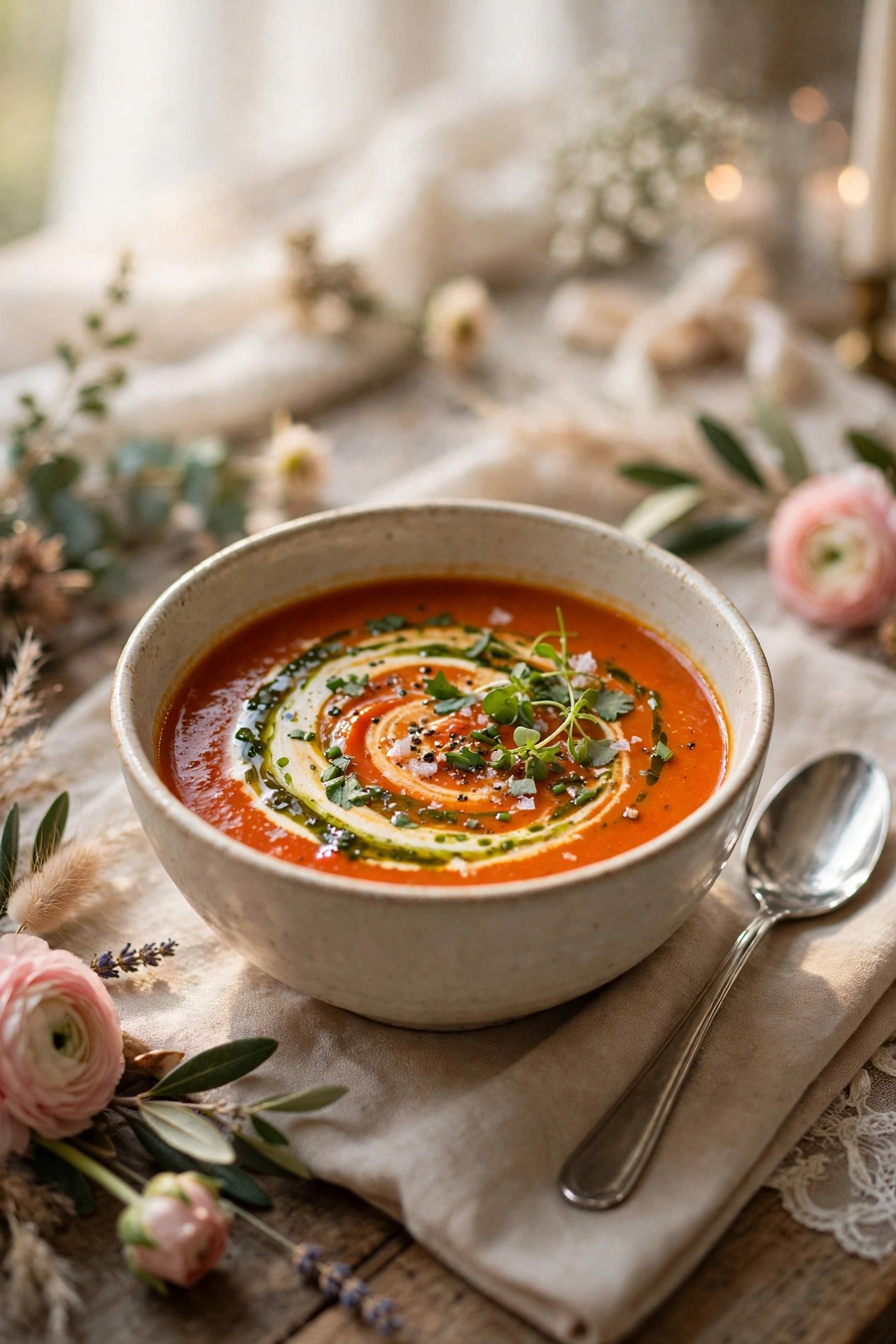
Starters set the table’s mood, so judge the first bite hardest: brightness, seasoning and temperature contrast. A starter that needs the salt passing round starts the meal with a murmur you don’t want. Also check how the dish looks after five minutes, since starters wait while 150 seats fill and speeches of welcome happen.
Judge Mains Like a Hungry Guest
 📌 Save
By the main course your guests have been celebrating for hours, so taste mains with appetite honesty: is the portion genuinely satisfying, is the protein cooked as described, do the sides earn their place? Cut into the center of the meat, not the edge, and taste the sauce separately. A main that delights foodies but baffles grandparents needs a plainer companion option.
Check Portion Size Against the Price
 📌 Save
Portion size is where quotes become comparable: ask the caterer to state the protein weight and side portions per guest in writing. At the tasting, photograph the plate next to your hand for scale — photos anchor later debates about whether portions shrank between tasting and wedding. Generous portions are the cheapest guest-satisfaction insurance in the whole budget.
Taste the Vegetarian Main, Not a Promise
 📌 Save
Insist on tasting the exact vegetarian main your guests will receive — not a chef’s improvisation on the day. It should arrive with the same care, garnish and protein thought as the meat main, not as a plate of the sides with the meat removed. Score it blind against the other mains if you can; it should compete, not apologize.
Taste Vegan & Gluten-Free Versions Too
 📌 Save
If vegan or gluten-free guests are coming, taste those versions at the tasting, not approximations. Sauces, stocks and pastry are where dietary versions quietly change character, and your guests deserve a dish that was designed, not edited. Confirm how the kitchen prevents cross-contact and how these plates are marked in a busy pass.
Don’t Skip the Kids Menu Tasting
 📌 Save
Taste the kids menu with a child’s palate in mind: is the pasta sauce sweet rather than spicy, the chicken coating crisp not tough, the portion right for a seven-year-old rather than a toddler? Kids who eat well early are calm all evening; kids who reject dinner become everyone’s problem by the speeches. If you can, get an actual young relative’s verdict on the shortlisted dish.
Dessert: Taste It Last, Judge It Fresh
 📌 Save
Desserts suffer most from palate fatigue, so take a short break and a glass of water before scoring them. Judge sweetness balance against the wedding cake: if cake follows dessert, one of them should be lighter or fruit-based. Check how the dessert holds if service runs twenty minutes late — mousses forgive, ice cream does not.
Pair the Drinks With the Food
 📌 Save
Taste your signature mocktails and sparkling options alongside the food, not separately — acidity and sweetness shift completely next to rich mains. A lemonade that sings alone can vanish beside a creamy sauce. Confirm the non-alcoholic pairing gets the same glassware and garnish as everything else on the table.
Test Temperature & Holding Power
 📌 Save
Ask how each dish is held and transported if the kitchen is off-site, then taste one dish deliberately after a ten-minute wait. Banquet food lives or dies on holding: sauces split, pastry softens and greens slump. Dishes that survive the wait gracefully are the ones that will survive a long receiving line and a late seating.
Presentation: Photograph Every Plate
 📌 Save
Photograph every dish from above and from a seated guest’s angle before you eat it. On the day, presentation at banquet scale is harder than at a tasting for two, so ask which garnishes survive mass plating and which get simplified. Agree on the final plating photo — yours becomes the reference the kitchen works to.
Ask About Course Timing & Pacing
 📌 Save
Settle how long each course takes to serve and clear for your guest count, and where speeches sit between courses. A main that takes forty minutes to land for 200 guests reorders your whole evening. Ask the caterer for a sample service timeline and mark it against your coordinator’s run sheet before you sign anything.
Confirm the Final Headcount Process
 📌 Save
Leave knowing three dates: when final numbers are due, the deadline for dietary counts, and how late changes are charged. Confirm the buffer policy — most caterers cook for a small percentage over — and what happens to leftover portions. These logistics decide real money in the final fortnight, when guest numbers always move.
Clarify Staffing Ratios & Service Style
 📌 Save
Ask how many servers per table the quote includes and who leads service on the day. A common benchmark is one server per ten to fifteen guests for plated service; thinner ratios show up as slow water refills and cold plates. If your tasting service felt leisurely for two, picture it multiplied by 150 covers.
Discuss Allergy Handling End-to-End
 📌 Save
Walk the full allergy journey: how guests declare requirements, how the kitchen segregates prep, how the plate is flagged, and how the server confirms the right guest. Taste days are the calm time to design this; the wedding day is not. Get the process in an email afterwards so your coordinator holds the same version.
Check the Cake Plan With the Caterer
 📌 Save
If an outside cake is coming, confirm who cuts it, what the cutting fee is per slice, what it includes, and where the cake is stored on arrival. Taste-day is when cake logistics can still be designed calmly. Also agree who boxes leftovers and the top tier, and when.
Ask About Leftovers & Food Safety
 📌 Save
Ask what happens to unserved food: venue and health rules usually decide whether it can be boxed, donated or must be discarded. Couples imagine midnight feasts that regulations often forbid, so hear the real policy now. If leftovers can go home, plan containers and a named person responsible at the end of the night.
Review the Final Per-Person Cost
 📌 Save
Before leaving, reconcile the tasting menu against the quote: per-person price, service charges, staffing, rentals, taxes and any tasting fees credited. Ask for the updated itemized quote by email within a set number of days. Costs agreed over dessert have a way of drifting unless paper follows quickly.
Note One Fix Per Dish, Out Loud
 📌 Save
Give the chef specific, fixable feedback while they can act on it: ‘a touch less salt,’ ‘sauce on the side,’ ‘crisper skin.’ One clear fix per dish beats a general ‘lovely, thanks’ — chefs genuinely prefer direction. Record the agreed fixes on your scorecard and photograph it before you leave the table.
Confirm the Day-Of Contact & Arrival Times
 📌 Save
Close the logistics: what time the catering team arrives, what access and power they need, who their day-of contact is, and who yours is. Share your coordinator’s details on the spot if you have them. Most catering problems at weddings are access and timing problems wearing a food costume.
Sleep On It, Then Decide in Writing
 📌 Save
Resist signing menu changes at the table, however full and happy you are. Review scorecards and photos the next day, agree the final menu together, and confirm it to the caterer in one clear email listing every dish, dietary version and agreed fix. That email becomes part of your contract record.
The One-Page Tasting Summary
 📌 Save
Distill the whole tasting onto one page: final menu, dietary versions, portions, timings, costs, contacts and open questions, and share it with your coordinator and both caterer contacts. One page is the format people actually read at 7 a.m. on a wedding day. Keep the full scorecards filed behind it for reference.
Wedding Food Tasting Checklist FAQs
When should we schedule our wedding food tasting?+
Most caterers schedule tastings three to six months before the wedding, once your shortlist of dishes is set but early enough to change direction. For a 2027 wedding, booking the tasting in the same season as your date helps too — seasonal produce tastes closest to the real thing.
How many dishes do we get to taste?+
A typical tasting covers two to three starters, two to three mains with sides, and two desserts, plus canapés if they are part of your package. Ask in advance what is included; extra dishes beyond the standard set are sometimes charged, usually credited back if you book.
Who should come to the tasting?+
The couple, plus at most one or two trusted eaters — a parent or your planner. More than four tasters turns decisions into debates. Anyone with a dietary requirement represented at your wedding is a genuinely useful guest if a seat is spare.
What should we bring to the tasting?+
Bring your checklist and scorecard, your current guest-count estimate, a list of known dietary requirements, photos of your venue’s table styling if presentation matters to you, and an honest appetite — skip lunch. Photograph every plate before you eat; you’ll compare them later.
Does the tasting cost anything?+
Many caterers include a tasting for two in the booking; others charge a per-person fee, commonly $25 to $75 or £20 to £50, often waived or credited when you sign. Confirm the tasting cost, guest policy and cancellation terms when you book the appointment, not at the table.
Key Takeaways
- Score every dish on flavor, temperature, portion and presentation — independently first.
- Taste the vegetarian, vegan, gluten-free and kids dishes exactly as guests will receive them.
- Check portion size and course timing; both shape the whole evening’s energy.
- Photograph every plate and note one fix per dish while the chef can still hear it.
- Leave with final per-person costs, dietary counts process and service details in writing.
Final Thoughts
A great tasting is a rehearsal, not a treat: the dishes you score, the portions you approve and the answers you write down become the dinner your guests remember. Arrive hungry, taste critically, praise generously and confirm everything in writing — and dinner on the day itself will feel wonderfully, boringly predictable.