When to Serve Dinner at a Wedding (2027)
By zainzari • Published October 23, 2026 • Updated October 23, 2026
 📌 Save
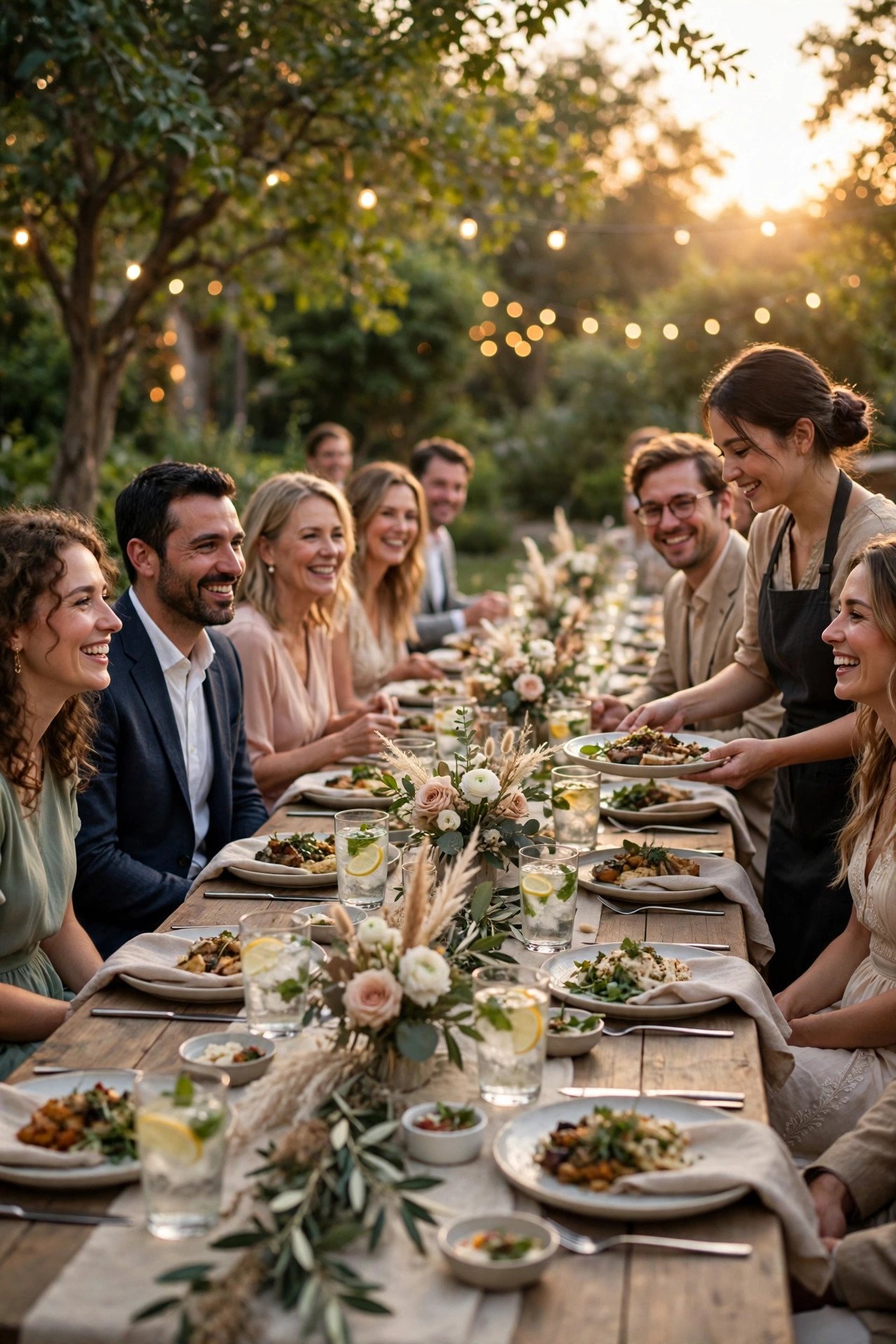
Most weddings serve dinner about 60 to 90 minutes after the ceremony ends: guests enjoy cocktail hour while you take photos, then everyone sits down roughly an hour to an hour and a half before sunset photos or evening events. For a 5 p.m. ceremony, dinner typically lands around 6:30–7 p.m.; a 4 p.m. ceremony points to 5:30–6 p.m., and a 6 p.m. ceremony to 7:30–8 p.m.
Ask any caterer what makes or breaks a reception and they will not say the menu — they will say the clock. Dinner served too early strands guests with a long, hungry evening ahead; served too late, and cocktail hour curdles from festive to famished while your photos run against the dark.
The sweet spot is a rhythm, not a single time: ceremony, cocktail hour, dinner, then the party. This guide gives you the reasoning and the ranges for 2027 weddings — how ceremony time, sunset, speeches, and service style each pull dinner earlier or later, and how to land on a time your guests’ stomachs and your photographer both approve of.
At a Glance: Dinner Start by Ceremony Time
| Ceremony Ends | Cocktail Hour | Dinner Served | Best For |
|---|---|---|---|
| 4:00 p.m. | 4:00–5:00 p.m. | 5:30–6:00 p.m. | Early-evening receptions |
| 5:00 p.m. | 5:00–6:00 p.m. | 6:30–7:00 p.m. | The classic timeline |
| 5:30 p.m. | 5:30–6:30 p.m. | 7:00–7:30 p.m. | Golden-hour portraits first |
| 6:00 p.m. | 6:00–7:00 p.m. | 7:30–8:00 p.m. | Evening and city weddings |
| 7:00 p.m. | Stations open early | From 7:30 p.m. | Late, party-first formats |
These are typical ranges for a one-hour cocktail hour. A first look before the ceremony can shorten cocktail hour and pull dinner earlier; a receiving line or large group-photo list pushes it later.
The 60-to-90-Minute Rule of Thumb
 📌 Save
The industry shortcut is simple: dinner begins 60 to 90 minutes after your ceremony ends. That window holds a full cocktail hour for guests, photo time for you, and a natural build of appetite. Weddings that respect it feel unhurried; weddings that stretch past two hours before food feel, to guests, like a delay — whatever the reason.
Start From Your Ceremony End Time
 📌 Save
Every dinner decision hangs off one number: the moment your ceremony actually ends, not the moment it was invited to start. A 30-minute ceremony invited for 5 p.m. ends near 5:35 once processional and recessional are counted — and that half hour is where timelines quietly break. Build dinner math from the realistic end, not the printed start.
Cocktail Hour: The Bridge to Dinner
 📌 Save
Cocktail hour is the bridge that carries guests from ceremony emotion to dinner appetite, and its classic length is one hour. Passed appetizers and a couple of stations keep hunger at bay while you photograph. If your photo list is long, extend the food, not just the hour — a 90-minute cocktail hour with generous stations feels like an event, not a queue.
The Classic 5 p.m. Ceremony Timeline
 📌 Save
For the most-booked pattern in North America — a 5 p.m. ceremony — the evening flows: ceremony to 5:30, cocktail hour to 6:30, guests seated by 6:45, first course out by 7. Dinner wraps near 8, speeches woven between courses, and the dance floor opens by 8:30 with hours of party ahead. It is classic precisely because every element lands where bodies want it.
The Early 4 p.m. Ceremony Timeline
 📌 Save
A 4 p.m. ceremony suits venues with early curfews and couples who want a long, light evening. Dinner lands around 5:30–6 p.m., which guests experience as a normal dinner hour — but it creates a long tail afterward, so plan a late-night snack station around 9 p.m. to refuel dancers and soak up the celebration.
The Evening 6 p.m. Ceremony Timeline
 📌 Save
A 6 p.m. ceremony gives you a glamorous, after-dark reception and dinner around 7:30–8 p.m. — a fashionable hour in cities and a hungry one if guests ate lunch at noon. Bridge it with a genuinely substantial cocktail hour: think sliders, flatbreads, and stations, not just cheese cubes, and consider a note on the invitation that dinner follows at 8.
Work Backwards From Sunset
 📌 Save
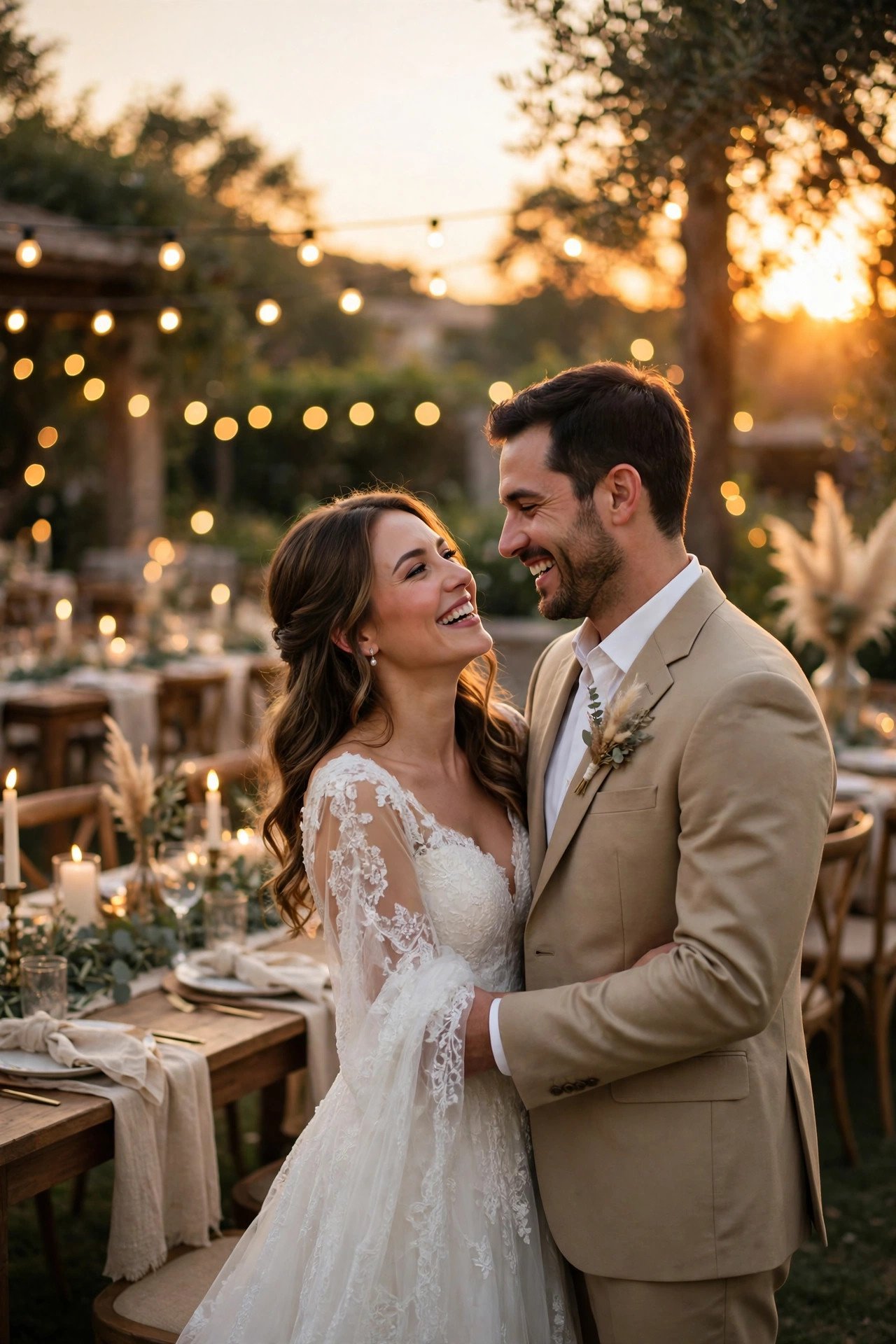
Sunset is the one appointment you cannot move. Find your date’s sunset time, protect the 20 golden minutes before it for portraits, and then decide whether those portraits happen during cocktail hour, between dinner courses, or in a quick post-dinner escape. Dinner timing bends around that light more than around any other single factor.
The First Look Changes Everything
 📌 Save
A first look moves most portraits before the ceremony, which shrinks your cocktail-hour obligations dramatically. Couples who do one often serve dinner 45–60 minutes after the ceremony, joining their own cocktail hour for the back half. Guests love the shorter wait; you will love eating your dinner at a reasonable hour with everyone else.
Speeches: Slot Them Between Courses
 📌 Save
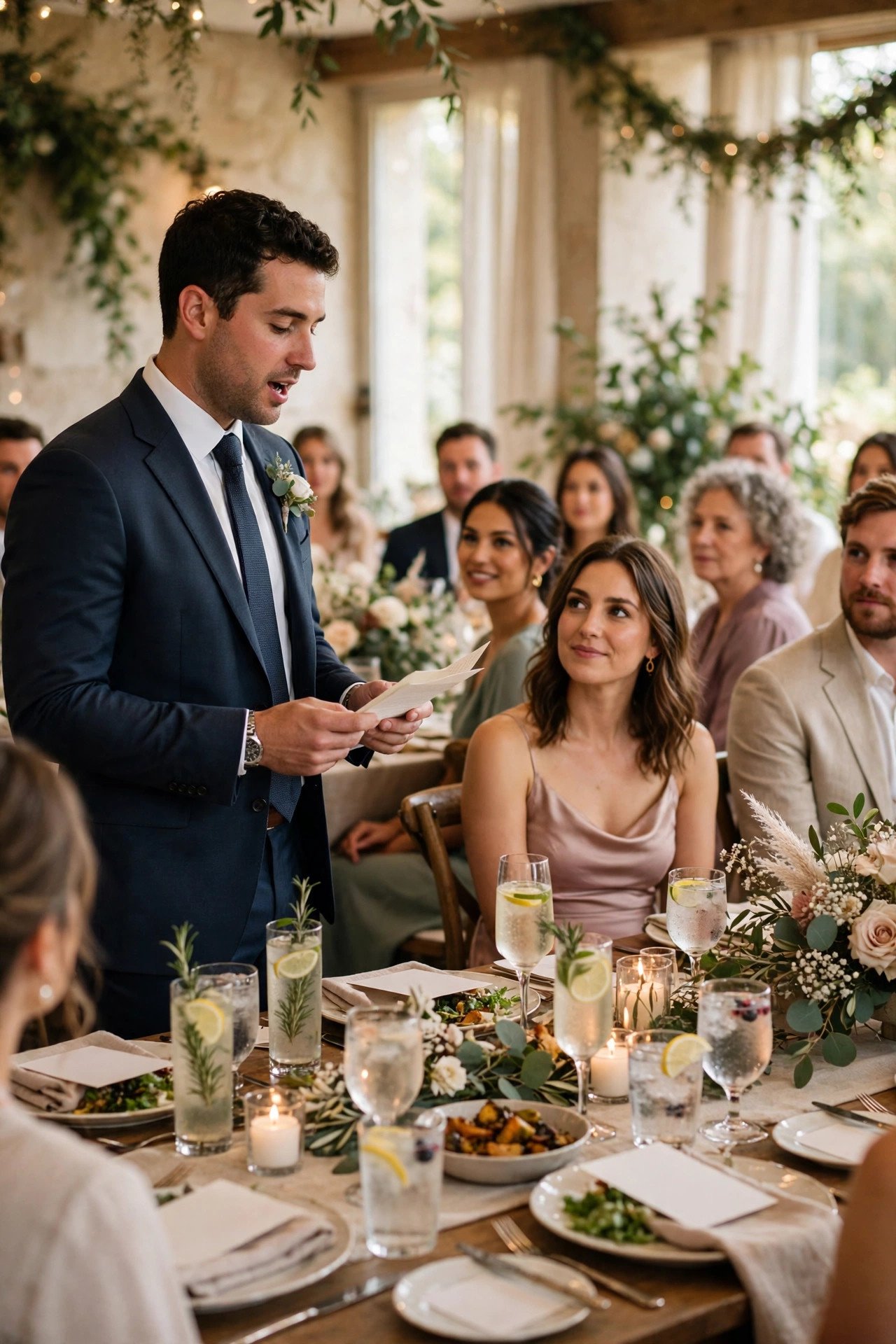
Dinner and speeches are natural partners: the welcome and a blessing open the meal, the first speech lands as salads clear, the next as entrées arrive, and the final toast rises with dessert. Guests are seated, fed, and facing the right way — the three conditions no cocktail-hour speech can guarantee.
First Dance Before or After Dinner?
 📌 Save
Doing the first dance as you enter, before dinner, keeps the moment fresh from cocktail hour and gives shy couples a relaxed meal afterward. Saving it for after dinner turns it into the dance floor’s grand opening instead. Either works — but decide early, because the choice moves dinner’s start by ten minutes and the DJ’s whole setup.
Plated Dinners Run on Kitchen Time
 📌 Save
A plated dinner for 150 is a choreographed kitchen operation: courses fire in sequence, and the start time you give the caterer is a commitment, not a suggestion. Build your seating, grand entrance, and welcome to finish five minutes before the first course fires, and protect that time fiercely — a 20-minute late start echoes through every course.
Buffets and Stations Offer Flexibility
 📌 Save
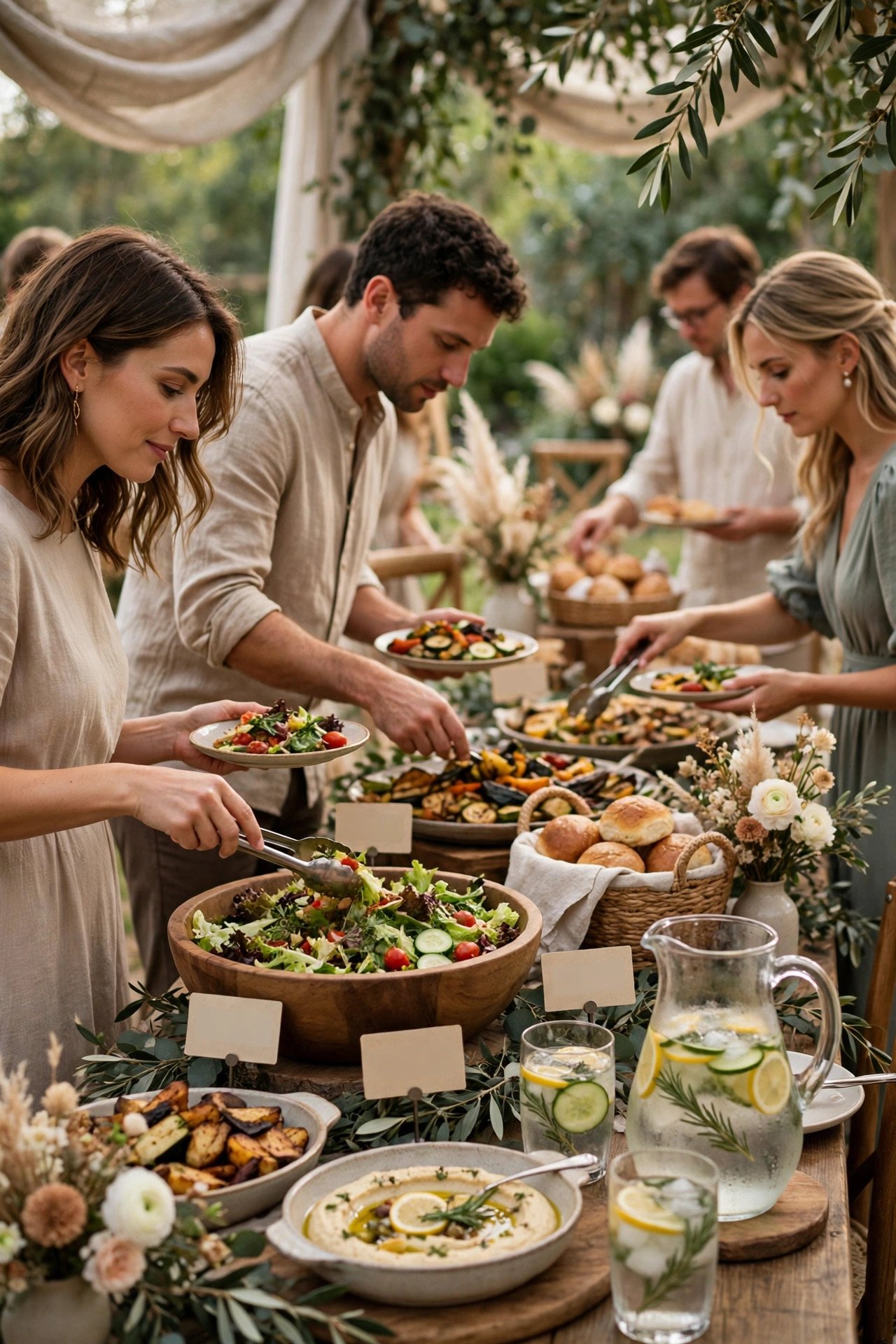
Buffets and stations forgive timing wobbles that would sink a plated service. Stations can open in waves — salads and starters with cocktail hour, mains at the dinner hour, desserts later — effectively stretching dinner across the evening. If your timeline has unpredictable elements, like a large family photo list, this format absorbs the shocks.
Family-Style Service Sits in the Middle
 📌 Save
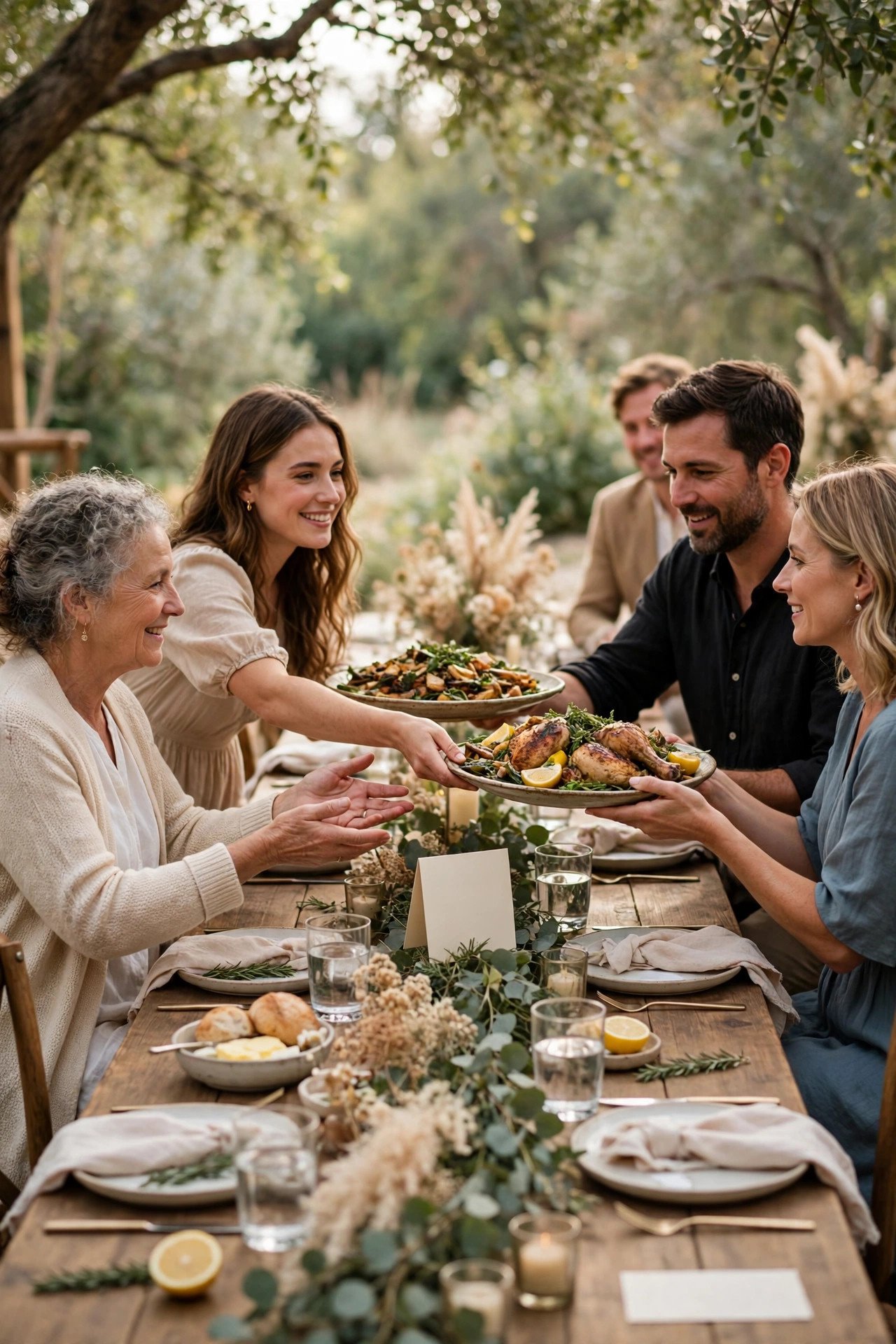
Family-style dinners land between plated and buffet for timing: platters arrive course by course, but tables start eating the moment the first dish lands, which softens any start delay. Dinner still needs a clear call to seats, and courses pace the speeches just as plated service does.
Feeding Kids and Older Guests First
 📌 Save
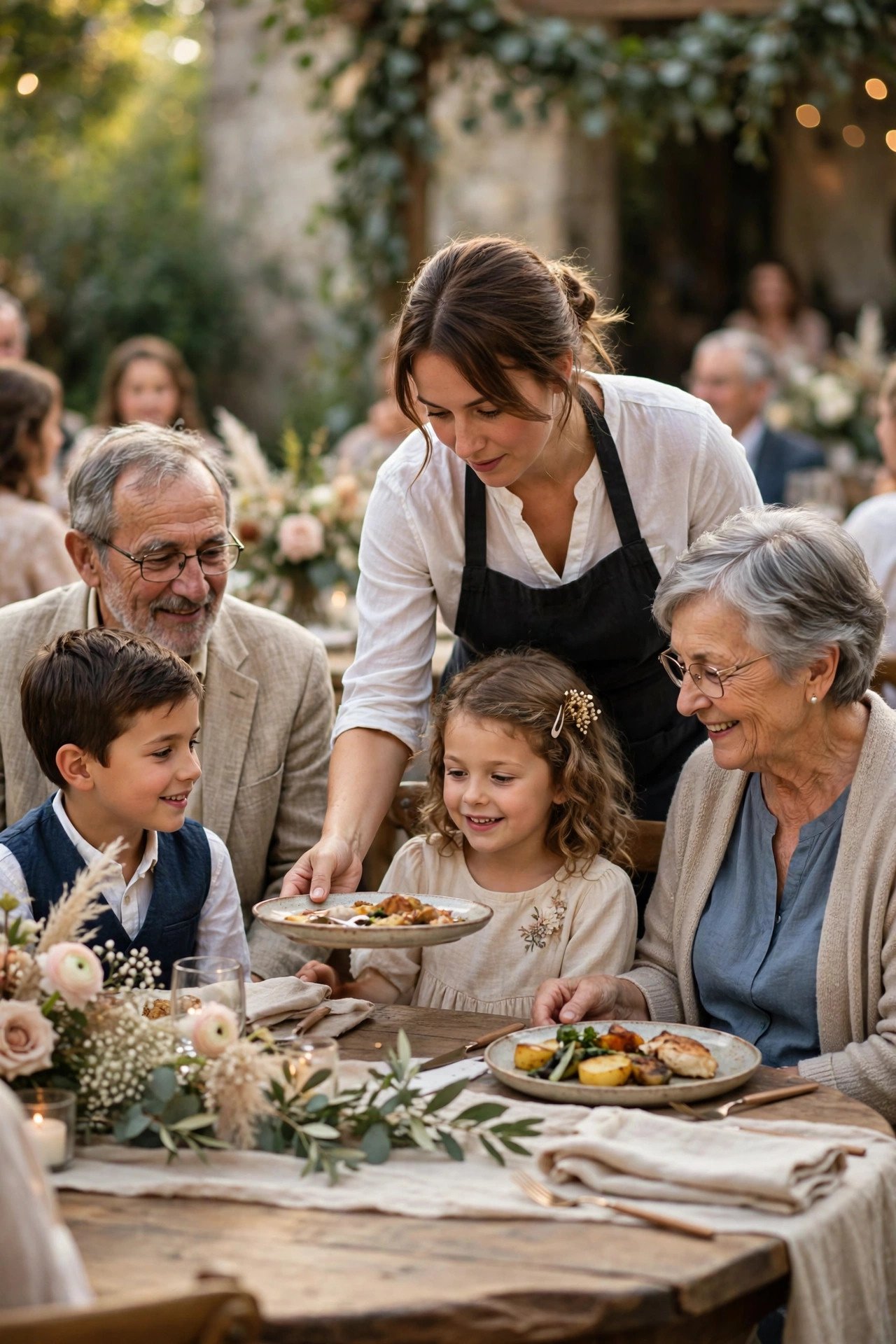
Whatever your dinner hour, sequence service kindly: children’s meals and plates for older guests go out first, and families with babies will bless you for it. If your dinner is on the later side, a kids’ snack moment during cocktail hour — crackers, fruit cups, cheese — prevents the particular chaos of hungry small guests.
Hungry Guests: Prevent the Wobble
 📌 Save
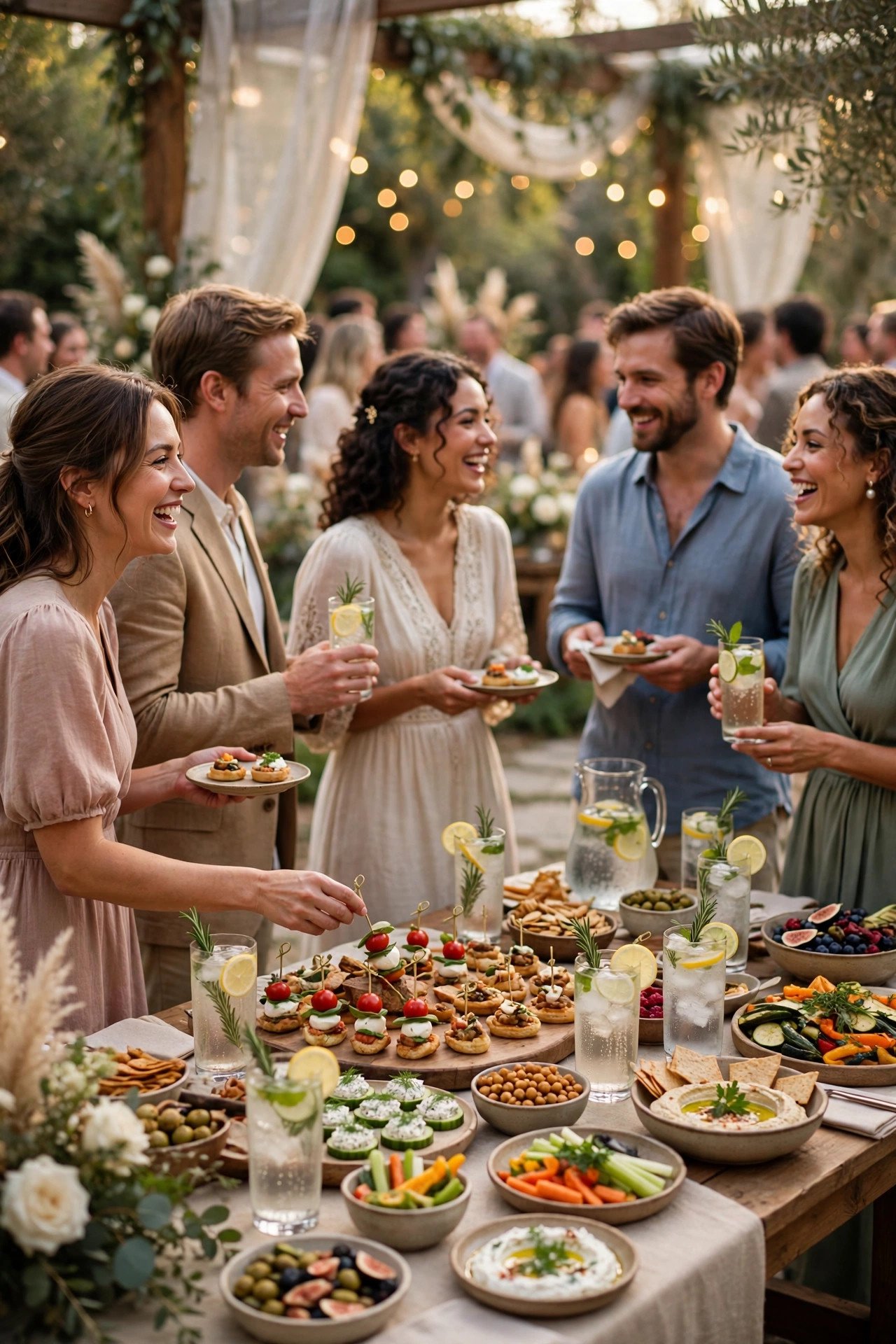
The real dinner-timing enemy is not lateness — it is un-signaled lateness. Guests happily wait an extra twenty minutes with a drink, an appetizer, and a program or sign that says ‘Dinner at 7.’ They mutiny when nobody knows anything and the last passed bite vanished at 6. Match appetizer volume to your gap and publish the dinner time where guests can see it.
Religious and Cultural Meal Customs
 📌 Save
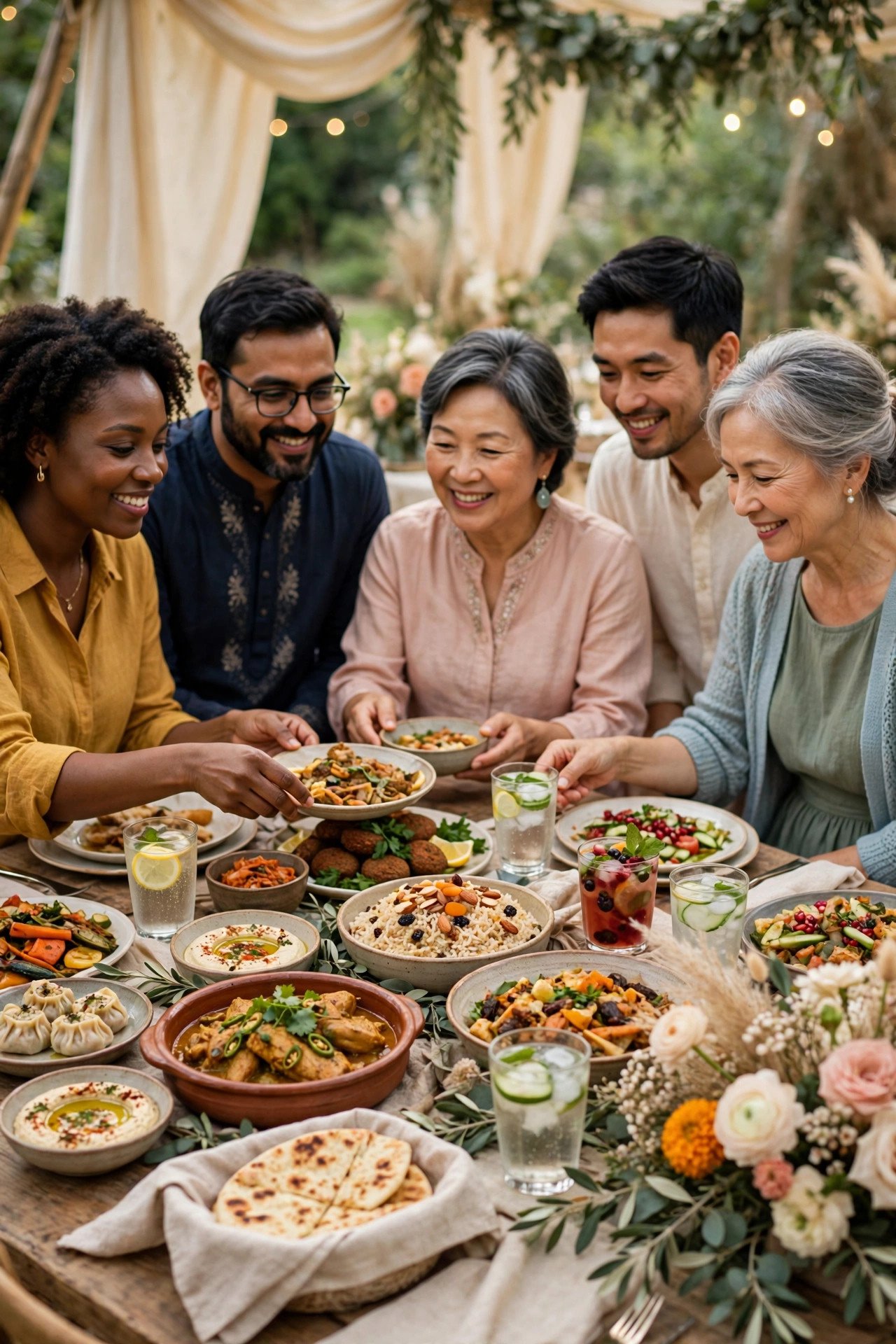
Meal timing sometimes carries meaning beyond appetite: a blessing before the meal, a traditional course order, or a fasting period that ends at sunset for some guests. Ask both families early whether any custom should shape the schedule, and brief your caterer — kitchens accommodate beautifully when they hear about it in planning, not mid-service.
Season Shifts: Summer vs. Winter Evenings
 📌 Save
A June wedding in Canada may not see sunset until 9 p.m., while a December one in the northern USA is dark by 5. Winter weddings often serve dinner earlier and lean into candlelight; summer weddings push dinner later to chase the light and the cooler evening air. Let the season’s daylight, not the calendar habit, set your hour.
Venue Curfews and Noise Rules
 📌 Save
Venues impose end times, amplified-music cutoffs, and sometimes last-service rules that dinner must be planned backwards from. If the party must end at 11, dinner ending at 9:30 leaves a thin dance floor window — pull dinner earlier. Work the whole evening backwards from the hardest deadline and let dinner take the time that remains.
The Late-Night Snack Reset
 📌 Save
Whenever dinner lands early, a late-night bite two to three hours later restarts the party’s energy: sliders, fries, a popcorn bar, or your favorite takeaway-style treat. It also quietly thanks the guests who stayed. Time it for the dance floor’s natural dip, about an hour before the end, and watch the room refill.
Build the Timeline With Your Caterer and Photographer
 📌 Save
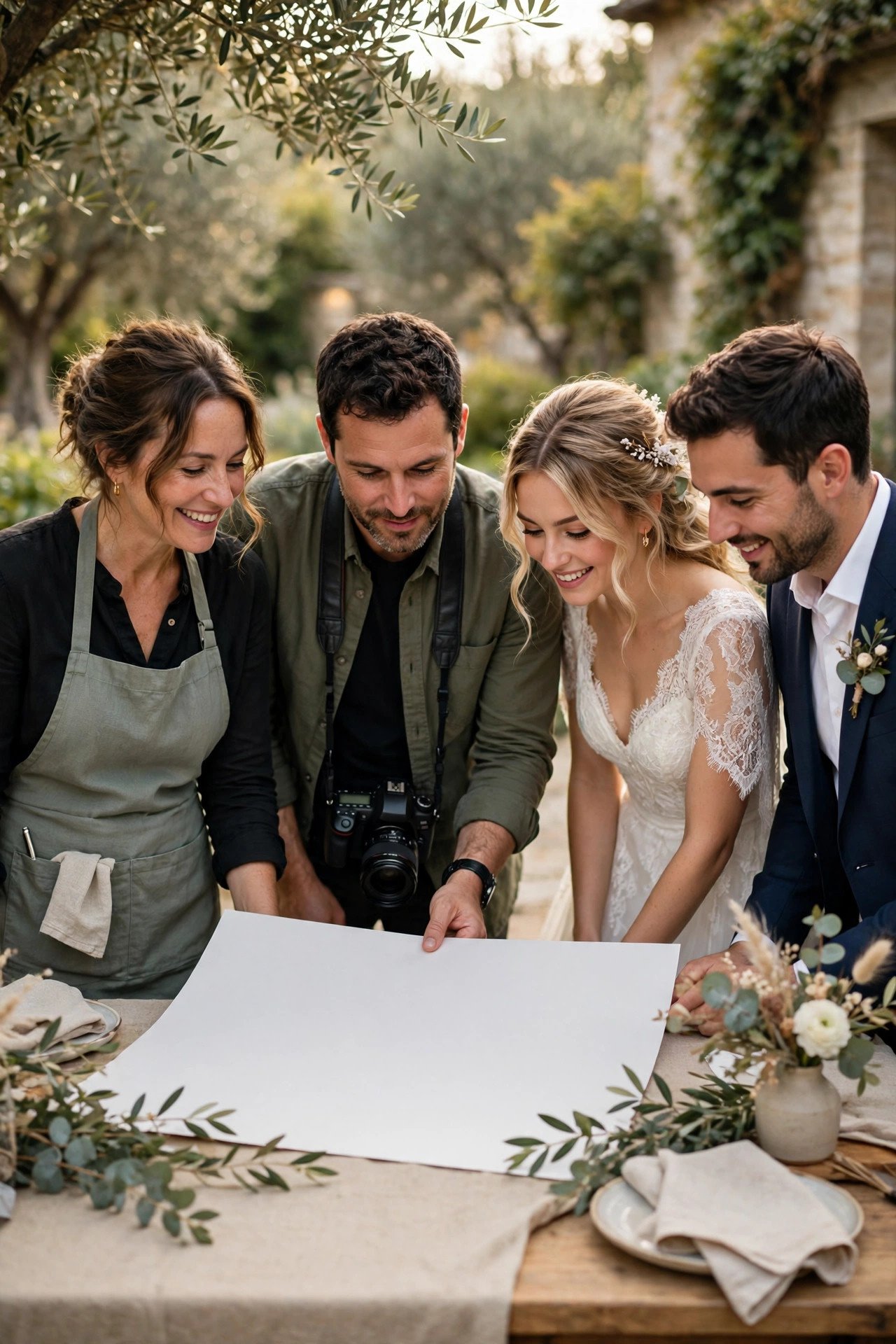
Dinner time is a three-way decision: the caterer knows service duration, the photographer knows light and photo time, and you know your families. One 30-minute call with both vendors beats a month of separate emails. Bring your ceremony end, sunset time, and shot list; leave with a dinner start everyone has agreed to protect.
Communicate Dinner Time to Guests
 📌 Save
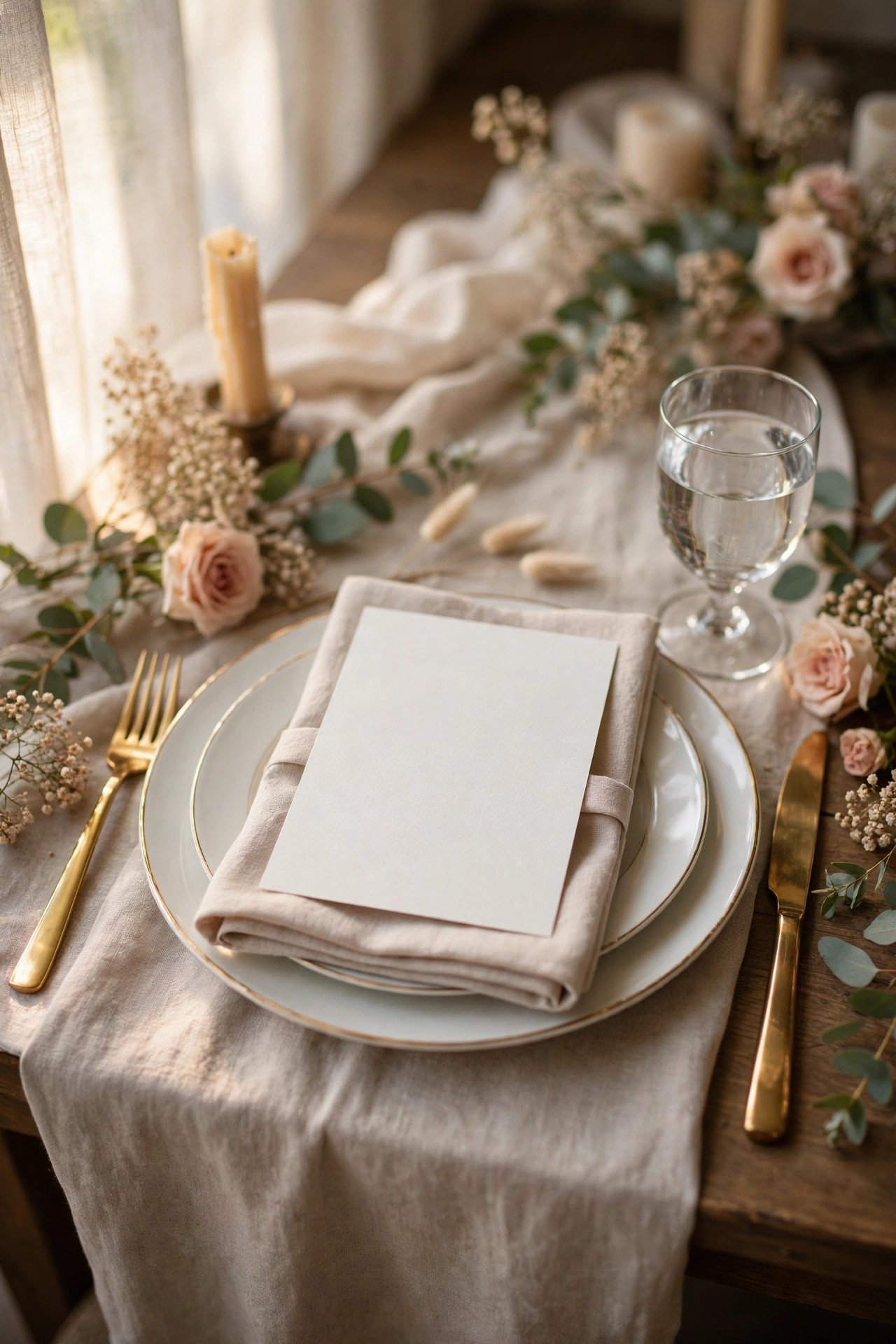
Guests plan their day around your dinner more than you think: parents time children’s naps, diabetics time medication, and drivers time departures. Print the reception order — cocktail hour, dinner, dancing — in the program or on a sign, and mention dinner’s hour on your wedding website. Certainty is hospitality.
What If Photos Run Long?
 📌 Save
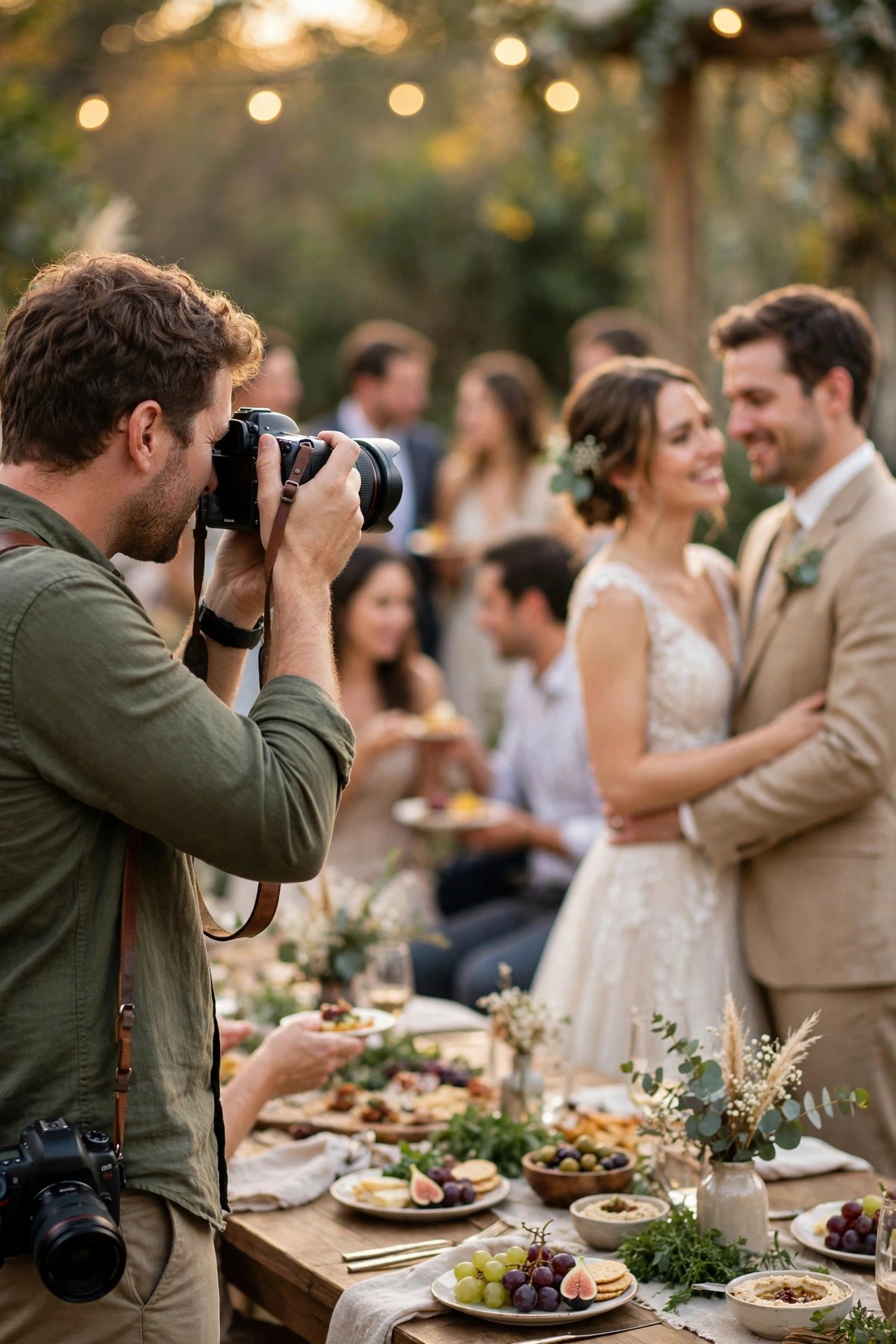
Photo overruns are the number-one dinner delayer, so plan the recovery in advance: the caterer holds first courses for ten minutes gracefully, stations open early if needed, and your coordinator trims the shot list rather than the guests’ patience. One honest announcement — ‘Dinner in fifteen, appetizers are circulating’ — resets the room’s mood completely.
Dessert and Cake Cutting Timing
 📌 Save
Cake cutting traditionally lands after dinner’s main course, while guests are still seated and the photographer is guaranteed an audience. Some couples cut during a course gap for the photos, then serve slices with dessert. Either way, dessert timing is dinner’s final act — agree it with the baker and caterer so serving does not collide with the first dance.
A Sample Timeline That Never Fails
 📌 Save
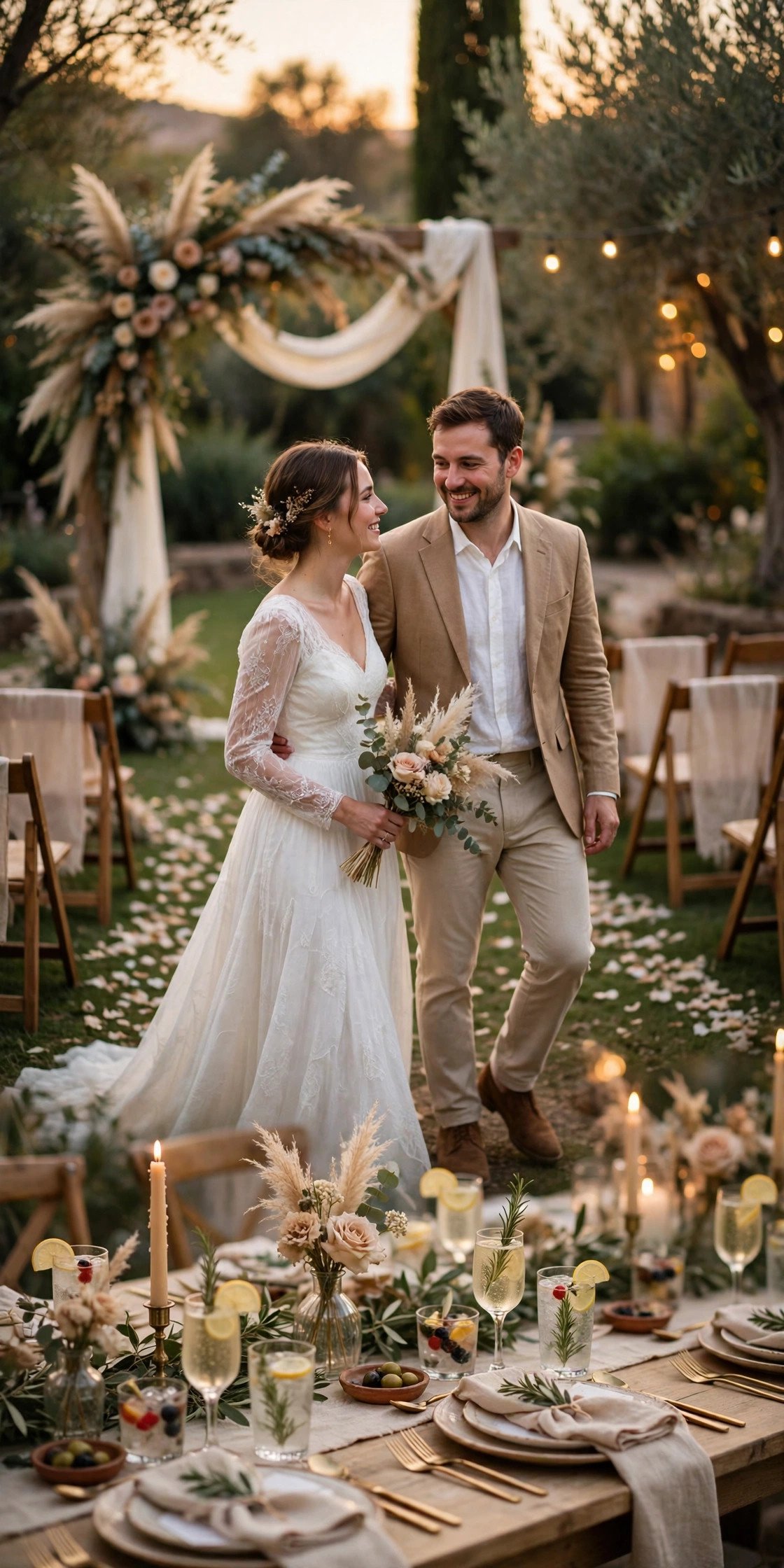
Here is the skeleton in one place: 5:00 ceremony, 5:30 cocktail hour opens with drinks and passed appetizers, 6:15 group photos finish, 6:30 guests called to seats, 6:40 welcome and blessing, 6:45 salads, 7:05 first speech, 7:15 entrées, 7:40 final toast, 7:50 cake cutting, 8:00 first dance and open floor, 9:30 late-night snack, 10:45 last song. Adjust the blocks; keep the order.
Trust the Rhythm, Then Let Go
 📌 Save
Once the hour is set, the caterer briefed, and the signs printed, your only remaining job is to sit down and actually eat your own wedding dinner — couples who skip it regret it by the first dance. The timeline you built will hold. Dinner timing was never about perfection; it is about a room full of people you love, fed at the right moment, ready to celebrate.
When to Serve Dinner at a Wedding FAQs
What time should dinner be served at a wedding?+
For most receptions, dinner is served 60 to 90 minutes after the ceremony ends, once cocktail hour wraps up. A 5 p.m. ceremony usually means dinner around 6:30–7 p.m.; shift the whole pattern earlier or later with your ceremony time.
Should dinner come before or after sunset photos?+
Either works, but plan it deliberately. Many couples eat dinner first and slip out for ten minutes of golden-hour portraits between courses, which keeps guests fed on schedule while still catching the best light of the day.
Is it better to do speeches before or during dinner?+
Welcome and blessing before the first course, then one or two speeches between courses while guests are eating. A captive, fed audience listens better, and the kitchen’s natural pauses give every speech a clean slot.
What if cocktail hour runs long?+
Feed people. Pass extra appetizers, open a lemonade and sparkling water station, and tell guests honestly when dinner starts. Hunger, not the clock itself, is what guests remember — keep food visible and the wait feels like part of the party.
How late is too late to serve wedding dinner?+
If guests will not sit down until after 8:30 p.m., build in a substantial cocktail hour with heavy appetizers or stations so nobody is running on ceremony-time emptiness. Families with young children and older guests feel late dinners most, so weight their comfort heavily.
Key Takeaways
- Anchor dinner 60–90 minutes after the ceremony ends, after a one-hour cocktail hour.
- Work backwards from sunset: golden-hour portraits need a planned ten-minute window.
- Put speeches between courses so dinner service and the program help each other.
- Heavier cocktail-hour food buys timing flexibility; light apps demand a punctual dinner.
- Tell guests the dinner time on the day’s signage or program — certainty keeps everyone relaxed.
Final Thoughts
Dinner time looks like a small box on the timeline, but it quietly decides your guests’ energy, your photos’ light, and your caterer’s sanity. Set it with the sunset in one hand and your guests’ stomachs in the other, write it down where everyone can see it, and your reception will feel effortless — because the hardest decision was made months ago.