American Wedding Traditions Explained (2027)
By zainzari • Published October 23, 2026 • Updated October 23, 2026
 📌 Save
Most American wedding traditions are younger than couples expect: the white dress was popularized by Queen Victoria in 1840, the registry arrived with 20th-century department stores, and the first look is a modern photography invention. Knowing the real origins frees you to keep the customs you love and skip the rest without guilt.
American weddings feel timeless, but the standard script — white dress, matching bridesmaids, bouquet toss, tiered cake — was assembled mostly in the last 180 years, much of it by magazines, jewelers and department stores. That is not a reason to drop it; it is a reason to choose it on purpose.
This guide explains 25 familiar customs with their honest origins and what they mean to couples in the USA, UK and Canada today. Keep the ones that carry meaning for your family, adapt the ones that almost fit, and let the rest go — a tradition kept by choice is worth more than one kept by pressure.
At a Glance: Famous Customs and Their Real Origins
| Tradition | Real Origin | Today |
|---|---|---|
| White dress | Popularized by Queen Victoria, 1840 | A style choice, not a purity rule |
| Something blue rhyme | Victorian-era English rhyme | A playful good-luck checklist |
| Wedding registry | Department stores, 1920s onward | Practical gift guidance for guests |
| First look | Modern photography scheduling | A private moment plus smoother photos |
| Unity candle | Popularized on 1970s television | One of many optional unity rituals |
Origins are often mixed and debated; where historians disagree, this guide says so rather than inventing a tidy ancient story.
Something Old, New, Borrowed and Blue
 📌 Save
This checklist comes from a Victorian-era English rhyme — the full version ends ‘and a sixpence in her shoe.’ Each item was said to bring luck or link past and future: old for continuity, new for hope, borrowed for support, blue for loyalty. It is a charming ritual, not an ancient law.
The White Dress
 📌 Save
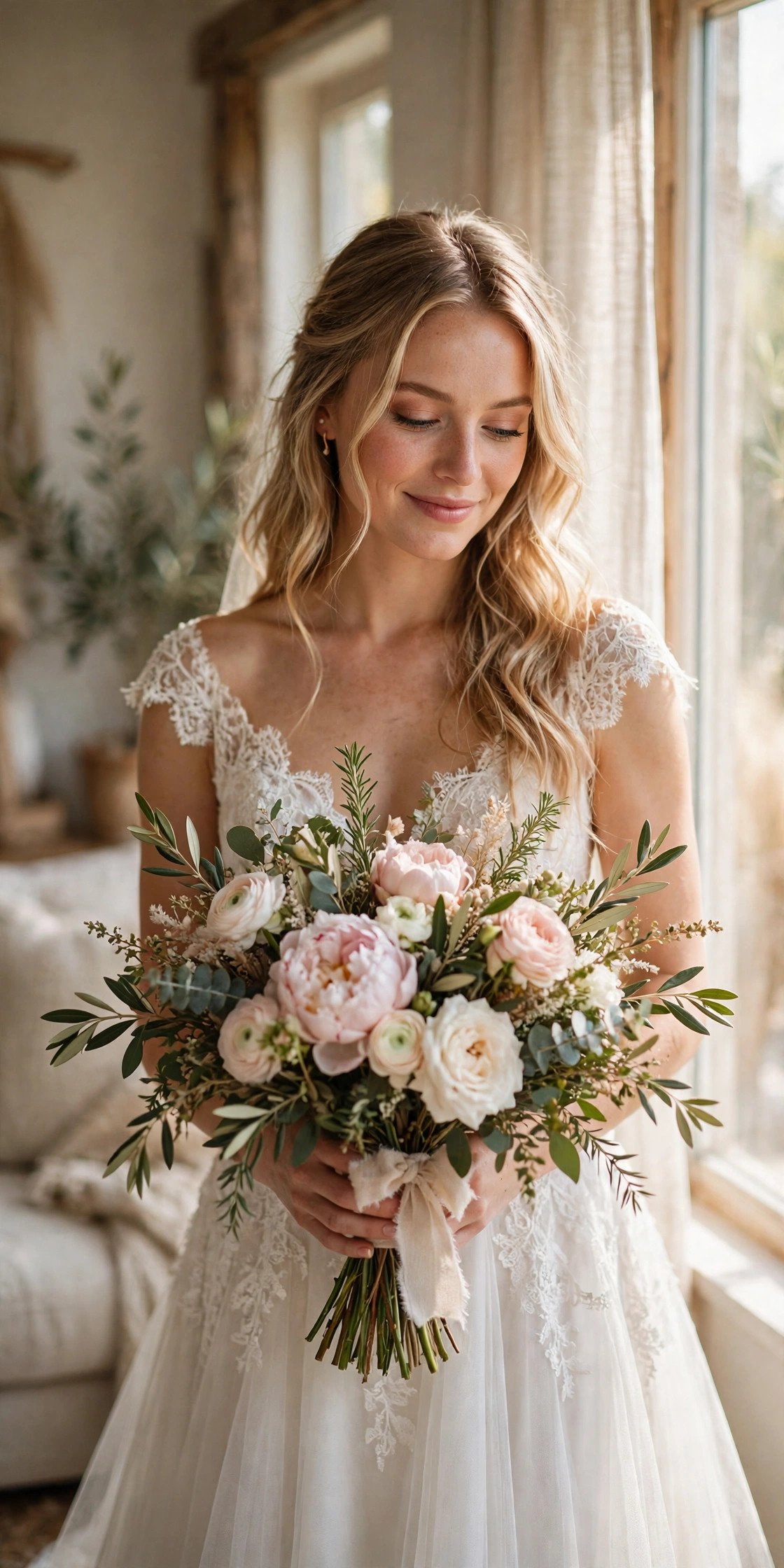
Brides wore their best dress in any color until Queen Victoria’s white gown in 1840 made white fashionable among wealthy brides; it became the default only in the 20th century. Its later link with purity was added afterwards — historically, white simply signaled celebration and expense.
Giving Away the Bride
 📌 Save
A parent walking the bride down the aisle and ‘giving her away’ descends from eras when marriages were family agreements. Today most couples treat it as an honor for a parent or loved one, and many adapt it: both parents walking, both partners processing, or walking in together.
Exchanging Rings
 📌 Save
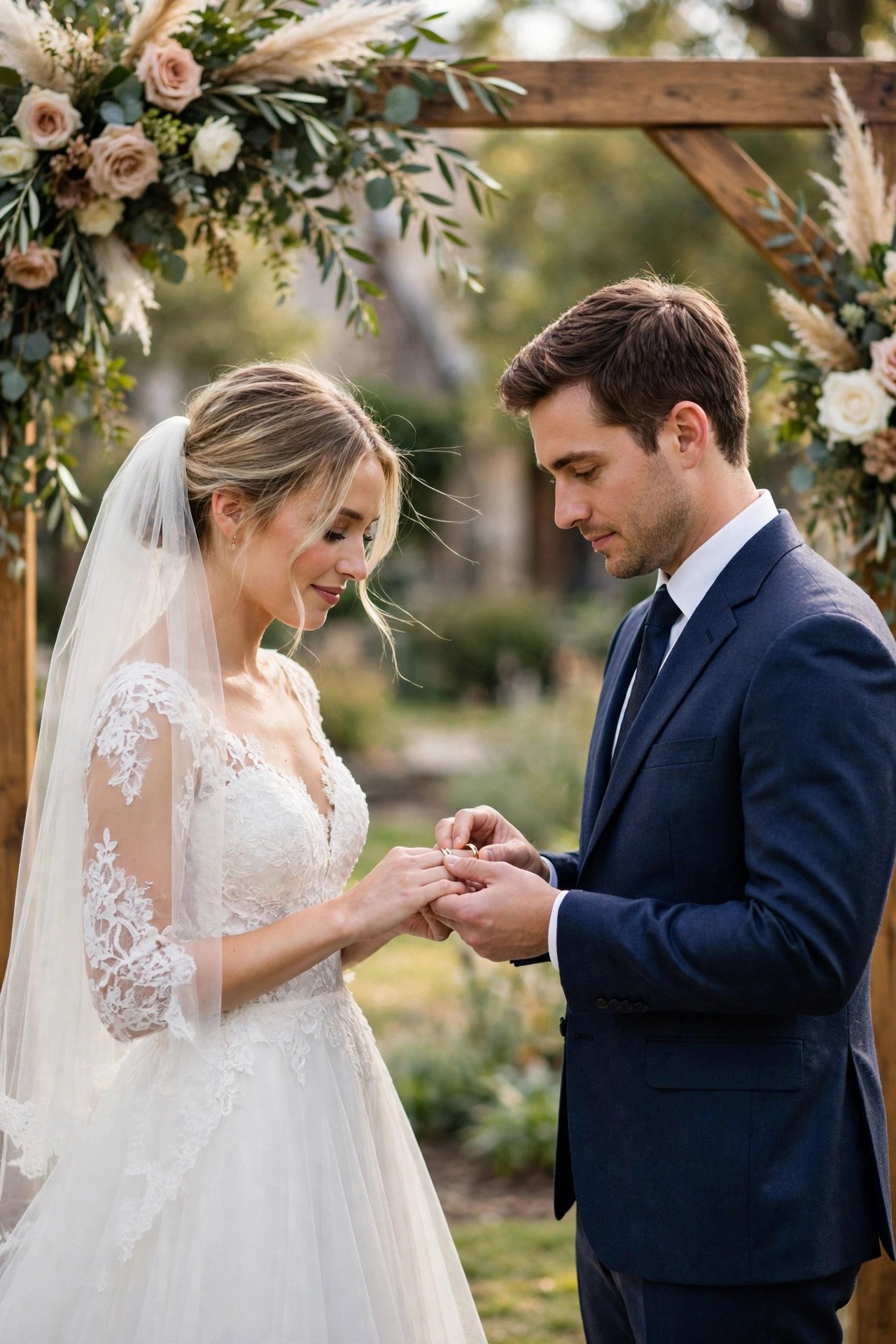
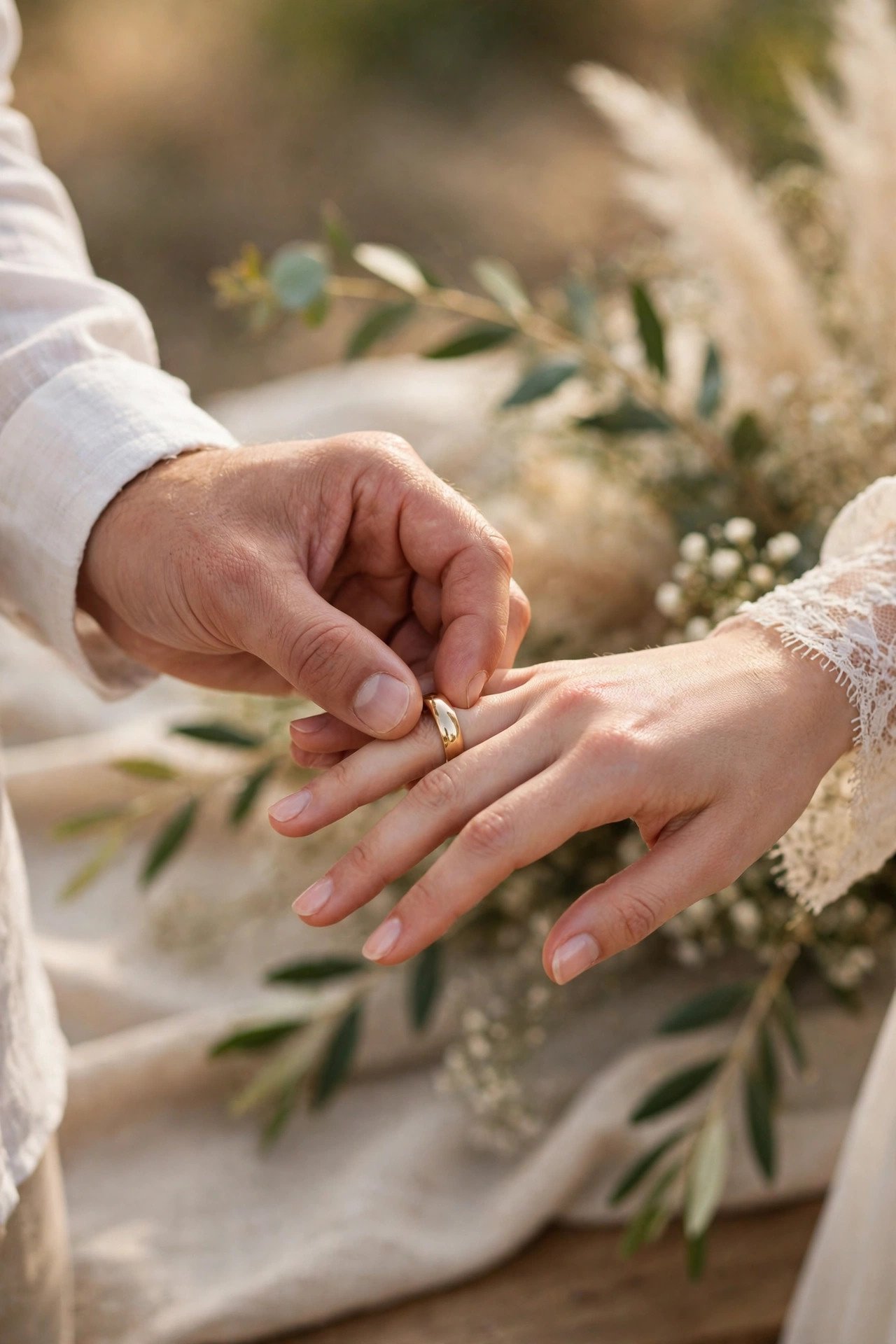
Ring exchange is genuinely old in Western ceremonies, though the double-ring ceremony for both partners only became common in America during and after the Second World War. The unbroken circle is traditionally read as unending commitment.
The First Look
 📌 Save
Seeing each other before the ceremony is a 21st-century photography custom, created to calm nerves and free up reception hour for photos. The older ‘bad luck to see the bride’ idea grew from arranged-marriage practicalities, not romance — which is why so many couples happily drop it.
Matching Bridesmaid Dresses
 📌 Save
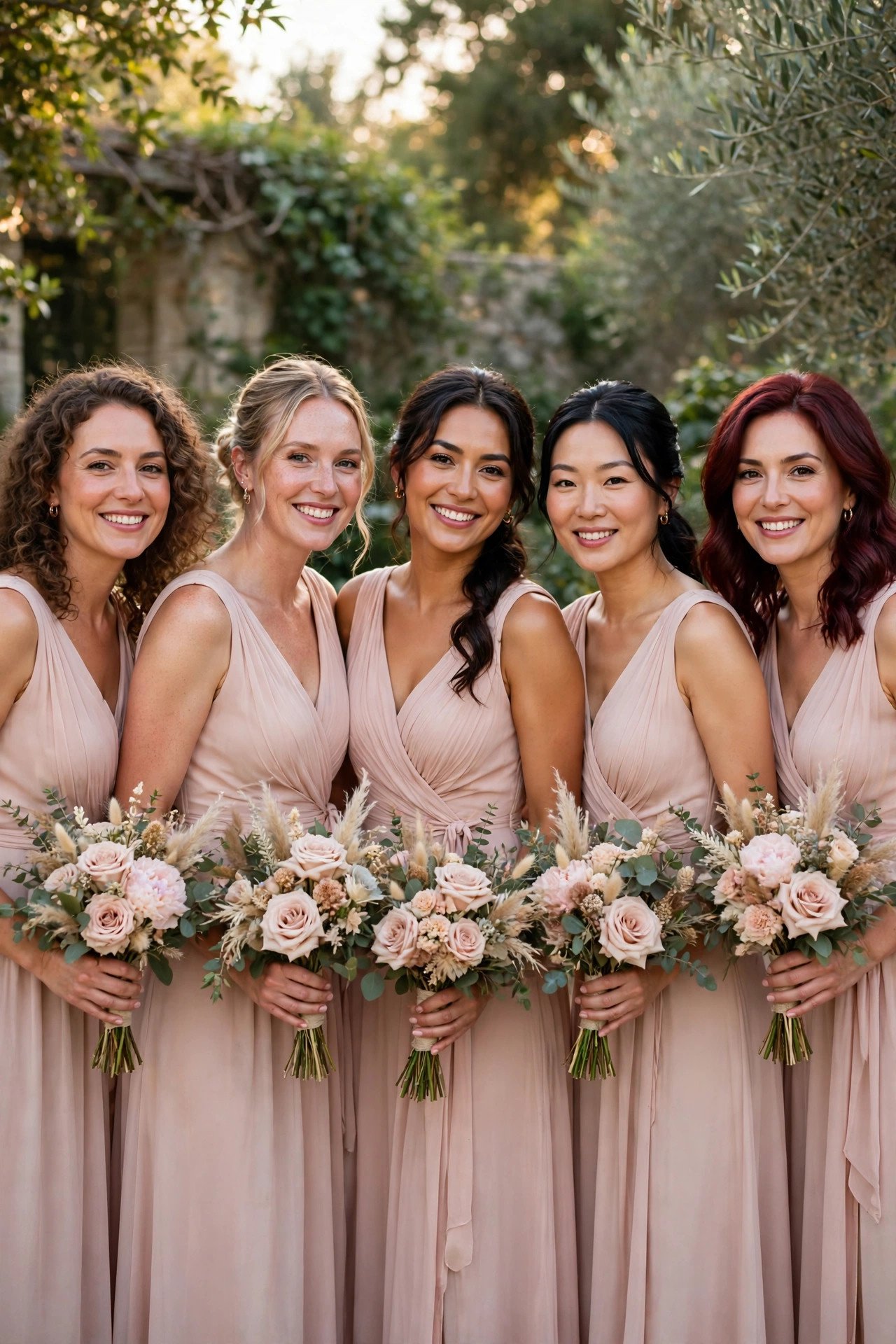
Identical bridesmaid dresses are largely a modern retail and photography convention. Earlier attendants dressed in their own best clothes; the matching look spread with 20th-century weddings and social media polish. Mismatched dresses in one palette are now just as mainstream.
The Best Man and Maid of Honor
 📌 Save
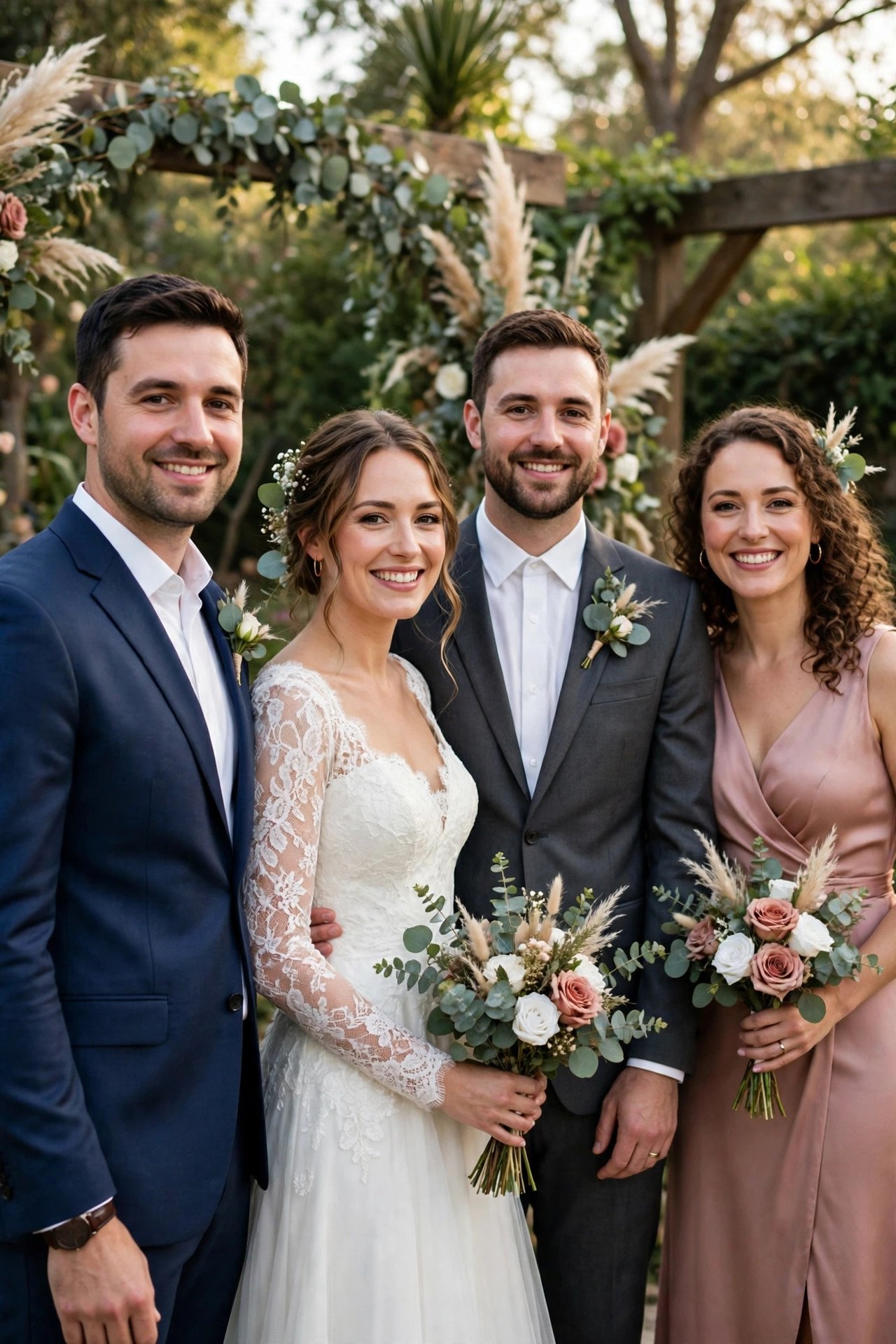
The best man’s distant folklore roots involve a trusted friend standing guard — that story is more legend than documented history. The modern role is practical and emotional: rings, speech, logistics and calm. Maid or matron of honor simply distinguishes married from unmarried in old-fashioned usage.
Walking Down the Aisle to Music
 📌 Save
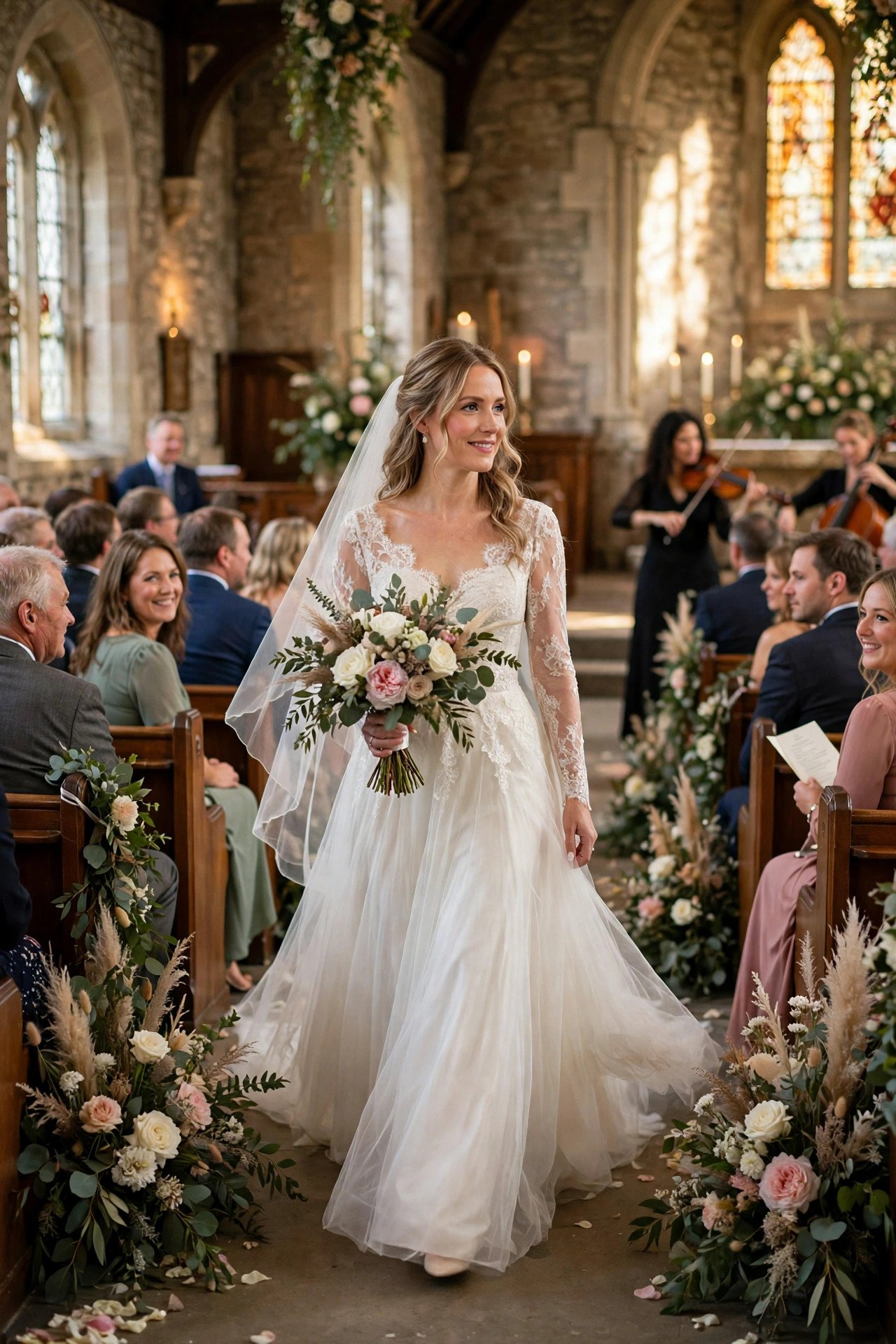
Processional music became standard as ceremonies moved into churches and halls with organs and, later, playlists. Wagner’s and Mendelssohn’s famous marches were popularized by royal weddings in the 1800s, but couples today process to everything from strings to film themes.
Throwing the Bouquet
 📌 Save
The bouquet toss evolved from older customs of guests grabbing at the bride’s flowers or dress for luck; throwing the bouquet gave the bride a graceful escape. It is now purely a party moment, and many couples replace it with dedicating the bouquet to a couple, parent or friend.
The Garter Toss
 📌 Save
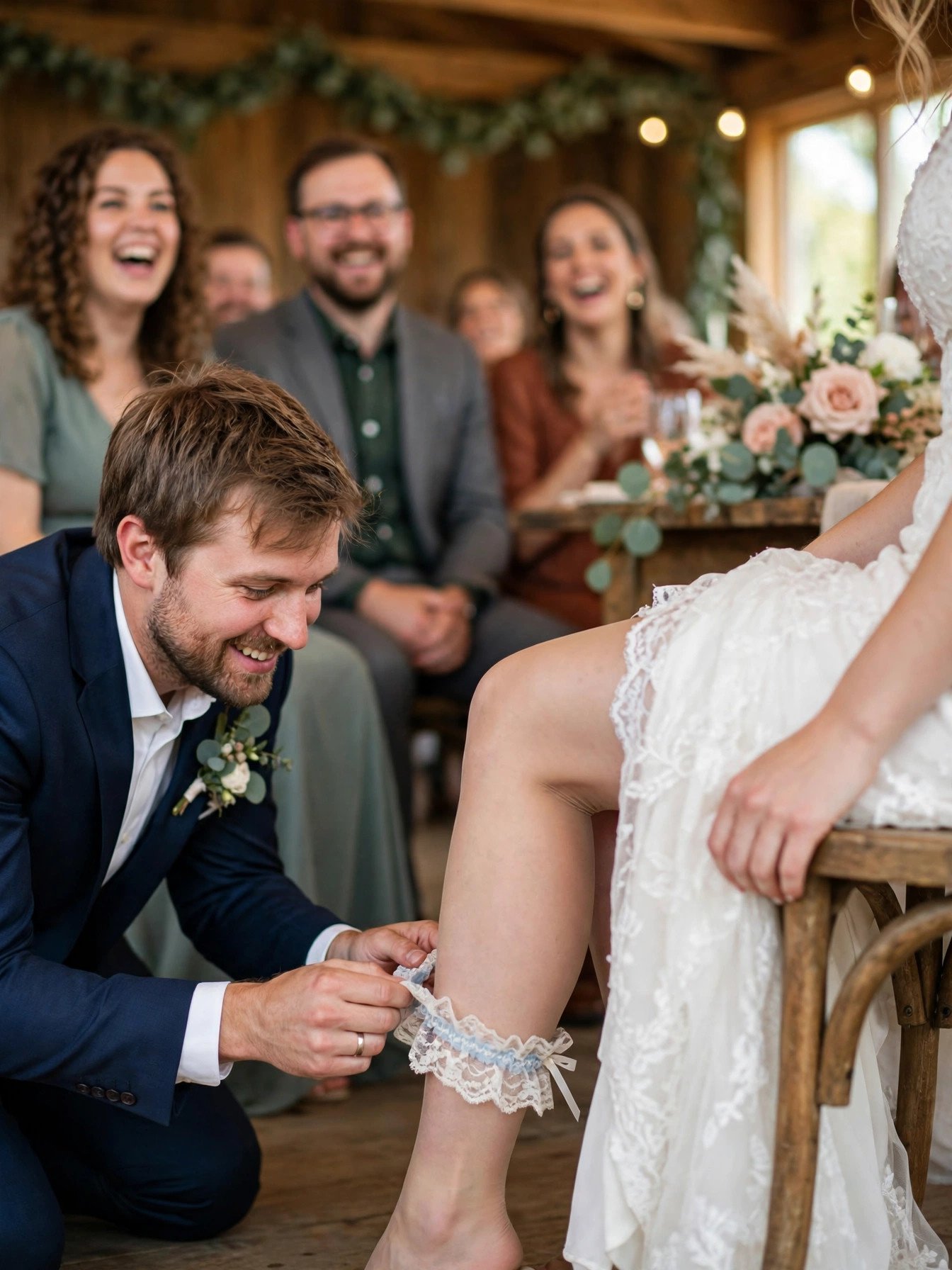
The garter toss has medieval European antecedents in luck-taking customs, but its modern American form is a reception game many couples now skip or soften. There is no etiquette rule requiring it — comfort of the couple and guests decides.
Cutting the Cake Together
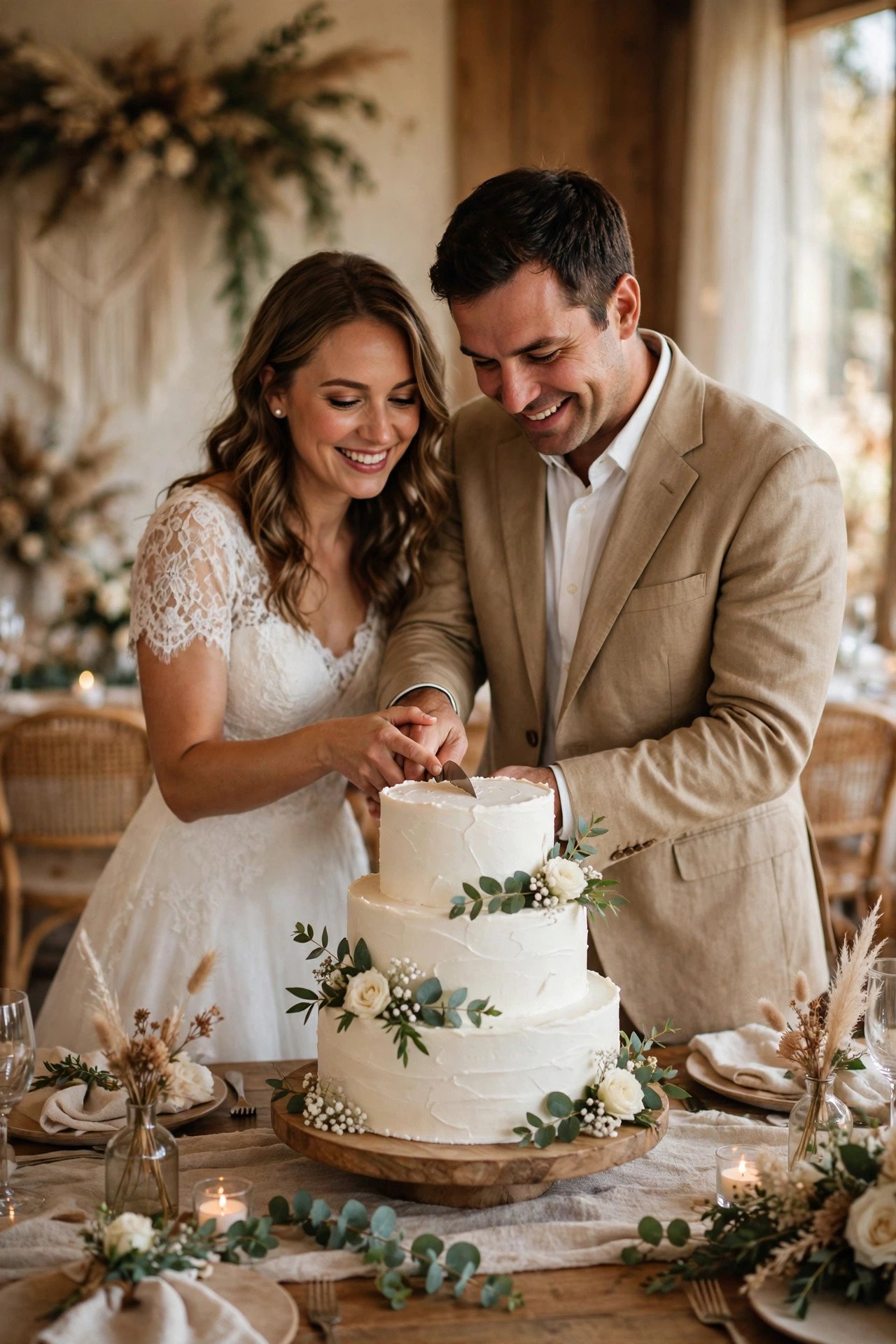 📌 Save
Cutting the first slice together — hands joined on the knife — symbolizes the couple’s first shared task and care for each other. Feeding each other a bite follows the same theme; smashing cake, by contrast, is a modern joke some couples love and others ban in advance.
The First Dance
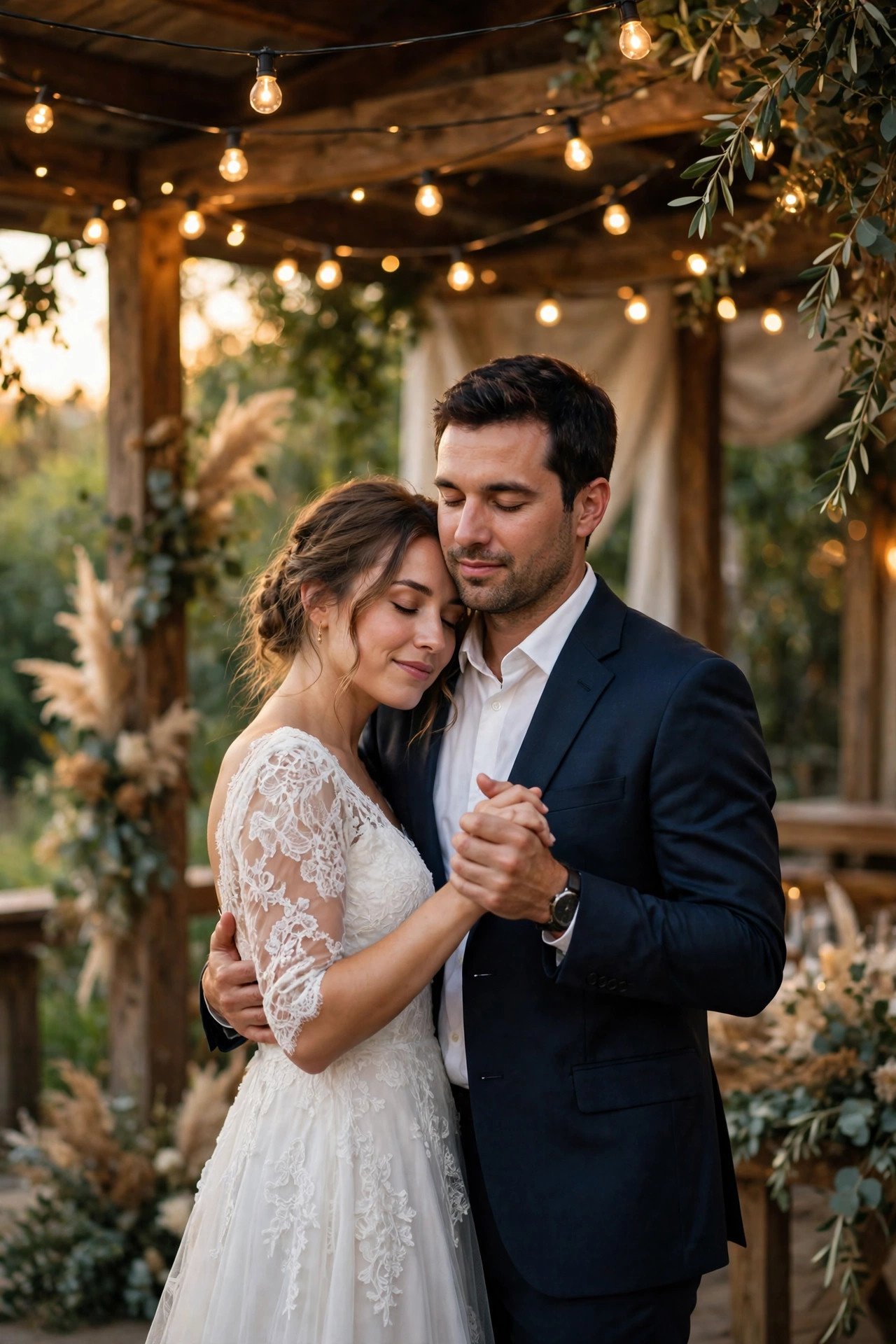 📌 Save
The first dance opened the dancing at formal balls, where hosts led the first number; weddings adopted it as the couple’s spotlight moment. Choreographed routines are a social-media-era flourish — a simple sway with good eye contact reads just as romantic on camera.
Parent Dances
 📌 Save
Father-daughter and mother-son dances in their current form are a modern American reception staple, popularized alongside the first dance rather than inherited from old custom. Many couples add step-parents, grandparents or a combined parents’ dance to include everyone who raised them.
Speeches and Toasts With Sparkling Cider
 📌 Save
The toast itself — raising a glass to someone’s health — is centuries old, but the drink in the glass is the couple’s choice. Sparkling cider, signature mocktails and sparkling water with citrus let every guest, of every age and preference, join the moment fully.
The Receiving Line
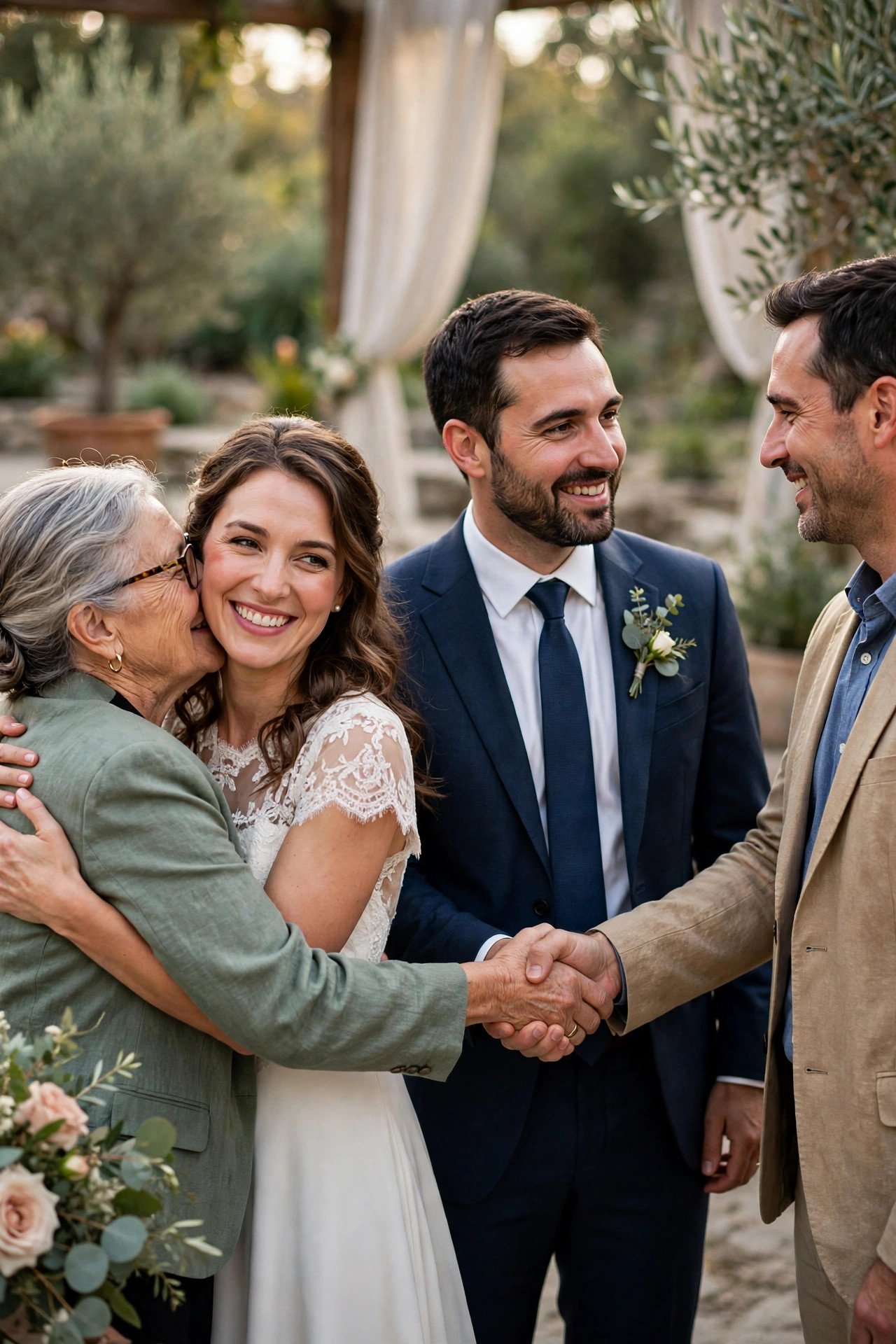 📌 Save
Receiving lines come from formal etiquette eras when hosts greeted every guest personally at the door. Modern couples often replace them with table visits during dinner, which guarantee the same hellos without a queue — but a short line still suits small, formal weddings.
Bride’s Side and Groom’s Side Seating
 📌 Save
Separate ceremony seating by ‘side’ descends from church custom and family hosting duties. Many officiants now invite guests to ‘choose a seat, not a side,’ reflecting blended families, two brides or two grooms, and guests who know both partners.
The Wedding Registry
 📌 Save
The registry is a 20th-century department-store invention — Chicago’s Marshall Field’s is often credited with an early bridal registry in the 1920s — created to stop duplicate toasters. Today it spans stores, honeymoon funds and charity options, and remains a kindness to guests rather than a demand.
Bridal Showers and Bachelor Parties
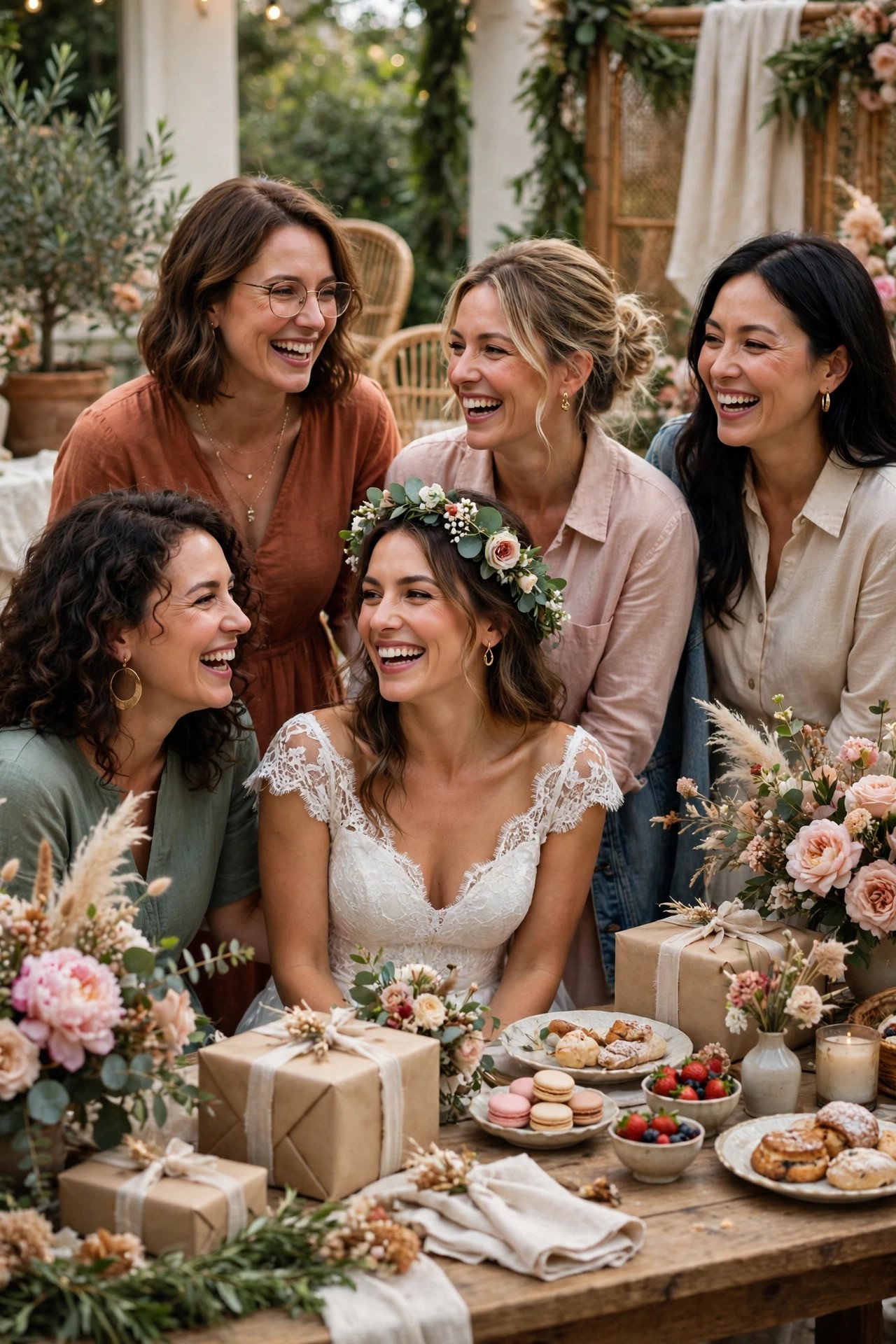 📌 Save
Showers — where the bride is ‘showered’ with gifts — were popularized in America around the turn of the 20th century, and bachelor parties evolved from a groom’s dinner with friends into weekend trips. Both are hosted by friends or attendants, not by the couple themselves.
The Rehearsal Dinner
 📌 Save
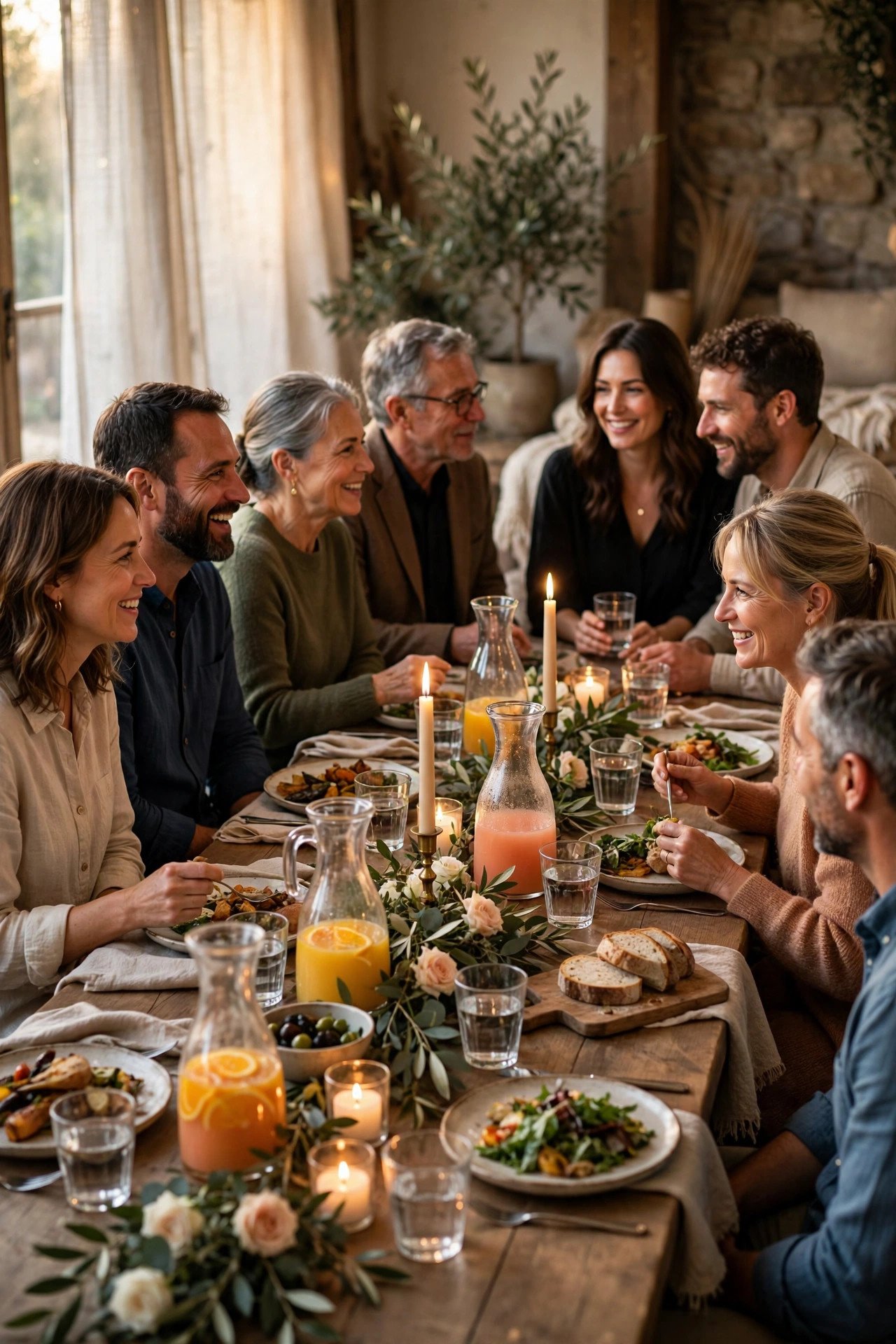
The rehearsal dinner is a distinctly American custom: the groom’s family traditionally hosts a meal after the ceremony rehearsal for the wedding party and close family. Modern versions range from restaurant dinners to backyard cookouts, and hosting duties are now negotiated rather than assumed.
From Rice to Bubbles and Petals
 📌 Save
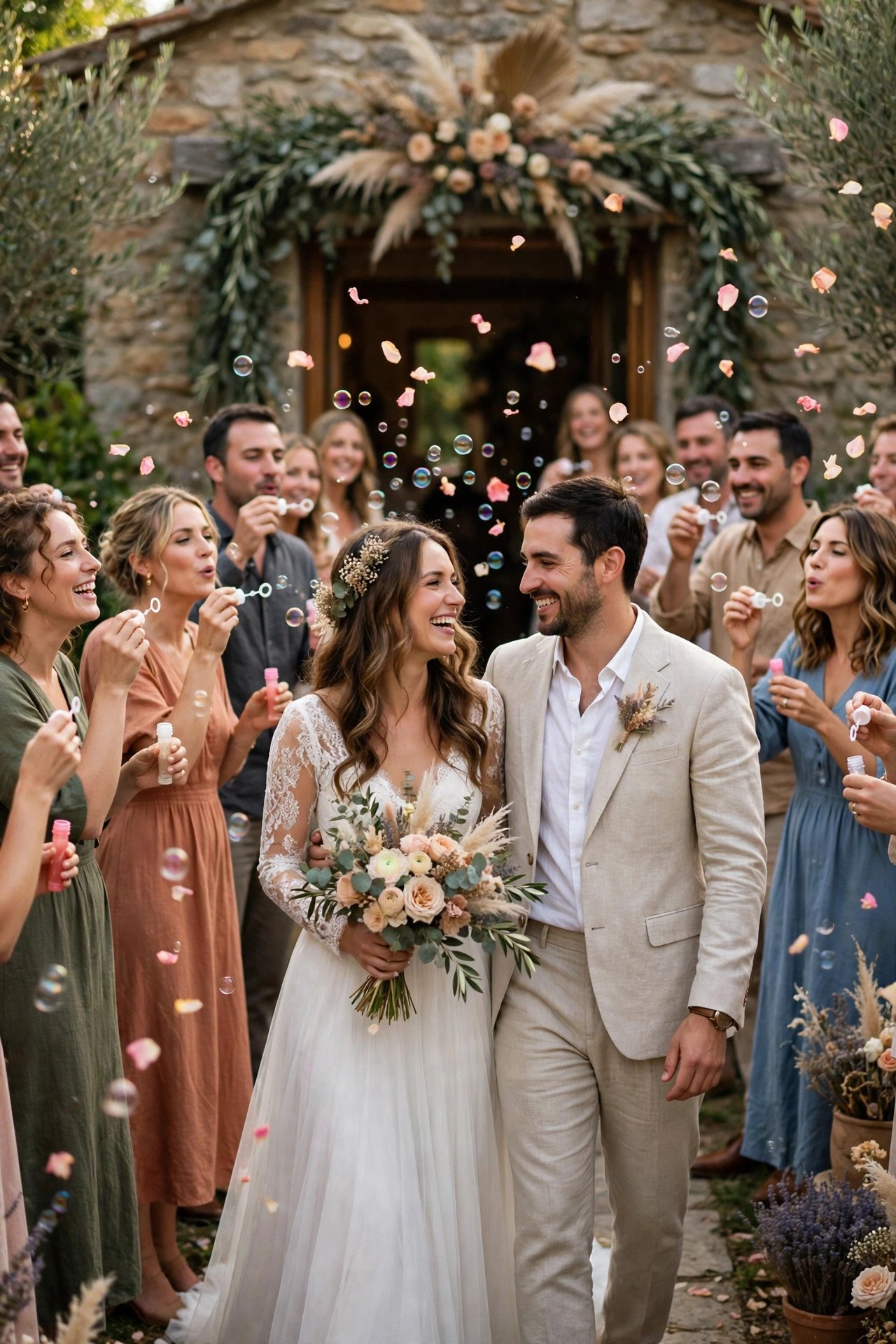
Throwing grain at newlyweds is an old fertility-and-prosperity symbol across many cultures; rice gave way in America to birdseed (partly through a persistent but false claim that rice harms birds), then to today’s bubbles, petals and sparklers chosen for photos and venue rules.
The Unity Candle
 📌 Save
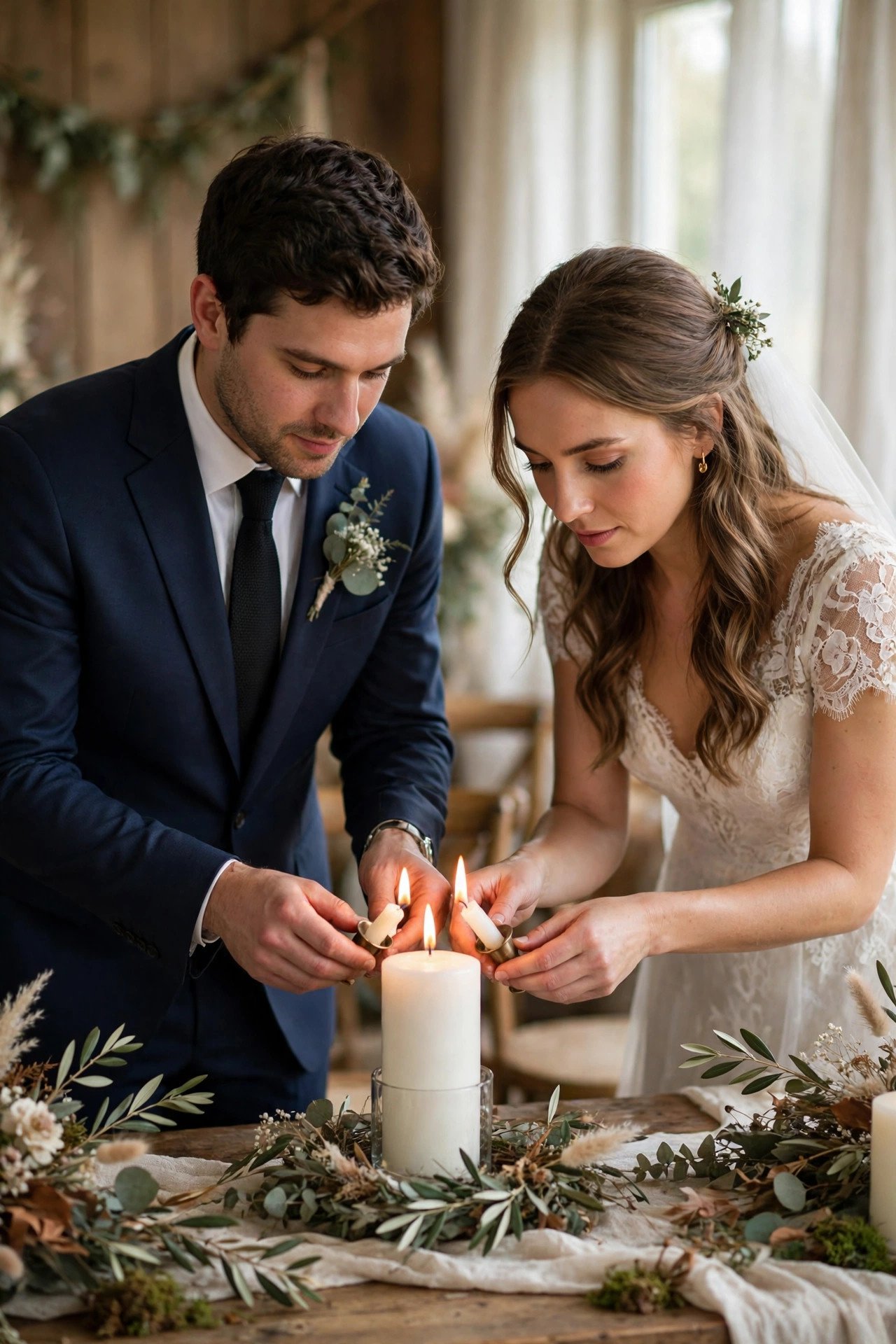
Lighting one candle from two was popularized in America in the 1970s and 1980s, helped by a famous television wedding. It is one unity option among many — sand, handfasting, tree planting — none of them ancient American requirements, all of them chosen for symbolism.
The Grand Exit
 📌 Save
Decorating the getaway car with cans and signs descends in part from the French charivari — noisy community send-offs — filtered through American car culture. Sparkler exits are a modern photo-driven version. Either way, the exit is staging for joy, not an etiquette test.
Saving the Top Tier
 📌 Save
Freezing the top tier for the first anniversary descends from British fruit-cake practice, where the tier was kept for a future christening; American buttercream freezes less gracefully but the ritual persists. Bakeries now often bake a small fresh replica for the anniversary instead.
The Honeymoon
 📌 Save
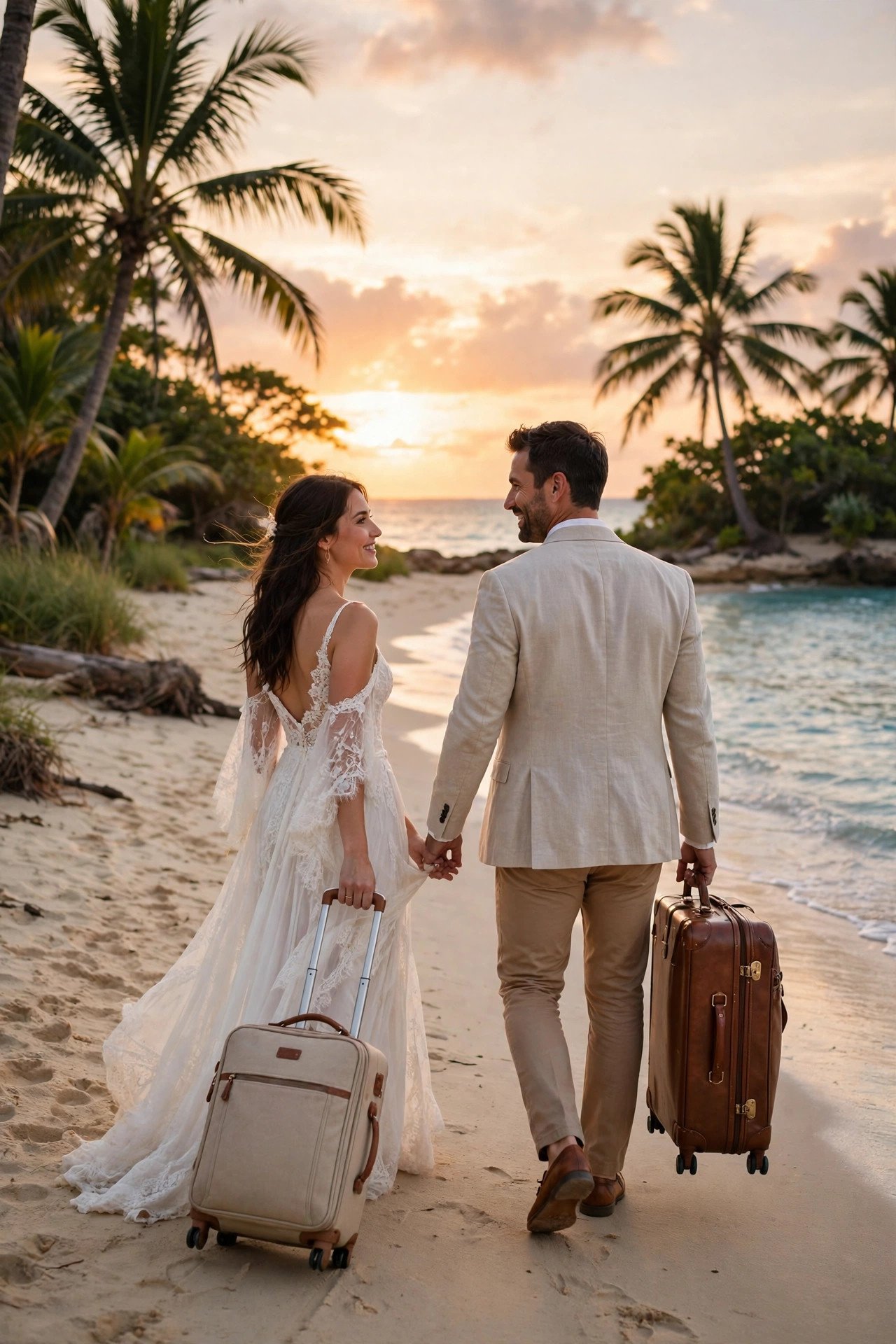
The word honeymoon is centuries old and its origin is debated — possibly linked to the first month (‘moon’) of marriage and mead in old folklore, a connection historians treat cautiously. The trip itself became standard as paid leave and travel expanded in the 20th century; minimoons and later big trips are today’s honest adaptations.
Traditional Words or Personal Vows?
 📌 Save
Standard ceremony wording comes from religious and civil traditions refined over centuries, while writing personal vows is a modern preference that grew from the 1960s onward. Most ceremonies now blend both: legal or traditional declarations plus a short personal promise.
American Wedding Traditions Explained FAQs
Are American wedding traditions actually ancient?+
Mostly not. The white dress dates to 1840, registries to the 1920s, and the first look is modern. A few elements — rings and toasts — have genuinely old roots, but the familiar overall script is largely Victorian and 20th-century.
Do we have to do the garter and bouquet toss?+
No. Both are optional reception games with no etiquette requirement behind them. Many couples replace the bouquet toss with presenting the bouquet to a special person, and skip the garter entirely.
Why do brides throw rice or bubbles?+
Throwing grain symbolized prosperity and fertility in many cultures. Rice gave way to birdseed, bubbles, petals and sparklers mostly for venue rules and photographs — the cheer is the point, not the projectile.
Is it bad luck to see each other before the ceremony?+
That superstition grew out of arranged-marriage practicalities, not romance. First looks are now common because they calm nerves and improve the photo timeline. Choose whichever order suits you.
Who is supposed to pay for the rehearsal dinner?+
Tradition assigns it to the groom’s family, following the American custom of a dinner after the rehearsal. Modern families negotiate hosting openly — the custom is a starting point, not a bill.
Key Takeaways
- Most American customs are Victorian or 20th-century in origin — charming, but optional.
- Knowing real origins (white dress 1840, registry 1920s, first look modern) removes superstition pressure.
- Toasts include everyone when sparkling cider or mocktails are in the glasses.
- Adapt family roles freely: who walks you in, who speaks, and who hosts is yours to design.
- Keep traditions by choice and meaning, not by obligation — guests respond to sincerity.
Final Thoughts
American wedding traditions are a toolkit, not a test. Once you know that the white dress is younger than the railway and the registry younger than the radio, it becomes easy to build a day that honors your families while sounding unmistakably like you — which is what your guests will actually remember.