Don’t Make These Wedding Day Mistakes
By zainzari • Published April 2026 • Updated October 10, 2026
 📌 Save
The 10 wedding day mistakes brides regret most are: skipping breakfast, having no buffer in the timeline, not assigning a point person, trying new beauty treatments, ignoring the weather backup plan, over-scheduling photos, forgetting to eat and hydrate through the day, phone distractions, not breaking in the wedding shoes, and skipping a private moment with their partner. Every one of them is preventable with a little planning: eat real meals, pad the timeline by 15–30 minutes per transition, hand logistics to a trusted point person, and protect quiet moments for just the two of you.
Here’s the thing nobody tells you while you’re planning: the wedding day itself is a blur, and the mistakes that haunt brides afterward are almost never the big ones. Nobody regrets the centerpieces. They regret the headache from skipping breakfast, the panic of a timeline with zero slack, the photos they missed because they never put the phone down — the small, human stuff.
These are the 10 day-of mistakes brides mention most when they say “if I could do it over…” — and each one comes with a fix so simple you can arrange it this week.
At a Glance: Every Mistake, When It Strikes & Prevention
| Mistake | When It Strikes | Prevention |
|---|---|---|
| Skipping breakfast | Morning — nerves kill appetite | Schedule a real, protein-rich breakfast |
| No buffer in timeline | Every transition runs long | Add 15–30 min cushions around each event |
| No point person | Vendors text YOU with questions | Assign a coordinator or trusted non-party adult |
| New beauty treatments | Days before — reactions happen | Freeze all new treatments 2+ weeks out |
| Ignoring weather backup | Outdoor ceremonies, any season | Book and decorate the plan B like plan A |
| Over-scheduling photos | Golden hour eats cocktail hour | Cap portraits; trust the photographer’s shot list |
| Forgetting to eat/hydrate | Midday crash, pre-ceremony | Assign a bridesmaid as food-and-water captain |
| Phone distractions | All day — texts, social, drama | Do Not Disturb; one person monitors messages |
| Unbroken-in shoes | Hour 3 of standing and dancing | Wear them in for weeks; pack flats as backup |
| No private moment | The whole day passes in a crowd | Schedule 10–15 min alone together, guarded |
Notice the pattern: nearly every day-of regret is a planning gap, not a day-of failure. Fix them on paper now and the wedding day takes care of itself.
Skipping Breakfast
 📌 Save
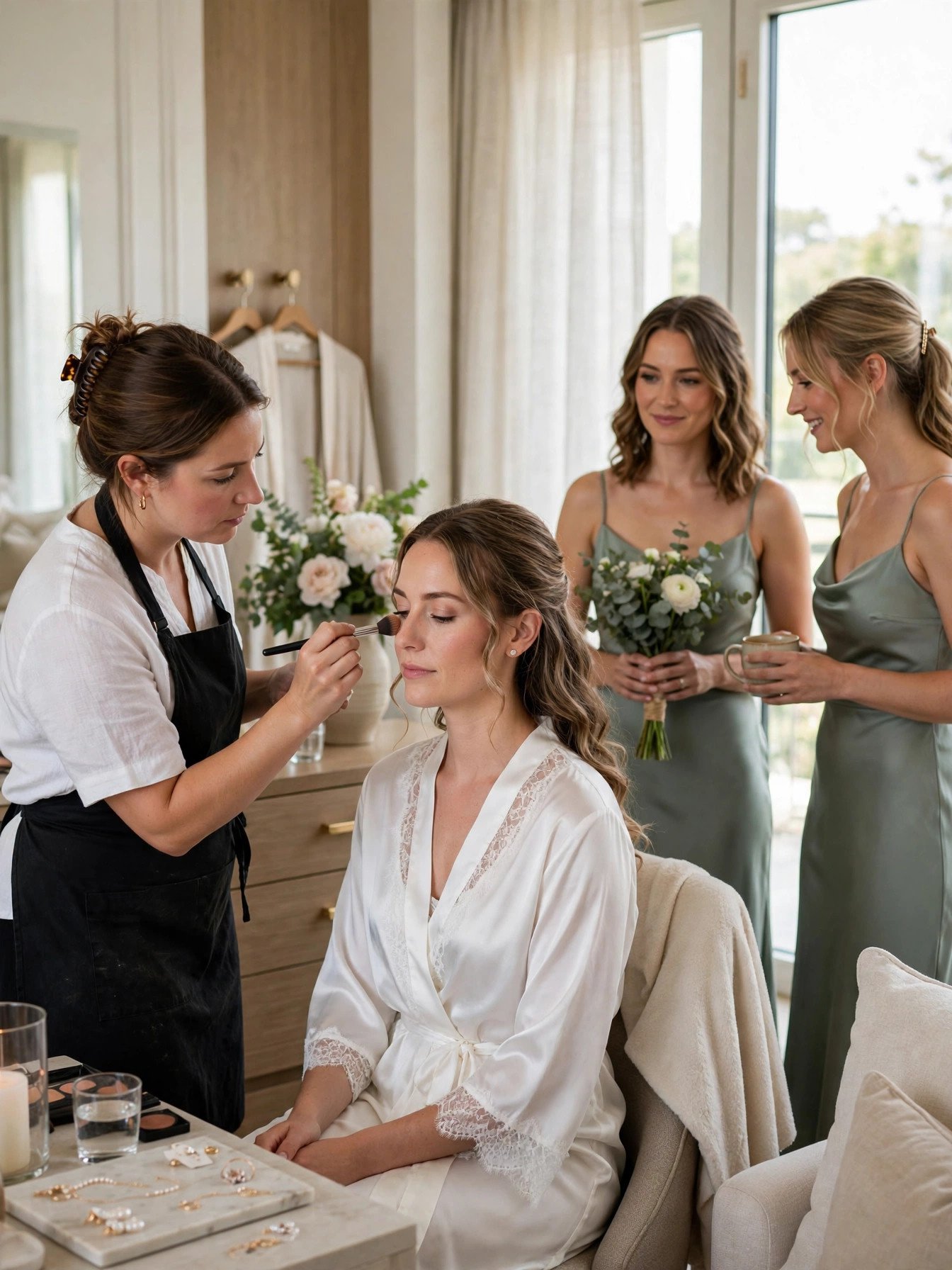
Nerves, excitement and a 6 a.m. wake-up conspire against appetite — and by the ceremony, you’re shaky, headachy and running on adrenaline alone.
This is the single most common day-of regret, and it’s purely physiological. A bride who hasn’t eaten since dinner the night before is asking her body to perform — stand, smile, process huge emotions — on empty. The result: dizziness during the ceremony, a short fuse during photos, and a crash right when the reception starts. “I was too nervous to eat” is something brides say with genuine regret, not pride.
The fix is embarrassingly simple: put breakfast on the timeline like any other appointment, and make it real food — protein, complex carbs, fruit — not just coffee and a pastry. Assign someone to sit with you while you eat it. Nerves may still dull your appetite, but a scheduled, substantial breakfast eaten in company gets fuel in the tank regardless.
Read next: 6 Things Every Bride Should Do Before She Puts On Her Wedding
No Buffer in the Timeline
 📌 Save
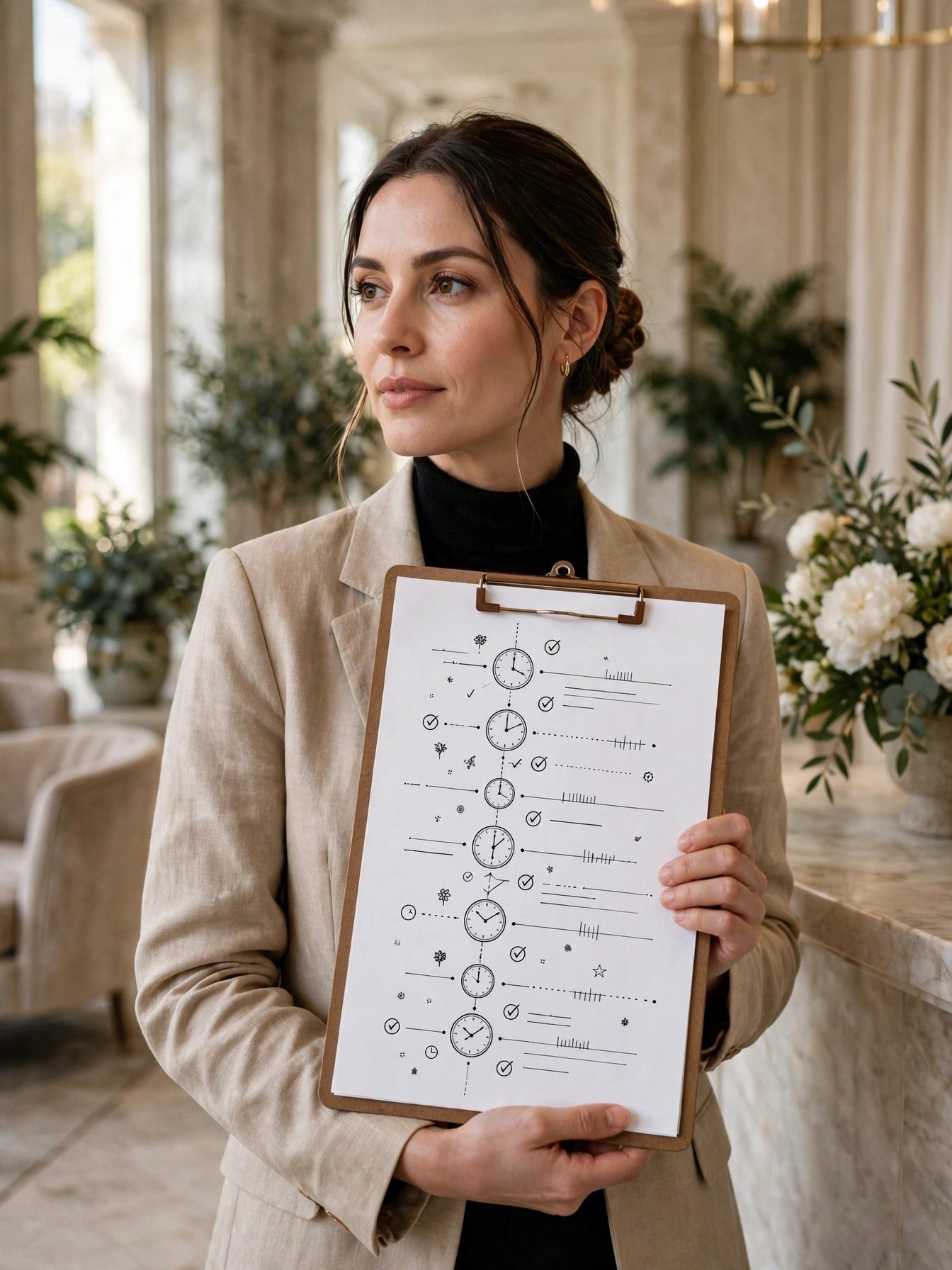
Hair runs 20 minutes long, traffic appears from nowhere, a boutonniere needs re-pinning — a timeline with zero slack turns every small delay into a crisis.
Optimistic timelines are the #1 source of wedding-day stress. Everything is scheduled back-to-back on the assumption that every vendor, every bridesmaid and every car ride performs perfectly. They won’t. And because there’s no cushion, the delay compounds: late hair means rushed photos means a late ceremony start means a stressed couple walking down the aisle already frazzled.
Rebuild the timeline with 15–30 minutes of buffer around every major transition — hair and makeup finishing, travel, family photos, ceremony start, reception entrance. The buffers are invisible when unneeded and priceless when used. Tell vendors the timeline is 15 minutes earlier than it really is; tell the wedding party the call time is 30 minutes early. You’ll look like a planning genius when the day flows.
Read next: Ultimate Wedding Planning Checklist
Not Assigning a Point Person
 📌 Save
The florist can’t find the venue entrance, the DJ needs a playlist decision, the cake is early — and every question comes to you because nobody else is authorized to answer.
This is how brides end up working their own wedding. Without a designated point person, you become the help desk: fielding vendor calls during hair and makeup, solving seating-chart disputes in your dress, making judgment calls that should have been someone else’s job. Every interruption yanks you out of the moment — and the moments are the whole point.
The ideal point person is a planner or day-of coordinator. Without one, choose a calm, decisive adult who is NOT in the wedding party — a trusted aunt, cousin or family friend with authority and a phone. Give them the full vendor list, the timeline, and explicit permission to make small decisions. Brief them a week before. Then hand over your phone’s vendor contacts and enjoy being gloriously unreachable.
Trying New Beauty Treatments
 📌 Save
The “quick glow facial” three days before the wedding, the new self-tanner, the at-home brow experiment — new treatments are gambles with your wedding-week face.
Estheticians and dermatologists are unanimous on this: no new facials, peels, waxing, spray tans or dramatic hair changes in the final two weeks. Reactions — breakouts, redness, orange palms, allergic responses — need time to surface AND time to resolve. A treatment that would be a minor annoyance any other month becomes a crisis when the photographer arrives in 72 hours.
Freeze all experimentation at least two weeks out (a month for anything aggressive like peels or new hair color). The final week is for maintenance only: the tried-and-true facial you’ve had before, the usual brow appointment, the regular manicure. Boring is beautiful when the stakes are wedding photos.
Read next: Wedding Hair With Veil Ideas
Ignoring the Weather Backup Plan
 📌 Save
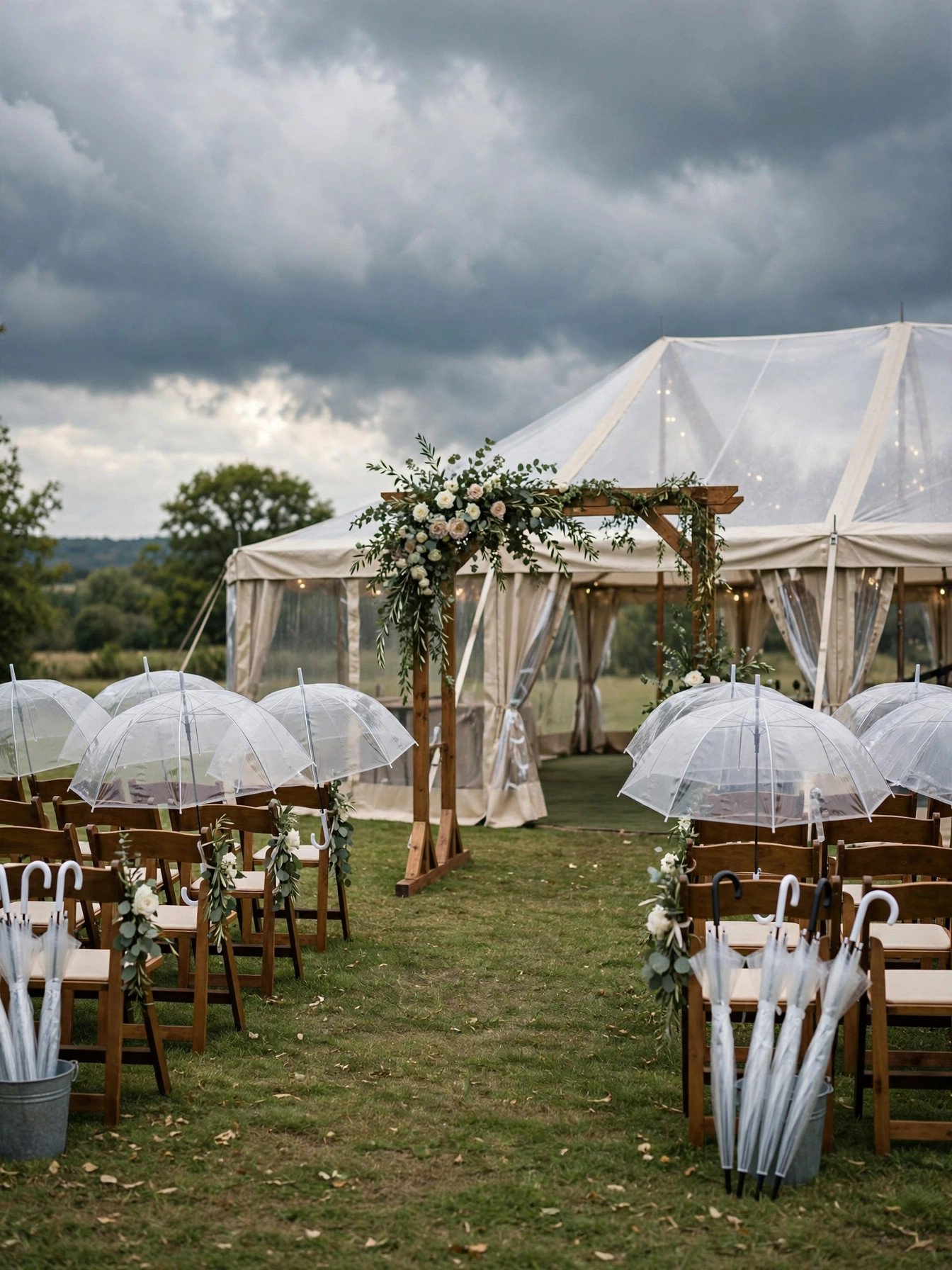
“It never rains in June” — until it does, and you’re deciding between a soggy ceremony and a tent you never looked at, 4 hours before go-time.
Couples with outdoor plans chronically under-invest in plan B: no tent reserved, no indoor space scouted, no decision deadline. Then the forecast turns and the wedding morning becomes a logistics emergency — exactly when you should be calm, getting ready and enjoying yourself. A backup plan made under pressure is always worse than one made with a clear head.
Treat plan B like plan A: book the tent or indoor space when you book the venue, visit it, and even decorate it in your mind (or on paper). Set a decision deadline — typically 24–48 hours before, based on your venue’s and vendors’ cutoff — and a single decision-maker. The couples who end up loving their rainy-day weddings are the ones who planned to.
Read next: 5 Things That Will Make Your Guests Say That Was the Best Wedding Ever
Over-Scheduling the Photos
 📌 Save
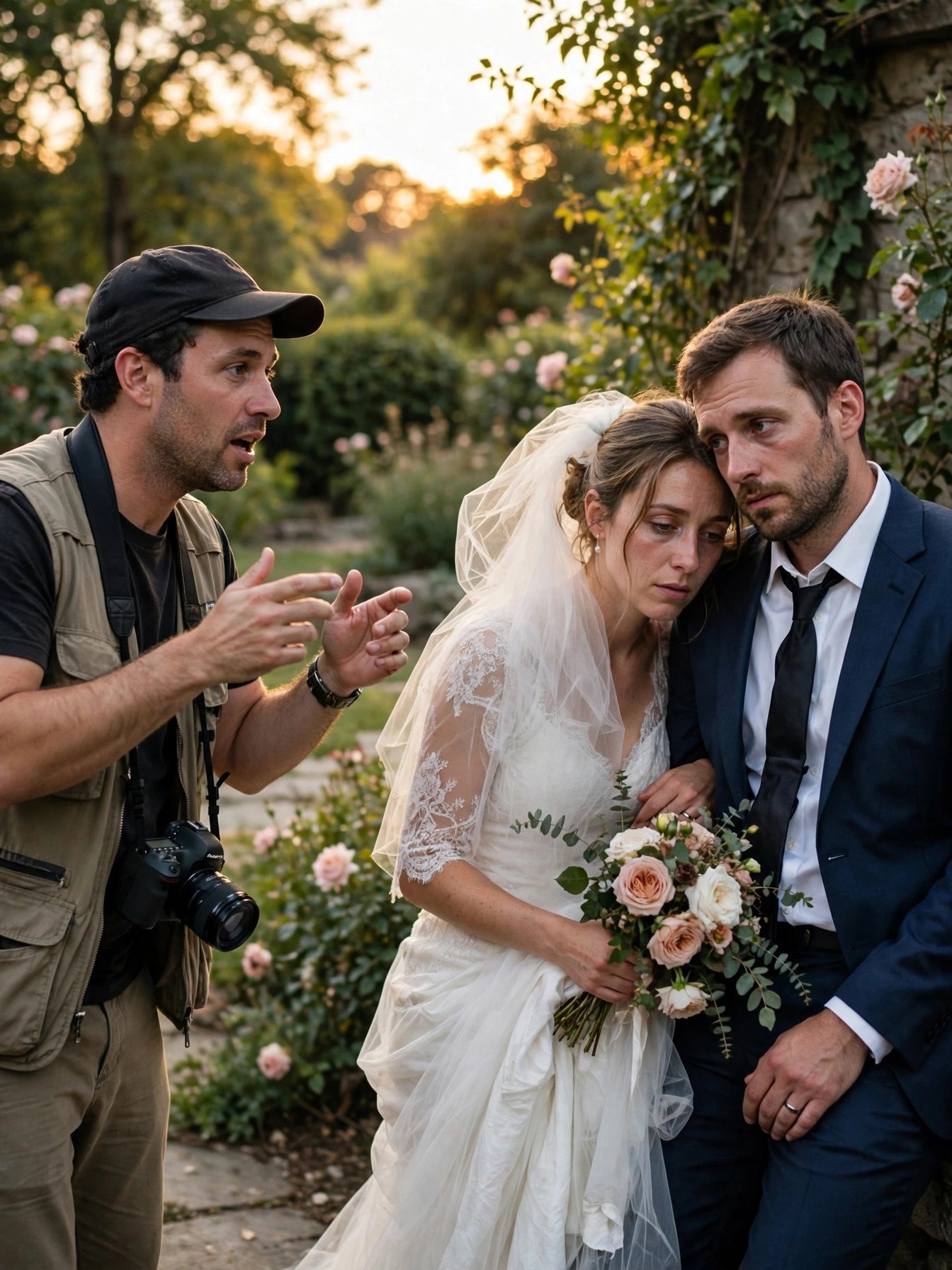
The shot list grows and grows — 47 family groupings, three locations, golden hour, blue hour — until the couple spends the whole wedding posing.
Photos matter enormously, but there’s a point of diminishing returns where the pursuit of perfect pictures starts stealing the actual wedding. Couples who schedule 90+ minutes of portraits routinely miss cocktail hour entirely — the one part of the day designed for mingling with guests who traveled to see them. Exhausted, hungry and over-posed is not anyone’s best look.
Cap formal portraits at 30–45 minutes and family groupings at 20–30 (with a pre-made list and a designated herder). Do a first look if you want relaxed couple portraits without the time pressure. Then let the photographer work candidly — the unposed moments are the ones you’ll treasure most anyway.
Forgetting to Eat and Hydrate
 📌 Save
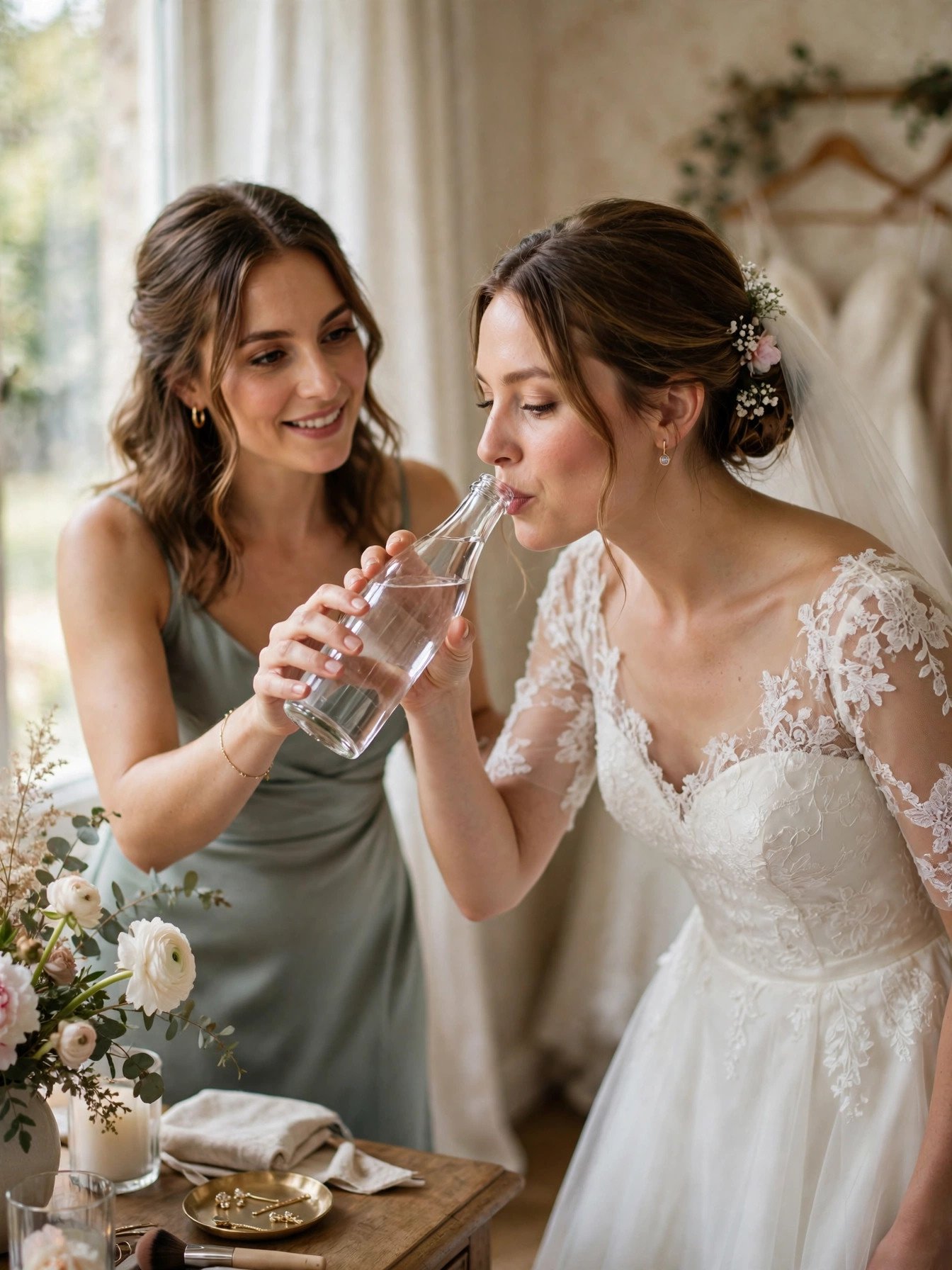
Breakfast was hours ago, the canapés went to the guests, dinner is a distant rumor — and suddenly you’re dizzy, emotional and running on fumes.
Adrenaline is a powerful appetite suppressant, which is why this mistake is so sneaky: you genuinely don’t feel hungry. But your body is burning enormous energy — standing for hours, processing intense emotion, possibly in heat and a heavy dress. The crash, when it comes, looks like tears, irritability or actual faintness, and it always arrives at the worst moment.
Assign one bridesmaid as food-and-water captain with explicit instructions: water in your hand every hour, real snacks between events, and a plate of cocktail-hour food set aside for you (caterers will do this if asked). Eat a few bites of your own dinner even while greeting tables. Nobody will remember whether you finished the salmon; everyone will remember if you fainted.
Read next: 5 Best Wedding Bathroom Basket Ideas
Phone Distractions
 📌 Save
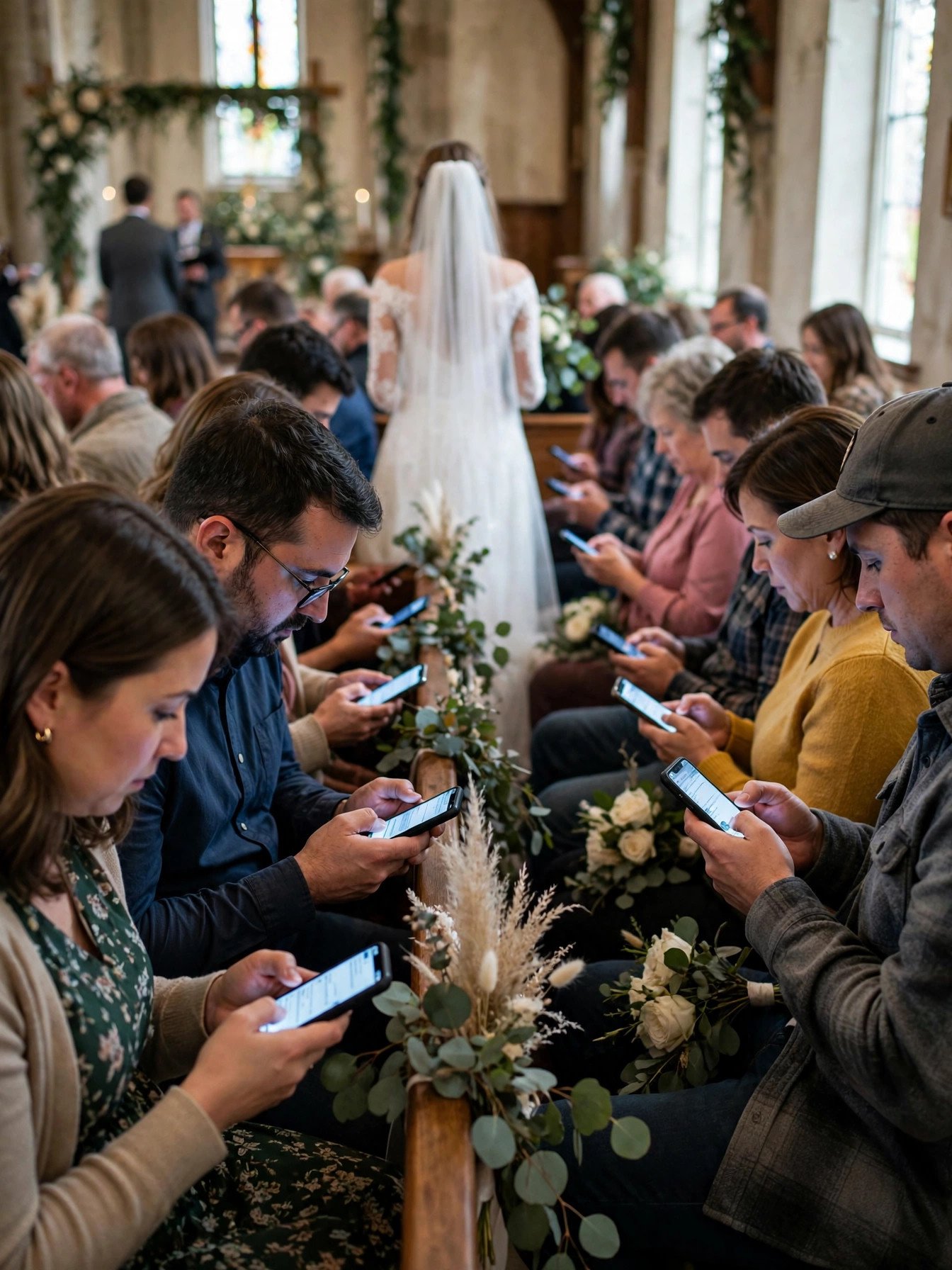
The well-meaning texts, the vendor questions, the family group chat drama, the urge to post — your phone is a portal pulling you out of your own wedding.
Here’s what the phone steals: presence. Brides report the same regret — “I was answering texts during hair and makeup instead of soaking it in.” Beyond your own distraction, there’s the ambient stress: a cousin’s travel problem, a vendor’s “quick question,” a passive-aggressive family text, all landing in real time while you’re trying to be radiant. None of it is urgent. All of it feels urgent on a screen.
Morning of: phone on Do Not Disturb, handed to ONE trusted person (your point person or MOH) who triages anything truly urgent. Consider an unplugged ceremony too — a polite sign asking guests to pocket phones means your professional photos won’t feature a sea of glowing screens, and your guests will actually watch you get married.
Read next: 9 Heartwarming Ways to Surprise the Bride
Not Breaking In Your Shoes
 📌 Save
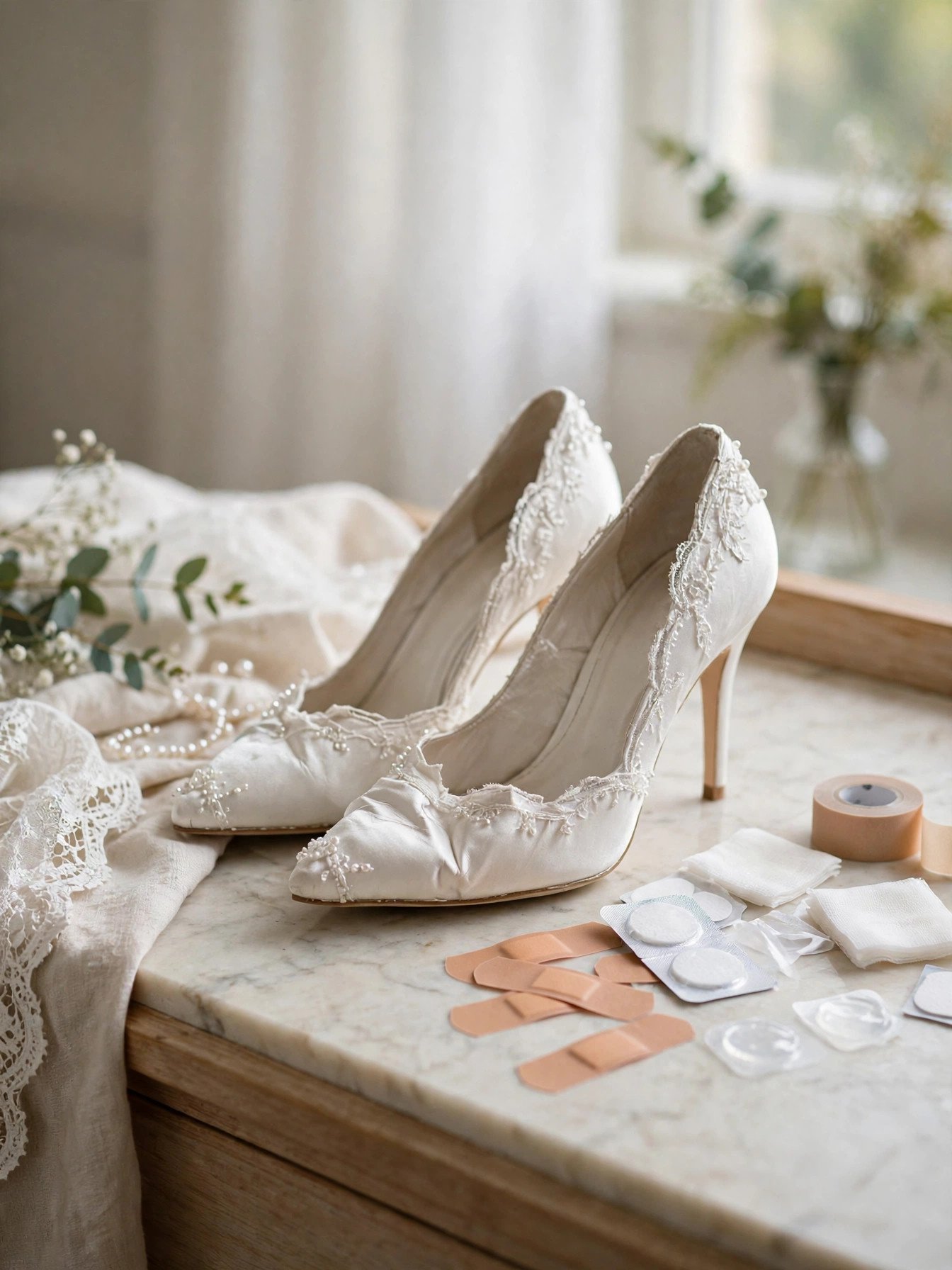
They’re gorgeous, they’re perfect, they’ve been worn exactly once — for the fitting. By hour three, every step is a negotiation.
Wedding days are marathons: standing through the ceremony, photos on uneven ground, hours of dancing. Brand-new shoes — especially heels — haven’t molded to your feet, and the friction points reveal themselves cruelly around the time the dance floor opens. Brides describe this regret vividly: watching their own reception from a chair, shoes off, feet throbbing.
Wear the shoes around the house for at least two weeks before the wedding — with the socks or hosiery you’ll wear that day. Scuff the soles slightly for grip. And regardless of how well the break-in goes, pack the backup plan: elegant flats, or even bridal sneakers for dancing, plus blister pads in the emergency kit. Your feet will carry you through the best day of your life — treat them accordingly.
Read next: 6 Things Every Bride Should Do Before Putting On Her Wedding Dress
Skipping the Private Moment With Your Partner
 📌 Save
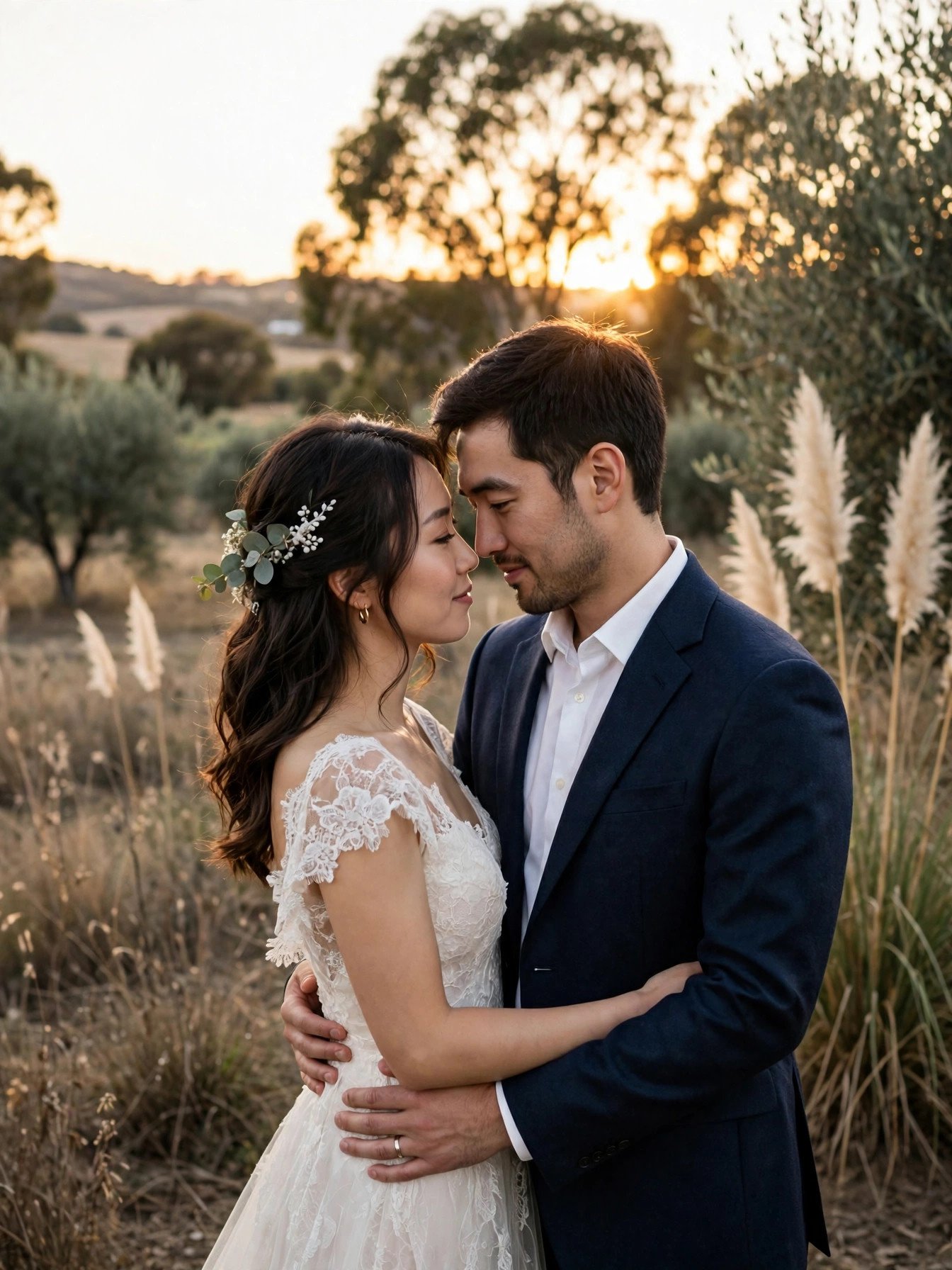
Ask married couples about their wedding day and a surprising number say the same thing: “We barely saw each other.”
The wedding day is paradoxically the least couple-focused day of the relationship — every minute is scheduled, witnessed and shared. You get ready separately, you’re pulled in different directions for photos, the reception is a receiving line that never ends. Couples who don’t deliberately carve out alone time often reach the end of the night realizing they never had a single private conversation as a married couple.
Schedule it like anything else: 10–15 minutes, guarded by your point person or wedding party, right after the ceremony or during cocktail hour. No phones, no photographer (or just the photographer, at a distance), no agenda. Walk somewhere quiet, hold hands, and actually look at each other. Brides consistently name this stolen quarter-hour as their favorite memory of the entire day.
Read next: 33 Father-Daughter Dance Songs
Frequently Asked Questions
What time should the bride wake up on her wedding day?
Wake up 5 to 6 hours before the ceremony. That sounds like a lot, but hair and makeup take 2–3 hours, getting dressed and portraits take another hour, and you need a cushion for breakfast, breathing room and the inevitable small delays. Brides who wake up too late spend the whole morning rushed — and rushed mornings set an anxious tone for the entire day.
How much buffer time should a wedding day timeline have?
Build 15 to 30 minutes of buffer around every major transition: hair and makeup finishing, travel to the venue, family photos, and the ceremony start. Things always run long — a boutonniere pins wrong, traffic appears from nowhere, someone can’t find their shoes. Buffers are invisible when you don’t need them and priceless when you do.
Who should be the point person on the wedding day?
Your planner or day-of coordinator is ideal; without one, pick a decisive, calm friend or family member who is NOT in the wedding party — a trusted aunt, cousin or family friend. The point person fields vendor questions, solves problems and keeps the timeline moving so you and your partner can stay present. Never assign this to the maid of honor or best man; they have their own jobs that day.
How do I stay calm on the morning of the wedding?
Eat a real breakfast, keep the getting-ready room small and peaceful, put your phone on Do Not Disturb, and build quiet time into the morning — even 15 minutes alone with your thoughts helps enormously. Avoid making any decisions that morning; every choice should have been made weeks ago. Your only job is to show up, breathe and enjoy it.
What should I pack in a wedding day emergency kit?
The essentials: blister pads and fashion tape, pain relievers, a mini sewing kit, safety pins, stain remover pen, deodorant, tissues, breath mints, phone charger, snacks and water, extra bobby pins and hairspray, and any personal medication. Assign the kit to one bridesmaid so it travels with the bridal party all day. Almost every wedding uses at least three of these.
✨ Key Takeaways
- Eat real meals and hydrate all day — assign a bridesmaid as your food-and-water captain.
- Pad the timeline with 15–30 minute buffers around every transition; optimism is the enemy.
- Hand logistics to a point person and put your phone on Do Not Disturb — be a guest at your own wedding.
- Freeze new beauty treatments two weeks out and break in your shoes for two weeks.
- Schedule 10–15 guarded minutes alone with your partner — it becomes the day’s best memory.
Final Thoughts
The perfect wedding day isn’t the one where nothing goes wrong — it’s the one where you’re so well prepared that the small things can’t touch you. Eat breakfast, pad the timeline, hand off the logistics, protect your peace and your feet, and steal a quiet moment with the person you married. Do that, and whatever else happens becomes a funny story instead of a regret.