Honeymoon Safari Guide (2027)
By zainzari • Published October 23, 2026 • Updated October 23, 2026
 📌 Save
The best safari honeymoon in 2027 pairs one classic game region — the Serengeti and Masai Mara for the Great Migration, the Okavango Delta for water-based game viewing, or Kruger for a first safari — with a small, romantic lodge, private or small-group game drives, and at least three nights in each camp. Travel in the dry season for the easiest wildlife viewing, and budget for typical mid-range to luxury lodge rates rather than headline prices.
A safari honeymoon runs on safari time: up before dawn for the best game viewing, a slow middle of the day by the pool, and another drive as the light turns gold. It is adventurous and deeply restful in the same day, which is a rare combination after a wedding.
This guide compares the great regions honestly, describes lodge styles in general terms — no two camps are alike — and explains drives, seasons and budgets so you can choose with clear eyes. Prices are typical ranges only; every lodge quotes its own rates.
At a Glance: Regions, Lodges, Drives & Seasons
| # | Idea | Type | Best For | Good to Know |
|---|---|---|---|---|
| 1 | Serengeti Plains and the Great Migration | Region | The classic first safari | Migration timing shifts with the rains |
| 2 | Masai Mara Golden Grasslands | Region | Photographers and big cats | Peak migration July to October |
| 3 | Kruger and Private Reserves | Region | First safaris and self-drive | Private reserves allow off-road drives |
| 4 | Okavango Delta Water Safari | Region | A unique, watery wilderness | Floodwaters peak around June to August |
| 5 | Etosha and Desert-Adapted Wildlife | Region | Waterhole watching | Dry season viewing is exceptional |
| 6 | Amboseli With Kilimanjaro Views | Region | Elephants and the view | Clearest mountain views early morning |
| 7 | Ngorongoro Crater Floor Day | Region | A one-day wonder | Crater permits limit daily vehicles |
| 8 | South Luangwa Walking Safari Home | Region | Walking and leopards | Walking season is the dry months |
| 9 | Hwange Elephant Country | Region | Elephants and value | Dry season herds are enormous |
| 10 | Chobe River Safari by Boat | Region | Boat-based viewing | Sunset cruises are the highlight |
| 11 | Canvas Tented Camp Under the Stars | Lodge style | Romance and atmosphere | Canvas walls — nature sounds included |
| 12 | River Lodge With a Private Plunge Pool | Lodge style | Slow afternoons | Pools overlook game areas |
| 13 | Treehouse and Star-Bed Nights | Lodge style | One unforgettable night | Weather-dependent — book mid-stay |
| 14 | Sunrise Game Drive | Game drive | Predators and golden light | Wake-up calls come early |
| 15 | Sunset Drive and Sundowner Stop | Game drive | Golden hour romance | Returns may run into a night drive |
| 16 | Full-Day Drive With a Bush Picnic | Game drive | Reaching remote areas | Long day — pace yourselves |
| 17 | Night Drive With a Spotlight | Game drive | Seeing the night shift | Only where park rules allow |
| 18 | Guided Walking Safari Morning | Activity | Feeling the bush up close | Licensed guides only, age limits apply |
| 19 | Hot-Air Balloon Over the Plains | Activity | A bucket-list splurge | Weather-dependent, book early |
| 20 | Private Vehicle and Your Own Guide | Upgrade | Photographers and lingerers | Costs extra — split across days wisely |
| 21 | Birding and the Small Five | Activity | A gentler focus | Best in the green months |
| 22 | Respectful Cultural Village Visit | Activity | Meeting local hosts | Choose community-run visits |
| 23 | Dry Season: Easy Viewing, Big Gatherings | Season | First safaris | Peak-season rates apply |
| 24 | Green Season: Lush, Quiet and Full of Young | Season | Value and birding | Some camps close in heavy rains |
| 25 | Budget, Health and Packing Planning | Planning | Every safari couple | Consult your clinician well ahead |
Lodge rates change by season and availability — treat all prices in this guide as typical ranges and confirm directly when you book.
Serengeti Plains and the Great Migration
 📌 Save
Tanzania’s Serengeti hosts the Great Migration — over a million wildebeest, zebra and gazelle moving in a vast loop in search of grazing, with lions, leopards and cheetahs never far away. The herds’ location changes by month, so camps either sit centrally or move seasonally. Even outside migration peaks, the resident game here is superb year-round.
Masai Mara Golden Grasslands
 📌 Save
The Masai Mara, the northern continuation of the Serengeti ecosystem, is famous for dense big-cat sightings and the river crossings of the migration in the dry months. Private conservancies bordering the reserve allow off-road driving, night drives and lower vehicle numbers at sightings. The Mara pairs naturally with a Kenya beach finish on the coast.
Kruger and Private Reserves
 📌 Save
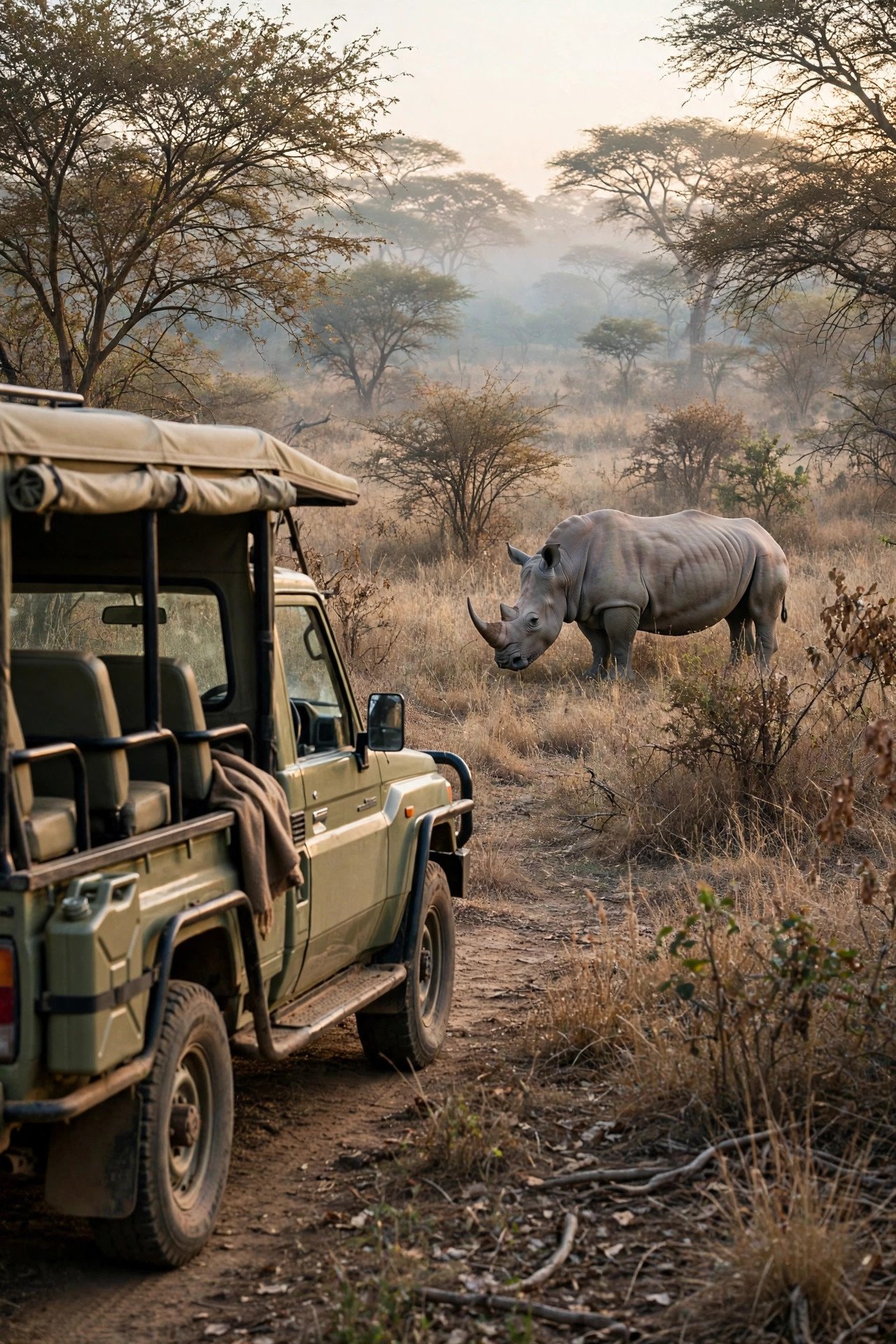
Kruger National Park and its adjoining private reserves make safari planning straightforward: good roads, malaria-conscious health advice from your clinician, and lodges from affordable rest camps to ultra-luxury. Private reserves share unfenced boundaries with the park, so animals roam freely while guides may drive off-road. It is the easiest first safari to combine with Cape Town.
Okavango Delta Water Safari
 📌 Save
Botswana’s Okavango Delta floods with water from Angola just as the dry season arrives, creating channels, lagoons and islands teeming with elephants, hippos, red lechwe and birds. Game viewing mixes vehicle drives with silent mokoro (traditional canoe) outings — a honeymoon pace if ever there was one. Botswana deliberately keeps visitor numbers low, so camps are small and prices sit at the higher end.
Etosha and Desert-Adapted Wildlife
 📌 Save
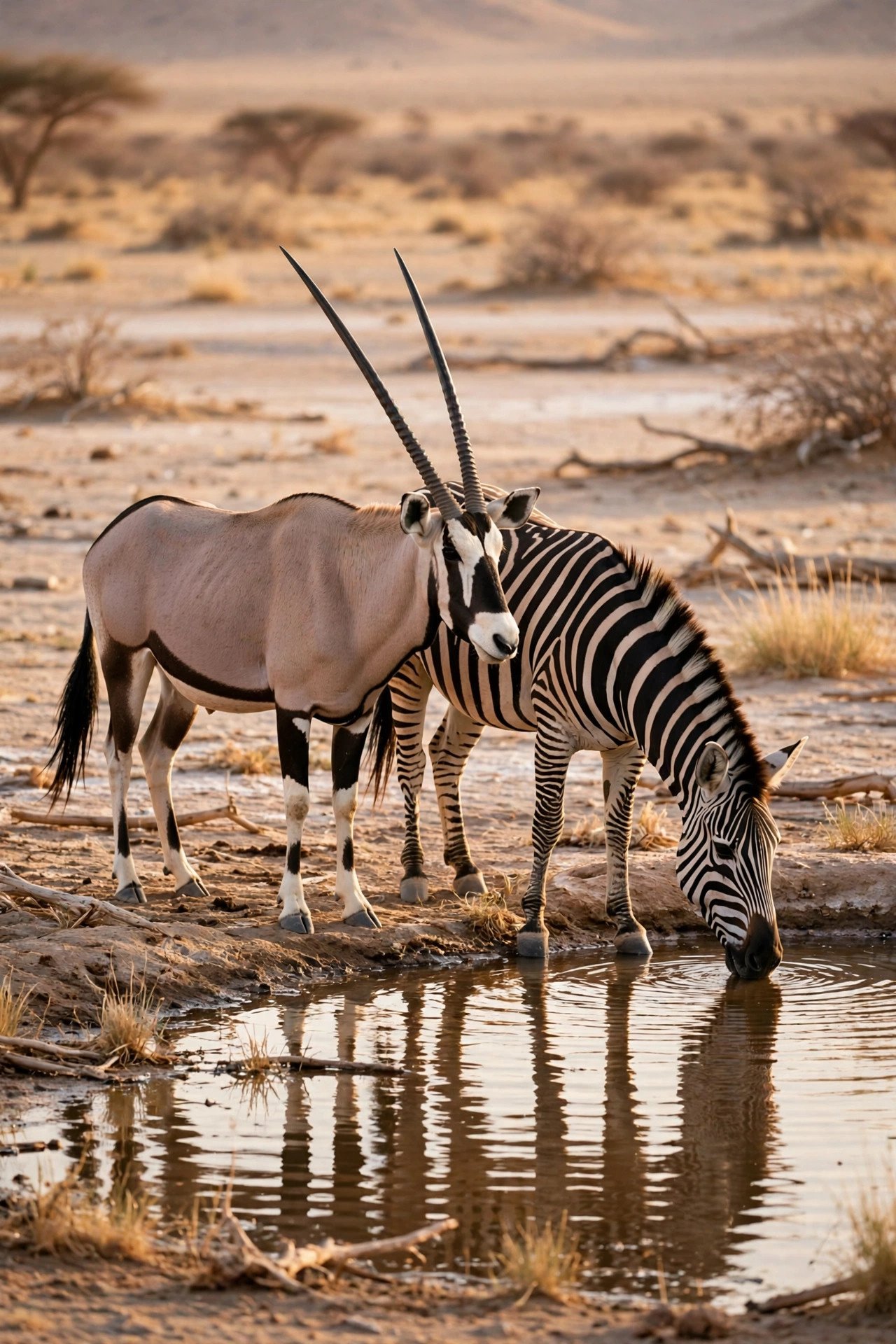
Namibia’s Etosha centres on a vast salt pan and a chain of waterholes where lions, rhino, oryx and springbok gather, especially as the dry season deepens. Floodlit waterholes at some camps turn the evening into theatre — black rhino appearing silently out of the dark. Etosha also suits self-drivers, pairing naturally with the dunes of Sossusvlei.
Amboseli With Kilimanjaro Views
 📌 Save
Kenya’s Amboseli is one of the best places in Africa to watch large elephant herds, and on clear mornings Mount Kilimanjaro fills the horizon behind them. The park is compact, so drives are gentle and sightings come quickly. It combines beautifully with the Masai Mara in a single Kenya itinerary.
Ngorongoro Crater Floor Day
 📌 Save
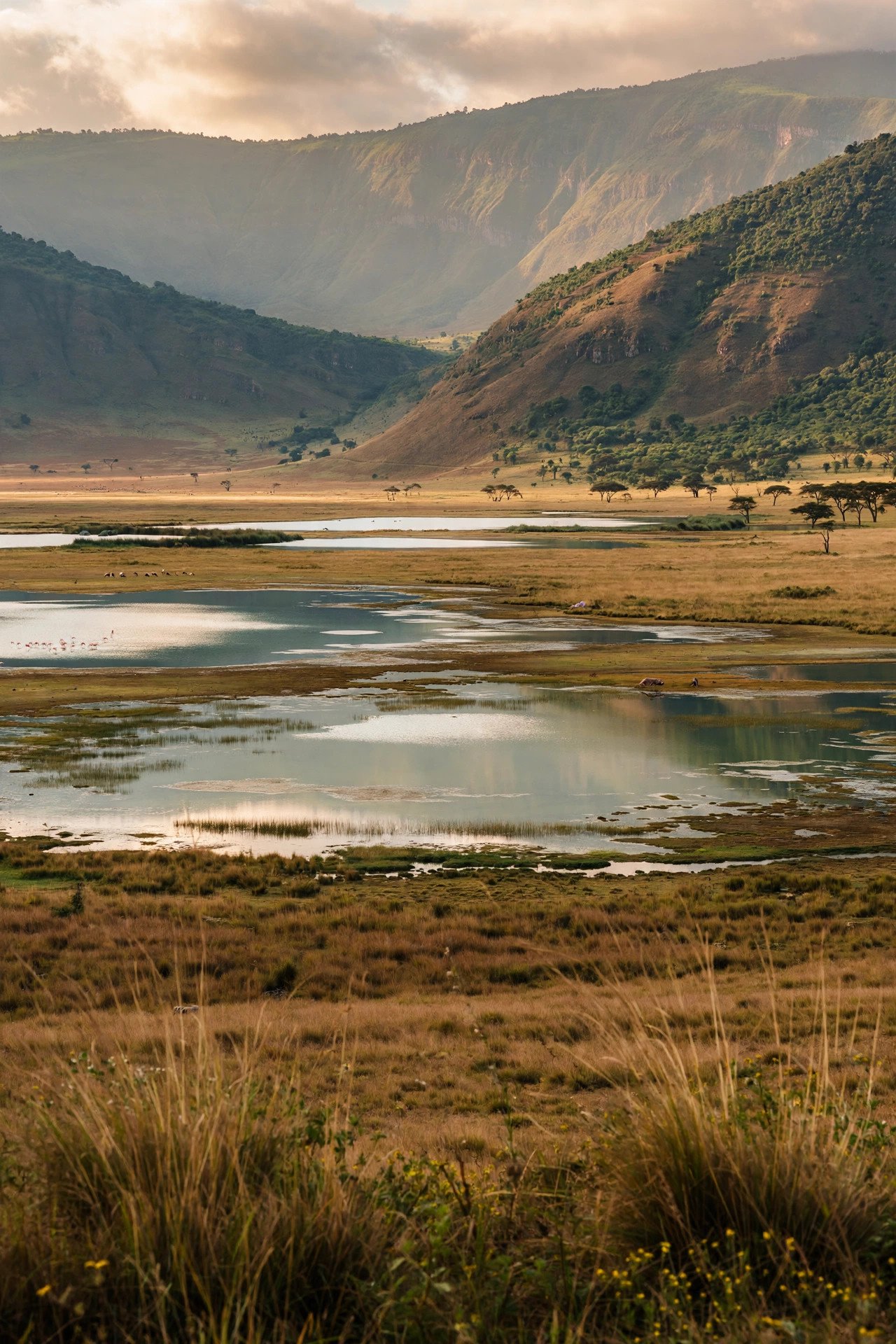
The Ngorongoro Crater — the world’s largest intact volcanic caldera — shelters lions, elephants, hippos and one of Tanzania’s best chances of spotting black rhino, all within its steep walls. Most couples descend for a full day with a picnic lunch by the hippo pool. Lodges perch on the crater rim, where the views at dawn are worth the early chill.
South Luangwa Walking Safari Home
 📌 Save
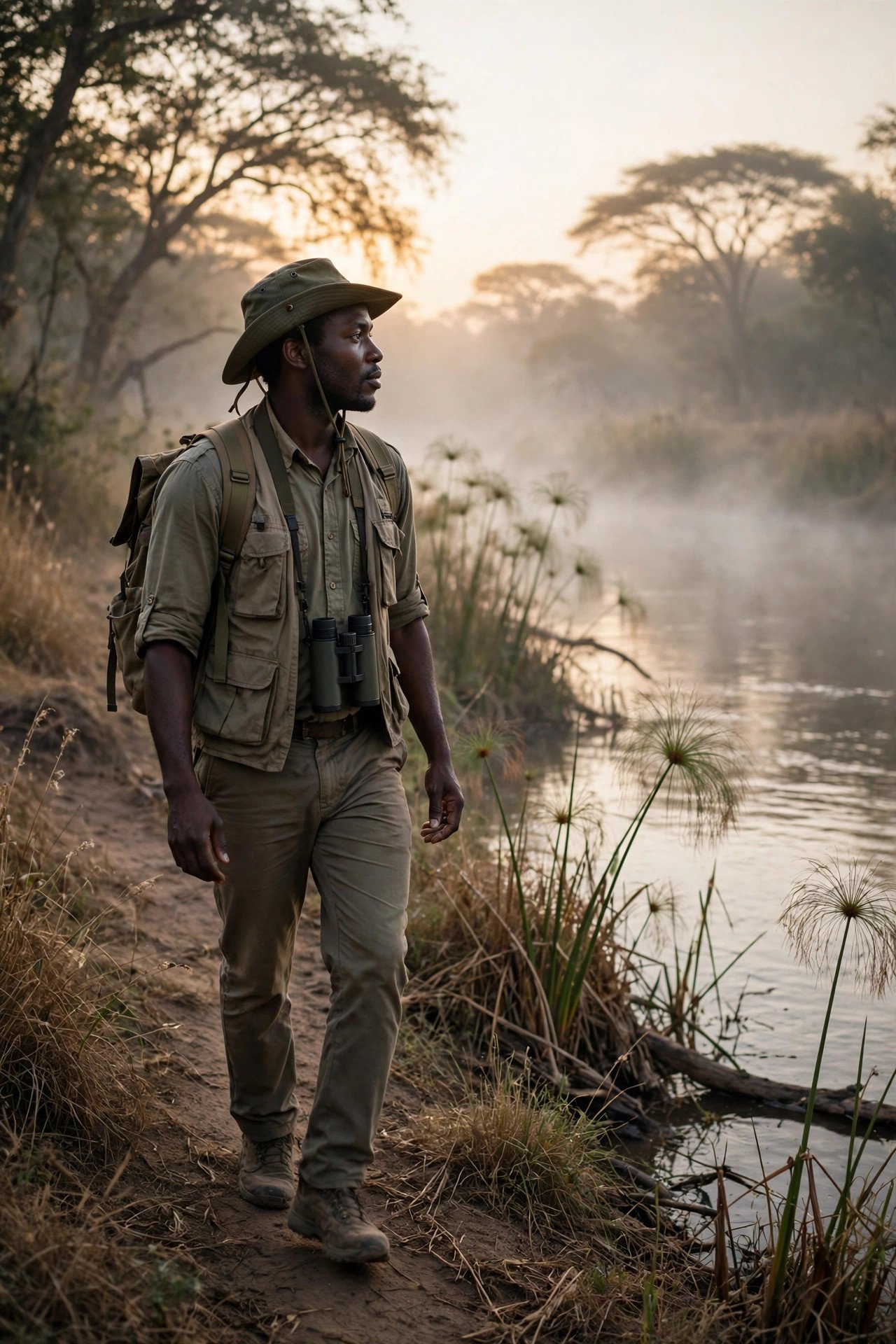
Zambia’s South Luangwa is the birthplace of the walking safari and one of the finest places to track game on foot with highly trained guides and an armed scout. The Luangwa River draws leopards in remarkable numbers — the valley’s nickname is well earned. Camps are rustic-luxurious and the whole experience feels wilder and more personal.
Hwange Elephant Country
 📌 Save
Zimbabwe’s Hwange is famous for some of Africa’s largest elephant herds, which crowd the pumped waterholes in the dry season, and for guides whose multi-year training is legendary in the safari world. Visitor numbers are lower than in the headline parks, so sightings feel private. It pairs naturally with Victoria Falls, a short hop away.
Chobe River Safari by Boat
 📌 Save
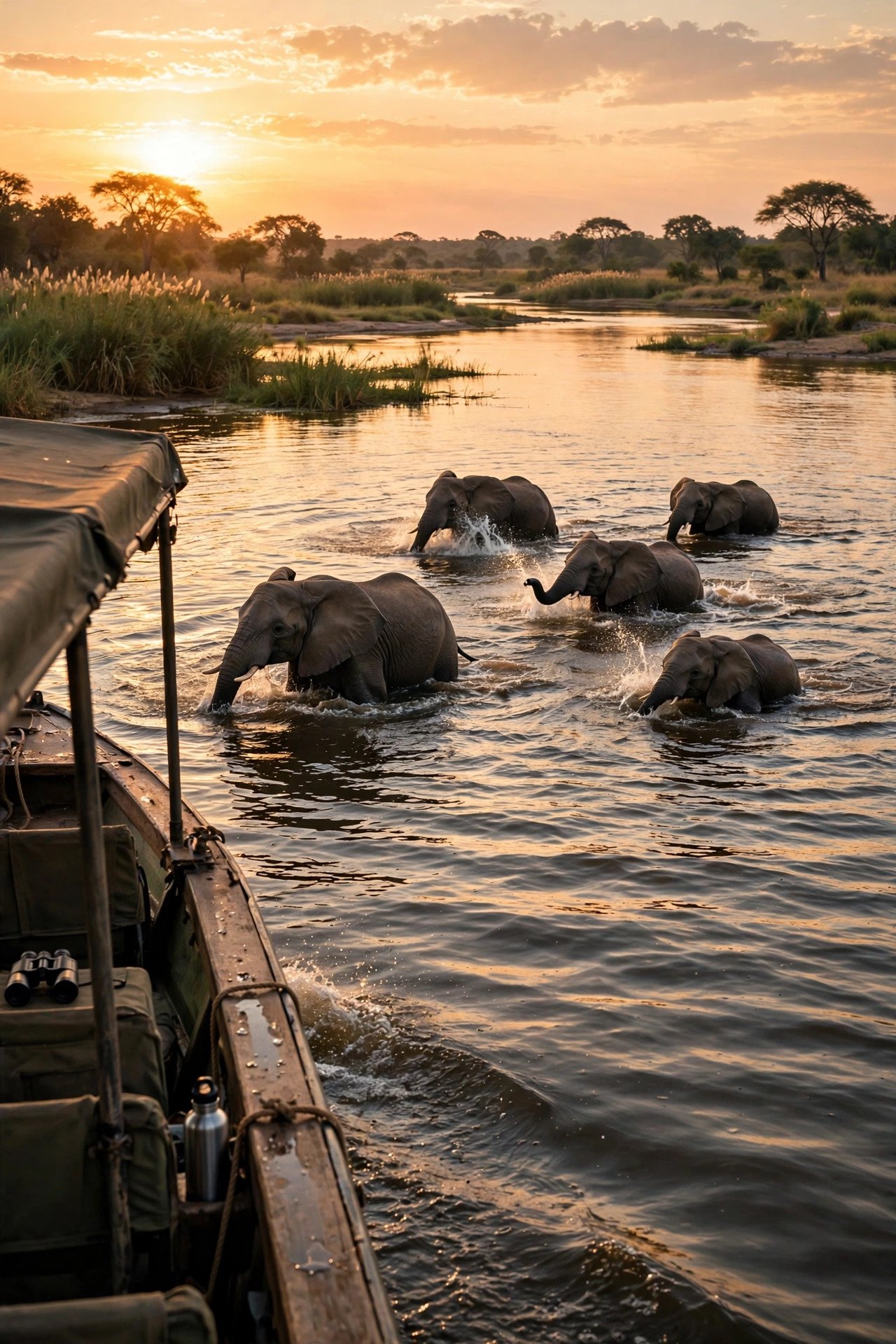
Botswana’s Chobe National Park fronts a great river where elephants swim between islands, buffalo line the banks and fish eagles call from the trees. Afternoon boat outings are the signature experience — a gentle, golden way to watch game after a morning drive. Chobe works beautifully as an add-on to Victoria Falls or the Okavango.
Canvas Tented Camp Under the Stars
 📌 Save
The classic safari stay: a large canvas tent with a proper bed, en-suite bathroom and a veranda facing the bush, often with an outdoor shower. Evenings gather around the fire for dinner under the sky. Tented camps feel adventurous without giving up a single comfort that matters.
River Lodge With a Private Plunge Pool
 📌 Save
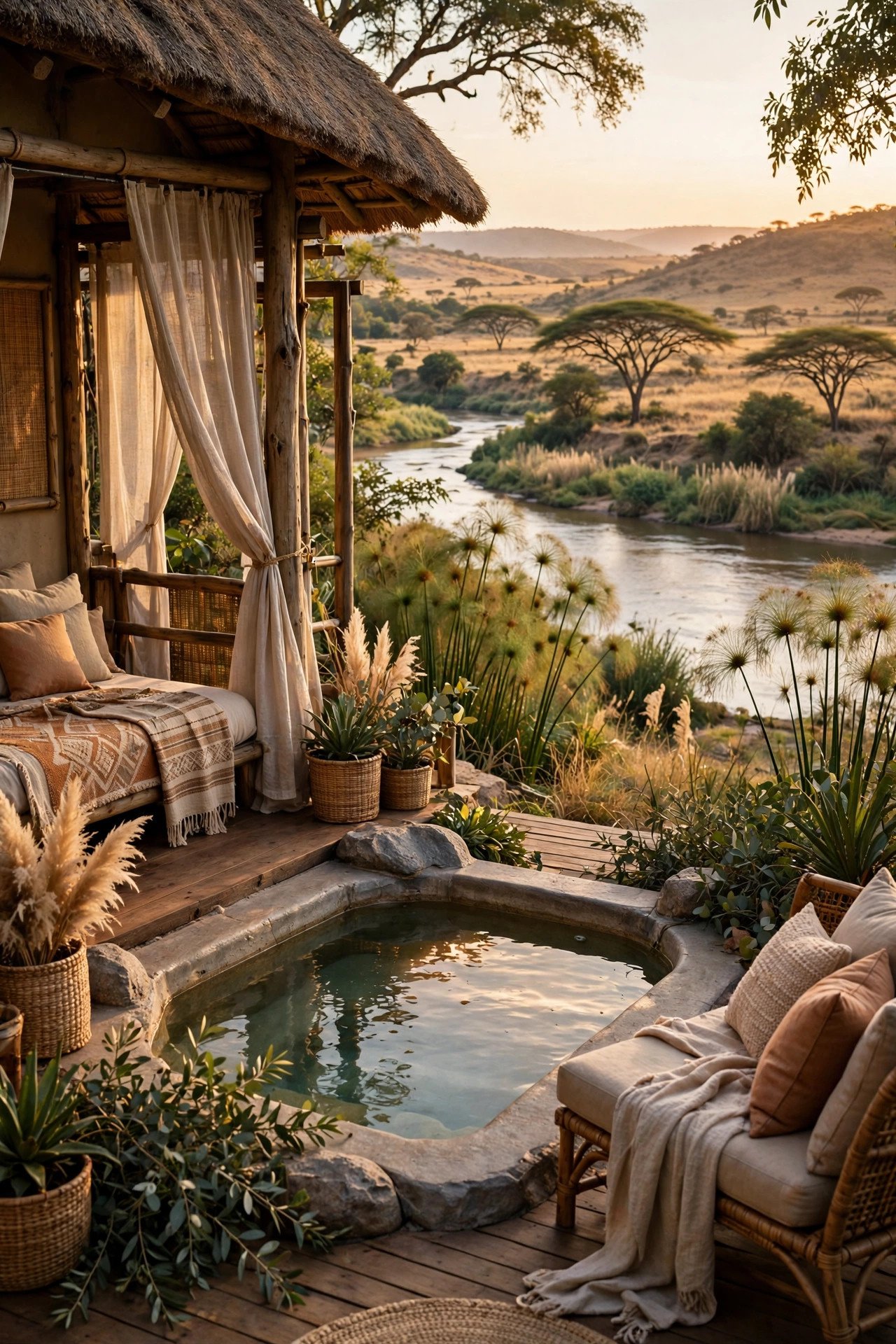
Lodges along rivers and lagoons build decks and plunge pools facing the water, so hippos, elephants and antelope provide the afternoon entertainment while you rest between drives. Rooms are usually permanent suites with big bathrooms and outdoor showers. This is the lodge style to choose for a longer, lazier stay.
Treehouse and Star-Bed Nights
 📌 Save
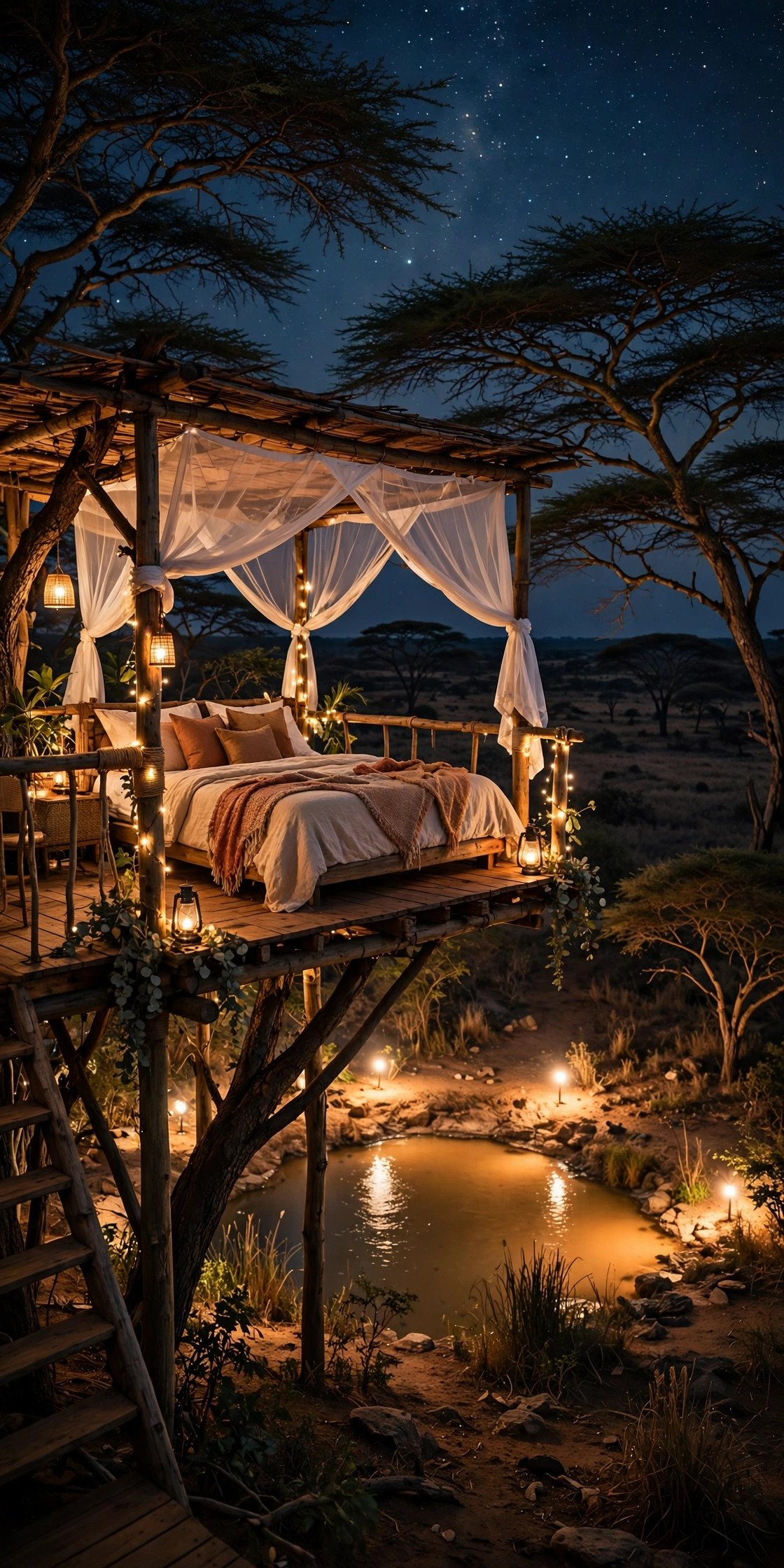
Some camps offer a raised treehouse platform or star bed — a four-poster under a mosquito net on a deck above the bush, sometimes overlooking a floodlit waterhole. You fall asleep to stars and night sounds, with a radio link to camp for total peace of mind. Book it for the middle night of a stay so weather can flex either way.
Sunrise Game Drive
 📌 Save
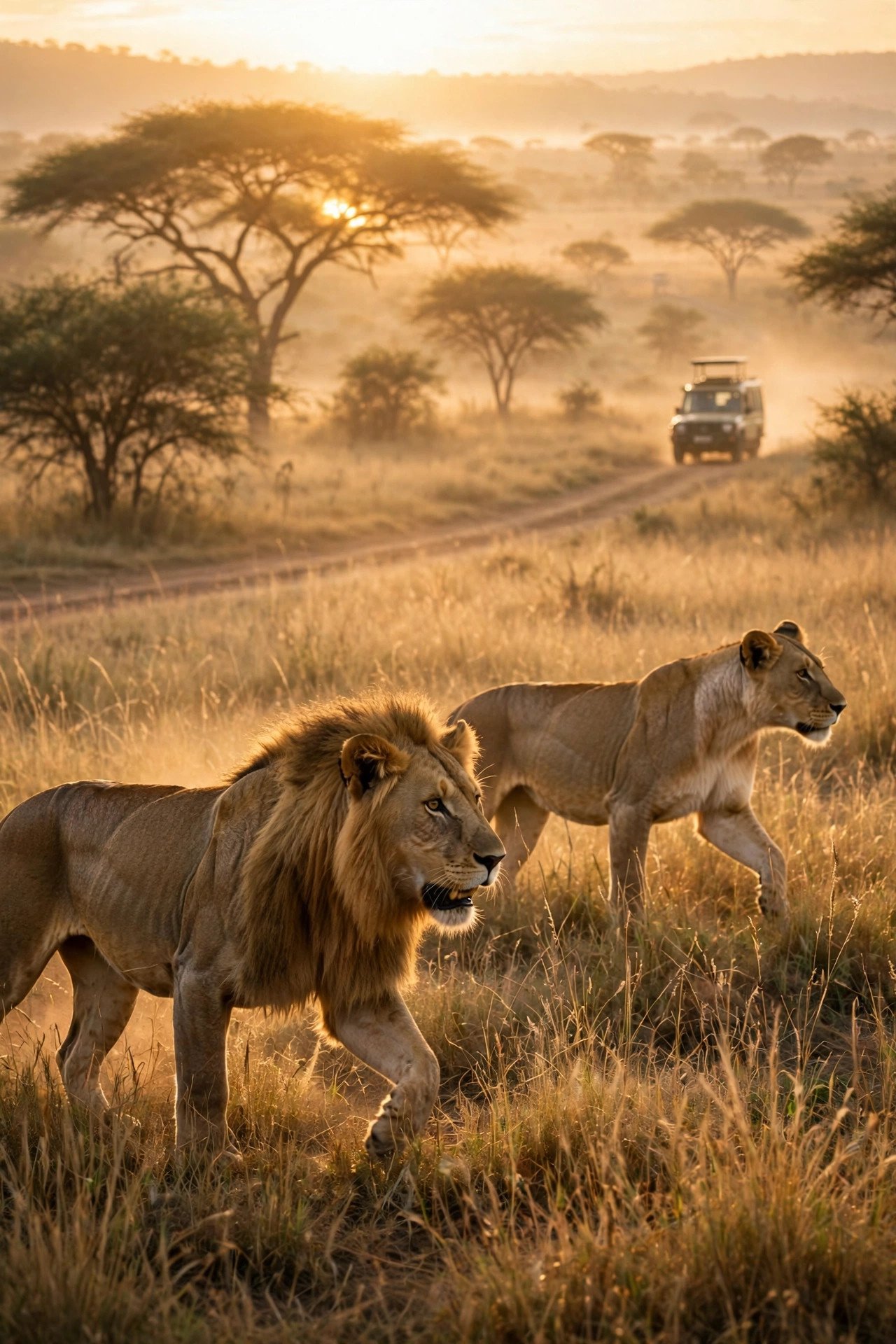
The dawn drive leaves in the dark and watches the savanna switch on: predators still active, herbivores moving to water, and light photographers dream about. A coffee stop in the bush as the sun climbs is part of the ritual. You earn the lazy afternoon by the pool that follows.
Sunset Drive and Sundowner Stop
 📌 Save
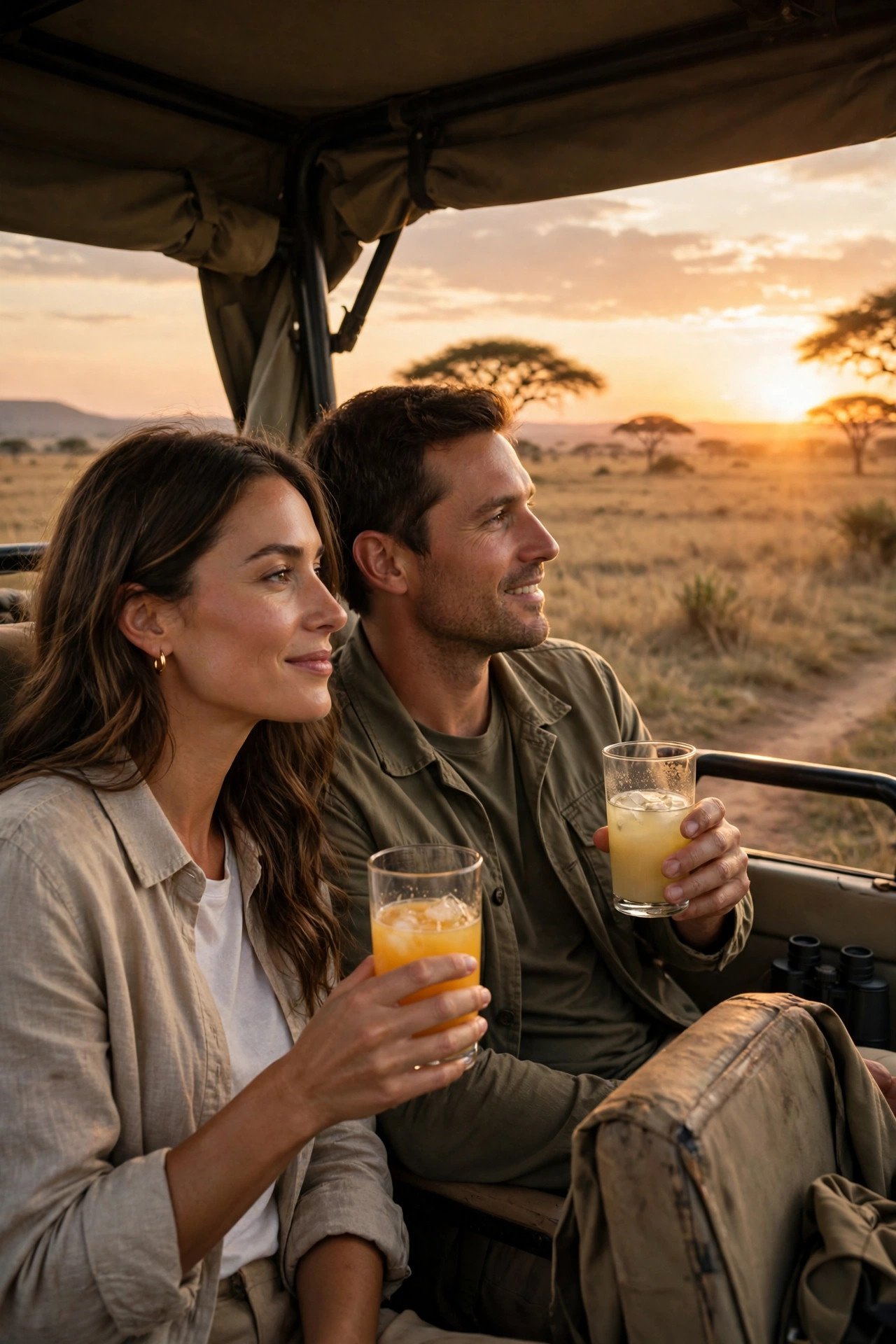
Afternoon drives end at a viewpoint for the sundowner ritual — today that means sparkling juice, iced tea or a favourite soft drink as the sky turns orange and nocturnal animals begin to stir. Many drives continue briefly after dark with a spotlight, a first taste of the night shift. It is the most romantic hour of the safari day.
Full-Day Drive With a Bush Picnic
 📌 Save
A full-day drive ranges far from camp — to a migration crossing point, a distant pan or a famous pride’s territory — with a picnic lunch unpacked in the shade of an acacia. It suits couples who want one epic, unhurried day rather than two short outings. Camps usually schedule it mid-stay, once you know what you most want to see.
Night Drive With a Spotlight
 📌 Save
After dark, a filtered spotlight reveals the bush’s second cast: bushbabies in the trees, porcupines, aardvark if you are lucky, and predators on the move. Night drives are generally allowed in private reserves and conservancies rather than national parks. One night drive per stay is enough to change how you hear the dark forever.
Guided Walking Safari Morning
 📌 Save
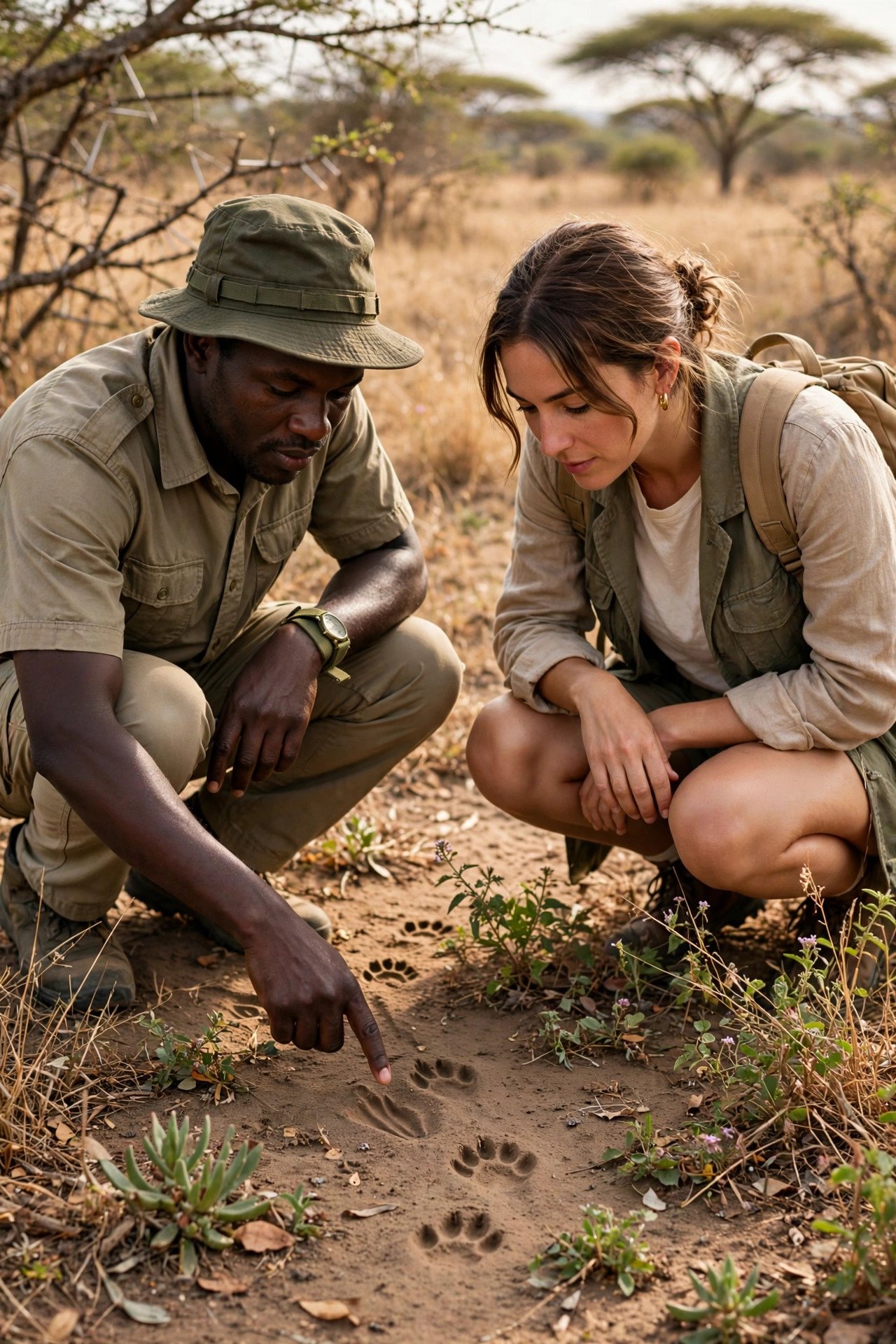
On foot, the safari shrinks to the fascinating small scale: fresh tracks read like headlines, medicinal plants, dung beetles and birds you would drive straight past. Licensed walking guides set a calm, single-file pace and safety is meticulous. Mornings of two to three hours suit most fitness levels.
Hot-Air Balloon Over the Plains
 📌 Save
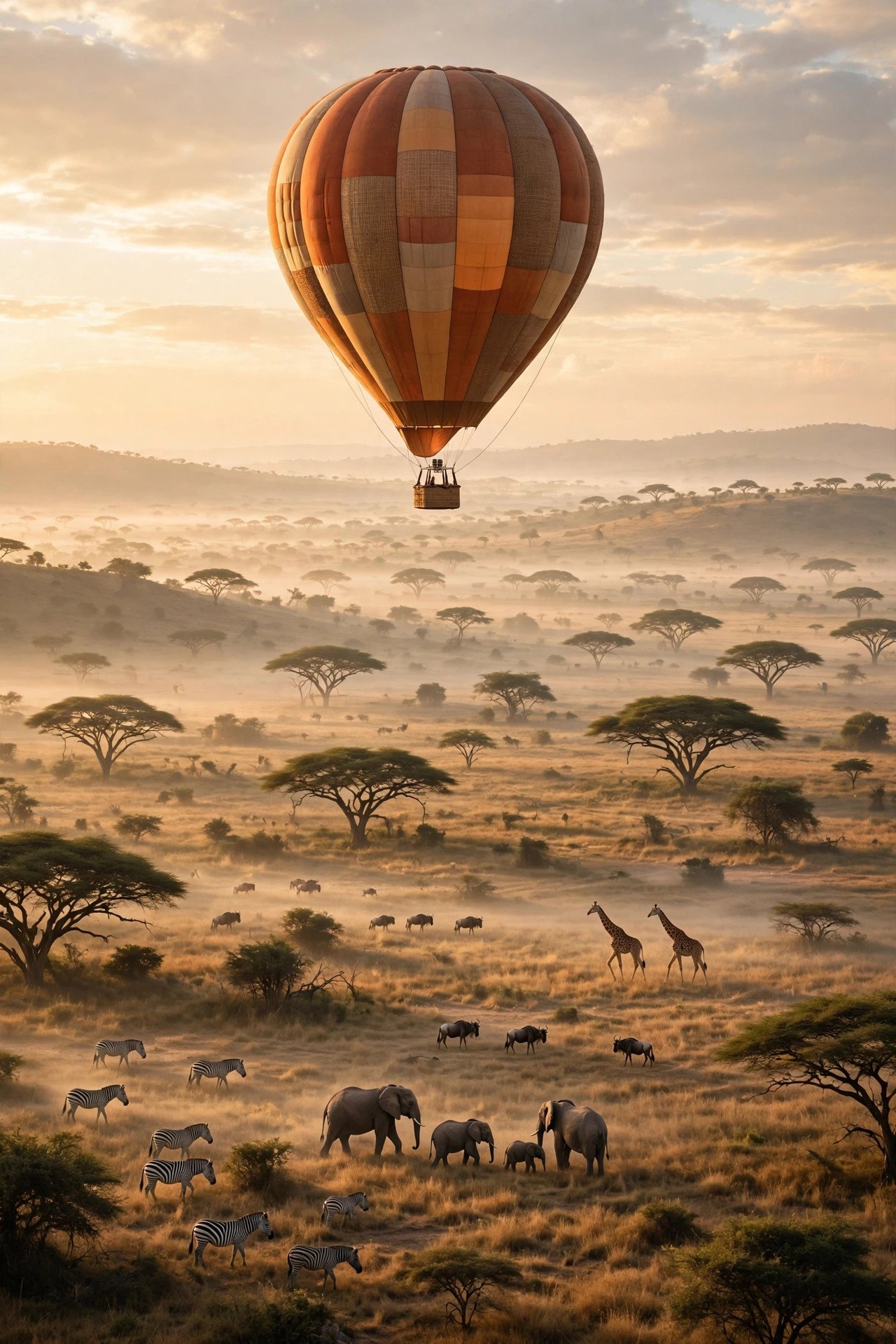
In the Serengeti and Masai Mara, balloon flights lift off at dawn and drift over herds and rivers for about an hour, landing to a bush breakfast with sparkling juice to celebrate. It is a splurge — typically several hundred dollars per person — and one couples consistently call the highlight of the trip. Flights depend on calm weather, so schedule early in your stay to allow a retry.
Private Vehicle and Your Own Guide
 📌 Save
A private vehicle means the drive bends around you: longer at the sightings you love, no compromise with strangers’ wish lists, and space to spread camera gear. For honeymooners it also simply feels more private and relaxed. Many couples book it for just their two most important drive days to manage cost.
Birding and the Small Five
 📌 Save
Every safari region hides a second safari for anyone who looks up: rollers, hornbills, cranes, kingfishers and — in the wet months — migrants from Europe. Guides love guests who ask about birds; the whole drive changes pace and attention. The playful ‘small five’ — like the elephant shrew and leopard tortoise — make a fun list to complete alongside the big one.
Respectful Cultural Village Visit
 📌 Save
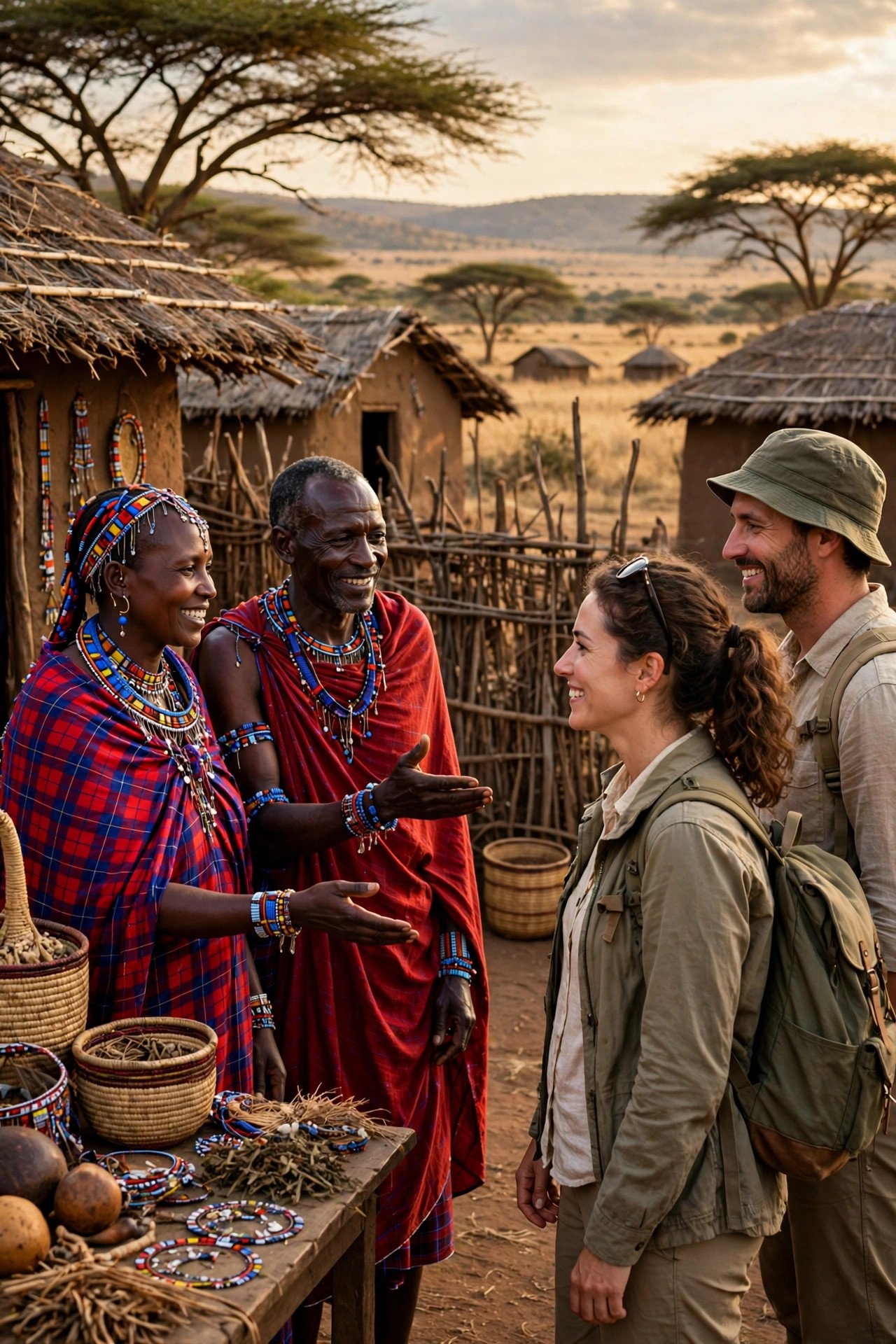
Many regions offer visits hosted by local communities — Maasai villages near the Mara and Serengeti among them — where hosts share daily life, traditions and crafts, and entry fees support the community directly. Go with curiosity, ask before photographing people, and buy crafts you genuinely like. Done respectfully, it is often the conversation couples return to most.
Dry Season: Easy Viewing, Big Gatherings
 📌 Save
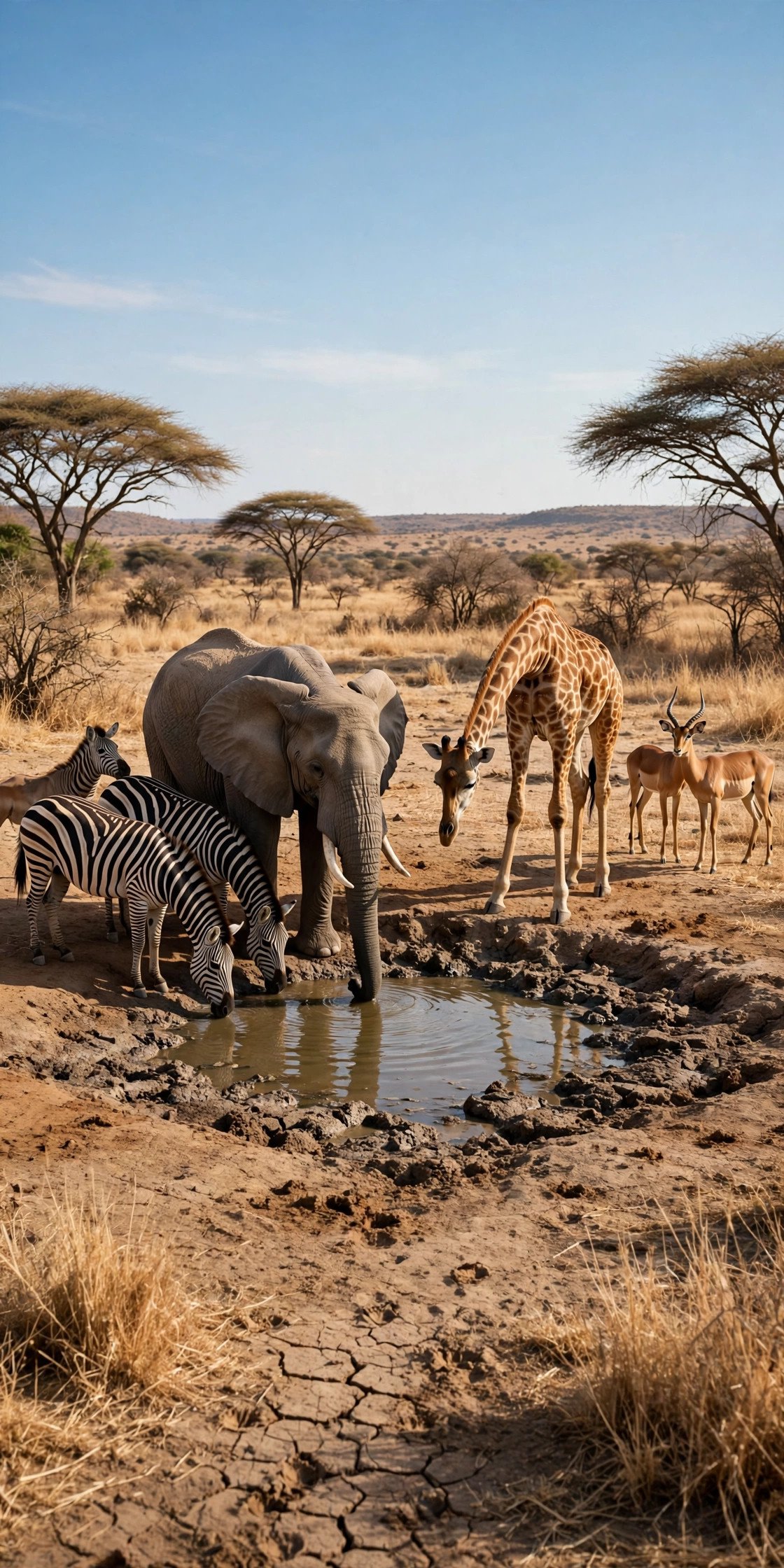
In the long dry season, animals concentrate at water, vegetation thins, and roads stay firm — viewing is at its easiest and migration river crossings peak in the Mara and northern Serengeti. It is also peak pricing season and the most popular months book up a year ahead for the best small camps. Early dry season, June, balances good viewing with slightly gentler rates.
Green Season: Lush, Quiet and Full of Young
 📌 Save
The rains transform the bush: emerald grass, wildflowers, birthing season for antelope, superb birding and far fewer vehicles — with lodge rates often noticeably lower. Showers usually come as afternoon storms rather than all-day rain, and photography loves the clean air. Some remote camps close in the wettest weeks, so choice narrows in a few regions.
Budget, Health and Packing Planning
 📌 Save
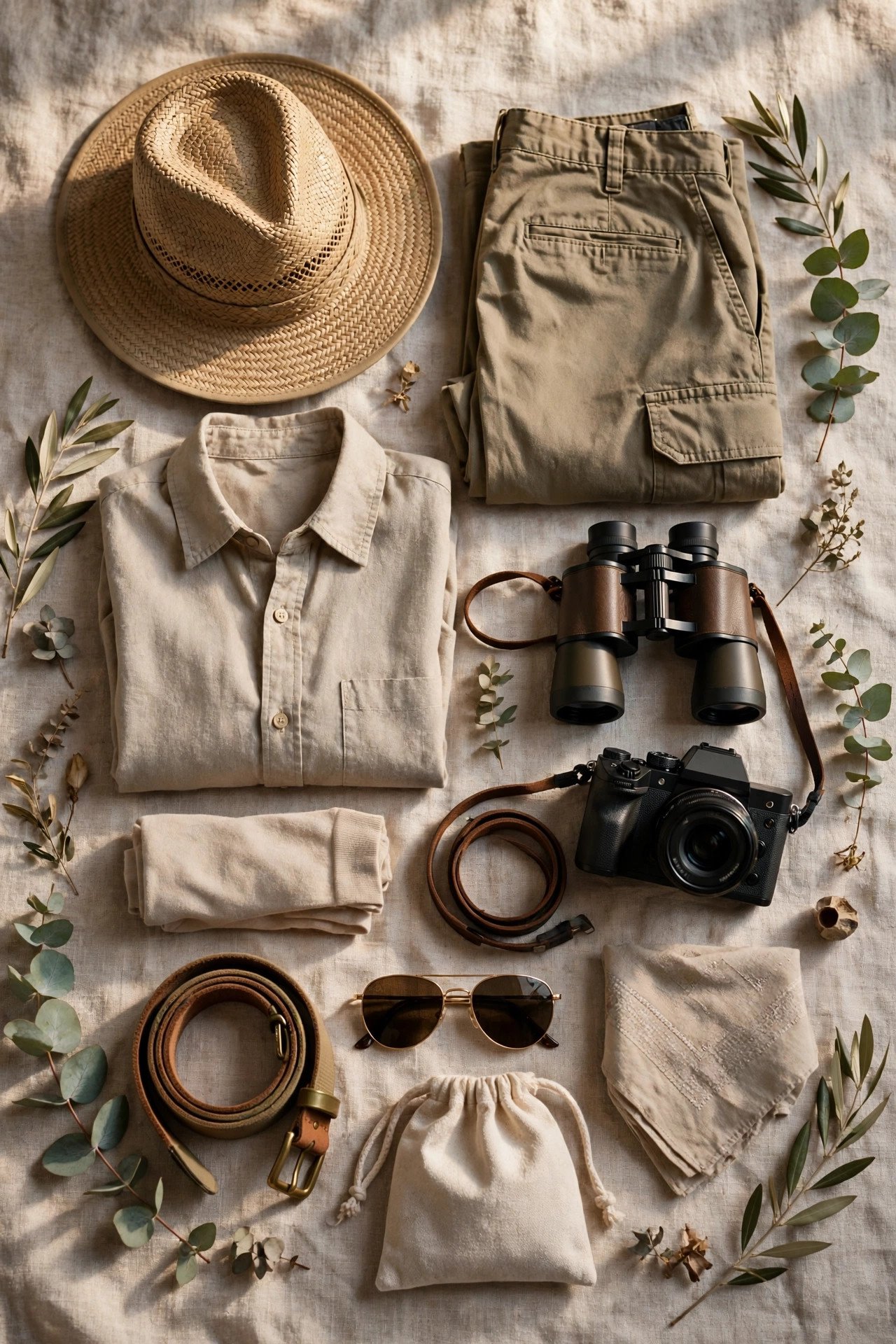
Budget honestly: most couples spend roughly $400 to $1,200 per person per night at mid-range to luxury lodges in peak season, with park fees, transfers and internal flights added, while green-season and self-drive options cost far less. Start health planning months ahead — vaccinations and malaria advice depend on your exact route, so see a travel clinician early. Pack soft duffel bags, neutral layers, a warm fleece for dawn drives, sun protection and the best binoculars you can borrow or buy.
Honeymoon Safari Guide FAQs
How much does a safari honeymoon typically cost?+
Most couples spend roughly $400 to $1,200 per person per night at mid-range to luxury lodges in peak season, plus park fees and internal flights, so a seven-night safari often lands between about $6,000 and $18,000 for two before international flights. Green-season travel and regions like Kruger can cost significantly less.
When is the best time of year for a safari honeymoon?+
For first-time safari-goers, the dry season — roughly June to October in East and Southern Africa — offers the easiest wildlife viewing. The green season brings lush scenery, baby animals, great birding and lower rates, so the honest answer is that both seasons reward you, just differently.
Is a safari honeymoon safe?+
Safari lodges have run game activities for decades with highly trained guides, strict rules around wildlife, and careful camp protocols, and the standard advice is simply to follow your guide’s instructions at all times. Discuss vaccinations, malaria prevention and travel insurance with your clinician and insurer well before you travel, as advice depends on your route.
How many nights do we need on safari?+
Five to seven nights split between two camps is the sweet spot for most honeymooners — enough to settle into safari rhythm without drive fatigue. Three nights works as an add-on to a beach or city stay, but try to give each camp at least two nights so one rainy drive never defines the stay.
Can we combine a safari with a beach finish?+
Yes, and it is the classic honeymoon structure: Kenya pairs the Masai Mara with its own coast, Tanzania pairs the Serengeti with Zanzibar, and South Africa pairs Kruger or a private reserve with Cape Town and the Garden Route. A few slow beach days after dawn alarms is exactly the right ending.
Key Takeaways
- Pick the region by the experience you want: migration, water safari, elephants or walking.
- Dry season (about June to October) is easiest for viewing; green season is lush, quiet and better value.
- Small camps book out a year ahead in peak season — start planning early.
- Budget with typical ranges, then confirm live rates; park fees and internal flights add up.
- Give each camp at least two to three nights and try one special experience — a balloon flight, star bed or walking morning.
Final Thoughts
A safari honeymoon asks a little more planning than a beach week and gives back more than almost any trip you will ever take: dawn light, wild animals living their own lives around you, and evenings by the fire with nowhere else to be. Choose your region, trust your guides, and let safari time do the rest.