Wedding Menus for Dietary Restrictions (2027)
By zainzari • Published October 23, 2026 • Updated October 23, 2026
 📌 Save
A wedding menu for dietary restrictions works when you collect needs on the RSVP, brief your caterer in writing, and serve labeled, separately plated meals for allergy guests while building naturally inclusive dishes — vegan, gluten-free and nut-aware — into the main menu for everyone.
Almost every 2027 guest list includes someone who eats differently: a cousin with celiac disease, a vegan college friend, an uncle who keeps halal, a bridesmaid with a serious nut allergy. Planning for them is not extra work bolted onto your menu — it is simply good hosting, and it is far easier when you start at the RSVP stage instead of the week before the wedding.
This guide walks through the 25 moves that matter, from wording your RSVP card to briefing serving staff on the day. The goal is twofold: keep allergy guests genuinely safe from cross-contact, and make every restricted plate feel like a celebration rather than an afterthought.
At a Glance: Needs, Risks & Fixes
| Need | Watch For | Simple Fix |
|---|---|---|
| Gluten-free / celiac | Shared tongs, crumbs, sauces | Separate plated meal, labeled and covered |
| Nut allergy | Shared boards, desserts | Nut-free zone, ingredient cards |
| Vegan | Hidden dairy, eggs, honey | A full entrée, not just sides |
| Dairy-free | Butter, cream sauces | Olive-oil and coconut swaps |
| Halal / kosher-style | Meat sourcing, mixing | Ask your caterer early, plate separately |
Use this table at your tasting: walk it line by line with your caterer and note who owns each fix on the day.
Start With the RSVP Card
 📌 Save
Ask about allergies and dietary needs on the RSVP itself, not in a follow-up scramble. One printed line plus the same question on your wedding website catches nearly everyone, and the replies give your caterer months — not days — to plan safe, delicious plates.
Build a Named Guest-Needs List
 📌 Save
Turn RSVP replies into one simple list: guest name, table number, and exact need. Caterers serve special plates by seat, so a named list prevents the classic mix-up where a gluten-free entrée lands in front of the wrong guest.
Brief Your Caterer in Writing
 📌 Save
Verbal promises disappear on a busy wedding day, so email your caterer the full needs list and ask for written confirmation of how each plate will be handled. That email thread is your safety net if staffing changes before your date.
Know the Big Allergens
 📌 Save
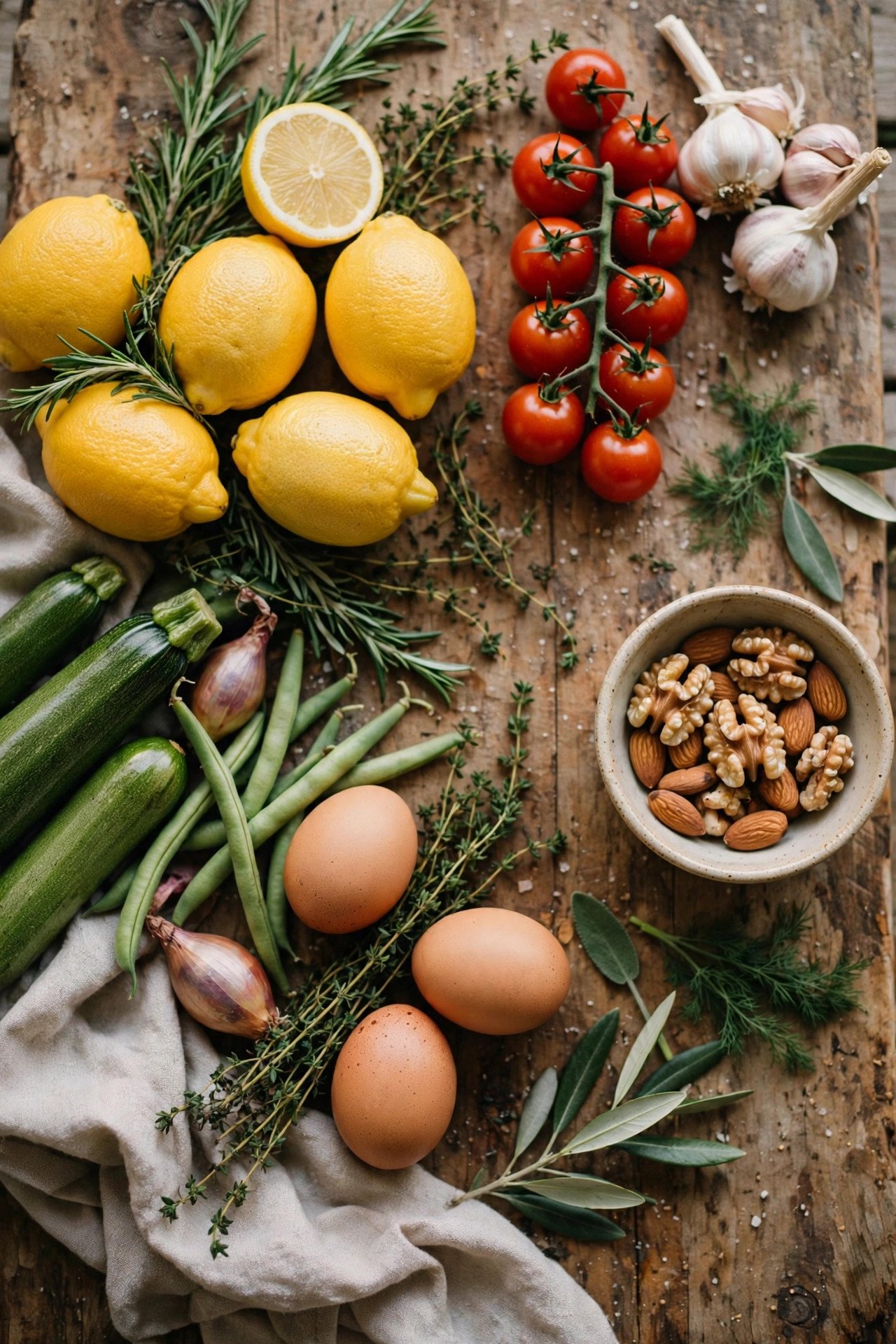
In the USA, the most common food allergens include milk, eggs, fish, shellfish, tree nuts, peanuts, wheat, soy, and sesame. You do not need a medical degree — just make sure your menu notes flag which dishes contain them so guests and servers can answer questions fast.
Separate Utensils for Every Dish
 📌 Save
Cross-contact most often happens through shared serving tools at a buffet. Give every dish — especially the gluten-free, nut-free, and vegan ones — its own tongs or spoon, and ask staff to replace any utensil that migrates between dishes during service.
Plate Allergy Meals in the Kitchen
 📌 Save
For true allergies and celiac guests, a plated meal prepared and covered in the kitchen is safer than a buffet trip. The plate travels straight from a clean surface to the right seat, untouched by other food, other utensils, or other guests.
Label Buffet Dishes Clearly
 📌 Save
Small tent cards in front of each dish should carry the dish name plus plain-language flags: contains nuts, contains dairy, gluten-free, vegan. Guests with restrictions can then build a plate confidently without hunting down a server for every item.
Design a Hero Vegan Entrée
 📌 Save
A vegan entrée should be a destination dish, not steamed vegetables beside the real food. Think roasted cauliflower steak with romesco-style sauce, stuffed peppers with herbed grains, or a rich mushroom and lentil dish that meat-eaters happily trade bites for.
Make Gluten-Free Feel Normal
 📌 Save
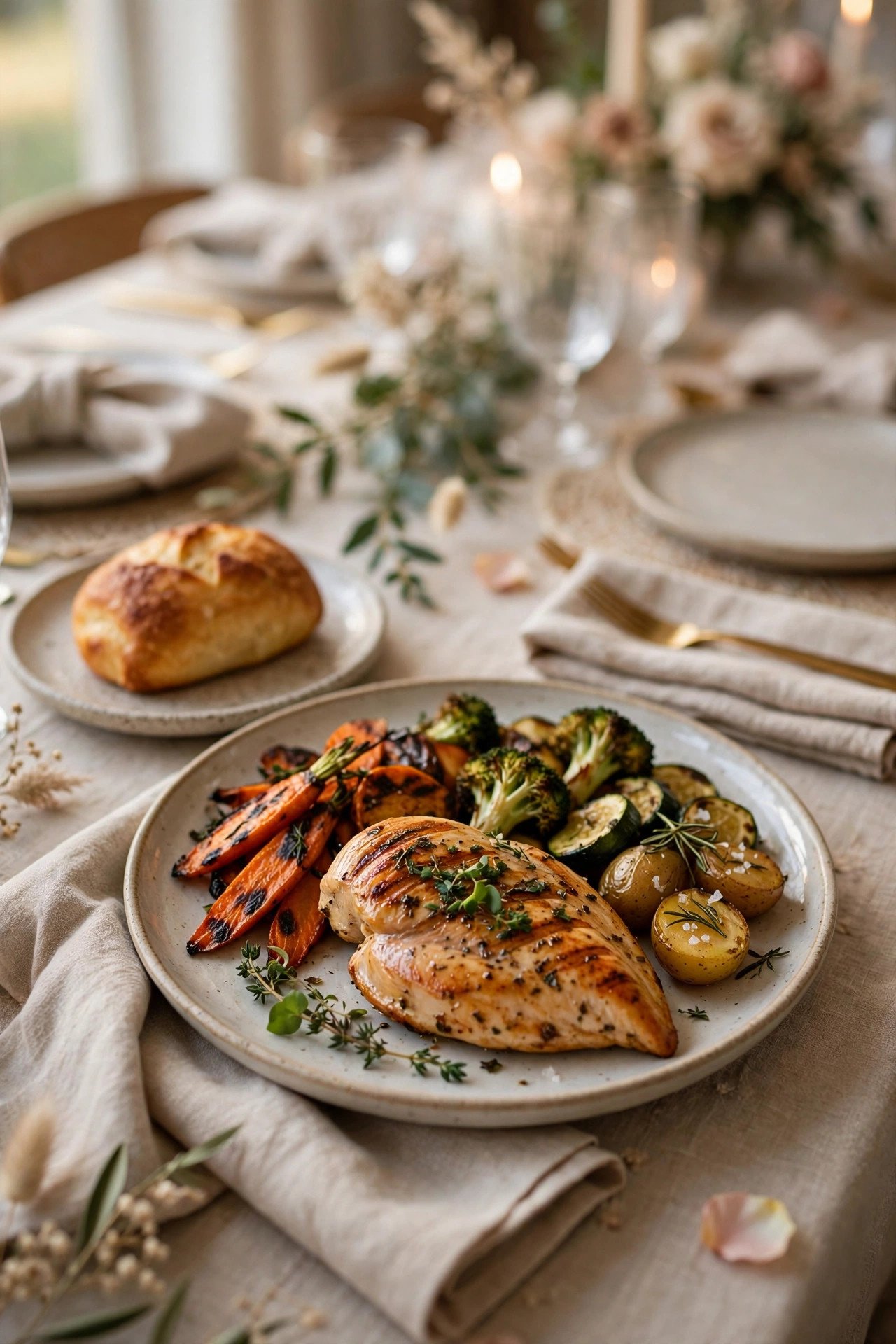
Gluten-free guests notice effort: a warm gluten-free roll at their setting, a pasta or grain dish that is naturally gluten-free, and a dessert they can actually eat. Build these into the main menu where possible so nobody feels singled out.
Keep Nuts Off the Main Stage
 📌 Save
Nuts hide everywhere at weddings — pesto, salads, crusts, and nearly every dessert table. If any guest has a nut allergy, consider a nut-free main menu and keep any nut items physically separate, clearly labeled, and served with dedicated utensils.
Offer a Dairy-Free Path
 📌 Save
Dairy-free is one of the easiest needs to honor well: olive oil instead of butter on vegetables, coconut or oat-based sauces, and sorbet alongside cake. Ask your caterer to mark which standard dishes are already dairy-free before inventing new ones.
Plan for Halal and Kosher-Style Guests
 📌 Save
For guests who keep halal or kosher-style diets, sourcing and separation both matter, and rules vary by person. The respectful move is simple: ask the guest what works for them, then confirm with your caterer — many can source certified meats or prepare a sealed, approved meal.
Handle Kids’ Needs Separately
 📌 Save
Children with restrictions do best with familiar formats: plain pasta, grilled chicken, fruit cups, and safe versions of whatever the kids’ menu offers. Confirm each child’s need with the parent, and seat the special plate with a discreet marker parents can spot.
Give Dessert Parity
 📌 Save
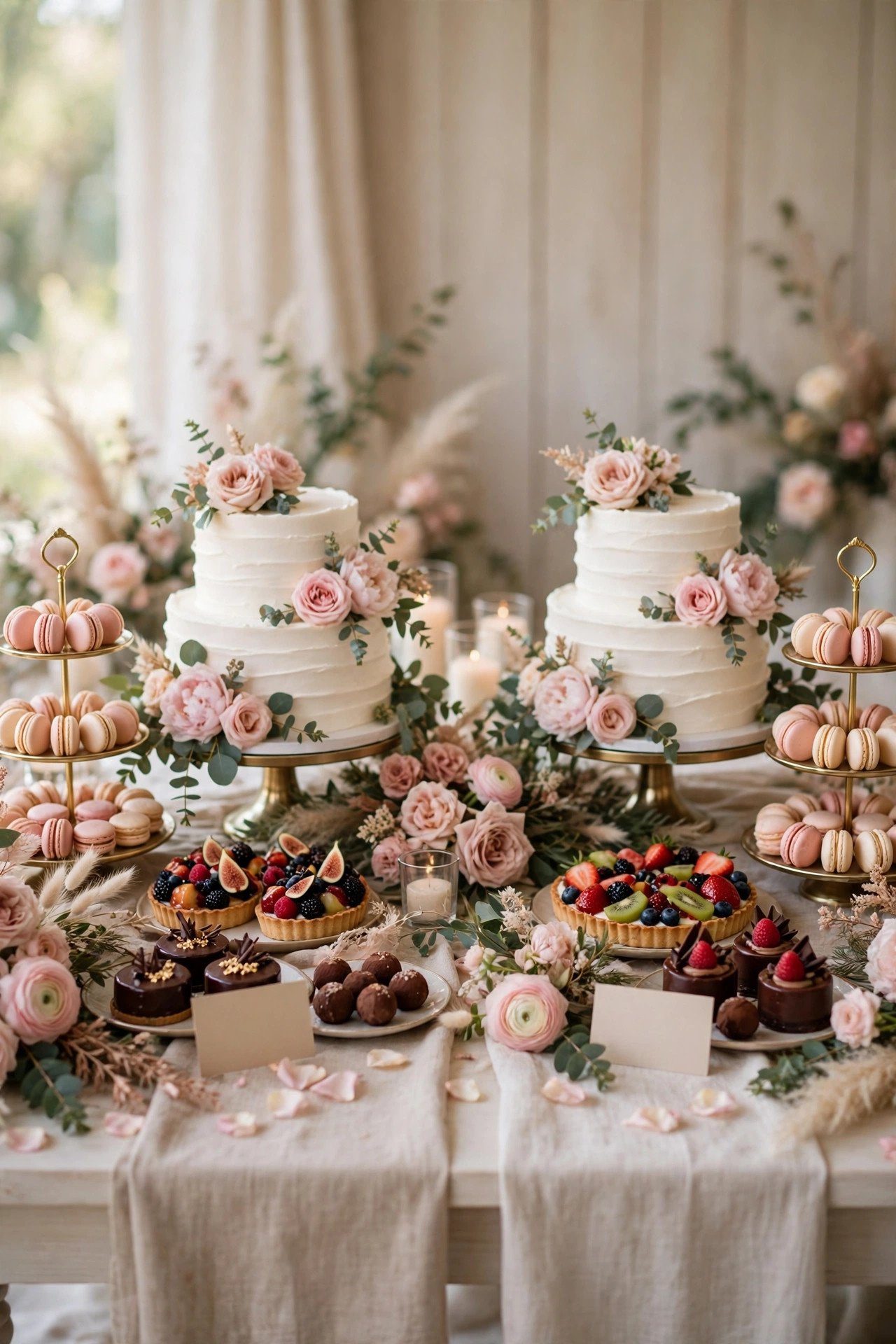
Nothing stings like watching everyone eat cake while your plate stays empty. Order a small number of allergy-safe desserts — flourless chocolate cake, sorbet cups, or certified gluten-free slices — kept boxed and separate until serving, then plated in the kitchen.
Stations Need a Safety Plan
 📌 Save
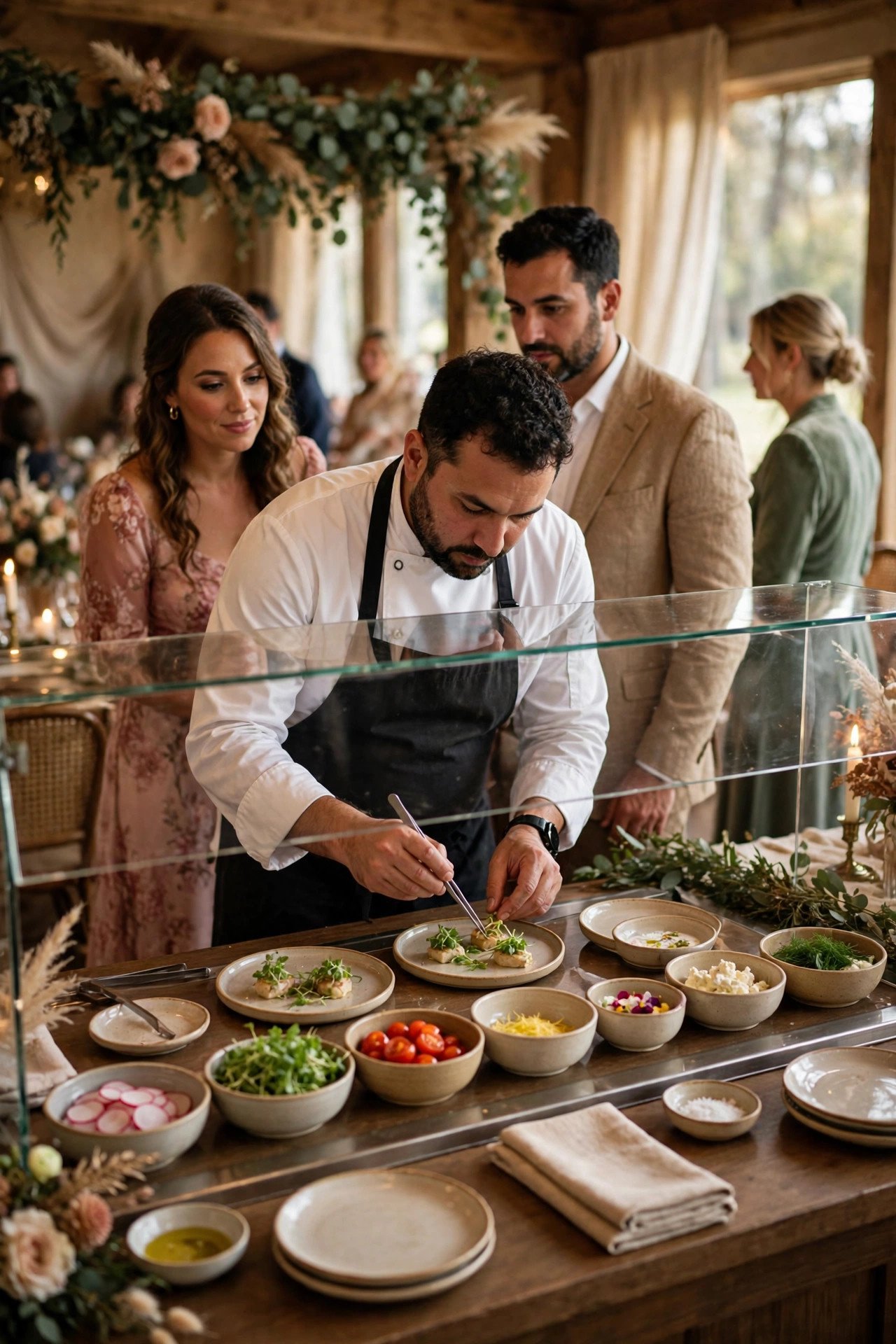
Live stations are fun but chaotic, and chaos is where cross-contact happens. Ask for staffed stations, one ingredient change per station at a time, and a small ‘made fresh for allergies’ option where the cook prepares a restricted portion on a clean pan.
Train the Day-Of Team
 📌 Save
Ten minutes before doors open, walk servers through the special plates: how many, which seats, what the markers mean. Servers who understand the ‘why’ handle plates carefully; servers who were never told simply guess.
Watch the Welcome Hour Snacks
 📌 Save
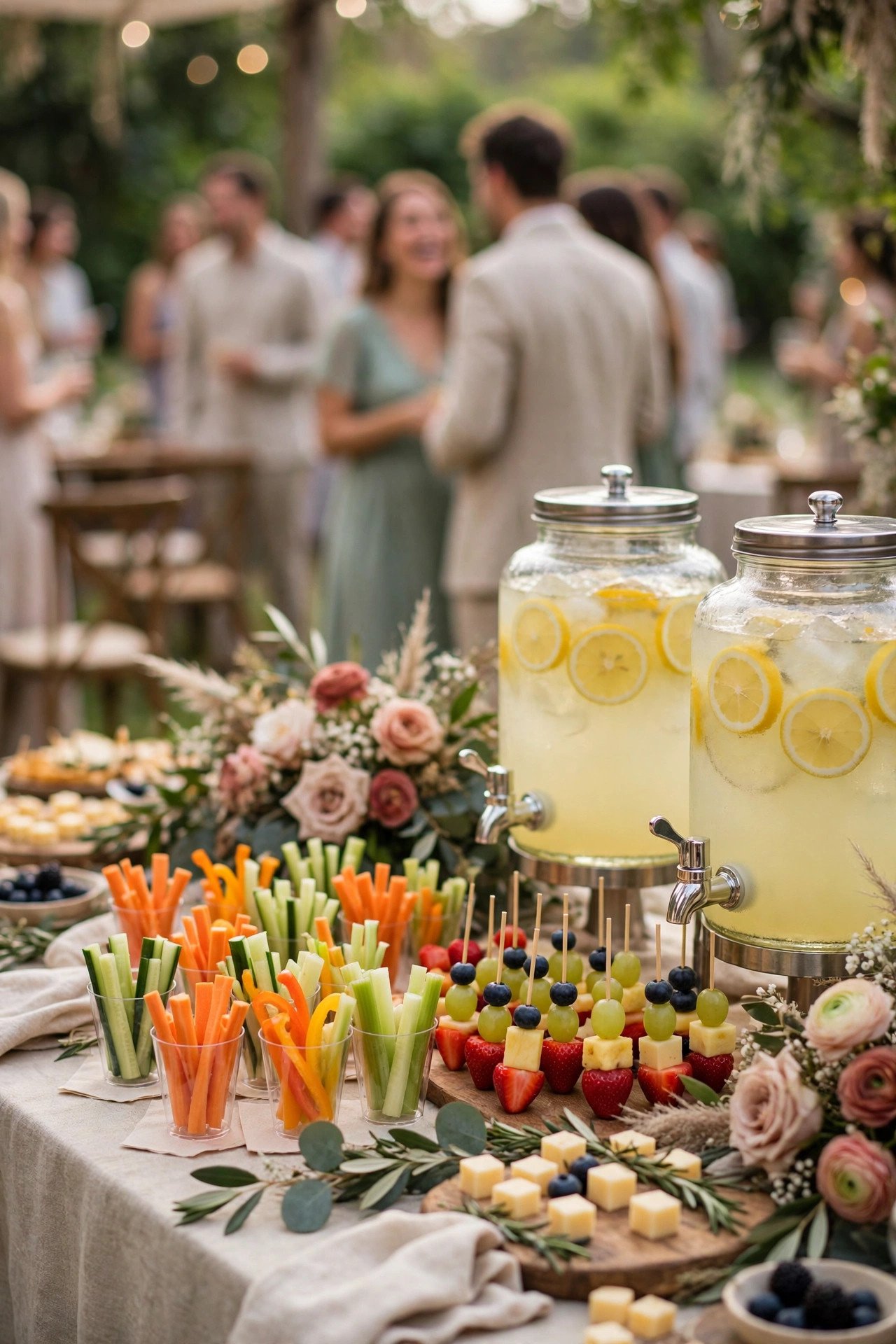
Grazing tables and passed bites during the welcome hour are the least supervised food of the day. Keep at least two clearly labeled safe options — crudités with a dairy-free dip, fruit, plain popcorn — so restricted guests are not holding an empty napkin for an hour.
Communicate on the Menu Card
 📌 Save
A short line at the foot of the printed menu — ‘Please tell any server about allergies; special plates are ready for you’ — tells restricted guests exactly what to do. It also signals to everyone else that the couple thought this through.
Have a Backup Plan for Surprises
 📌 Save
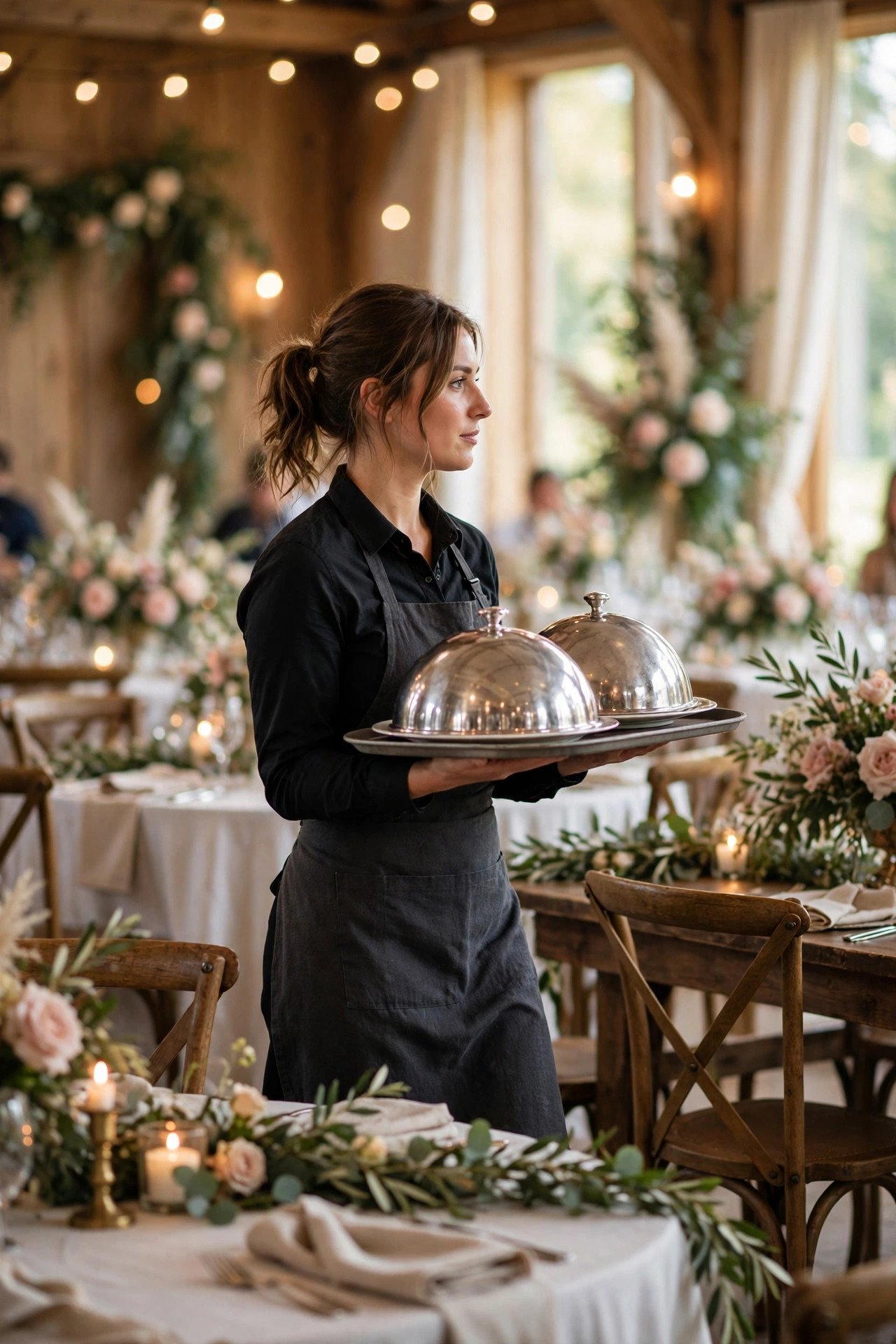
One guest always forgets to RSVP their allergy. Ask your caterer to hold two extra plain, widely safe meals — grilled chicken, steamed vegetables, plain rice — that can be plated quickly without allergens. It costs little and rescues the moment gracefully.
Confirm Counts One Week Out
 📌 Save
Guest lists shift in the final week, and special meals must shift with them. Send your caterer the updated named list, confirm each plate and seat, and verify the kitchen knows which dishes are being held for allergies versus preferences.
Mind Sauces, Stocks and Garnishes
 📌 Save
Allergens hide in sauces thickened with flour, stocks with soy, and garnishes with nut oils. When you review the menu, ask specifically about sauces and finishing touches for the dishes restricted guests will eat — the entrée itself is rarely the problem.
Seat Smart for Service
 📌 Save
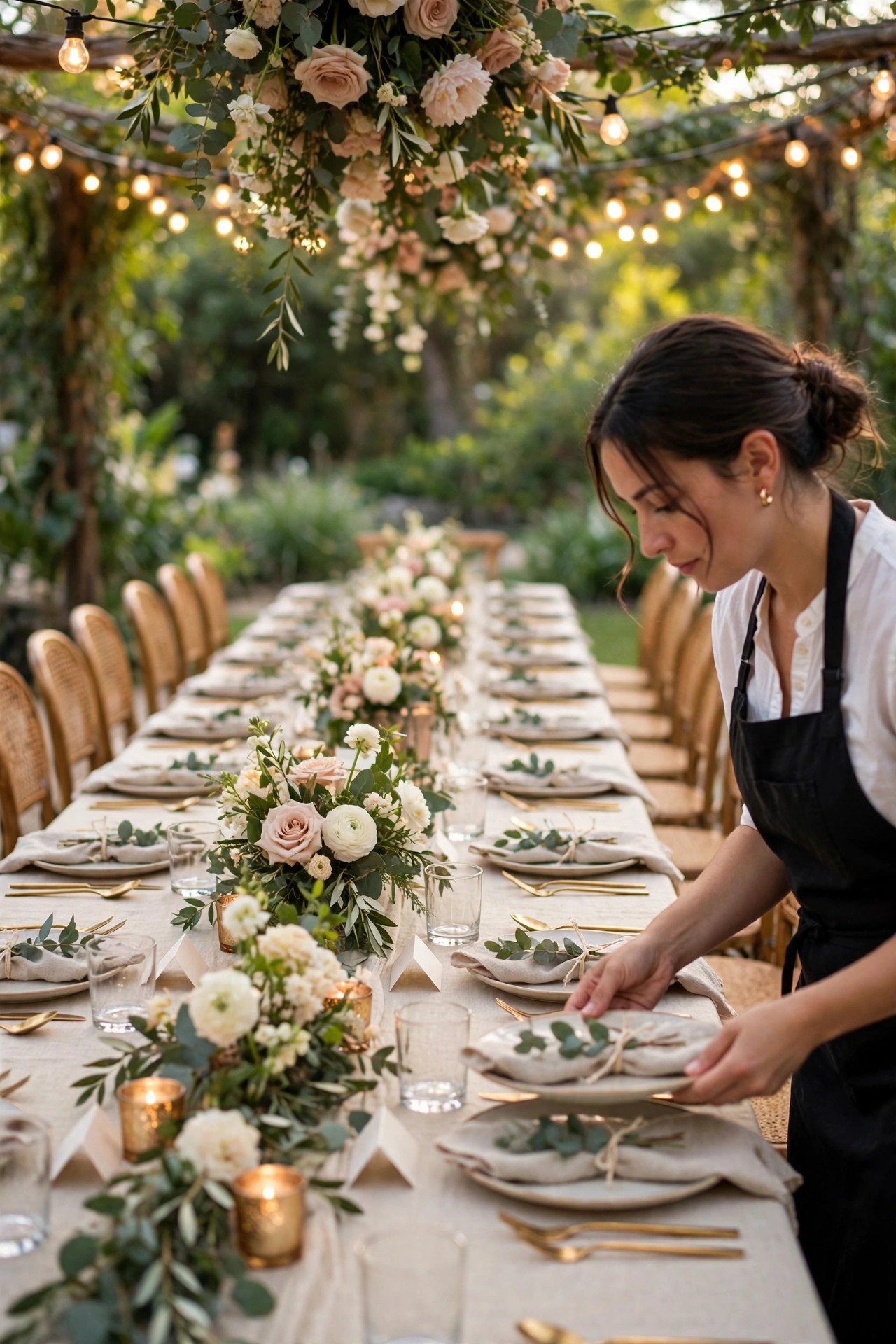
Cluster special plates thoughtfully: servers do fewer trips and make fewer mistakes when restricted seats are noted on one clear map. There is no need to seat guests by diet — just give the service team a route they can execute under pressure.
Late-Night Food Counts Too
 📌 Save
Midnight fries, sliders, and snack bars are usually an afterthought — and usually loaded with gluten and dairy. Reserve a small batch of safe late-night bites, labeled and kept separate, so restricted guests can join the second celebration too.
Thank Guests Who Flagged Needs Early
 📌 Save
A quick, warm message — ‘Thanks for letting us know; your plate is sorted’ — takes thirty seconds and removes a guest’s whole evening of quiet worry. People with serious allergies plan their social lives around food; being expected and accommodated feels wonderful.
Do a Final Walk-Through at the Tasting
 📌 Save
Use your menu tasting to taste the special plates, not just the mains. Check flavor, temperature, and presentation, and photograph each special dish so you know exactly what your guests will receive. Adjust seasoning and portions now, not on the day.
Wedding Menus for Dietary Restrictions FAQs
How do we ask guests about dietary restrictions?+
Add one clear line to your RSVP card and wedding website: ‘Please list any allergies or dietary needs.’ Give a deadline that matches your caterer’s final-numbers date, then pass the full list — with names and seat numbers — to your caterer in writing.
How many special meals should we expect?+
Plan on roughly 5 to 15 percent of guests needing something adjusted, most often vegetarian, vegan, or gluten-free. A handful of true allergy plates is normal even at a 200-guest wedding, and good caterers build for them every weekend.
What is cross-contact and why does it matter?+
Cross-contact happens when an allergen touches safe food — shared tongs, a knife used on regular bread then on a gluten-free roll, or crumbs on a buffet. For celiac and allergy guests it can cause a real reaction, so separate utensils, clean surfaces, and covered plated service matter more than the recipe itself.
Should restricted dishes be labeled on a buffet?+
Yes. Small tent cards naming the dish and its key allergens — contains nuts, dairy-free, gluten-free — let guests help themselves with confidence. Keep restricted dishes at the start of the line with their own serving spoons so they stay uncontaminated as the buffet gets busy.
Can one dish cover several needs at once?+
Often, yes. A grilled vegetable and grain entrée can be vegan, gluten-free, and nut-free at the same time, which simplifies service. Just confirm each guest’s full list of needs — one person’s safe dish can still contain another person’s allergen.
Key Takeaways
- Collect dietary needs on the RSVP, with names and seat numbers for your caterer.
- Treat allergies as a safety plan: separate utensils, covered plates, briefed staff.
- Build naturally inclusive dishes into the main menu so most guests need no special plate.
- Label every buffet dish with its major allergens and give restricted dishes their own spoons.
- Confirm the final special-meal count and seating map with your caterer one week out.
Final Thoughts
The couples who handle dietary restrictions best share one habit: they ask early and write everything down. Do that, and every guest at your table — whatever they can or cannot eat — remembers the meal for the food, not for a problem.