How to Write a Funny Mother of the Bride or Groom Speech
By zainzari • Published April 2026 • Updated October 10, 2026
 📌 Save
To write a funny mother of the bride or groom speech, start with a warm laugh-line opener, build the middle around ONE true story with a punchline, pivot to something sincere, and close with a clear toast — all in three to five minutes. Pick stories the whole room can enjoy, roast only harmless habits, rehearse out loud three times, and read from printed cue cards on the day.
Whether you’re the mother of the bride or the mother of the groom, the assignment is the same: make the room laugh, make the couple feel loved, and sit down before dinner gets cold. Funny speeches aren’t about being a comedian — they’re about knowing your child, picking the right story, and delivering it with confidence.
This guide walks you through the entire process, step by step: finding your angle, writing openers that land, choosing stories, balancing jokes with heart, personalizing for your side of the aisle, rehearsing, and handling the nerves on the big day.
At a Glance: Your Speech Writing Plan
| Step | What to Do | Time to Spend |
|---|---|---|
| Brainstorm | List 10 funny or heartfelt memories | 30 minutes |
| Pick your story | Choose the one with the clearest punchline | 15 minutes |
| Draft | Opener + story + pivot + toast | 1–2 hours |
| Add the funny | One laugh per minute, no more | 30 minutes |
| Get feedback | One honest friend reviews the draft | 20 minutes |
| Rehearse | Read aloud, standing, three full run-throughs | 3 sessions |
| Polish & print | Cut 20%, print large-font cue cards | 30 minutes |
Start With the Heart, Add the Funny
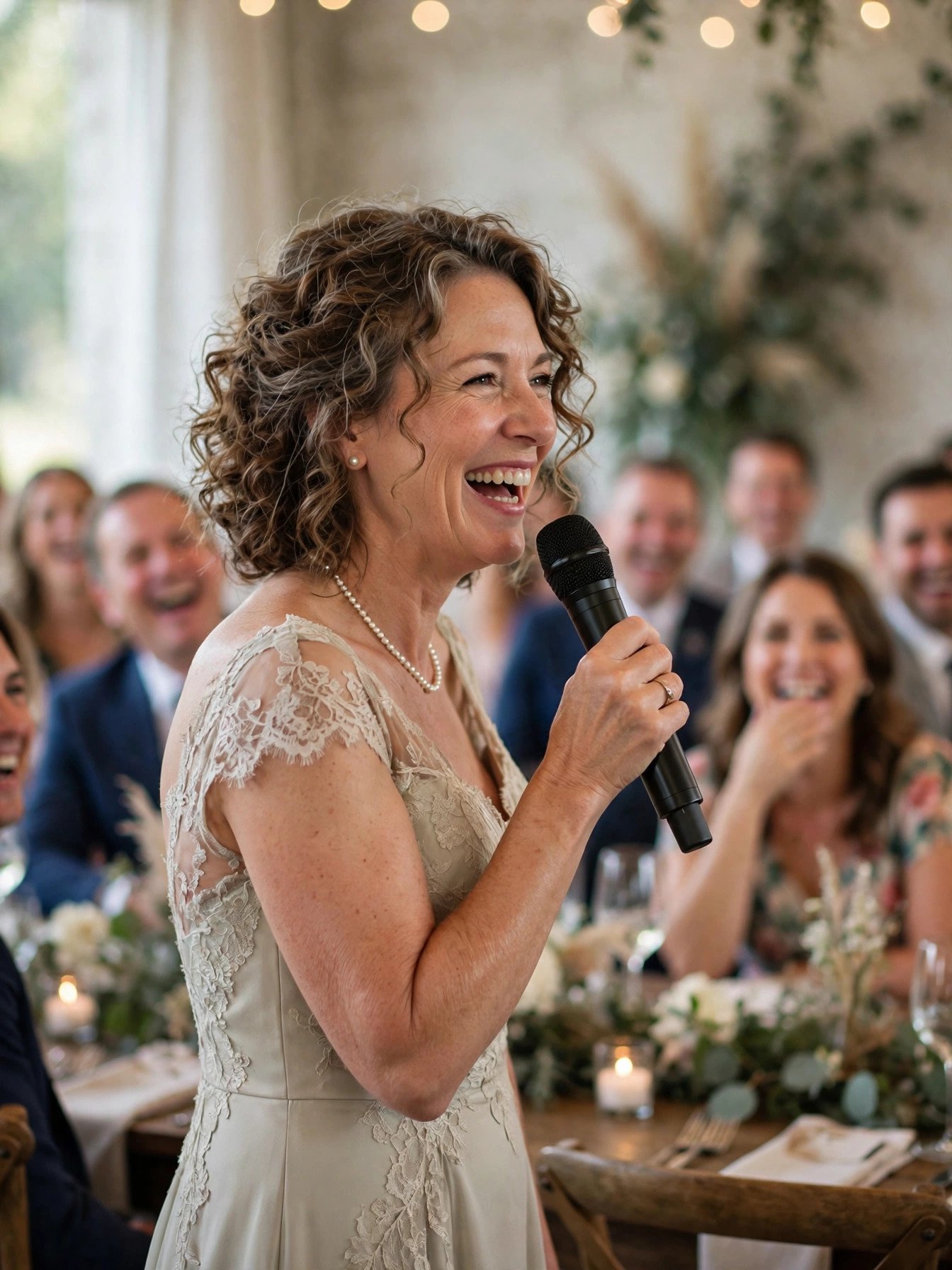
 📌 Save
Before you write a single joke, decide what you actually want to say — the funny is just the delivery vehicle for the feeling.
Ask yourself: what’s the one true thing I want my child and their partner to remember from this speech? “I’m proud of you.” “You chose well.” “Welcome to our family.” Write that sentence down first, because it’s the anchor your jokes will hang from — and it’s the line you’ll pivot to when the laughter settles.
Speeches that are all jokes feel like a roast battle; speeches that are all sentiment feel like a eulogy. The magic ratio is roughly 60% funny, 40% heart — enough laughter to keep the room engaged, enough sincerity to make it matter.
Read next: 3 Funny Mother of the Groom Speech Examples
Openers That Get a Laugh
 📌 Save
Your first line decides whether the room leans in or checks their phones. Make it short, confident, and funny.
The best openers introduce you and land a laugh in one breath: “For those who don’t know me, I’m the bride’s mother — which means I’ve been practicing this speech since she was in diapers, and she stopped listening to me shortly after.” Or the groom-side classic: “I’m the groom’s mother. I’ve been told to keep this short, which is funny, because my son has been ignoring that advice his whole life.”
Steal this structure: who you are + one self-aware joke. It earns the room’s permission to laugh with you for the next four minutes, and it’s almost impossible to mess up.
Read next: 9 Heartwarming Ways to Surprise the Bride on Her Big Day
Picking the Right Stories
 📌 Save
The middle of your speech should be ONE story, well told — not a highlight reel of their entire childhood.
The right story has three qualities: it’s true (real details are funnier than invented ones), it’s visual (the room can picture it — the burnt birthday cake, the disastrous haircut), and it has a built-in punchline (a moment where the outcome surprises). Childhood stories work beautifully because everyone in the room was once an embarrassing kid.
Run every candidate through the grandma test: would you tell it with both grandmothers in the front row? Would your child laugh hearing it? If yes to both, you’ve found your story. If it needs a long explanation or an apology first, pick another one.
Read next: 3 Funny Mother of the Groom Speech Examples
The Joke Formula
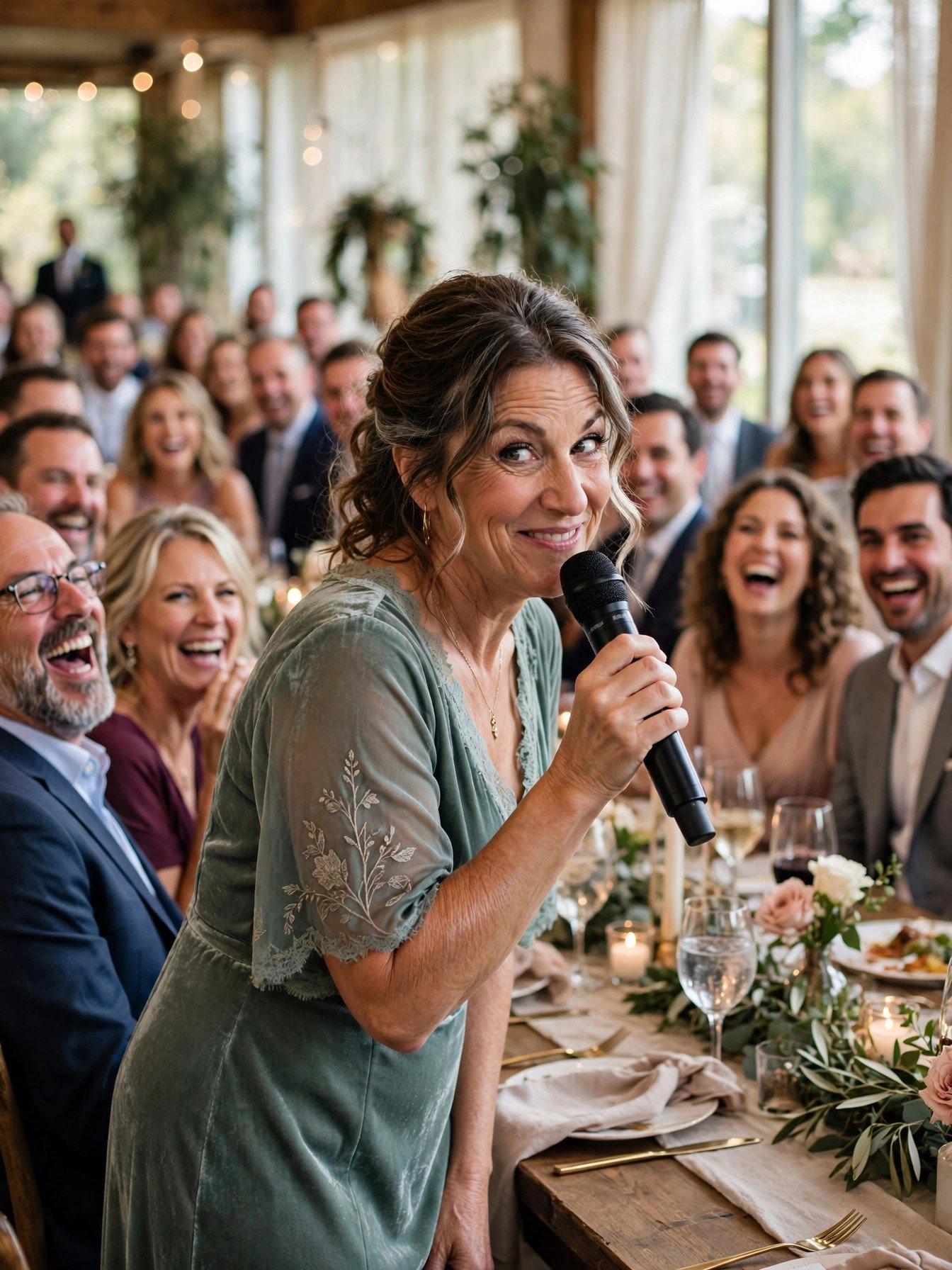
 📌 Save
Comedy has a formula, and once you see it, you can turn any family anecdote into a laugh line.
The formula is setup + twist: establish the normal expectation, then break it. “I spent eighteen years teaching my daughter to be independent…” (setup) “…and she repaid me by moving three thousand miles away and calling it ‘boundaries.'” (twist). The rule of three works too — list two normal things, then a surprising third: “He’s loyal, he’s kind, and he still can’t fold a fitted sheet.”
Aim for roughly one laugh per minute — that’s four or five laugh moments in a four-minute speech. More than that feels like a stand-up set; fewer feels like a lecture. Sprinkle, don’t dump.
Read next: 5 Things That Will Make Your Guests Say That Was the Best Wedding Ever
Balancing Sentiment and Humor
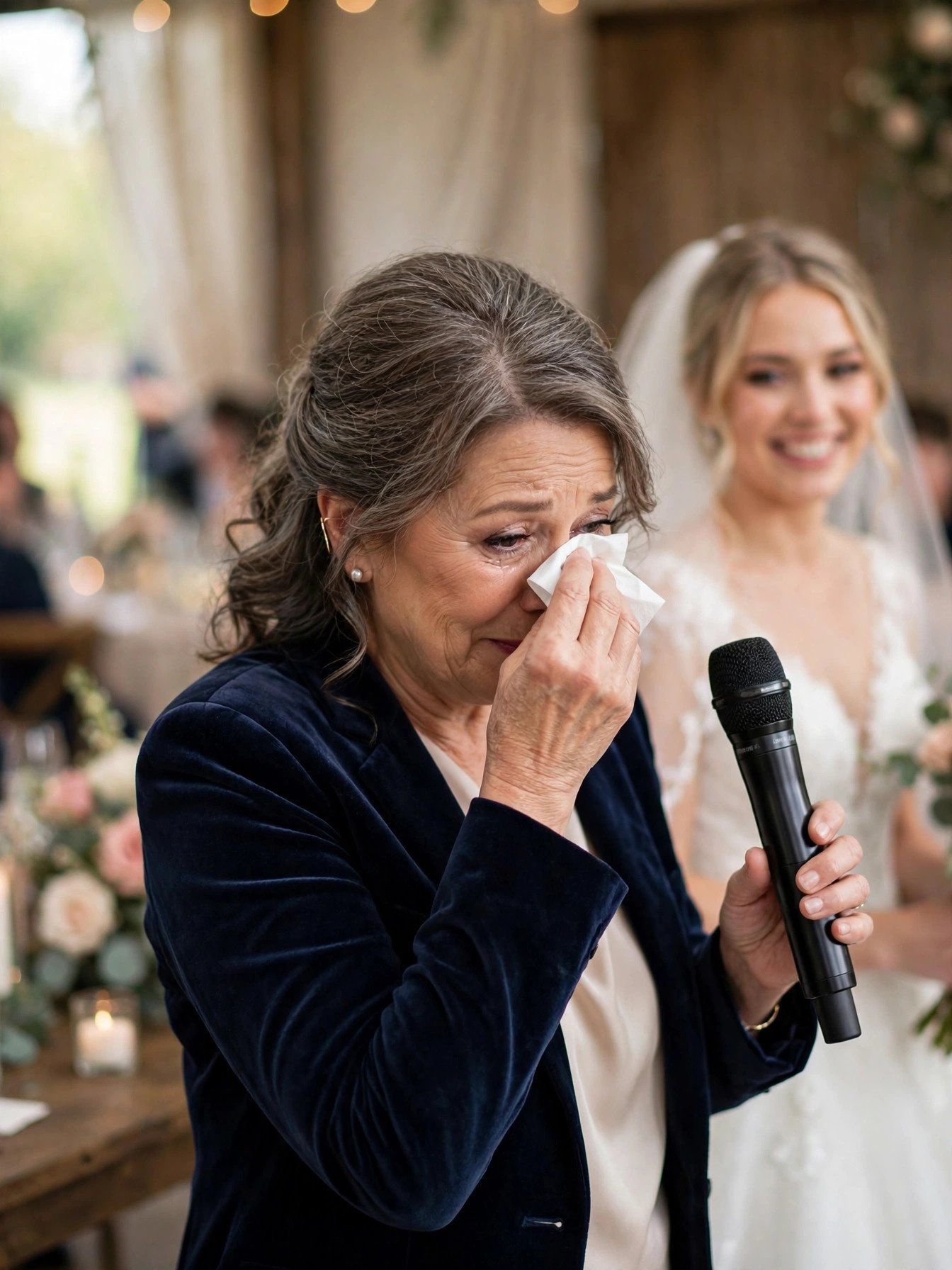
 📌 Save
Jokes open the room’s heart; sincerity is what you put inside it. The transition between the two is your speech’s most important thirty seconds.
The pivot is a simple gear-change sentence: “But all joking aside…” or “What I really want to say is…” Then drop the comedy voice and say the true thing — you’re proud, you love them, welcome to the family. Guests who’ve been laughing for three minutes are emotionally primed; one sincere sentence will genuinely move them.
Keep the sincere part short — two or three sentences max. Long sentiment after long comedy makes the speech feel like two speeches glued together. Say the true thing, mean it, and move straight to the toast.
Read next: 33 Beautiful Bridal Shower Ideas You’ll Want to Steal
Personalizing for Bride or Groom Side
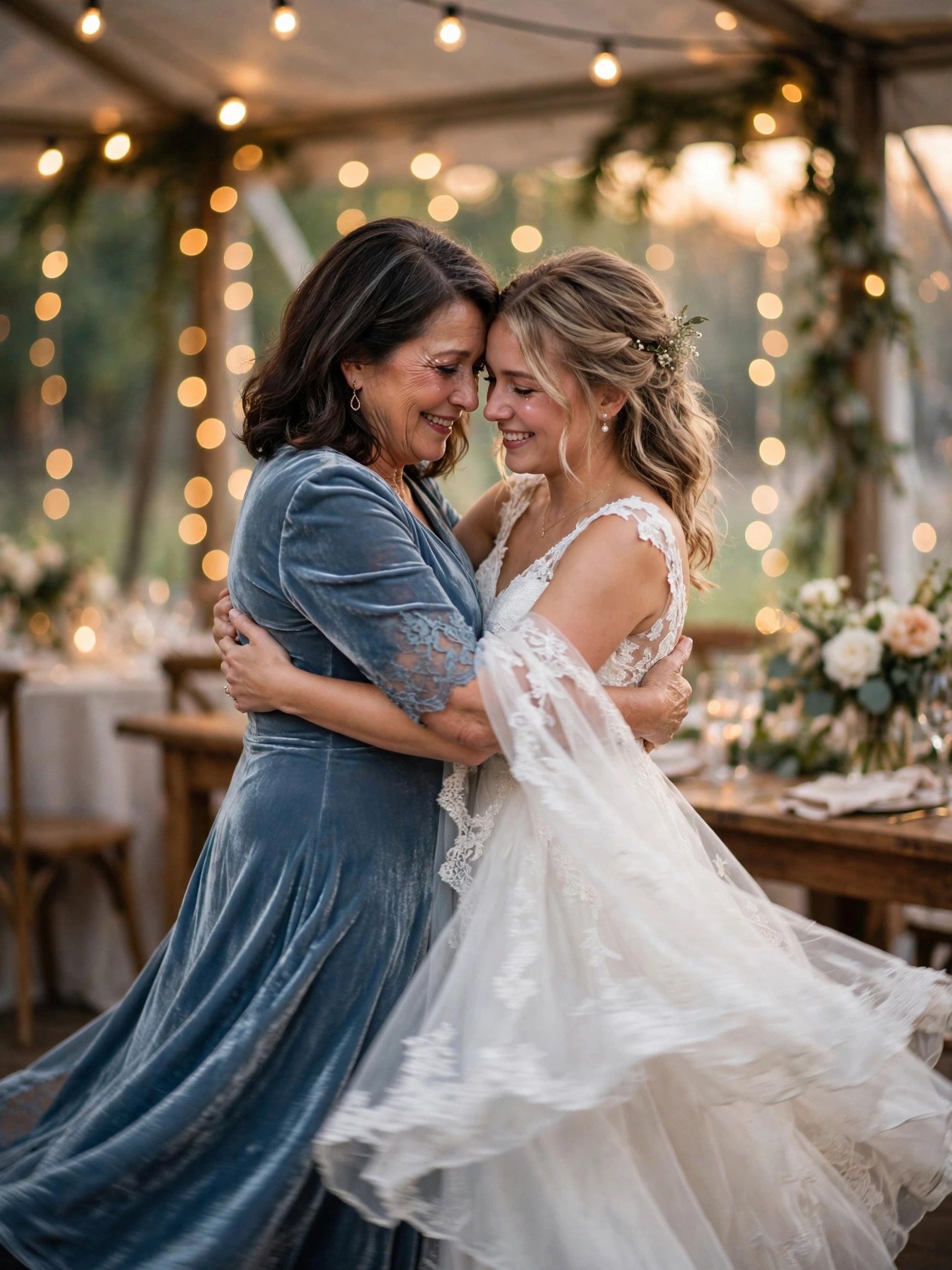
 📌 Save
Mother of the bride and mother of the groom speeches share a skeleton — but the spotlight sits in different places.
Mother of the bride: your stories are about her growing up, so the humor often plays on the “letting go” theme — the girl who needed you for everything now needing you for wedding-day lipstick touch-ups. Welcome the groom warmly and specifically: name something real you admire about him. Mother of the groom: your humor leans into the classic “my baby boy” territory — childhood mischief, bachelor habits — and your warmest lines go to the bride, welcoming her into the family by name.
Whichever side you’re on, give the other person’s family at least one genuine compliment. It costs you ten seconds and buys you a room full of goodwill.
Read next: 3 Funny Mother of the Groom Speech Examples
Rehearsal Plan
 📌 Save
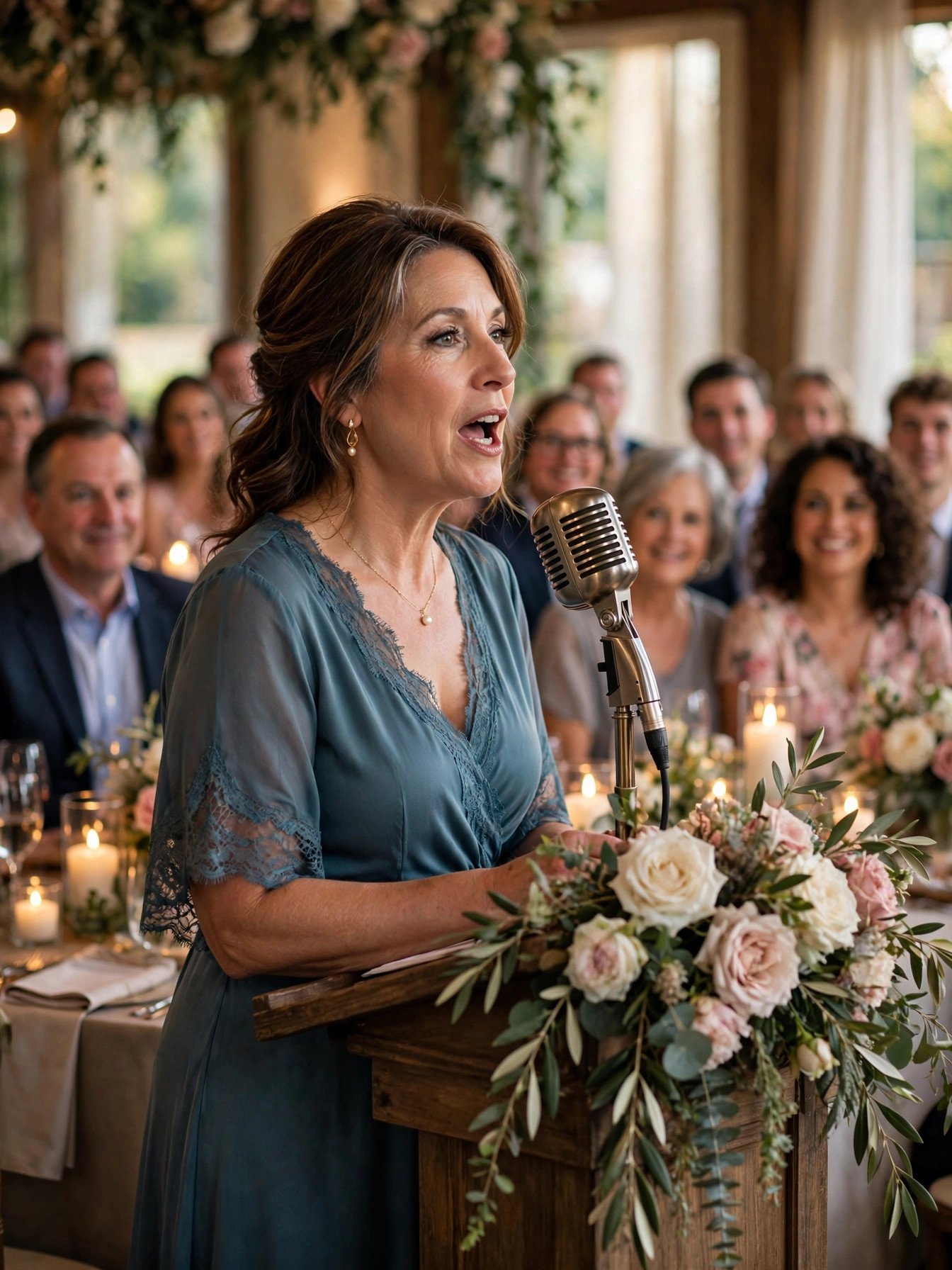
A speech read silently in your head and a speech read aloud to a room are two different animals. Rehearse the real one.
Session 1 (a week out): read it standing up, out loud, holding your notes. Mark everywhere you stumble, rush or lose the joke — those spots need rewriting, not more practice. Session 2 (a few days out): record yourself on your phone and listen back. You’ll hear the pacing problems instantly. Session 3 (day before): one confident final run-through for a trusted person, then put it away.
Never rehearse more than three full times — over-rehearsing makes you sound robotic. You want familiar, not memorized; warm, not performed.
Read next: 9 Heartwarming Ways to Surprise the Bride on Her Big Day
Timing and Length
 📌 Save
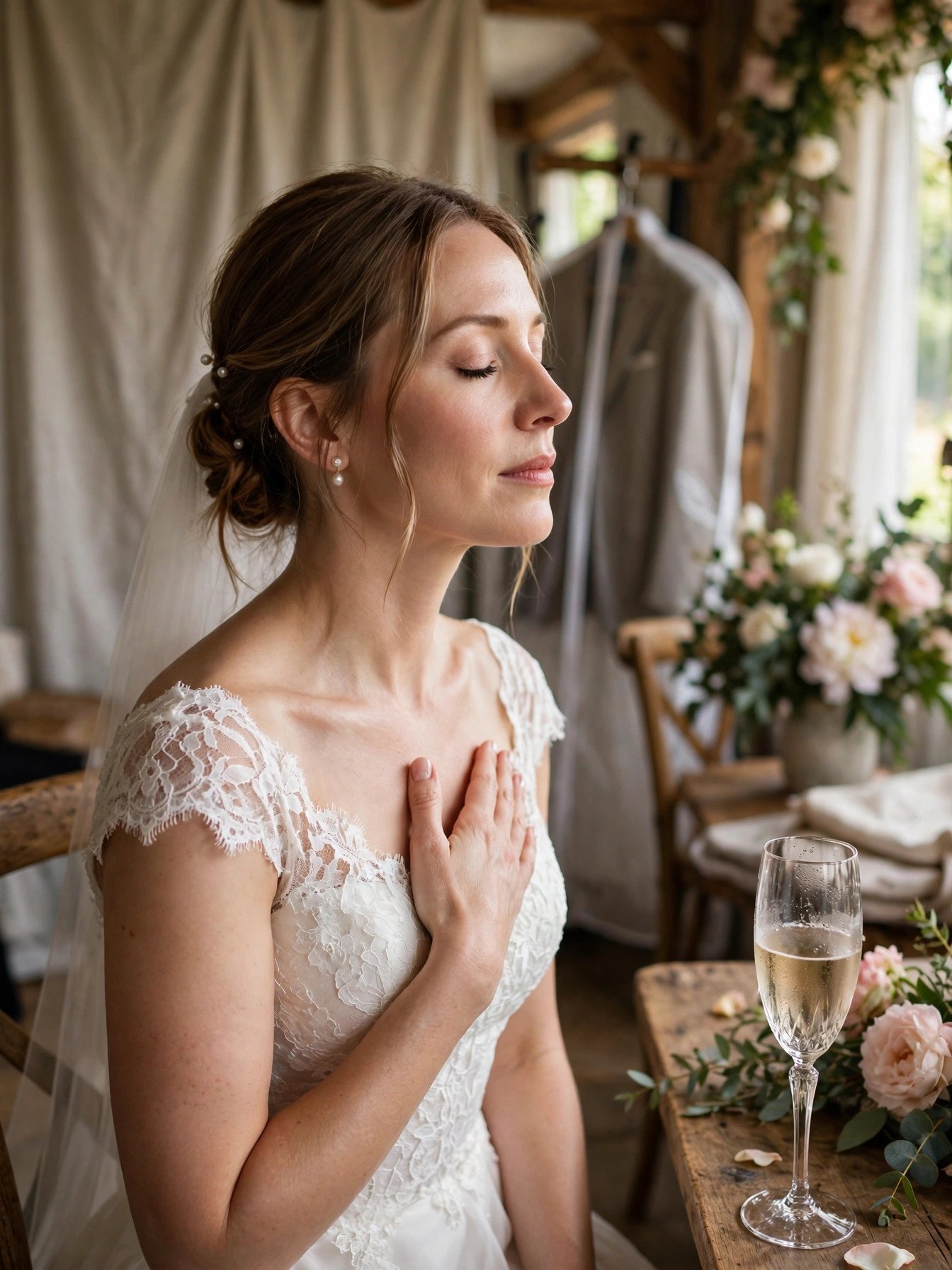
Length is the #1 speech killer. Every minute past five, the room’s attention — and laughter — drops noticeably.
The math: most people speak 130–150 words per minute, so a four-minute speech is roughly 550 words — about one printed page. Time yourself reading aloud at a relaxed pace (nerves will speed you up on the day, so build in buffer). If you’re over, don’t talk faster — cut. Remove your weakest joke, your second story, and any sentence that needs explaining.
Structure your time like this: opener (15 sec), story + jokes (2–2.5 min), sincere pivot (30–45 sec), toast (15 sec). When the draft fits that skeleton, the timing takes care of itself.
Read next: 5 Things That Will Make Your Guests Say That Was the Best Wedding Ever
Handling Nerves + The Closing Toast
 📌 Save
Nerves are normal — even welcome. Here’s how to keep them from stealing your speech, and how to stick the landing.
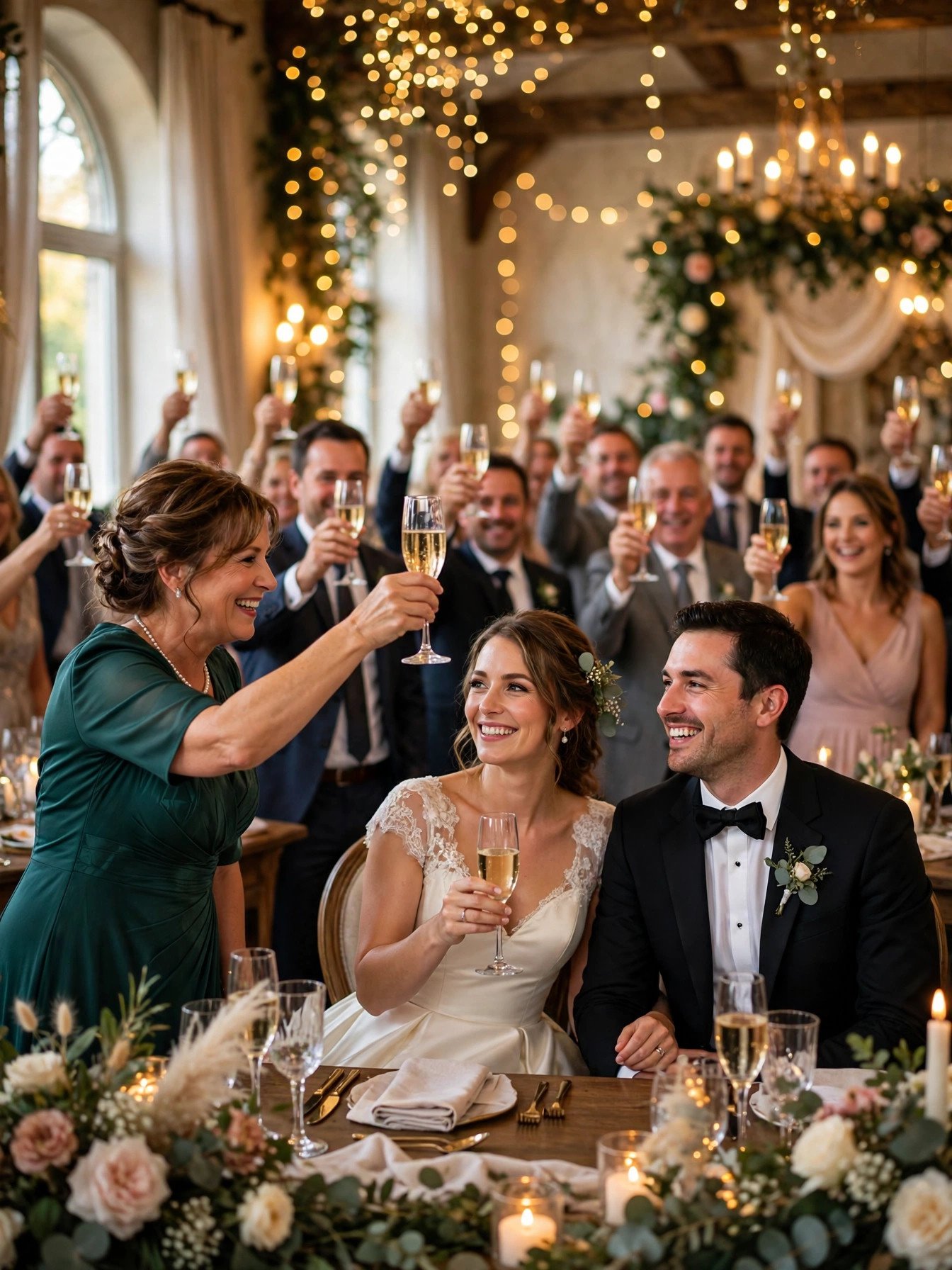
Handling nerves: take three slow breaths before you stand, plant both feet, and smile at one friendly face in the crowd — not the whole room. Speak slower than feels natural; adrenaline makes everyone rush. If your hands shake, hold your cue cards with both hands or rest them on the podium. And remember: the room is rooting for you. Nobody came to judge a mother’s speech.
The closing toast: name the couple, say one true thing, and give a clear cue — “Please raise your glasses!” Then lift yours high, make eye contact with the couple, smile… and stop talking. Sit down and let the applause happen. The last image should be the raised glasses, not you chasing one more laugh.
Read next: 33 Beautiful Bridal Shower Ideas You’ll Want to Steal
Frequently Asked Questions
How far in advance should I write my mother of the bride or groom speech?
Start two to three weeks before the wedding. That gives you time to brainstorm, draft, get feedback from a trusted friend, rehearse out loud, and sleep on it — jokes always improve with a few days of distance. Writing it the night before is the fastest route to a rambly, forgettable speech.
Can the mother of the bride and mother of the groom both give funny speeches?
Absolutely, but coordinate so you are not telling the same stories or using the same joke formats. A quick text exchange — “I’m doing the childhood story angle, you take the roast angle” — keeps both speeches fresh. Two short, distinct speeches are far better than two long, overlapping ones.
What is the ideal structure for a funny wedding speech?
The winning structure is: a funny opener (15 seconds), one well-chosen story with a punchline (60–90 seconds), a sincere pivot where the humor turns warm (30–45 seconds), and a clear closing toast (15 seconds). This four-part arc works for both bride-side and groom-side speeches and keeps you in the three-to-five-minute sweet spot.
How do I make my speech funny without embarrassing anyone?
Roast habits, not character: tease the burnt dinners and fashion disasters, never insecurities, exes, money or family tensions. Apply the grandma test — if you wouldn’t tell the story with both grandmothers in the front row, cut it. Every joke should be something the subject would laugh at themselves.
What do I do if nobody laughs during my speech?
Keep going — a flat joke is only a disaster if you panic. Smile, pause, and move to your next line; audiences forgive a missed laugh instantly when the speaker stays warm and confident. Having your sincere pivot ready right after the jokes means the speech lands on heart even if a punchline misses.
✨ Key Takeaways
- Start with the one true thing you want to say, then build the funny around it — 60% humor, 40% heart.
- Open with who-you-are plus one self-aware joke; it wins the room in fifteen seconds.
- Build the middle on ONE true, visual story with a built-in punchline — never a highlight reel.
- Keep it to three to five minutes (about 550 words); cut ruthlessly instead of talking faster.
- Rehearse out loud three times, read from printed cue cards, and end on the toast — then sit down.
Final Thoughts
Writing a funny wedding speech isn’t about being the funniest person in the room — it’s about being the most genuine one with the best story. Follow the steps, trust the formula, rehearse just enough, and let your love for your child do the heavy lifting. When the room laughs and then goes quiet for your last line, you’ll know you wrote it exactly right.