Lebanese Wedding Traditions (2027)
By zainzari • Published October 23, 2026 • Updated October 23, 2026
 📌 Save
Lebanese wedding traditions are built for maximum joy and maximum company: a zaffe procession with dabke dancers and drummers escorts the couple, women answer with zaghareet (ululations), the feast runs late, the towering cake is cut with a sword, and the dancing rarely stops before dawn. Lebanon’s Christian and Muslim communities each hold their own ceremonies, and customs vary by region, faith and family — this guide explains the shared celebrations and the moments that make a Lebanese wedding unmistakable.
Ask anyone who has attended one: a Lebanese wedding is not an event, it is a production — hundreds of guests, a dance floor that never empties, and an entrance procession that can be heard from the street. Underneath the spectacle is deep hospitality: families measure a wedding’s success by how celebrated every guest felt.
Here are 25 Lebanese wedding traditions explained one by one — the zaffe, the dabke, the pre-wedding gatherings at the bride’s home, the sword-cut cake and the sweet mlabas favors — including how Lebanon’s diaspora, one of the largest in the world, recreates them in the USA, UK, Canada and beyond in 2027. Traditions vary by community and family; let yours lead.
At a Glance: Lebanese Customs, Meanings and Moments
| # | Tradition | What It Is | When It Happens |
|---|---|---|---|
| 1 | The Zaffe — A Grand Entrance Like No Other | a troupe of dancers and drummers escorts the couple in | Reception entrance |
| 2 | Dabke Dancers Leading the Way | Lebanon’s line dance performed by a professional troupe | Entrance / reception |
| 3 | Zaghareet — Ululations of Joy | women’s trilling cries that announce pure happiness | All day |
| 4 | Drums of the Zaffe — Tabl and Daf | frame drums and goblet drums drive the procession | Entrance |
| 5 | The Gathering at the Bride’s Family Home | family and friends fill the bride’s home before the ceremony | Before the ceremony |
| 6 | The Groom Arrives with the Bouquet | the groom presents the bridal bouquet at her family’s home | Before the ceremony |
| 7 | The Ceremony — Church or Katb al-Kitab | Christian church weddings or the Muslim marriage signing | Ceremony |
| 8 | The Honking Car Convoy | decorated cars drive the couple, horns blaring in rhythm | Between venues |
| 9 | A Flower-Draped Wedding Car | the couple’s car wears garlands, ribbons and sometimes the flag colors | Whole day |
| 10 | Fireworks Over the Reception | a short fireworks display lights up the party | Reception |
| 11 | Guest Lists That Fill the Room — and Then Some | extended family, neighbors and colleagues are all invited | Planning |
| 12 | Mezze to Start the Feast | the table fills with shared small plates before mains | Dinner |
| 13 | Dinner Served Late, Party Until Dawn | the Lebanese timeline runs deep into the night | Reception |
| 14 | The Towering Cake Cut with a Sword | a multi-tier cake sliced by the couple with a ceremonial sword | Reception |
| 15 | Circle Dabke with Every Guest | huge dabke circles form on the dance floor all night | Reception |
| 16 | A Belly Dance Performance | a professional dancer performs during the reception | Reception |
| 17 | Live Singers and a Packed Dance Floor | a star singer or band anchors the night’s music | Reception |
| 18 | Mlabas — Sugared Almond Favors | candy-coated almonds given to every guest | Reception |
| 19 | Cash Gifts for the Couple | envelopes of money are the standard, welcome present | Reception |
| 20 | The Bride’s Styling — Glamour as a Family Project | elaborate hair, makeup and gown are a celebrated tradition | Whole day |
| 21 | The Jihaz — Preparing the Trousseau | the bride’s family prepares her wardrobe and household goods | Before the wedding |
| 22 | Pre-Wedding Celebrations at Home | nights of music and visiting before the wedding day | Before the wedding |
| 23 | White Doves Released Together | the couple releases white doves after the ceremony | After the ceremony |
| 24 | Henna in Some Communities | a henna evening is held in some families and regions | Before the wedding |
| 25 | Blending Lebanese and Western Traditions Abroad | the diaspora keeps the zaffe and adapts the rest | Whole day |
Planning note: Lebanese weddings run late and large. Book the zaffe troupe, the singer and the venue’s latest finish first — everything else hangs on those three.
The Zaffe — A Grand Entrance Like No Other
 📌 Save
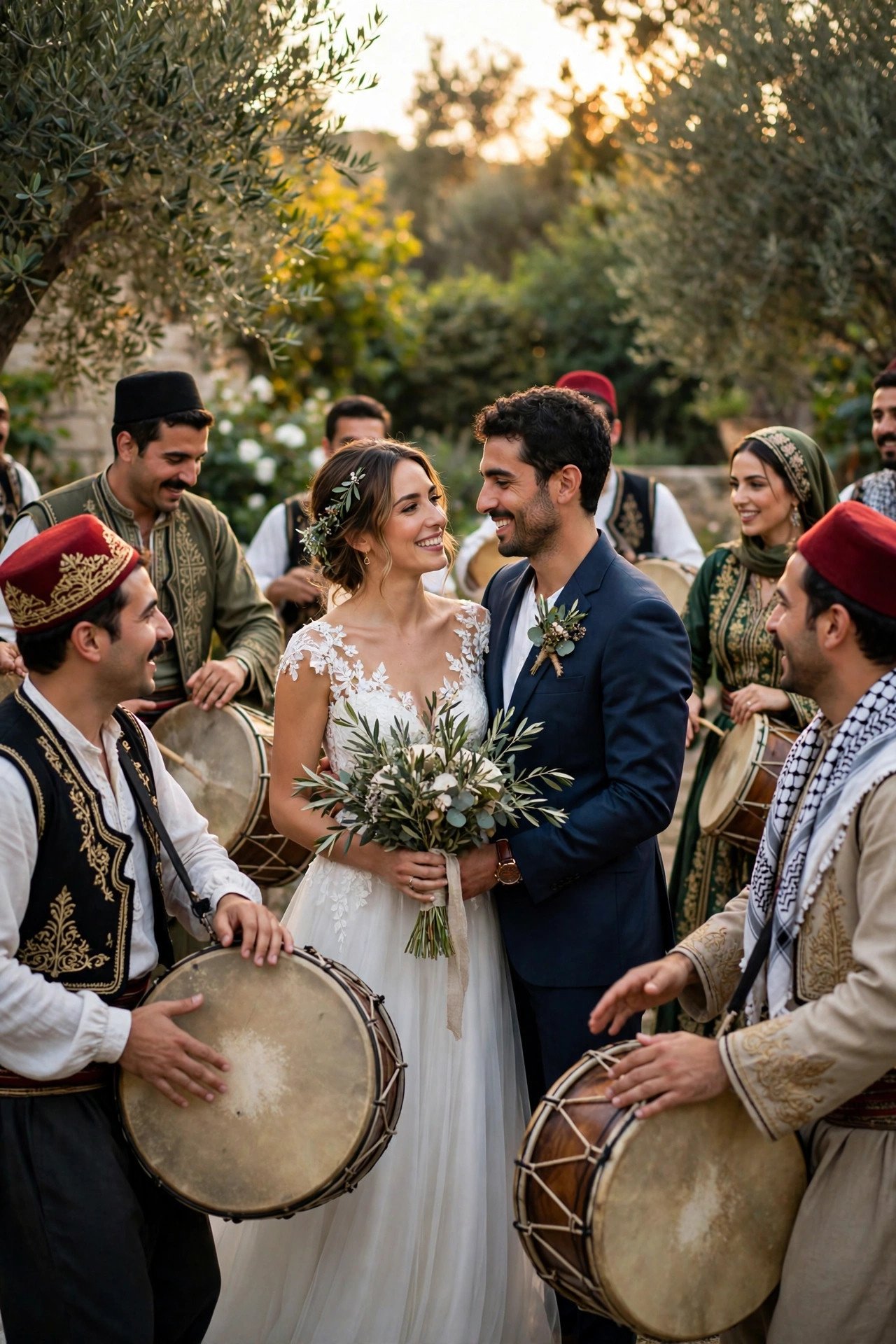
The zaffe is the Lebanese wedding’s signature: a professional troupe of dabke dancers, drummers and sometimes sword-bearers surrounds the couple and dances them into the reception in a whirlwind of rhythm and costume. The couple is lifted, spun and celebrated like royalty arriving at court. Zaffe troupes perform at the church or hall entrance and again for the reception entrance, and in the diaspora a great zaffe is the first vendor Lebanese couples book.
Dabke Dancers Leading the Way
 📌 Save
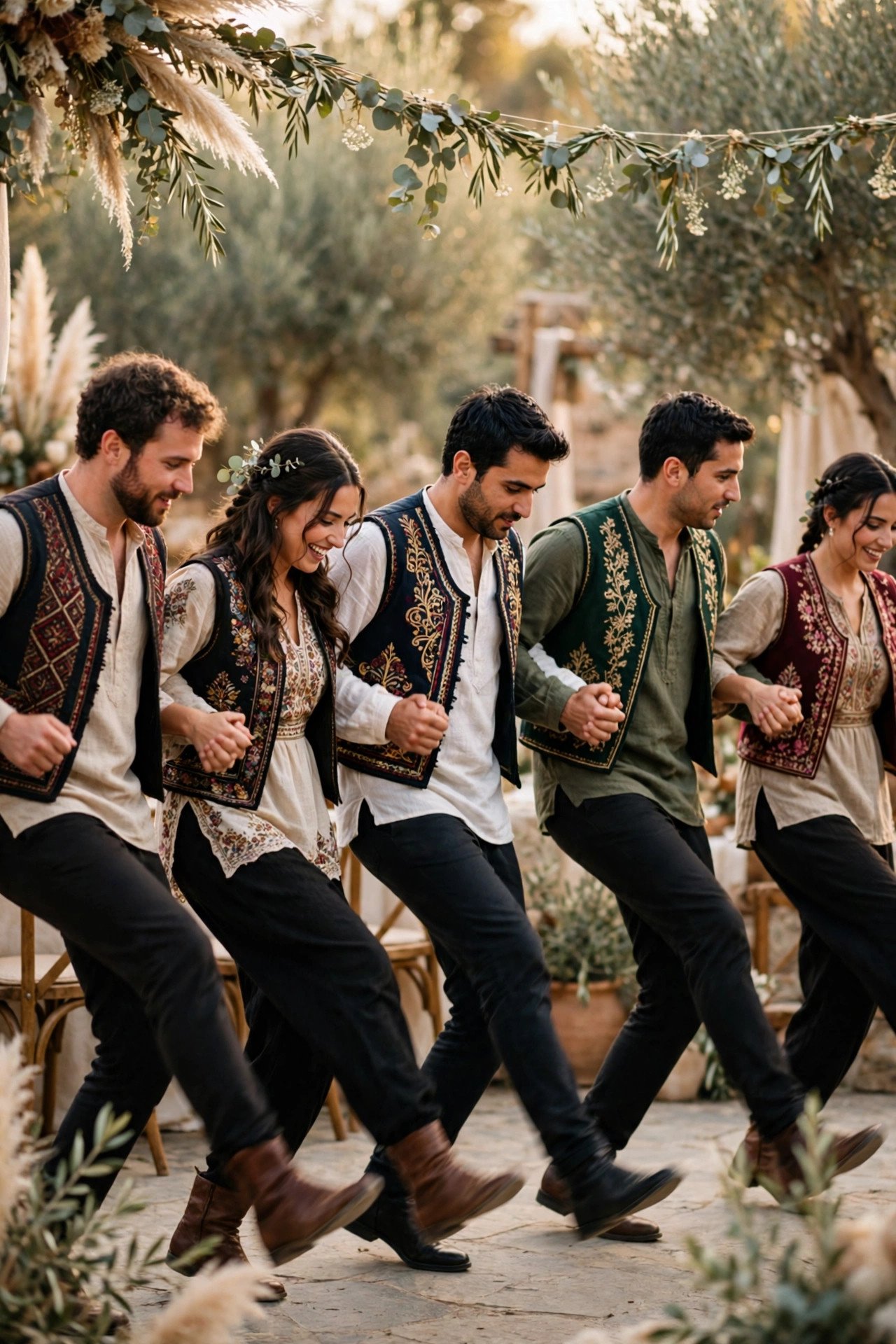
Dabke is the Levant’s beloved folk dance: a line or circle dance of stomping, kicking steps led by a dancer who improvises at the head of the line. Professional dabke troupes open the zaffe in embroidered traditional dress, and later in the night they pull guests into enormous circles. A Lebanese dance floor is measured in dabke circles — when grandmothers and teenagers are stomping in the same ring, the party has officially succeeded.
Zaghareet — Ululations of Joy
 📌 Save
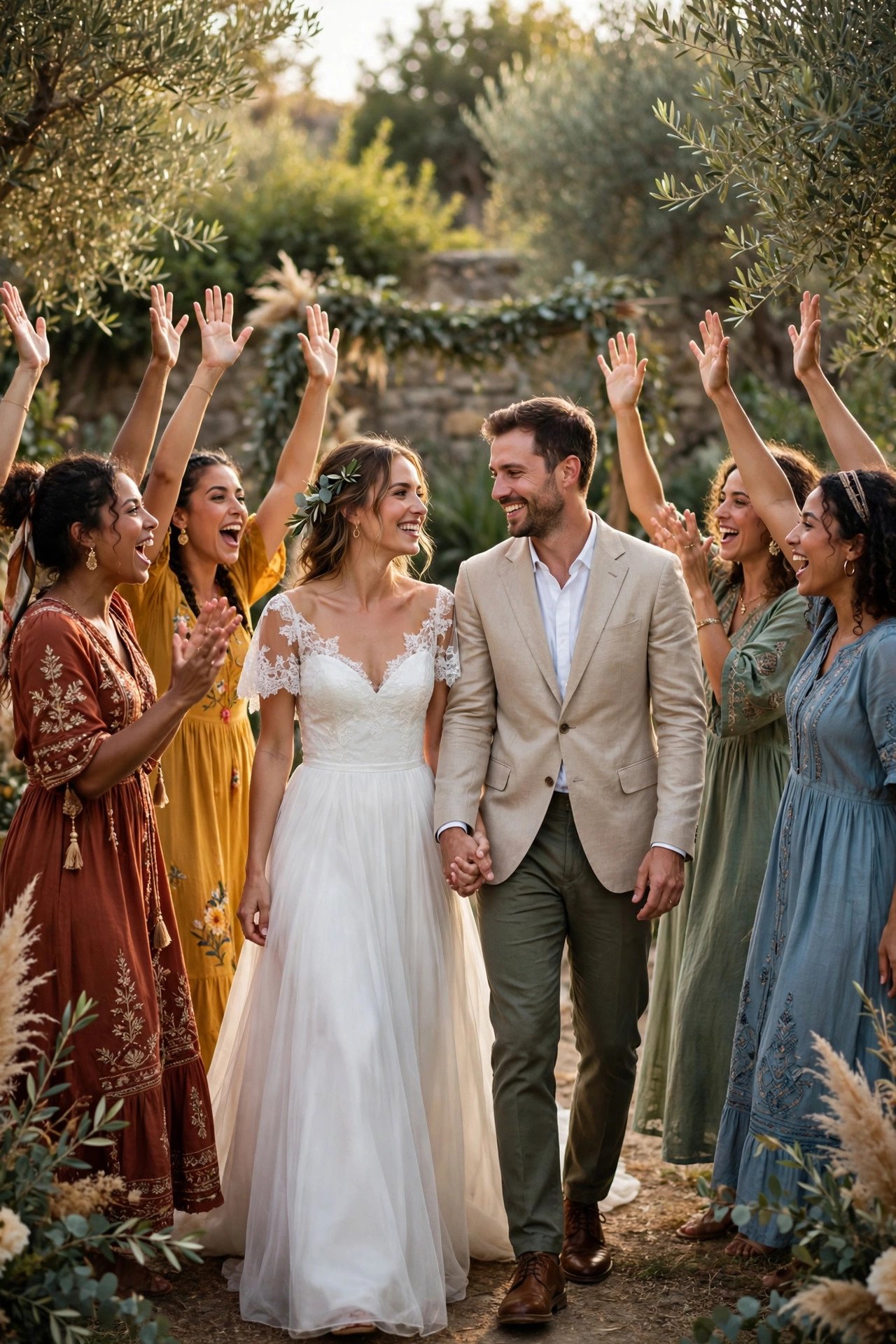
Zaghareet (singular zaghrouta) are the high, trilling ululations women release at moments of peak joy: the bride appearing, the couple entering, the cake being cut. The sound is made by trilling the voice while moving the tongue rapidly, and a roomful of zaghareet is unmistakable — joy you can hear through walls. In the diaspora, teaching a few willing aunts and friends to ululate is a small act of cultural transmission that older guests deeply appreciate.
Drums of the Zaffe — Tabl and Daf
 📌 Save
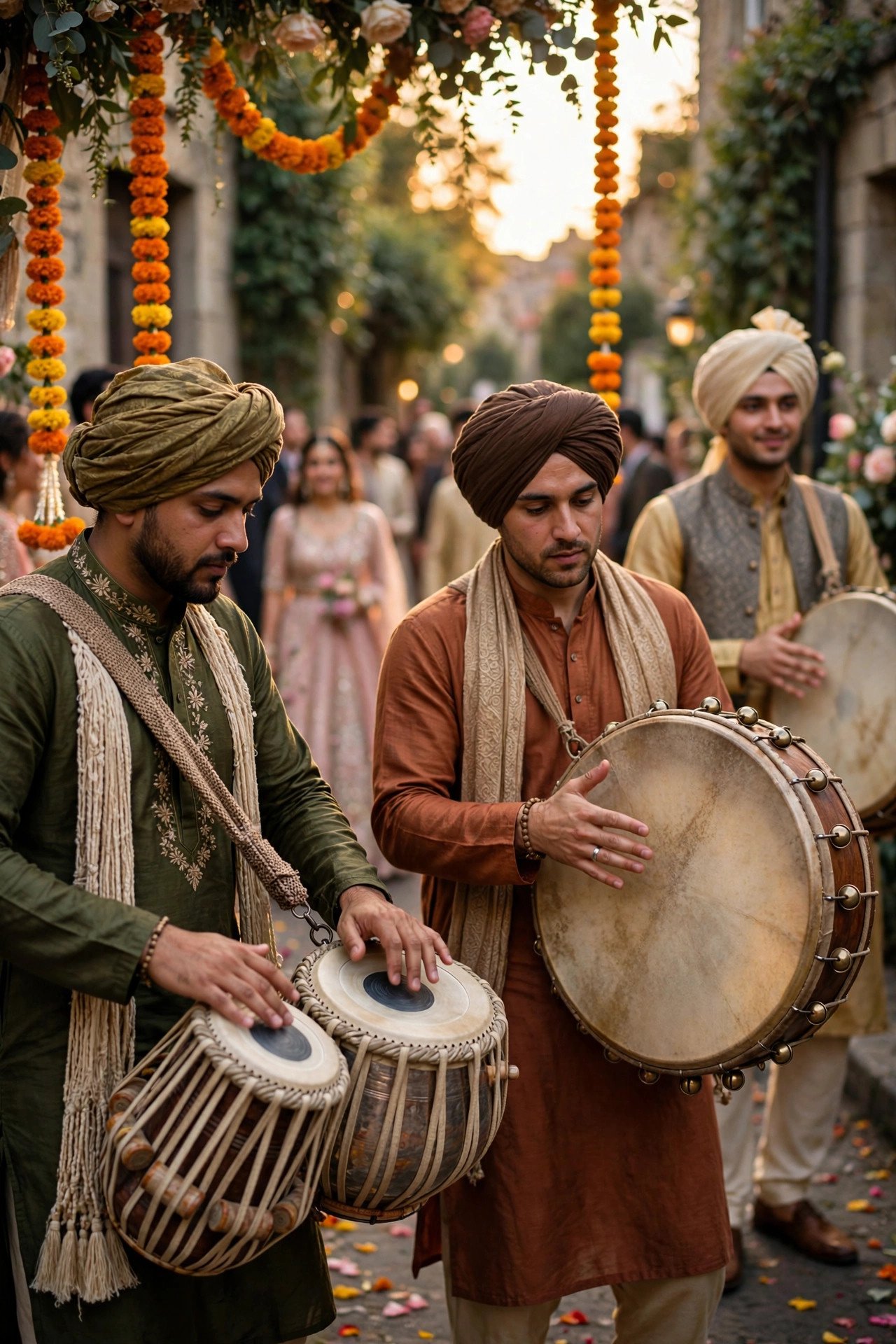
The zaffe’s sound comes from the tabl (a double-headed drum beaten with sticks), the daf (a large frame drum) and the katem, layered under voices and sometimes a mijwiz reed pipe. The drummers are showmen as much as musicians, circling the couple and trading rhythms with the dancers. When the zaffe starts outside a church or hall, the drums announce to the whole neighborhood that a wedding has arrived — subtlety is not part of the tradition.
The Gathering at the Bride’s Family Home
 📌 Save
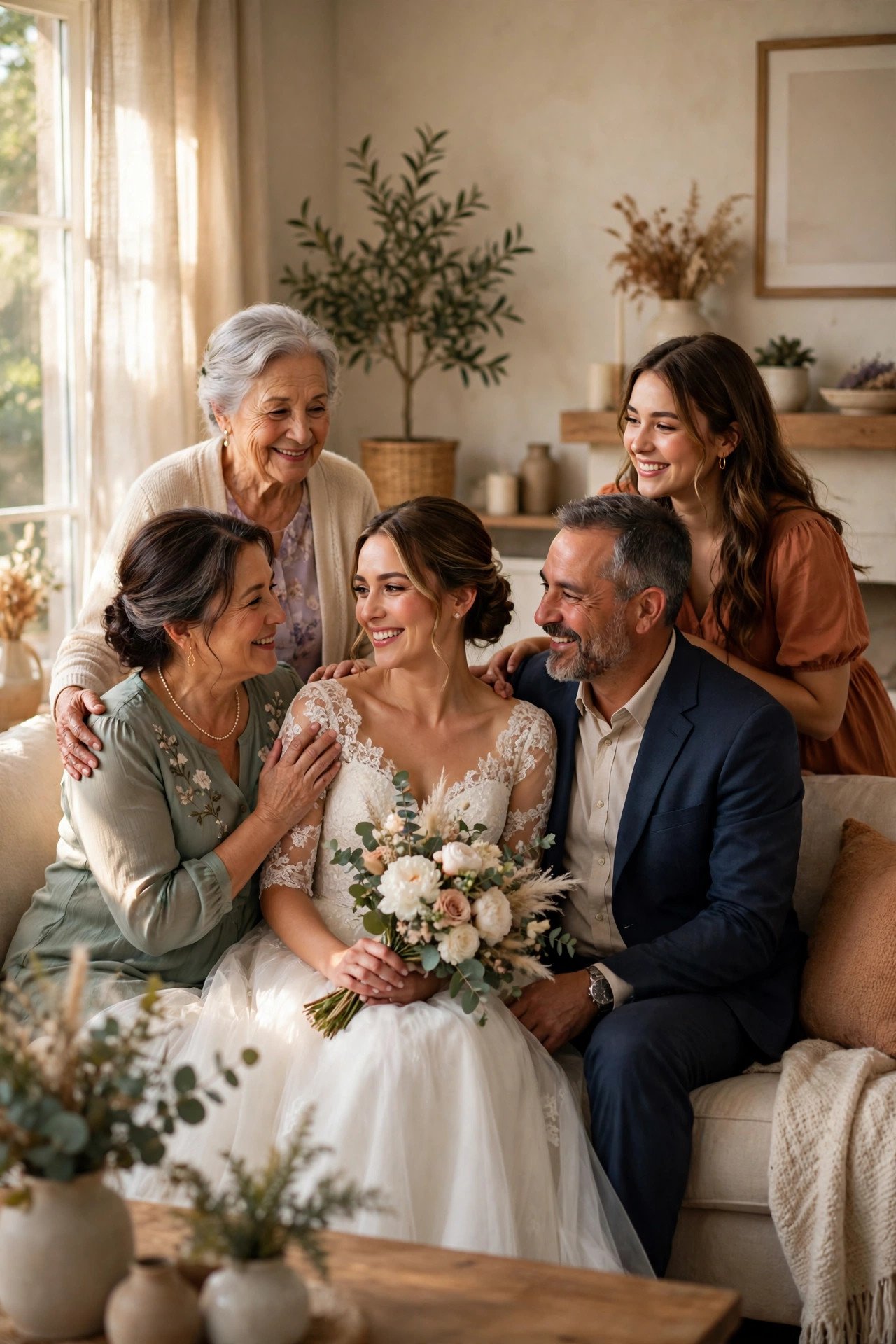
Before the ceremony, the bride’s family home becomes a celebration in itself: relatives, neighbors and friends gather as she finishes dressing, music plays, sweets and coffee circulate, and photographers capture the famous shots — the bride descending the stairs, portraits with her parents at the door. The groom traditionally arrives to this gathering with his family, and the couple departs together for the ceremony amid ululations and applause. It is the day’s most intimate crowd scene.
The Groom Arrives with the Bouquet
 📌 Save
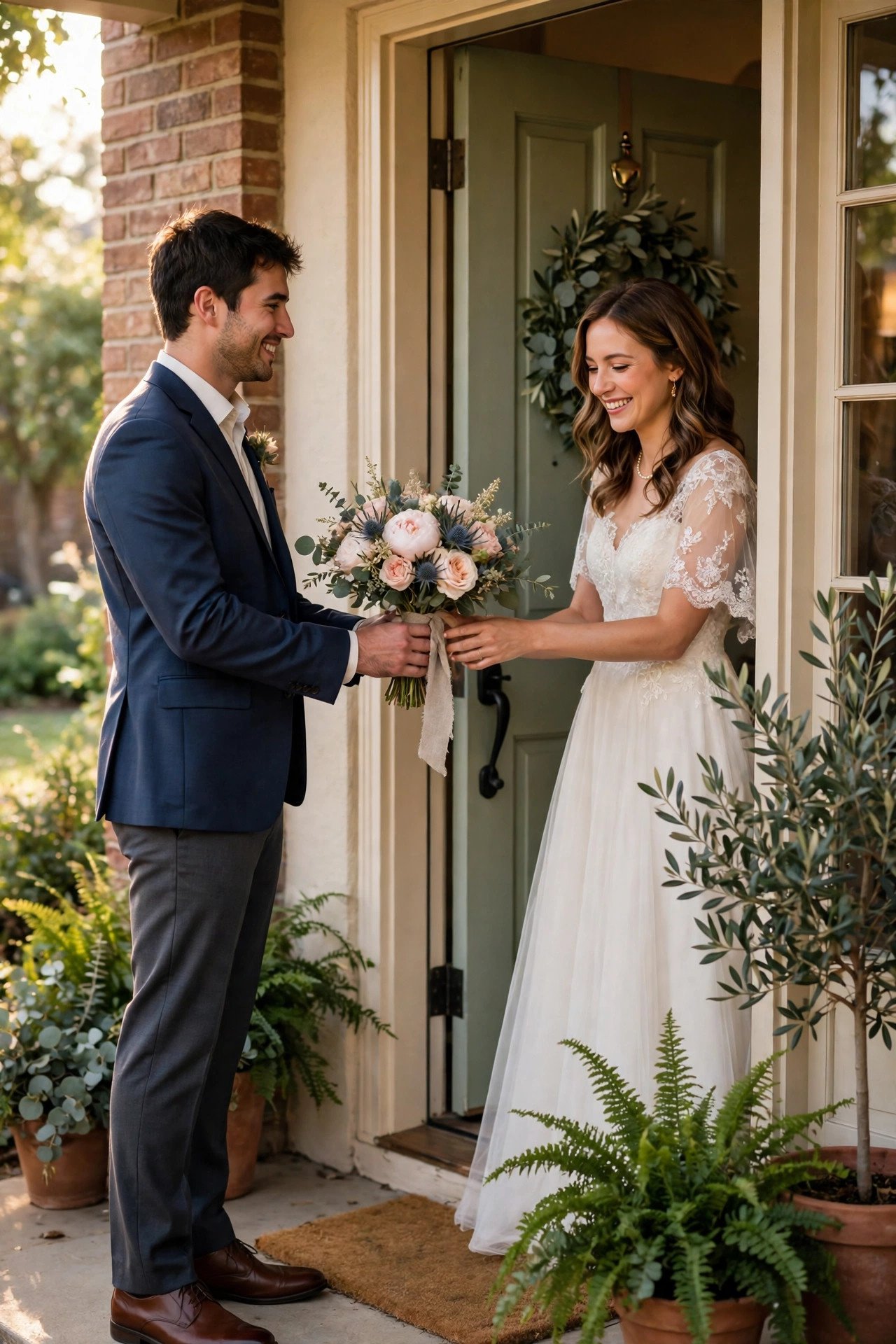
In a custom Lebanese families love, the groom arrives at the bride’s home carrying her bouquet, which he presents to her at the door or in the family room — their first look often happening right there, witnessed by everyone who raised her. His family is welcomed with coffee and sweets, photographs multiply, and the two households merge for the first time that day. The bouquet handoff is small, quick and somehow the moment the wedding becomes real for both mothers.
The Ceremony — Church or Katb al-Kitab
 📌 Save
Lebanon is home to many faith communities, and its weddings reflect that richness: Christian couples marry in church ceremonies — Maronite, Orthodox, Catholic, Protestant and others — while Muslim couples hold the katb al-kitab, the signing of the marriage contract before a sheikh, family and witnesses, sometimes at home, at a mosque office or at the wedding venue itself. Couples and families follow their own community’s rite, and mixed celebrations simply mean more blessings. Ask your own priest or sheikh about specifics — parishes and families vary.
The Honking Car Convoy
 📌 Save
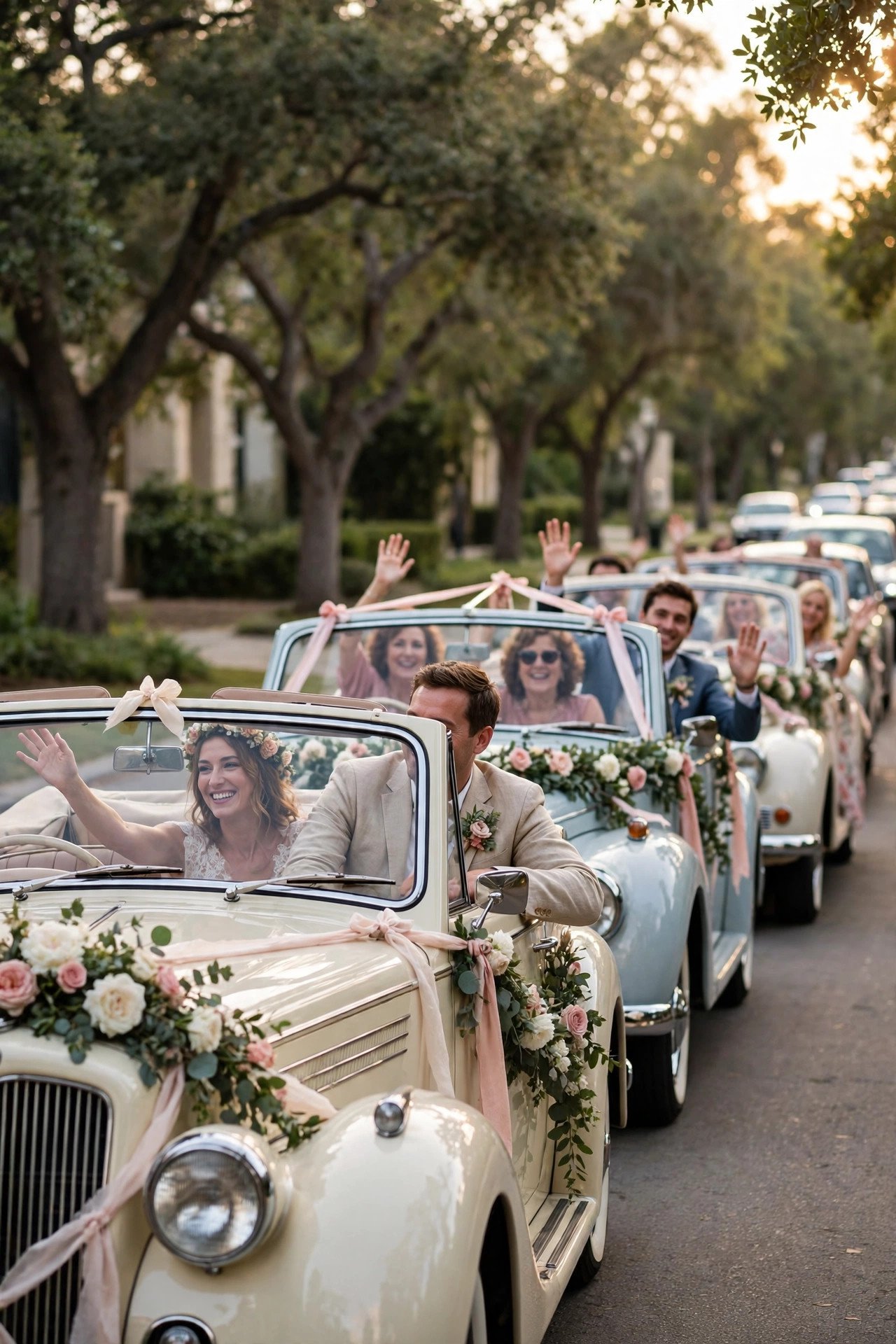
Between the bride’s home, the ceremony and the reception, the wedding party travels in convoy: the couple’s car decked in flowers, family cars behind, everyone leaning on horns in the rhythmic honking pattern that turns traffic into applause. Other drivers answer, pedestrians wave, and the city itself briefly joins the guest list. The convoy is standard across Lebanon and the wider region, and diaspora couples recreate it — within local noise rules — everywhere from Dearborn to Sydney.
A Flower-Draped Wedding Car
 📌 Save
The couple’s car is decorated like a guest of honor: floral arrangements on the hood and handles, ribbons streaming, sometimes a small arrangement spelling the couple’s initials. Florists in Lebanon specialize in car dressing, and the finished car is photographed almost as much as the couple. In the diaspora the tradition doubles as a signal — a flower-draped car in a hotel driveway tells every passerby exactly what kind of day it is.
Fireworks Over the Reception
 📌 Save
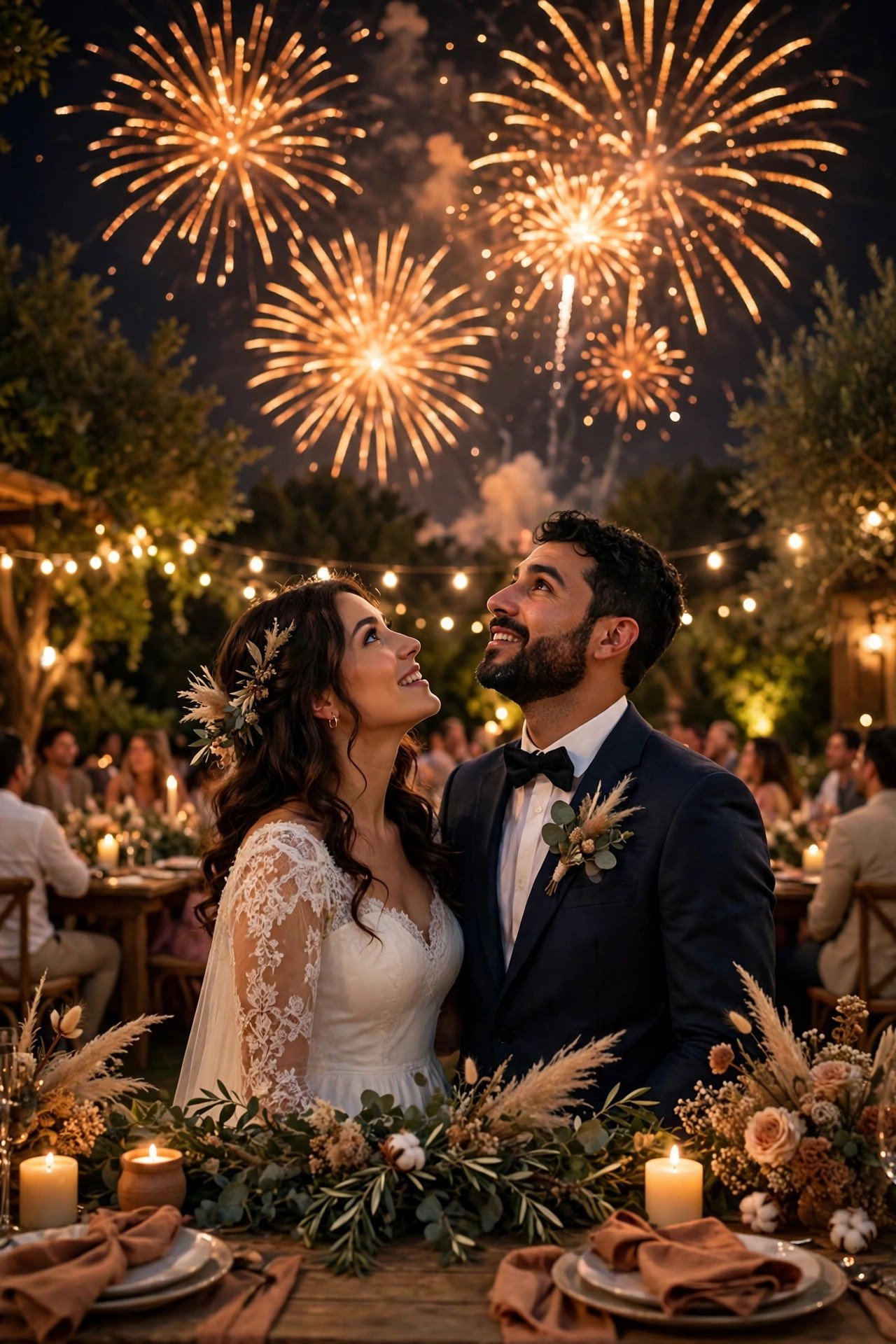
Lebanese receptions at outdoor venues and mountain hotels often include fireworks — timed to the couple’s entrance, the cake or the first dance — and the coastline and hills around Beirut make a spectacular natural amphitheater. The display is part of the country’s celebration vocabulary, alongside sparklers and cold-pyro fountains at indoor venues. Abroad, couples check local permits carefully, but where fireworks are allowed, a five-minute show remains the Lebanese way to punctuate the night.
Guest Lists That Fill the Room — and Then Some
 📌 Save
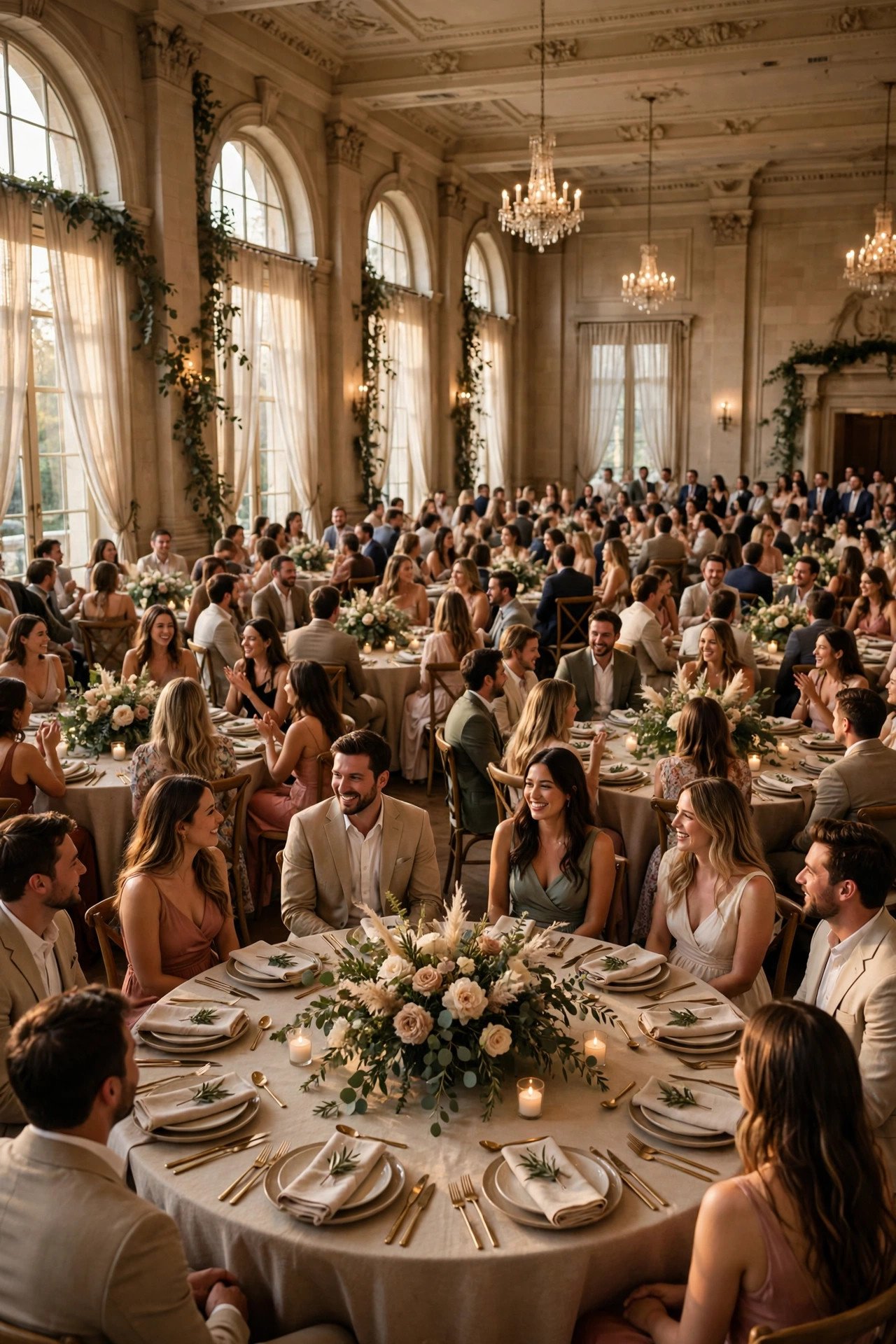
Lebanese hospitality makes for legendary guest lists: extended family, family friends, neighbors, colleagues and sometimes whole villages, with several hundred guests entirely normal. Inviting widely is a matter of honor — leaving people out causes more pain than feeding them costs. Diaspora couples often split the difference: a huge celebration with the community, while keeping the ceremony itself family-close. Nobody regrets the extra tables; the stories always come from the far corners of the room.
Mezze to Start the Feast
 📌 Save
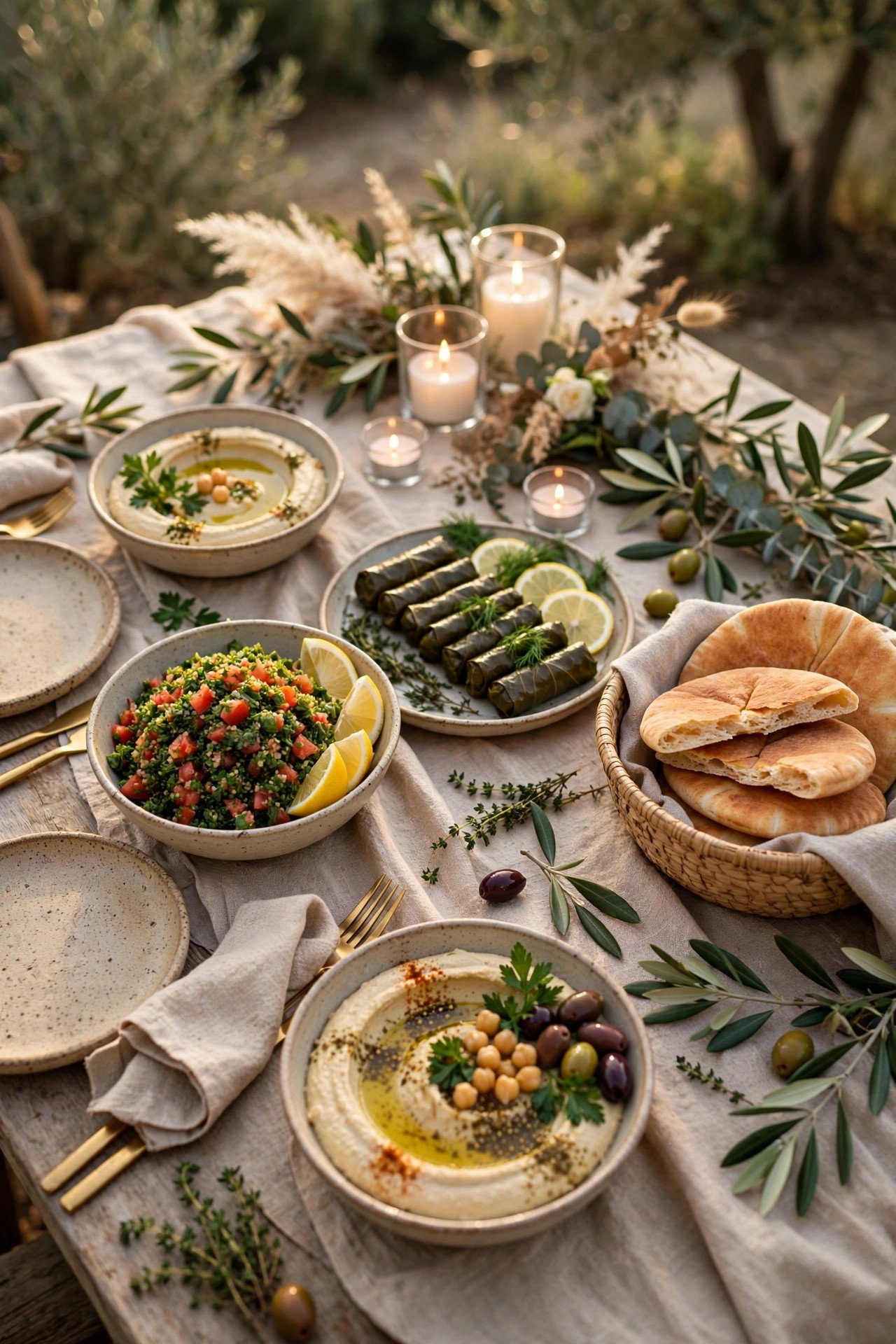
Dinner opens with mezze: hummus, moutabbal, tabbouleh, fattoush, vine leaves, kibbeh and warm bread covering every centimeter of table, eaten slowly and socially while the band warms up. Mezze is not a starter course so much as the wedding’s first hour — guests graze, talk and settle in before mains of grilled meats and rice arrive. Hosts choose caterers on their mezze reputation alone, and a skimpy mezze table is remembered almost as long as the wedding.
Dinner Served Late, Party Until Dawn
 📌 Save
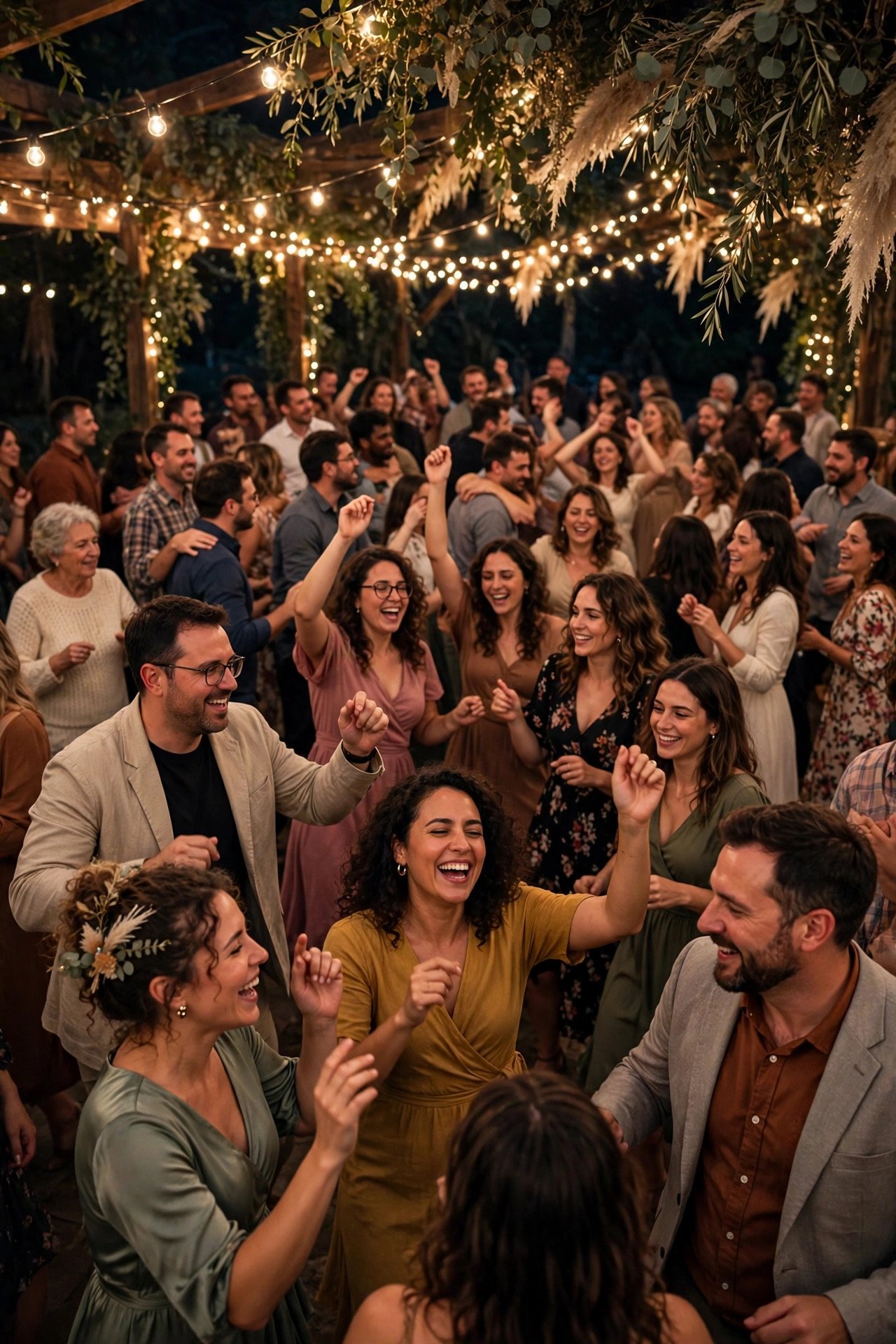
Lebanese receptions start late and end later: guests arrive in the evening, dinner unfolds unhurriedly, and the dancing — the true main event — runs until two, three, or dawn at summer venues. The couple is expected on the floor, not above it: they dance through the night with their guests. Couples abroad warn out-of-town guests kindly on the invitation — ‘dinner at nine, dancing until late’ — so nobody wears the wrong shoes for a marathon.
The Towering Cake Cut with a Sword
 📌 Save
The Lebanese wedding cake is tall, tiered and theatrical — and it is cut with a sword, the couple holding the hilt together as the room erupts in zaghareet. The sword cut is shared with several Mediterranean and Arab traditions and suits Lebanon’s flair precisely: why use a knife when a sword is available? Venues and bakeries supply the ceremonial sword; the cake itself is often partly display cake to achieve the height safely.
Circle Dabke with Every Guest
 📌 Save
Beyond the professional troupe, dabke belongs to the guests: circles form and re-form all night, a leader at the front calling steps, hands linked, feet stomping in unison. Children dart in and out; grandfathers hold their section of the circle with immense dignity. For diaspora weddings the guest dabke is often the night’s emotional peak — a folk dance doing exactly the job it evolved for, turning a crowd of individuals into one moving ring of family.
A Belly Dance Performance
 📌 Save
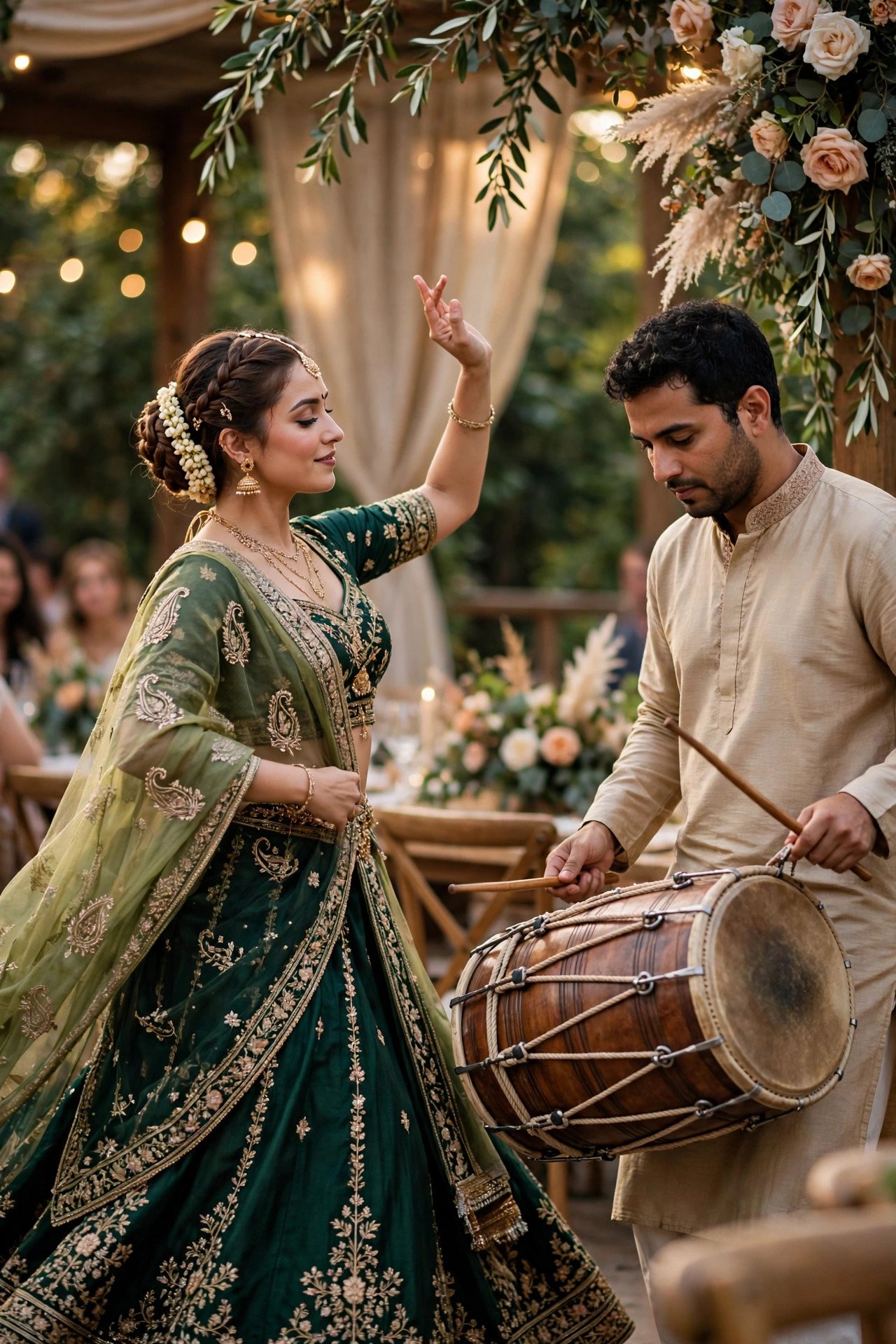
Many Lebanese receptions feature a professional belly dance performance — a celebrated art form in Lebanon, where star dancers are household names. The performance, often including a live drum solo and audience interaction, is entertainment the whole family applauds together, and the dancer may lead the couple onto the floor. Couples book respected artists through their zaffe or entertainment company, treating the set as they would a headline singer: a highlight, timed mid-evening.
Live Singers and a Packed Dance Floor
 📌 Save
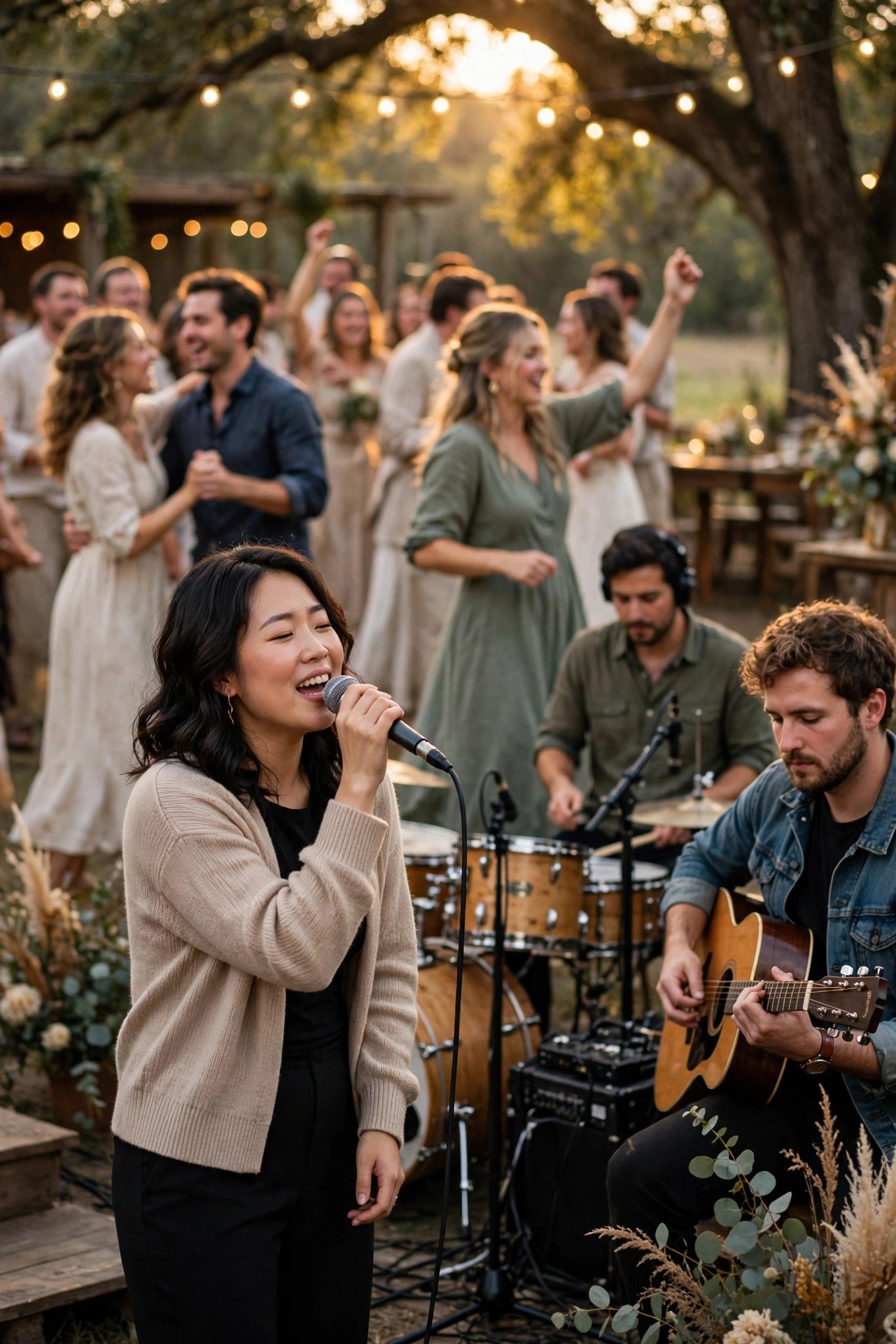
Music at a Lebanese wedding is live and central: a singer and band carry the night with Arabic classics, tarab favorites and modern hits, reading the room and stretching beloved songs while the floor is full. Families debate singer choices the way other families debate venues — the singer is the party. Diaspora couples fly artists in or book from the strong Lebanese music scenes in cities like Montreal, Detroit, London and Sydney.
Mlabas — Sugared Almond Favors
 📌 Save
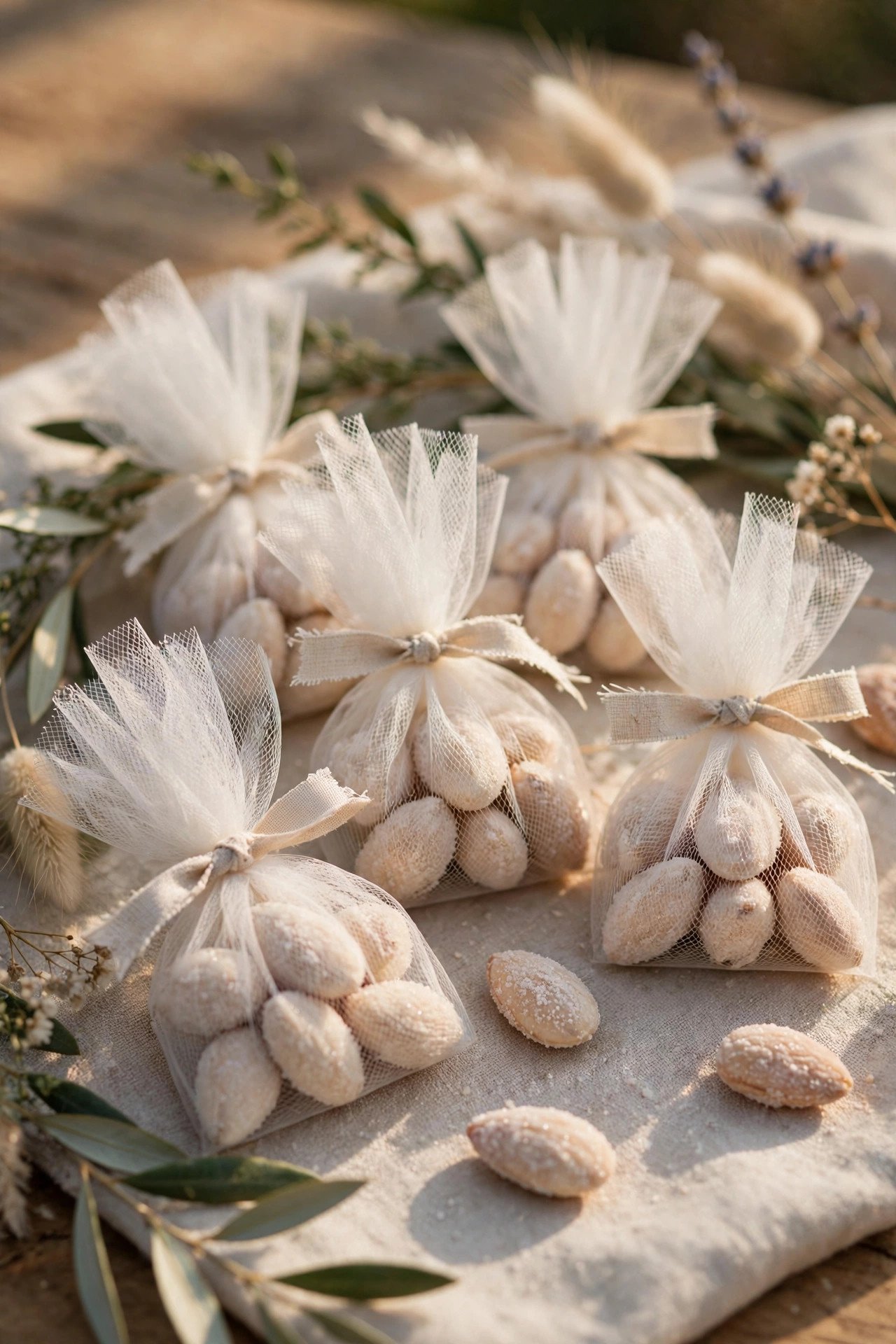
Guests leave with mlabas: sugar-coated almonds, classically five in a tulle bundle — traditionally said to carry wishes for health, wealth, happiness, fertility and long life. The almonds’ bittersweet core under sweet coating is itself a small philosophy of marriage. Lebanese confectioners sell mlabas in every color and finish, from matte pastels to gold-dusted, and couples personalize the bundle tags with names and dates.
Cash Gifts for the Couple
 📌 Save
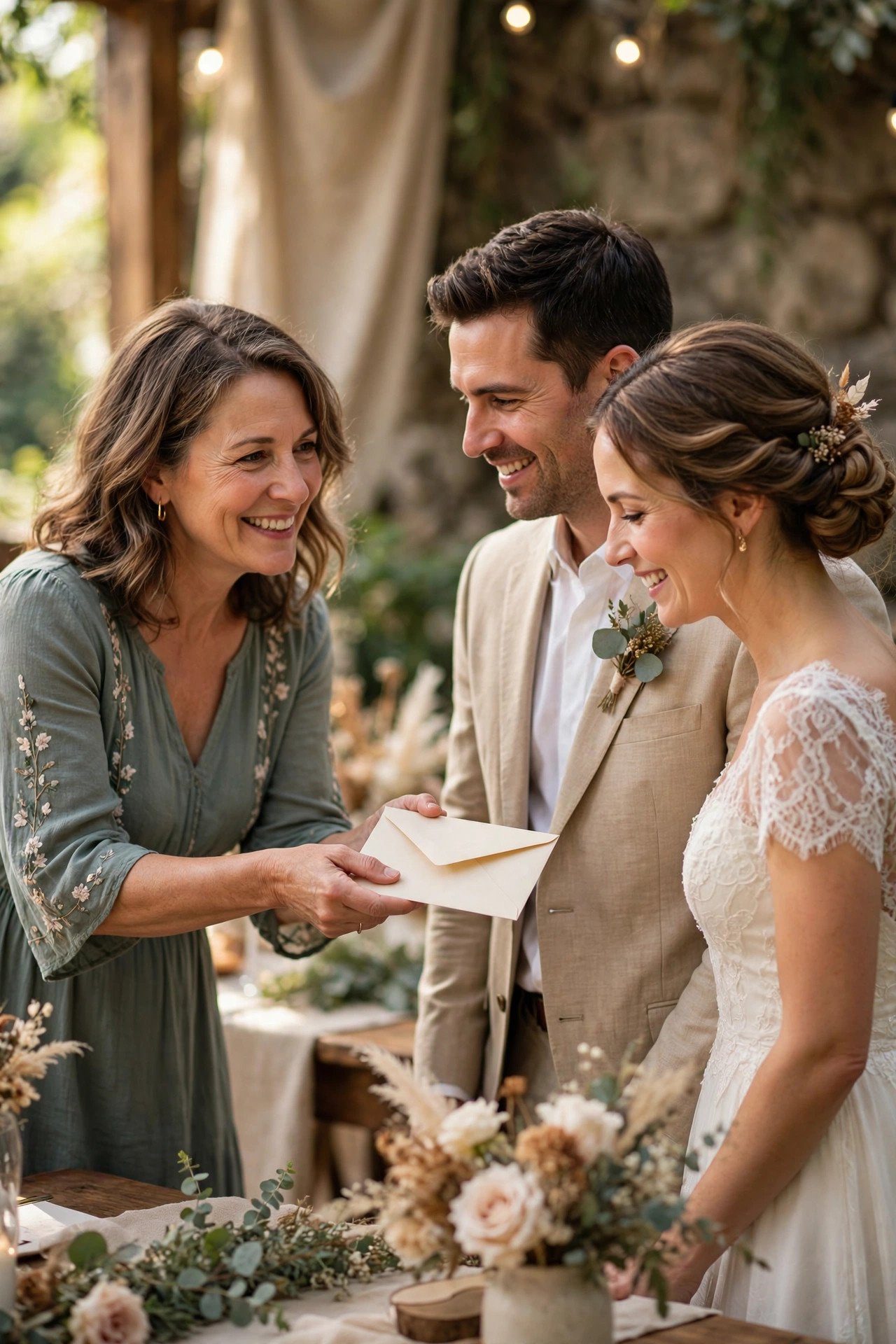
Cash in an envelope, presented personally to the couple during the evening, is the traditional Lebanese wedding gift — practical, generous and entirely without stigma. Close family gifts are substantial and are remembered with gratitude for years. Couples receiving guests from mixed backgrounds often soften the culture gap with a wedding-website note explaining that envelopes are the family custom, while a small registry serves guests who prefer a wrapped gift.
The Bride’s Styling — Glamour as a Family Project
 📌 Save
Lebanon is famous across the region for bridal artistry: hair stylists and makeup artists are booked a year ahead, trials are events, and the gown — often from Lebanon’s celebrated designers or an atelier abroad — is chosen for presence: structure, sparkle and a silhouette that survives a zaffe, a convoy and six hours of dancing. Brides describe the styling morning as a family ritual in itself, mothers and sisters orbiting with coffee, opinions and tears.
The Jihaz — Preparing the Trousseau
 📌 Save
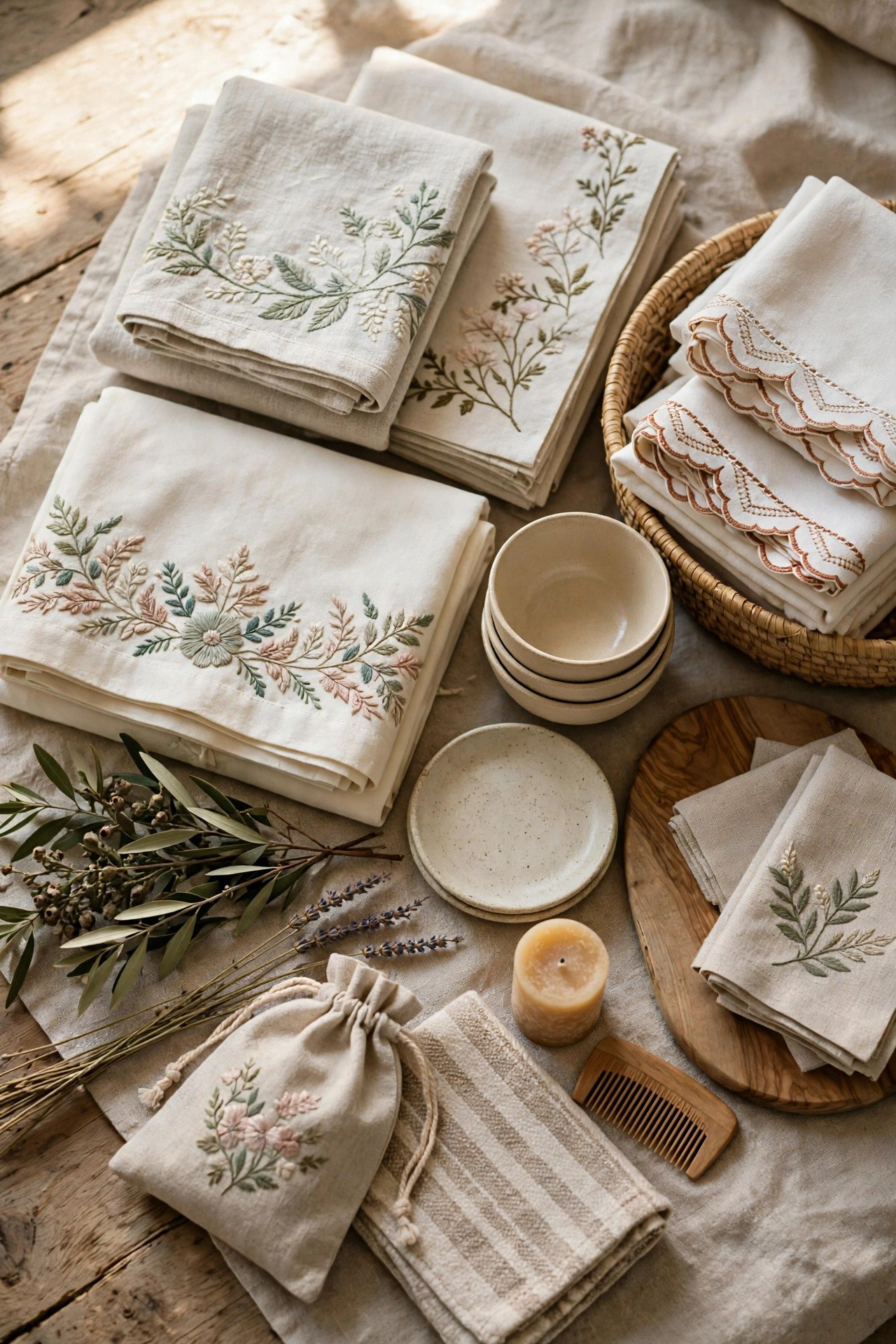
In the months before the wedding, the bride’s family prepares her jihaz — her trousseau of clothing, linens and household goods for the new home, gathered with care and often displayed or packed in decorated cases before the wedding. The preparation is women’s work in the happiest sense: mothers, aunts and sisters shopping and sewing together, each item a small investment in the bride’s new life. Modern couples fold the custom into shared home preparation, but the family’s contributions remain a point of pride.
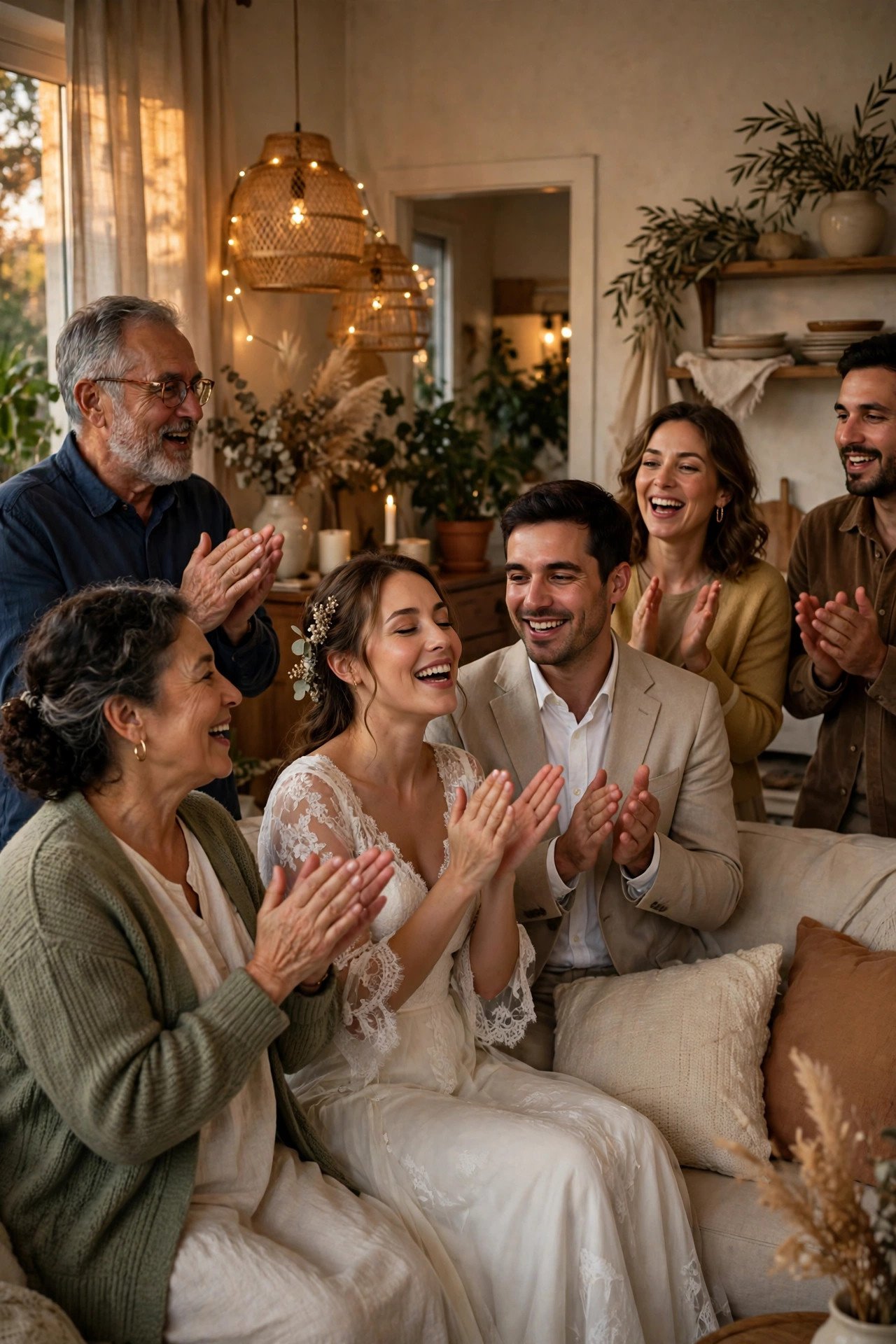
Pre-Wedding Celebrations at Home
 📌 Save
In many Lebanese families the celebration starts well before the wedding day: evenings of visiting, singing and sweets at the bride’s and groom’s homes — sometimes called layali, nights of joy — as relatives arrive from abroad and the houses fill. A singer or oud player may be hired for a home evening; neighbors drift in; nobody is checking a guest list. For diaspora families these home nights carry extra weight, reuniting relatives who have flown in from four continents.
White Doves Released Together
 📌 Save
Some Lebanese couples release a pair of white doves after the ceremony — symbols of peace, fidelity and new beginnings — to applause and zaghareet on the church steps. The doves are supplied and handled by specialist companies that ensure the birds are trained homing doves, properly cared for. Where dove releases are restricted or couples prefer otherwise, the moment is often swapped for petals or bubbles with the same skyward feeling.
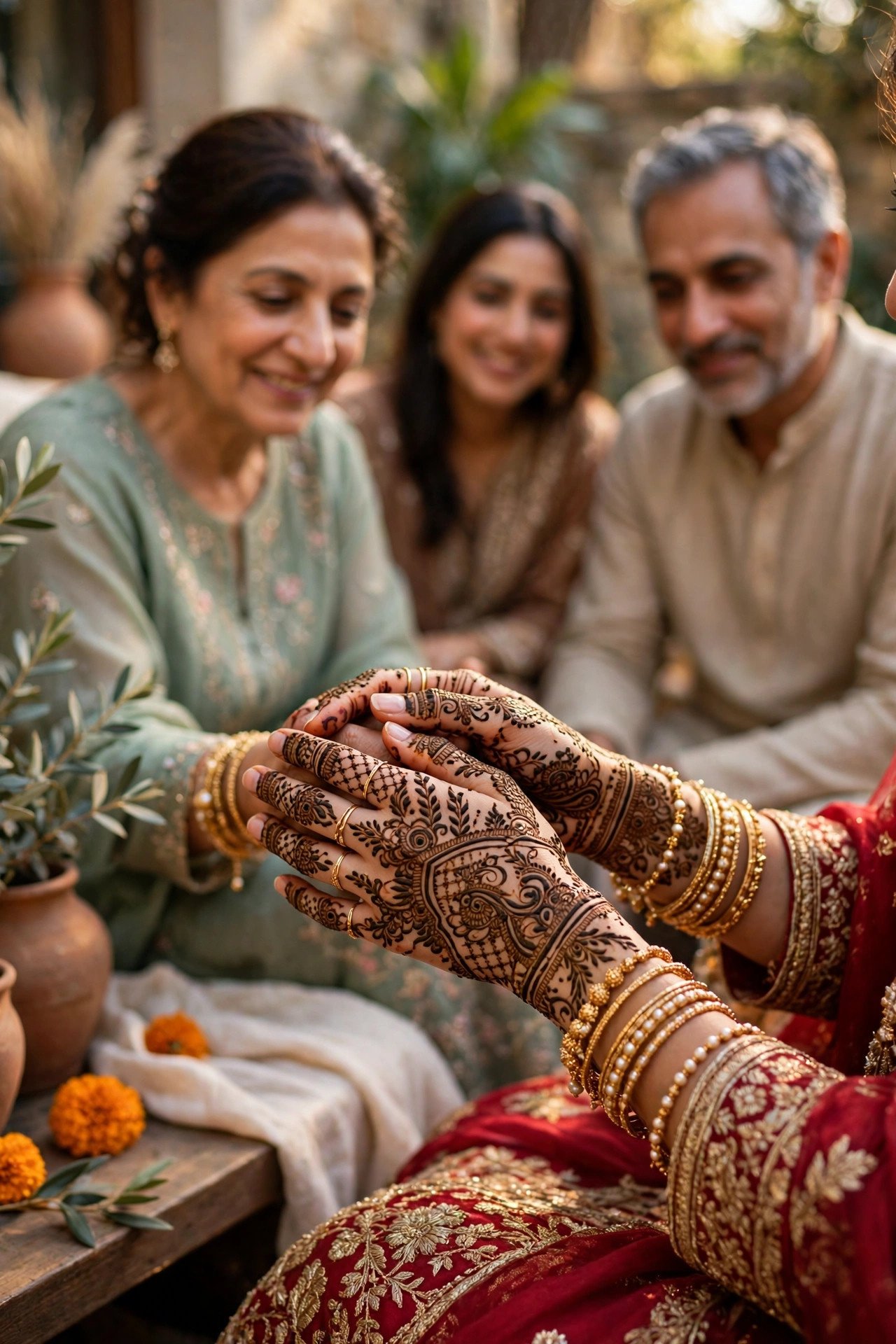
Henna in Some Communities
 📌 Save
Henna evenings are part of wedding culture in some Lebanese communities — particularly in the south and in Palestinian-Lebanese families — where the bride’s hands are decorated, traditional songs are sung, and women gather for an emotional, joyful night. In other Lebanese families henna plays no role at all. That variation is the honest picture of Lebanon: a small country of many communities, each keeping its own beautiful subset of the whole tradition.
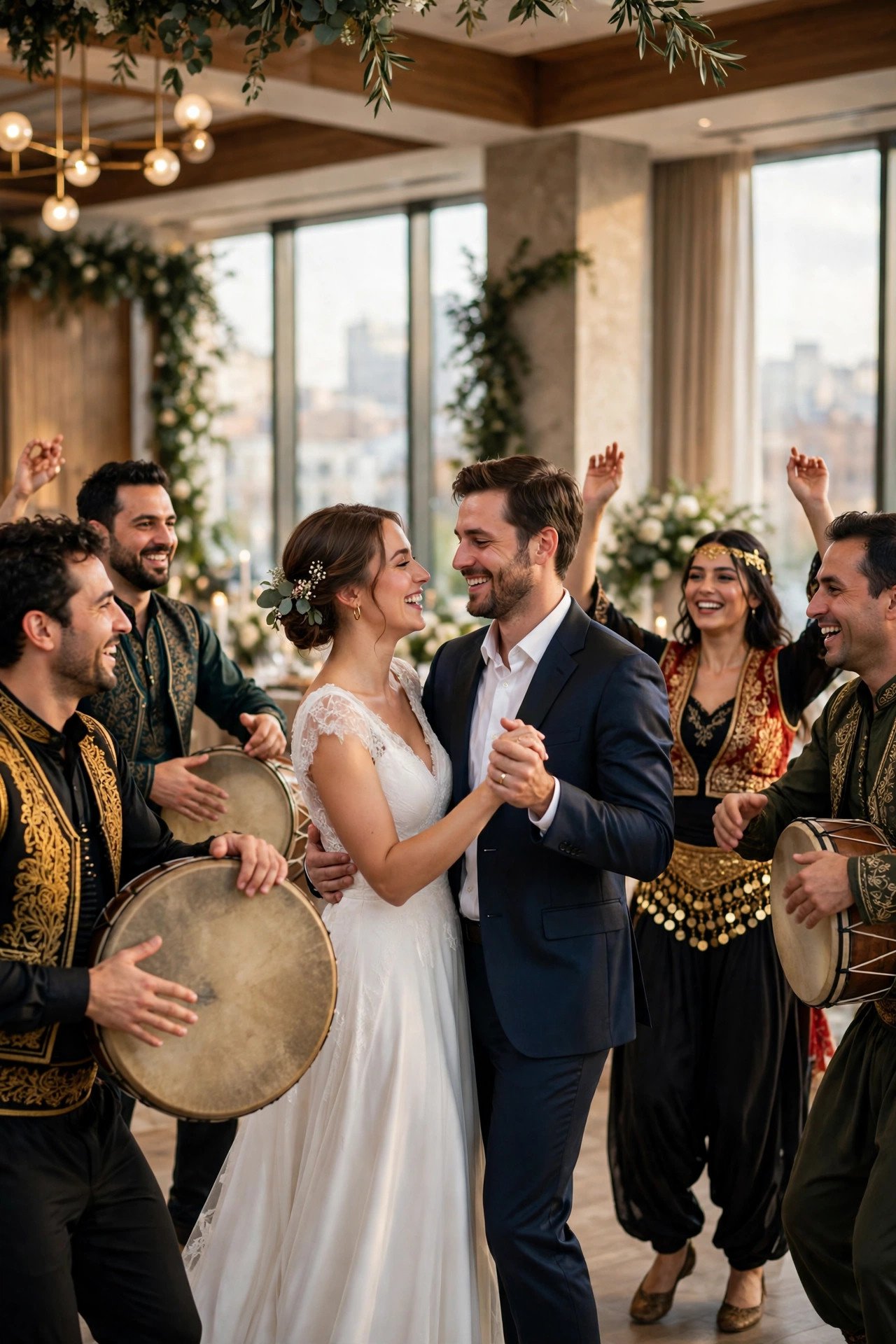
Blending Lebanese and Western Traditions Abroad
 📌 Save
Lebanon’s diaspora outnumbers its population at home, and its weddings abroad are masterclasses in selective tradition: the zaffe, dabke, zaghareet and sword-cut cake are non-negotiable; the guest list is trimmed to venue reality; the ceremony follows the couple’s own parish or sheikh in their new city. The result is unmistakably Lebanese at half the scale and twice the nostalgia — older relatives often say the weddings abroad feel the most Lebanese of all, because every custom present was chosen on purpose.
Lebanese Wedding Traditions FAQs
What exactly is a zaffe?+
A zaffe is the traditional entrance procession: a troupe of dabke dancers and drummers — often in traditional dress, sometimes with swords — escorts the couple into the ceremony or reception with high-energy music and dance. The couple is celebrated like royalty, and guests greet them with applause and zaghareet (ululations).
What are zaghareet?+
Zaghareet are ululations — rapid, high-pitched trilling cries made by women to express overwhelming joy. You will hear them when the bride appears, when the couple enters, and at the cake cutting. They are the spontaneous soundtrack of a Lebanese celebration, made by guests rather than performers.
Why is the Lebanese wedding cake cut with a sword?+
Cutting the cake with a ceremonial sword is a long-standing custom in Lebanon and several Mediterranean and Arab cultures. The couple holds the sword together for the first cut while guests cheer and ululate. Venues and bakeries provide the sword, and the towering cake is often partly decorative to achieve its dramatic height.
How many guests attend a typical Lebanese wedding?+
Large guest lists are the norm in Lebanon — several hundred guests is common, because hospitality and honoring extended family, neighbors and friends matter deeply. In the diaspora, couples often host smaller versions, but a Lebanese wedding still tends to be one of the biggest celebrations in any venue’s calendar.
What gift should I bring to a Lebanese wedding?+
Cash in an envelope, presented to the couple during the reception, is the traditional and warmly welcomed gift. Amounts vary with your closeness to the family. Some couples keep a small registry as an alternative for guests who prefer it, but the envelope is never wrong at a Lebanese wedding.
Key Takeaways
- The zaffe is the signature: dancers and drummers turn the couple’s entrance into a folk parade.
- Zaghareet — joyful ululations — are the guests’ instrument, played at every peak moment.
- The night runs late and large: mezze first, dancing until dawn, and a guest list that honors everyone.
- The cake is tall and cut with a sword; the favors are mlabas, five sugared almonds of good wishes.
- Lebanon’s many communities celebrate differently — church or katb al-kitab — and families blend traditions freely.
Final Thoughts
If a Lebanese wedding teaches the rest of the world anything, it is that celebration is a form of hospitality: nobody watches a Lebanese wedding, everybody is in it — in the circle, in the ululation, in the last dance at dawn. Borrow the zaffe if you can, the zaghareet if you dare, and the philosophy either way: when the people you love gather, make some joyful noise about it.