Open Letter to My Son on His Wedding Day
By zainzari • Published April 2026 • Updated October 10, 2026
 📌 Save
An open letter to your son on his wedding day should follow seven chapters: where it all started, the boy he was, watching him fall in love, what your own marriage taught you, your hopes for the couple, a parent’s promise, and a closing line of unconditional love. Write the way you talk, anchor each chapter in one specific memory, and give the letter to him during getting-ready time so he can read it in a quiet moment.
There is a moment on every wedding morning — the suit is on, the room is buzzing, and a parent looks at their son and realizes the little boy is gone and a husband is standing there. The words you want to say in that moment are enormous, and enormous words are hard to say out loud. That is exactly what a letter is for.
This guide gives you a complete open letter to your son on his wedding day, written in seven chapters you can adapt line by line. Each chapter is a heartfelt passage plus practical framing — how to shape it around your own memories, your own marriage, and the young man only you know.
At a Glance: The 7 Chapters, Their Purpose & Writing Tips
| Letter Part | Purpose | Writing Tip |
|---|---|---|
| Where It All Started | Grounds the letter in shared history | One vivid sensory memory beats a year-by-year recap |
| The Boy You Were | Shows him you truly saw him growing up | Name specific traits, not generic praise |
| Watching You Fall in Love | Honors the partner he chose | Describe what you observed, not just what you felt |
| What Marriage Has Taught Me | Passes on earned wisdom | Share one hard-won truth, vulnerably |
| My Hopes for You Two | Speaks blessing over their future | Wish in specifics, not abstractions |
| A Parent’s Promise | Defines your role going forward | Make promises concrete and keepable |
| Always, No Matter What | Seals the letter with unconditional love | End with one line he can carry forever |
Adapt each chapter with your own memories — the structure is the gift of order, but your specific details are what will make him cry. Handwrite the final version if you can; your handwriting becomes part of the keepsake.
Where It All Started
 📌 Save
Start your letter the day he arrived — the single memory that still plays in your mind like it happened this morning.
My dearest son, I have been thinking about the day you were born — the weight of you in my arms, the way the hospital room went quiet when you finally stopped crying, and the terrifying, wonderful realization that I would spend the rest of my life trying to be worthy of you. Everything I have done since then, I did as your parent first.
To adapt this chapter for your own son, choose one sensory detail only you remember: the song playing in the delivery room, his first outfit, the drive home with him. One true detail makes the whole letter believable; a timeline of every milestone makes it a report. He does not need the summary — he needs to feel that you remember.
Read next: 75 Moving Wedding Wishes for Your Daughter
The Boy You Were
 📌 Save
Show him the boy you remember — not the résumé of his achievements, but the character you watched forming.
You were the boy who shared his dessert without being asked and then pretended he hadn’t wanted it anyway. You were the kid who cried at sad movies but laughed the loudest at your own jokes, who defended the smaller kids on the playground and then came home and told me about it like it was just a normal Tuesday. The man standing in that suit today was already fully visible in that boy — I just didn’t know how lucky I was yet.
To adapt this for your son, resist listing accomplishments. Instead, name two or three character traits and tie each to one tiny scene: his stubbornness (the 400-piece puzzle), his kindness (the stray dog summer), his humor (the dinner-table impressions). Specifics prove you were paying attention — and being truly seen by a parent is the rarest gift a grown son can receive.
Read next: 9 Heartwarming Ways to Surprise the Bride on Her Big Day
Watching You Fall in Love
 📌 Save
Tell him the exact moment you knew — the shift in him that told you this one was different.
I knew the first time you brought her home and you couldn’t stop looking at the door waiting for her to walk back in. You — who had never once asked my opinion about anything you wore — asked me three times if your shirt was okay. I’d never seen you nervous in a good way before, and I understood in that instant: my boy had met his person, and nothing about our family would ever be the same. In the best way.
To adapt this chapter, describe behavior, not feelings. “You started calling on Sundays” lands harder than “I could tell you were happy.” And speak of his partner with genuine warmth and one specific quality you admire in her — welcome her by name, and mean it. This chapter is read by two people, and she will remember what you wrote about her for the rest of her life.
Read next: 300 Heartfelt Wedding Vows
What Marriage Has Taught Me
 📌 Save
Pass on one true lesson from your own marriage — the one you wish someone had told you at the altar.
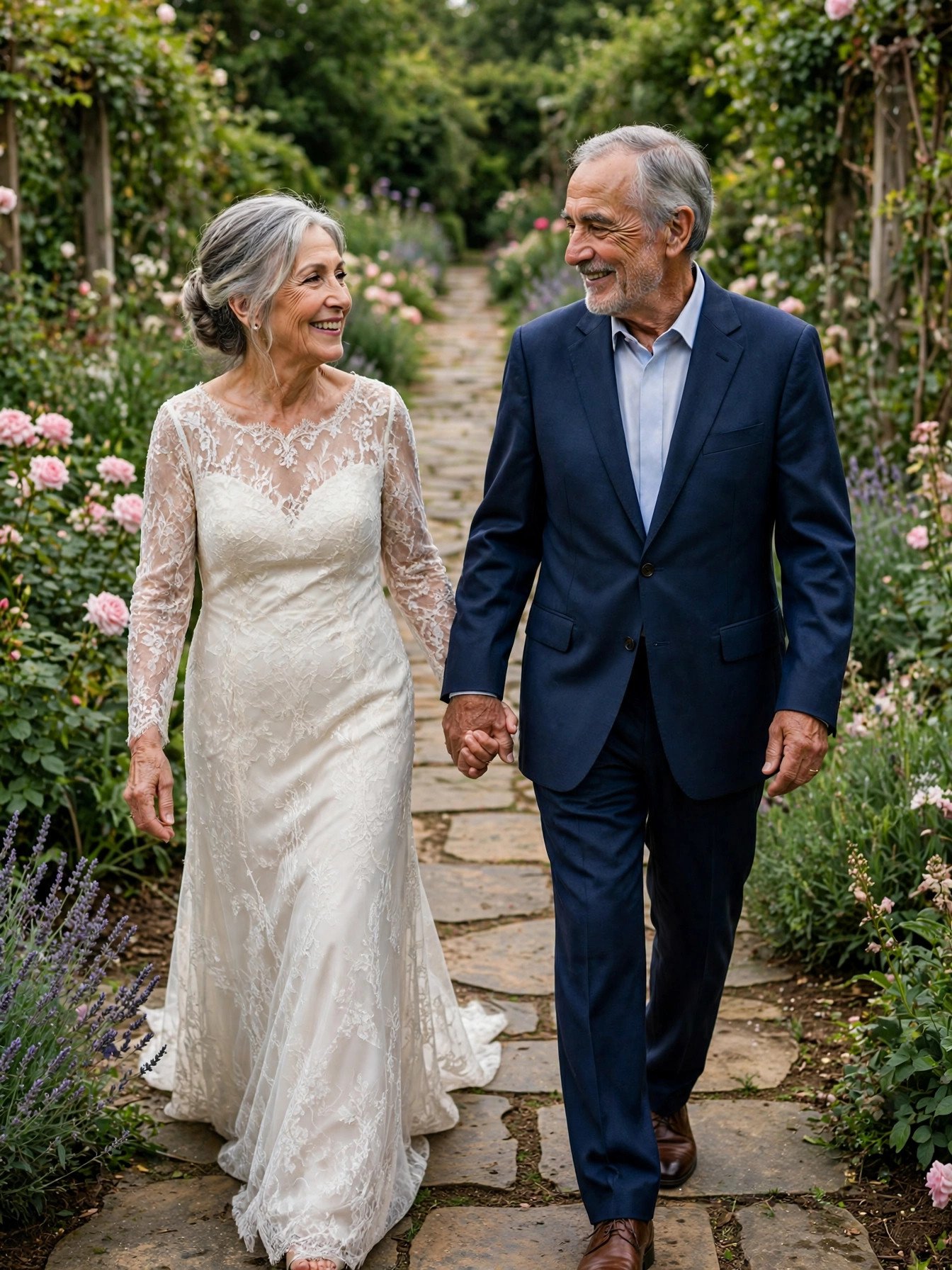
Nobody told me that marriage isn’t the big days — it’s the thousand small ones. Your mother and I didn’t fall in love once at our wedding; we’ve fallen in love again every time one of us was sick and the other just showed up, every time we chose to laugh instead of fight about the dishwasher, every tired Tuesday we decided to be kind anyway. Love is not a feeling you find, son — it’s a decision you make, daily, in ordinary moments.
To adapt this for your letter, be vulnerably honest rather than perfectly wise. Admit one thing marriage taught you the hard way — an argument you mishandled, a year that was difficult, what repair actually looked like. A parent who confesses imperfection gives a son permission to be imperfect too, and that permission is worth more than any polished advice.
My Hopes for You Two
 📌 Save
Speak blessing over their marriage in concrete pictures — the future you genuinely dream of for them.
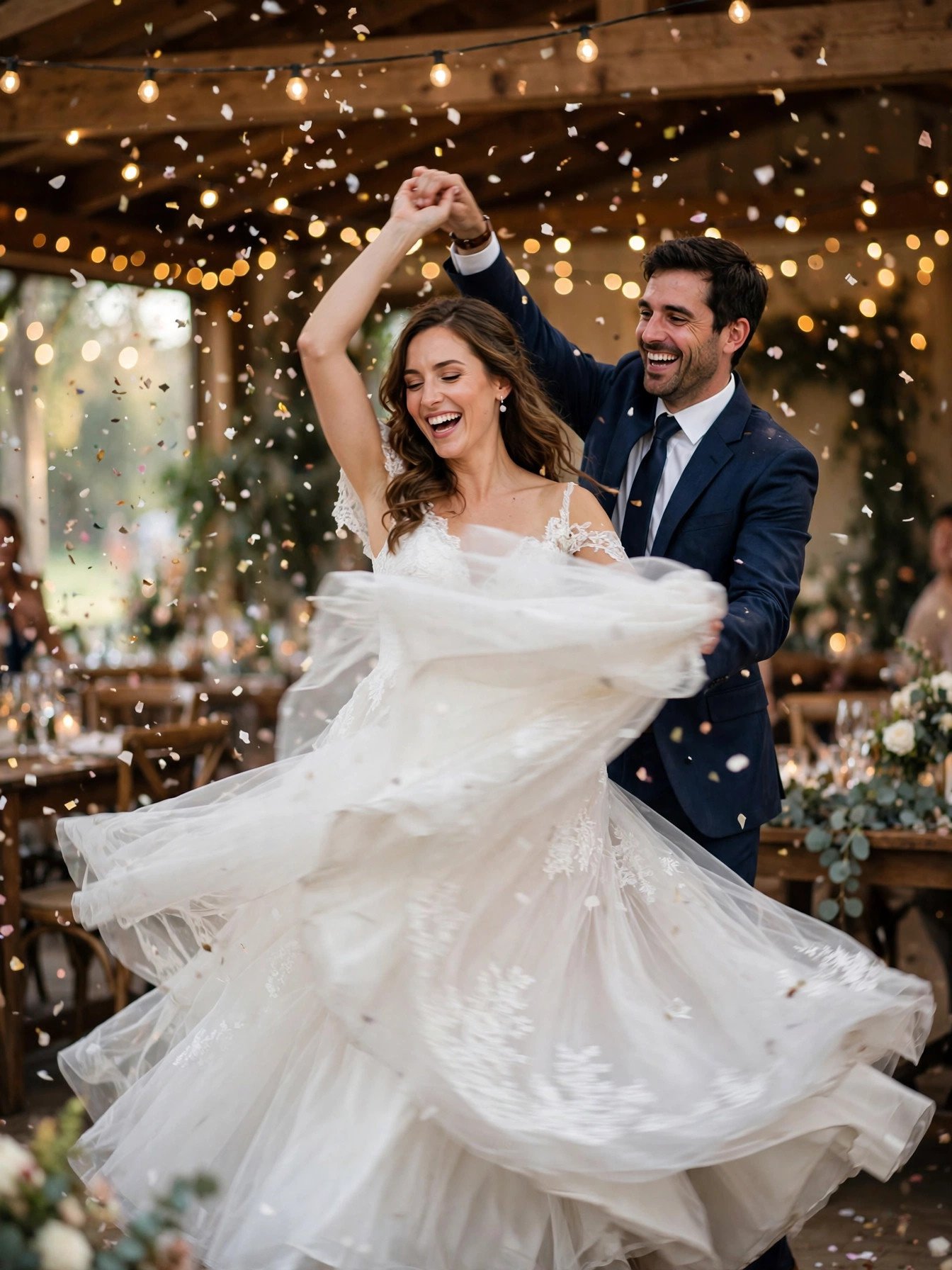
I hope your kitchen is always the loudest room in the house. I hope you dance in it on ordinary Thursdays. I hope you learn each other’s coffee orders and each other’s bad days, and that when life gets heavy — and it will — you remember that you’re on the same team, holding the same rope, pulling in the same direction. I hope your home smells like whatever she bakes when she’s happy, and I hope you never, ever stop making her laugh.
To adapt this chapter, wish in scenes, not abstractions. “I hope you are happy” is a card; “I hope your Sunday mornings look like ours did — pancakes, the crossword, nowhere to be” is a blessing. Borrow images from your own family’s happiest rituals, because what you’re really doing is handing him the good parts of your legacy and saying: take this with you.
Read next: 33 Beautiful Bridal Shower Ideas You’ll Want to Steal
A Parent’s Promise
 📌 Save
Define your promises going forward — the support you will give, and the space you will respect.
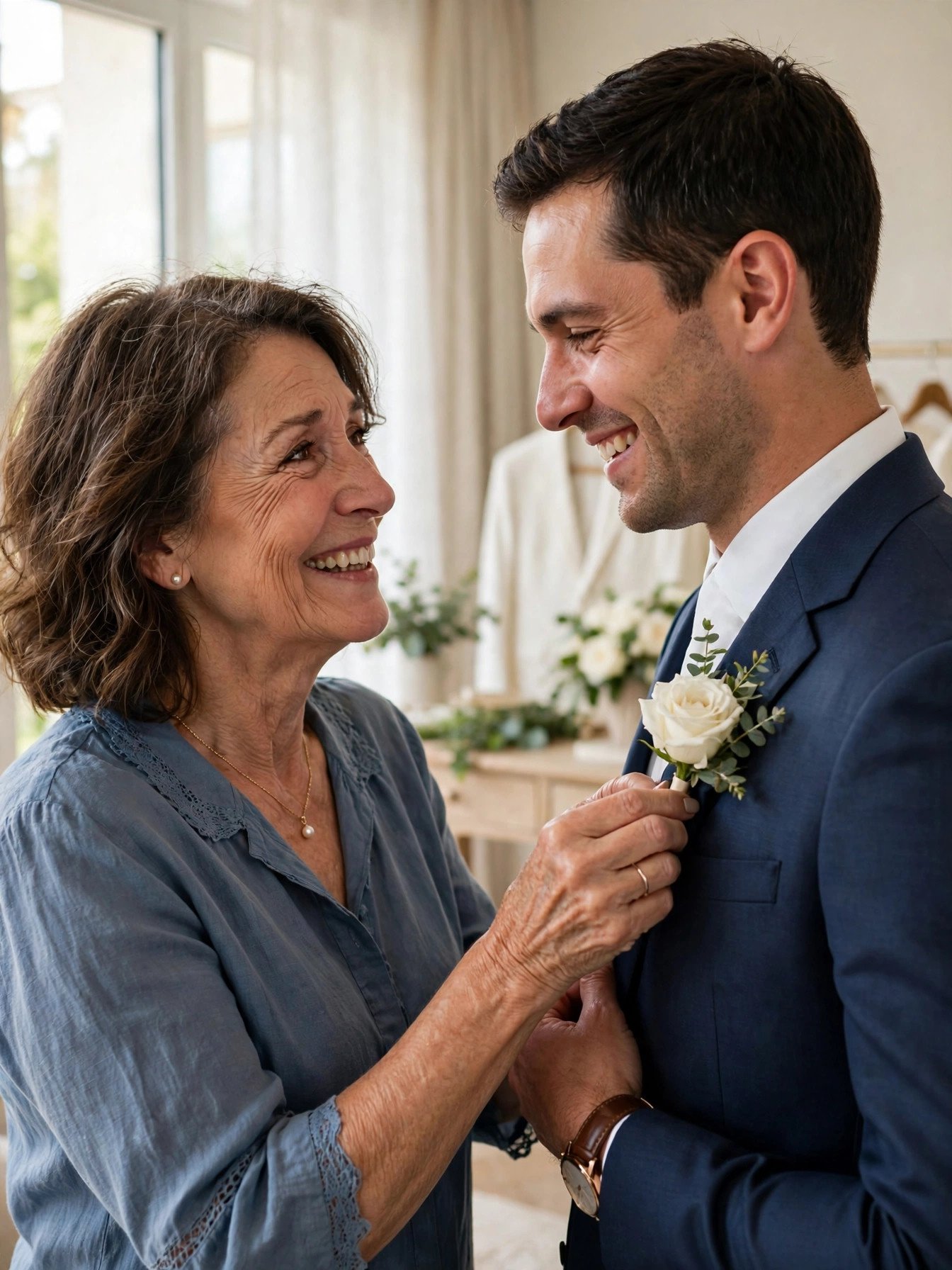
So here is my promise to you both. I promise to love your wife like my own — not as a guest in our family, but as family. I promise to give advice only when you ask for it, to babysit with joy and without commentary, and to remember that your marriage belongs to the two of you. My door, my phone, and my heart will always be open — and I will always knock first.
To adapt this chapter, make every promise concrete and keepable — vague vows (“I’ll always be there”) fade, while specific ones (“Sunday dinner is yours whenever you want it”) become family traditions. If you’re writing as a single parent, this chapter carries extra weight: name the village around him too. What matters is that he reads this and knows exactly where he stands.
Always, No Matter What
 📌 Save
End where every parent’s heart actually lives: he is yours, always, no matter what.
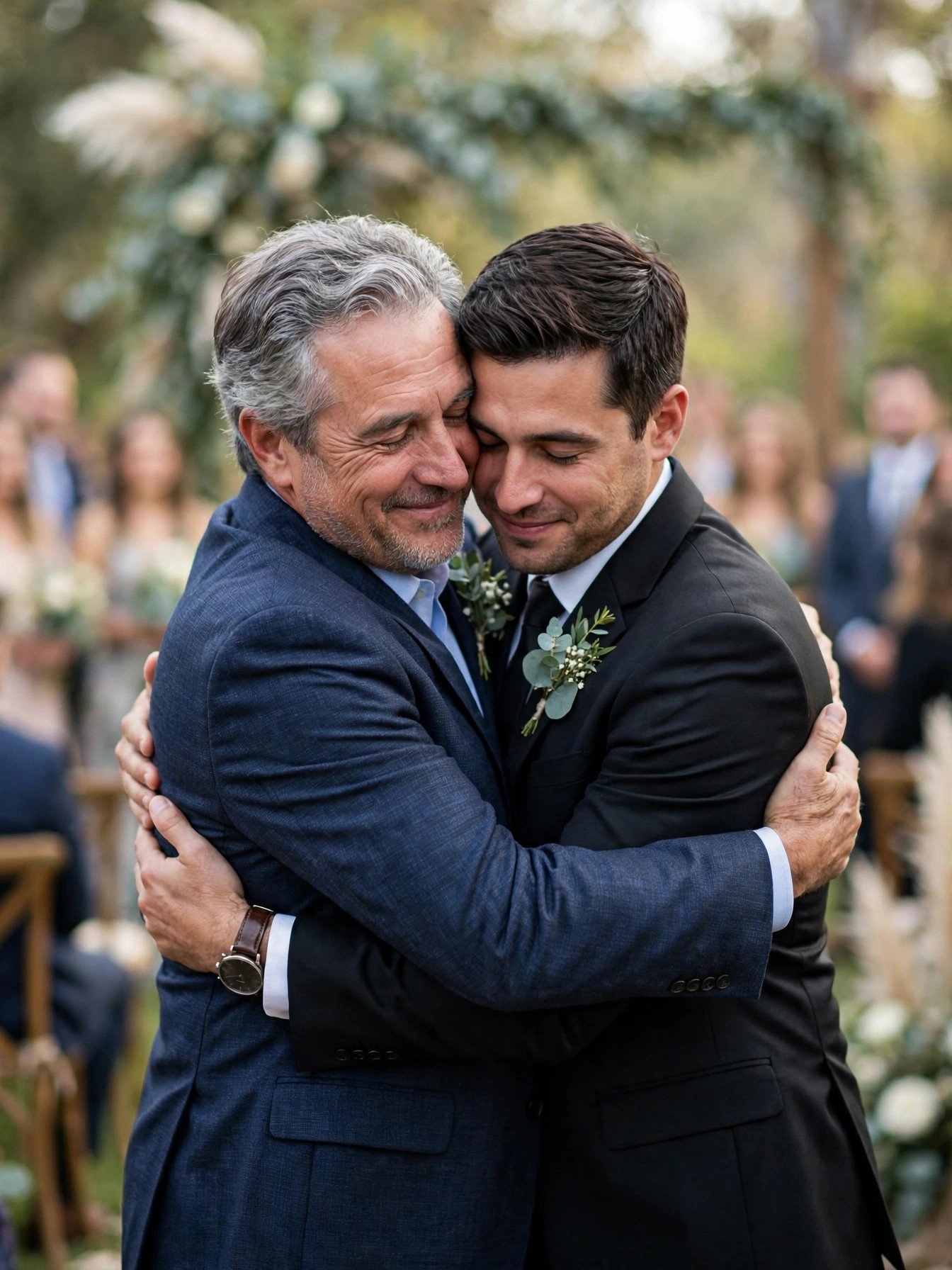
And son — whatever today brings, whatever the years ahead hold, hear this clearly: you are gaining a wife today, but you are not losing us. You will always be my boy. Not the boy who needed me to tie his shoes — the man I get to watch become a husband, and one day, if life is kind, a father who writes his own letter. I am so proud of you that I can barely write this. I love you. Always, no matter what.
To adapt this closing, write the one sentence you want him to hear in his head on his hardest future day. Not the cleverest sentence — the truest one. Sign it the way you’ve always signed things for him, whether that’s “Love, Dad,” “Forever, Mom,” or the nickname only your family uses. That signature is the final detail that makes the letter unmistakably yours.
Frequently Asked Questions
How long should my letter to my son on his wedding day be?
Aim for one to two handwritten pages, or about 300–500 words. That is long enough to hold real memories and honest advice, and short enough to be read without rushing — especially on a day when emotions and schedules both run high.
Should I read the letter aloud or give it to him privately?
Either works, but private reading usually lands deeper. Reading aloud at the reception can be beautiful, though nerves may steal your voice; many parents hand over the letter during getting-ready time so he can read it alone, then share a shorter version at the rehearsal dinner.
What if I do not consider myself a good writer?
Write the way you talk. Short, honest sentences beat flowery language every time — “I was so proud of you when…” carries more weight than any polished metaphor. The seven chapters in this guide give you a structure, so you only need a few heartfelt lines per section.
Should both parents sign one letter or write separately?
Separate letters are the greater gift; each parent has different memories and a different voice. If only one parent is writing, address that openly and warmly — the letter becomes even more precious when it carries one person’s full heart.
When is the best moment to give him the letter?
The morning of the wedding, during getting-ready time, is the classic window — it steadies nerves and sets the tone for the day. Some parents prefer the night before at the rehearsal dinner. Avoid handing it over mid-reception, when he will not have a quiet moment to truly read it.
✨ Key Takeaways
- Build the letter in seven chapters — from his birth to your closing line of unconditional love.
- Anchor every chapter in one specific memory; details prove you were truly paying attention.
- Share one honest marriage lesson, vulnerably — imperfection gives him permission too.
- Welcome his partner by name with genuine warmth; she will remember your words forever.
- Give the letter during getting-ready time, handwrite it if you can, and keep a copy for yourself.
Final Thoughts
He may not cry when he reads it — grooms on wedding mornings are running on adrenaline and tailors’ pins. But he will keep it. He will find it in a drawer years from now, on an ordinary day, and read it with the eyes of a man who finally understands everything you were trying to say. Write it like that day is coming, because it is.