
What Are the Groom’s Parents Responsible For
By zainzari • Published April 2026 • Updated October 10, 2026
 📌 Save
The groom’s parents are traditionally responsible for hosting the rehearsal dinner, contributing financially (groom’s attire, officiant fee, marriage license, often the honeymoon), providing their side’s guest list, dressing appropriately for the day, taking ceremony roles like escorting and candle-lighting, warmly welcoming the bride’s family, giving toasts at the rehearsal dinner and reception, and handling post-wedding hospitality such as the farewell brunch. In 2027, most families adapt these traditions to their budget and the couple’s wishes.
“So… what are we supposed to do, exactly?” It’s the question nearly every groom’s parent asks — usually with a mix of excitement and anxiety. Wedding tradition assigned them a clear supporting role, but modern weddings have rewritten half the rules, leaving many parents unsure where they fit.
This 2027 guide lays out the 8 responsibilities of the groom’s parents — what tradition says, how modern families actually handle it, and what it costs. Whether you’re a groom’s mom, a groom’s dad, or the couple trying to loop everyone in gracefully, here’s your complete playbook.
At a Glance: Duties, Tradition vs. Modern Takes & Budget Notes
| Responsibility | Tradition Says | Modern Take | Budget Note |
|---|---|---|---|
| Rehearsal Dinner | Groom’s parents host & pay | Still most common; sometimes co-hosted | $1,500–$5,000+ |
| Financial Contributions | Groom’s attire, license, officiant, honeymoon | Split by ability, not gender roles | $2,000–$10,000+ |
| Guest List | Provide groom’s side list | Same — plus help with addresses | $0 (but affects catering) |
| Wedding Day Attire | Formal, coordinated with wedding party | Same, with more color freedom | $200–$600 |
| Ceremony Roles | Escort, candle lighting, readings | Couple’s choice — often expanded | $0 |
| Welcoming Bride’s Family | Hosts introduce the families | Pre-wedding meetups encouraged | $100–$300 |
| Toasts & Speeches | Father toasts at rehearsal dinner | Both parents often speak | $0 |
| Post-Wedding Hospitality | Farewell brunch hosting | Optional but beloved | $500–$2,000 |
Budget ranges are US averages for 2027 and vary widely by region and guest count. The most important “responsibility” costs nothing: being warm, flexible and supportive.
Hosting the Rehearsal Dinner
 📌 Save
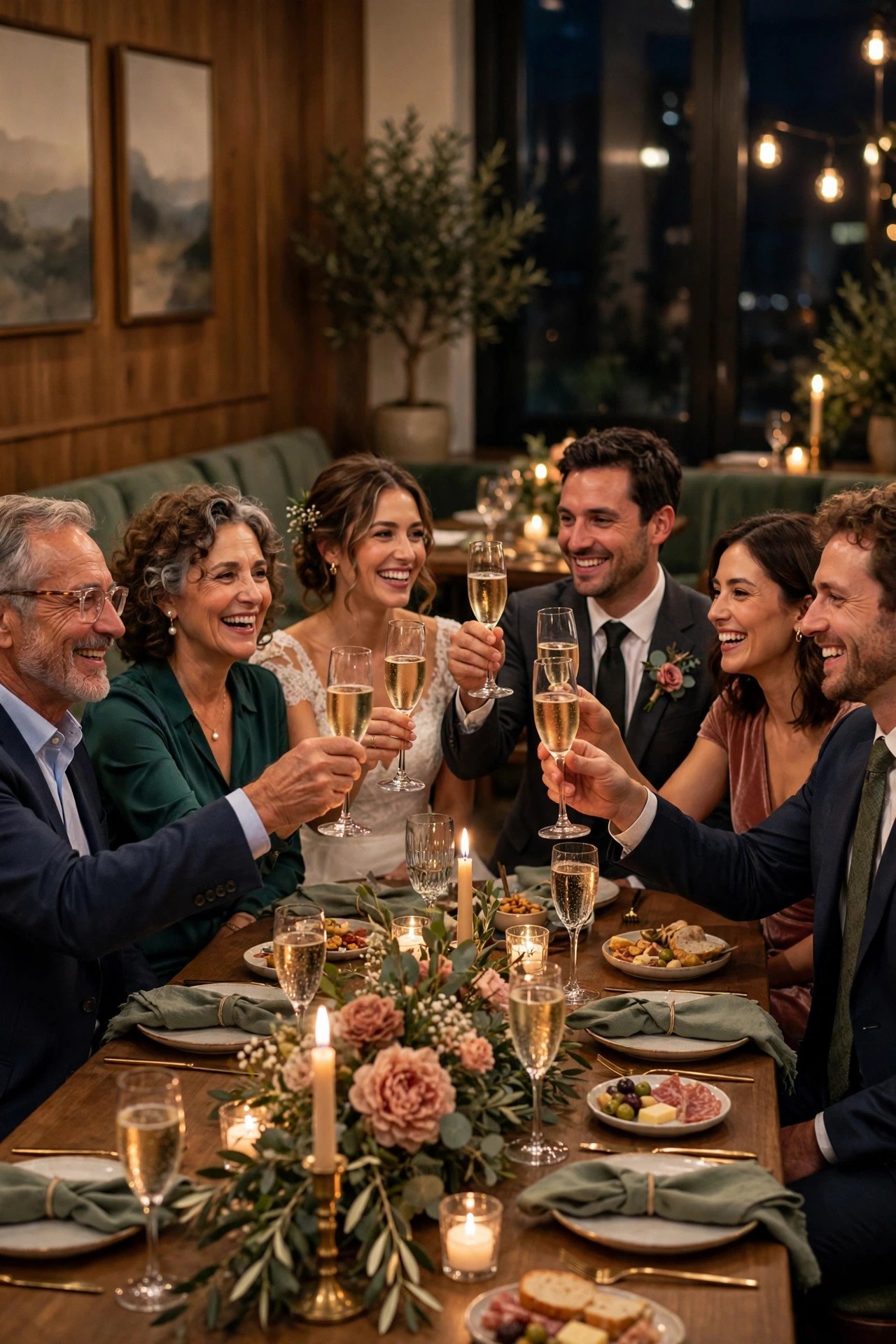
The rehearsal dinner is the groom’s parents’ flagship responsibility — their chance to host, welcome and shine.
Tradition is clear here: the groom’s parents plan, host and pay for the rehearsal dinner — the intimate evening before the wedding for the wedding party, immediate family and out-of-town VIPs. That means choosing the venue, covering food and drinks, sending the invitations (or e-vites), and setting the tone: warm, relaxed, celebratory. It’s the one wedding event that’s truly theirs to shape.
In 2027, the format is flexible — a restaurant buyout, a backyard barbecue, a brewery gathering — but the spirit stays the same: the groom’s family welcomes everyone and kicks off the wedding weekend. The couple should share their vision and guest list, but let the parents lead the planning; micromanaging their event breeds resentment.
Read next: 19 Wedding Readings from Movies You Love
Financial Contributions
 📌 Save
Tradition assigned the groom’s family specific bills — 2027 families write their own rules.
The traditional breakdown: the groom’s parents cover the rehearsal dinner, the groom’s attire, the marriage license, the officiant’s fee, and often contribute to (or fully fund) the honeymoon. They may also cover the bride’s bouquet, boutonnieres and corsages in some traditions. But here’s the 2027 reality — most families now split total costs by what each side can comfortably afford, regardless of old gendered rules.
The golden rule of wedding money: give what you can joyfully, and attach no strings. Contributions that come with creative control (“we’re paying, so we choose the menu”) poison the planning process. Have the money conversation early, be specific about amounts, and put it in writing — clarity now prevents hurt feelings later.
Guest List & Invitations
 📌 Save
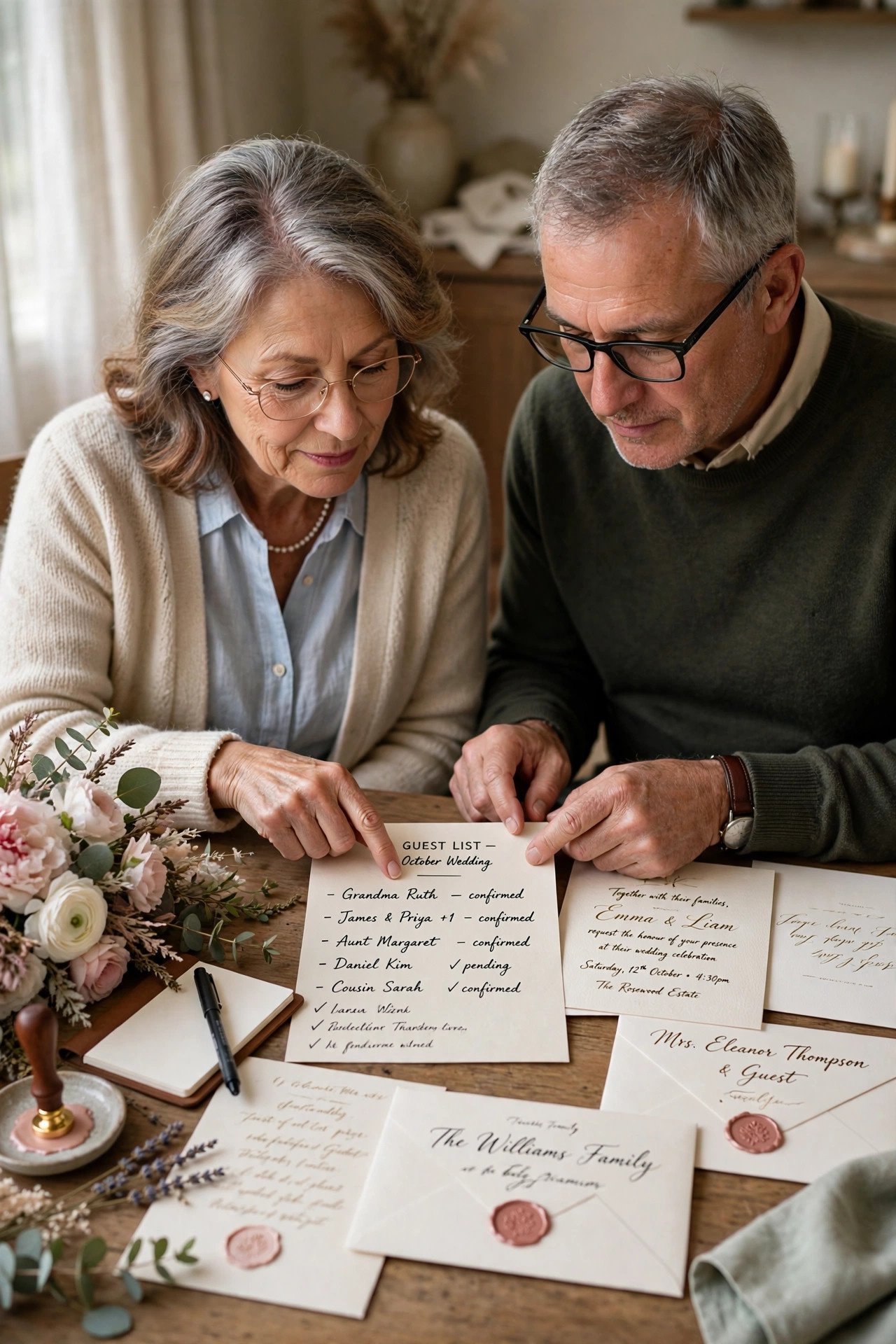
Compiling the groom’s side of the guest list — names, plus the addresses nobody else has.
The groom’s parents are responsible for providing their portion of the guest list: family members, family friends, and anyone on the groom’s side the couple wants invited. The critical part most people miss — collect full mailing addresses, not just names. The couple can’t send save-the-dates or invitations without them, and chasing addresses is one of planning’s biggest time sinks.
Respect the couple’s headcount and budget: if they’ve allocated 40 spots to the groom’s side, don’t submit 75 names and expect miracles. Provide the list early (8–10 months out), rank it by priority if cuts are needed, and understand that the final call belongs to the couple.
Read next: 33 Beautiful Bridal Shower Ideas You’ll Want to Steal
Wedding Day Attire
 📌 Save
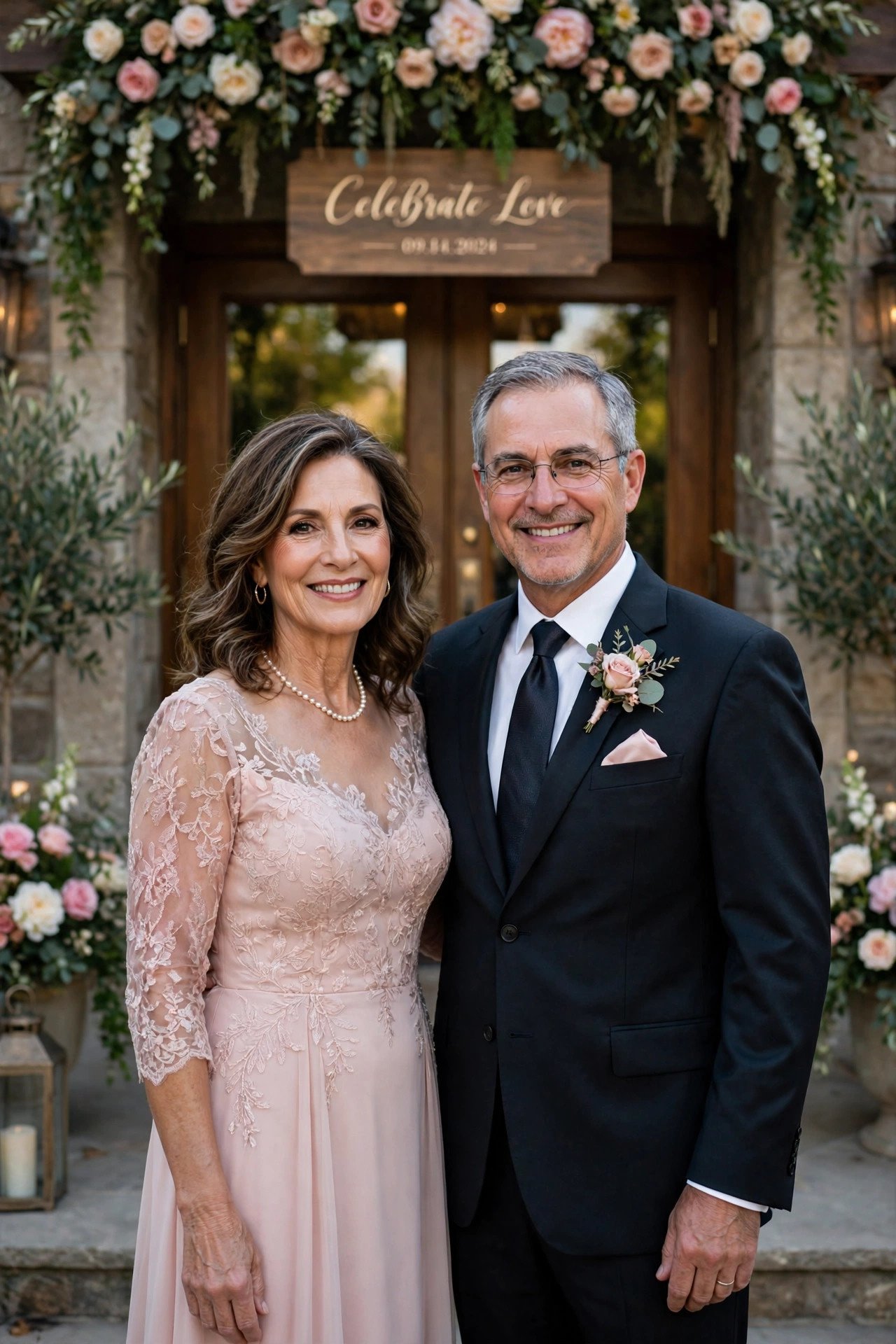
Looking the part without stealing the spotlight — the attire etiquette every groom’s parent should know.
The groom’s parents should dress to the wedding’s formality level and coordinate with the wedding party — without matching it exactly. The father of the groom typically mirrors the groom’s formality (tux for black tie, suit for semi-formal), often in a complementary rather than identical look. The mother of the groom chooses a formal dress or ensemble that harmonizes with the wedding palette.
Etiquette points: the mother of the groom traditionally selects her outfit after the mother of the bride, as a courtesy to avoid clashing. Avoid white, ivory, champagne or anything resembling the bridal party’s exact color. When in doubt, ask the couple — they’d rather answer a question than be surprised by photos.
Read next: 7 Questions Every Bride Should Ask at Her Wedding Dress Fitting
Ceremony Roles
 📌 Save
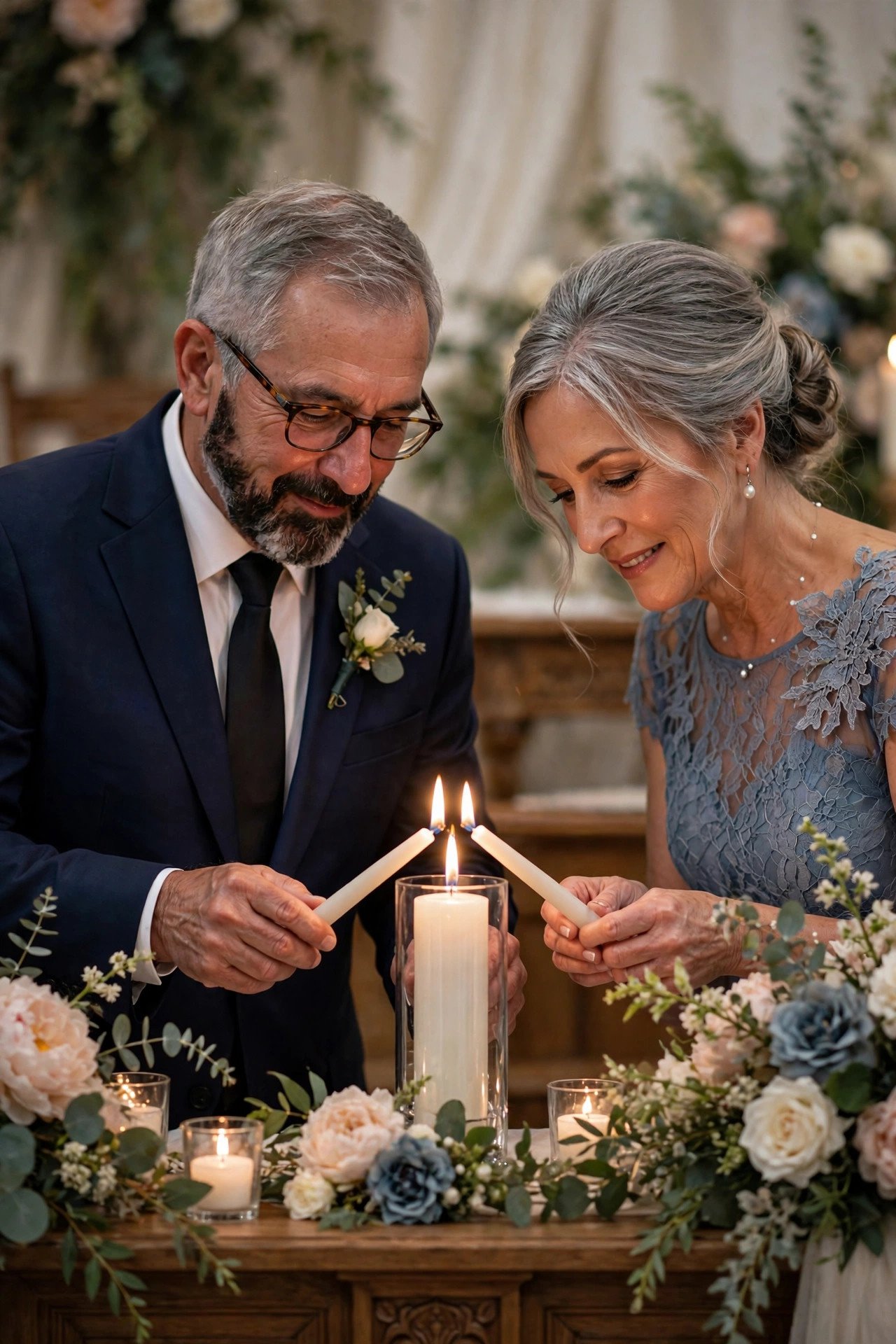
From the processional to the unity candle — the groom’s parents belong in the ceremony, not just the audience.
Traditionally, the groom’s parents are escorted to their seats just before the ceremony begins (a place of honor, front row on the groom’s side), and the mothers often participate in lighting family candles as part of a unity ceremony. The father of the groom may escort his wife down the aisle to their seats. In many ceremonies, both parents join a family blessing or prayer.
Modern couples frequently expand these roles: readings by the mother of the groom, a parental blessing mid-ceremony, or joining the couple for a family unity ritual. Discuss options with the couple and officiant during planning — but let the couple extend the invitation rather than requesting a role.
Read next: 19 Wedding Readings from Movies You Love
Welcoming the Bride’s Family
 📌 Save
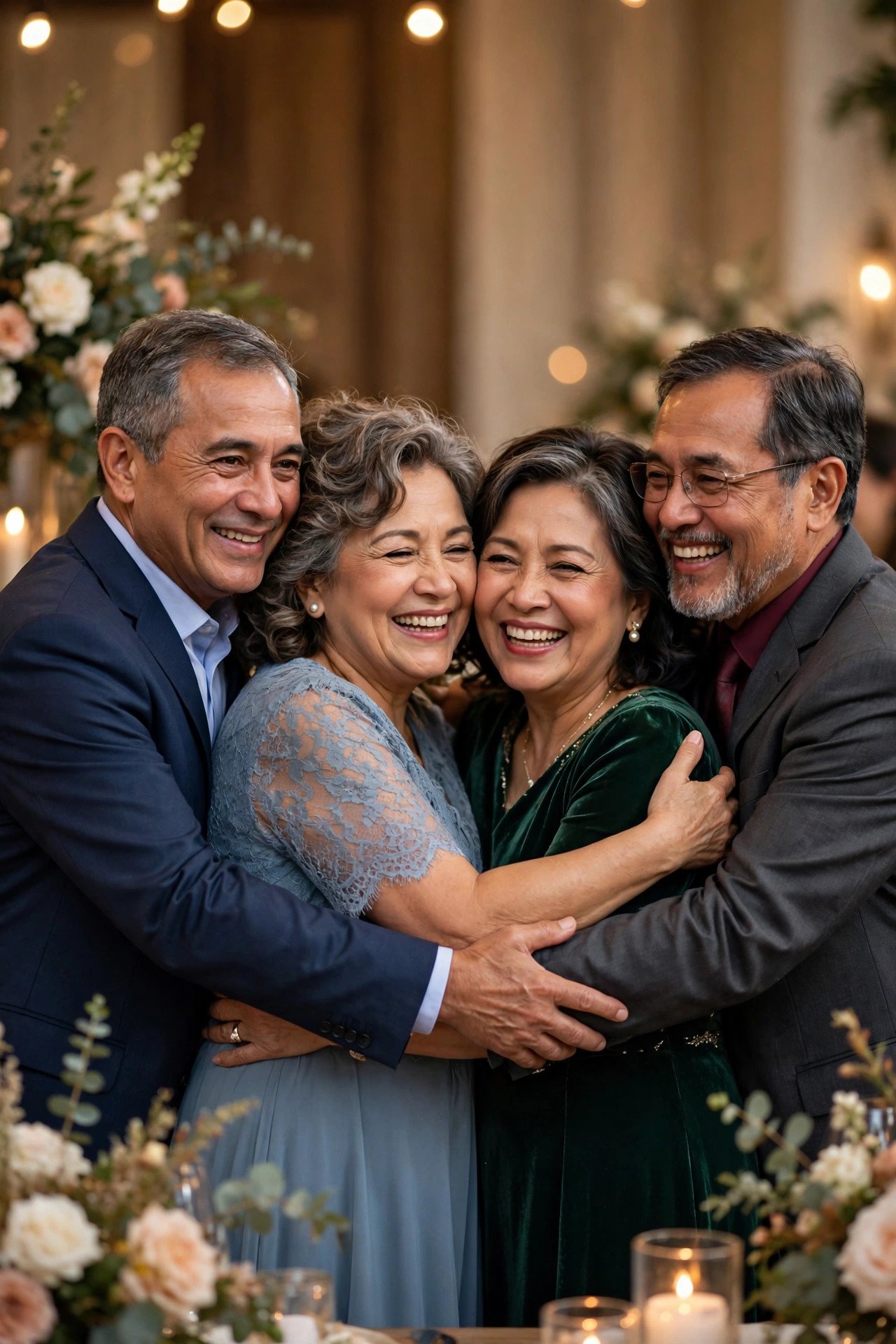
The most underrated duty: making the bride’s family feel like family from day one.
One of the groom’s parents’ most meaningful responsibilities is purely relational — warmly welcoming the bride’s family into the fold. That means reaching out before the wedding (a dinner, a call, a friendly note), learning names and stories, and making sure the bride’s parents never feel like guests at someone else’s event. At the wedding itself, seek them out, introduce them around, and treat them as co-hosts of the celebration.
If the families haven’t spent much time together, arrange a low-pressure meetup months before the wedding — dinner at a favorite restaurant beats a first meeting at the rehearsal. Small gestures (a welcome gift in their hotel room, a toast acknowledging them) pay enormous dividends in family harmony.
Read next: 15 Charming Tea Party Bridal Shower Ideas
Toasts & Speeches
 📌 Save
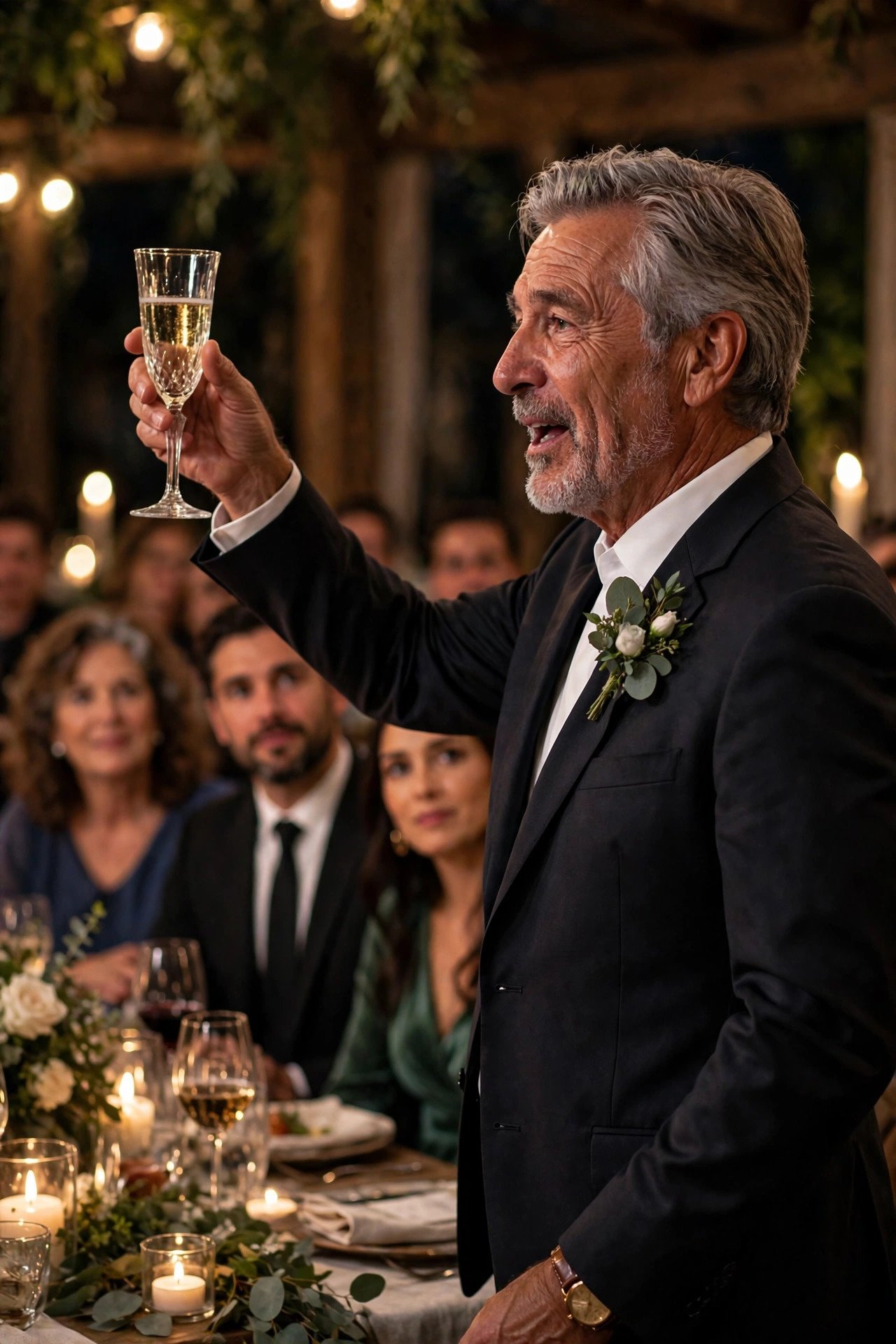
The father of the groom’s toast is a wedding tradition — and in 2027, mom often grabs the mic too.
Traditionally, the father of the groom gives the headline toast at the rehearsal dinner — welcoming everyone, roasting his son gently, and warmly embracing the bride and her family. He often follows with a shorter welcome toast at the reception. Increasingly, the mother of the groom speaks too, either alongside her husband or with her own moment.
The formula for a great parental toast: one funny story, one heartfelt sentiment, one warm welcome to the new family member, and a clear ending. Keep it to 3–5 minutes, skip the inside jokes nobody else understands, and practice out loud at least twice. Notes are fine — nobody expects memorization, everyone appreciates brevity.
Read next: 19 Wedding Readings from Movies You Love
Post-Wedding Hospitality
 📌 Save
The wedding ends, but the hosting doesn’t have to — the farewell brunch is the groom’s family’s encore.
Post-wedding hospitality — most commonly a farewell brunch the morning after — is an optional but beloved responsibility often taken on by the groom’s parents. It’s a relaxed, come-as-you-are gathering for out-of-town guests, the wedding party and immediate family: a final hug, a proper goodbye, and one last chance for the two families to mingle without wedding-day chaos.
Keep it simple: a restaurant reservation, a catered hotel suite, or even coffee and pastries at someone’s home. The couple is usually exhausted and heading off, so this event is really a gift to the guests — and the last impression the groom’s family leaves is a warm one.
Frequently Asked Questions
Do the groom’s parents pay for anything at the wedding?
Traditionally the groom’s parents host and pay for the rehearsal dinner, and often cover the groom’s attire, the marriage license, the officiant’s fee and honeymoon costs. In 2027, most families split costs by what each side can comfortably afford rather than following old rules — open conversation beats tradition every time.
Who hosts the rehearsal dinner — the groom’s parents?
Yes, tradition says the groom’s parents host the rehearsal dinner, covering the venue, food, drinks and invitations for the wedding party and close family. Modern couples sometimes co-host or fold it into the overall budget, but the groom’s family taking the lead on this event remains the most common arrangement.
What should the mother of the groom wear?
The mother of the groom should wear a formal outfit that complements — but doesn’t match — the wedding party, in a color that harmonizes with the palette while avoiding white, ivory or anything too close to the bridal party’s exact shade. She traditionally chooses her outfit after the mother of the bride, as a courtesy.
Do the groom’s parents give a speech at the wedding?
The father of the groom traditionally gives a toast at the rehearsal dinner, and often a shorter welcome toast at the reception. The mother of the groom may also speak at either event. Speeches should be warm, brief (3–5 minutes) and welcoming toward the bride and her family.
How involved should the groom’s parents be in wedding planning?
As involved as the couple invites them to be. The groom’s parents should offer input on their areas (rehearsal dinner, their guest list) and respect the couple’s vision elsewhere. The golden rule: contribute generously where asked, advise only when invited, and never override the couple’s decisions.
✨ Key Takeaways
- The rehearsal dinner is the groom’s parents’ signature event — plan it, host it, and make it warm.
- Money conversations should happen early, with specific amounts and zero strings attached.
- Provide your guest list early with full addresses — and respect the couple’s headcount.
- Welcoming the bride’s family is the most meaningful (and free) responsibility of all.
- Keep toasts to 3–5 minutes: one funny story, one heartfelt sentiment, one warm welcome.
Final Thoughts
Being the groom’s parents isn’t about following a rulebook — it’s about showing up with generosity, warmth and grace. Host the dinner, give what you can, welcome the new family like your own, and raise a glass that makes everyone feel the love. Do that, and you’ll have fulfilled every responsibility that actually matters — traditional or modern.


