Unusual Ways to Drastically Cut Household Expenses
By zainzari • Published April 2026 • Updated October 9, 2026
 📌 Save
To drastically cut household expenses in 2027, audit every subscription, eliminate energy vampires, plan meals and shop groceries strategically, make your own cleaning products, slash water and heating bills, buy secondhand first, run no-spend challenges — and follow a 30-day savings plan. Applied together, these 12 unusual tips can save a typical household $250–$450 every month.
Here is the truth about household spending: most of it leaks out in places you never look. A forgotten streaming subscription here, a dryer running half-empty there, food quietly spoiling in the back of the fridge — none of it feels like real money until you add it up and realize it costs you thousands of dollars a year.
This guide is not the usual “skip your coffee” advice. These are 12 unusual, genuinely effective ways to drastically cut household expenses in 2027 — subscription audits, energy-vampire hunts, pantry cooking weeks, bill negotiations and a full 30-day savings plan that ties it all together. Most take an afternoon or less, and the savings start on your very next billing cycle.
At a Glance: Savings Potential by Tip
| Tip | Est. Monthly Savings | Effort |
|---|---|---|
| Audit Every Subscription | $50–$100 | One evening |
| Hunt Energy Vampires | $15–$30 | Low |
| Grocery Shopping Hacks | $80–$150 | Weekly habit |
| DIY Cleaning Products | $15–$25 | Low |
| Slash the Water Bill | $20–$40 | Low |
| Master Meal Planning | $100–$200 | Weekly habit |
| No-Spend Challenges | $100–$300* | Medium |
| Negotiate & Refinance Bills | $40–$80 | A few calls |
| Buy Secondhand First | $50–$150 | Low |
| Pantry Cooking Weeks | $100–$200* | One week |
| Heating & Cooling Tricks | $30–$60 | Low |
| Your 30-Day Savings Plan | $250–$450 | All combined |
Estimates are realistic 2027 ranges for a typical household; your savings depend on household size, location and current habits. *One-time per challenge or pantry week.
Audit Every Subscription
 📌 Save
Comb through three months of bank and card statements and cancel every subscription you do not actively use.
Subscriptions are designed to be invisible: a few dollars here, a renewal there, an annual plan you agreed to in 2024 and never thought about again. Print out (or open) three months of statements and highlight every recurring charge. Streaming services, apps, cloud storage, fitness memberships, subscription boxes, news sites — you will almost certainly find something you forgot you were paying for.
Then act ruthlessly: cancel what you do not use, downgrade premium plans to basic, share family plans with relatives, and switch annual plans to monthly ones you can revisit. Set a calendar reminder to repeat this audit every six months — subscriptions have a way of creeping back.
Read next: 36 Ways to Slash Your Wedding Budget
Hunt Energy Vampires
 📌 Save
Unplug or switch off devices that draw power on standby — TVs, game consoles, chargers and coffee makers.
Energy vampires are electronics that sip electricity around the clock even when “off”: the TV waiting for a remote signal, the game console in rest mode, phone chargers plugged into nothing, the microwave clock. Individually they look harmless; together they can account for up to 10% of a home’s electricity use.
Do one walkthrough at night with the lights low — anything glowing is a suspect. Plug entertainment setups into a power strip with a switch and kill it before bed. Unplug chargers when done. Enable the aggressive sleep settings on consoles and computers. A cheap plug-in watt meter (under $20) can show you exactly which device costs the most, so you hunt the biggest vampires first.
Read next: How to Save Money on Your Wedding
Grocery Shopping Hacks
 📌 Save
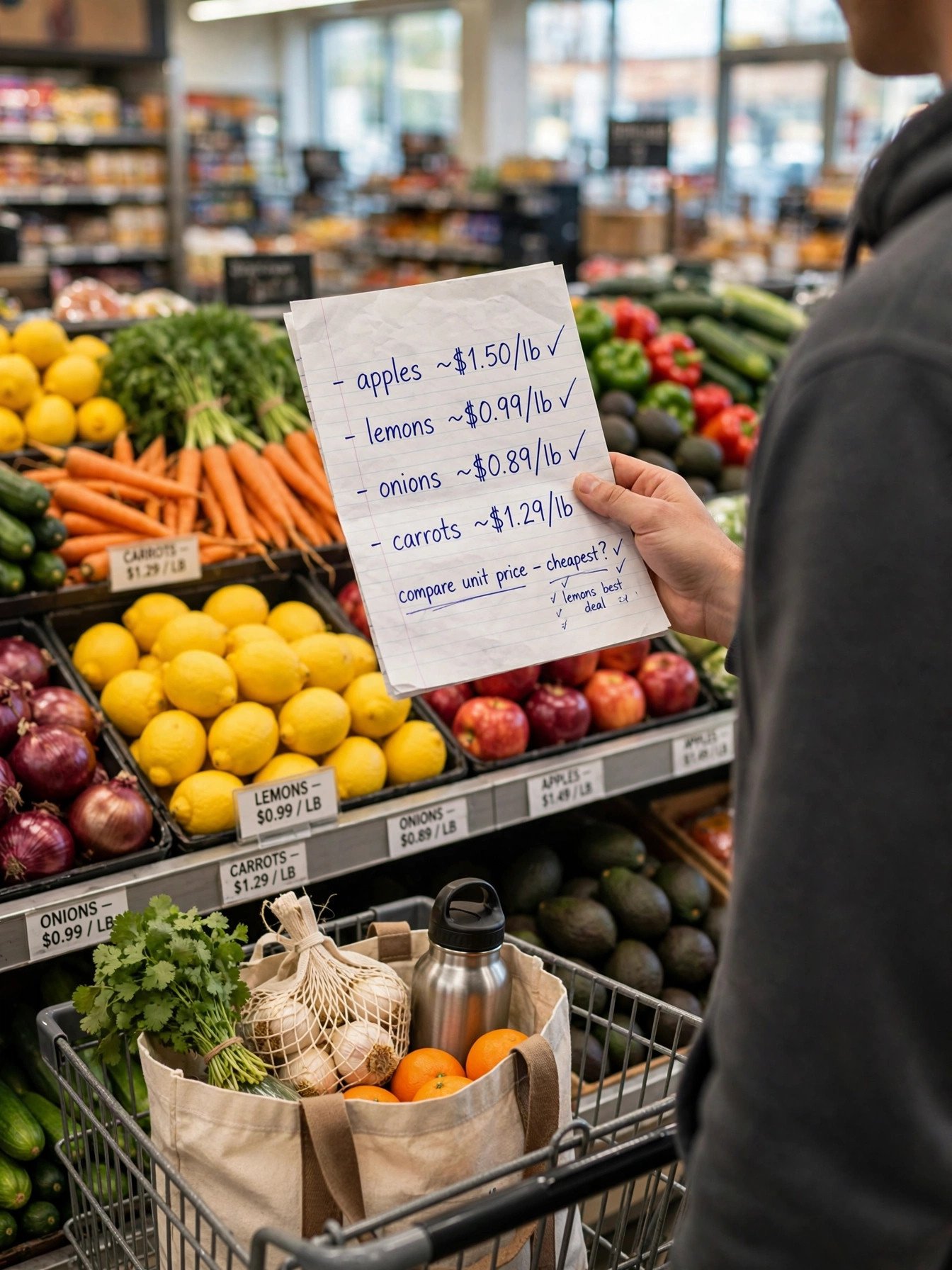
Never shop hungry, always shop with a list, and buy seasonal produce and store brands first.
Groceries are the most flexible part of most household budgets — and the easiest to shrink without feeling deprived. The rules are simple: plan your shop around the weekly store flyer, buy fruits and vegetables that are in season, choose store brands for staples (they are often made in the same factories as name brands), and compare the unit price on the shelf tag, not the sticker price.
Two unusual tricks that punch above their weight: shop the “reduced” shelf for same-day markdowns on meat and bakery items you can freeze immediately, and keep a running price book on your phone for the 20 items you buy most — you will instantly spot when a “sale” is not actually a sale.
Read next: 12 Budget Wedding Plans That Look Expensive
DIY Cleaning Products
 📌 Save
Replace expensive branded cleaners with homemade versions costing pennies per bottle.
A household easily spends $20–$30 a month on cleaning products — and most of them are 95% water. A spray bottle of equal parts white vinegar and water cleans glass, mirrors and countertops brilliantly. Baking soda on a damp sponge scrubs sinks, tubs and stovetops. A squeeze of lemon cuts grease and deodorizes. Three pantry ingredients can replace nearly your entire cleaning cabinet.
Mix small batches so they stay fresh, label every bottle clearly, and store them away from kids and pets just like store-bought products. Keep two safety rules sacred: never use vinegar on natural stone or marble, and never mix bleach with vinegar or ammonia — the fumes are genuinely dangerous.
Read next: DIY Dollar Tree Wedding Decor Ideas
Slash the Water Bill
 📌 Save
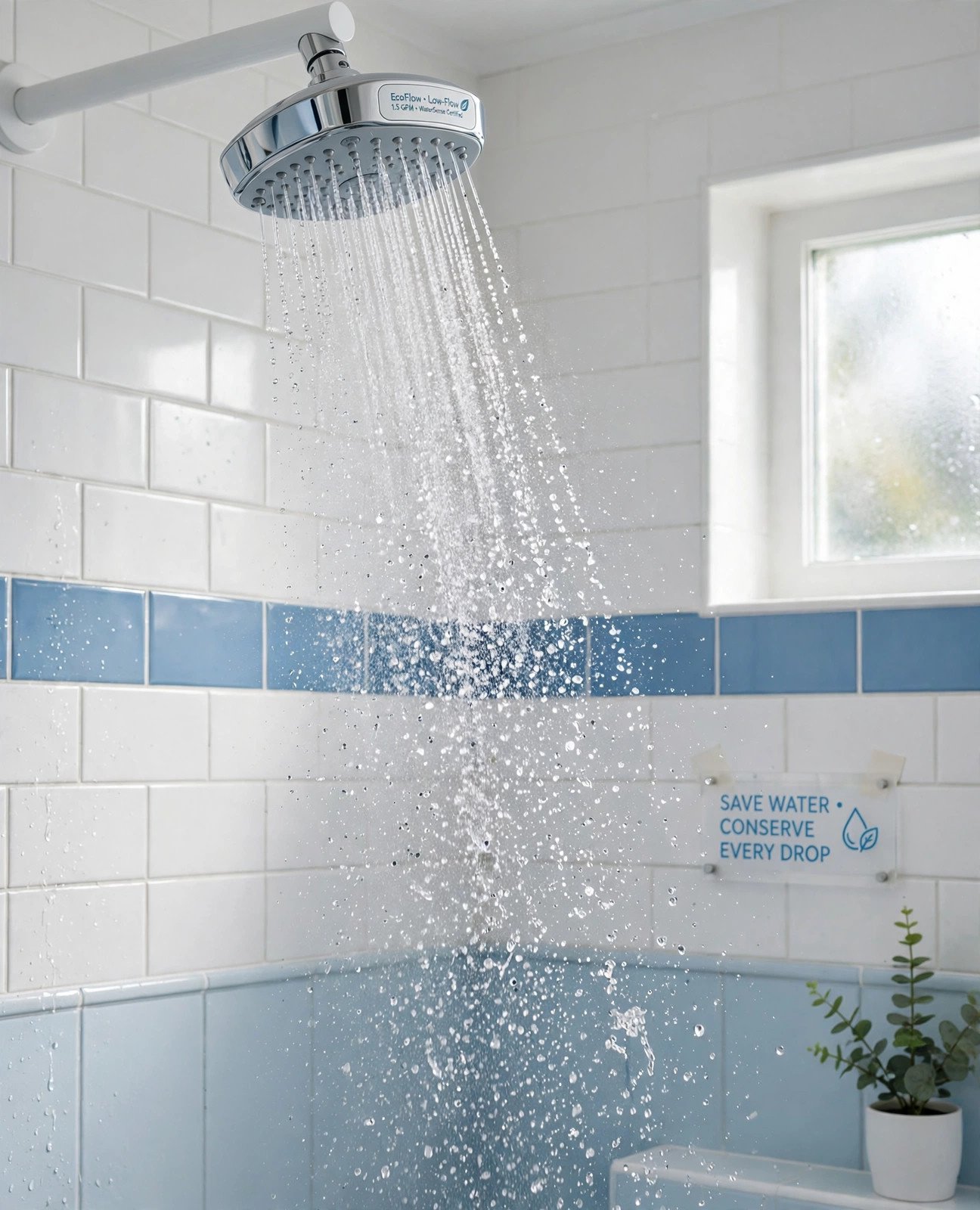
Install low-flow fixtures, fix every drip, and run full loads only — water savings start the same month.
Water bills creep up silently, but the fixes are cheap and permanent. A low-flow showerhead costs about $15 and pays for itself in weeks — showers are the biggest single water use in most homes. Screw an aerator onto each faucet for a few dollars more. Then hunt drips: one faucet dripping once per second wastes over 2,500 gallons a year, and a running toilet can waste thousands of gallons a month.
Habits matter too: cut showers by two minutes (a waterproof timer helps), run the dishwasher and washing machine only when full, and water plants with cooled cooking water or a rain barrel. If your utility offers off-peak rates, shift laundry to evenings.
Read next: 10 Ways to Get Freebies for Your Wedding
Master Meal Planning
 📌 Save
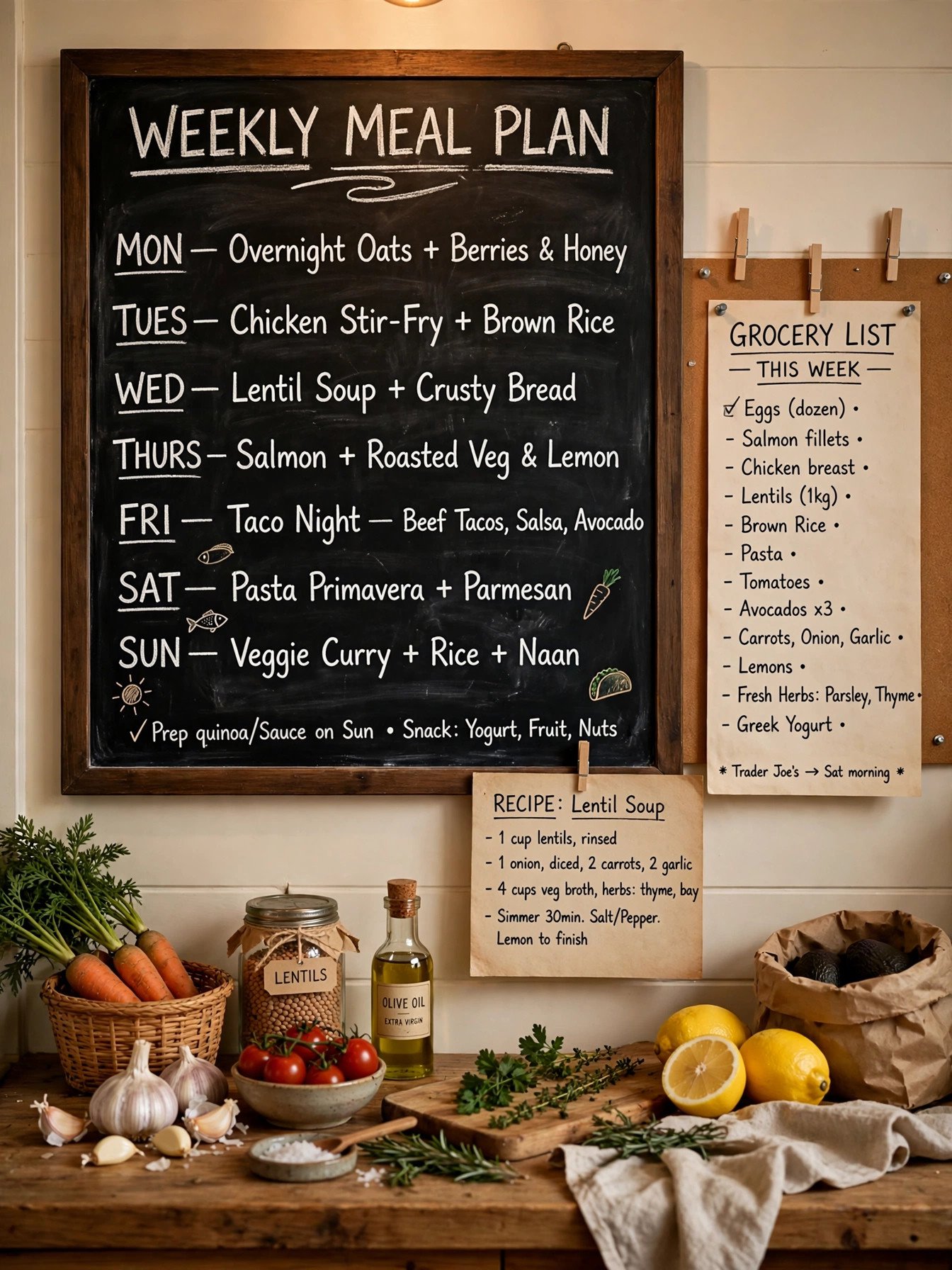
Plan every dinner for the week, build one grocery list from the plan, and watch food waste disappear.
Meal planning is the single highest-impact habit in this entire guide. Households that plan meals spend dramatically less because every purchase has a purpose: no mystery ingredients rotting in the fridge, no 6 p.m. “what’s for dinner” panic that ends in takeout. The average family throws away hundreds of dollars of food a year — planning is how you stop.
The method is simple: pick 5–7 dinners on Sunday, check what you already have, write one list, shop once. Build in one “leftovers night” and one flexible night. Plan meals that share ingredients — roast chicken becomes chicken tacos becomes chicken soup — so nothing is bought for a single meal.
Read next: 36 Ways to Slash Your Wedding Budget
No-Spend Challenges
 📌 Save
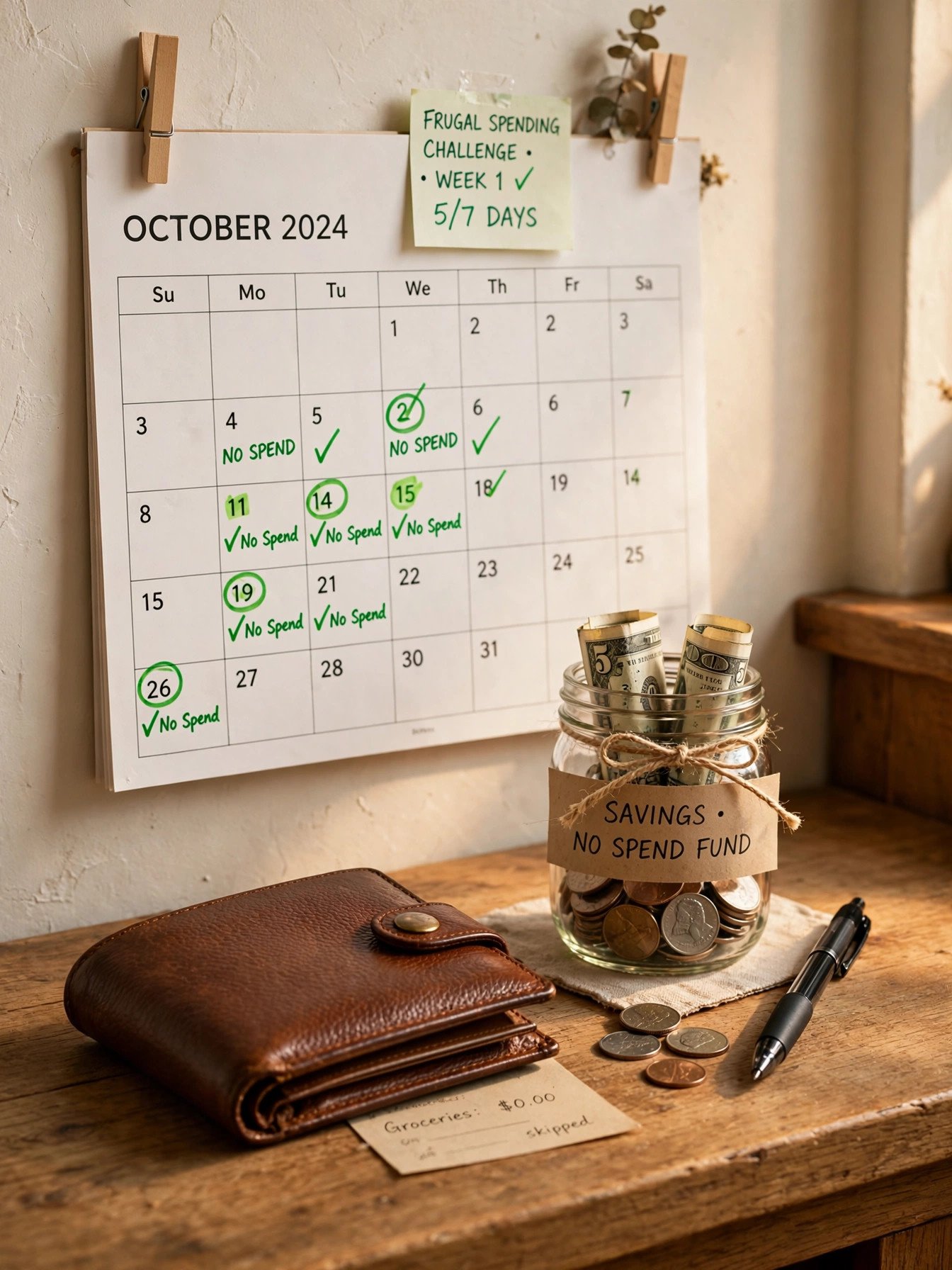
Spend money only on true essentials for a week or a month — and discover how little you actually need.
A no-spend challenge is exactly what it sounds like: for a set period, you spend on nothing except genuine essentials — rent, utilities, medicine, basic groceries, fuel to get to work. Coffee runs, online orders, eating out, new clothes, “treat yourself” purchases — all of it waits. It is uncomfortable for the first three days, and then something interesting happens: the urge fades.
The real value is not just the money you keep (often $100–$300 for a month-long challenge); it is the X-ray it gives you of your own habits. You will learn which spending was actually making you happy and which was pure autopilot. Write your rules down before you start, mark each successful day on a visible calendar, and tell someone you are doing it — accountability is half the game.
Read next: How to Save Money on Your Wedding
Negotiate & Refinance Bills
 📌 Save
Call your internet, phone and insurance providers and ask — politely but firmly — for a better rate.
This is the tip most people skip because it feels awkward, and it is one of the most profitable hours you will ever spend. Internet, mobile, cable and insurance providers all have retention departments whose job is to keep you — call, mention a competitor’s offer (real ones work best; research takes five minutes), and ask what they can do. Success rates are surprisingly high because acquiring a new customer costs them far more than discounting yours.
Go beyond the phone bill: shop car and home insurance every year instead of auto-renewing, ask your bank about refinancing high-interest debt or consolidating it, and check whether your mortgage or large loans qualify for a better rate in 2027. Every bill is negotiable at least once a year — if you never ask, you always pay full price.
Read next: 12 Budget Wedding Plans That Look Expensive
Buy Secondhand First
 📌 Save
Before buying anything new, check thrift stores, marketplaces and buy-nothing groups first.
Make secondhand your default, not your fallback. Furniture, kitchen equipment, tools, sports gear, kids’ clothes and toys, books and home décor are all categories where used is functionally identical to new at 20–50% of the price. Thrift stores, local buy-nothing groups, garage sales and online marketplaces are full of barely-used items from people who are decluttering, not from things that are broken.
The rule that makes it work: the “30-day secondhand search.” When you need something non-urgent, spend up to 30 days looking for it used before buying new. Most of the time you will find it — often better quality than the new version you would have bought, since older items were frequently built to last.
Read next: DIY Dollar Tree Wedding Decor Ideas
Pantry Cooking Weeks
 📌 Save
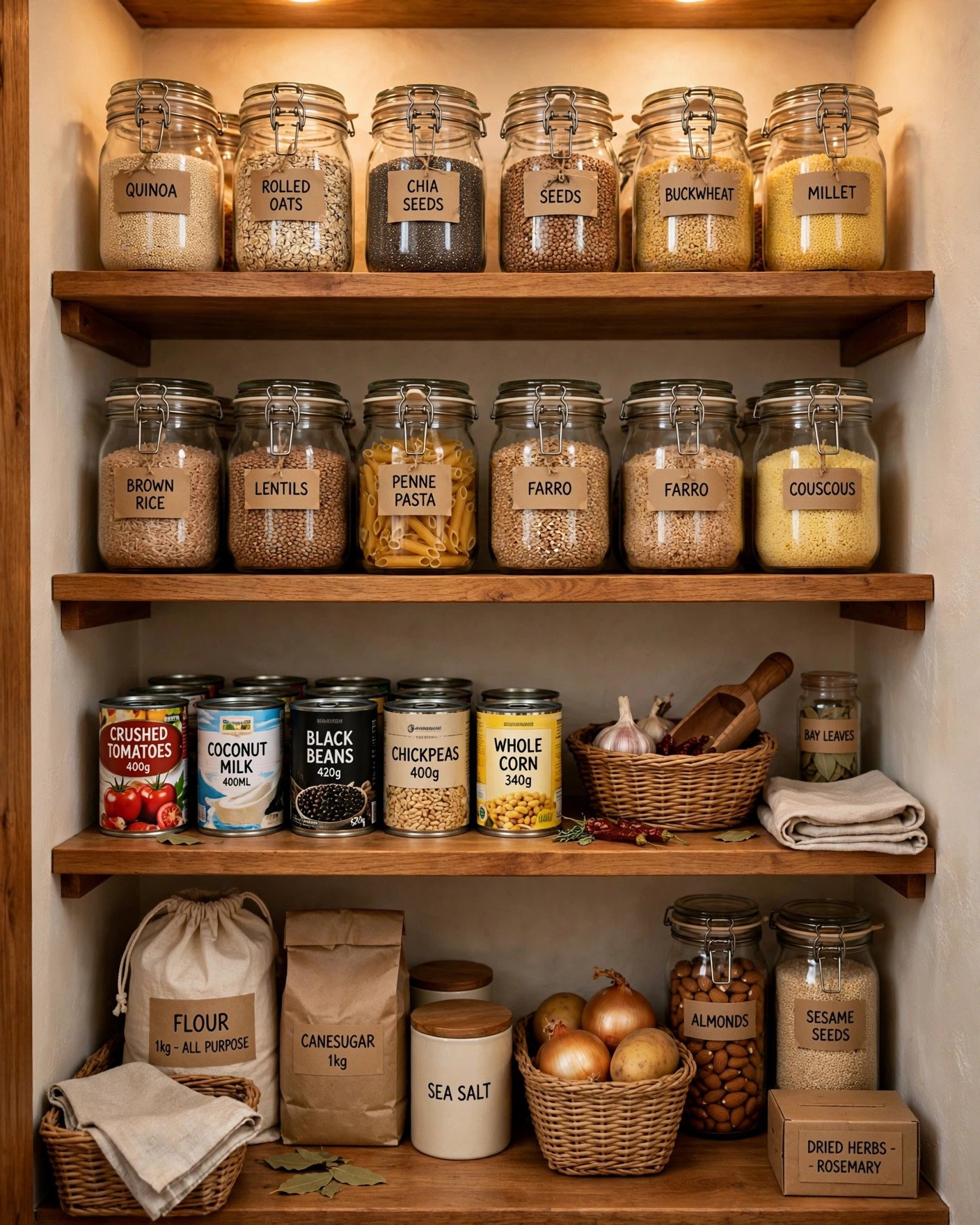
Once a quarter, cook exclusively from food you already own for a full week — pantry, fridge and freezer.
Every kitchen holds hidden money: half-used bags of rice, cans bought “just in case,” frozen meals you forgot about, that baking aisle you raided in a moment of ambition. A pantry cooking week means buying nothing except true perishables (milk, maybe fresh vegetables) and building every meal from what is already there. It is part treasure hunt, part creative challenge — and it regularly cuts a week’s grocery bill to nearly zero.
Start with a full inventory: pull everything out, group it, and list what must be used first (check dates). Then plan meals backward from the ingredients, not forward from cravings. Odd combinations become fun — fried rice, soups, frittatas and stir-fries absorb almost any leftover. Do this quarterly and it saves $400–$800 a year while rotating your stock so nothing expires.
Read next: 10 Ways to Get Freebies for Your Wedding
Heating & Cooling Tricks
 📌 Save
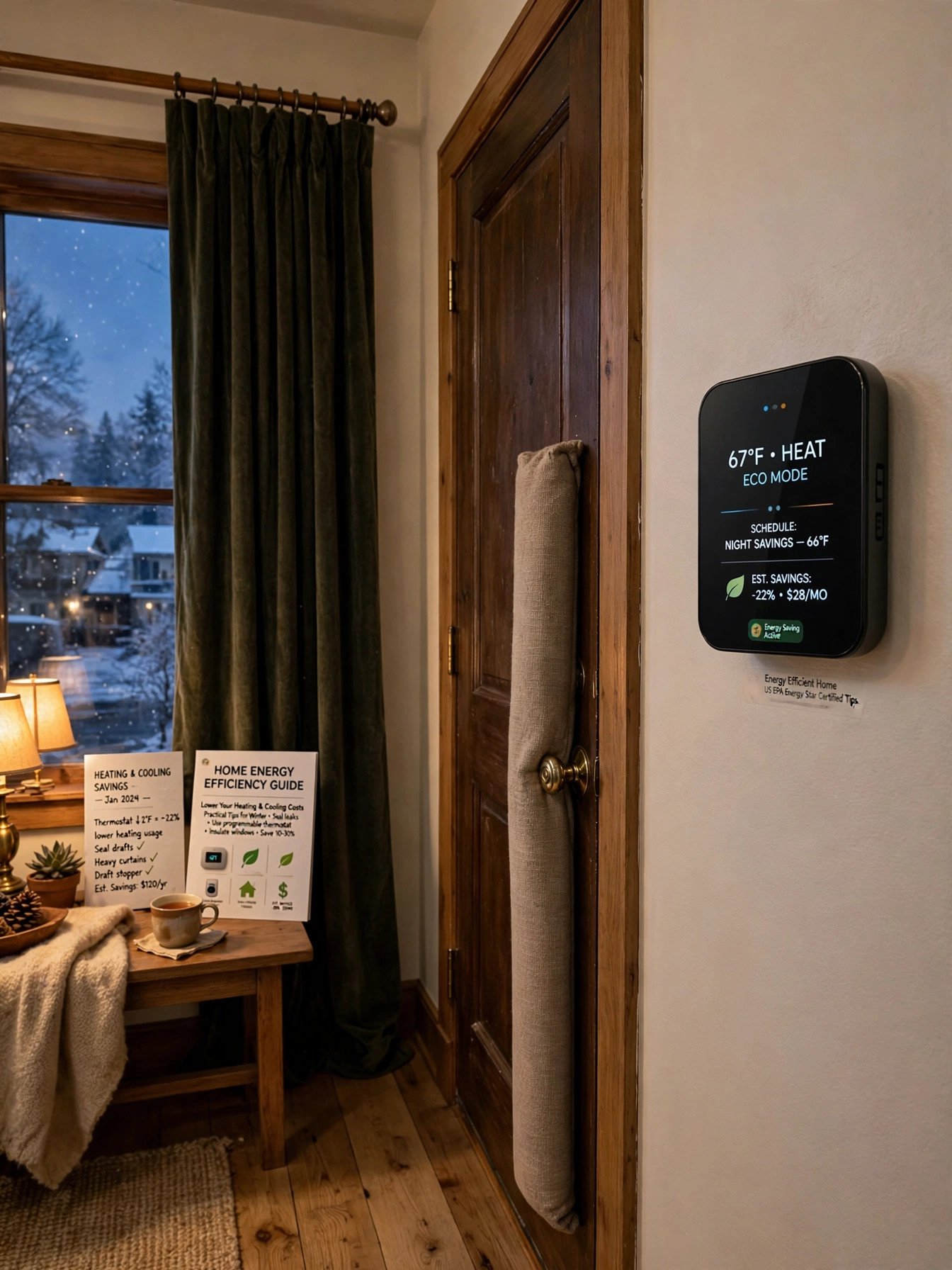
Adjust the thermostat by a degree or two, seal drafts, and let curtains do the work of your HVAC.
Heating and cooling are typically half of a home’s energy bill, so small changes here multiply fast. In winter, set the thermostat to 68°F (20°C) when home and lower when sleeping or away — each degree saves roughly 3% on heating. In summer, 78°F (26°C) with fans running feels comfortable at a fraction of full-blast AC cost. A programmable or smart thermostat automates this so you never think about it again.
Then attack the leaks: draft stoppers under doors, weatherstripping on windows, heavy curtains closed on summer afternoons and opened on winter mornings for free solar heat. Reverse ceiling fans in winter to push warm air down. None of these cost more than a few dollars, and together they can cut heating and cooling costs by 10–20%.
Read next: How to Save Money on Your Wedding
Your 30-Day Savings Plan
 📌 Save
Put all eleven tips on a 30-day calendar — one action per day — and bank the combined savings.
Tips only work when they happen, so here is your schedule. Days 1–3: audit subscriptions and cancel the dead weight. Days 4–5: hunt energy vampires and install low-flow fixtures. Day 6: make your negotiation calls. Day 7: inventory the pantry and plan your first pantry week. Week 2: start meal planning and switch to DIY cleaners. Week 3: run a no-spend week and set the secondhand-first rule. Week 4: optimize the thermostat and seal drafts.
Track one number daily: total money out. Write it on a visible chart — the downward line is addictive. At day 30, compare against your starting month, automate the biggest win into savings (move the difference to a savings account on payday before you can spend it), and repeat the cycle quarterly. That is how a one-time challenge becomes a permanently cheaper household.
Frequently Asked Questions
How much money can I realistically save each month by cutting household expenses?
Most households can save $250 to $450 a month by applying the tips in this guide. A subscription audit alone often frees up $50–$100, meal planning and grocery hacks can cut $150–$200, and energy plus water changes typically save another $50–$100. Results vary by household size and location, but the 30-day plan in section 12 helps you measure your own numbers.
What is the fastest way to lower my monthly household bills?
The fastest win is an audit of recurring charges: subscriptions, streaming services, forgotten app renewals and unused memberships. Cancel what you do not use, downgrade or share plans, then call your internet, phone and insurance providers to ask for a better rate. Most people complete this in one evening and see savings on the very next billing cycle.
Are homemade cleaning products actually effective and safe?
Yes, for most everyday cleaning. A spray made from vinegar and water cleans glass and counters well, and baking soda handles scrubbing jobs. They are far cheaper than branded products. Avoid using vinegar on natural stone or marble, never mix bleach with vinegar or ammonia, and label every bottle you make.
How does a no-spend challenge work?
A no-spend challenge is a set period — a weekend, a week or a month — where you spend money only on true essentials like rent, utilities, medicine and basic groceries. Everything else waits. You set the rules in advance, track each day, and at the end you see exactly how much you can live without spending. It resets spending habits and reveals the leaks your budget hides.
How do I stick to my savings plan when prices keep rising?
Automate the savings first so it leaves your account before you can spend it, review your plan on the same day each month, and focus on the highest-impact habits — meal planning, energy use and recurring bills — rather than tiny deprivations. Track one simple number, like total monthly outflow, and adjust one category at a time instead of overhauling everything at once.
✨ Key Takeaways
- Audit subscriptions and negotiate bills first — the fastest savings come from recurring charges.
- Meal planning plus grocery hacks is the biggest single lever: $100–$200 a month.
- Energy vampires, water waste and heating leaks are invisible — hunt them once, save forever.
- Pantry weeks and no-spend challenges reset habits and reveal what you truly need.
- Follow the 30-day plan, measure your number, and automate the savings on day 30.
Final Thoughts
Cutting household expenses is not about deprivation — it is about attention. Every tip in this guide works the same way: look closely at one part of your spending, fix the leaks, and keep the savings automatically. Start with the subscription audit tonight, add one habit a week, and run the 30-day plan to lock it all in. A year from now, the thousands you saved will be the most satisfying money you ever “earned” — simply by paying attention to where it was going.