
Wedding Budget Breakdown: Where Couples Overspend & How to Fix It
By zainzari • Published April 2026 • Updated October 11, 2026
 📌 Save
A realistic wedding budget breakdown: venue 40–50%, catering and bar 25–30%, photography and videography 10–15%, flowers and decor 8–10%, attire and beauty 8–10%, music and entertainment 5–10%, stationery and signage 2–3%, cake and desserts 2–3%, favors and wedding party gifts 2–3%, plus a 5% contingency buffer. Couples overspend most on the venue (falling in love before pricing), the bar (open-bar sticker shock), and last-minute upgrades — each section below names the trap and the fix.
Most wedding budget advice is a list of tips. This isn’t that. This is a map of where the money actually goes — category by category, with the typical share of the total, the exact trap that makes couples overspend in each one, and the fix that keeps the number honest.
Read it before you book anything. Couples who understand the breakdown negotiate better, prioritize smarter, and — most importantly — finish planning without the slow-motion budget panic that hits everyone else around month nine.
At a Glance: Category, Share, Trap & Fix
| Category | Typical Share | The Overspend Trap | The Fix |
|---|---|---|---|
| Venue | 40–50% | Falling in love before pricing | Compare all-in totals |
| Catering & bar | 25–30% | Open-bar sticker shock | Cap the bar, choose the menu |
| Photo & video | 10–15% | Cutting coverage hours | Book hours, not extras |
| Flowers & decor | 8–10% | Florist markup on everything | Prioritize 3 focal points |
| Attire & beauty | 8–10% | Alterations ambush | Budget alterations upfront |
| Music & entertainment | 5–10% | Overtime fees | Lock end time in contract |
| Stationery & signage | 2–3% | Per-piece pricing creep | Digital where it counts |
| Cake & desserts | 2–3% | Per-slice premium | Small display + sheet cake |
| Favors & party gifts | 2–3% | Per-guest gift inflation | One edible favor |
| Buffer | 5% | No contingency at all | Leave it unassigned |
Shares are guidelines, not rules — a backyard wedding shifts everything toward catering, a city ballroom shifts toward venue. Adjust the map to your reality.
Venue: 40–50% of Your Budget
 📌 Save
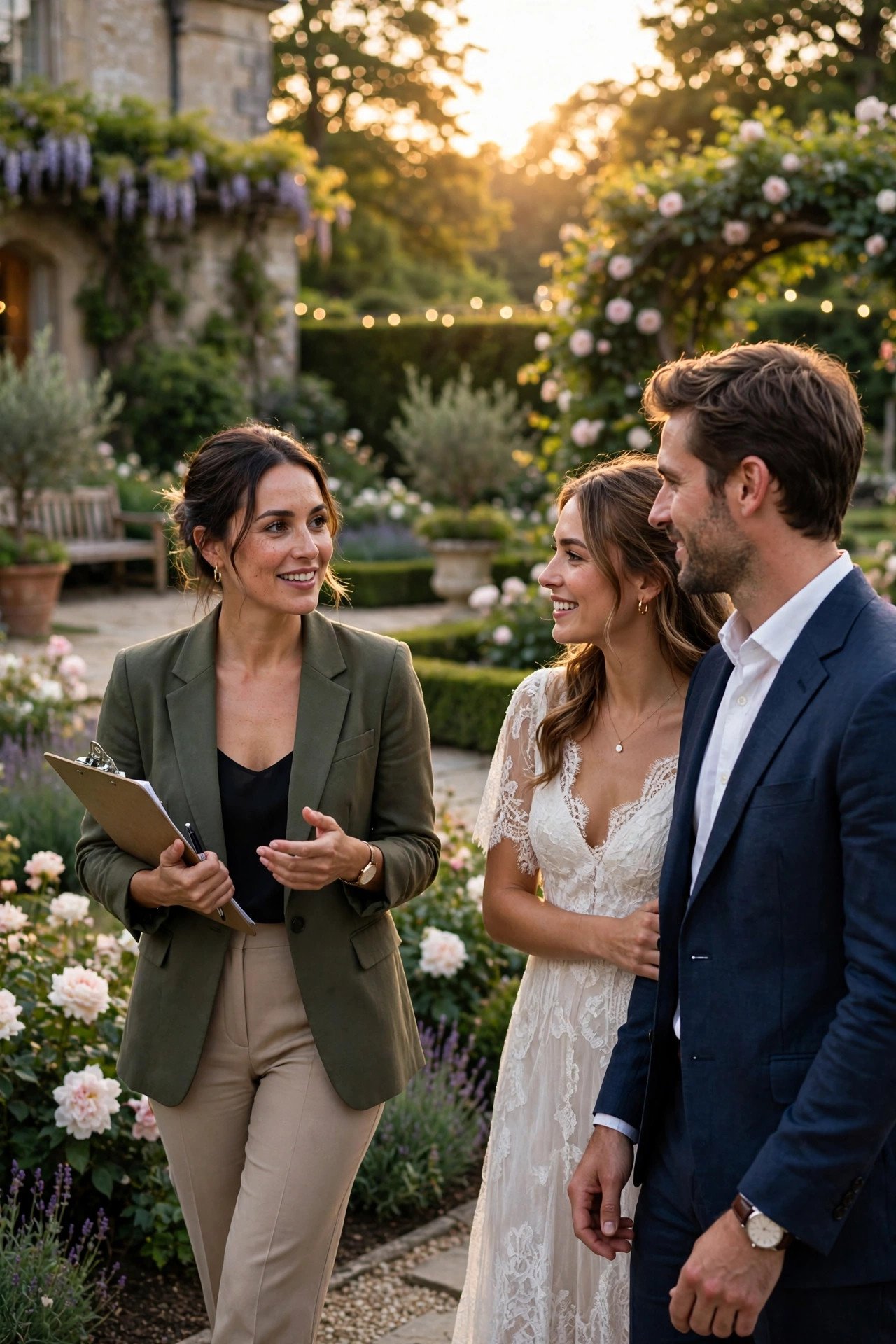
The venue is typically 40–50% of the total — and couples overspend here by falling in love with a space before seeing the full cost.
The trap works like this: you tour a gorgeous space, picture your wedding in it, and mentally lock it in — before you’ve seen the rental breakdown. Then the add-ons arrive: tables, chairs, linens, lighting, restrooms, parking attendants, the “venue coordinator” who isn’t a planner. A $5,000 venue becomes a $12,000 venue, and by then you’re emotionally committed.
The fix: never compare venue fees — compare all-in totals. Ask every venue for an itemized list of what’s included and price the rentals you’d need for the bare spaces. A $9,000 all-inclusive venue beats a $4,000 blank canvas that needs $8,000 of rentals. Decide the number before you tour, and let the spreadsheet — not the chandelier — make the call.
Catering & Bar: 25–30%
 📌 Save
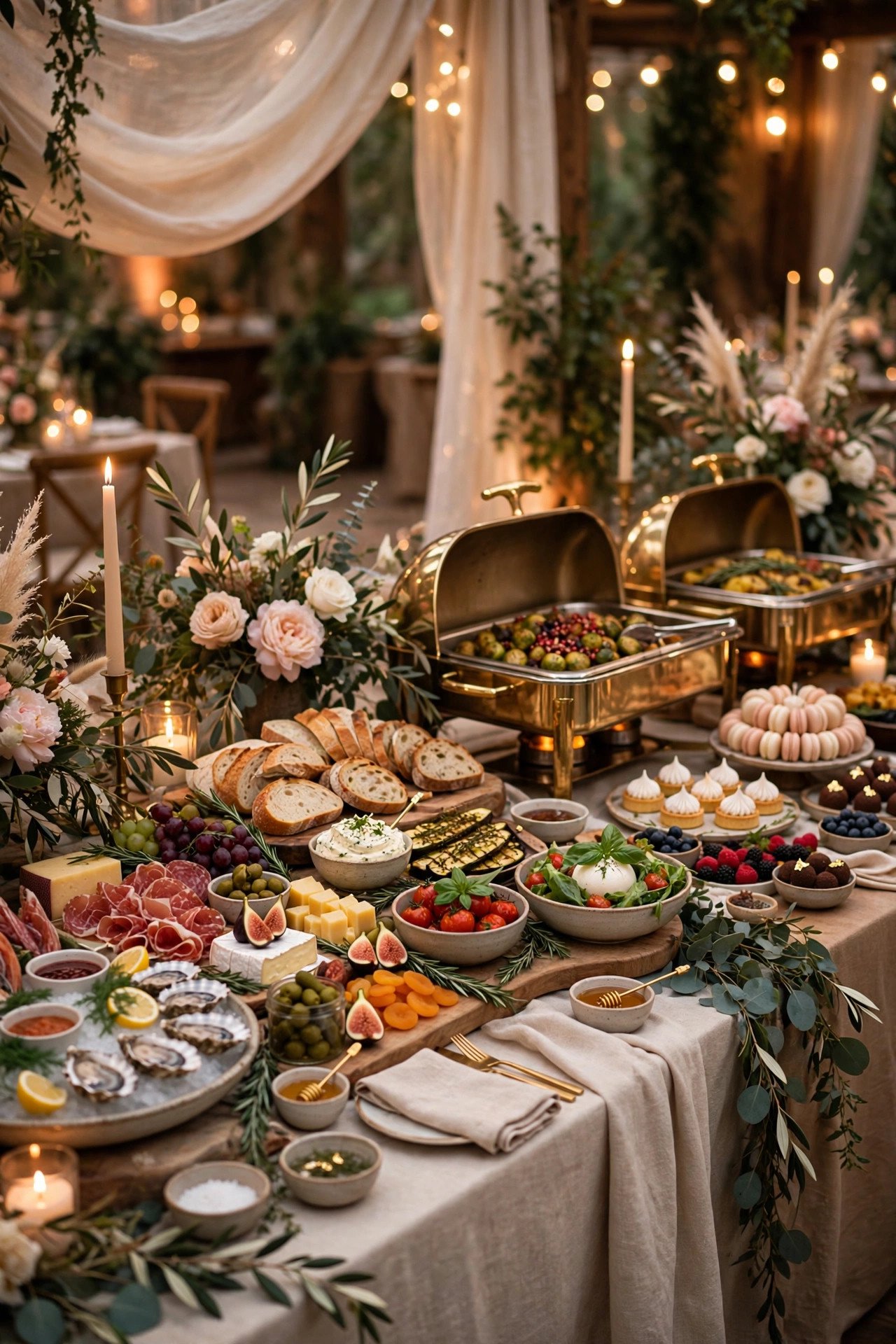
Catering runs 25–30% — and the overspend trap is the bar, where per-person pricing quietly doubles the bill.
Food pricing is honest: you pick a per-plate number, multiply by guests, done. The bar is where couples get ambushed — premium open bars can cost as much as the food itself, and “consumption” bars sound cheap until your college friends arrive thirsty. Add service charges and gratuity (often 20–25% on top), and the bar line can swallow the whole category.
The fix: cap the bar deliberately. A beer-wine-signature-cocktail bar satisfies nearly every crowd at a fraction of full open bar pricing. Choose the menu format that fits your budget — stations and family-style often cost less than plated — and get the service charge in writing before you sign. The bar should be a decision, not a surprise.
Read next: 36 Ways to Slash Your Wedding Budget
Photography & Videography: 10–15%
 📌 Save
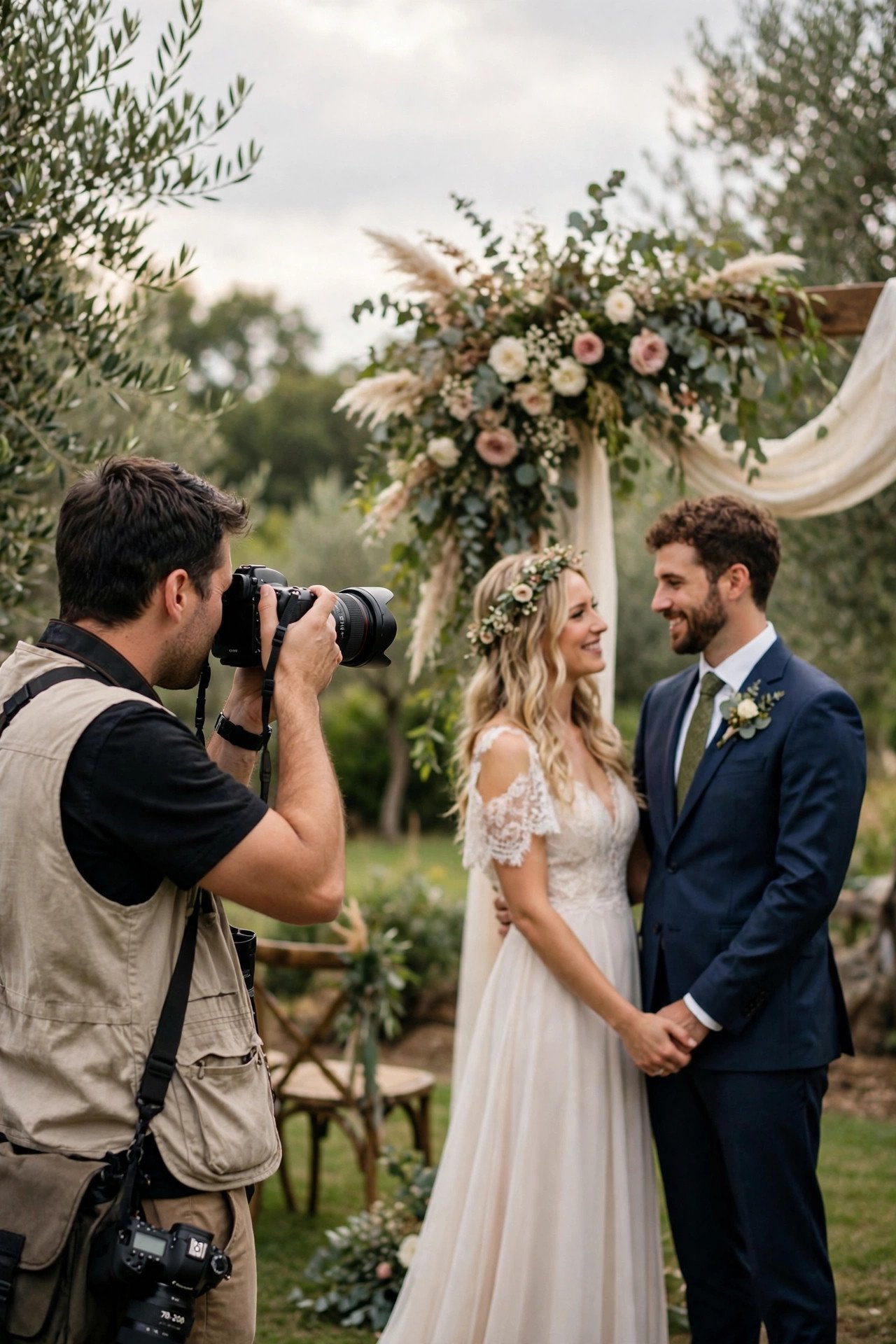
Photo and video deserve 10–15% — the trap is trimming coverage hours to save money, which is the most regretted cut in weddings.
When budgets tighten, couples shave photography from 8 hours to 5 — and miss getting-ready moments, golden-hour portraits, or the dance floor. Albums and prints can be ordered later; hours cannot be recreated. The same applies to video: a shorter package saves hundreds and costs you the ceremony film you’ll want in twenty years.
The fix: book the hours first, extras never. Choose the package with full-day coverage and skip the premium album, the extra shooter you don’t need, the drone. Ask about off-season or weekday rates, and book early — good photographers raise prices yearly. This is the category to protect, not raid.
Flowers & Decor: 8–10%
 📌 Save
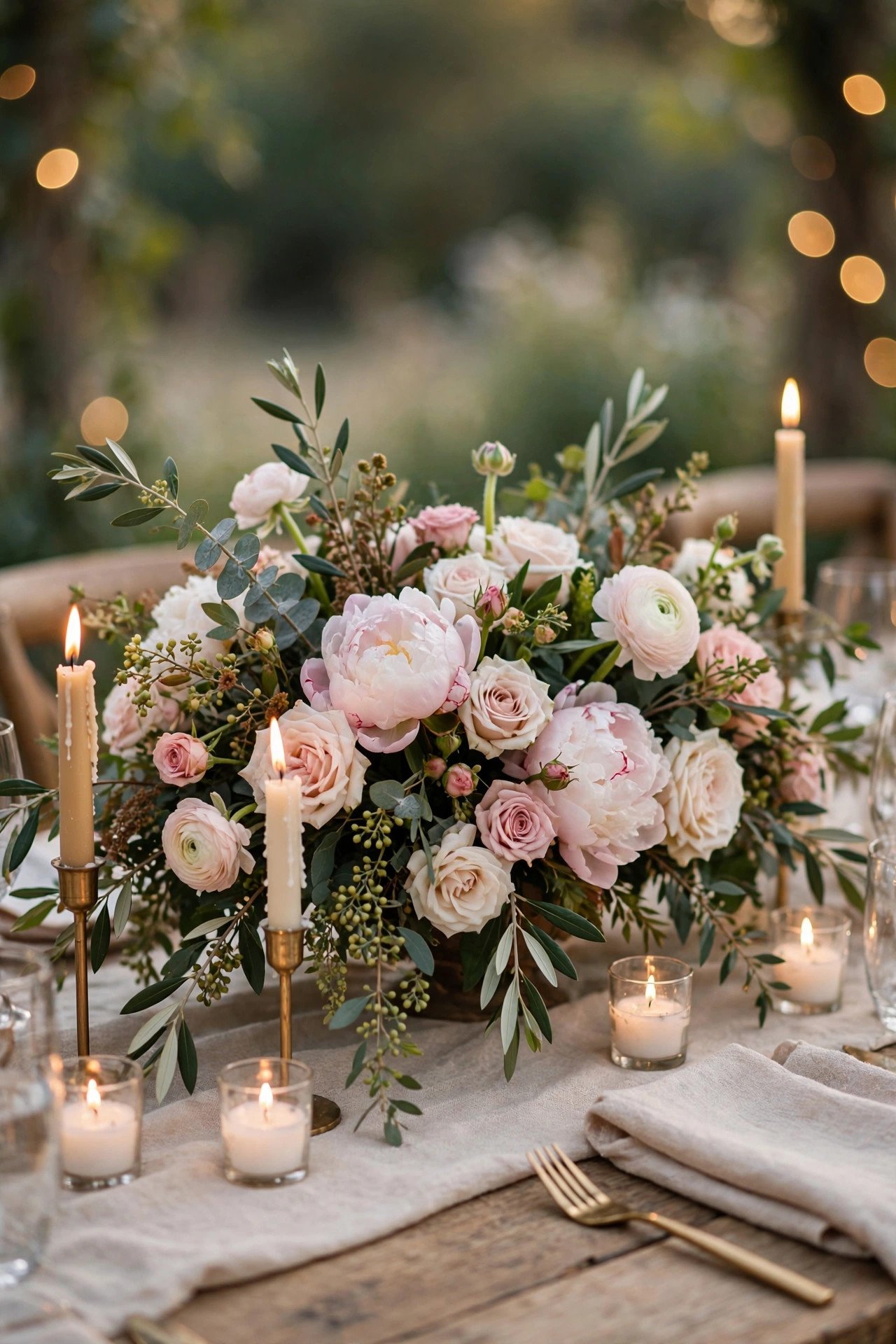
Flowers and decor take 8–10% — the trap is letting florist markup spread across every surface instead of concentrating it.
Floral proposals grow by accretion: a little for the ceremony, a little for cocktail hour, a little for every table, the cake, the bar — and suddenly it’s 15% of your budget. Each individual line looks reasonable; the total is not. Decor rentals work the same way: one more lounge vignette, one more neon sign.
The fix: pick three focal points and spend there — the ceremony backdrop, the sweetheart table, the entrance. Everything else goes minimal: candles, greenery, and pieces that do double duty (ceremony florals move to the reception). Tell your florist the total number first and ask what it buys; designing to a number beats designing to a Pinterest board.
Read next: 20 Stunning Wildflower Decor Ideas
Attire & Beauty: 8–10%
 📌 Save
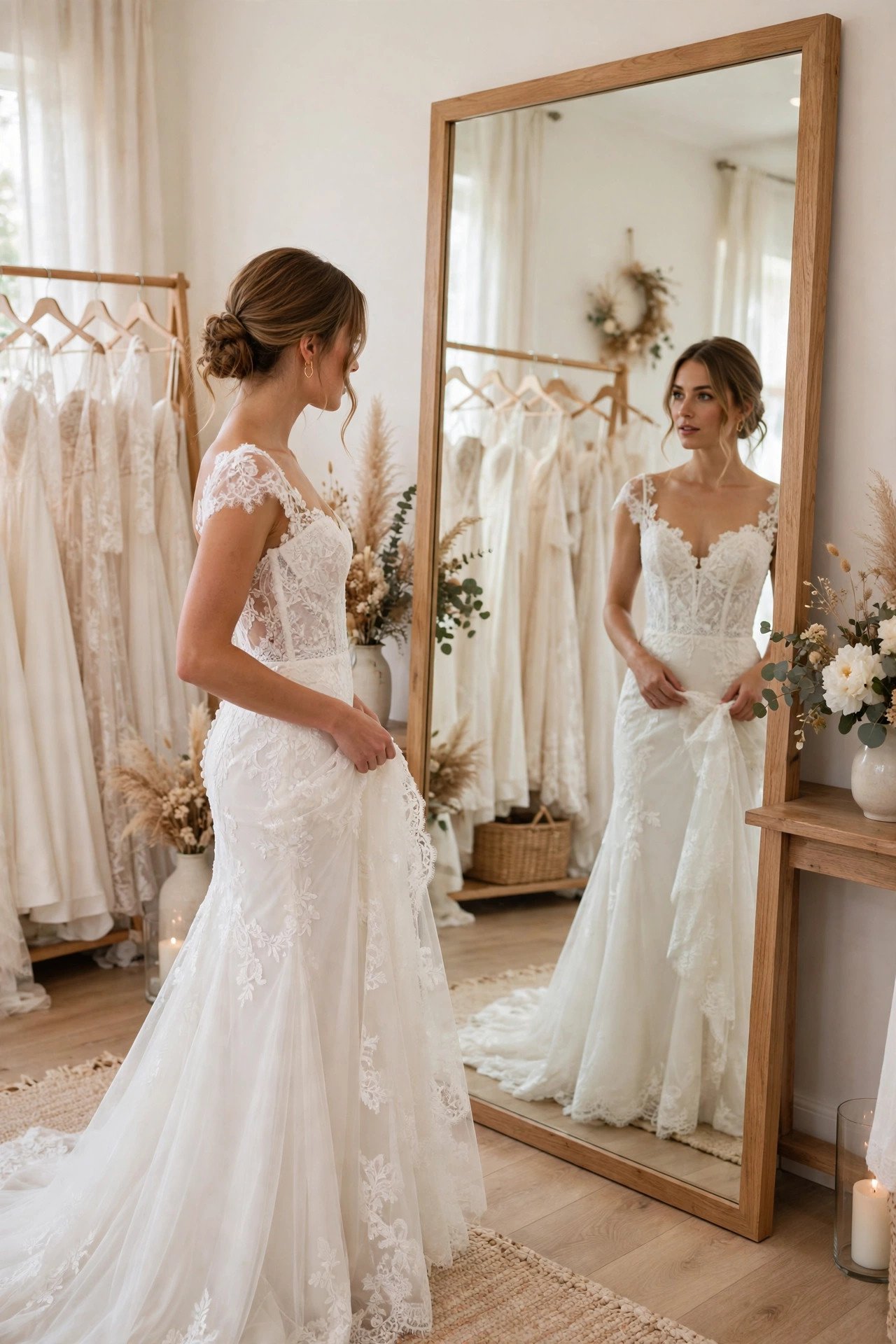
Attire and beauty run 8–10% — the trap is budgeting the dress price and forgetting alterations, which can add hundreds.
The gown’s sticker price is only the opening bid. Hemming, taking in, bustles, cups, pressing — alterations routinely add $300–800, and they’re non-negotiable for the fit in your photos. Then come the quiet add-ons: veil, shoes, jewelry, the groom’s suit and alterations, hair and makeup trials plus day-of glam for the party.
The fix: budget alterations on day one — ask the salon for their typical alteration range before you buy. Consider sample sales and off-the-rack gowns (designer dresses at deep discounts, home the same day). For beauty, book trials early and lock the day-of headcount; adding three more faces at the last minute is where beauty budgets blow up.
Read next: How to Have a Beautiful Wedding on a Budget
Music & Entertainment: 5–10%
 📌 Save
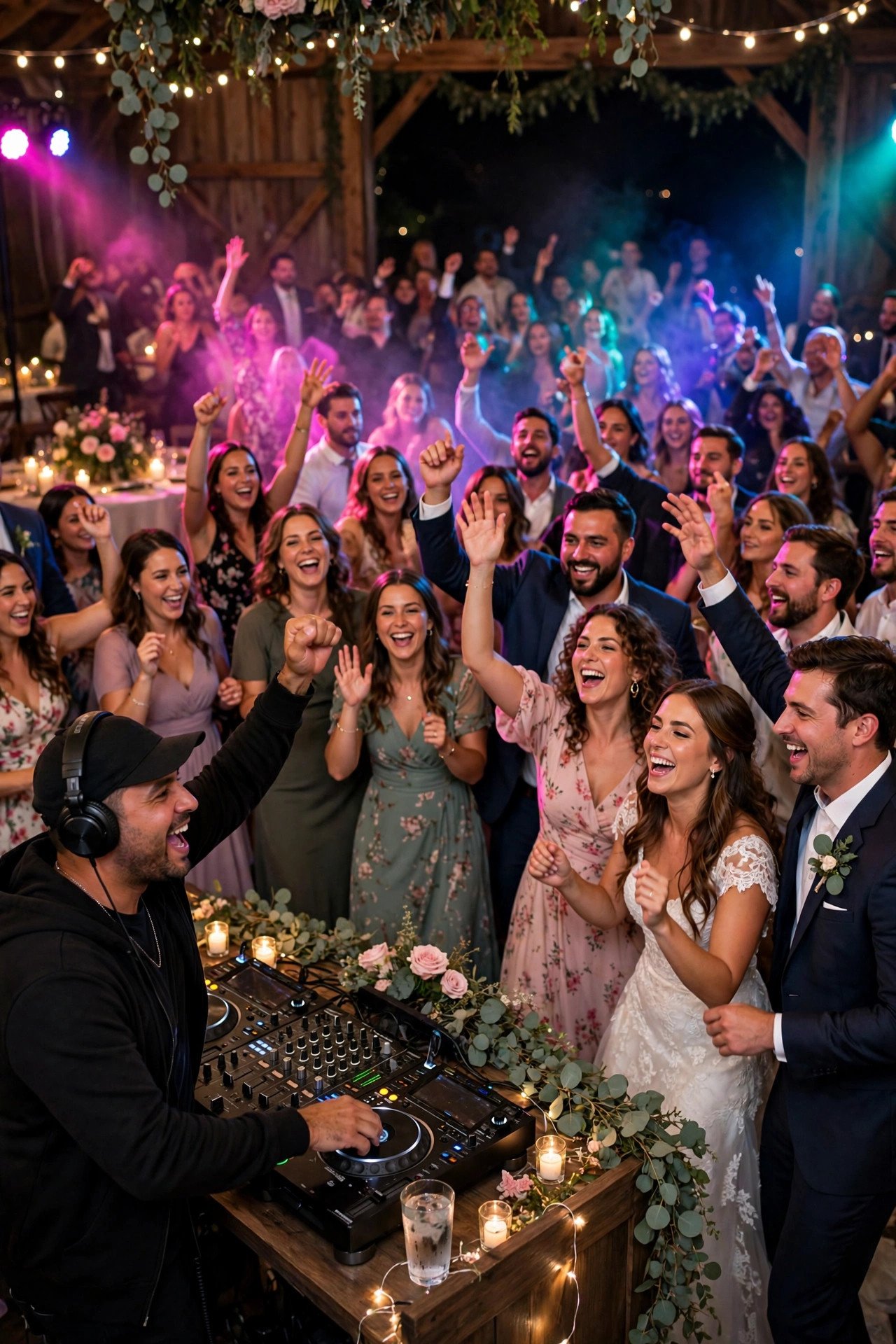
Music takes 5–10% — the trap is overtime: the party runs long and the DJ’s extra hour costs more than you expect.
DJ and band quotes look straightforward until the reception runs over. Overtime rates are steep by design — often $200–500 per extra hour — and in the moment, with the dance floor packed, you’ll say yes to anything. Add-ons stack too: ceremony musicians, cocktail-hour sets, lighting packages, photo booths bundled at a “discount.”
The fix: lock the end time in the contract and plan the timeline to finish on it. Decide upfront which extras matter — a great DJ with a basic light rig beats a mediocre band with all the toys. If you want live music, book it for the ceremony and cocktail hour (shorter sets, lower cost) and let the DJ own the dance floor.
Stationery & Signage: 2–3%
 📌 Save
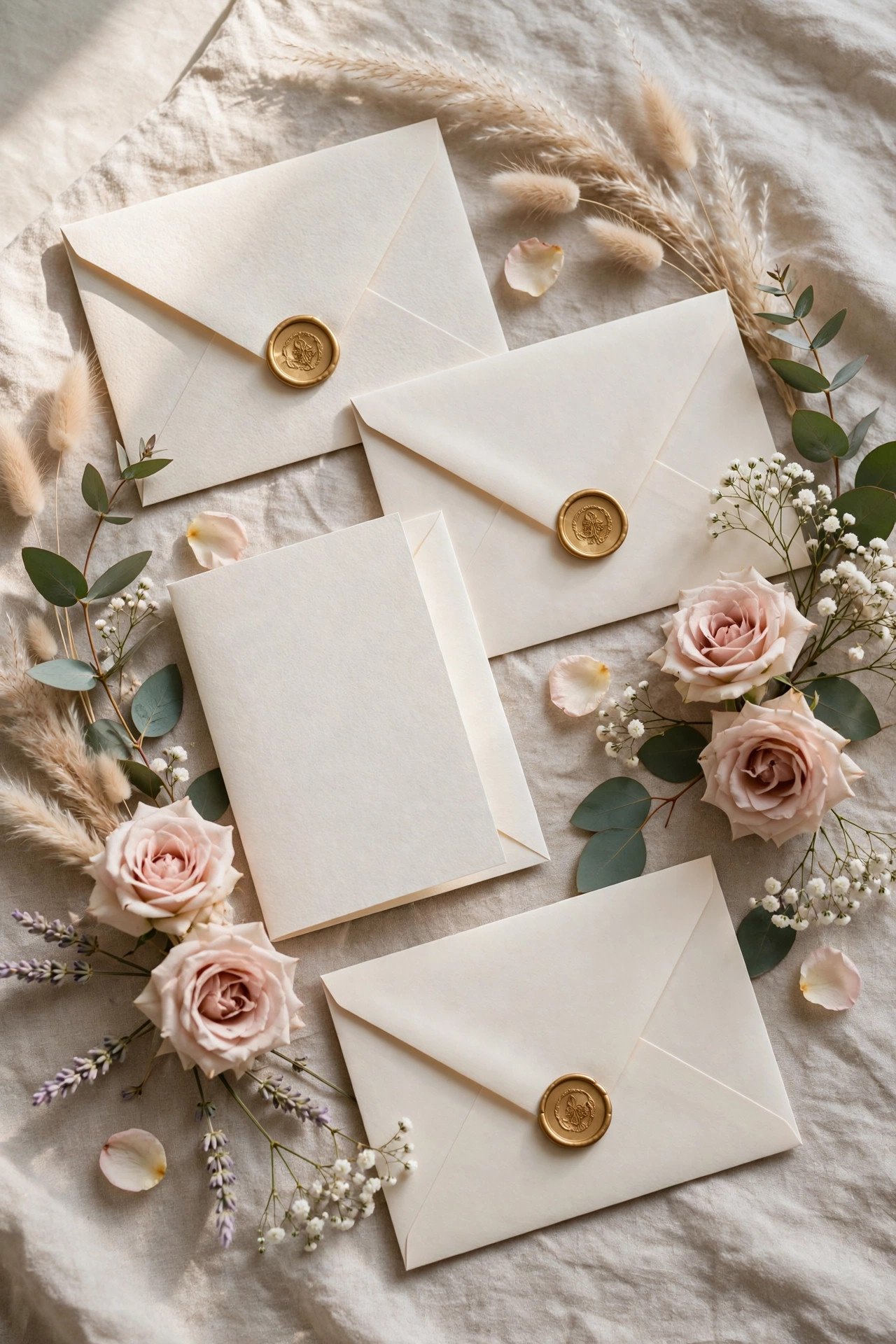
Stationery is just 2–3% — the trap is per-piece pricing creep: every extra card, liner, and wax seal multiplies by your guest count.
Letterpress suites are gorgeous and priced per piece — invitation, RSVP card, details card, envelope liner, wax seal — and each line item times 150 guests adds up fast. Day-of signage follows the same pattern: welcome sign, seating chart, table numbers, bar menu, hashtag sign, one more cute sign…
The fix: go digital where it counts (save-the-dates and RSVPs work beautifully online) and spend the paper budget on one stunning invitation suite. For day-of, rent or DIY a cohesive signage set instead of ordering piece by piece. This is the safest category to trim — guests admire the invitation for a week and the seating chart for ten seconds.
Read next: 300 Heartfelt Wedding Vows
Cake & Desserts: 2–3%
 📌 Save
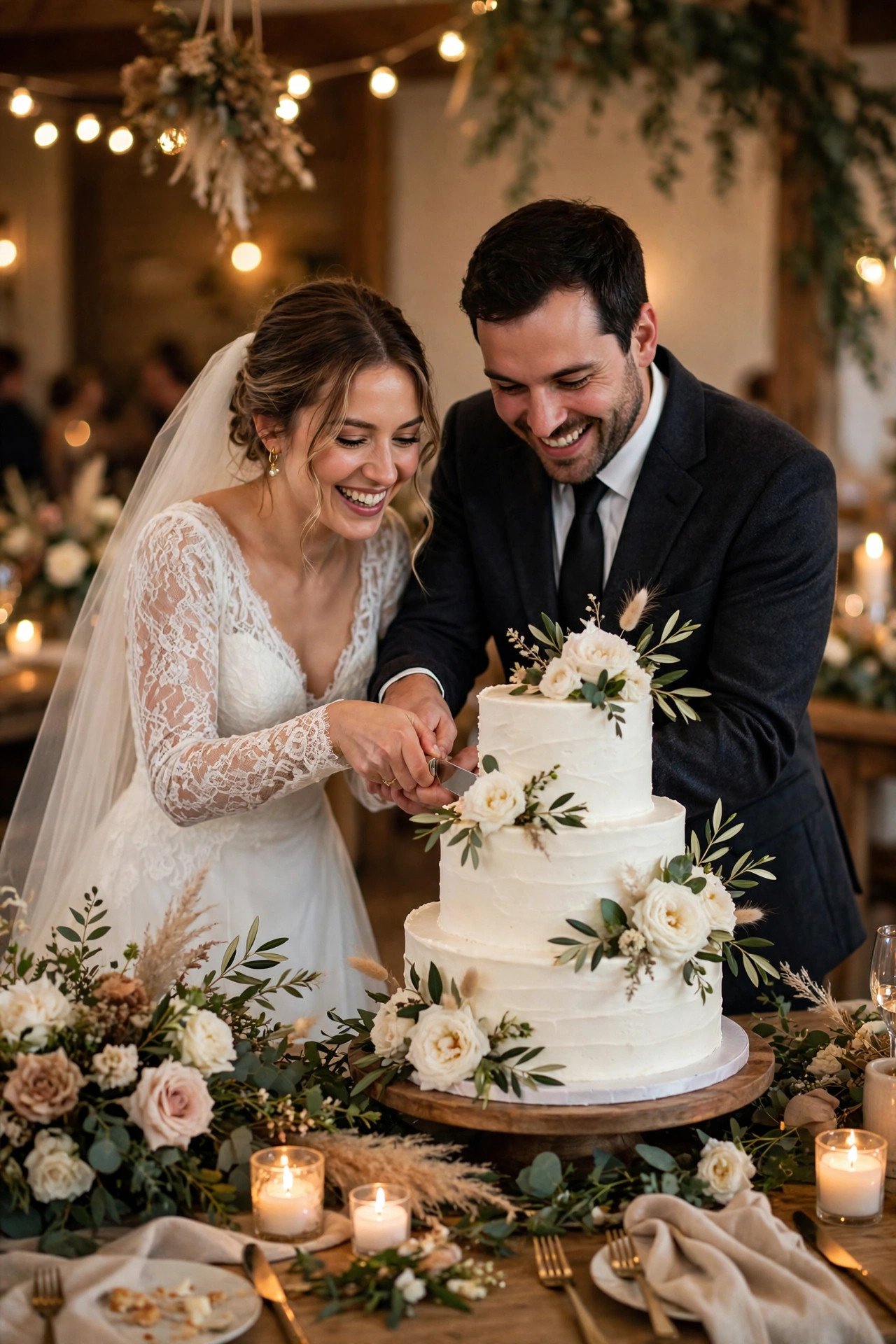
Cake is 2–3% — the trap is per-slice pricing on a towering cake when guests barely eat a slice each.
Wedding cakes price by the slice — $5–12 each — and a five-tier showpiece for 150 guests gets expensive for something half your guests will skip after dinner. Elaborate sugar flowers, hand-painting, and delivery/setup fees stack on top.
The fix: order a small, beautiful display cake for cutting and photos, plus inexpensive sheet cakes in the same flavors served from the kitchen. Guests get the same taste; you skip the per-slice premium on 100+ servings. Or skip cake tradition entirely — a dessert table of donuts, pies, or your favorite bakery’s best often costs less and gets eaten more.
Read next: 12 Budget Wedding Plans That Look Expensive
Favors & Wedding Party Gifts: 2–3%
 📌 Save
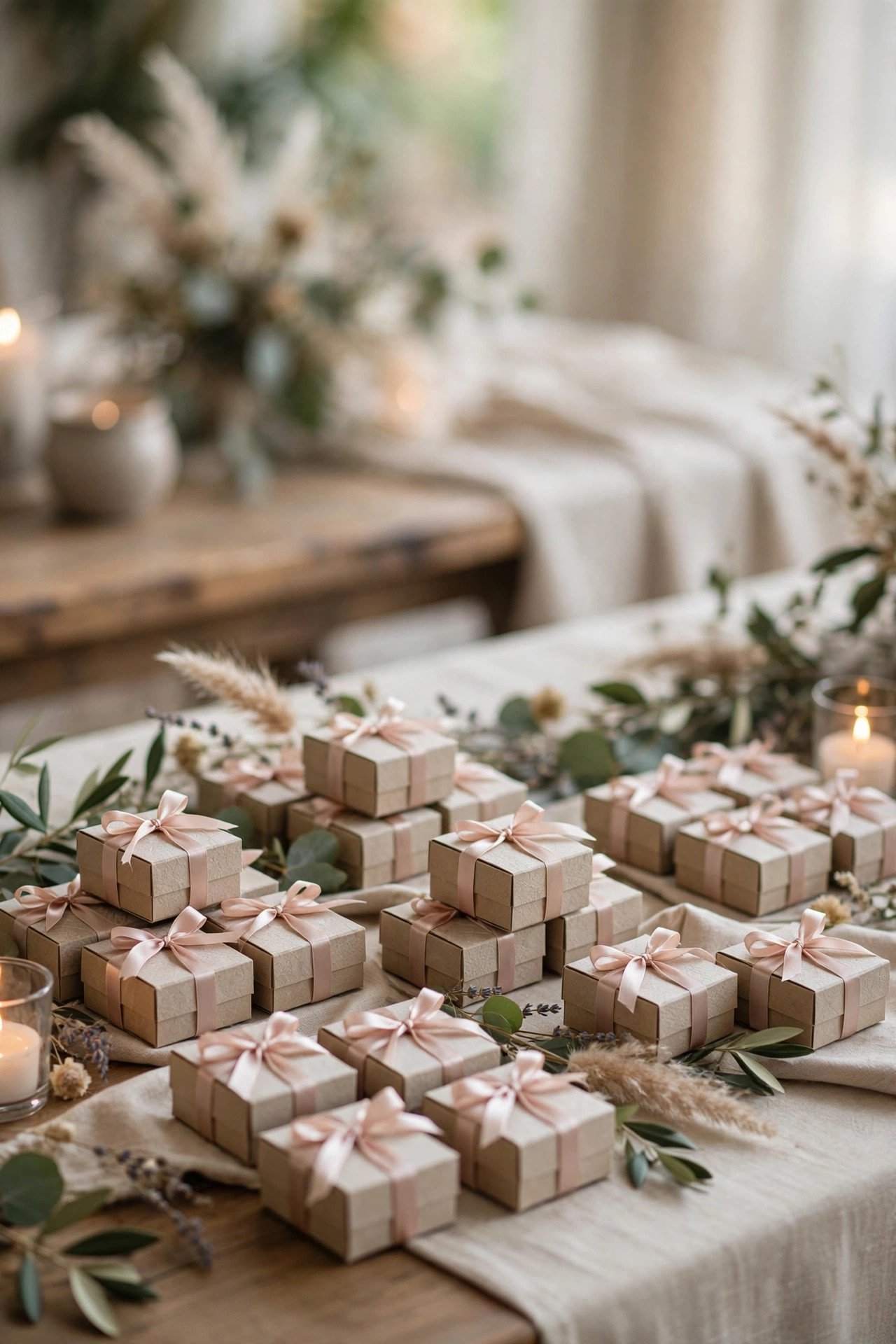
Favors and party gifts are 2–3% — the trap is per-guest math: $4 times 150 guests is $600 before you blink.
Everything in this category multiplies by headcount, which is why it surprises couples. A $4 favor × 150 guests, $50 bridesmaid gifts × 8 attendants, groomsmen gifts, parent gifts — each line is small, the total is not. And the hard truth: most trinket favors get left on the table.
The fix: one edible favor (local honey, cookies, chocolate) that guests actually take — or skip favors entirely and donate to a cause in guests’ honor. For the wedding party, give one thoughtful gift rather than a box of filler; a heartfelt letter plus one good item beats five forgettable ones. Cap the category at its 2–3% and move on.
The 5% Buffer: Hidden Costs
 📌 Save
Keep 5% of your budget unassigned — the trap is having no contingency when hidden costs arrive (and they always do).
Every wedding has them: the service charge you didn’t notice, delivery fees, the bustle that needs a second fitting, postage for the invitations you forgot to weigh, tips you hadn’t planned, the tent you need when the forecast turns. Couples without a buffer fund these from the categories they’ve already locked — which is how a $25,000 wedding becomes $29,000.
The fix is gloriously simple: subtract 5% from your total before you allocate a single dollar, and don’t touch it until something surprises you. Track spending against the remaining 95% as deposits go out. Couples with a buffer finish planning relaxed; couples without one finish planning stressed. It’s the cheapest insurance in the wedding industry.
Read next: 36 Ways to Slash Your Wedding Budget
Frequently Asked Questions
What percentage of a wedding budget goes to the venue?
Typically 40–50%, and it’s the category where couples overspend most — usually by falling in love with a space before seeing the full rental breakdown. Always compare the all-in cost (venue fee plus every rental) before deciding.
Where do couples overspend the most on weddings?
The venue, the bar, and last-minute upgrades. Open-bar sticker shock, venue rental add-ons, and “while we’re at it” upgrades in the final month are the three biggest budget killers.
What is a realistic wedding budget breakdown?
A common split: venue 40–50%, catering and bar 25–30%, photo and video 10–15%, flowers and decor 8–10%, attire and beauty 8–10%, music 5–10%, with stationery, cake, favors and a 5% contingency buffer making up the rest.
How much should you keep as a wedding budget buffer?
Keep 5% of your total budget unassigned for surprises — service charges, delivery fees, alterations and last-minute needs. Couples with a buffer finish relaxed; couples without one finish stressed.
Which wedding costs are safe to cut?
Stationery upgrades, elaborate favors, premium bar tiers, and ceremony decor are the safest cuts — guests barely notice them. Never cut photography hours, the coordinator, or the contingency buffer.
✨ Key Takeaways
- Map every dollar to a category before you book anything — the breakdown is your negotiating power.
- The venue (40–50%) is the top overspend zone: compare all-in totals, not venue fees.
- Cap the bar deliberately — it’s the quietest budget killer in the whole wedding.
- Protect photography hours and the coordinator; cut stationery upgrades and trinket favors instead.
- Keep 5% unassigned as a contingency buffer — it’s the cheapest stress insurance you’ll buy.
- Track spending against 95% of your total as deposits go out, and rebalance between categories instead of raising the total.
Final Thoughts
A wedding budget isn’t a list of tips — it’s a map. Know where the money goes, name the trap in each category, and apply the fix before you sign. Do that, and you’ll walk down the aisle knowing exactly what everything cost and why it was worth it.




One Comment