Wedding Day Schedule (2027)
By zainzari • Published October 23, 2026 • Updated October 23, 2026
 📌 Save
A realistic wedding day schedule is built from real durations, not hopes: hair and makeup takes 45–60 minutes per person, getting dressed takes 20–30 minutes, family photos take 20–30 minutes with a written list, a typical ceremony runs 20–30 minutes, and dinner service needs 60–90 minutes. Add up honest numbers, add buffer between venues, and the day runs on time almost by itself.
Most wedding days do not run late because of one disaster. They run late because a dozen segments were each scheduled five optimistic minutes too short, and the optimism compounded. This guide gives you the honest duration of every segment, as planners and photographers actually experience them.
Use these numbers to build or audit your own schedule: find your ceremony time, lay the segments around it using the durations below, and protect the buffer blocks. The result is a wedding day schedule with slack in the right places — which is what ‘on time’ actually looks like from the inside.
At a Glance: Segment, Realistic Duration & Pace-Setter
| # | Segment | Realistic Duration | Who Sets the Pace | Planning Note |
|---|---|---|---|---|
| 1 | Getting-Ready Photos and Robe Moments — 30 Minutes | 30 min | Photographer | After all beauty is done |
| 2 | The Bride’s Hair and Makeup — 60 to 90 Minutes | 60–90 min | Beauty team | Base it on the trial |
| 3 | Each Bridesmaid’s Hair and Makeup — 45 to 60 Minutes | 45–60 min each | Beauty team | Book enough artists |
| 4 | Detail and Flat-Lay Photos — 20 to 30 Minutes | 20–30 min | Photographer | Detail box ready night before |
| 5 | Getting Dressed — 20 to 30 Minutes | 20–30 min | Bride and helpers | Clear the room first |
| 6 | The First Look — 15 Minutes | 15 min | Couple | Private, shaded spot |
| 7 | Couple Portraits — 30 to 45 Minutes | 30–45 min | Photographer | Two locations maximum |
| 8 | Wedding Party Photos — 20 to 30 Minutes | 20–30 min | Best man and maid of honor | Keep the group together |
| 9 | Family Photos — 20 to 30 Minutes with a List | 20–30 min | Photo wrangler | Largest groups first |
| 10 | Buffer Time — the 30 Minutes Everyone Skips | 30 min total | You | Label it in writing |
| 11 | Travel Between Venues — Drive Time Plus 15 | Drive + 15 min | Driver | Test-drive the route |
| 12 | The Ceremony — 20 to 30 Minutes for Most | 20–30 min | Officiant | Ask for a real estimate |
| 13 | Greeting Your Guests — 20 Minutes or Table Visits | ~20 min | Couple | Pick one method |
| 14 | Cocktail Hour — 60 Minutes, No More | 60 min | Caterer | Food out within 10 min |
| 15 | Room Reveal and Ten Minutes Alone — 10 Minutes | 10 min | Planner | Appetizers waiting |
| 16 | Grand Entrance and First Dance — 10 Minutes | 10 min | DJ or bandleader | Entrance into first dance |
| 17 | Dinner Service — 60 to 90 Minutes | 60–90 min | Caterer | Get the caterer’s number |
| 18 | Toasts — 15 to 20 Minutes Total | 15–20 min | Speakers and DJ | Between courses |
| 19 | Parent Dances — 10 Minutes | 10 min | Couple and DJ | Edited song lengths |
| 20 | The First Open-Dancing Block — 45 Minutes | 45 min | DJ | Zero interruptions |
| 21 | Cake Cutting — 10 Minutes | 10 min | Couple and DJ | Good light, clear announcement |
| 22 | Bouquet Toss and Its Alternatives — 10 Minutes | 10 min | DJ | Use a toss bouquet |
| 23 | Sunset or Night Portraits — 10 to 15 Minutes | 10–15 min | Photographer | Sunset time on the schedule |
| 24 | Last Dance and Grand Exit — 15 Minutes | 15 min | Planner and DJ | Check exit prop rules |
| 25 | Vendor Teardown and Gift Collection — 30 to 60 Minutes | 30–60 min | Named helper | Written handoff list |
Rule of the schedule: duration is set by the slowest necessary person, not the fastest. If a segment involves twelve people, schedule it for the twelfth person’s speed.
Getting-Ready Photos and Robe Moments — 30 Minutes
 📌 Save
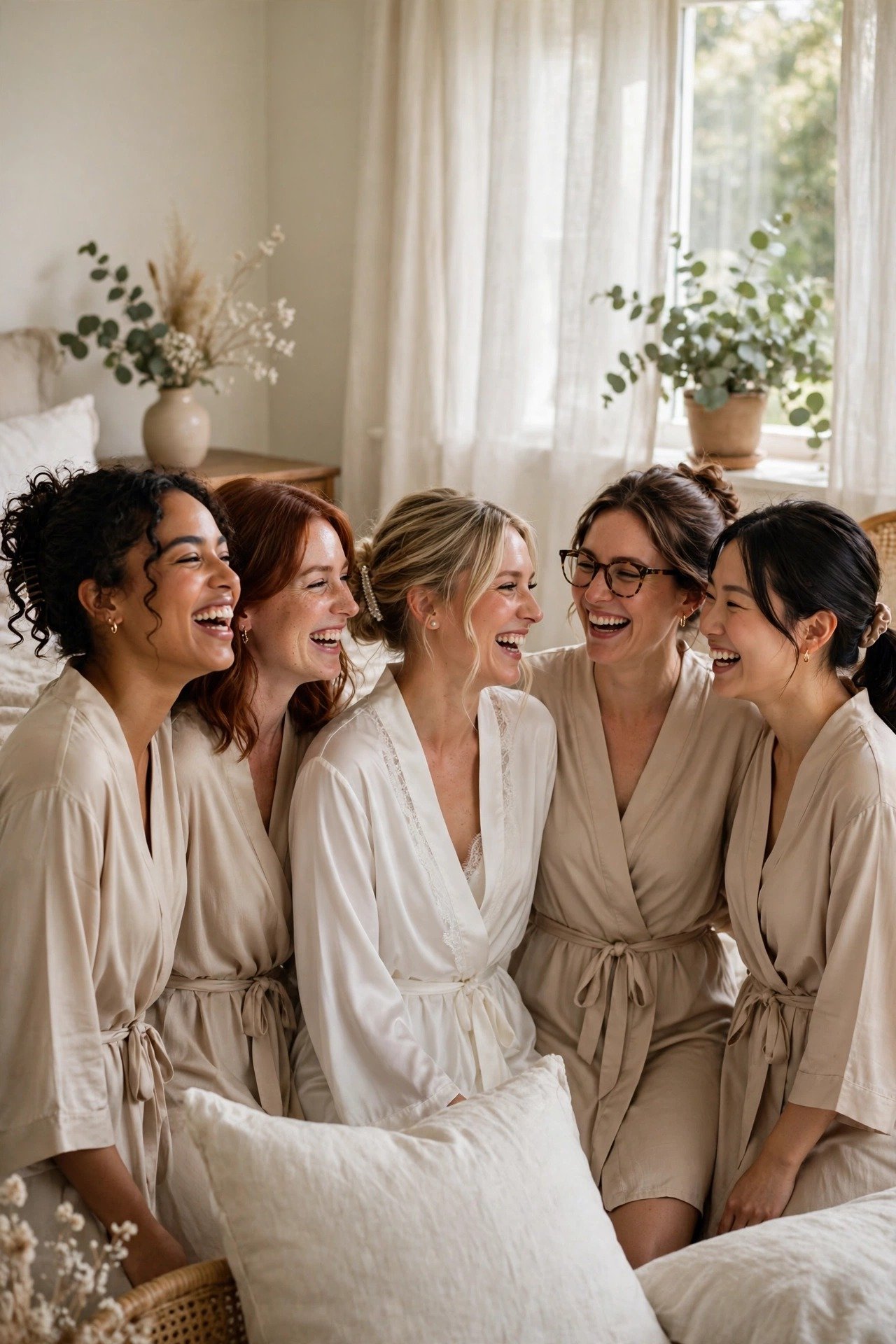
Those effortless robe photos — the toast with sparkling juice, the jumping-on-the-bed shot, the group hug — take about 30 minutes once everyone is gathered, dressed in robes, and the photographer has found the light. Schedule them after hair and makeup is fully finished, or the ‘candid’ shots will show half-done hair.
The Bride’s Hair and Makeup — 60 to 90 Minutes
 📌 Save
A full bridal hair and makeup session runs 60 to 90 minutes depending on the hairstyle’s complexity — intricate updos and full-glam makeup sit at the top of the range. This is the anchor of the morning: schedule the bride second-to-last in the rotation so she finishes fresh but is never the reason the room is waiting.
Each Bridesmaid’s Hair and Makeup — 45 to 60 Minutes
 📌 Save
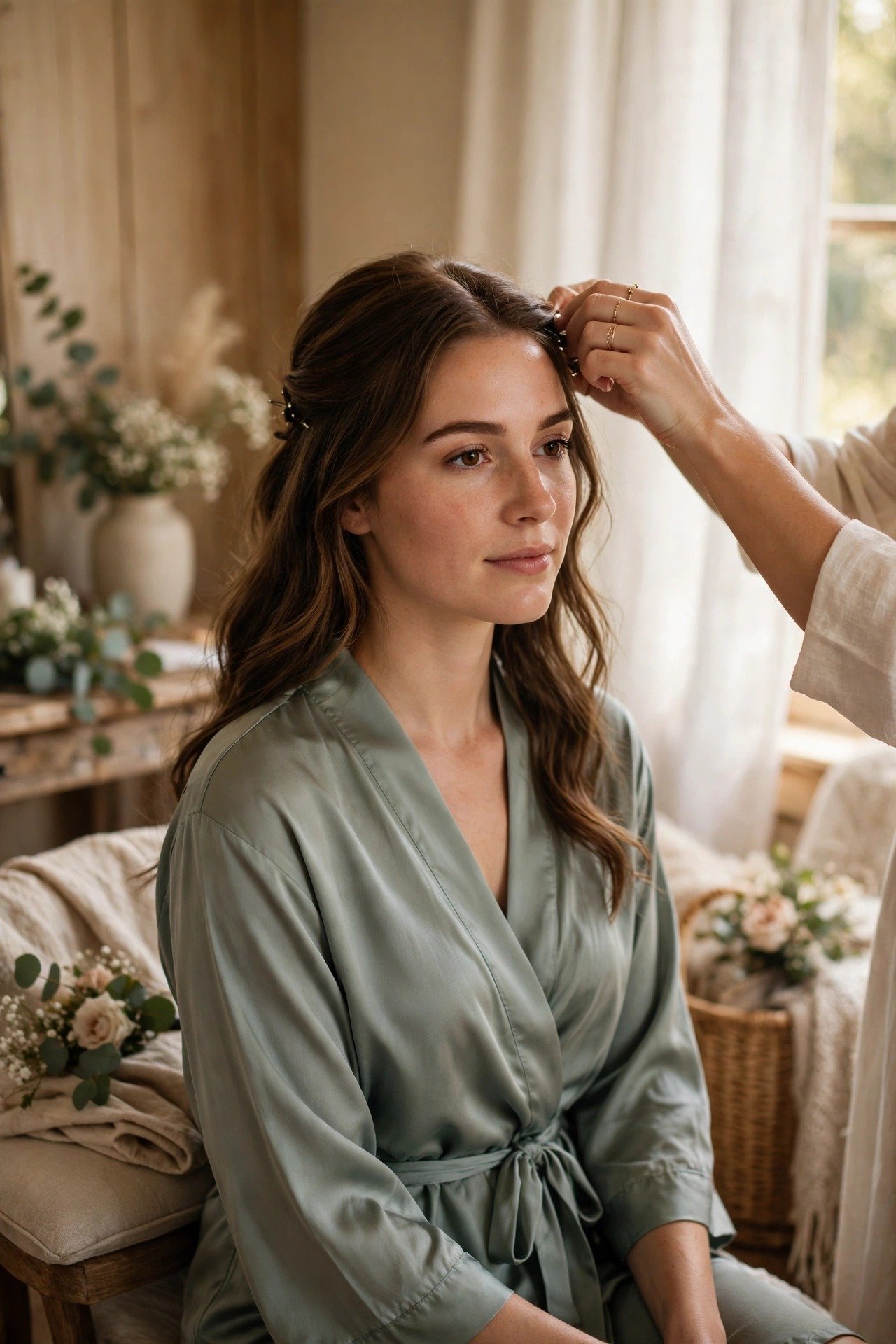
Each attendant needs 45 to 60 minutes of chair time, and the math is unforgiving: six bridesmaids with one artist is a six-hour morning. Either start early, book a second artist, or simplify the styles. Write each person’s slot on a posted rotation so nobody is missing when their chair is ready.
Detail and Flat-Lay Photos — 20 to 30 Minutes
 📌 Save
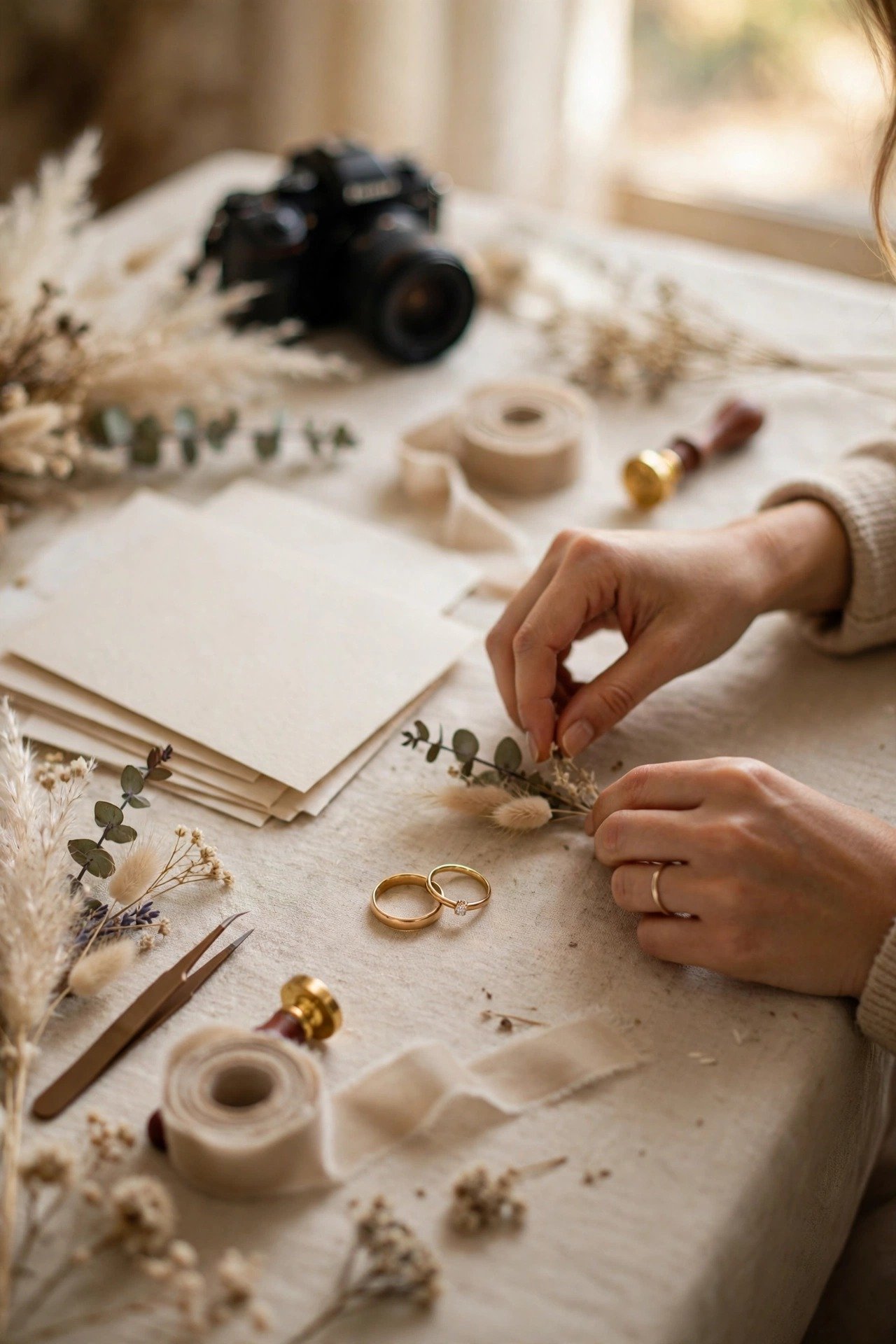
The beautiful flat-lays of your rings, invitation, shoes, and bouquet take 20 to 30 minutes of styling and shooting. Photographers usually do them while hair and makeup finishes — but only if every item is gathered in one box the night before. A missing ring or a bouquet still at the florist stalls the whole shoot.
Getting Dressed — 20 to 30 Minutes
 📌 Save
Getting into the dress, shoes, jewelry, and veil takes 20 to 30 minutes — longer with a buttoned back, a corset lace-up, or a layered skirt. It always takes longer than the boutique suggested, because the boutique was not also taking photos and hugging your mother.
The First Look — 15 Minutes
 📌 Save
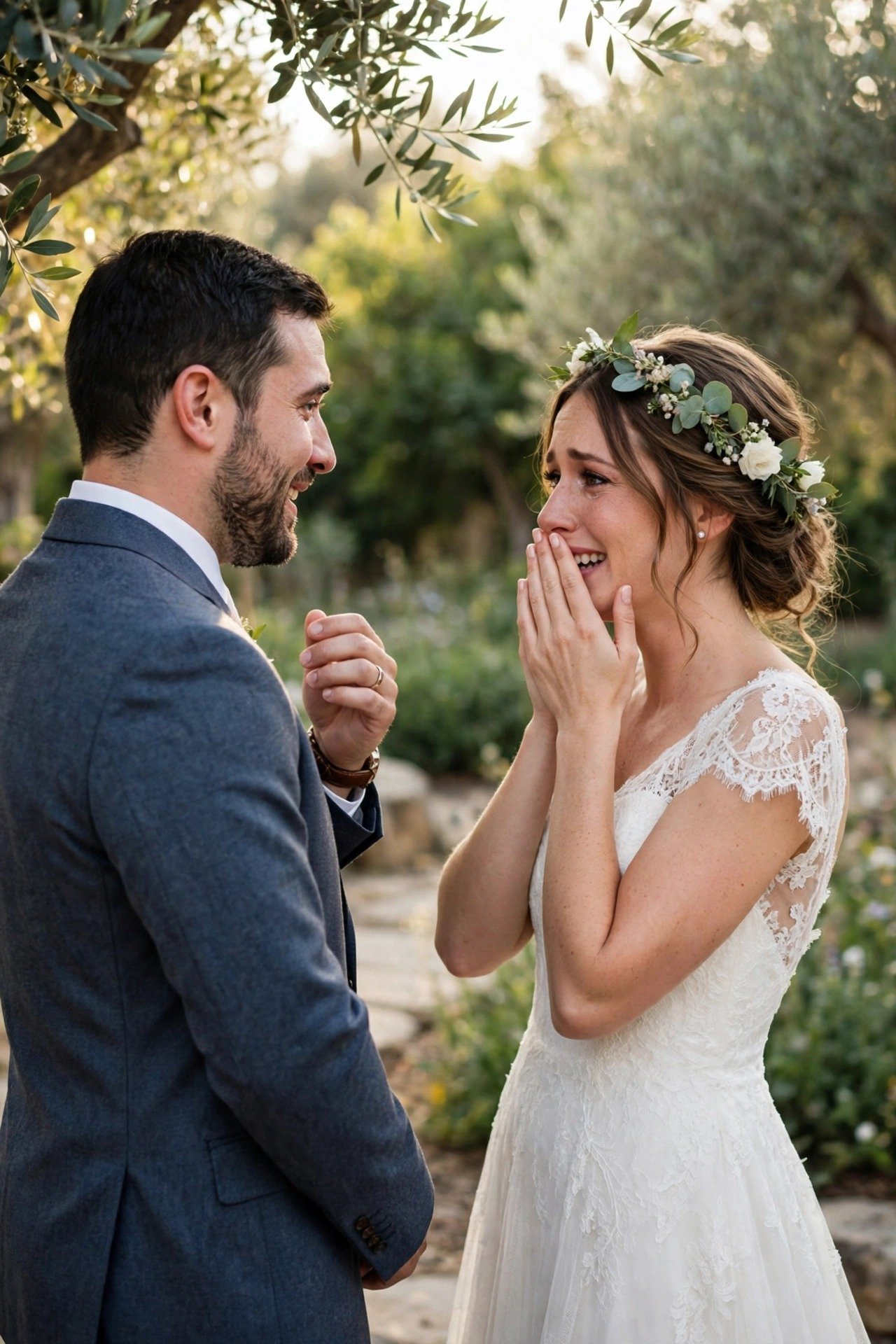
The first look itself takes five minutes; the walking to the spot, the settling, and the unhurried moment after take fifteen. Couples who protect the full 15 consistently describe it as the point where nerves turned into excitement. Couples who rush it describe a photo, not a moment.
Couple Portraits — 30 to 45 Minutes
 📌 Save
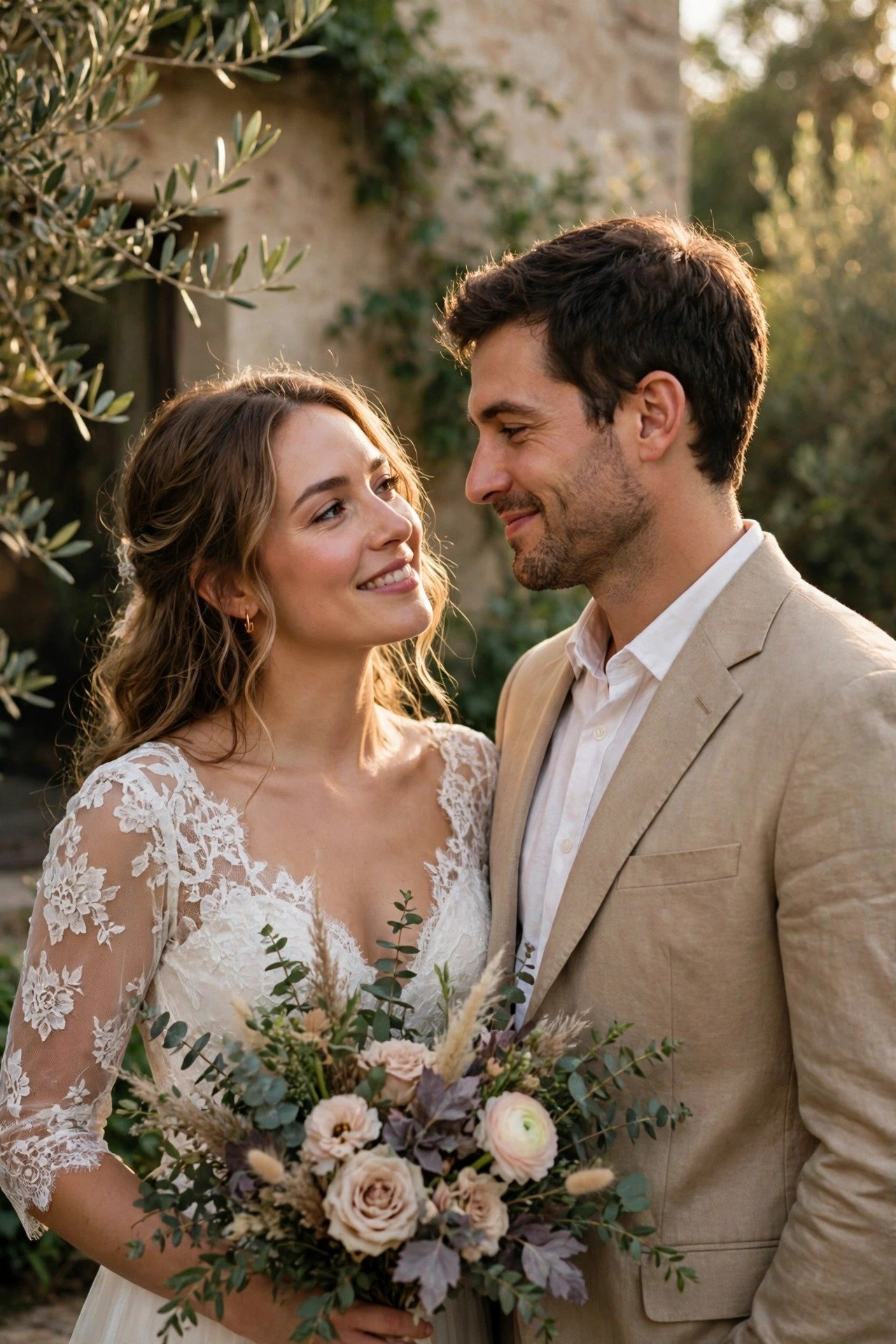
A relaxed couple session needs 30 to 45 minutes across at most two nearby locations. Less than 30 feels rushed in the pictures — stiff smiles, repeated poses — while more than 45 pre-ceremony usually means you are stealing from family photos or the buffer. Golden-hour mini-sessions later add variety without more morning time.
Wedding Party Photos — 20 to 30 Minutes
 📌 Save
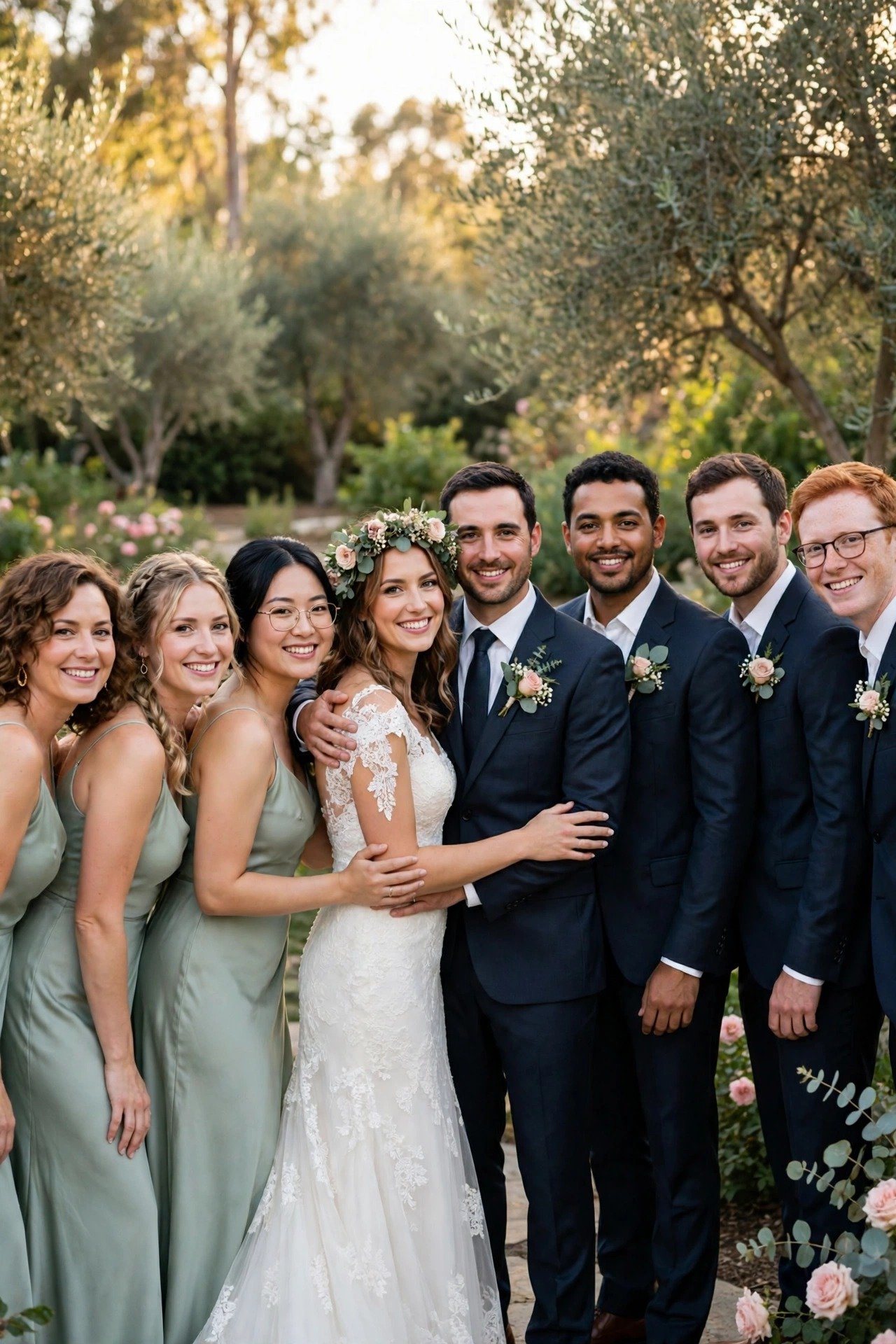
The photos themselves take 20 minutes; collecting twelve adults takes the rest. Keep the whole party together from the first look onward, with water, shade, and a firm ‘no wandering’ understanding, and this block runs like a train. Lose two people to the bar or the parking lot and it doubles.
Family Photos — 20 to 30 Minutes with a List
 📌 Save
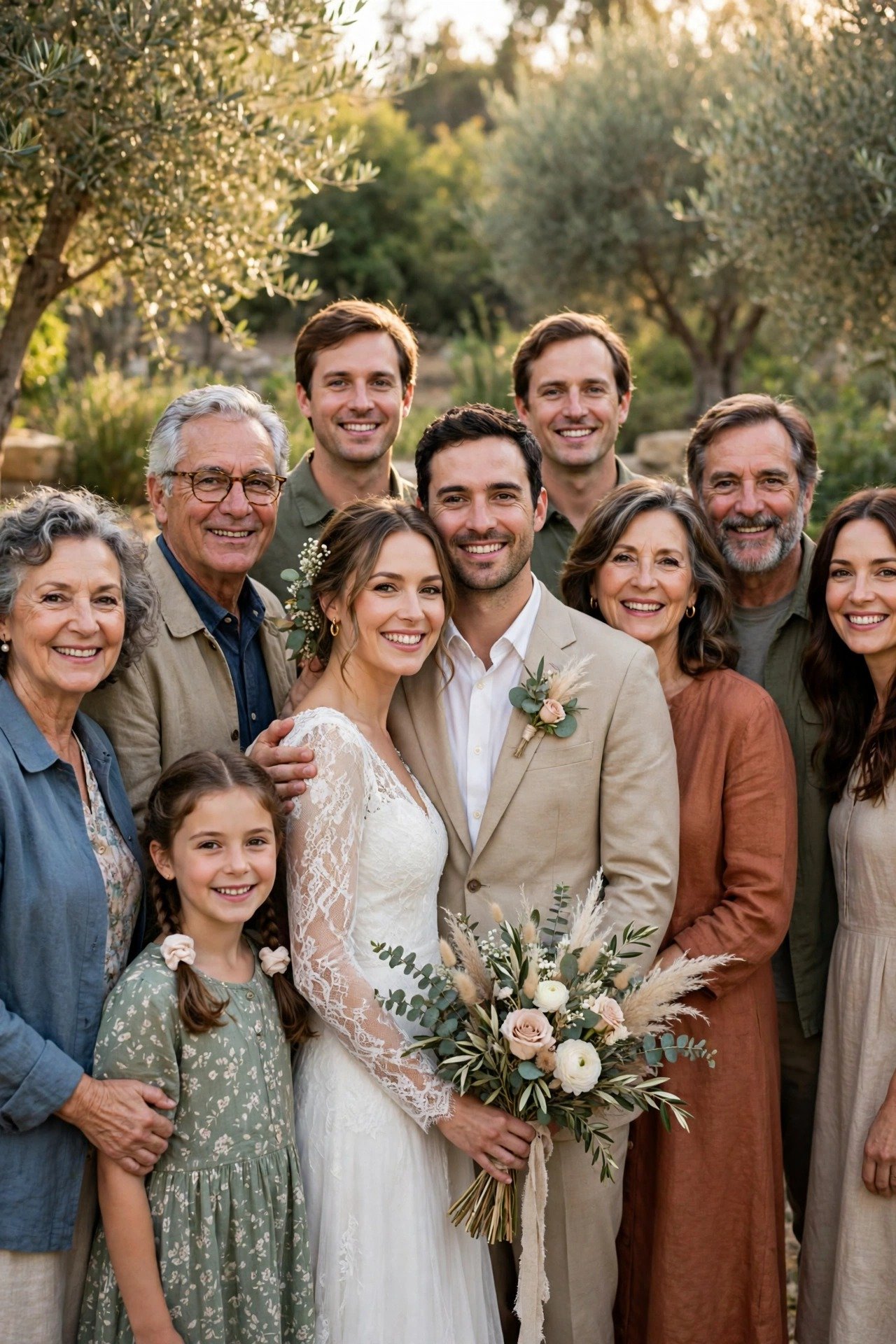
Each family grouping takes about two minutes to arrange and shoot, so a typical list of 12 to 15 combinations lands at 25 to 30 minutes — with a written list and a wrangler who knows the faces. Without them, the same photos take an hour and miss an aunt. This is the highest-leverage list of the whole wedding.
Buffer Time — the 30 Minutes Everyone Skips
 📌 Save
Scatter roughly 30 minutes of buffer across the day — 15 before leaving for the ceremony, 15 before the ceremony starts — and watch the schedule absorb every small delay without complaint. Buffer is not empty time; it is where eating, breathing, bathroom trips, and being a person happen.
Travel Between Venues — Drive Time Plus 15
 📌 Save
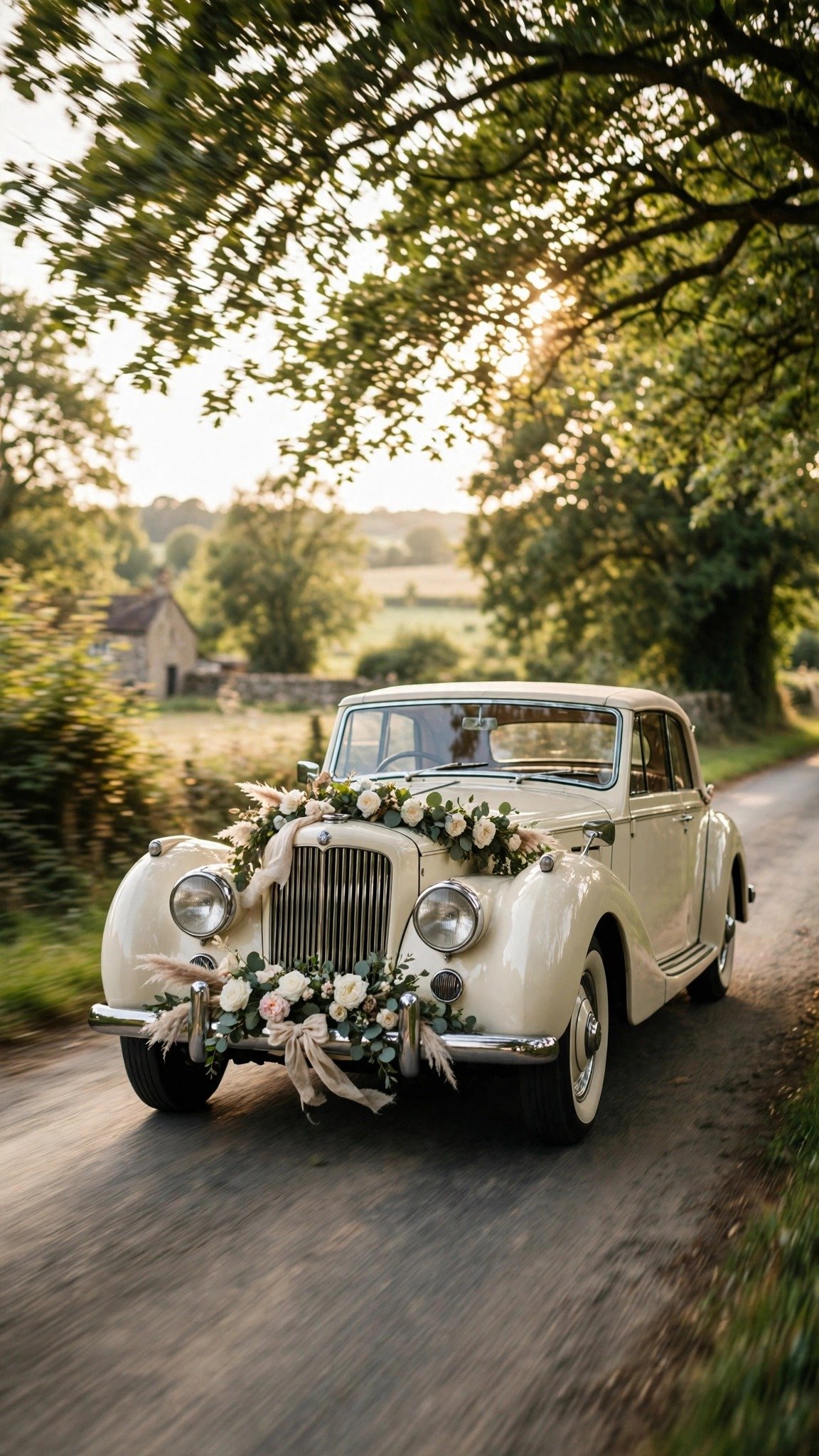
Take the map’s drive time and add 15 minutes for loading dresses, gathering people, parking, and walking in. A 20-minute drive is a 35-minute schedule block. If the route crosses a city at rush hour or a town on a festival day, add another 15 and tell the photographer the real departure time.
The Ceremony — 20 to 30 Minutes for Most
 📌 Save
A standard civil or contemporary ceremony — processional, welcome, readings, vows, rings, kiss, recessional — runs 20 to 30 minutes. Full religious services with communion or multiple rituals usually run 45 to 60 minutes. Ask your officiant for their honest estimate and schedule that number, not the one in the brochure.
Greeting Your Guests — 20 Minutes or Table Visits
 📌 Save
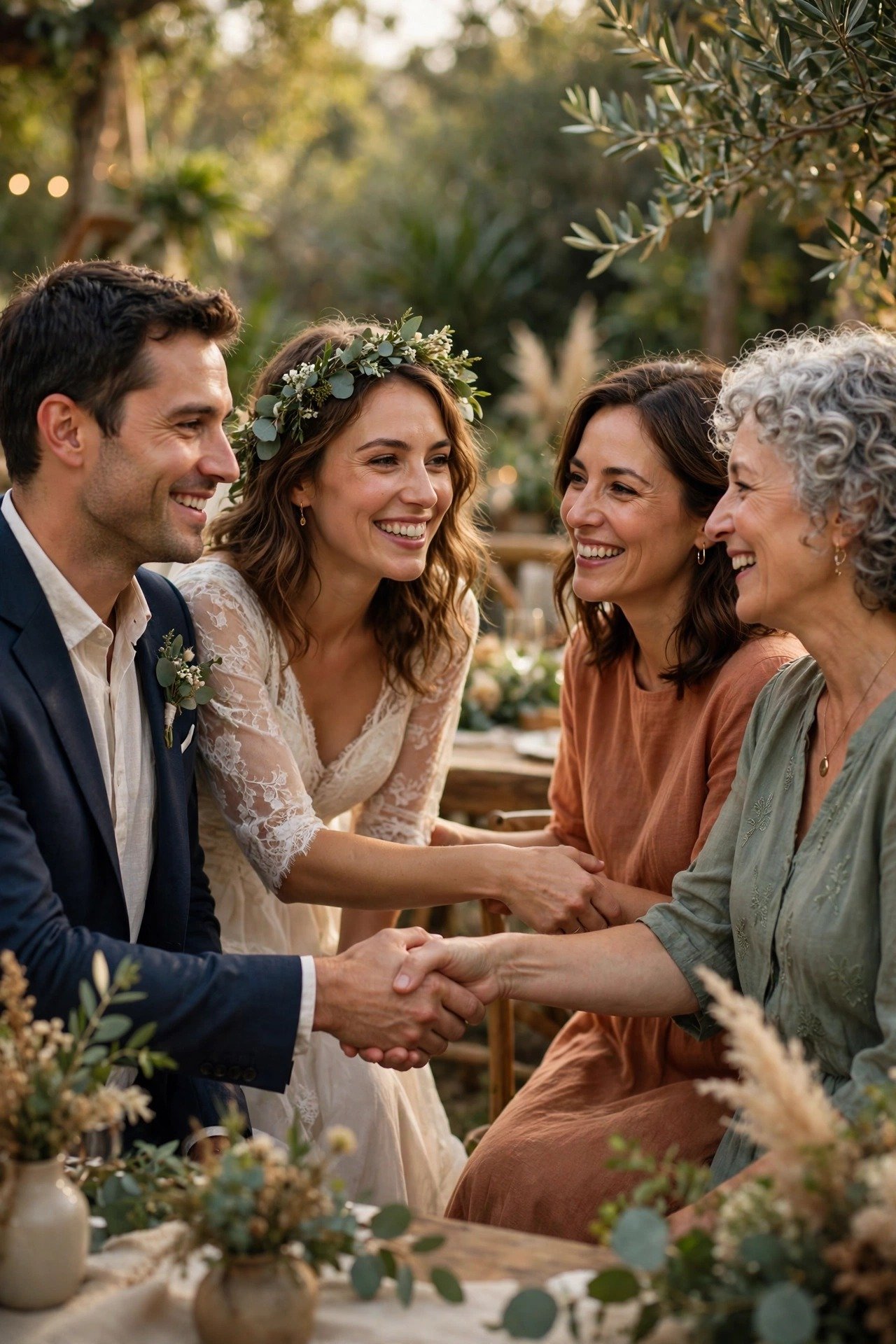
A classic receiving line for 100 guests takes about 20 minutes and guarantees you speak to everyone. The modern alternative — visiting each table during dinner — spreads the same greetings across courses at no extra clock cost. Choose one deliberately; doing neither leaves guests feeling unthanked and doing both eats your portrait time.
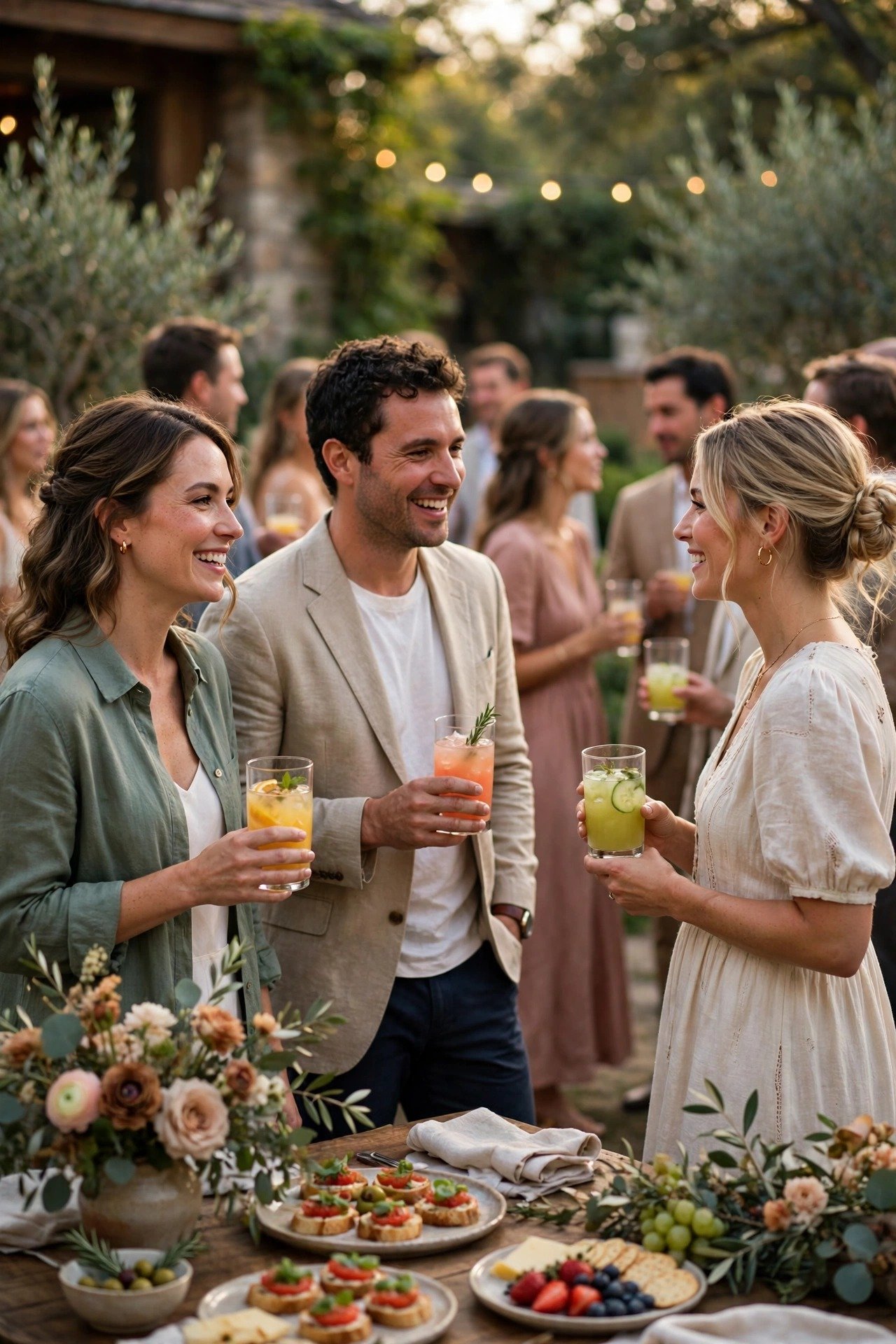
Cocktail Hour — 60 Minutes, No More
 📌 Save
Sixty minutes is the sweet spot: long enough for your remaining photos, short enough that guests stay bright and hungry rather than tired and over-snacked. Every 15 minutes beyond an hour shows up later as a flatter dance floor — guests’ energy is a budget, and cocktail hour spends it.
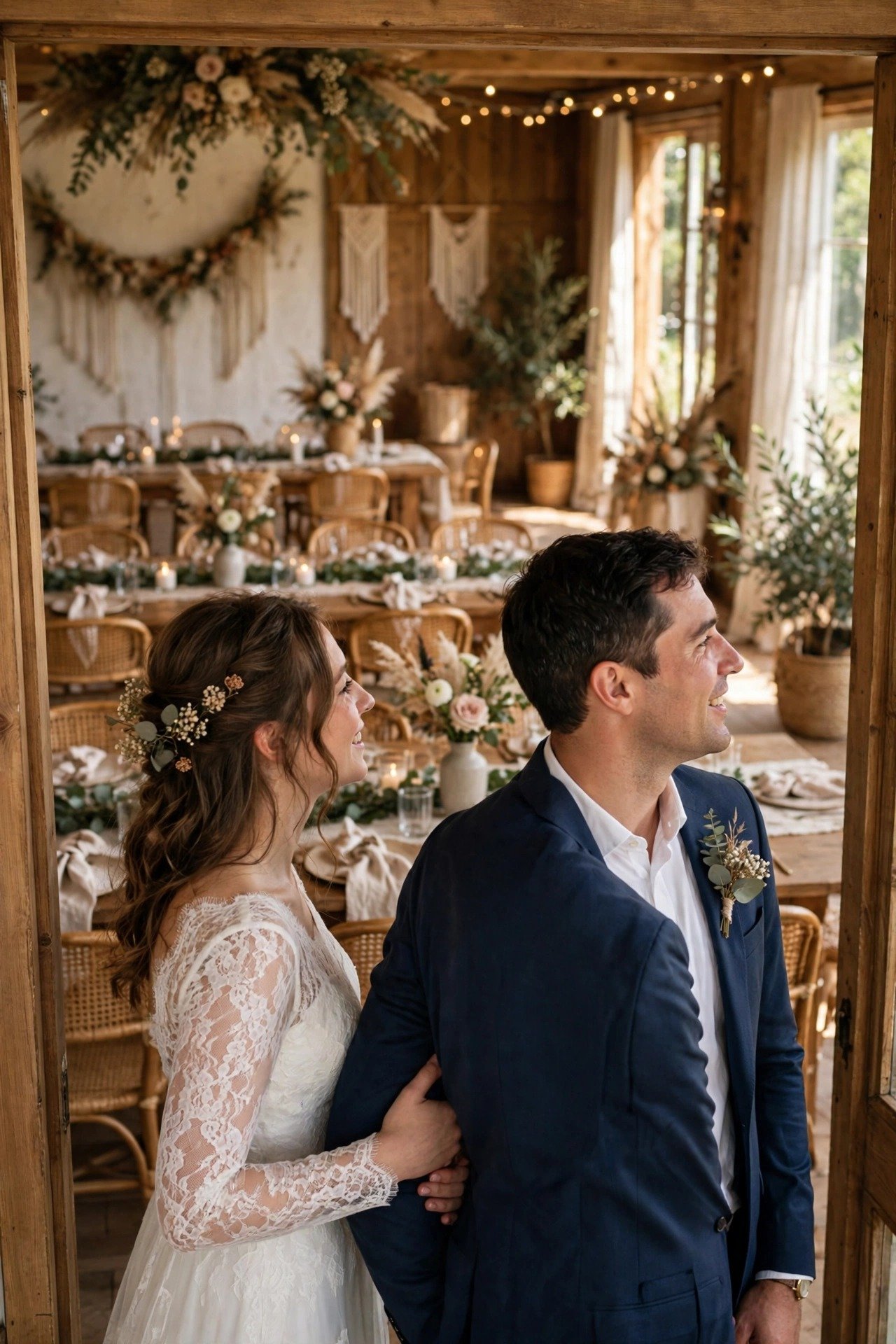
Room Reveal and Ten Minutes Alone — 10 Minutes
 📌 Save
A private room reveal — seeing the finished reception space with your partner before doors open — takes ten minutes and returns far more: a memory of the room perfect, a breath together, and a chance to catch any final detail. Planners guard this slot because couples never regret taking it.
Grand Entrance and First Dance — 10 Minutes
 📌 Save
Announcing the wedding party, your grand entrance, and rolling directly into the first dance takes about ten minutes and creates the reception’s first peak. Going straight from entrance to first dance — before dinner — keeps every guest watching and lets shy dancers relax during the meal.
Dinner Service — 60 to 90 Minutes
 📌 Save
A plated three-course dinner for 100 guests runs 60 to 75 minutes; a buffet with one station runs 75 to 90 because guests queue. Family-style lands in between. The number that matters comes from your caterer for your guest count and menu — ask for it in writing and build the evening backward from it.
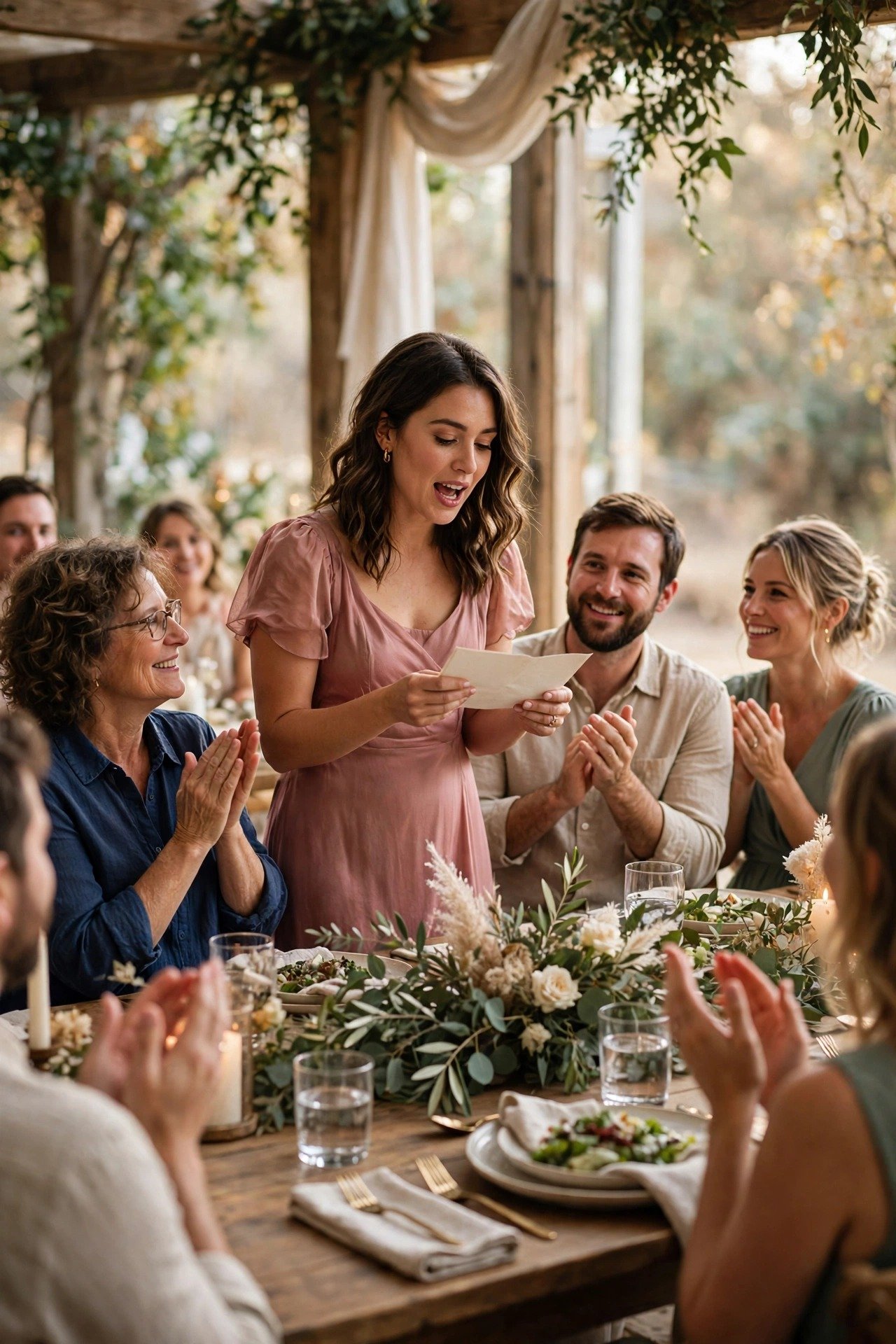
Toasts — 15 to 20 Minutes Total
 📌 Save
Three to four toasts at three to four minutes each, plus transitions, totals 15 to 20 minutes — and lands best between courses when guests are seated and attentive. Every additional speaker adds five real minutes no matter what length they promised, so guard the list kindly and early.
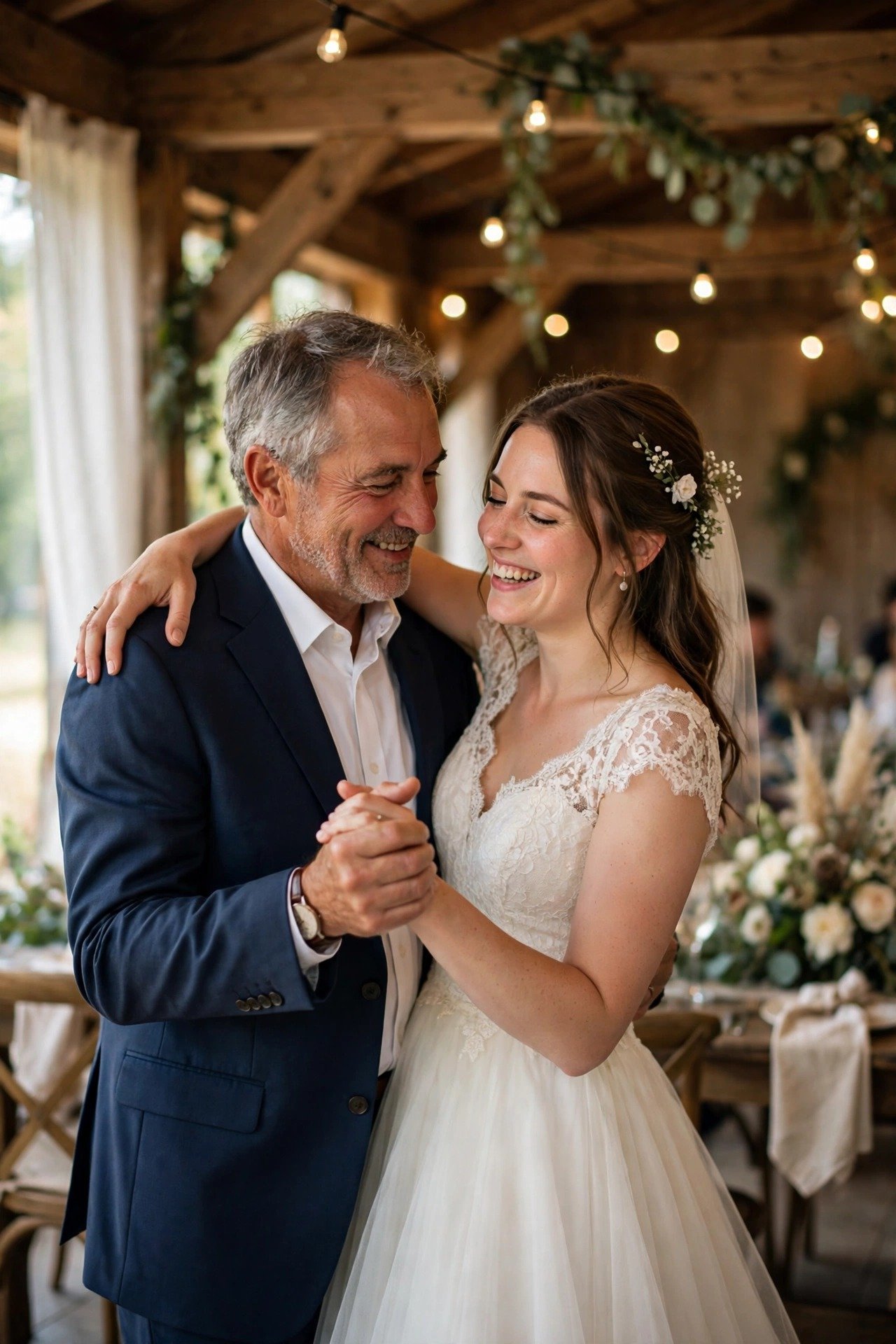
Parent Dances — 10 Minutes
 📌 Save
Two parent dances with songs edited to about two and a half minutes each, plus transitions, take ten minutes total. Unedited five-minute songs double the block and thin the crowd’s attention. Many families also combine both dances into one shared song to keep the moment tight.
The First Open-Dancing Block — 45 Minutes
 📌 Save
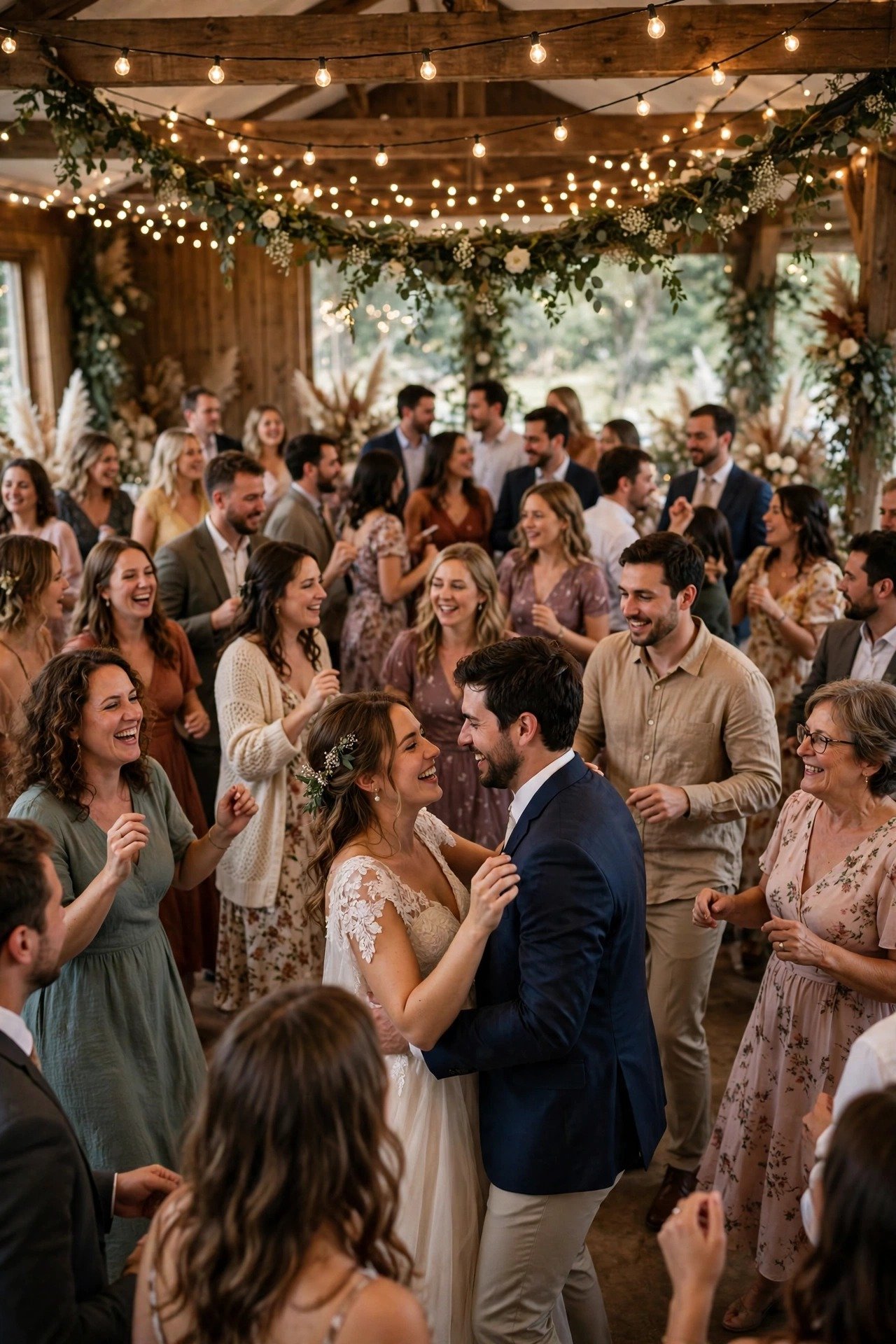
Protect one unbroken 45-minute dancing block right after the formal dances. Interrupting a hot floor for announcements or photos in the first half hour is the schedule error DJs dread most. After this block, the party can flex around cake and traditions without losing its heartbeat.
Cake Cutting — 10 Minutes
 📌 Save
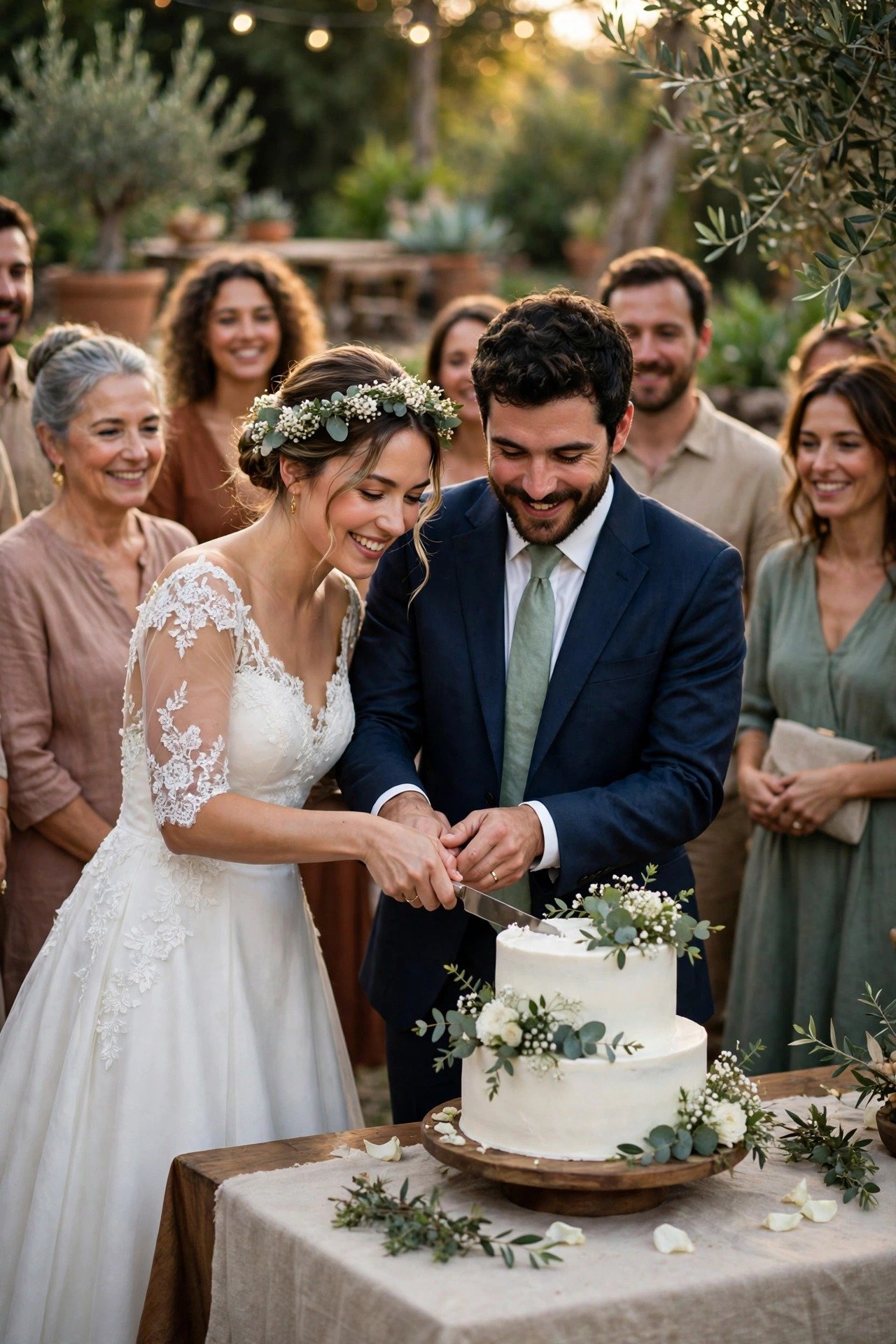
The cutting itself takes three minutes; gathering guests, taking photos, and whisking the cake away for slicing takes ten. Announce it clearly and do it in good light, and it becomes a beloved photo moment instead of something half the room missed while dancing.
Bouquet Toss and Its Alternatives — 10 Minutes
 📌 Save
Whether you toss the bouquet, run an anniversary dance that ends with flowers for the longest-married couple, or present your bouquet to your mother, the moment consumes about ten minutes including gathering people. Late evening is its home: early guests have left, and the remaining crowd is exactly the playful one.
Sunset or Night Portraits — 10 to 15 Minutes
 📌 Save
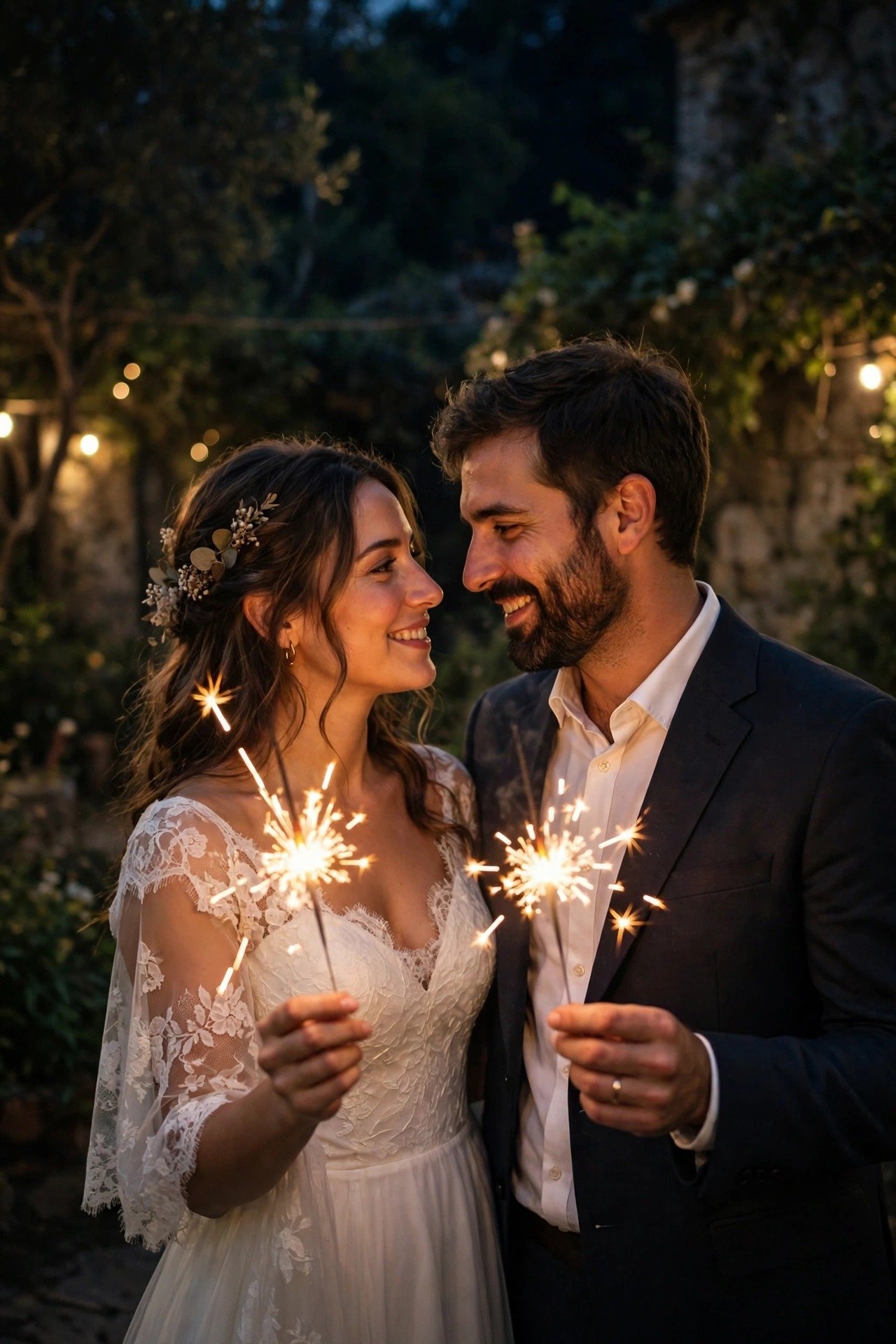
A quick exit for sunset or sparkler-lit night portraits takes 10 to 15 minutes and produces some of the album’s most striking images. The cost is absence from your own party, so keep it tight, tell the DJ exactly when you will return, and go during a moment the floor can spare you.
Last Dance and Grand Exit — 15 Minutes
 📌 Save
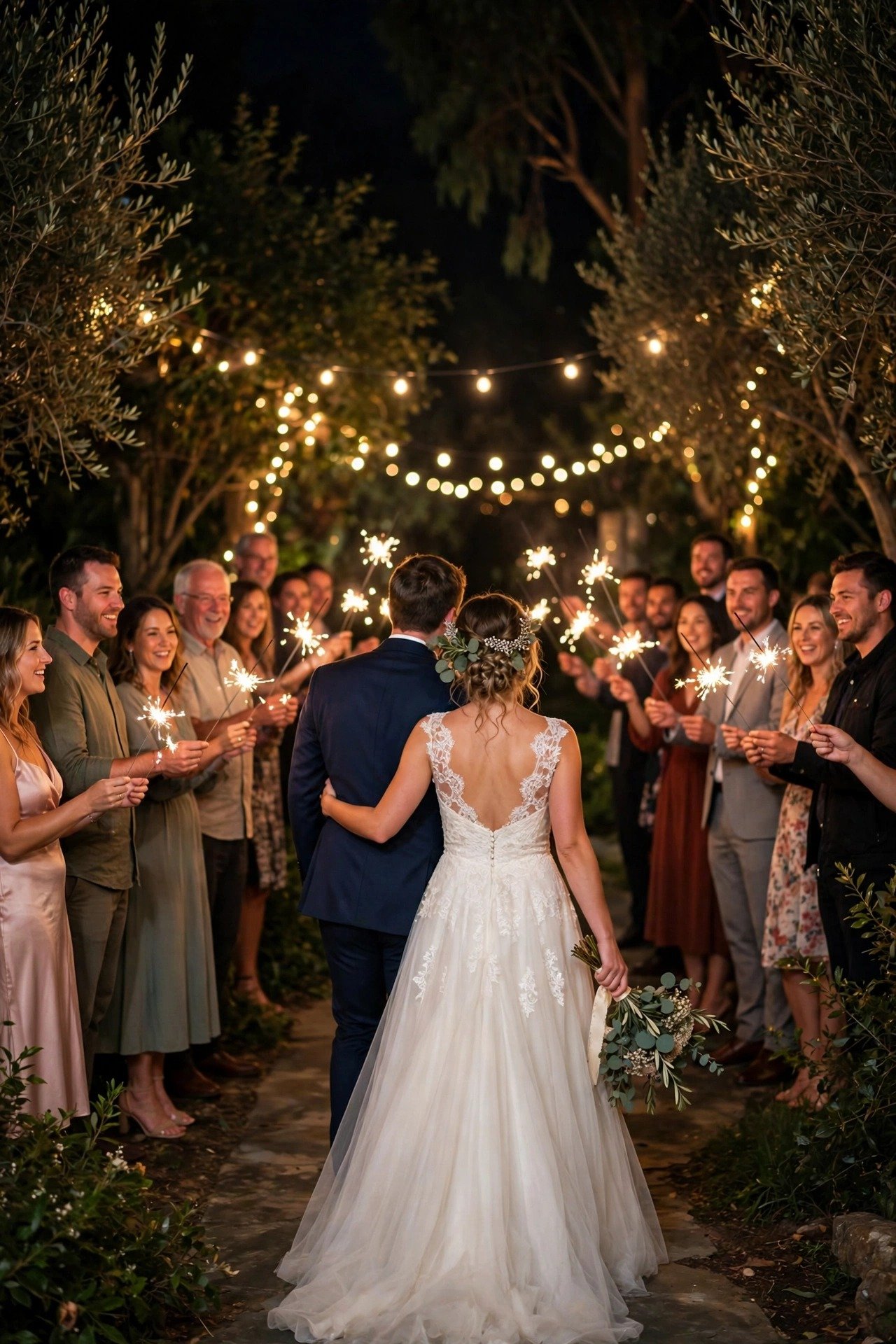
From the last song’s first note to the car door closing runs about 15 minutes: the song, the gathering, the lineup, the walk through, and the goodbyes at the car. It only works if guests are moved outside while the last dance plays — usually by the planner and DJ working together.
Vendor Teardown and Gift Collection — 30 to 60 Minutes
 📌 Save
After your exit, someone still has to gather gifts and cards, collect decor, load the cake top, and settle the venue’s closing checklist — 30 to 60 minutes of work that happens well only when it is assigned in writing beforehand. Name the person, give them a list and a car with space, and thank them like the hero they are.
Wedding Day Schedule FAQs
How long should a wedding day schedule be in total?+
From the start of hair and makeup to the grand exit, most weddings run 10 to 12 hours. The getting-ready portion takes 3 to 4 hours, the ceremony and portraits 2 to 3, and the reception 4 to 5. Longer is not better — energy, especially your guests’, is the real limit.
What part of the wedding day most often runs late?+
Hair and makeup, by a wide margin, followed by family photos without a list. Both are fixed the same way: honest per-person durations, enough artists for the party size, and a written photo list with a named wrangler.
How much buffer should I build into the schedule?+
About 30 minutes spread across the day, placed before travel and before the ceremony — the two moments where lateness hurts most. A schedule with zero buffer does not run on time; it runs on luck.
Should the first dance come before or after dinner?+
Both work. Before dinner — straight from the grand entrance — captures full attention and lets the couple relax and eat. After dinner flows naturally into open dancing. Choose based on your venue’s layout and tell your DJ early, since their whole set order depends on it.
How do I know if my reception timeline is too packed?+
Add the blocks honestly: dinner, toasts, dances, cake, traditions, and dancing. If open dancing totals less than 90 minutes in a four-hour reception, the evening will feel like a sequence of interruptions — cut a tradition or simplify one, and give the floor room to breathe.
Key Takeaways
- Schedule real durations: 45–60 minutes of beauty per person, 20–30 for dressing, 25 for family photos with a list.
- Travel blocks are drive time plus 15 minutes for loading, parking, and walking in.
- Protect one unbroken 45-minute dancing block — it decides whether the party lives.
- Keep cocktail hour at 60 minutes; guests’ energy is a budget and it spends fast.
- Buffer is a line item, not a luxury: 30 minutes, labeled, placed before travel and the ceremony.
Final Thoughts
A wedding day schedule is really a promise you make to yourself: that the day will have room in it for eating, breathing, and being present. Build it from honest durations, guard the buffers and the dance floor, and the clock will quietly take care of itself while you enjoy the reason everyone gathered.