Wedding Invitation Paper Types (2027)
By zainzari • Published October 23, 2026 • Updated October 23, 2026
 📌 Save
The main wedding invitation papers are cotton (soft, durable, takes letterpress beautifully), linen-textured cardstock (classic and affordable), smooth matte cardstock (the modern all-rounder), handmade cotton rag (deckled, romantic), vellum (translucent overlays), and specialty stocks like recycled kraft, wood veneer, and acrylic. Most invitations print on 300–350 gsm stock; thicker 540–600 gsm luxury cards feel unmistakably premium in the hand.
Paper is the first thing your guests feel — literally. Before they read a word, the weight, texture, and edge of the card have already told them what kind of wedding this will be. Choosing well means matching the paper to your printing method, your design, and your budget.
Below, every major paper type gets its own card: what it is, how it prints, what it costs relative to the pack, and the weddings it suits best. Weights are given in gsm (grams per square meter), the standard your stationer will quote.
At a Glance: Each Paper, Its Feel & Its Best Use
| # | Paper | Feel & Finish | Best For |
|---|---|---|---|
| 1 | 100% Cotton Paper: The Heirloom Standard | Soft, matte, durable | Formal & heirloom suites |
| 2 | Cotton Blend Cardstock: The Smart Middle Ground | Soft, lightly textured | Large guest lists |
| 3 | Smooth Matte Cardstock: The Modern All-Rounder | Smooth, matte | Modern & photo designs |
| 4 | Linen-Textured Cardstock: Quietly Classic | Woven texture | Traditional suites |
| 5 | Felt & Eggshell Finishes: Soft-Touch Sophistication | Soft stipple | Botanical & art-led suites |
| 6 | Handmade Cotton Rag: Deckled Edges & Romance | Soft, deckled, irregular | Romantic & garden weddings |
| 7 | Vellum: The Translucent Layer | Translucent, smooth | Overlays & wraps |
| 8 | Pearl & Shimmer Cardstock: A Soft Glow | Lustrous, smooth | Glam & evening weddings |
| 9 | Metallic Foil-Pressed Paper Pairings | Depends on pairing | Foil-stamped designs |
| 10 | Recycled & Eco Papers: Beautiful & Honest | Matte, sometimes flecked | Eco celebrations |
| 11 | Seed Paper: The Invitation Guests Can Plant | Thick, textured | Eco & garden weddings |
| 12 | Kraft & Rustic Brown Stocks | Matte brown, fibrous | Rustic & autumn weddings |
| 13 | Colored Cardstock: Designing From the Paper Out | Matte, any color | Bold modern suites |
| 14 | Double-Thick & Duplexed Luxury Boards (540–600 gsm) | Rigid, substantial | Luxury formal weddings |
| 15 | Understanding Paper Weight: gsm & “Point” Explained | Reference | Every couple |
| 16 | Coated vs Uncoated: The Fork in Every Paper Road | Reference | Design decisions |
| 17 | Wood Veneer Invitations: Real Timber, Real Wow | Real wood grain | Mountain & rustic-luxe |
| 18 | Acrylic Invitations: Crystal-Clear & Ultra-Modern | Rigid, glass-like | Modern glam weddings |
| 19 | Fabric & Velvet Papers: Invitations You Can Stroke | Soft, plush | Winter & glam weddings |
| 20 | Parchment & Antique-Style Papers | Mottled, antique | Vintage & themed weddings |
| 21 | Watercolor Papers for Painted Suites | Cold-press texture | Art-led suites |
| 22 | Envelope Papers & Liners: The Supporting Cast | Smooth or textured | Every suite |
| 23 | Paper for Each Printing Method: A Matching Guide | Reference | Planning stage |
| 24 | Ordering Samples & Doing the Hand-Feel Test | Process | Before ordering |
| 25 | Paper, Postage & Mailing Survival | Mailing logistics | Every couple |
Weight guide: under 250 gsm feels flimsy for a main invitation; 300–350 gsm is the classic range; 500+ gsm is luxury territory and may need extra postage.
100% Cotton Paper: The Heirloom Standard
 📌 Save
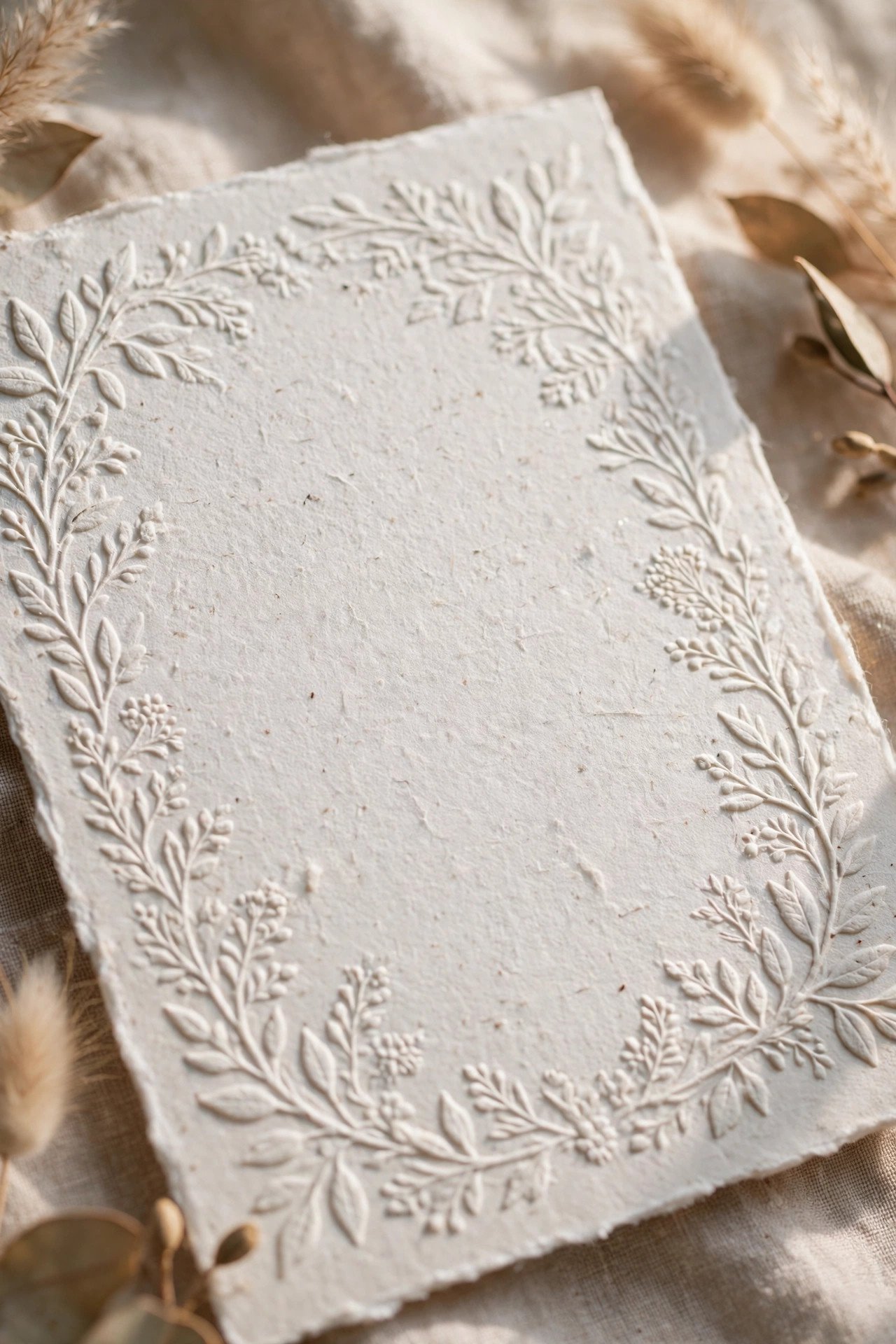
Cotton paper is made from cotton fibers rather than wood pulp, giving it a soft, fabric-like hand, beautiful durability, and a gentle thirst that drinks in letterpress and foil. It is the traditional stock for fine stationery, resists yellowing for decades, and takes a deep, pillowy impression better than any other sheet. Expect it to sit at the top of standard paper pricing — and to be worth it for formal and keepsake-minded weddings.
Cotton Blend Cardstock: The Smart Middle Ground
 📌 Save
Cotton-blend stocks mix cotton with wood pulp to land near cotton’s softness at a noticeably lower price, and they run happily through digital and flat printing. The impression depth for letterpress is shallower than pure cotton, but for most designs — especially those with large flat color areas — guests will never feel the difference.
Smooth Matte Cardstock: The Modern All-Rounder
 📌 Save
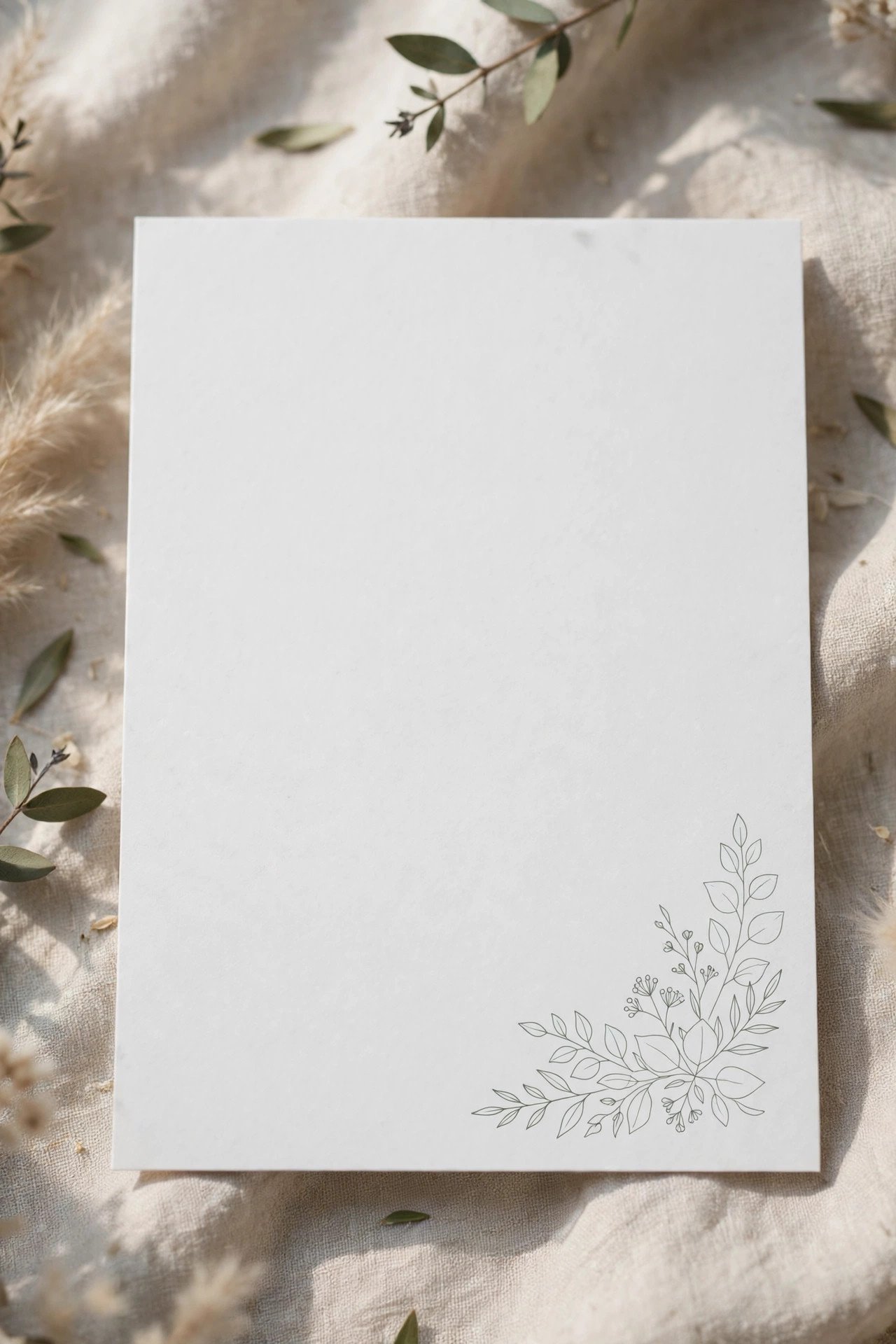
Smooth matte cardstock is the workhorse of contemporary invitations: a flat, even surface that reproduces photography, watercolor washes, and fine typography with total fidelity, at the friendliest price of any quality stock. Its personality is neutral, which is precisely its power — the design, not the texture, does the talking.
Linen-Textured Cardstock: Quietly Classic
 📌 Save
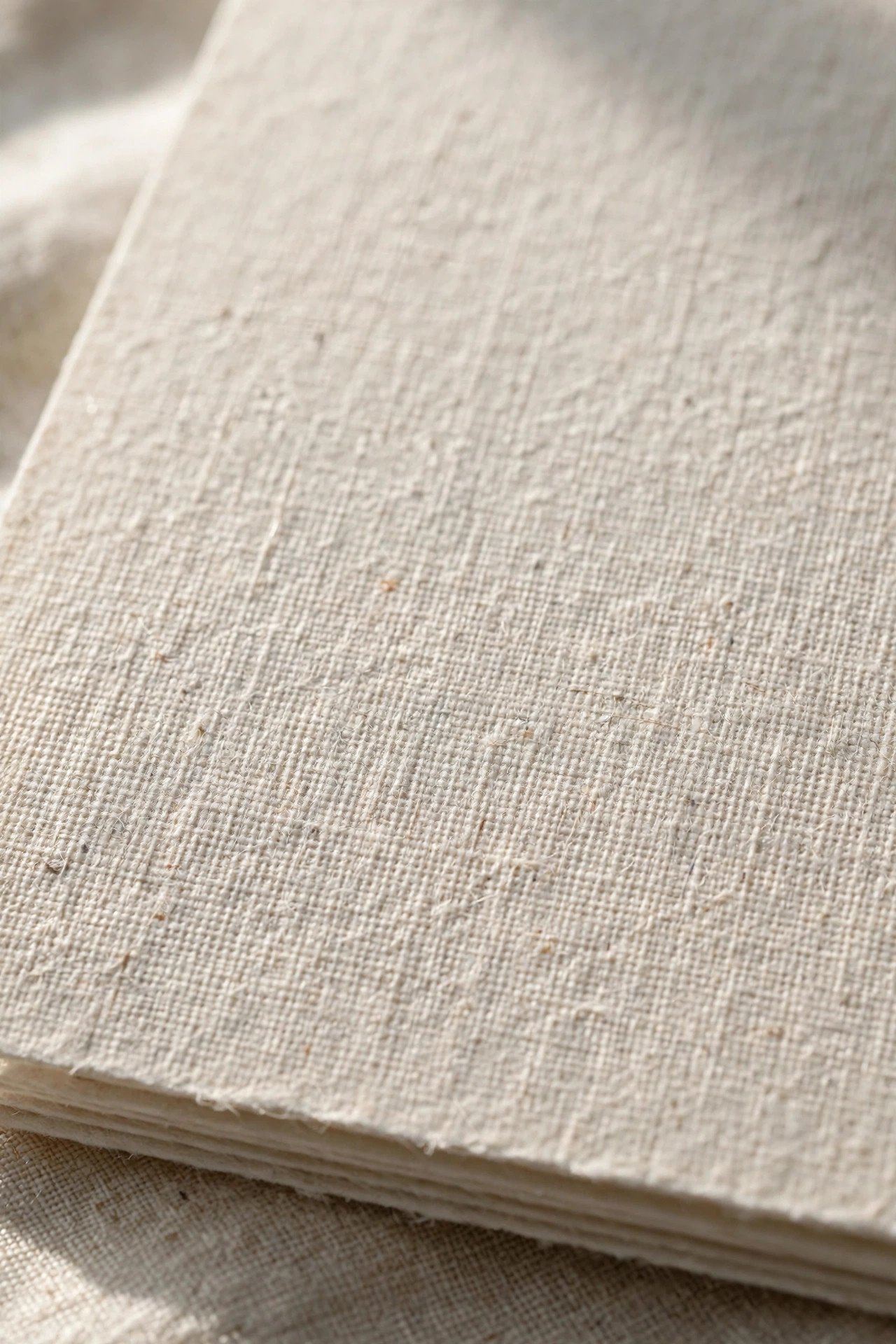
Linen cardstock is embossed with a fine woven crosshatch that mimics fabric, giving flat-printed invitations a tactile richness far beyond their price. It suits traditional typography, monograms, and floral designs beautifully, and it hides minor printing imperfections gracefully — one reason it has been a wedding staple for generations.
Felt & Eggshell Finishes: Soft-Touch Sophistication
 📌 Save
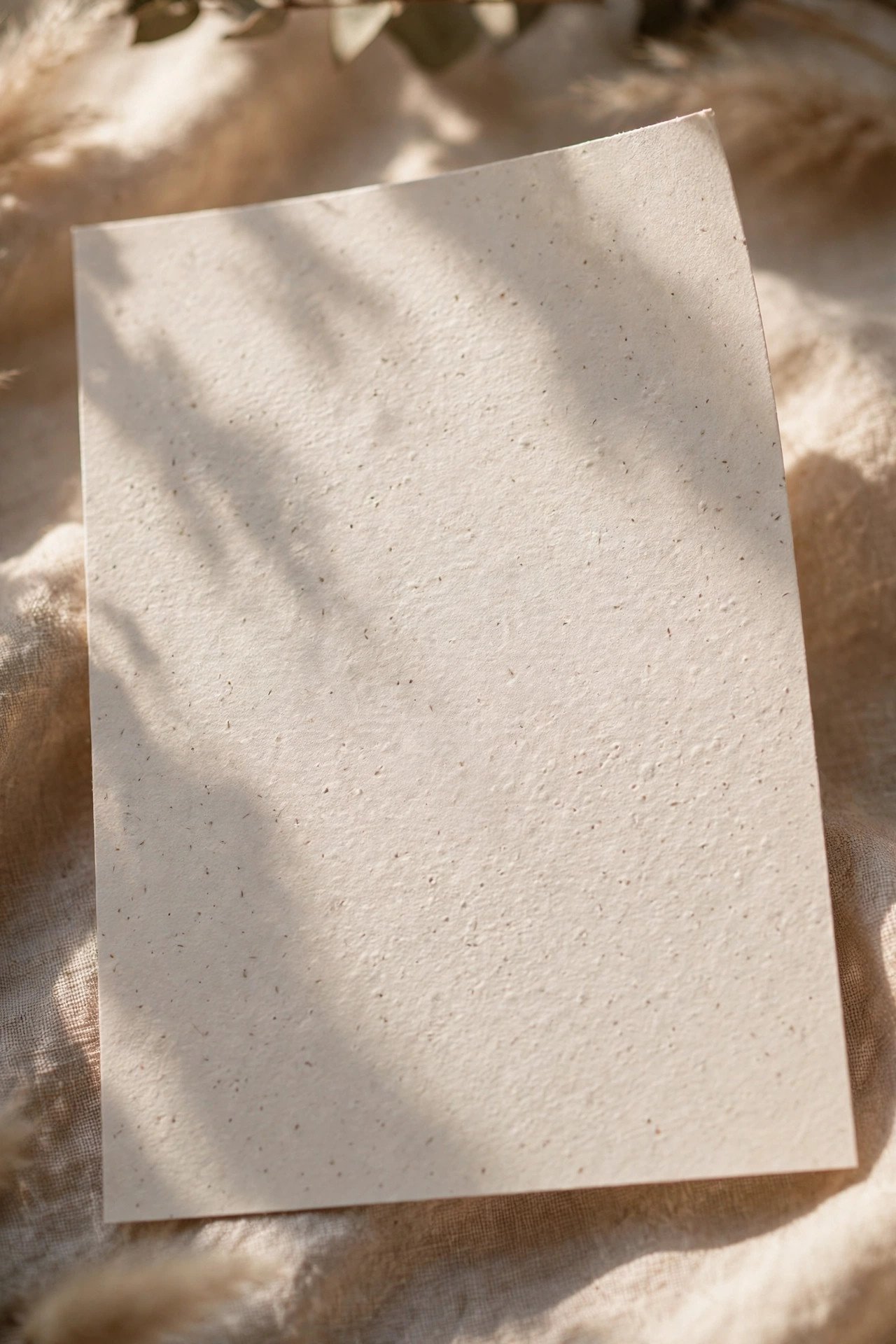
Felt and eggshell finishes carry a soft, lightly stippled surface borrowed from fine-art papers. They give flat printing a gallery quality, flatter watercolor and botanical artwork, and feel quietly expensive without metallic shine. These finishes are a favorite middle path for couples who find smooth stock too plain and linen too traditional.
Handmade Cotton Rag: Deckled Edges & Romance
 📌 Save
Handmade cotton rag paper is formed sheet by sheet, giving every invitation slightly feathered deckled edges, subtle thickness variation, and a surface with real soul. It is the paper of romantic, garden, and old-world weddings — and because no two sheets are identical, it reads as art rather than product. Printing is usually letterpress, calligraphy, or careful digital work by experienced hands.
Vellum: The Translucent Layer
 📌 Save
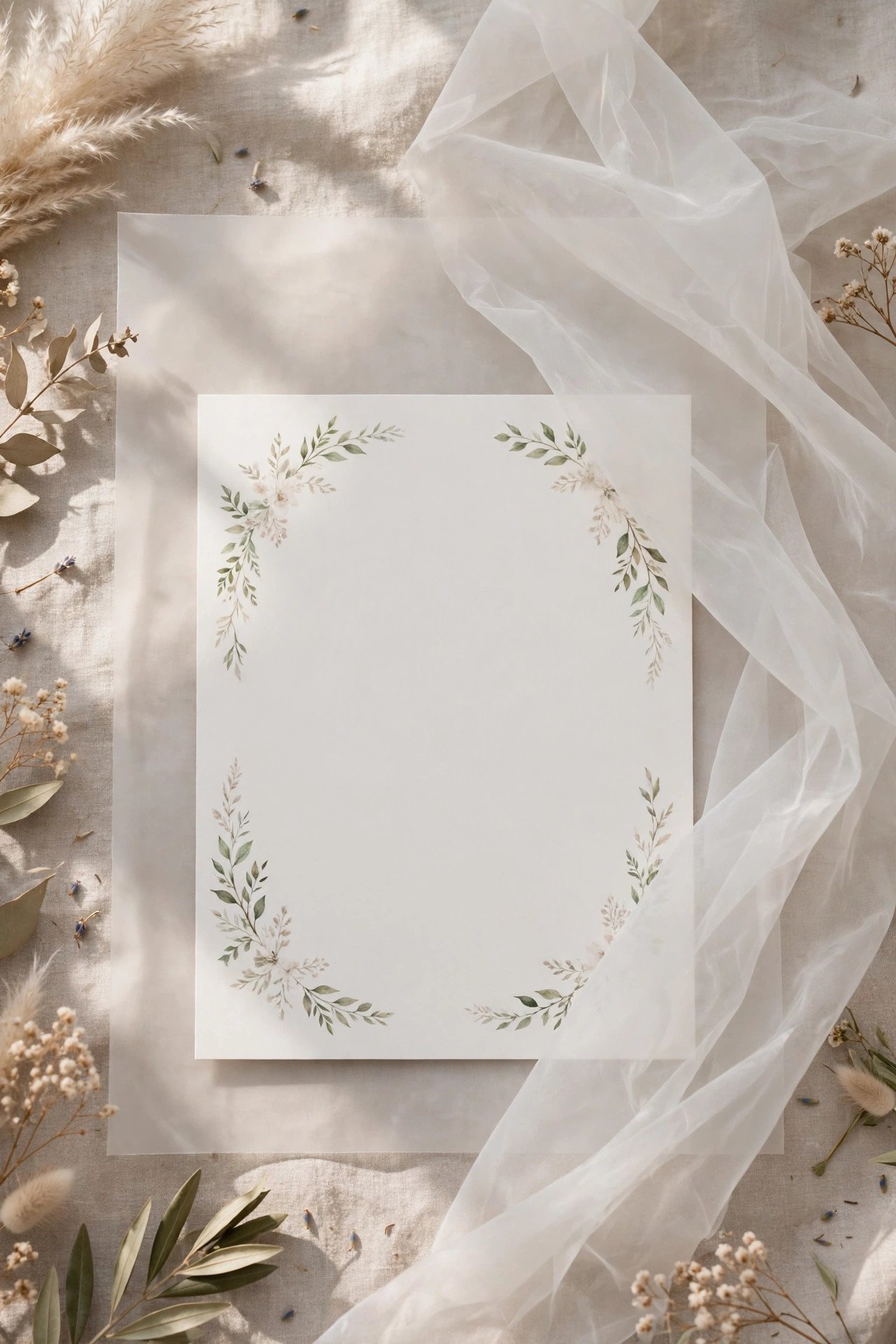
Vellum is a translucent sheet used as an overlay, wrap, or full invitation layer: printed with the couple’s names or a monogram, it floats above artwork or photography beneath, creating depth no flat sheet can match. As a wrap, it gathers the whole suite and is tied with silk ribbon or sealed with wax. Vellum is delicate — it creases and shows fingerprints — which is exactly why it feels so precious.
Pearl & Shimmer Cardstock: A Soft Glow
 📌 Save
Pearl and shimmer stocks carry a fine mica coating that catches light as guests tilt the card — subtle in blush and ivory tones, dramatic in deep jewel colors. They suit glamorous, evening, and winter weddings, and they make plain typography feel dressed for a ball. Flat printing sits on the coating rather than soaking in, which keeps colors luminous.
Metallic Foil-Pressed Paper Pairings
 📌 Save
Foil stamping presses metallic film into the sheet with heat, and it performs best on smooth, coated, or cotton stocks where the die can make clean contact. Deep matte papers — navy, burgundy, forest, black — make gold and copper foil glow, while pale papers with rose-gold foil are the romantic favorite. Foil on heavily textured stock can break and flake, so texture lovers should foil only smooth elements.
Recycled & Eco Papers: Beautiful & Honest
 📌 Save
Modern recycled stocks range from flecked, visibly natural sheets to bright whites indistinguishable from virgin paper. The flecked styles suit woodland, farm, and eco-celebrations, wearing their story proudly; the clean styles let any design go greener invisibly. Look for high post-consumer content and pair with seed-paper or digital elements for a fully coherent eco suite.
Seed Paper: The Invitation Guests Can Plant
 📌 Save
Seed paper embeds wildflower seeds in a handmade recycled sheet: guests plant the invitation after the wedding and flowers grow. It is thick, textured, and unmistakably handmade in feel, best printed with simple bold designs in letterpress or flat print. For eco couples it is the ultimate stationery statement — the invitation that becomes a garden rather than landfill.
Kraft & Rustic Brown Stocks
 📌 Save
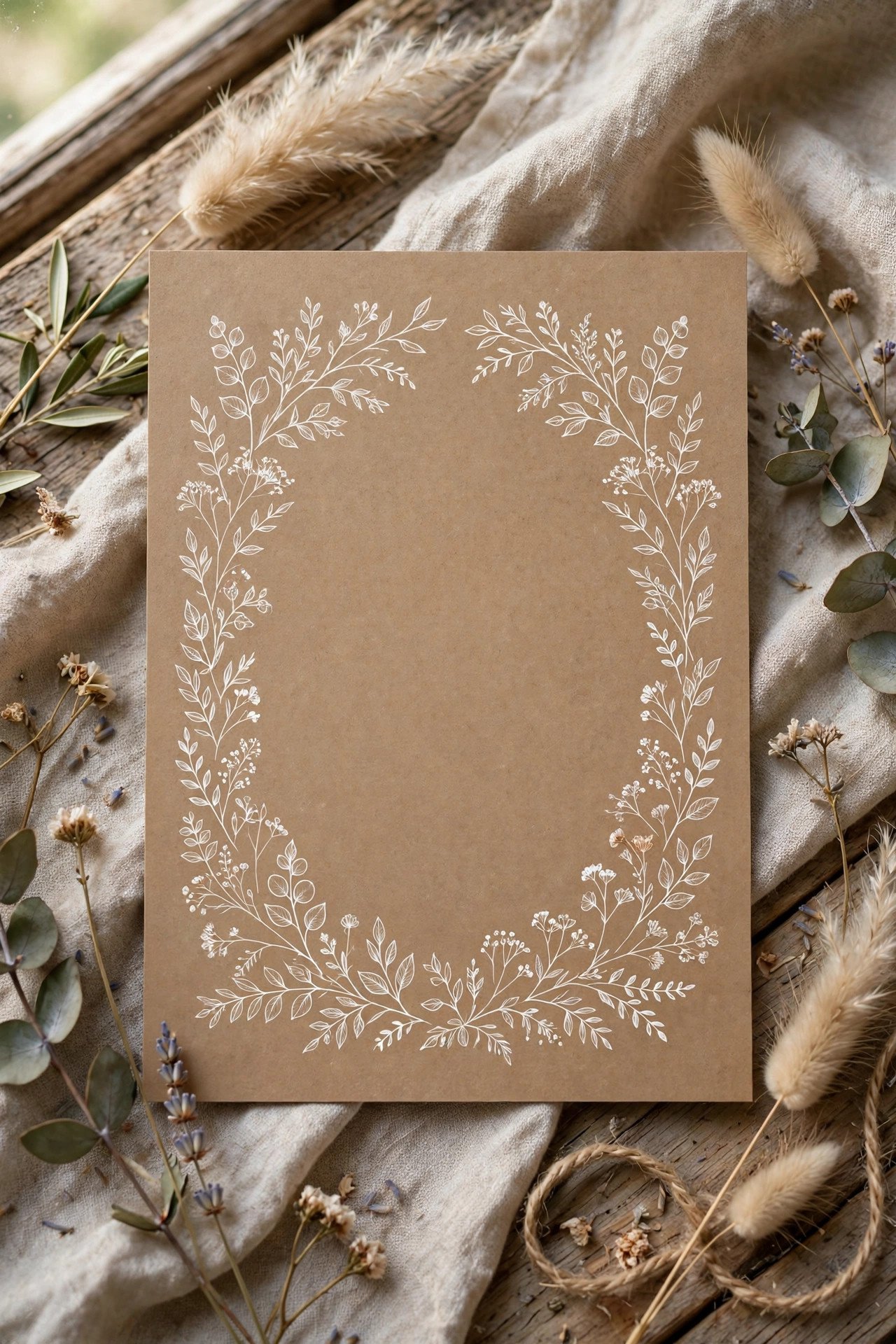
Kraft paper’s warm brown tone and natural texture anchor rustic, country, and autumn weddings. It prints beautifully in white, black, and deep jewel inks, pairs with twine and dried flowers, and costs refreshingly little. Because the paper itself is a color, your design palette must be built on brown — test ink colors on the actual stock, as everything shifts warmer and darker.
Colored Cardstock: Designing From the Paper Out
 📌 Save
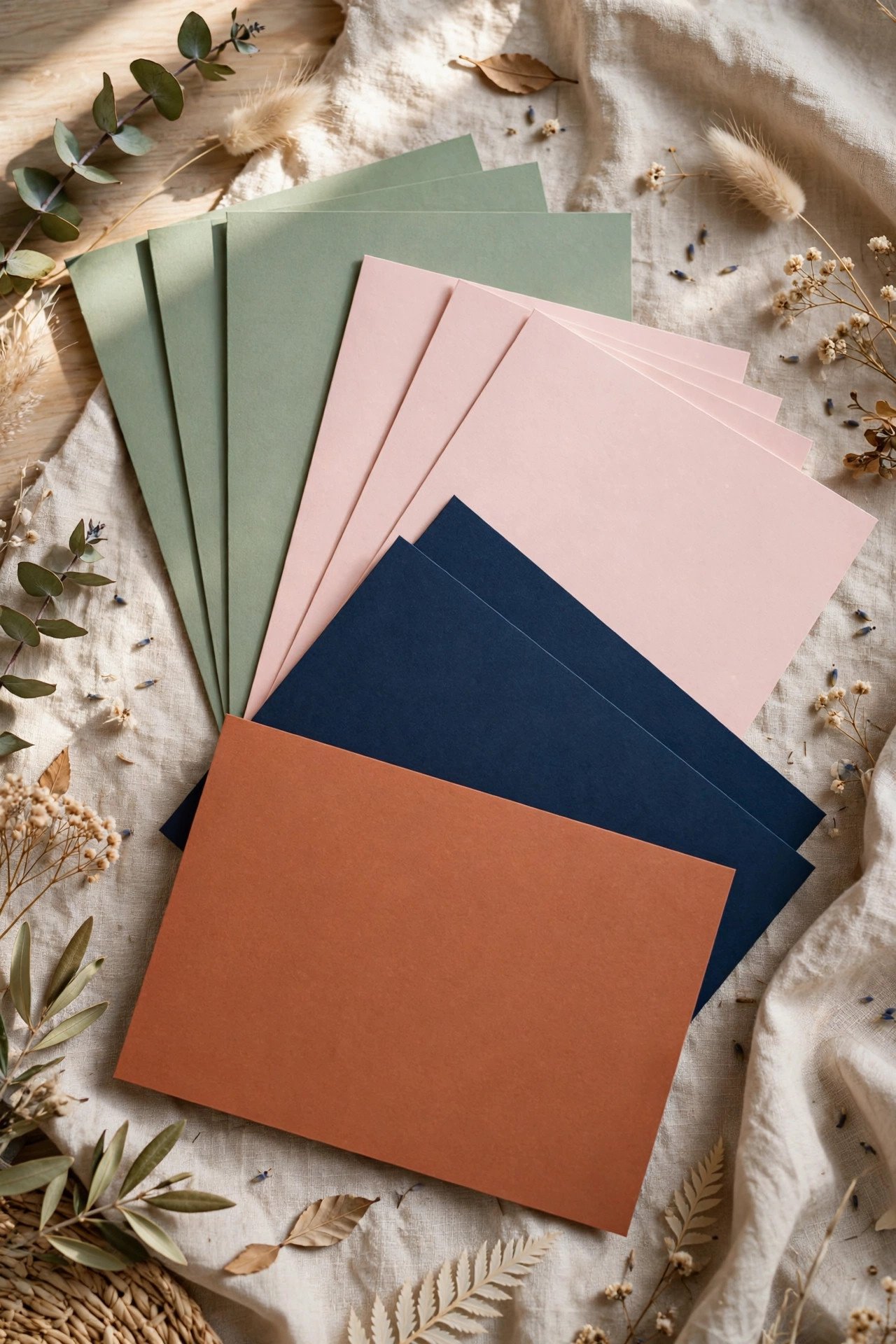
Printing on colored stock — sage, blush, navy, terracotta, black — gives a suite instant identity and lets white, metallic, or single-color printing look incredibly chic for the cost. Deep colors with foil or white ink are the luxury look of the moment. The constraint is palette discipline: colored paper limits ink choices, so designs are usually typographic and bold rather than photographic.
Double-Thick & Duplexed Luxury Boards (540–600 gsm)
 📌 Save
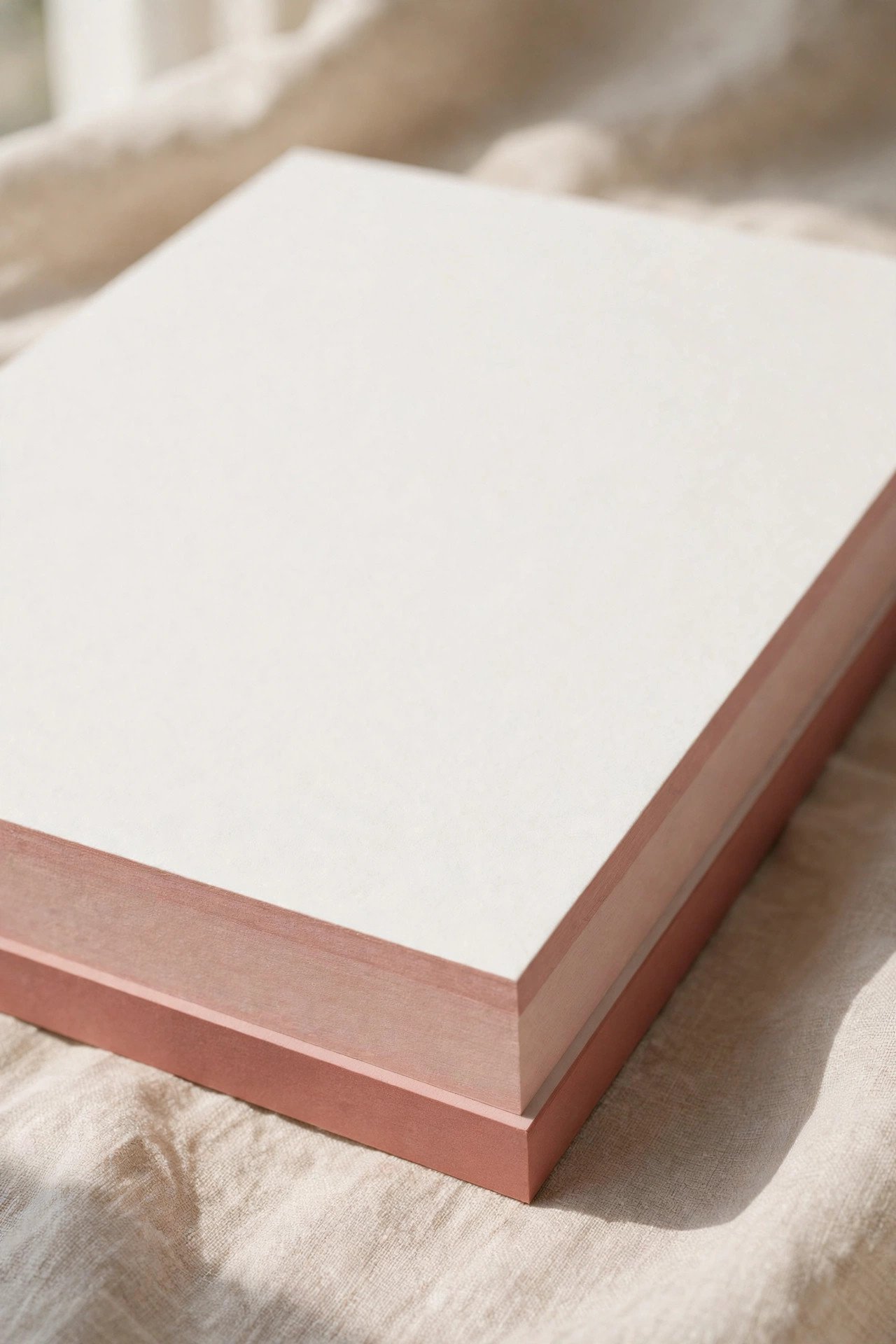
Duplexing bonds two or three sheets into one board of 540–600 gsm, often with a contrasting colored core revealed at the edge — finished with edge painting or gilding, it is the invitation guests describe as “like a coaster, in the best way.” This is black-tie paper: it demands letterpress or foil, commands the highest prices, and will almost certainly need extra postage.
Understanding Paper Weight: gsm & “Point” Explained
 📌 Save
Paper weight is measured in gsm (grams per square meter) in most of the world and in “point” or pounds in North American trade terms. For invitations: around 250 gsm feels light; 300–350 gsm is the classic, confident range; 400 gsm reads premium; 540–600 gsm is luxury board. Weight is not thickness alone — cotton feels thicker than its gsm, coated boards thinner — so always judge a physical sample, not a number.
Coated vs Uncoated: The Fork in Every Paper Road
 📌 Save
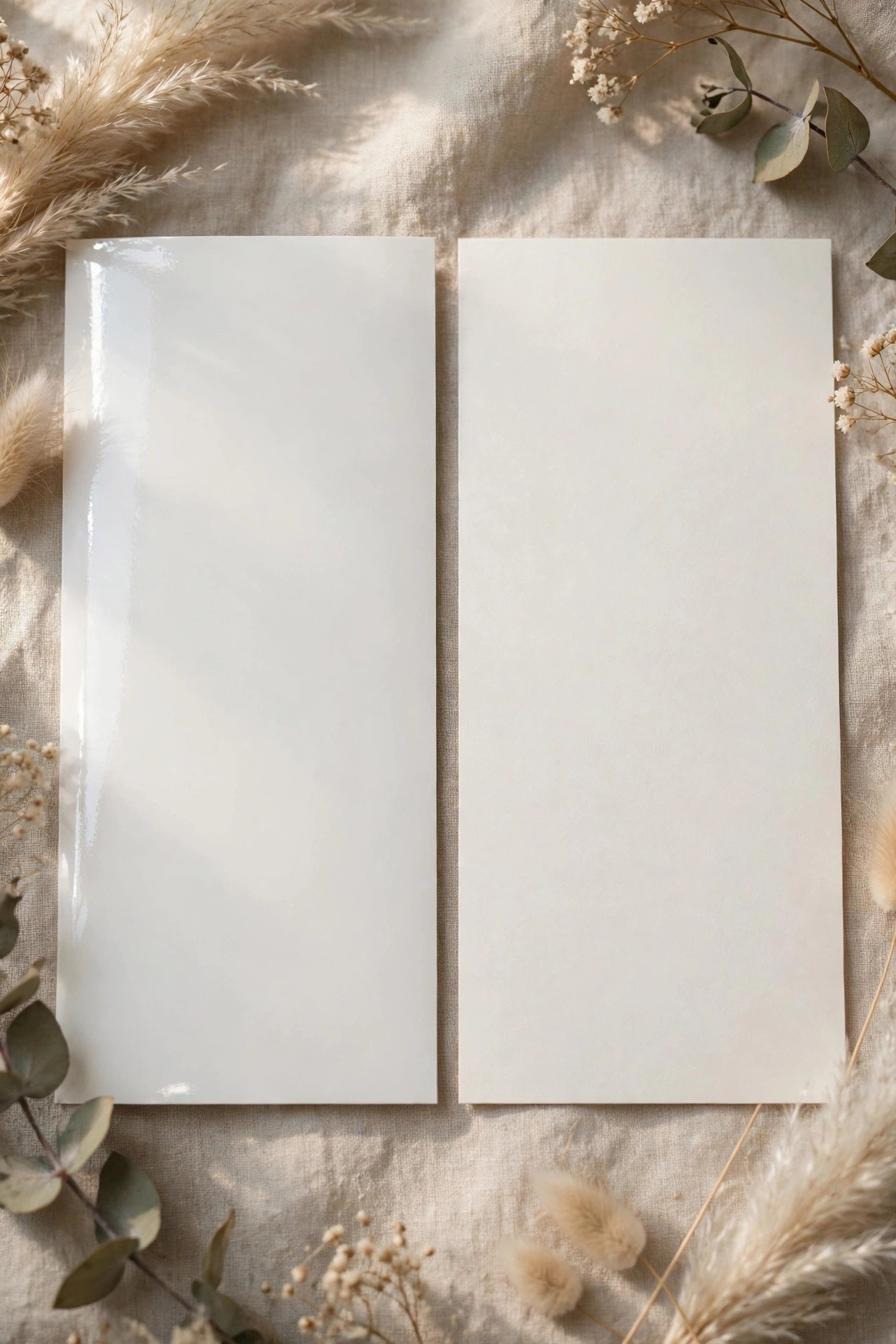
Coated papers carry a sealed surface (matte, silk, or gloss) that holds ink on top — colors print brighter, photographs sharper, and details crisper. Uncoated papers let ink sink in — colors print softer and more muted, but the sheet gains tactile warmth and takes letterpress. Neither is better; they are different dialects. Photography-led designs want coated; letterpress and romance want uncoated.
Wood Veneer Invitations: Real Timber, Real Wow
 📌 Save
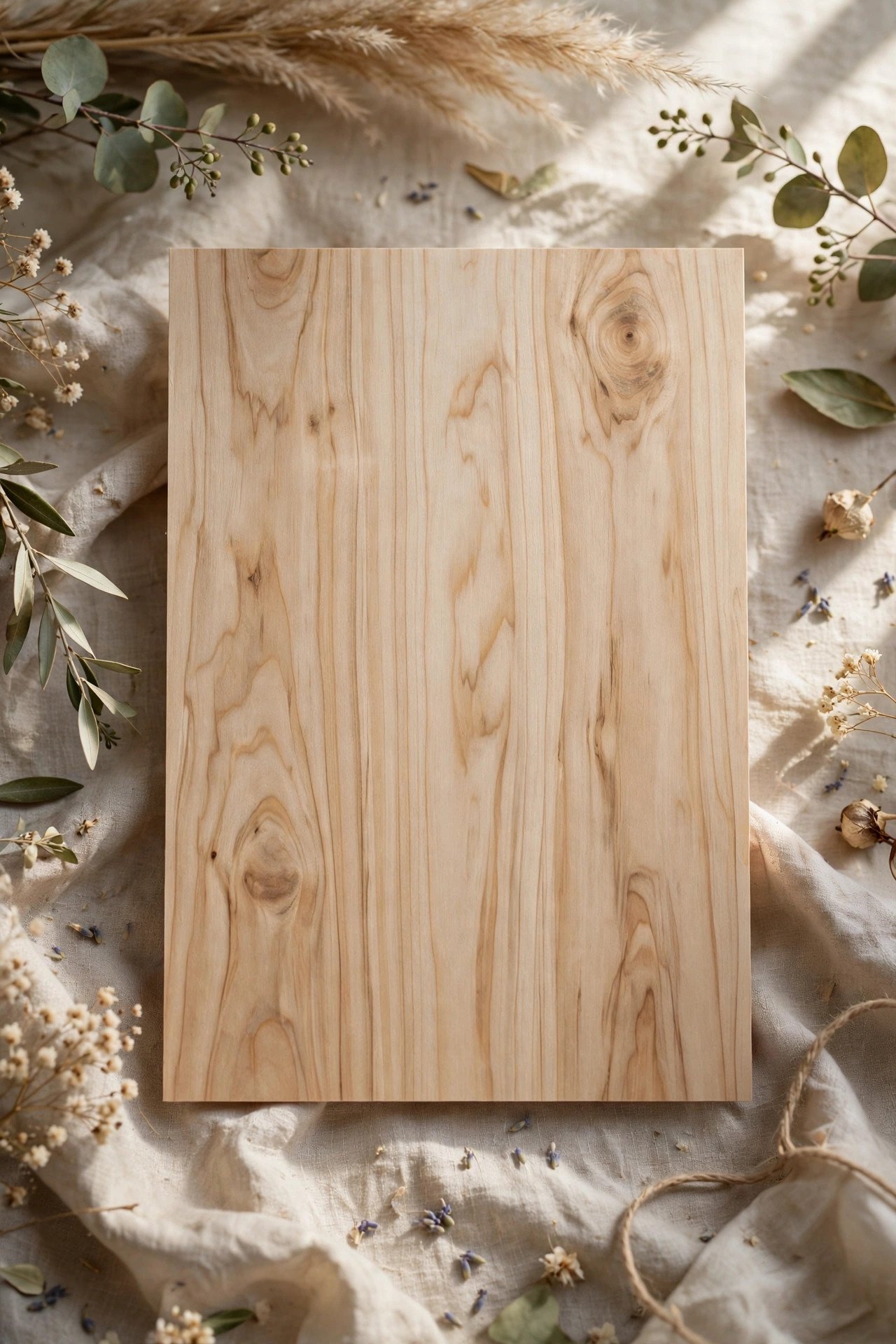
Wood veneer invitations are printed or engraved on flexible slices of real timber — birch, cherry, and walnut are favorites — backed for mailing strength. They suit mountain, forest, and rustic-luxe weddings like nothing else, smell faintly wonderful, and become instant keepsakes. Costs run high and designs must stay simple, since grain competes with fine detail.
Acrylic Invitations: Crystal-Clear & Ultra-Modern
 📌 Save
Acrylic invitations are printed or engraved on clear or frosted acrylic sheets, giving a glass-like, ultra-modern invitation that suits glamorous city and minimalist weddings. They are rigid, heavy, and unforgettable — and they need boxes or padded packaging, individual handling, and the highest postage of any “paper” alternative. Many couples use acrylic for a small VIP run and paper for the main list.
Fabric & Velvet Papers: Invitations You Can Stroke
 📌 Save
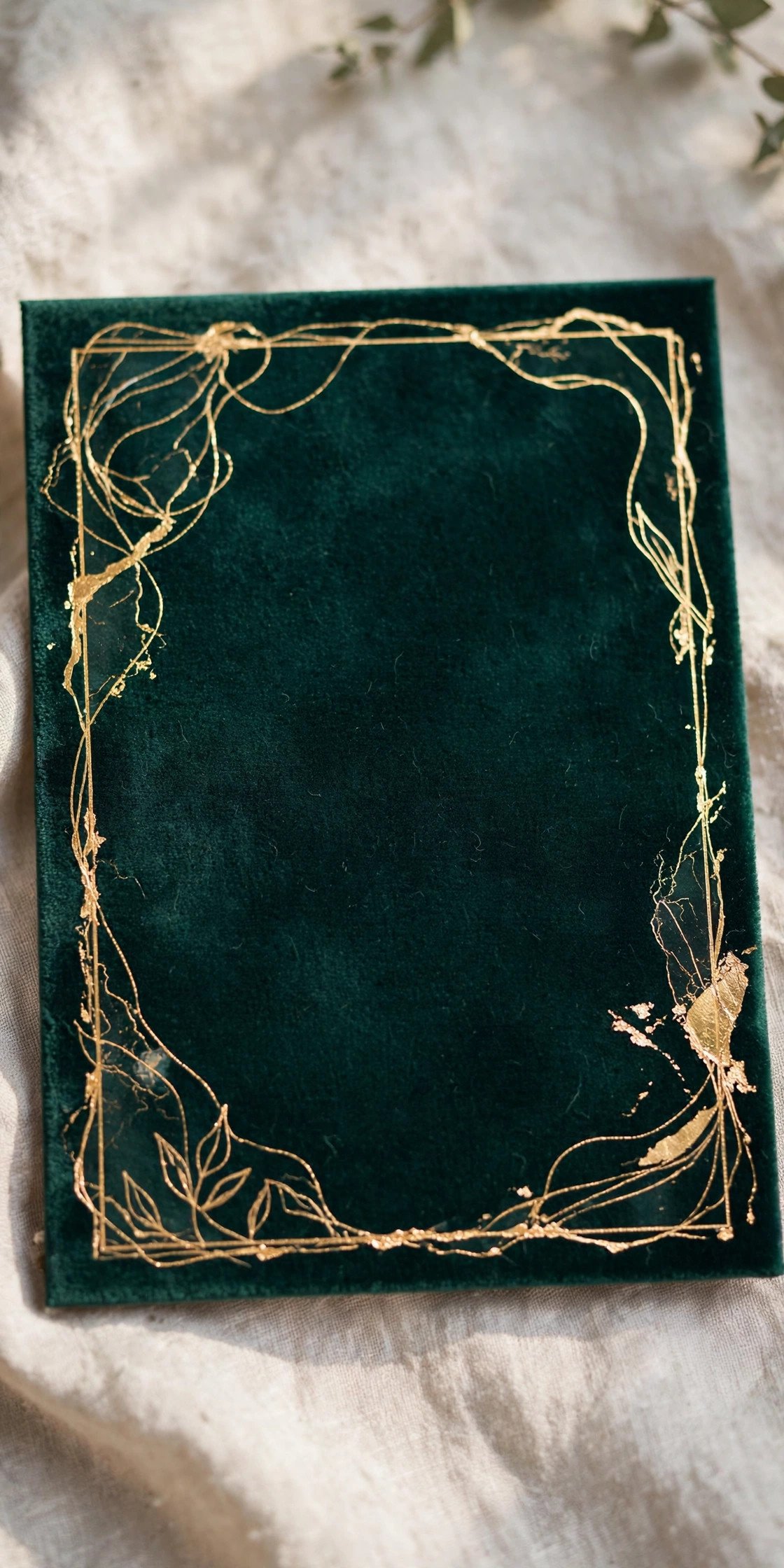
A niche but dazzling category: papers with velvet-touch coatings, and true fabric-backed sheets, give invitations a soft, almost upholstered feel in deep jewel tones with foil lettering. They photograph like couture and suit evening, winter, and old-Hollywood weddings. Printing is specialist work — expect foil or screen printing, premium pricing, and a printer who has done it before.
Parchment & Antique-Style Papers
 📌 Save
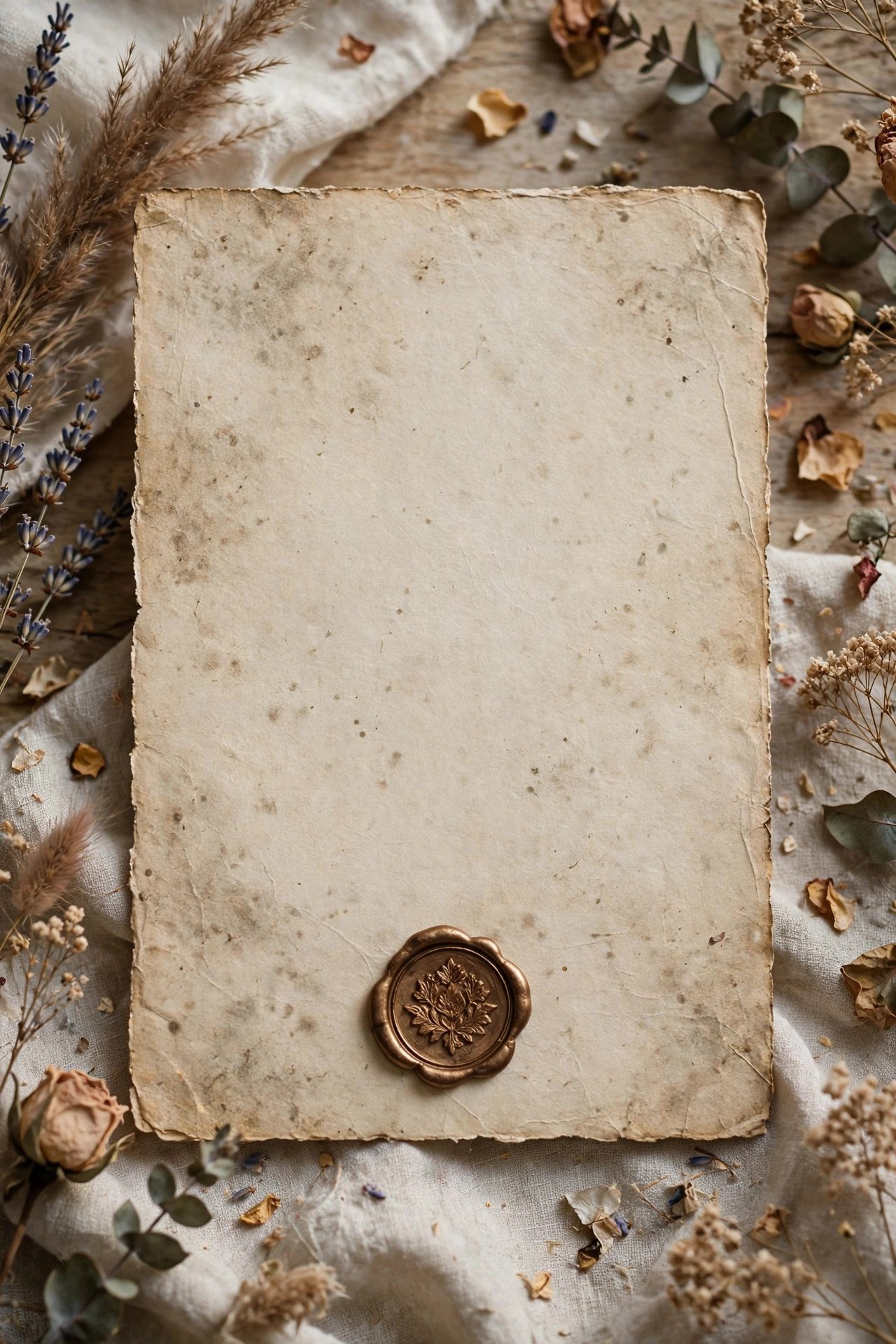
Parchment-style papers carry a mottled, aged finish — in ivory, sand, and soft gold tones — made for castle, medieval-inspired, literary, and vintage weddings. Printed with calligraphic type and finished with a wax seal, the effect is pure storybook. Modern parchment stocks are acid-free and printer-safe, unlike true animal parchment, and they pair naturally with deckled or burnt-look edges.
Watercolor Papers for Painted Suites
 📌 Save
Couples commissioning a watercolor crest, venue painting, or floral suite should print on watercolor-textured stock: the cold-press bumps make printed artwork read as genuinely painted, especially at the edges where pigment would naturally pool. Some couples go further and have an artist hand-paint a detail on each invitation — feasible at small guest counts, and utterly unforgettable.
Envelope Papers & Liners: The Supporting Cast
 📌 Save
Envelope paper deserves its own decision: a substantial 120–150 gsm envelope in a matching or contrasting color, ideally with a printed or patterned liner revealed at the opening moment. Liners carry photos, maps, monograms, or the boldest pattern in the suite — the one place exuberance never hurts readability. Tissue liners, borrowed from classic stationery, add a final whisper of ceremony.
Paper for Each Printing Method: A Matching Guide
 📌 Save
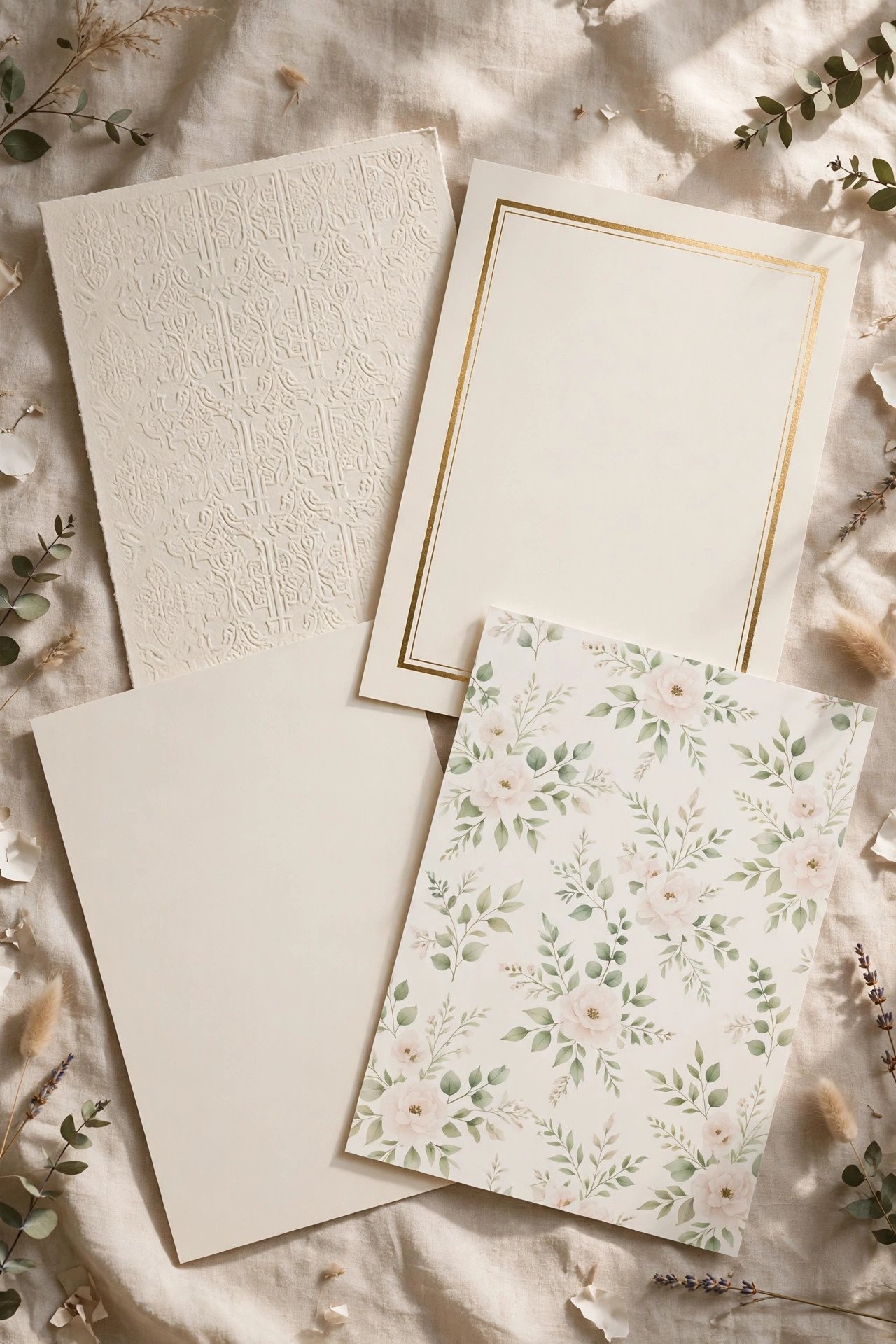
The matching rules in brief: letterpress and embossing need soft, thick, uncoated stock (cotton is king); foil wants smooth or lightly coated surfaces; digital and flat printing want smooth, even, usually coated or specially treated sheets; calligraphy wants tooth — a slight texture that holds ink without bleeding; engraving wants firm, smooth, heavy stock. Choose your printing method and your paper together, in conversation with your printer, never in isolation.
Ordering Samples & Doing the Hand-Feel Test
 📌 Save
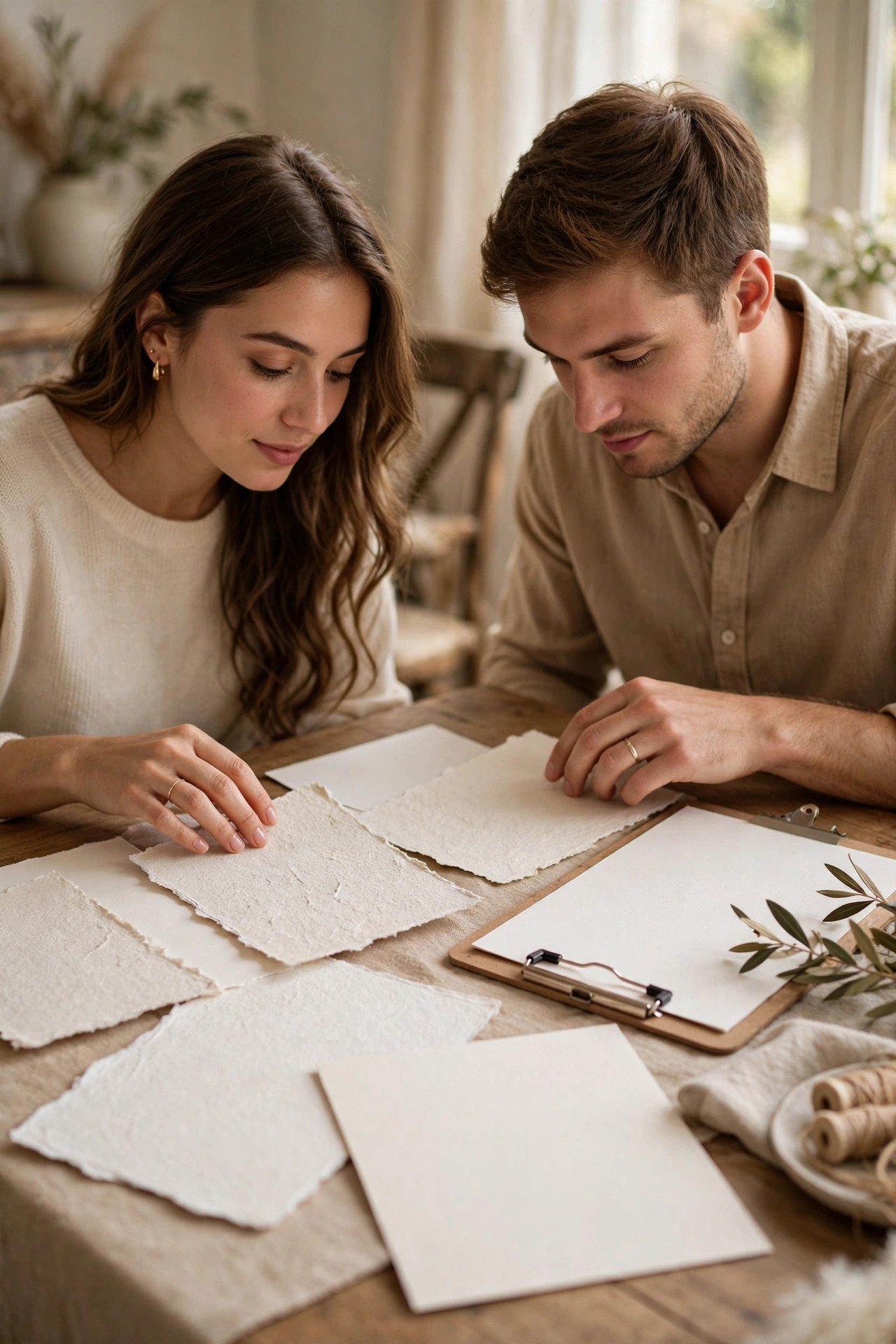
Order printed samples — your actual design, not a stock swatch — on your top three to five papers. Then test like a guest: feel the weight before looking, tilt it in window light, read the smallest line at arm’s length, and bend a corner gently to feel the snap. Finally, hand samples to a friend without naming prices and ask which feels most like your wedding. Paper is the most tactile decision in the whole suite; make it with your hands.
Paper, Postage & Mailing Survival
 📌 Save
Paper choices change postage: suites over standard weight, square formats, rigid boards, and wax seals or bulky ties all attract surcharges or hand-cancelling fees in the US, UK, and Canada alike. The fix is procedural — assemble one complete suite with every insert, weigh it at the post office, and confirm the rate before ordering stamps or printing postage.
Wedding Invitation Paper Types FAQs
What is the best paper for wedding invitations overall?+
There is no single best — there is a best match. For most couples, 300–350 gsm cotton or smooth matte cardstock covers nearly every style: cotton for formal, traditional, and letterpress designs; smooth matte for modern, photographic, and digitally printed suites. Choose by printing method and design first, then by feel: order printed samples and let your hands decide.
What paper weight should invitations be?+
The classic range is 300–350 gsm, which feels substantial and mails normally in most cases. Around 250 gsm feels light for a main invitation, 400 gsm reads clearly premium, and duplexed luxury boards of 540–600 gsm are the top tier — beautiful, but heavier and often pricier to post. Always weigh one fully assembled suite before buying postage.
Can you letterpress on any paper?+
No — letterpress needs soft, thick, uncoated paper that the plate can impress into, which is why 100% cotton is the classic choice. Glossy coated papers crack under impression, thin papers show the press through the back, and heavily textured stocks give uneven results. If letterpress is your dream, choose the paper your printer recommends for their press.
Is handmade or deckled-edge paper worth the extra cost?+
For romantic, garden, and old-world weddings, many couples find it is: the feathered edges and sheet-by-sheet variation give the suite an artistry flat paper cannot imitate, and guests notice immediately. Budget for extra sheets for printer setup and keepsakes, and pair it with letterpress or calligraphy rather than busy photographic designs, which fight the paper’s character.
What is the most budget-friendly quality paper?+
Smooth matte cardstock in the 300–350 gsm range, flat or digitally printed, is the best value in quality stationery — it reproduces any design faithfully and costs a fraction of cotton or specialty stocks. Linen-textured cardstock runs a close second and adds tactile richness for traditional designs at a similarly friendly price.
Key Takeaways
- Match paper to printing method first: cotton for letterpress, smooth for foil and digital, tooth for calligraphy.
- The classic weight is 300–350 gsm; 540–600 gsm duplexed boards are luxury — and heavier to post.
- Order printed samples of your real design on three to five papers, and decide with a blind hand-feel test.
- Specialty stocks — vellum, seed paper, wood, acrylic — create unforgettable suites when the design stays simple.
- Assemble and weigh one complete suite at the post office before buying stamps; paper choices change postage.
Final Thoughts
Your invitation paper is the handshake before the hello — it tells guests the weight of the occasion before they read a single word. Choose the stock that matches your printing method, feels like your wedding in the hand, and survives the mail with grace, and you have chosen well.
Order the samples, trust your fingers, and remember: guests keep beautiful paper. This is one wedding decision that can literally be held onto for decades.