Muslim Wedding Traditions (2027)
By zainzari • Published October 23, 2026 • Updated October 23, 2026
 📌 Save
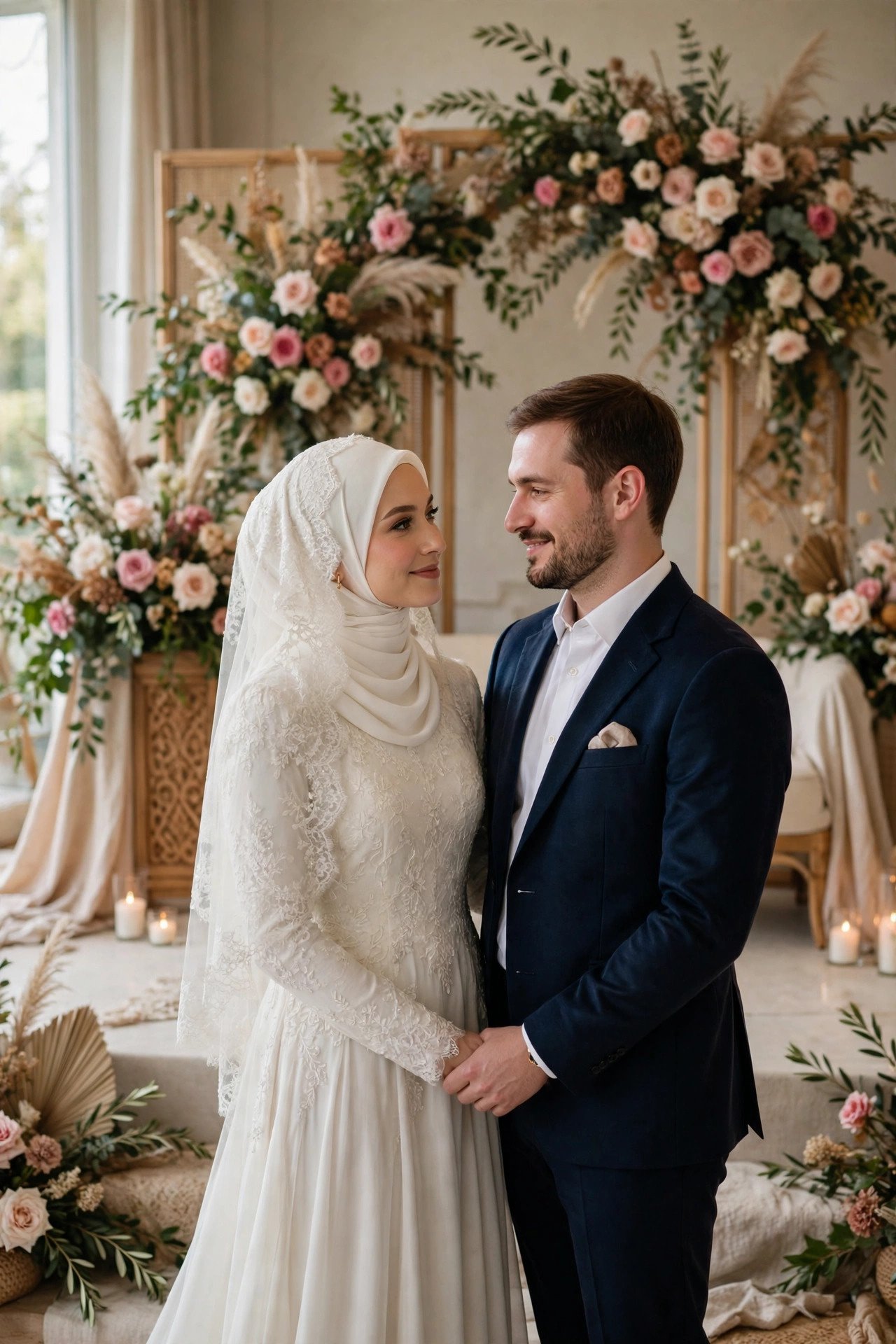
Muslim wedding traditions center on the nikah — the marriage contract ceremony — supported by customs that vary enormously by culture, from South Asian mehndi nights to Arab walima feasts to West African celebrations. Shared threads include the mahr gift to the bride, prayers for the couple, generous halal food, and family at the heart of everything.
Islam is a global faith, so a Muslim wedding in Toronto may look very different from one in London or Houston — the religious core is shared, while clothing, music, food and festivities reflect each family’s homeland and community. This guide explains the elements most guests will meet, and says honestly where practice varies.
Whether you are a couple blending families or a guest attending your first Muslim wedding, the essentials are simple: dress modestly, accept generous hospitality, and let the family’s own program guide you. Everything below is offered in that spirit — informational, respectful, and free of assumptions.
At a Glance: Core Elements at a Glance
| Element | What It Is | Good to Know |
|---|---|---|
| Nikah | The marriage contract ceremony | The religious heart of the wedding |
| Mahr | A gift from groom to bride, agreed in the contract | Her right, set before the ceremony |
| Walima | The celebratory feast hosted after the nikah | Often the big public celebration |
| Henna night | A pre-wedding gathering with henna art | Cultural, varies by region |
| Dua | Prayers offered for the couple | Guests may simply sit respectfully |
Practice varies by school of thought, culture and family. When this guide and the family’s custom differ, the family is always right.
The Nikah: Heart of the Wedding
 📌 Save
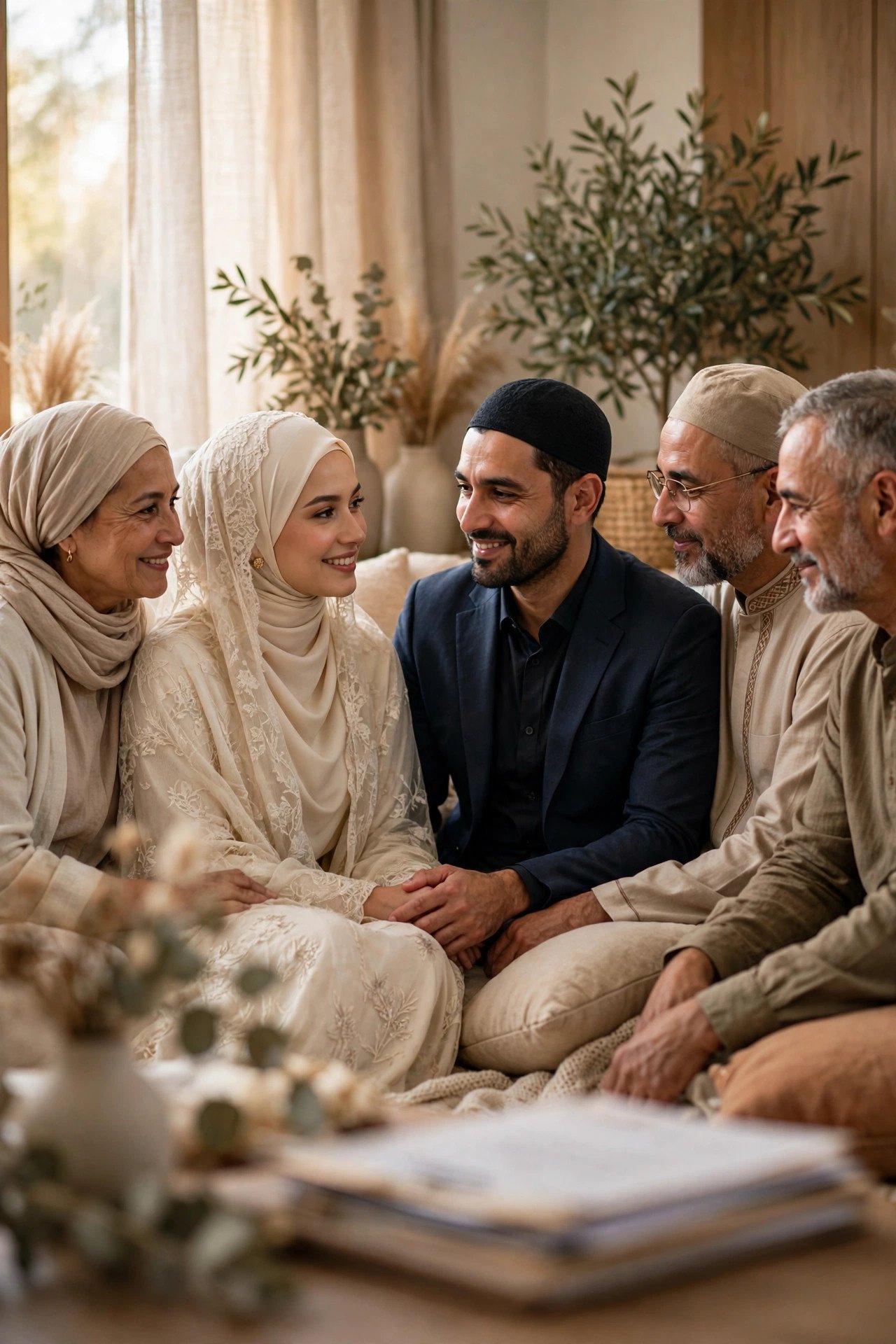
The nikah is the Islamic marriage ceremony itself: an officiant leads the signing of a marriage contract in the presence of witnesses, with the couple’s consent spoken aloud. Everything else in a Muslim wedding — feasts, henna, finery — celebrates this central act. A dedicated guide to the nikah follows in our companion article.
Mahr: The Gift to the Bride
 📌 Save
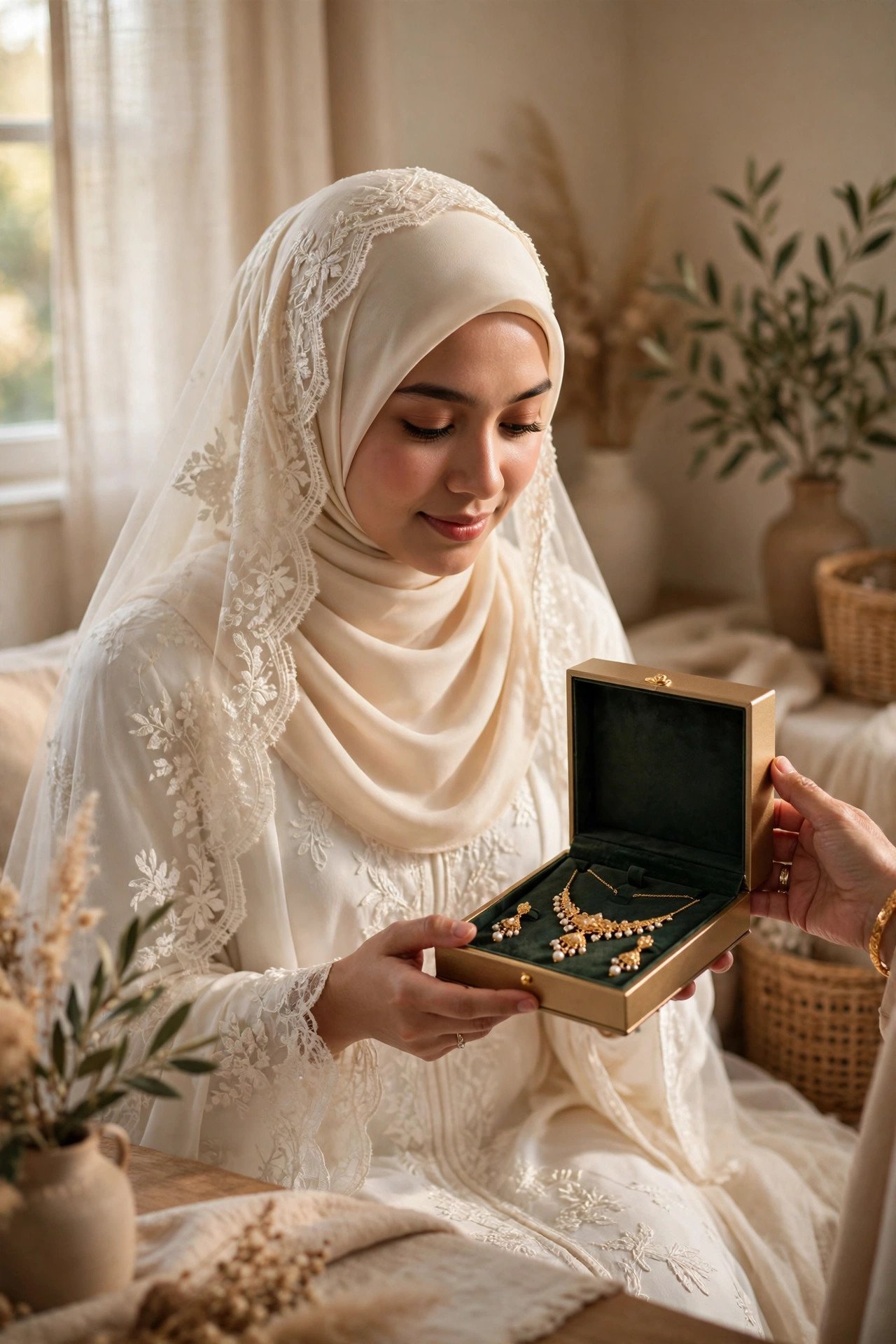
The mahr is a gift — money, jewelry or another agreed item — that the groom gives the bride as part of the marriage contract. It is her property and her right under Islamic law, agreed before the ceremony and often recorded in the contract. Amounts and forms vary widely by family and means.
The Wali and the Witnesses
 📌 Save
In most traditions, the bride is represented by a wali — usually her father or a close male guardian — who gives her in marriage, and two witnesses observe the contract. Practice varies between schools of thought and families, and many couples discuss the arrangement with their officiant well in advance.
Henna Night: Mehndi Celebrations
 📌 Save
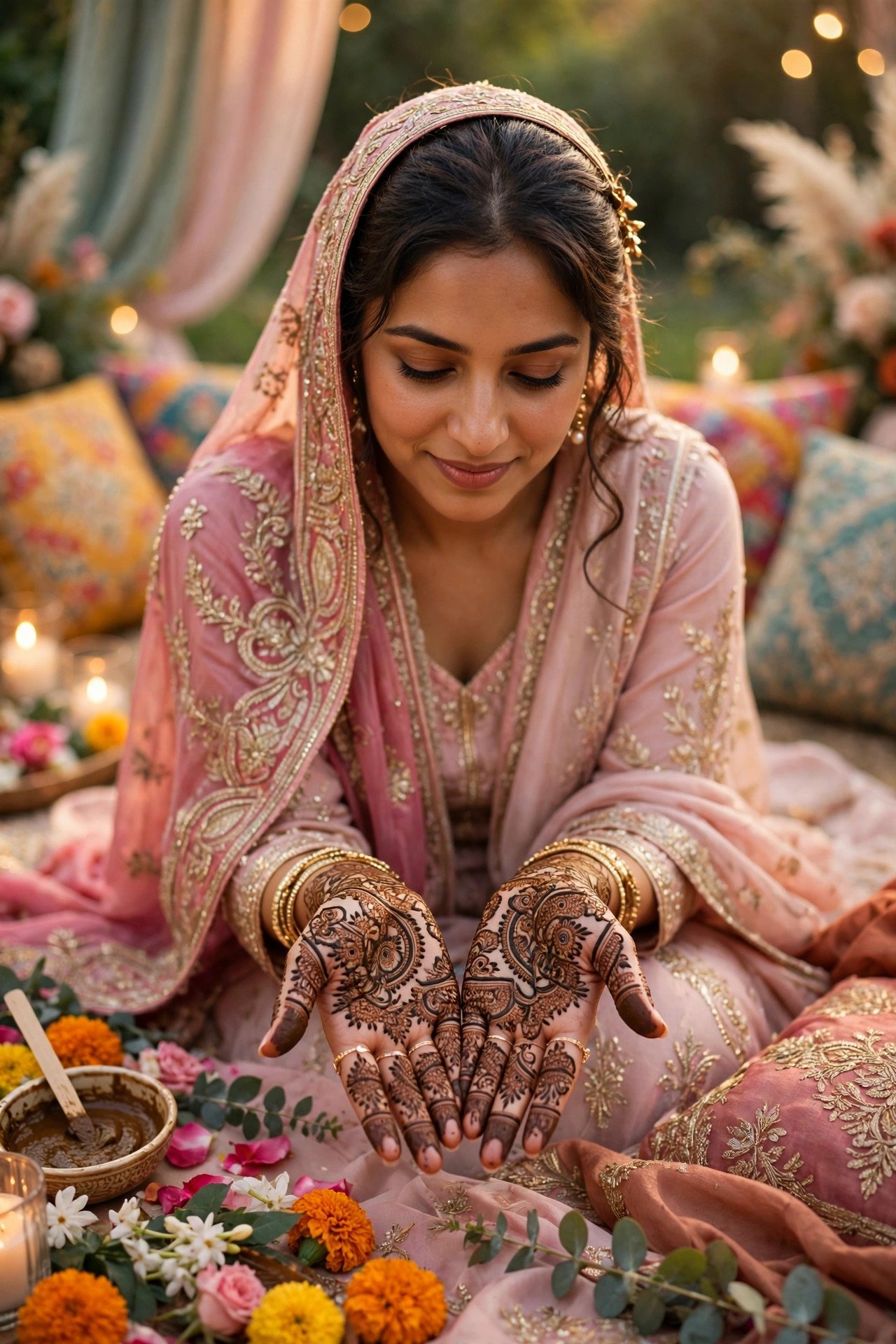
Many South Asian, Arab and Turkish Muslim families hold a henna gathering before the wedding, where an artist applies intricate henna to the bride’s hands and guests enjoy music, bright colors and sweets. In some cultures the gathering is women-only; in others the whole family joins. The invitation will tell you what to expect.
The Walima Feast
 📌 Save
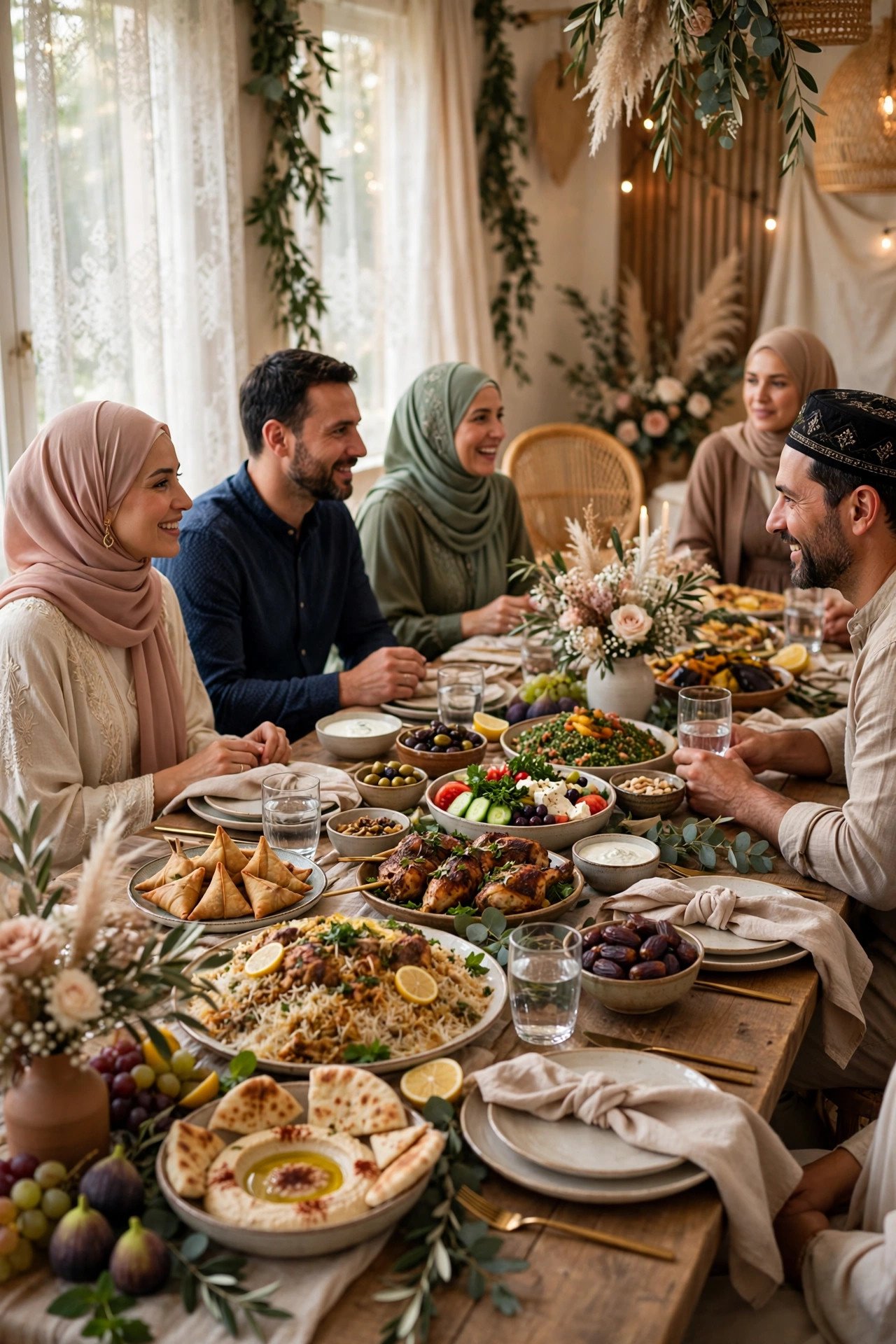
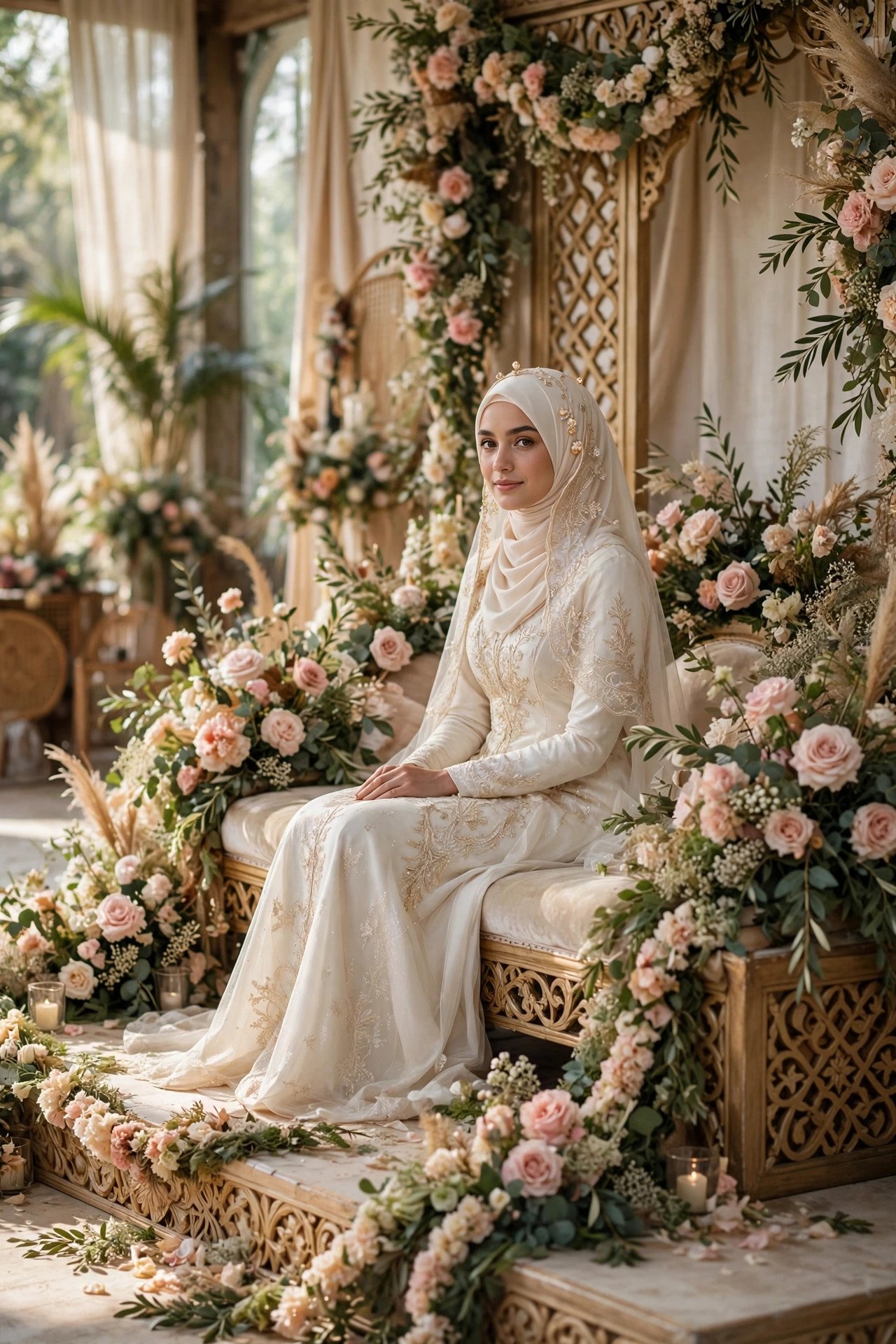
The walima is the wedding feast, traditionally hosted by the groom’s family after the nikah to announce and celebrate the marriage publicly. It is often the largest event of the wedding — a generous meal with family, friends and community, sometimes in a hall with a decorated stage for the couple.
Prayers for the Couple
 📌 Save
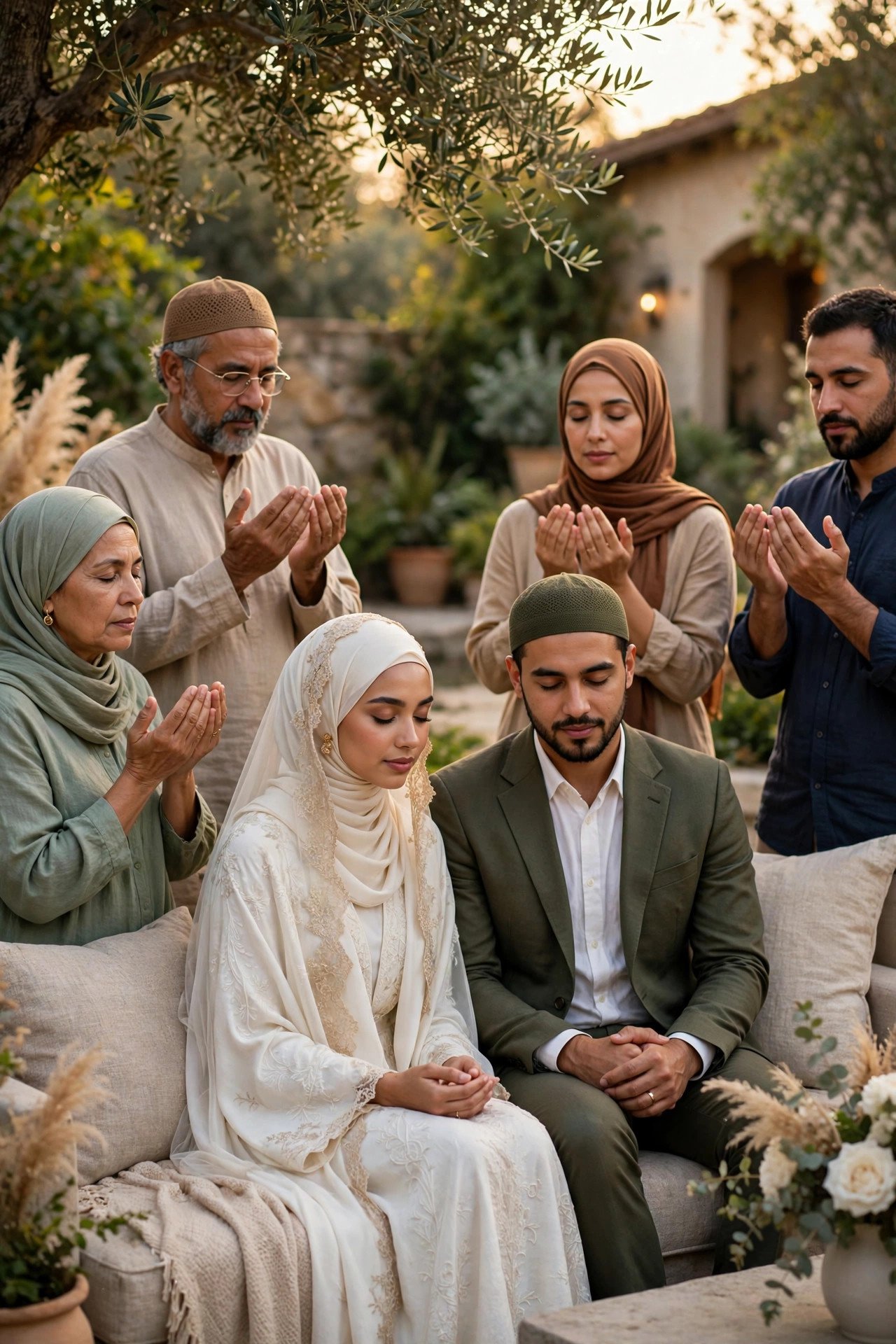
At several points — after the contract, before the meal — an officiant or elder offers dua, prayers for the couple’s health, faith and future. Guests who share the faith may join; guests of other faiths are welcome to sit quietly. No one will check your participation.
Dates and Sweet Drinks
 📌 Save
Dates and sweet drinks — juices, mint lemonade, or sweetened milk in some cultures — are traditional refreshments at Muslim celebrations, honoring the date’s place in Islamic tradition. They suit a faith where celebration is joyful and food is halal and generous.
Modest Dress, Many Styles
 📌 Save
Brides wear everything from South Asian lehengas to Arab and Turkish gowns to West African tailored sets and Western-style white dresses — modesty is expressed differently across cultures, and many brides wear hijab while others do not. There is no single Muslim bridal look.
Halal Food Explained
 📌 Save
Halal food is prepared according to Islamic dietary law, most visibly in how meat is sourced and prepared. At a Muslim wedding, all food served will be halal, and menus are typically abundant — rice dishes, kebabs, curries, breads and sweets vary by the family’s culture.
One Faith, Many Cultures
 📌 Save
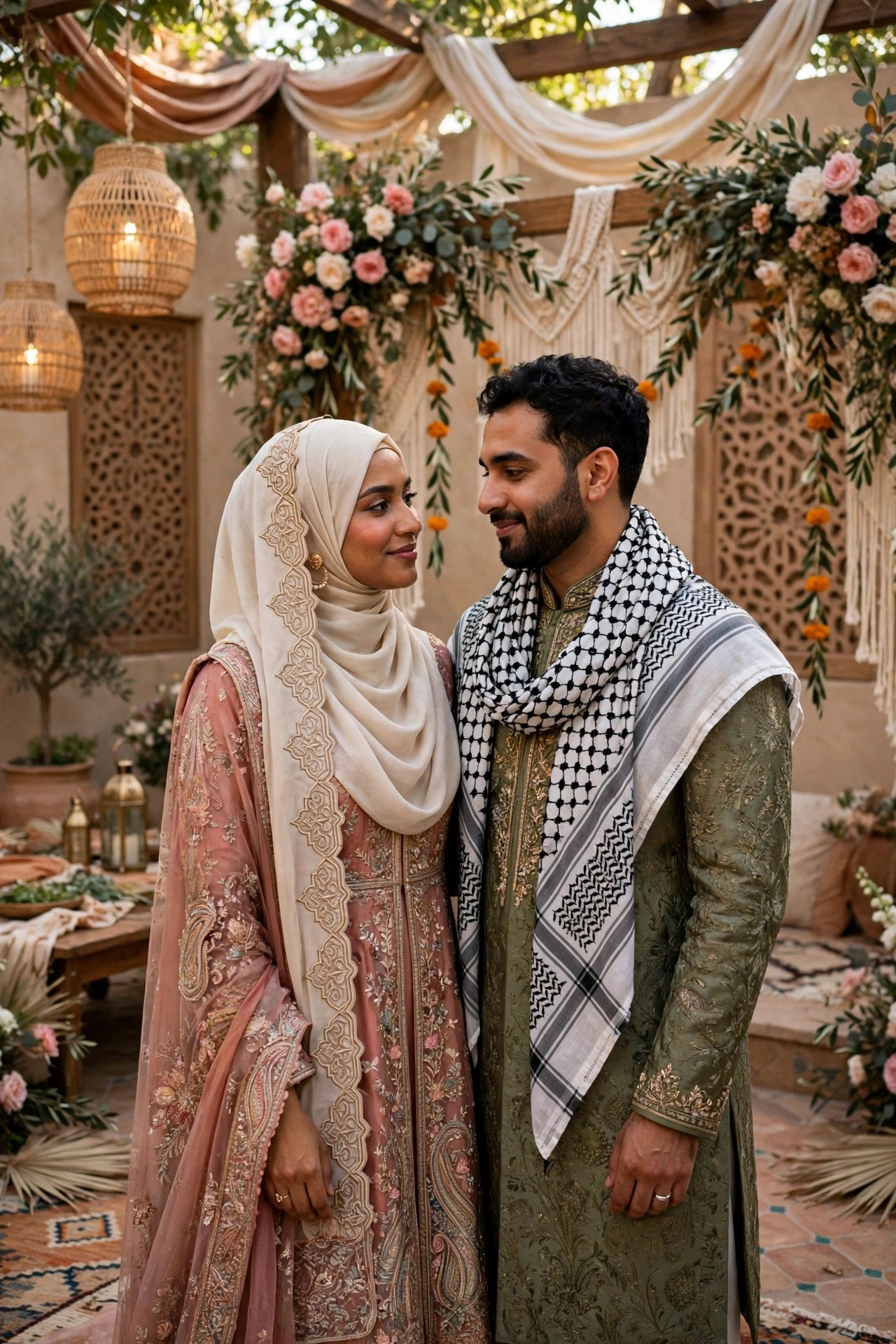
A Nigerian Muslim wedding, a Pakistani one, an Indonesian one and an Arab one share the nikah and differ in almost everything else — language, dress, music, even the number of days. This diversity is the single most important fact for guests to carry in.
The Contract Signing
 📌 Save
The signing of the marriage contract is treated as a moment of honor — in many South Asian weddings the bride signs with a decorated pen, and the document is photographed and kept as a keepsake. The legal civil marriage is a separate step in the USA, UK and Canada, handled at a registry or courthouse.
Gifts: Cards, Money and Registries
 📌 Save
Gift customs vary: many families appreciate money in a card, others keep registries, and in some cultures gifts are presented to the couple on stage at the walima. When in doubt, a card with money or a registry gift is correct nearly everywhere.
Music and Dancing: It Depends
 📌 Save
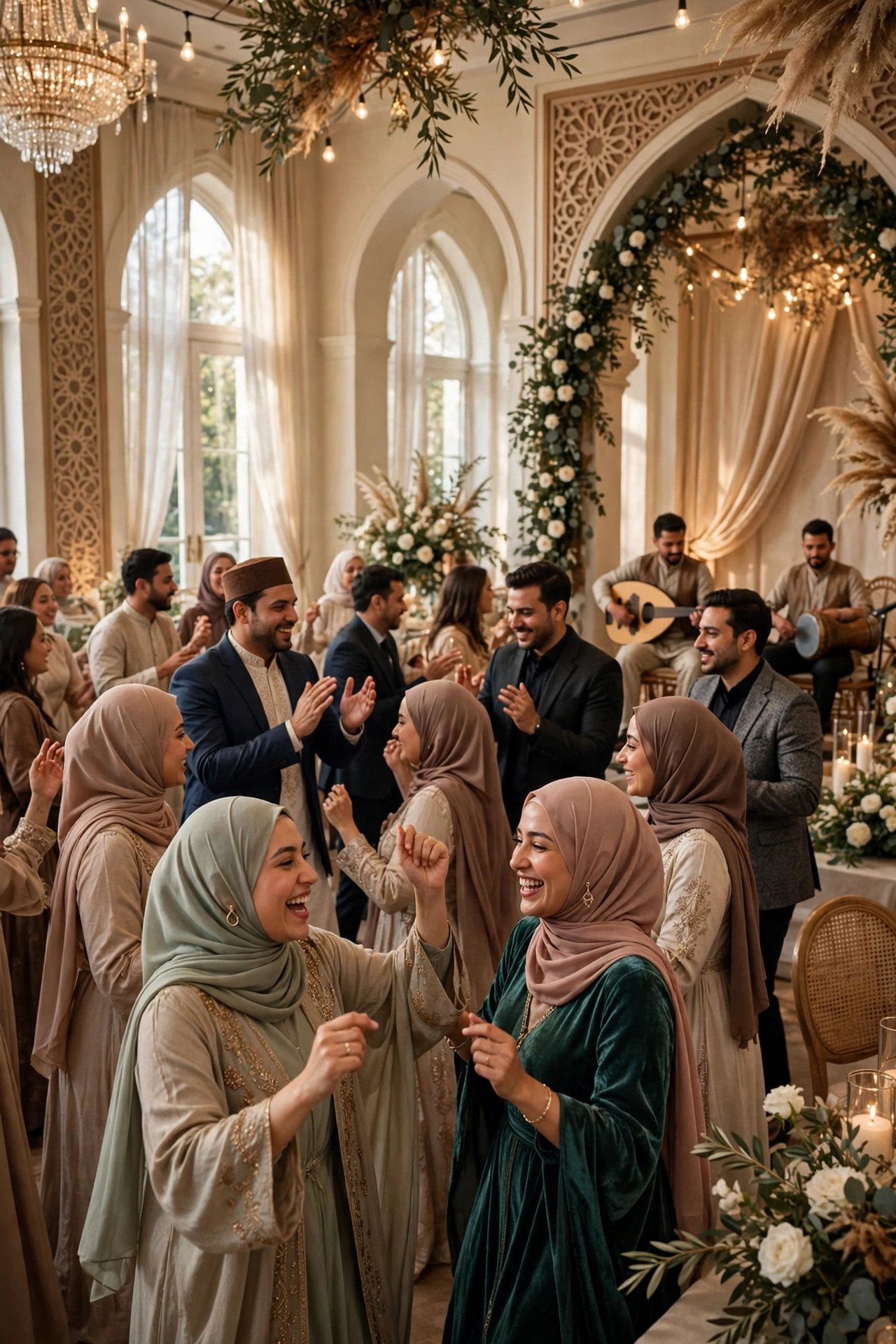
Whether a Muslim wedding includes music and dancing depends entirely on the family’s interpretation and culture — some celebrations are lively with drums and dancing, others are deliberately quiet and prayerful. Both are authentic. The invitation and the hosts’ lead will tell you which kind of celebration you are attending.
Separate Seating, Sometimes
 📌 Save
Some families arrange separate seating areas for men and women, or a women-only section, for comfort and religious observance; others seat everyone together. Neither is a slight to guests — it is the family’s chosen format, and hosts will guide you to your place.
Timing Around Prayer and Ramadan
 📌 Save
Weddings are scheduled around daily prayer times, and many couples avoid wedding dates during Ramadan, when guests fast from dawn to sunset — or host an evening celebration after the fast is broken. Friday weddings work around the midday congregational prayer.
The Engagement: Many Names
 📌 Save
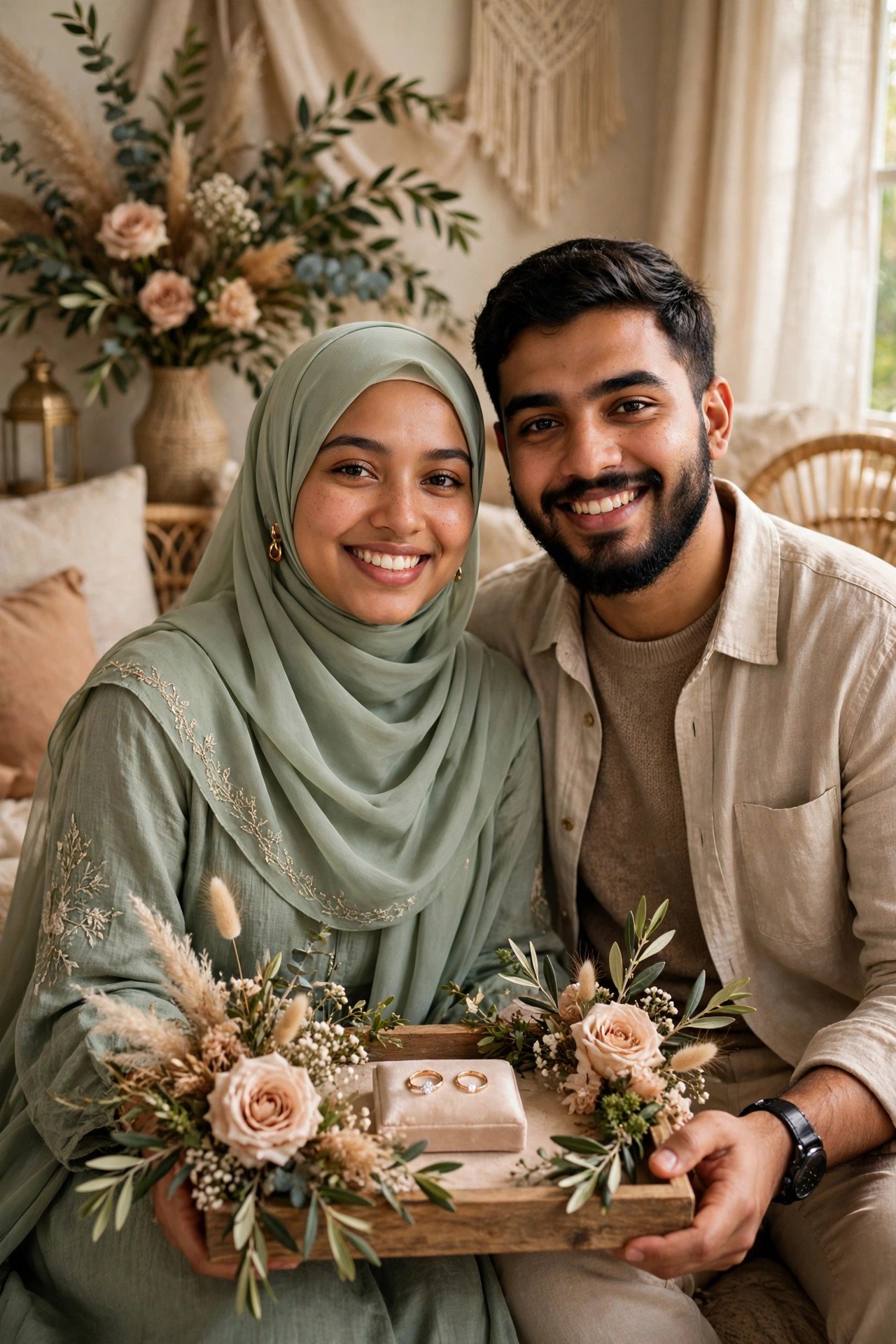
Engagement customs carry different names — khatba in Arab cultures, mangni in parts of South Asia — and may involve a ring exchange, family visits and gifts between households. The engagement is celebrated as a promise, distinct from the nikah that makes the marriage.
What to Wear as a Guest
 📌 Save
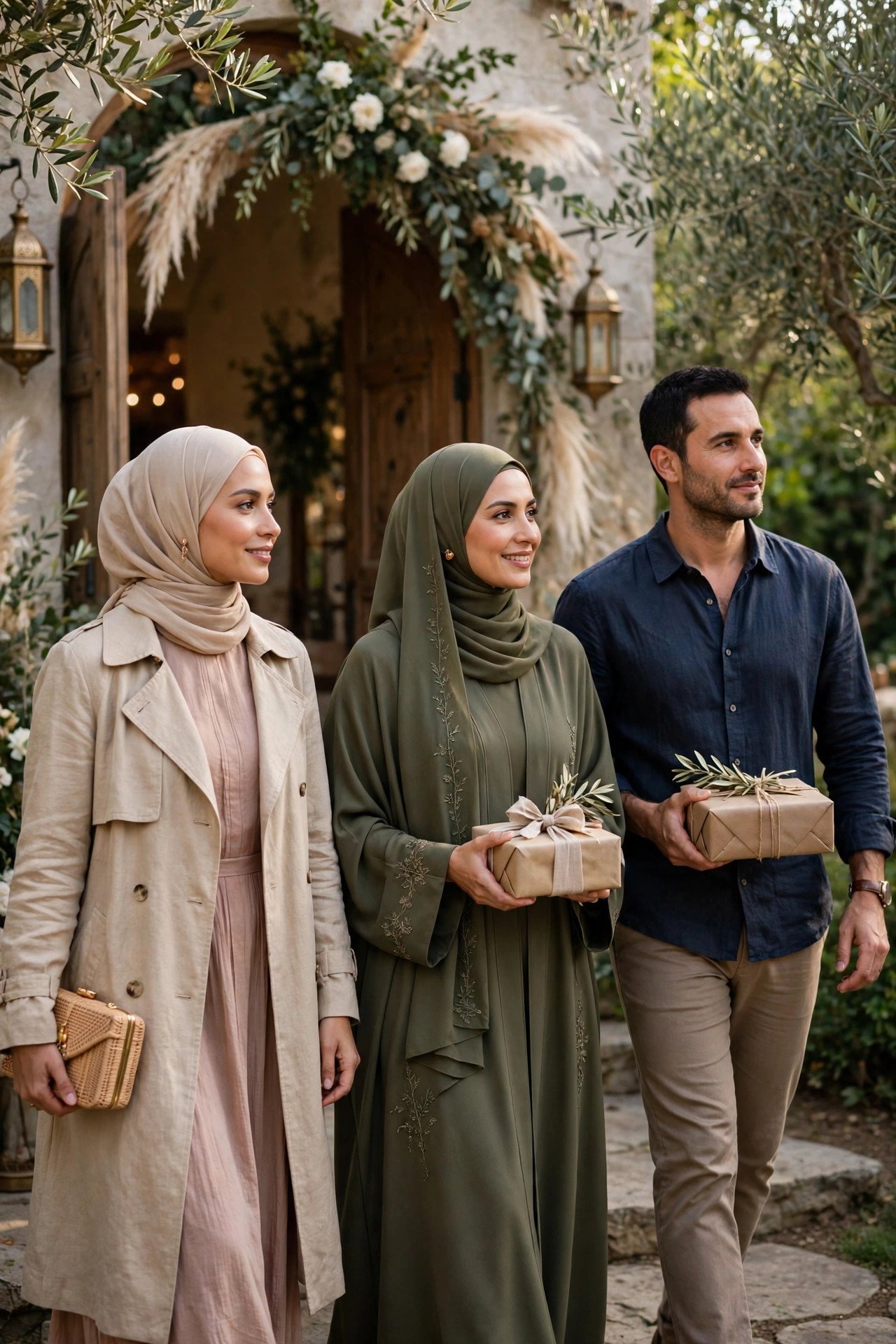
Choose modest formal dress: longer hemlines, covered shoulders, and nothing sheer. Women are not required to cover their hair at most Muslim weddings, though a light scarf is a considerate extra for a mosque ceremony. Men wear suits or formal traditional dress.
Bringing a Gift and a Card
 📌 Save
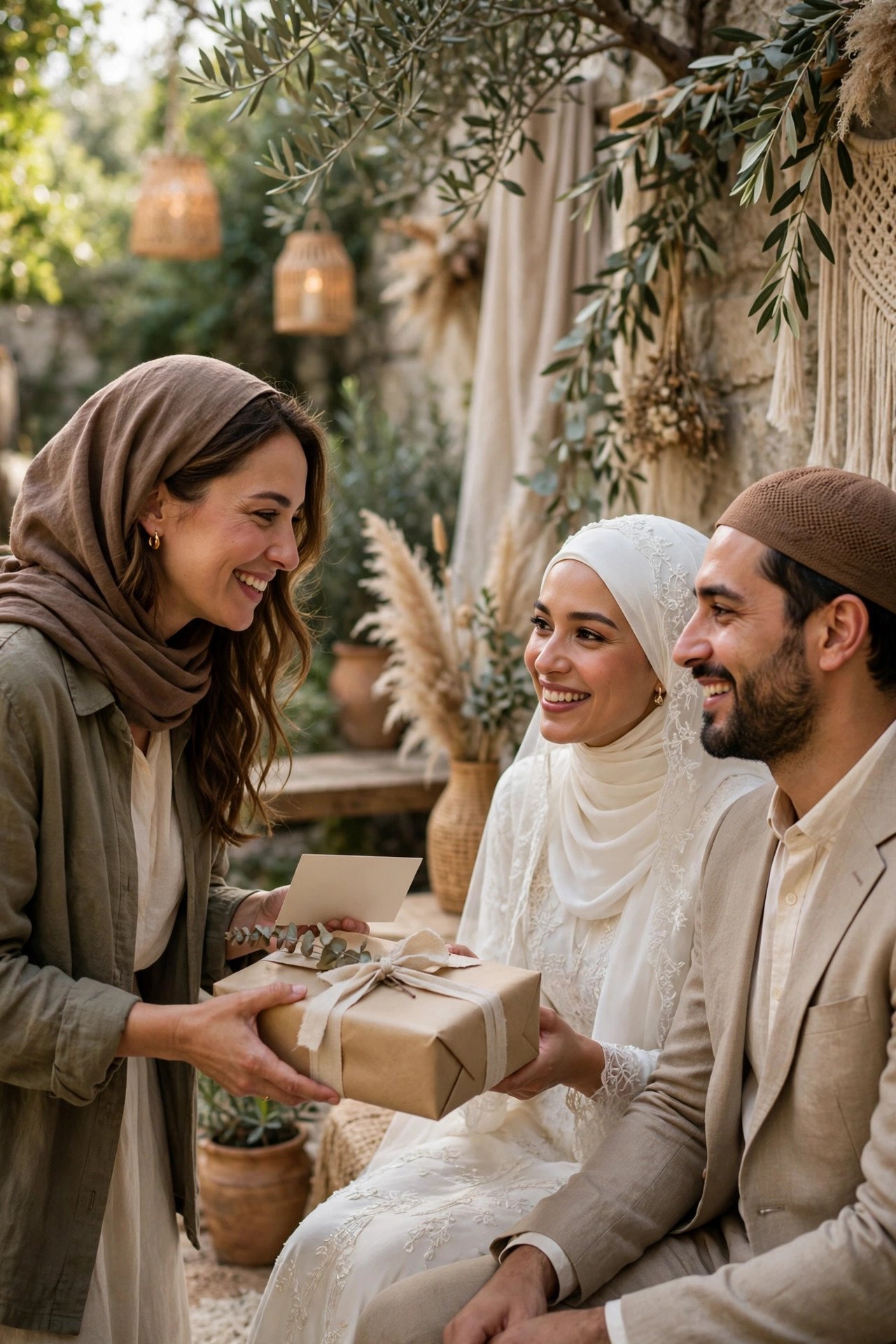
Bring your card or gift to the reception or walima rather than the nikah itself, unless directed otherwise. Many venues provide a gift table or a decorated box for envelopes near the stage.
Photography: Ask First
 📌 Save
Some guests, particularly women wearing hijab, prefer not to be photographed, and some families restrict photography during the nikah itself. Ask before photographing people beyond the couple, and never post photos of other guests without their clear permission.
Multi-Day Celebrations
 📌 Save
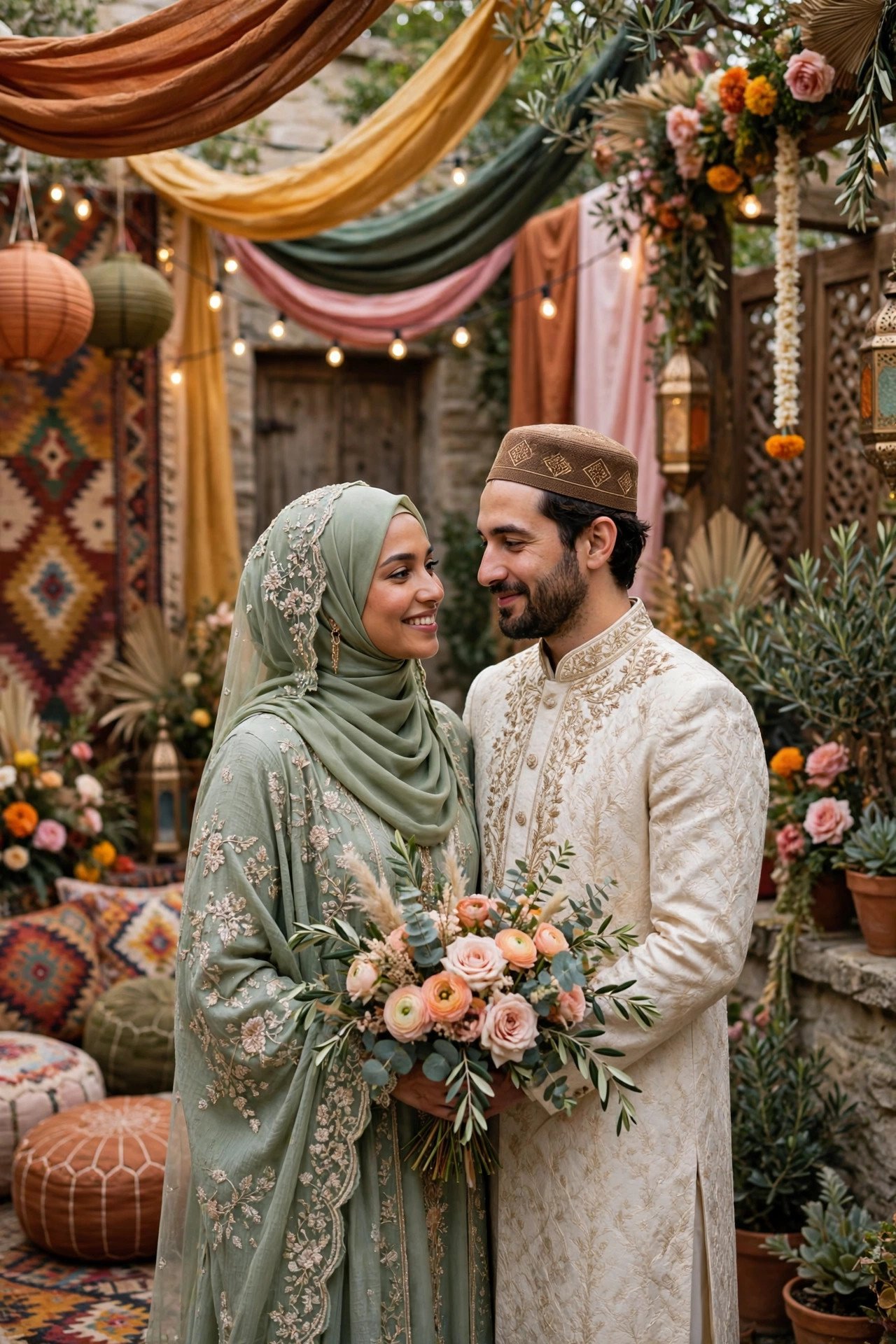
Many Muslim weddings unfold over two to four days: henna night, nikah, a family dinner, and the walima — sometimes with a further reception hosted by the bride’s family. Each event has its own outfit level and guest list, so read each invitation separately.
Blending Muslim and Western Elements
 📌 Save
Couples blending traditions might pair a nikah with a Western-style reception, personal vows after the contract, or a ring exchange the couple adds for symbolism. What belongs in the religious ceremony itself is a conversation for the couple and their officiant — everything around it is flexible.
Interfaith Weddings With Care
 📌 Save
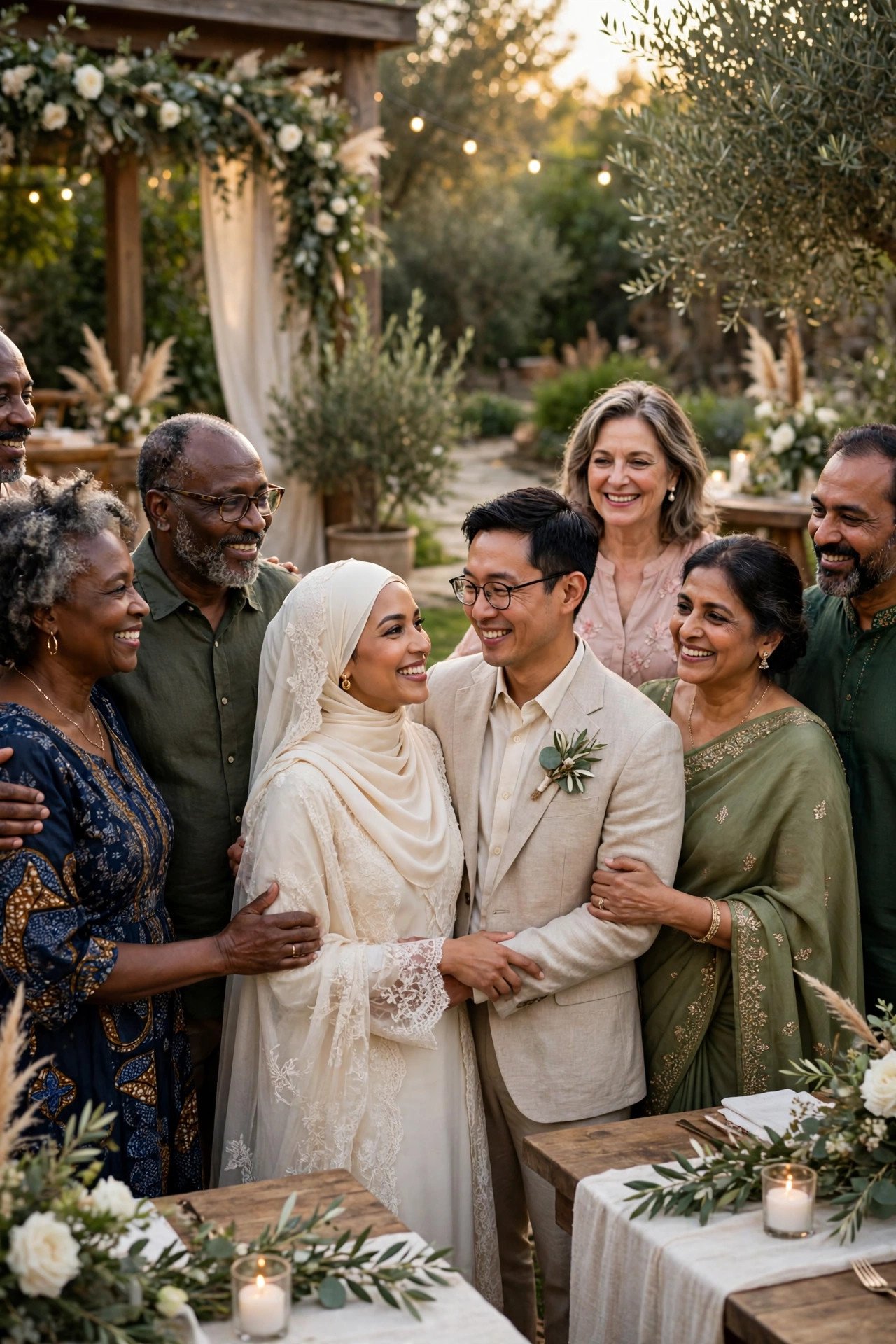
When one partner is not Muslim, families and officiants approach the nikah with care and discussion — requirements and possibilities vary by school of thought, and honest early conversation with an officiant is essential. Many couples combine a nikah with a civil ceremony and shared celebrations both families shape.
Asking Questions the Kind Way
 📌 Save
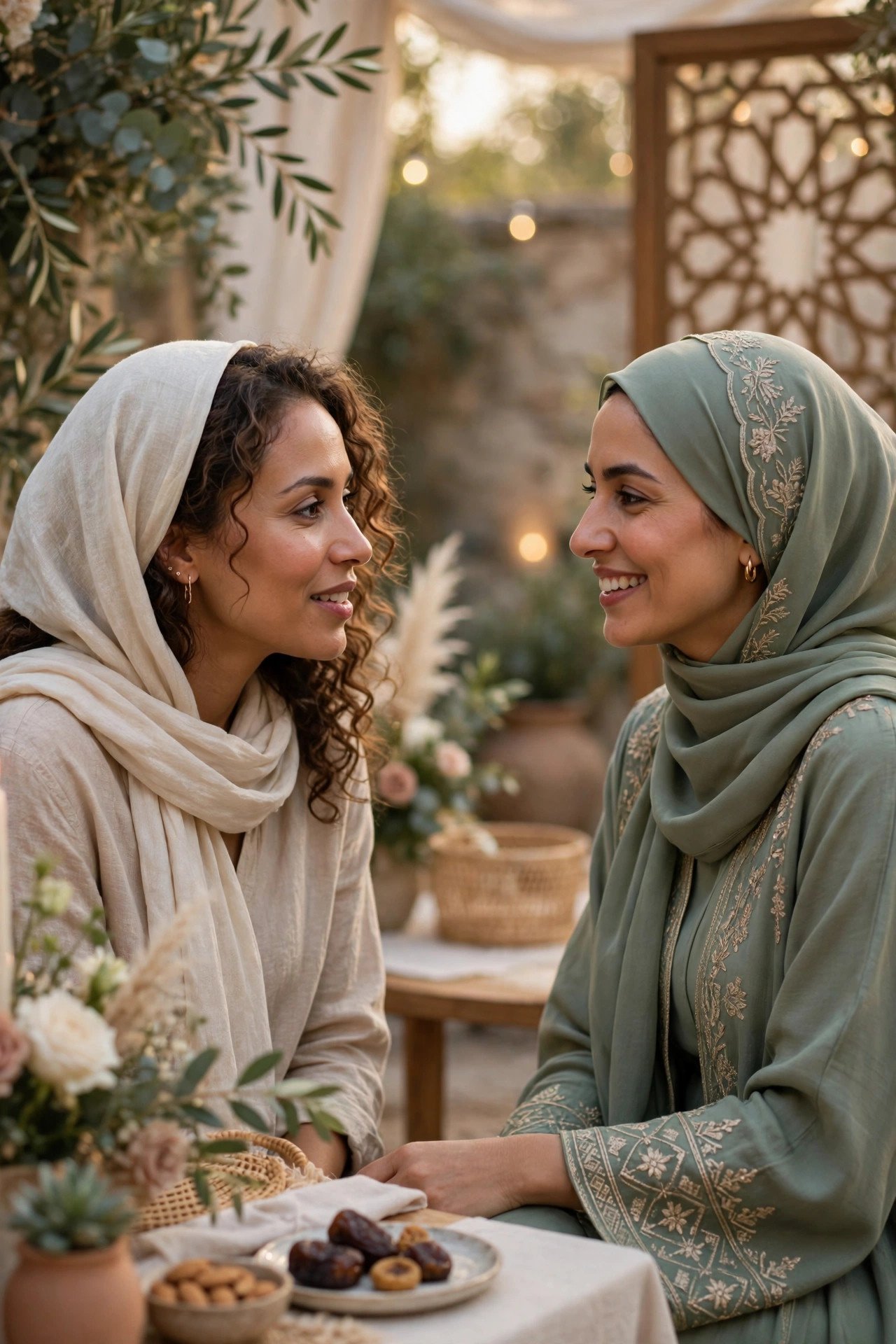
Muslim hosts are accustomed to curious guests and generally welcome sincere questions — at the reception, not mid-ceremony. Ask what a moment meant, compliment the food and the couple, and you will usually be rewarded with the family’s favorite stories.
The Bridal Stage and Photographs
 📌 Save
At many walimas and receptions the couple sits on a decorated stage or sofa while guests come up in groups for photographs and congratulations. The stage formalizes the greeting line and gives elderly relatives a comfortable seat at the center of the celebration.
The Bride’s Farewell (Rukhsati)
 📌 Save
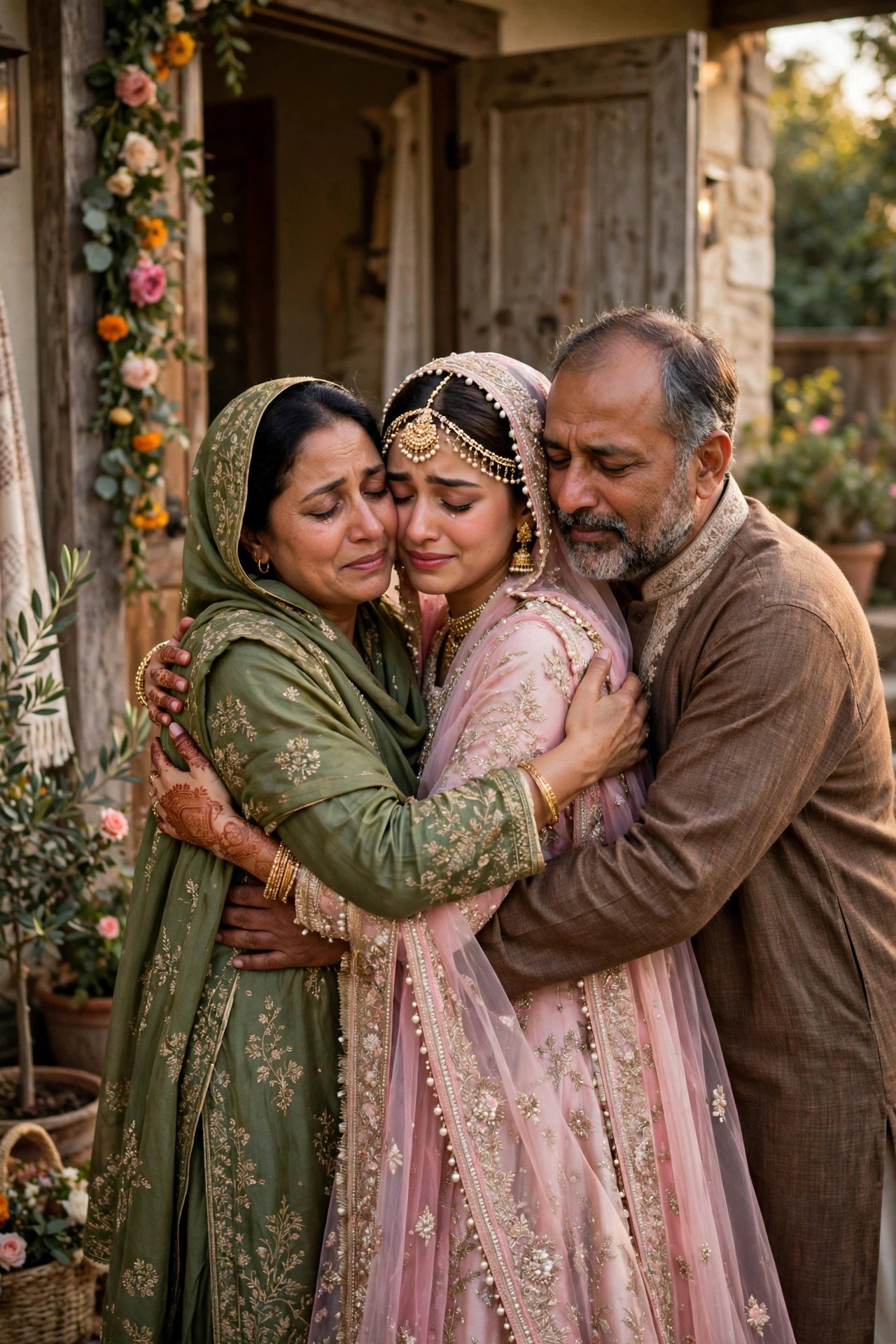
In South Asian Muslim weddings, the rukhsati is the bride’s emotional farewell from her family home, as she leaves with the groom. In some families a copy of the Quran is held above her head as a blessing while she departs. Like the Hindu vidaai it resembles, it is a moment for tissues and gentleness, not jokes.
Muslim Wedding Traditions FAQs
What is the difference between the nikah and the walima?+
The nikah is the marriage contract ceremony — the religious act of marriage itself. The walima is the celebratory feast held afterwards, traditionally hosted by the groom’s family to announce the marriage to the community.
What should I wear to a Muslim wedding?+
Modest formal attire: longer hemlines, covered shoulders, nothing sheer. Women guests do not usually need to cover their hair except possibly in a mosque — the invitation or hosts will say so.
What gift should I bring?+
A card with money is customary in many Muslim cultures, and a registry gift is equally welcome where the couple has one. Bring it to the walima or reception, and write your name inside the card.
Will the food be halal?+
Yes — food at a Muslim wedding is halal, prepared under Islamic dietary law. Expect generous menus shaped by the family’s culture, from biryani and kebabs to mezze and rice dishes.
Can I take photographs?+
Photograph the couple freely at the celebration if hosts welcome it, but ask before photographing other guests and avoid posting pictures of guests — especially women in hijab — without permission.
Key Takeaways
- The nikah is the marriage; everything else — henna, walima, finery — celebrates it.
- Mahr, wali and witnesses are core religious elements; music, dress styles and menus are cultural and vary widely.
- Dress modestly, bring a card, and let the family’s program lead you.
- All food is halal and famously generous — arrive hungry.
- When practice varies, the family’s version is always the correct one.
Final Thoughts
A Muslim wedding joins two people, two families and often two cultures around a short, profound contract and a great deal of food. Guests who come curious, dress considerately and follow the family’s lead will leave with full hearts — and very likely a container of leftovers pressed into their hands at the door.