Nikah Ceremony Explained (2027)
By zainzari • Published October 23, 2026 • Updated October 23, 2026
 📌 Save
A nikah is the Islamic marriage ceremony in which a marriage contract is agreed and signed before witnesses: the offer (ijab) and acceptance (qabul) are spoken aloud, the mahr gift to the bride is confirmed, and prayers close the rite. It usually lasts 30 to 60 minutes and is followed by celebration, often the walima feast.
If the word nikah is new to you, think ‘the wedding itself’ — in Islamic tradition, this contract ceremony is the marriage, and the parties around it are the celebration. Its steps are few, spoken and witnessed, which makes it one of the easiest ceremonies in this series for a first-time guest to follow once someone explains the order.
This guide walks through each step in sequence, what the Arabic terms mean in plain English, and how the ceremony fits the legal picture in the USA, UK and Canada. Details vary between schools of thought and families — the officiant’s program on the day is always the final word.
At a Glance: The Nikah, Step by Step
| Step | What Happens | Who Is Involved |
|---|---|---|
| Khutbah | An opening sermon on marriage | Officiant |
| Ijab & Qabul | Offer and acceptance spoken aloud | Wali or bride, groom, witnesses |
| Mahr confirmed | The bride’s gift is stated in the contract | Couple |
| Signing | The contract is signed | Couple, wali, witnesses |
| Dua | Prayers for the couple close the ceremony | Officiant and guests |
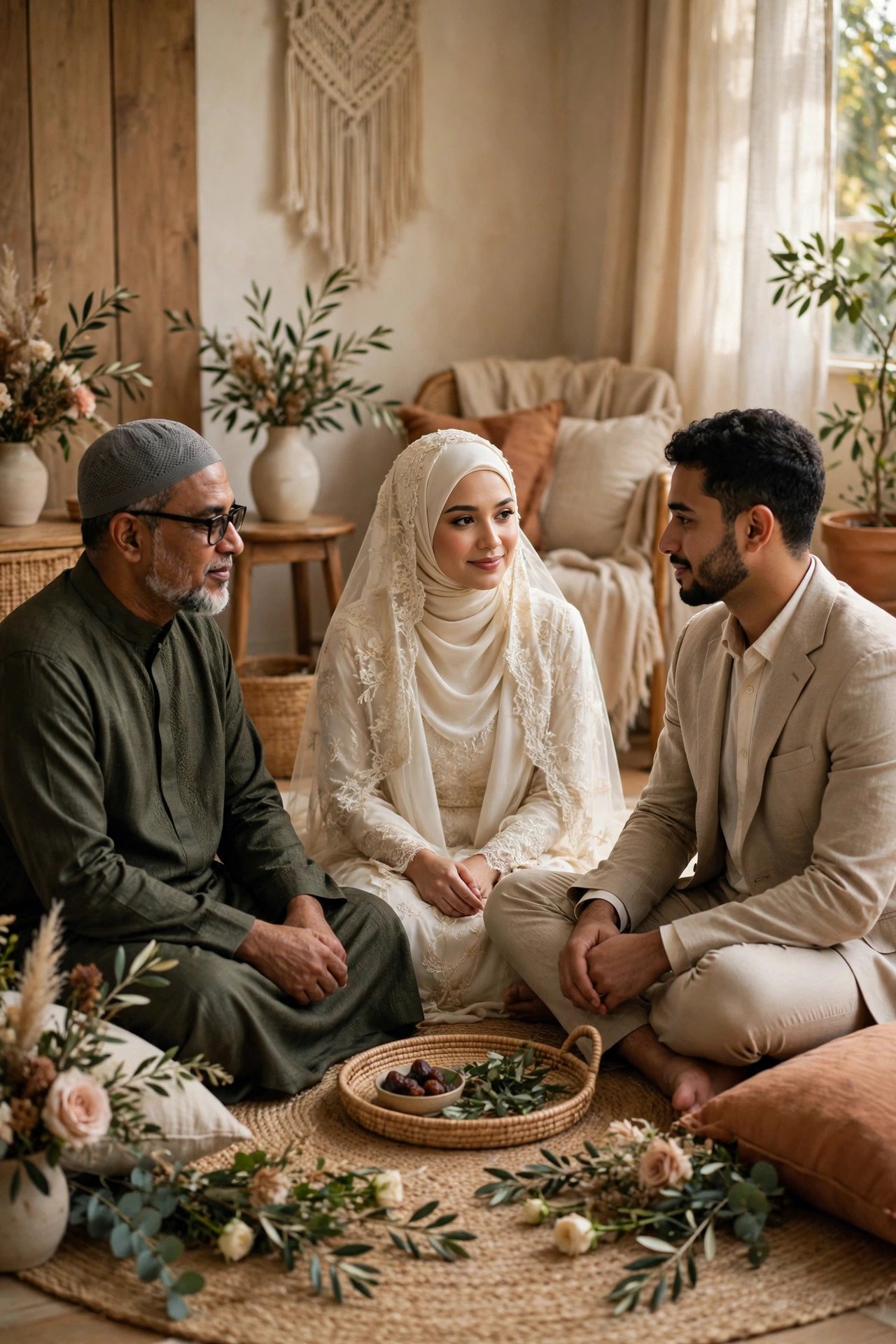
Some families hold parts of the nikah with the bride in another room, represented by her wali; others seat the couple together throughout. Both formats are established practice.
What Is a Nikah, in Plain Words?
 📌 Save
Nikah is the Arabic word for the Islamic marriage contract and the ceremony in which it is made. When a couple ‘has their nikah,’ they are married in Islamic terms — there is no separate religious wedding beyond it. The celebration events around it, however grand, are additions of joy, not requirements of faith.
Nikah and the Civil Marriage License
 📌 Save
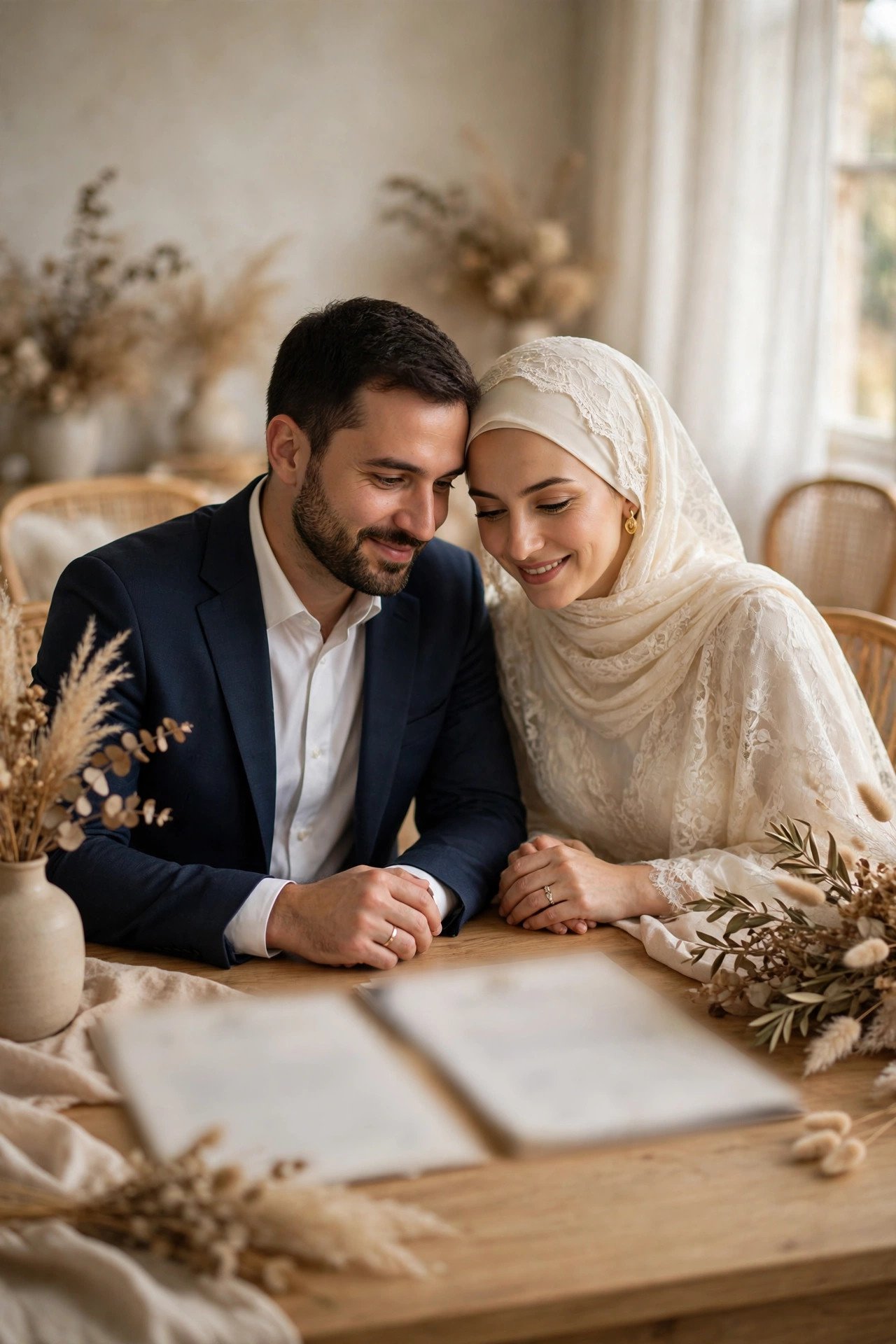
In the USA, UK and Canada, a nikah alone does not create a legal marriage unless the officiant is licensed and the civil paperwork is completed under local law. Most couples handle both — a civil registration plus the nikah, sometimes on the same day, sometimes weeks apart. Ask, and the couple will tell you which date they count as their anniversary.
Who Officiates a Nikah?
 📌 Save
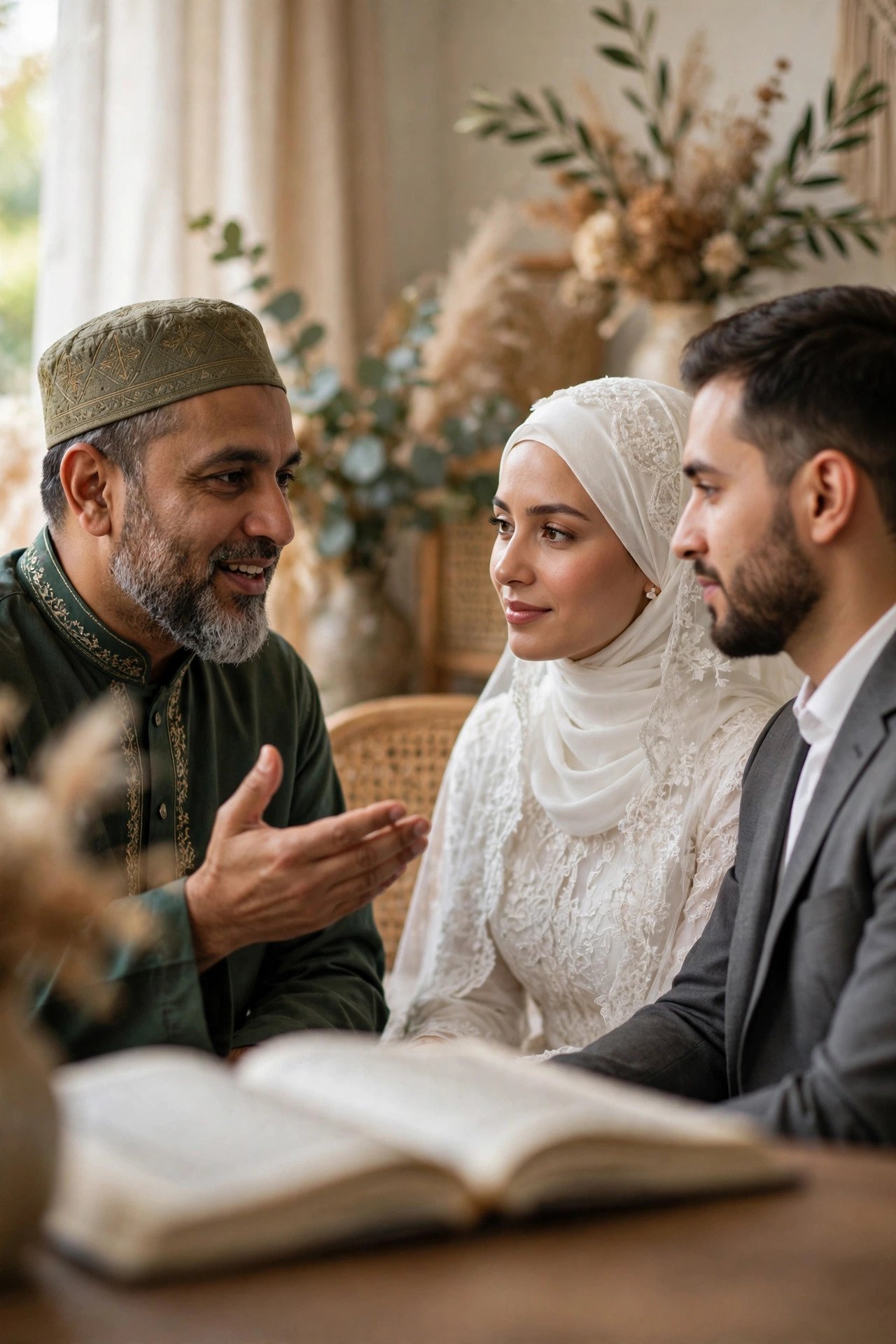
An imam commonly leads the nikah, but any knowledgeable Muslim chosen by the families may officiate — sometimes a family elder or a licensed officiant who handles both the religious and civil elements. The officiant recites, explains, witnesses and leads the closing prayers.
The Marriage Contract (Aqd)
 📌 Save
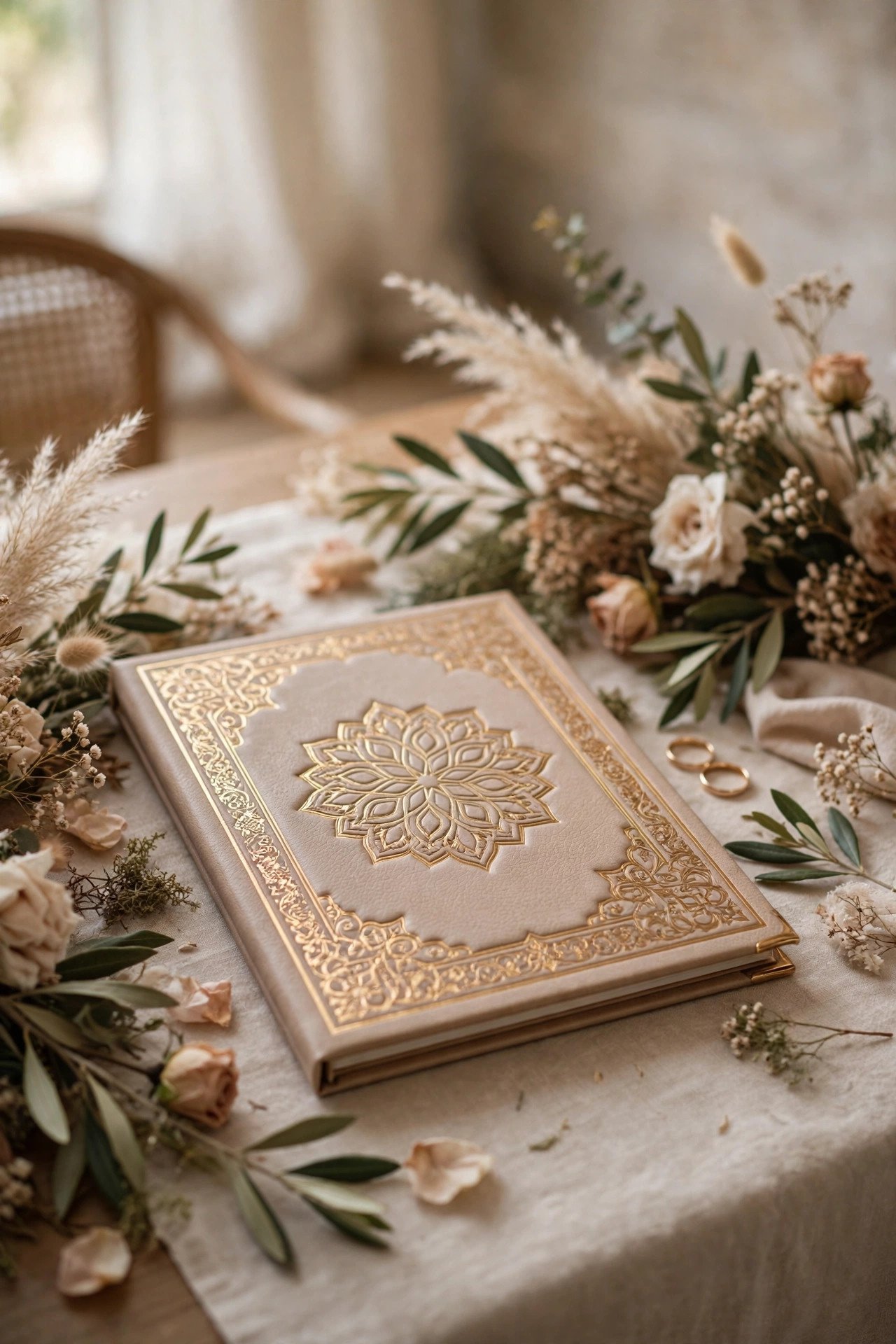
The contract records the couple’s names, the mahr, and any conditions the couple has agreed. It is a real agreement, discussed beforehand — many couples review its wording with the officiant and families before the day so the ceremony itself is calm and unhurried.
Mahr: The Bride’s Gift, Explained
 📌 Save
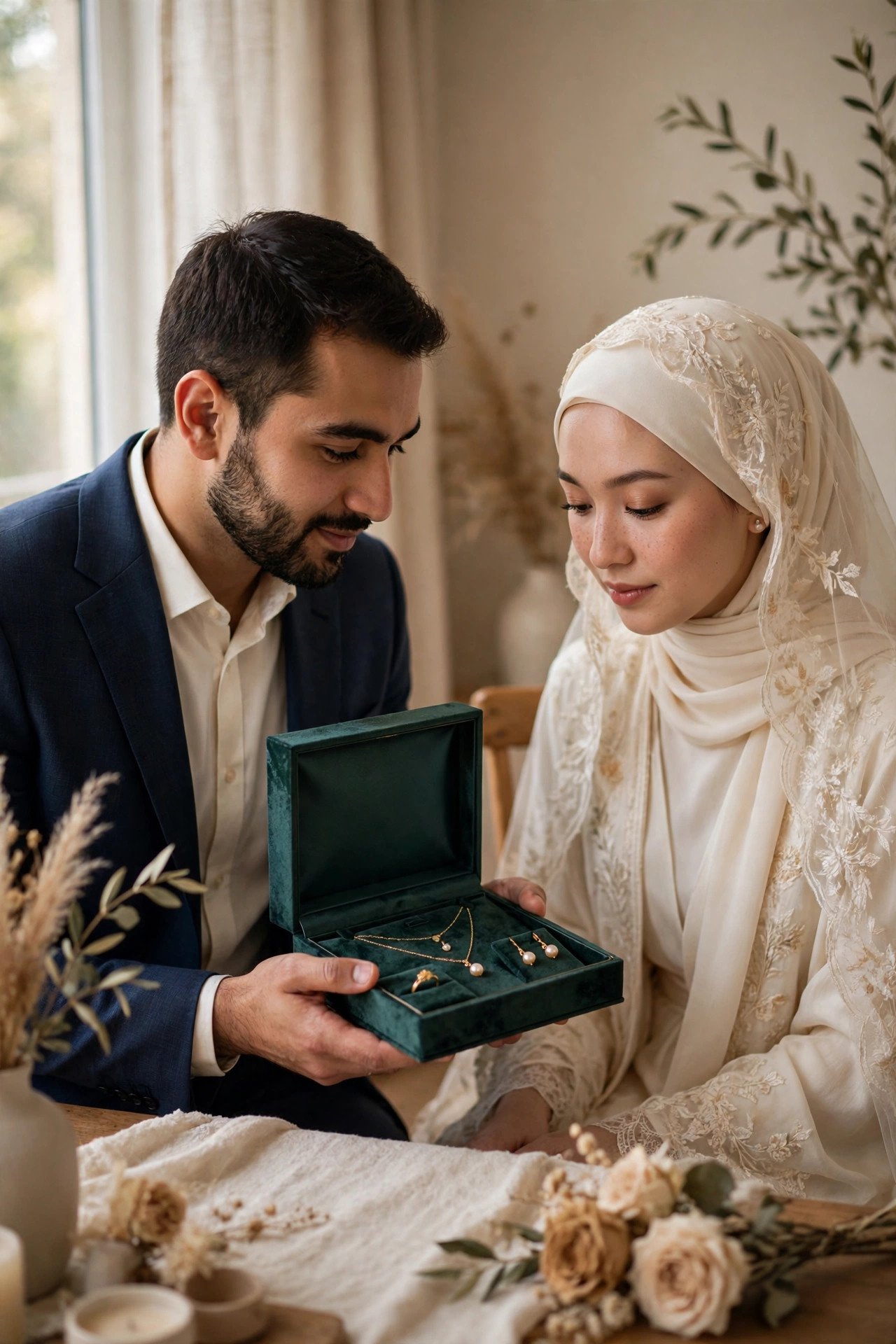
The mahr is a gift from the groom to the bride — stated aloud and written into the contract. It may be money, jewelry or something meaningful, given at once or partly deferred by agreement. It belongs to the bride alone, and its presence in the contract is a required element of a valid nikah in mainstream Islamic law.
Ijab and Qabul: Offer and Acceptance
 📌 Save
The heart of the ceremony: an offer of marriage is made — traditionally by the bride’s wali — and the groom accepts aloud (qabul means acceptance), in the same gathering, before the witnesses. In many modern ceremonies the bride speaks her consent directly as well. The exchange is brief, clear and witnessed — consent is the point.
The Role of the Wali
 📌 Save
The wali is the bride’s guardian — usually her father — who gives her in marriage and speaks in the ijab. Where a father is absent, another male relative or appointee serves. Practice around the wali varies between schools of thought; some brides, particularly in the Hanafi tradition, may contract their own marriage. Families follow their own school’s guidance.
Why Two Witnesses?
 📌 Save
Islamic marriage is a public, witnessed act — traditionally two Muslim witnesses attest that the contract was freely made. Their signatures join the couple’s on the document. The publicity is purposeful: marriage in Islam is announced to the community, never hidden.
The Khutbah: Opening Sermon
 📌 Save
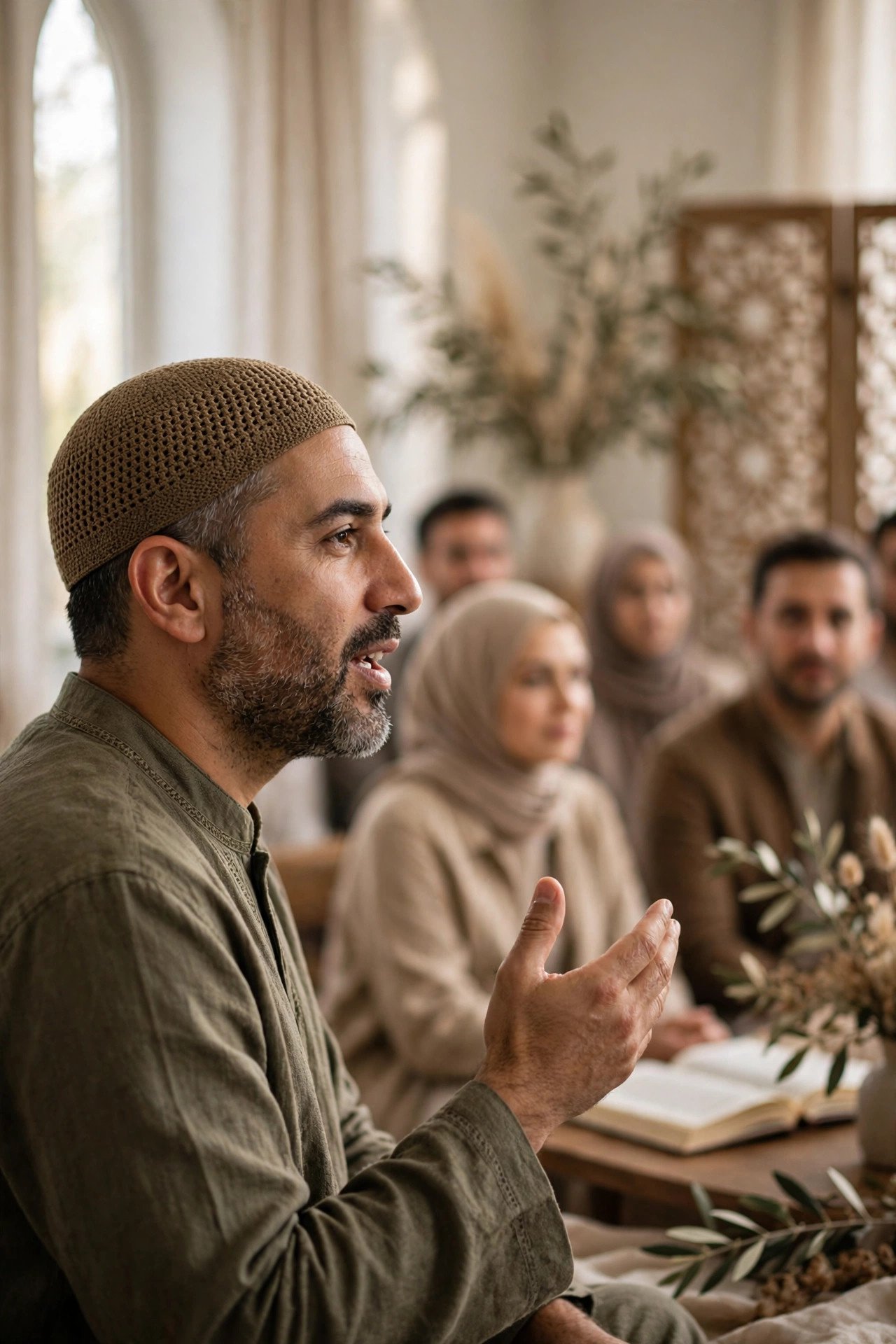
The officiant opens with a short sermon — the khutbat al-nikah — including Quranic verses and sayings about marriage, kindness and mercy between spouses. It sets the ceremony’s tone: reflective, grateful, and focused on how the couple should treat each other.
Signing the Contract, Step by Step
 📌 Save
Signatures follow the spoken acceptance: the bride and groom sign, then the wali and witnesses, with the officiant completing the document. In many families this is the photograph of the day — decorated pens, a framed certificate, and the couple’s first portrait as newlyweds all gather around the signing table.
Dua: Prayers That Close the Ceremony
 📌 Save
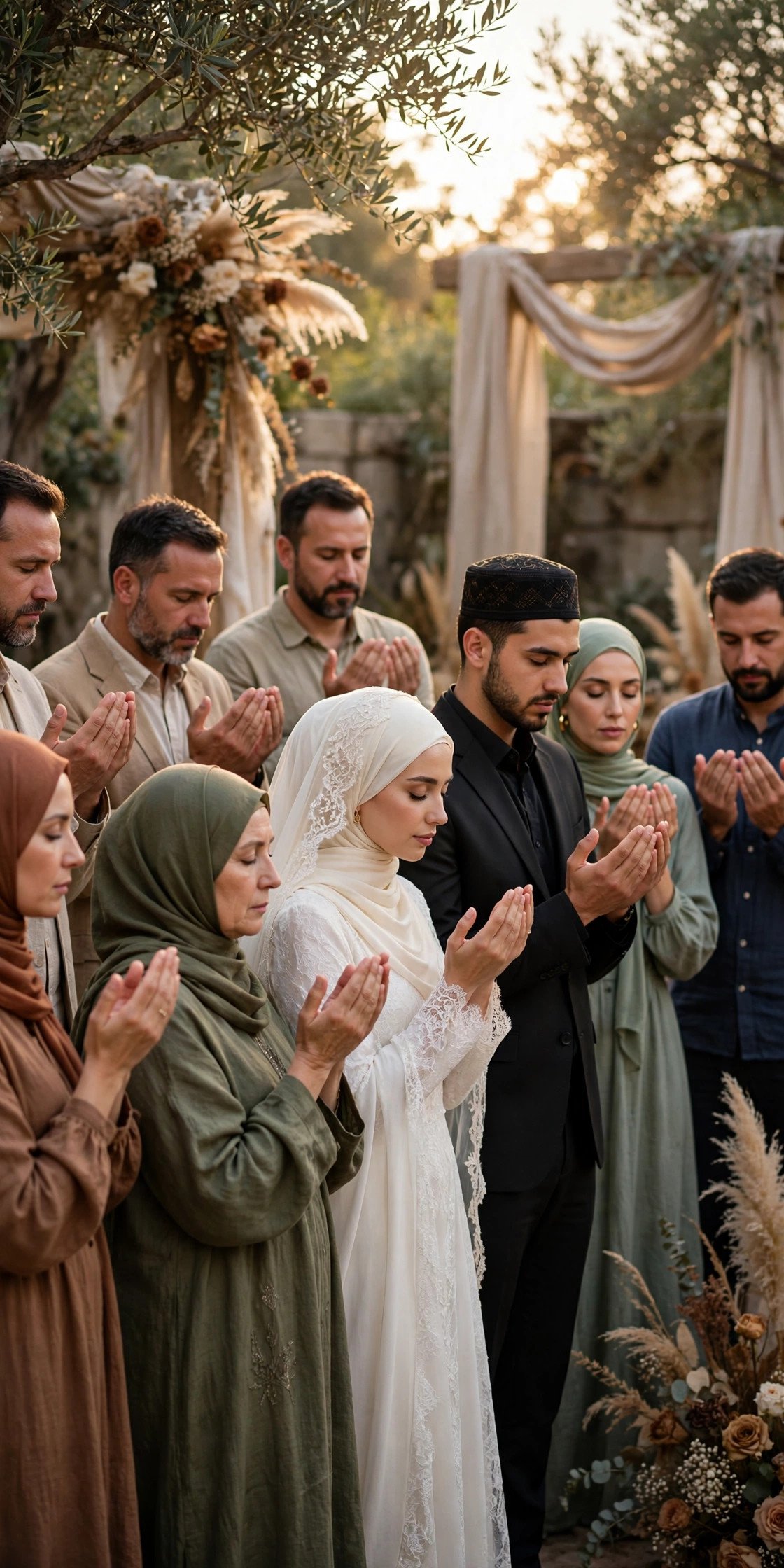
The officiant closes with dua — prayers for the couple’s faith, health, provision and future family — and guests respond with ‘ameen.’ It is a quiet, collective minute that ends the formality and opens the congratulations. Guests of any faith may simply sit respectfully.
Where Does a Nikah Happen?
 📌 Save
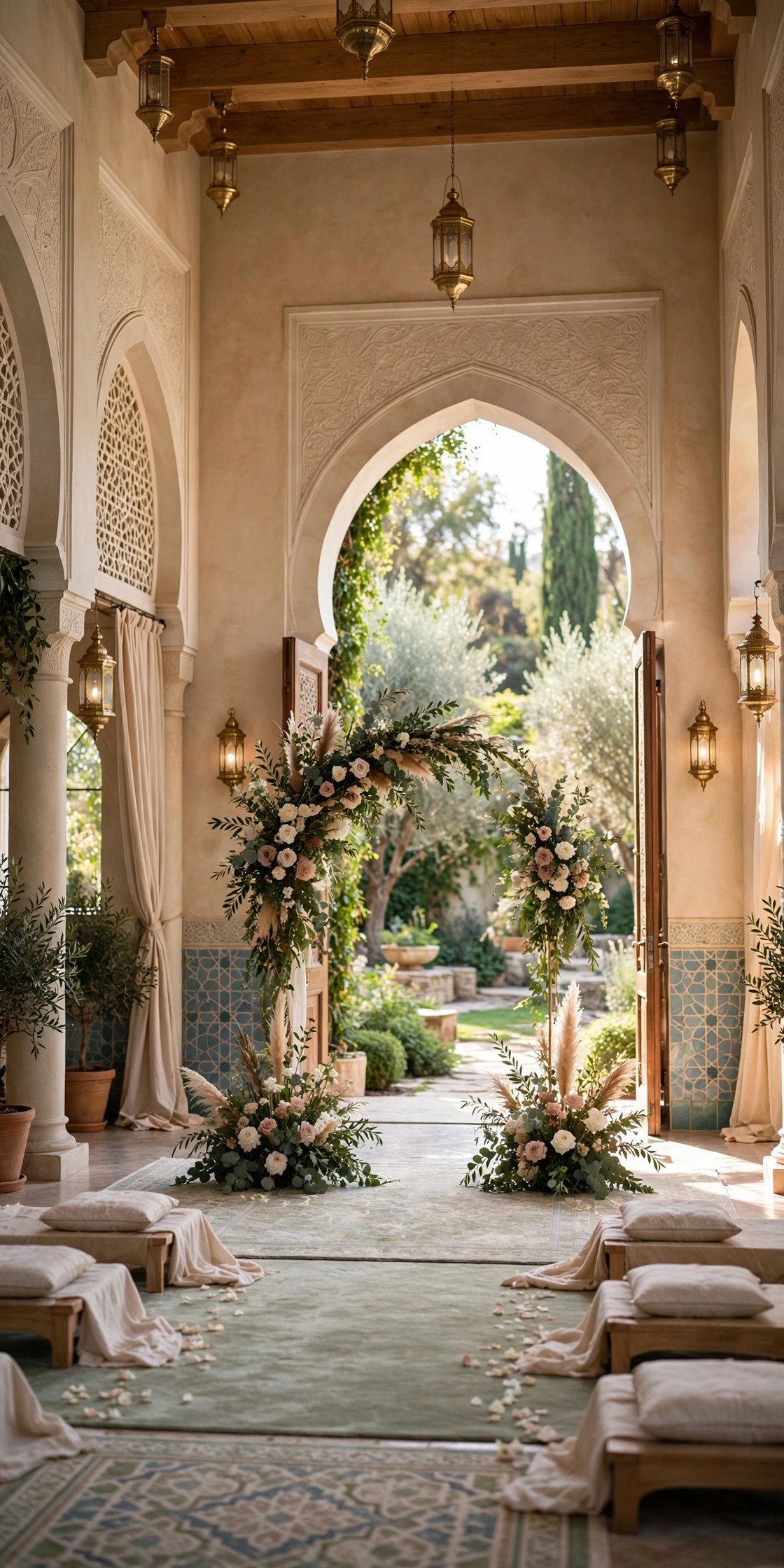
A nikah may be held in a mosque, a family home, a garden or a banquet hall — the contract needs witnesses, not a particular building. Many couples hold the nikah in the same venue as the reception for guest convenience, sometimes in a separate, quieter room.
How Long Does It Last?
 📌 Save
Most nikah ceremonies run 30 to 60 minutes including the sermon, the exchange, signing and prayers. A couple combining many speeches or cultural additions may run longer, but the contract itself is concise — its brevity surprises first-time guests raised on hour-long services.
Seating: Together or Separate Rooms?
 📌 Save
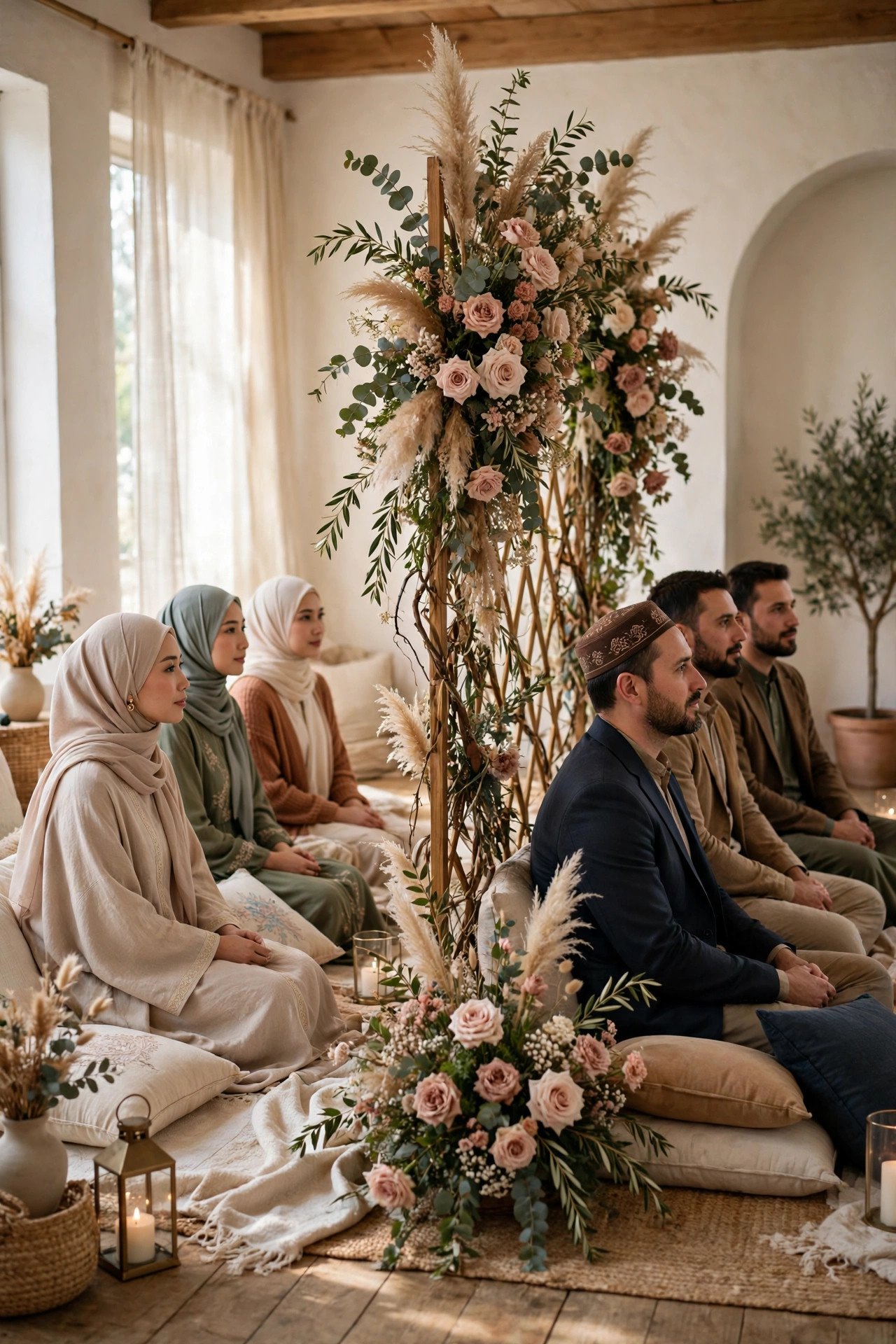
Formats vary: many couples sit together before the officiant; in other families the bride is in another room or behind a partition during the spoken exchange, represented by her wali, and joins the groom after the acceptance. Seating for guests may likewise be mixed or separated by section. All are established customs — follow the ushers’ guidance.
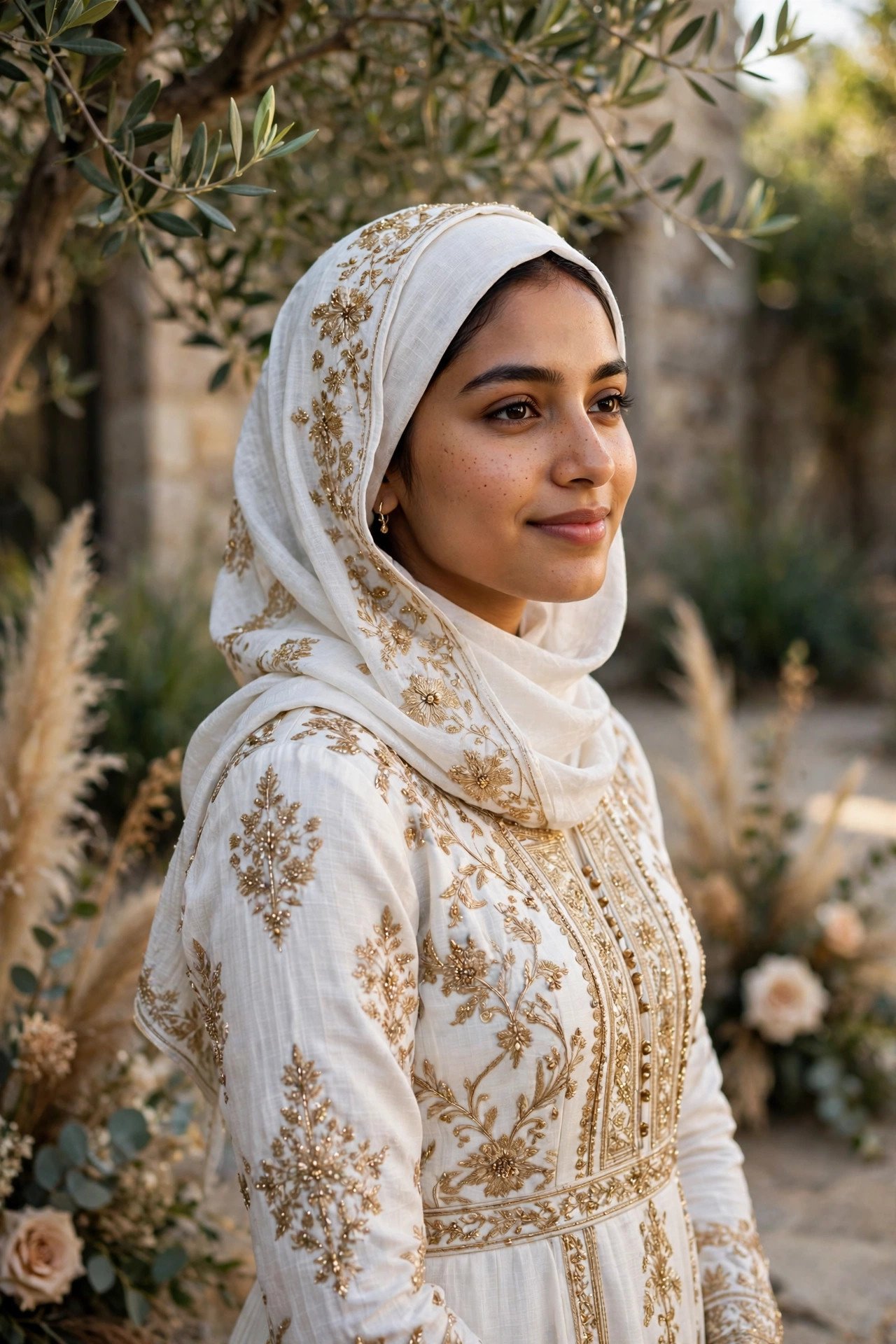
What the Bride Wears
 📌 Save
Brides wear anything from an embroidered lehenga or gown to a white dress with hijab, depending on culture — often changing into a second outfit for the walima. During the nikah itself many brides favor an outfit that feels dignified for a contract signing they will remember in photographs for life.
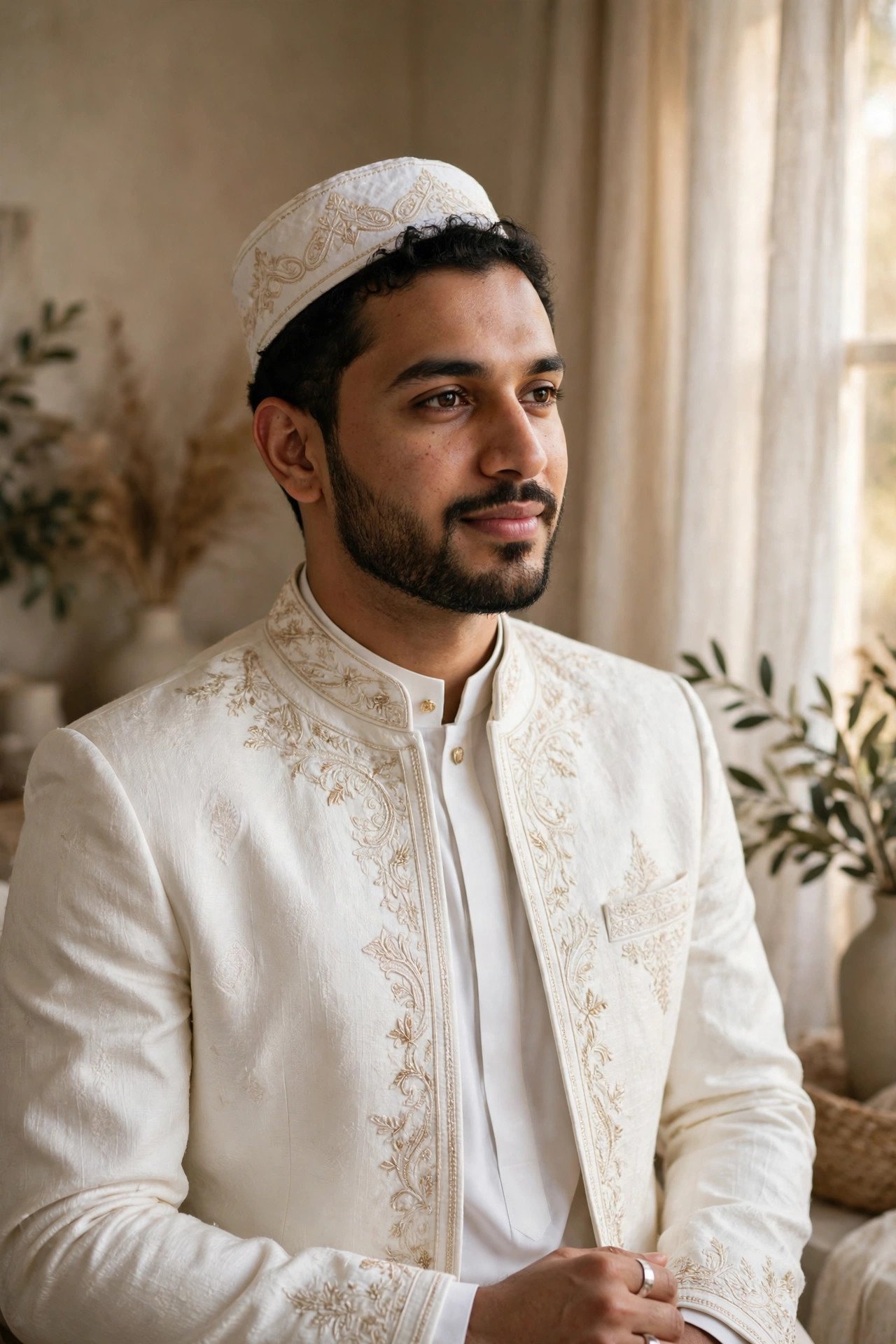
What the Groom Wears
 📌 Save
Grooms may wear a suit, a sherwani, a thobe and jacket, or other formal cultural dress — commonly coordinated in color with the bride’s outfit for the signing photographs. A cap is worn by some grooms during the ceremony in certain cultures, and not in others.
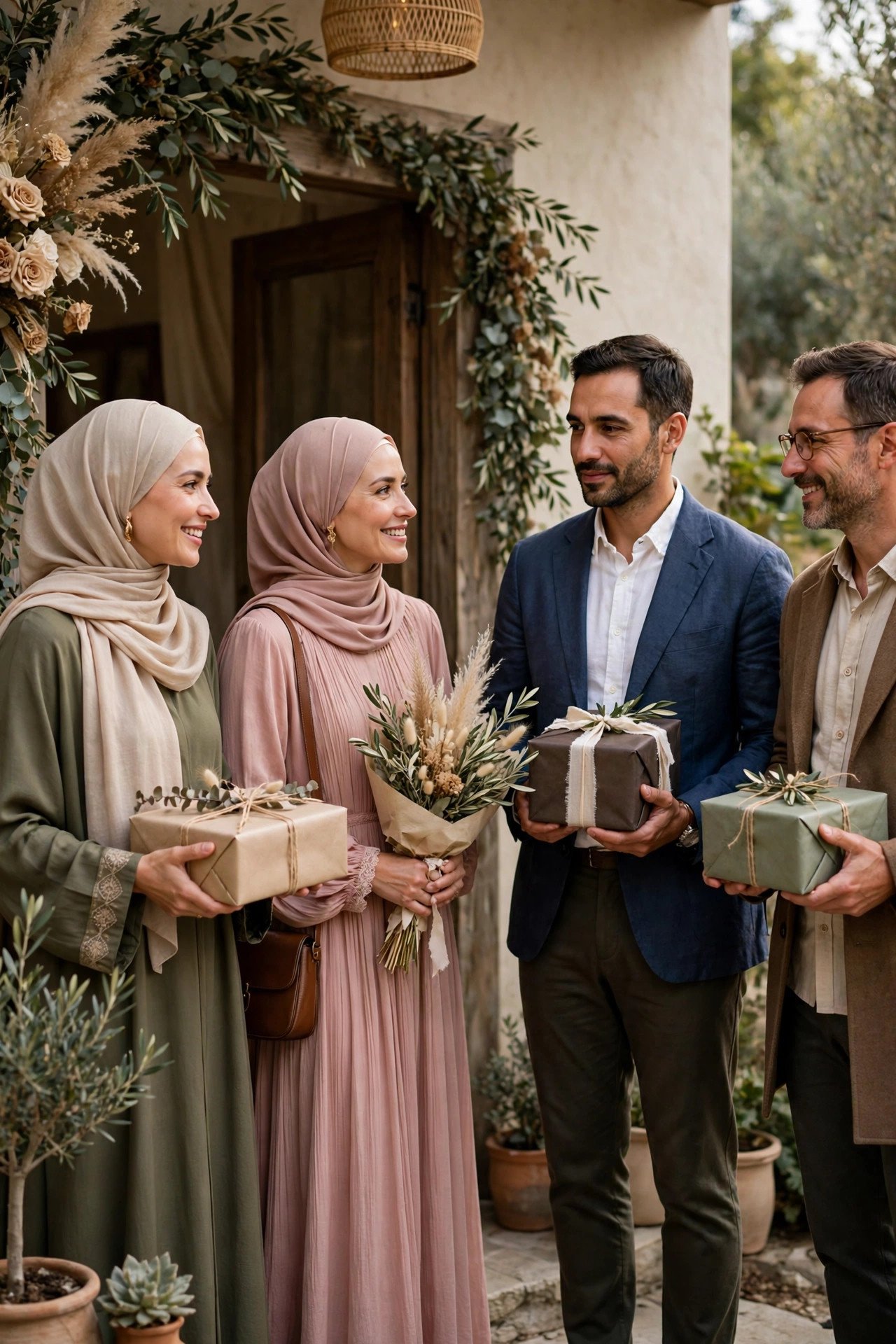
What Guests Wear and Bring
 📌 Save
Guests wear modest formal clothing — covered shoulders, longer hemlines — and bring a card (money gifts are customary in many cultures) for the reception rather than the contract moment itself. Shoes that slip off help in mosque and home venues.
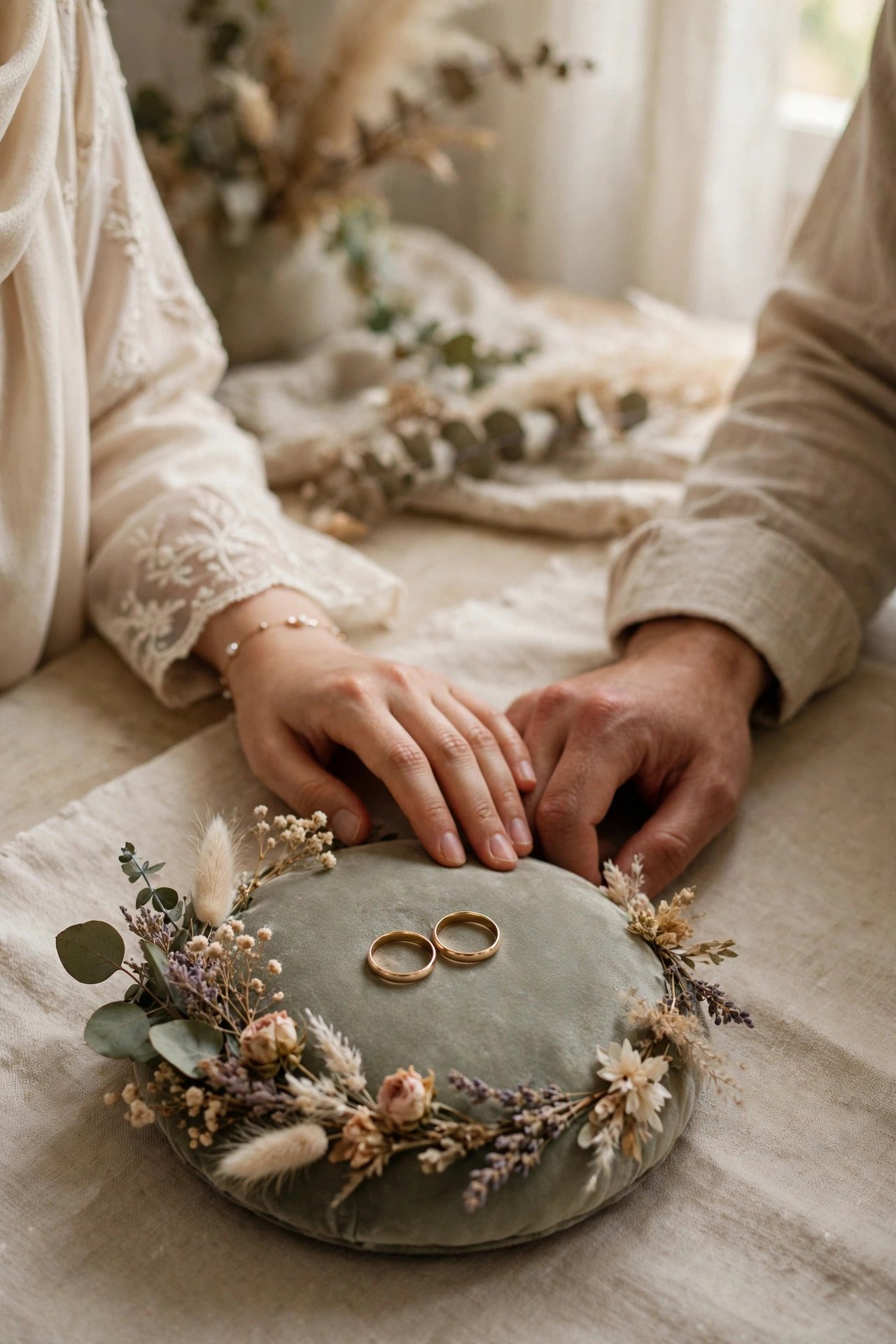
Rings: Optional, Not Required
 📌 Save
Ring exchange is not part of the nikah contract — many couples exchange rings anyway as a cultural or personal addition, sometimes at the reception rather than during the religious ceremony. Its absence from a nikah is not a missing piece; the contract is complete without it.
The Walima That Follows
 📌 Save
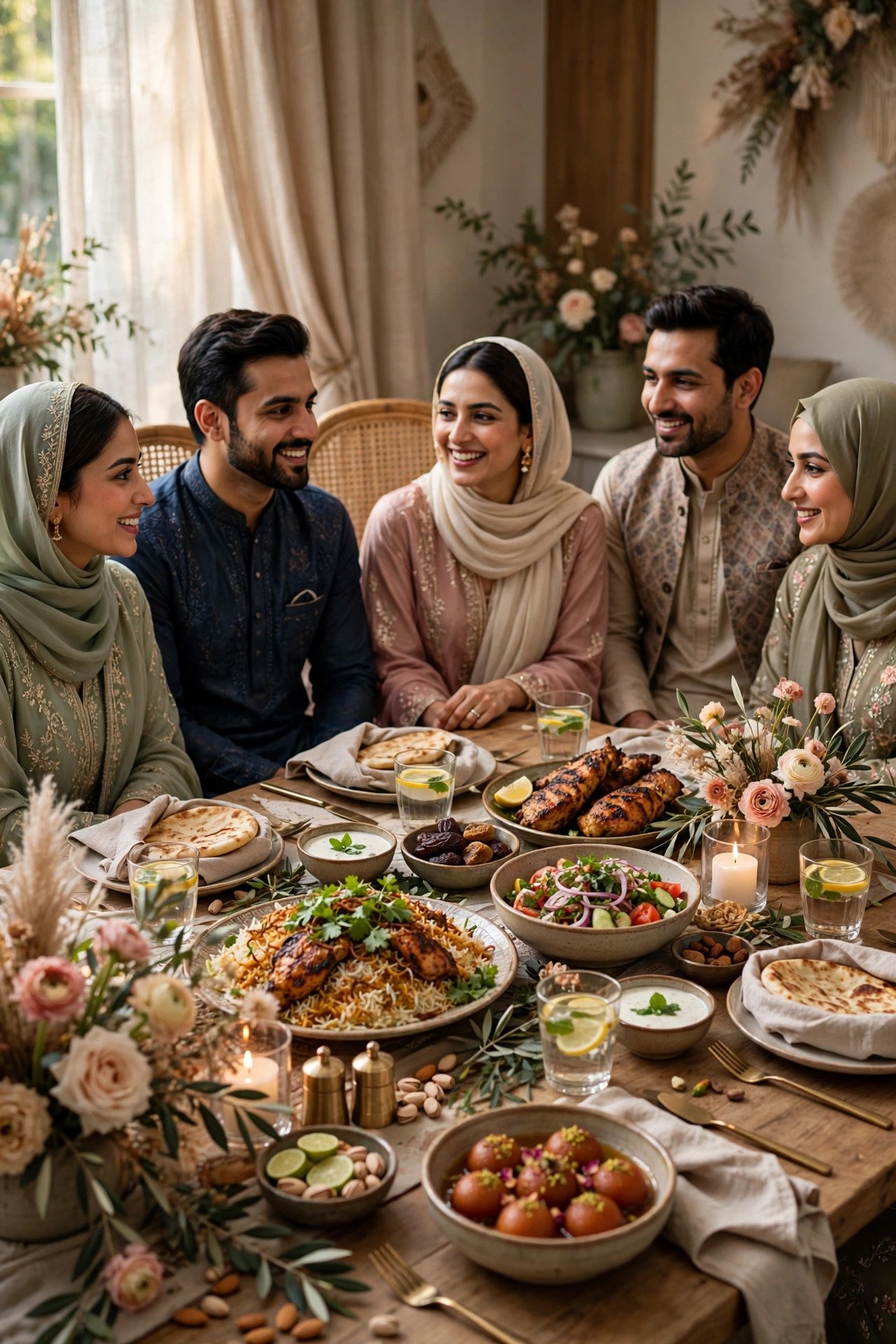
After the nikah — the same day or days later — the walima feast celebrates the marriage publicly, traditionally hosted by the groom’s family. This is where most guests eat, photograph the couple on stage, and offer congratulations and gifts. Think of the pairing as ceremony and reception, Islamic style.
The Decorated Nikah Pen
 📌 Save
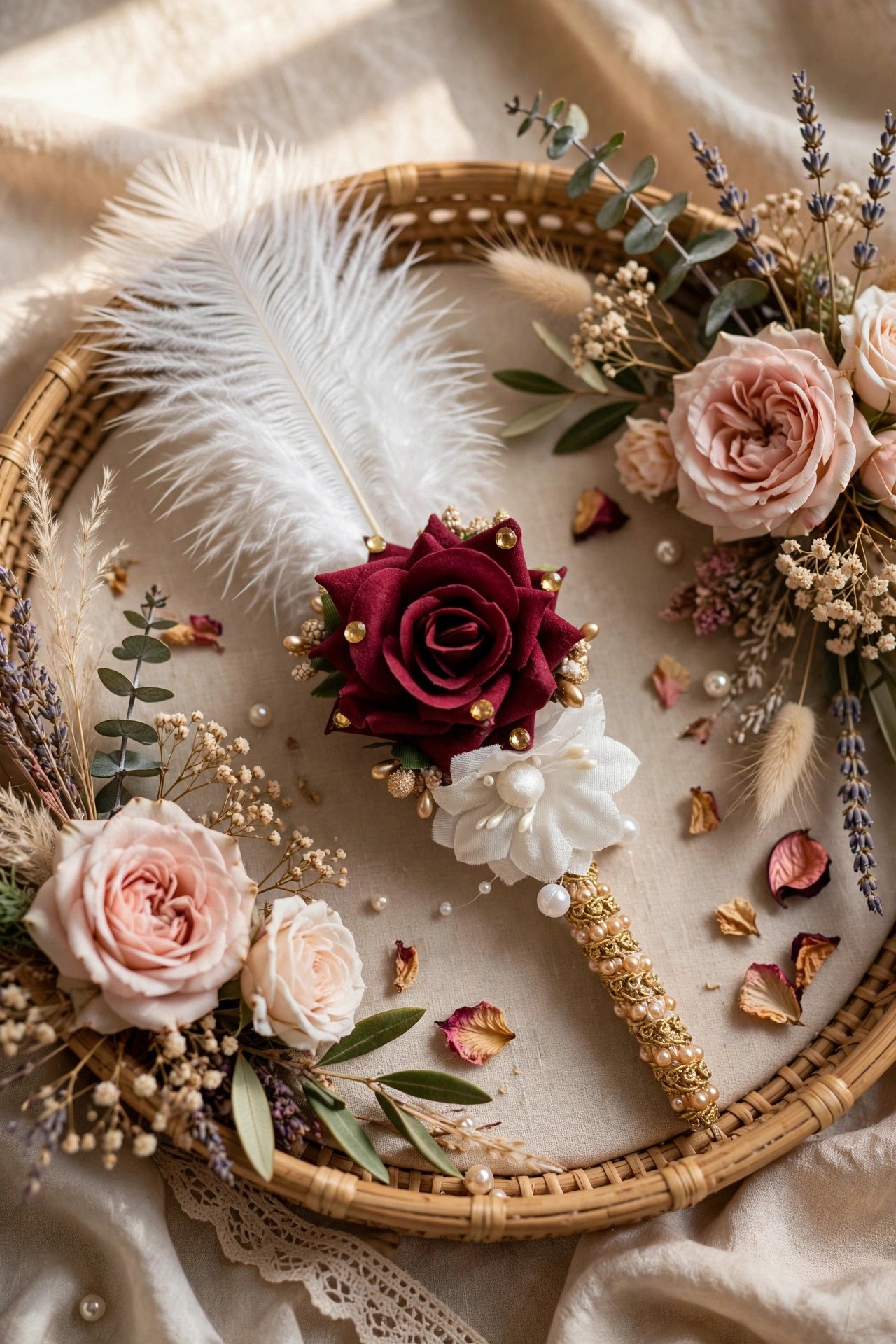
A modern keepsake trend: the couple signs with a decorated pen — feathered, floral or calligraphed — sold in matching sets with a framed certificate. It has no religious meaning; it is photography and memory, and families have embraced it wholeheartedly across South Asian and Arab weddings.
Framed Certificates as Keepsakes
 📌 Save
Alongside the legal contract, many couples commission a decorative certificate — names in calligraphy, the date, a border of florals — to frame at home. It renders the day’s most important document into art, and print studios across the diaspora now specialize in it.
Translation for Guests
 📌 Save
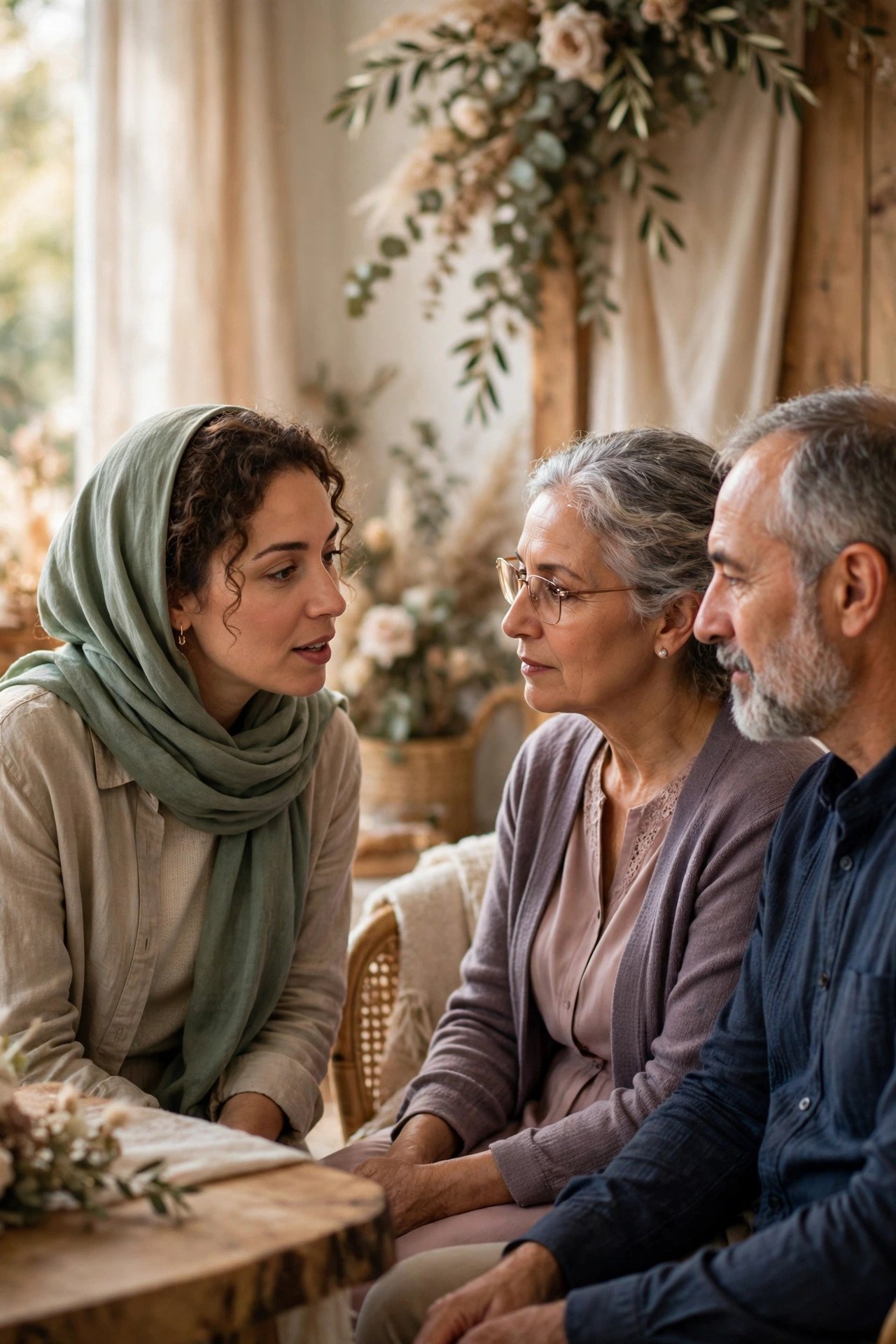
Thoughtful officiants weave English explanation through the Arabic — a sentence of context before each step transforms a mixed audience’s experience. Couples may also print a one-page order of service translating ijab, qabul, mahr and dua into plain words.
A One-Page Program for the Nikah
 📌 Save
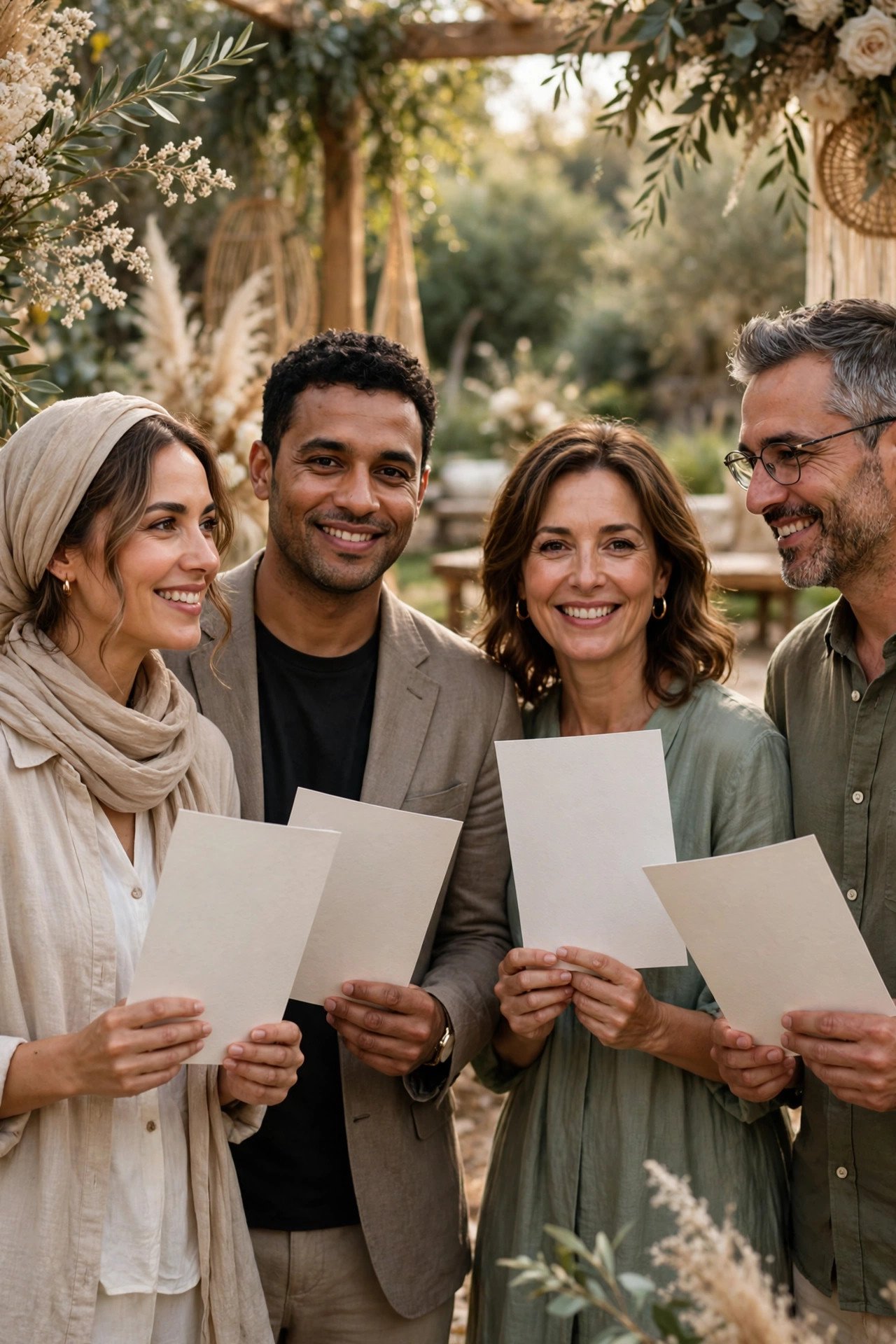
A simple program lists: welcome, khutbah, the offer and acceptance, the mahr, signing, dua, and what happens next (photographs, then the feast). Guests who can follow along relax, applaud at the right moments, and remember the ceremony instead of enduring it politely.
Same-Day Nikah and Reception Timeline
 📌 Save
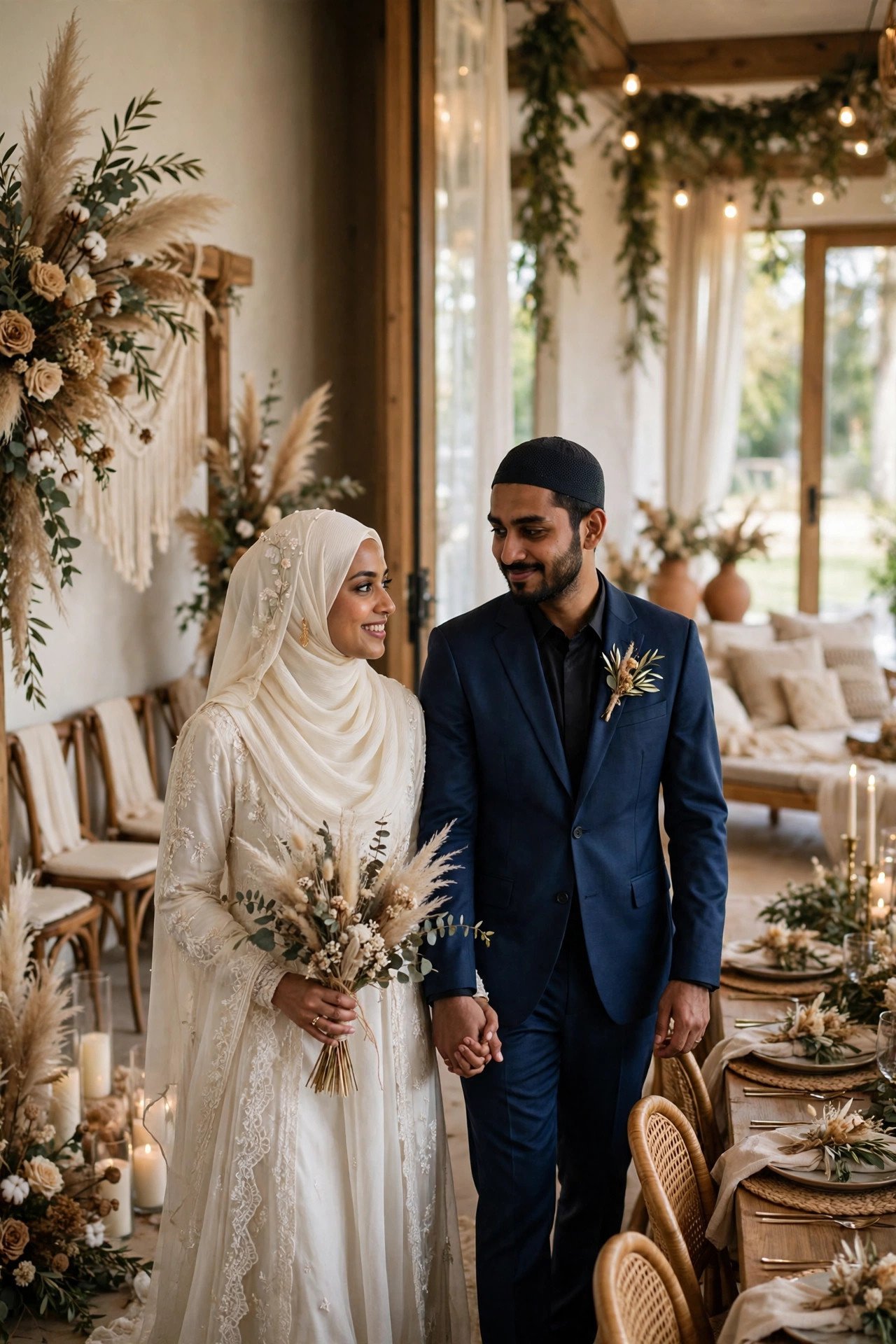
A workable same-day flow: guests arrive, nikah (45 minutes), a break for photographs and outfit changes, then the reception or walima with dinner and speeches. Build the break honestly — henna, jewelry and stage photographs take longer than anyone predicts.
After the Nikah: Congratulations and Sweets
 📌 Save
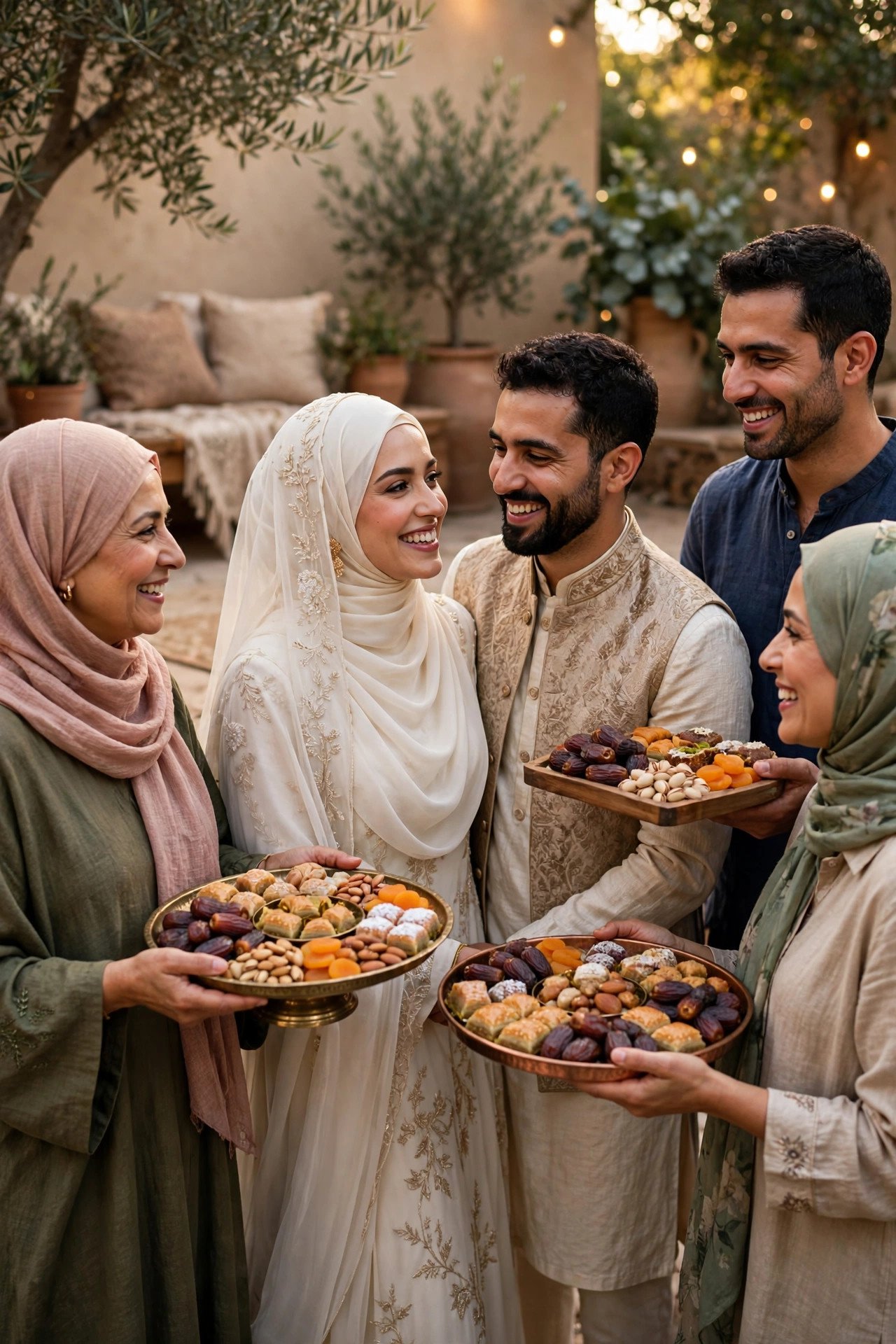
Immediately after the dua, the room changes key: congratulations, embraces, and in many families the distribution of dates or sweets to mark the joy. The couple takes their first photographs as newlyweds, and the celebration — photographs, the walima, the party — begins from this moment outward.
Nikah Ceremony Explained FAQs
Is a nikah legally binding in the USA, UK or Canada?+
Only if the civil requirements are also completed — a licensed officiant and registered paperwork under local law. Most couples complete both the nikah and a civil registration, sometimes on the same day.
How long does a nikah ceremony last?+
Usually 30 to 60 minutes, including the opening khutbah, the spoken offer and acceptance, signing the contract and closing prayers. It often starts promptly at the time on the invitation.
What does ijab and qabul mean?+
Ijab is the offer of marriage and qabul is its acceptance, spoken aloud in the same gathering before witnesses. Together they form the spoken heart of the nikah contract.
Why might the bride be in another room?+
In some families the bride is represented by her wali during the spoken exchange and joins the groom afterwards. It is an established format in several traditions — the marriage is equally complete.
What gift should I bring to a nikah?+
Bring a card — money gifts are customary in many cultures — to the walima or reception that follows. Note your name clearly inside the card so the family can thank you accurately.
Key Takeaways
- The nikah is the marriage: a witnessed contract built on spoken offer, acceptance and the mahr.
- It lasts 30–60 minutes, usually starts on time, and closes with collective prayers (dua).
- Civil marriage is a separate legal step in the USA, UK and Canada — couples usually complete both.
- Formats vary (couple together or bride represented by her wali); every version is complete.
- A translated one-page program is the kindest gift a couple can give mixed guests.
Final Thoughts
Short, spoken and witnessed, the nikah distills marriage to its essentials: consent, commitment, community. Once you know its steps, you will never sit through one as a puzzled spectator again — you will hear the acceptance land, join the ameen, and understand exactly why the room erupts in joy a moment later.