How to Finalize Your Wedding Guest Count (2027)
By zainzari • Published October 23, 2026 • Updated October 23, 2026
 📌 Save
Finalize your guest count in stages: invite by tiers, set one firm plus-one and kids policy, expect roughly 10 to 20 percent of invitees to decline (more for destination weddings), track every reply the day it arrives, and lock the number at your caterer’s deadline — usually 7 to 14 days out. Then give that exact figure, in writing, to every vendor who plates, seats or pours for a guest.
The guest count is the most consequential number in wedding planning: it sets the catering bill, the room layout, the stationery order and half the stress. Couples who suffer over it usually suffer at the end, in a rush — because the count was never run as a process from the start.
These 25 steps run the process in order, from the venue’s capacity on day one to the moment you let the final number go and simply enjoy your day.
At a Glance: The Step, the Number It Controls & When to Lock It
| # | Count Step | Controls | Lock It |
|---|---|---|---|
| 1 | Start With Venue Capacity, Not Your Wishlist | Maximum seats | Before the list exists |
| 2 | Know Your Three Numbers: Invited, Expected, Final | All planning math | Whole process |
| 3 | Draft the First List in Tiers | Who gets invited | First draft |
| 4 | Count Households, Not Names | Stationery + postage | First draft |
| 5 | Set the Plus-One Policy Once, in Writing | List growth | Before invitations |
| 6 | Decide the Kids Policy and Say It Clearly | Count + catering | Before invitations |
| 7 | Give Parents a Set Number of Seats | Family peace | First month |
| 8 | Use the Expected Decline Rate — Honestly | Budgets + orders | From first draft |
| 9 | Set an RSVP Deadline That Protects the Count | Final count timing | When invitations mail |
| 10 | Send in Waves If You Are Using a B-List | Capacity fill | Invitation season |
| 11 | Track Every Reply the Day It Arrives | The final number | Invitation season |
| 12 | Chase Stragglers With One Friendly Script | Stragglers resolved | Deadline + 3 days |
| 13 | Count Vendor Meals Separately — But Count Them | Catering total | Final month |
| 14 | Add Yourselves and the Wedding Party Correctly | True total | Final count |
| 15 | Confirm How Your Venue Counts | Contract compliance | Final month |
| 16 | Watch for Plus-Ones You Did Not Invite | List integrity | As replies arrive |
| 17 | Reconcile Names With the Caterer One by One | Accuracy | Before caterer deadline |
| 18 | Lock the Count at the Caterer’s Deadline | Catering bill | 7–14 days out |
| 19 | Order Favors and Programs With a Small Buffer | Per-guest items | After the lock |
| 20 | Print Escort Cards After the Lock — With a Few Blanks | Table accuracy | Final week |
| 21 | Plan One Flexible Table for the Maybes | Seating resilience | Seating plan stage |
| 22 | Handle Late Yeses and Late Noes Gracefully | Calm changes | Final two weeks |
| 23 | Recheck the Count 72 Hours Out | Verified total | 72 hours out |
| 24 | Give the Final Number to Every Vendor in Writing | Everyone aligned | After the lock |
| 25 | Let It Go: The Count Is Final, Enjoy the Day | Peace of mind | The wedding day |
Keep three numbers visible all the way through: invited, expected, and final. Confusing them is where almost every counting error is born.
Start With Venue Capacity, Not Your Wishlist
 📌 Save
Before a single name is written, get your venue’s true seated capacity — with a dance floor and your table style, not the standing number on the brochure. That figure is the ceiling every later decision obeys. Couples who draft the dream list first and meet capacity later face the worst conversation in planning: uninviting people in their heads for a month.
Know Your Three Numbers: Invited, Expected, Final
 📌 Save
Invited is everyone who receives an invitation. Expected is your honest prediction after declines. Final is the confirmed headcount you hand the caterer. Planning goes wrong when these blur — ordering stationery for the final number, or budgeting catering for the invited one. Write all three at the top of your guest spreadsheet and update them monthly.
Draft the First List in Tiers
 📌 Save
Build the first draft in three tiers: must-invite (immediate family, closest friends), should-invite (extended family, good friends, key colleagues), and would-love-to (everyone else, space permitting). If cuts become necessary, they happen at tier boundaries — a system you designed calmly, applied without re-arguing every single name at midnight.
Count Households, Not Names
 📌 Save
Stationery is ordered per household, addresses are per household, and your invitation maths only works in households. A list of 180 names might be 95 households — or 130. Convert early and every downstream order, from invitations to postage to welcome bags, becomes accurate instead of approximate.
Set the Plus-One Policy Once, in Writing
 📌 Save
Decide the plus-one policy before invitations: commonly, partners of married, engaged and cohabiting guests are invited by name; single guests may or may not receive a plus-one depending on space and budget. Whatever the rule, write it down and apply it uniformly — exceptions granted case by case are how lists quietly grow by thirty.
Decide the Kids Policy and Say It Clearly
 📌 Save
Children can add 10 to 25 percent to a count, so decide early: all kids, family kids only, babes-in-arms only, or adults-only. Then communicate it through envelope names and one graceful line on your website. Ambiguity creates the only real awkwardness — parents guessing wrong. A clear, warm policy is respected almost universally; a vague one is tested.
Give Parents a Set Number of Seats
 📌 Save
If parents are contributing guests — or money — agree their allocation as a number, early and kindly: ‘Each side has 20 seats beyond the family list; fill them as you wish.’ Numbers depersonalise the whole topic. The alternative, reviewing each other’s parent-guest suggestions name by name, corrodes exactly the relationships the wedding celebrates.
Use the Expected Decline Rate — Honestly
 📌 Save
As a planning guide, typically 10 to 20 percent of invited guests decline a local wedding; destination and holiday-weekend weddings decline more, sometimes 25 to 40 percent. Use the honest figure for your expected number — not the hopeful one. Couples who assume ‘everyone will come’ over-order everything and under-book nothing except their own calm.
Set an RSVP Deadline That Protects the Count
 📌 Save
Set the RSVP deadline about three weeks before the wedding — early enough to chase stragglers, build the seating plan and meet the caterer’s final-number date without sprinting. Print it clearly on the reply card and repeat it on the website. A deadline guests respect is one that was chosen for logistics and then calmly enforced.
Send in Waves If You Are Using a B-List
 📌 Save
A B-list is not rude; it is logistics — but only when run invisibly. Send the first wave early enough that second-wave invitations still arrive a respectable six weeks out, and never let different reply deadlines print on different cards. Handled smoothly, your venue fills to capacity and every guest simply feels invited — because they were.
Track Every Reply the Day It Arrives
 📌 Save
The discipline that makes finalising painless: every reply, paper or digital, is logged the day it lands — attendance, meal, plus-one name, notes. Five minutes daily beats a forensic weekend reconstructing a shoebox of cards. By deadline day you are polishing a count, not building one under duress.
Chase Stragglers With One Friendly Script
 📌 Save
After the deadline, send one short, warm message: ‘We are finalising numbers for the caterer this week — will you be able to join us? No worries either way, we just need to give our count by Friday.’ Friendly, specific, with a date attached. Most late replies are pure life-admin, not reluctance, and this message resolves them within days.
Count Vendor Meals Separately — But Count Them
 📌 Save
Photographers, band members, your coordinator and videographer typically receive a meal — often written into their contracts — and the caterer needs that number too, separately from guests. Forgetting it produces either hungry vendors or an invoice surprise. Ask each vendor how many crew members to feed and confirm dietary needs in the same email.
Add Yourselves and the Wedding Party Correctly
 📌 Save
The classic undercount: the couple forgets themselves, the wedding party gets counted in the guest list and then again in the party total, or party partners vanish between lists. Build the final number from named rows, not memory: every human who will sit and eat appears exactly once, including the two people the day is about.
Confirm How Your Venue Counts
 📌 Save
Venues count differently: some capacity figures include the couple and party, some exclude children under a certain age, and fire regulations count bodies regardless of what catering counts. Ask your venue exactly how they count and which number governs your contract — then make sure your final figure speaks their language.
Watch for Plus-Ones You Did Not Invite
 📌 Save
Some reply cards come back with bonus humans. Handle each within days, warmly and by phone: blame capacity, offer genuine regret, hold the line. Most guests are mortified rather than offended once they understand. What you cannot do is let them accumulate — three quiet exceptions become twelve seats and a seating plan that no longer works.
Reconcile Names With the Caterer One by One
 📌 Save
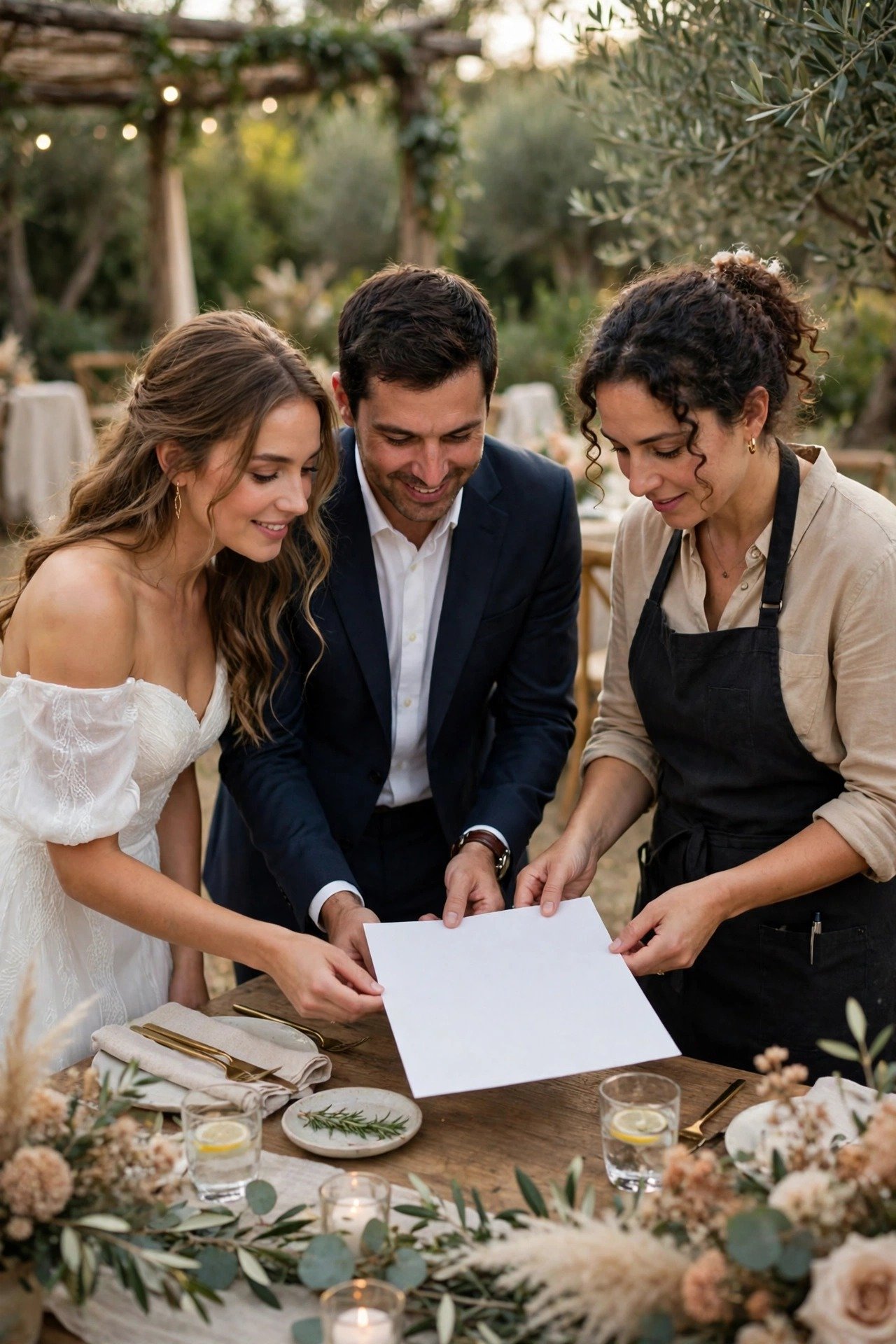
Before the deadline, sit with the actual list — not the total — and reconcile it: every confirmed guest named, meal noted, duplicates hunted. Two guests sharing a name, a plus-one logged twice, a family counted under two spellings: these ghosts live in every spreadsheet and only a name-by-name pass finds them.
Lock the Count at the Caterer’s Deadline
 📌 Save
Caterers typically need the final number 7 to 14 days out, and most contracts charge for that number whether or not every guest appears. Treat the lock as real: after it, changes become negotiation, not admin. Give the number in writing, keep the email, and start telling late changers ‘the count is in’ — which has the virtue of being true.
Order Favors and Programs With a Small Buffer
 📌 Save
With the count locked, order the per-guest items — favours, programs, place cards — at the final number plus a small buffer of roughly 5 to 10 percent for breakage, printing errors and one or two genuinely unforeseeable additions. Buffer is not an invitation to keep inviting; it is insurance for objects, not people.
Print Escort Cards After the Lock — With a Few Blanks
 📌 Save
Print or write escort and place cards only after the lock, working directly from the reconciled list — names spelled as guests spell them. Set out a small stack of elegant blanks and a matching pen at the display: the coordinator can produce a perfect card in thirty seconds for any final surprise, and it will look intentional.
Plan One Flexible Table for the Maybes
 📌 Save
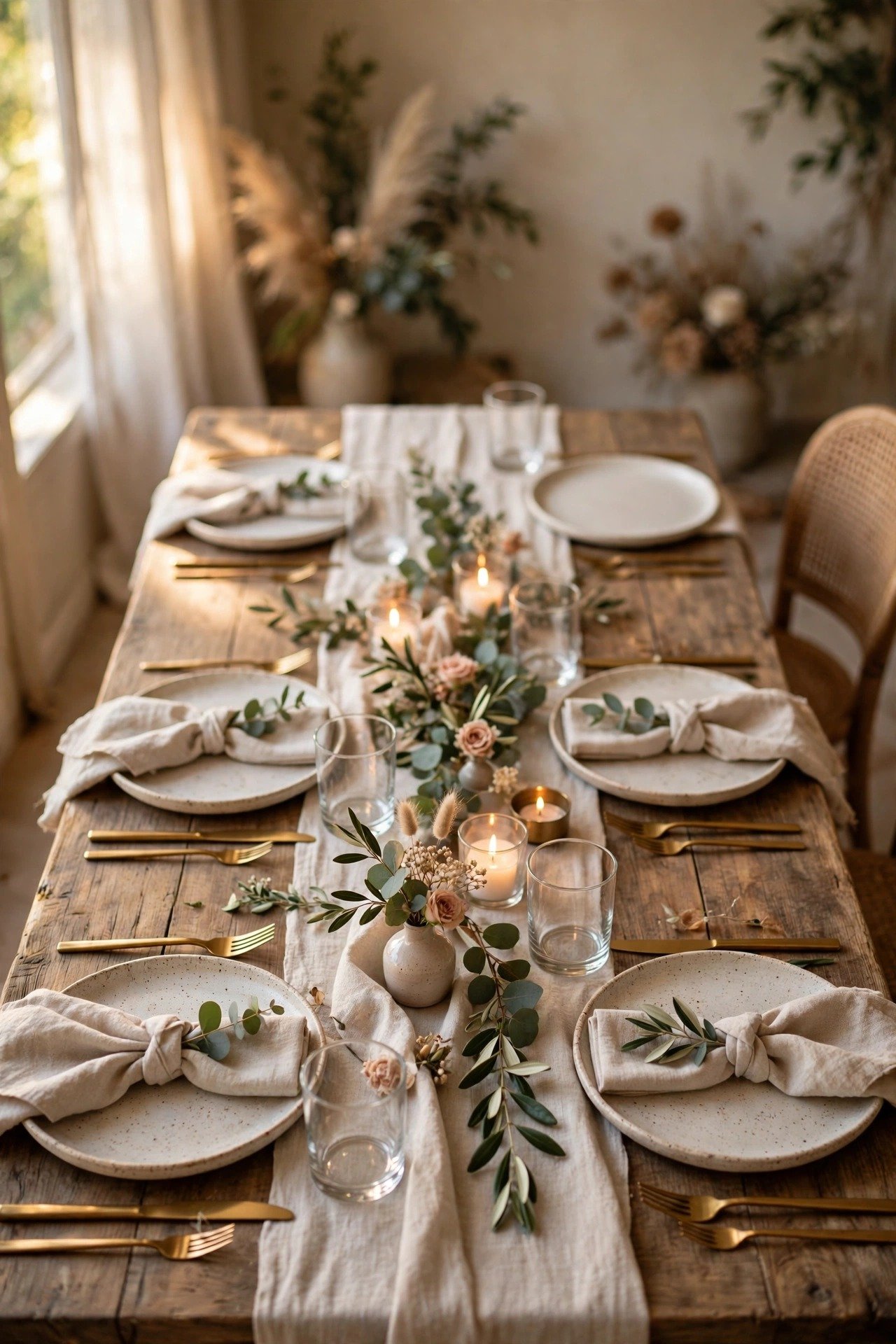
Design one table — usually near the edge of the room — that works beautifully at eight or ten settings. Late yeses land there; late no-shows simply slim it. This single piece of slack in the seating plan converts most final-week changes from a full re-plan into moving one name card, and nobody at that table ever knows they were the flexible ones.
Handle Late Yeses and Late Noes Gracefully
 📌 Save
A late yes within the caterer’s tolerance: welcome them warmly, add them to the flexible table, tell the caterer the new number. A late yes beyond it: be honest that numbers are locked, and mean it kindly. A late no: thank them, release the seat, and resist refilling it in a panic — one empty chair at a table of nine is invisible.
Recheck the Count 72 Hours Out
 📌 Save
Three days out, do the last verification pass: seating plan vs tracker vs caterer number, three documents, one figure. Confirm the flexible table’s spare settings, the vendor meal count, and the kids’ meals and highchairs. Anything mismatched gets fixed now, in an email, while everyone involved still has business hours to fix it in.
Give the Final Number to Every Vendor in Writing
 📌 Save
The final count goes, in writing, to everyone it touches: caterer, venue, baker (servings), stationer (already printed, but for the record), rental company (chairs and glassware), coordinator and beverage service for glassware and coffee quantities. One number, one email each, same day. This is the moment the count stops being yours and becomes the wedding’s.
Let It Go: The Count Is Final, Enjoy the Day
 📌 Save
On the day, someone will be ill, someone’s flight will cancel, and a table will hold eight happy people instead of nine. None of it matters. The count was a tool to feed and seat everyone you love — it was never the wedding itself. Close the spreadsheet, marry your person, and let the number become what it always wanted to be: invisible.
How to Finalize Your Wedding Guest Count FAQs
When is the final guest count due to the caterer?+
Typically 7 to 14 days before the wedding, though it varies by caterer and venue — your contract states the exact date. Most caterers charge for the locked number even if fewer guests attend, and many allow small increases a few days out. Know your deadline and tolerance band from the contract, not from memory.
What percentage of invited guests typically attend?+
For a local wedding, a common planning figure is that roughly 80 to 90 percent of invited guests attend. Destination weddings, holiday weekends and events requiring long travel typically see lower attendance — sometimes 60 to 75 percent. Your own list’s geography and season matter more than any average, so sanity-check the estimate against your actual invitees.
Do children and vendors count toward the final guest number?+
For catering, yes to both — but on separate lines. Children count toward venue capacity and usually appear as kids’ meals at a different price; vendor meals for your photographer, band and coordinator are counted and charged separately again. Confirm how your venue counts children for capacity, as policies vary.
What if more guests RSVP yes than we expected?+
First, check capacity honestly — if you are within it, adjust orders upward and enjoy the compliment. If you are over, you have three levers: the flexible parts of your layout (table sizes and styles), a frank conversation with the venue about their true maximum, and — only as a last resort — honest conversations with the most recent additions. This is exactly why expected-number planning matters from the start.
Can the final count change after we give it to the caterer?+
Small increases, usually yes — most caterers build in a tolerance and will add a few covers a few days out at the agreed per-head price. Decreases after the lock generally do not reduce the bill. Beyond the tolerance, changes become a negotiation, so treat the lock as real and keep your flexible table for surprises.
Key Takeaways
- Run three numbers — invited, expected, final — and never let them blur into each other.
- Capacity, tiers, one plus-one rule and one kids policy, all decided early, do most of the work.
- Plan on typical declines of 10 to 20 percent locally; track every reply the day it arrives.
- Lock at the caterer’s deadline, reconcile the list name by name first, and confirm the number to every vendor in writing.
- One flexible table plus a 72-hour recheck absorbs nearly every late change calmly.
Final Thoughts
Finalizing a guest count feels emotional because it is really about people — but the process that protects it is pure admin: tiers, deadlines, a tracker and a lock. Run the process early and kindly, and by the wedding week the most argued-about number in planning becomes the one you never think about again. Which leaves you free to do what the count was always for: walk into a room full of your favourite people and enjoy them.