Nigerian Wedding Traditions (2027)
By zainzari • Published October 23, 2026 • Updated October 23, 2026
 📌 Save
Nigerian wedding traditions usually unfold across two celebrations: a traditional engagement ceremony rich with family rituals, and a church or registry ‘white wedding.’ Highlights include coordinated aso ebi family fabric, coral beads, the money dance, dramatic outfit changes and compères who guide the day with humor and prayer — with Yoruba, Igbo, Hausa and many other ethnic traditions each bringing their own customs.
Nigeria is home to more than 250 ethnic groups, and its weddings reflect that richness. A Yoruba traditional engagement in Lagos, an Igbo celebration in Enugu and a Hausa wedding in Kano will look, sound and taste different from one another — and a couple from two different groups may blend elements from both families across one unforgettable weekend.
This guide explains the most widely loved customs respectfully and honestly, noting where practice varies by family, faith and region. It is written for couples planning a Nigerian or Nigerian-fusion wedding in the USA, UK or Canada, and for guests who want to show up informed, well dressed and ready to celebrate properly.
At a Glance: Celebration Moments, Meanings and Guest Notes
| Moment | What It Means | Guest Notes |
|---|---|---|
| Introduction ceremony | The two families formally meet and agree to the union | Often a small family-only event |
| Traditional engagement | Gifts, prayers and playful negotiation join the families | The groom’s family presents gifts |
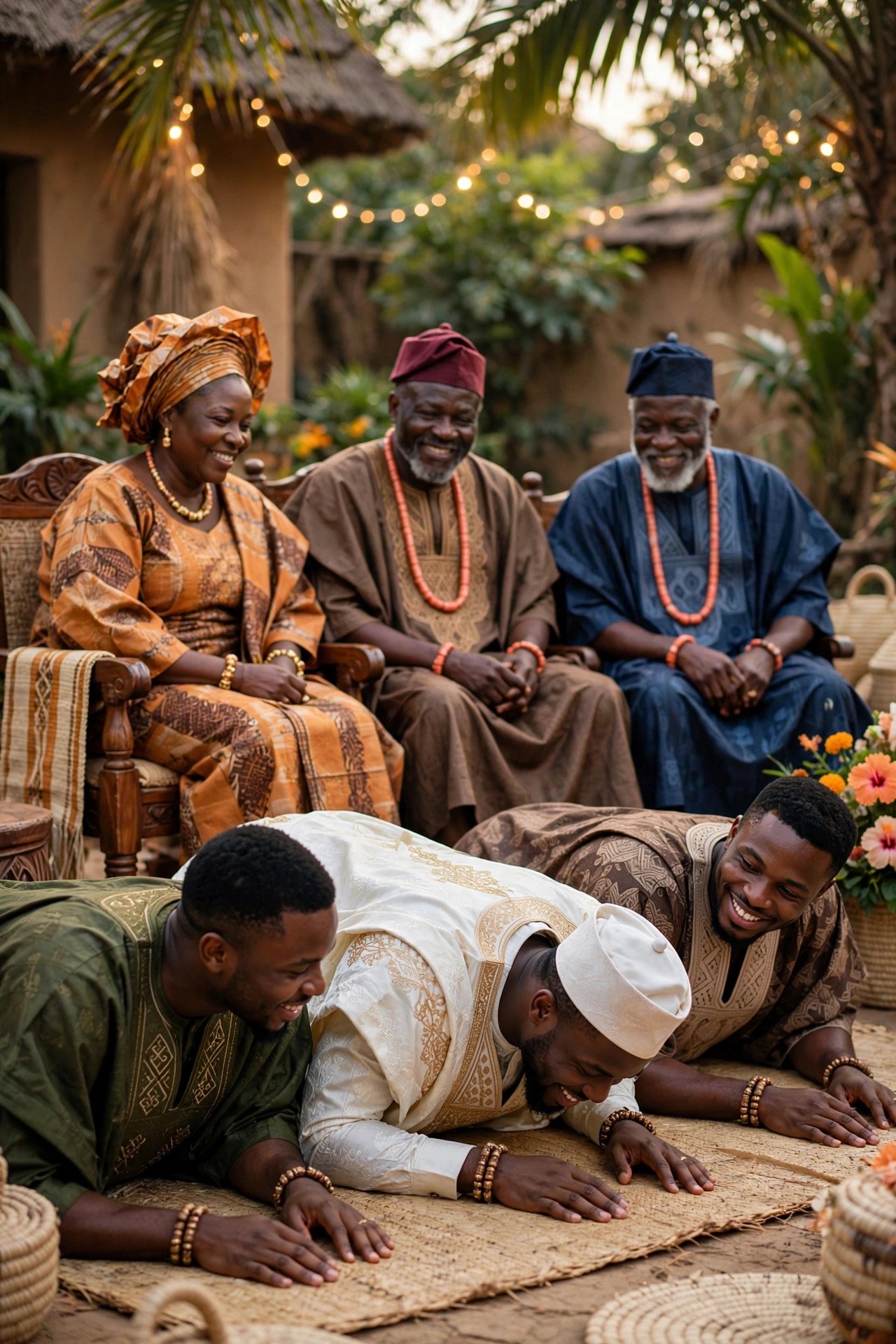
| Prostration (Yoruba) | The groom and his friends lie flat in respect to elders | Cheer warmly — it is joyful, not solemn |
| Igba Nkwu (Igbo) | The bride finds and presents herself to her groom | Watch for the bride’s dance entrance |
| Aso ebi | Family and friends wear matching fabric in solidarity | Buy your fabric early if offered |
| Money dance | Guests celebrate the couple with gifts of cash | Small bills; follow venue rules |
Note: order and details differ by ethnic group, faith and family. The couple’s program — and the compère’s announcements — are your best guide on the day.
Two Celebrations: Traditional Engagement and White Wedding
 📌 Save
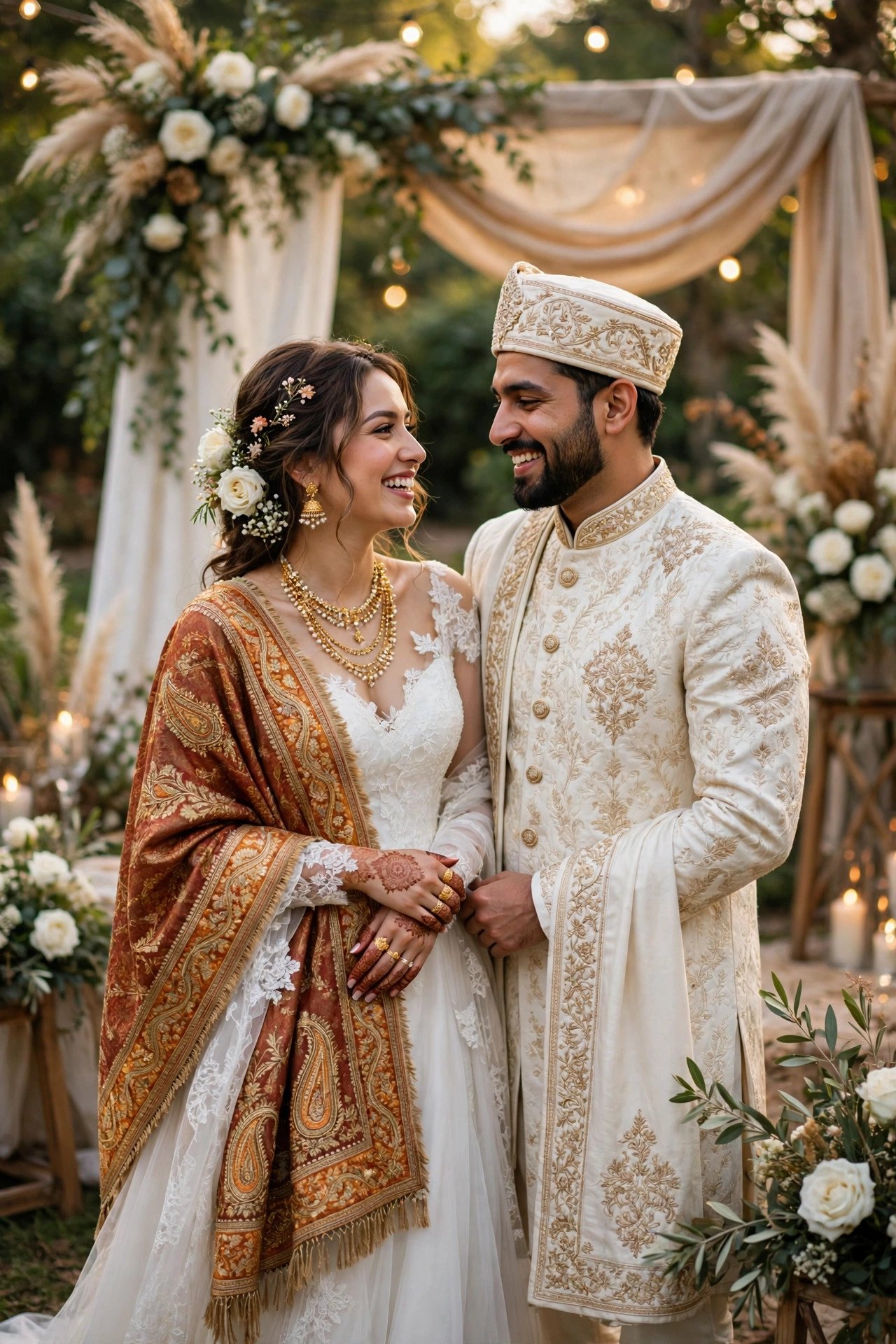
Many Nigerian couples celebrate twice: a traditional engagement ceremony in ethnic attire, and a white wedding with a church or registry service and reception. The traditional day centers family, elders and custom; the white wedding centers faith vows and a Western-style reception. In the diaspora, both are often combined into one long, glorious day with an outfit change between them.
The Introduction Ceremony: Families Meet First
 📌 Save
Before any engagement party, many families hold an introduction: the groom’s family visits the bride’s family home to state their intentions formally and meet the elders. Prayers are said, kola nuts or gifts may be shared depending on custom, and both sides size each other up with warmth and humor. It is the foundation stone of everything that follows.
Yoruba Prostration: Respect, Played with a Smile
 📌 Save
In a Yoruba traditional engagement, the groom arrives with his friends and prostrates — lying fully flat before the bride’s parents and elders — as a sign of respect and a playful plea for their daughter’s hand. The compère negotiates on his behalf, the elders tease and eventually relent, and the room erupts. It is reverent and full of laughter at the same time.
Alaga Iduro and Alaga Ijoko: The Talking Compères
 📌 Save
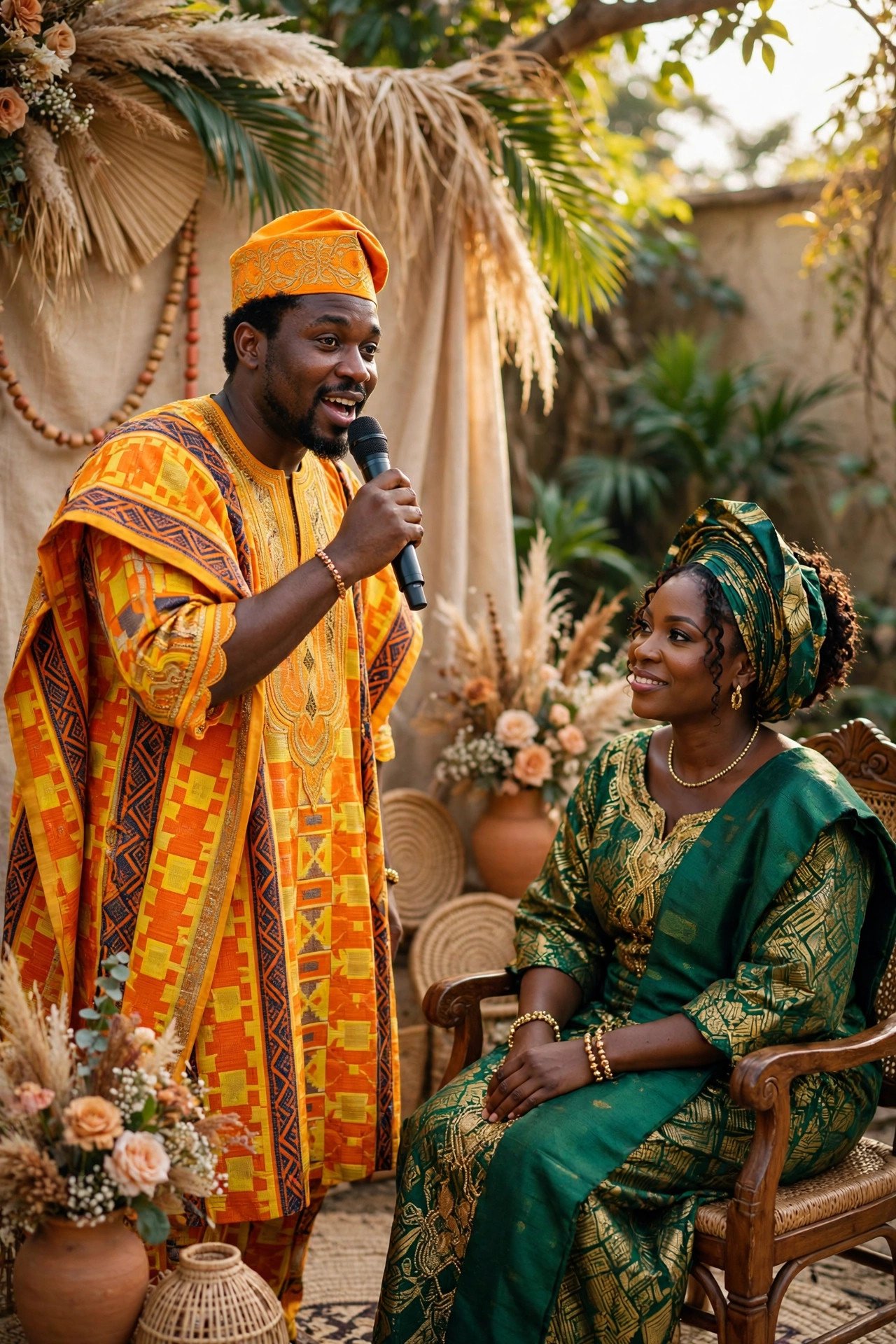
Yoruba engagements are steered by two professional compères: the alaga iduro speaks for the groom’s family and the alaga ijoko for the bride’s. They pray, sing, negotiate, tease and keep the ceremony moving, translating custom into entertainment so every guest understands what is happening. A great alaga is part officiant, part comedian and part family diplomat.
Reading the Proposal Letter
 📌 Save
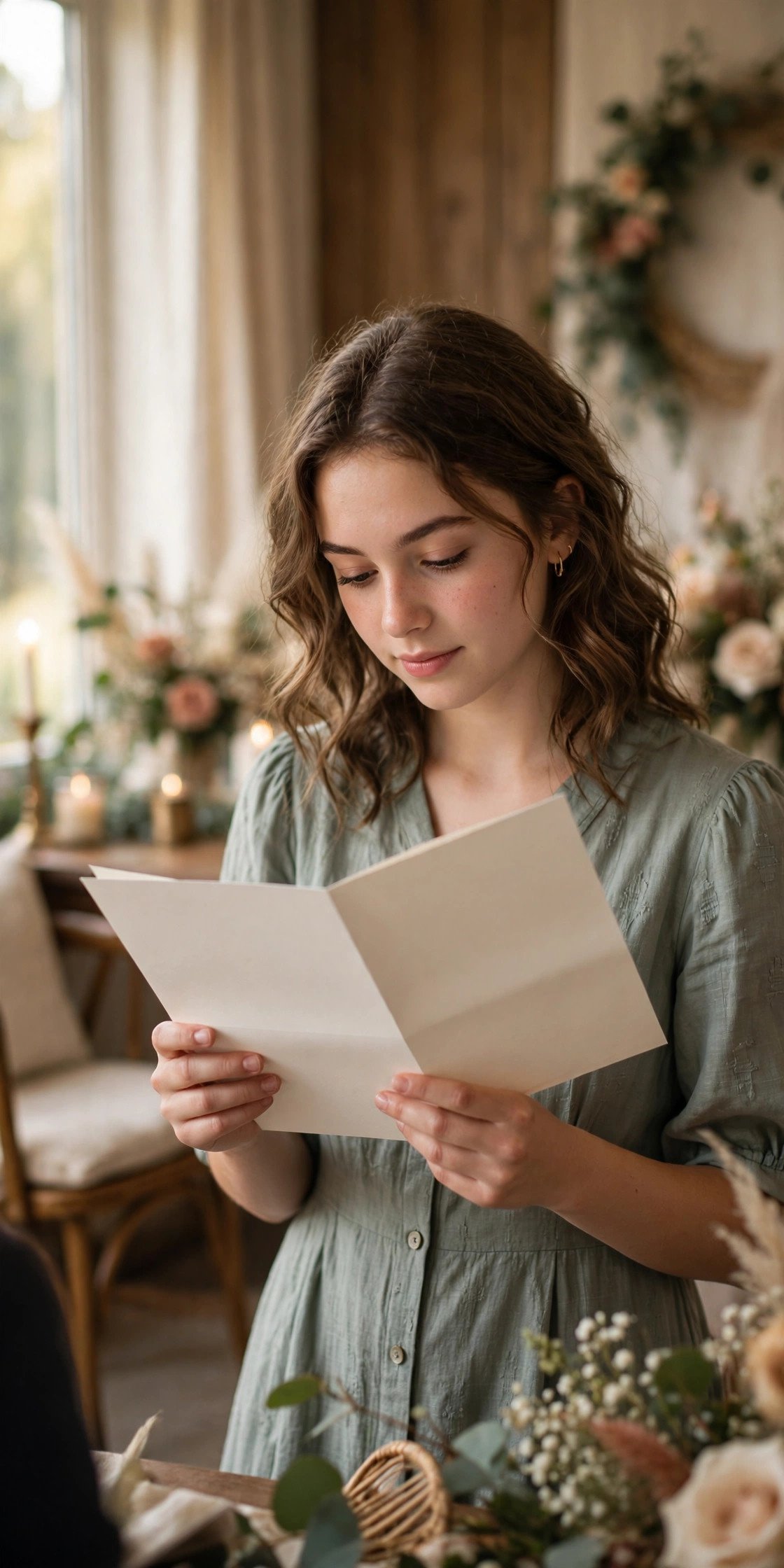
During a Yoruba engagement, a letter from the groom’s family formally requesting the bride’s hand is read aloud, often by a young representative of the family, to applause and commentary from the alaga. The bride’s family then responds, sometimes with playful conditions. The letter is kept as a family keepsake of the day the union became official.
Eru Iyawo: The Bride’s Gift List, Explained Honestly
 📌 Save
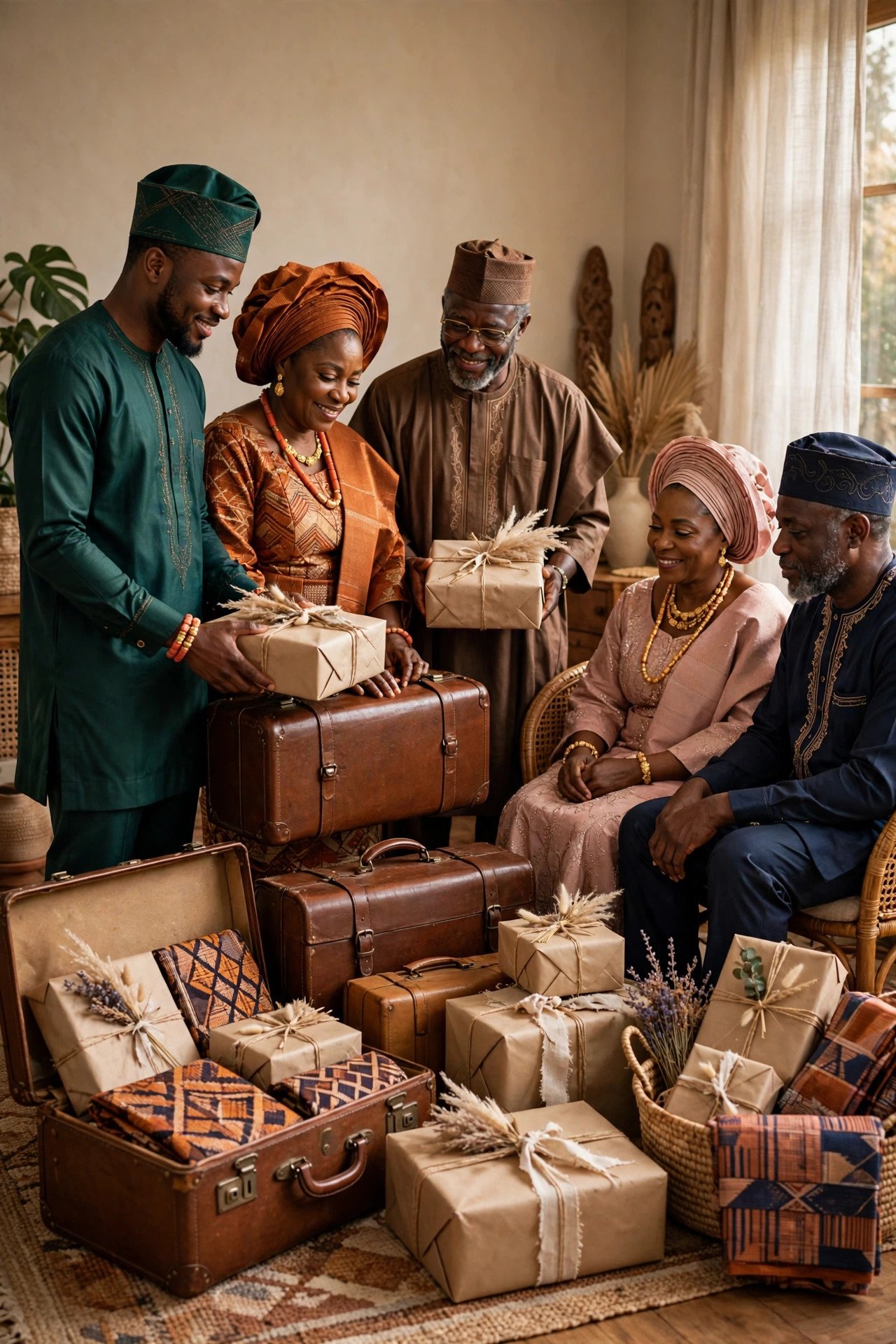
In Yoruba tradition, the groom’s family presents eru iyawo — a set of gifts for the bride that may include suitcases, fabrics, jewelry and symbolic items such as a Bible or Qur’an depending on faith, honey and other meaningful goods. Families approach the list differently today: some keep it fully traditional, others agree a token version. It is best understood as a respectful presentation, negotiated privately between families in advance.
Igba Nkwu: The Bride Finds Her Groom (Igbo)
 📌 Save
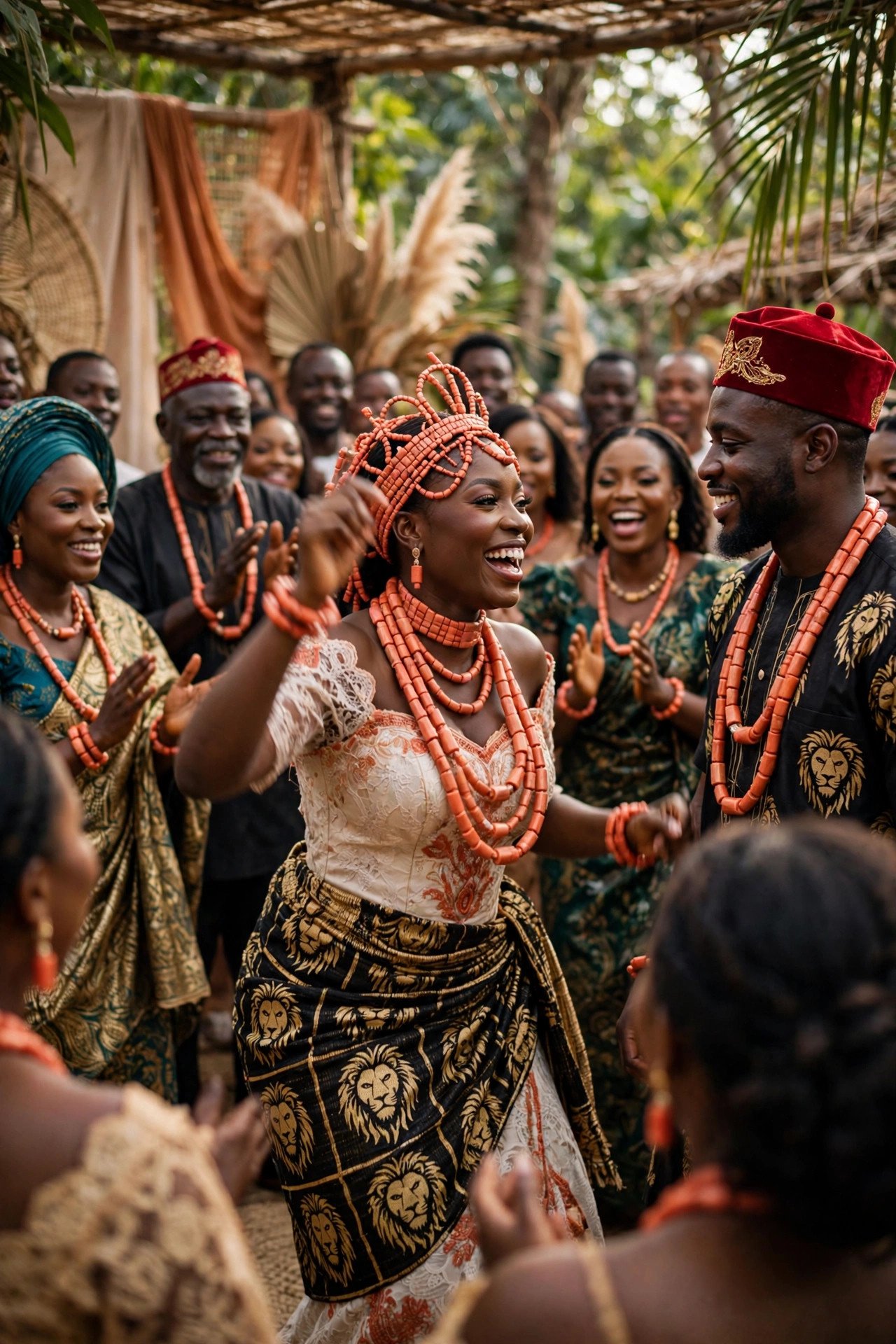
In the Igbo igba nkwu, the bride dances into the gathering carrying a cup — traditionally of palm wine, offered as a symbolic gesture — and searches the crowd for her groom, teasing other men before kneeling to present the cup to the man she chooses. His acceptance confirms the match to cheers from both families. Practice varies by family, and many couples today adapt the cup’s contents while keeping the joyful search intact.
Kamu and Henna: Hausa Wedding Celebrations
 📌 Save
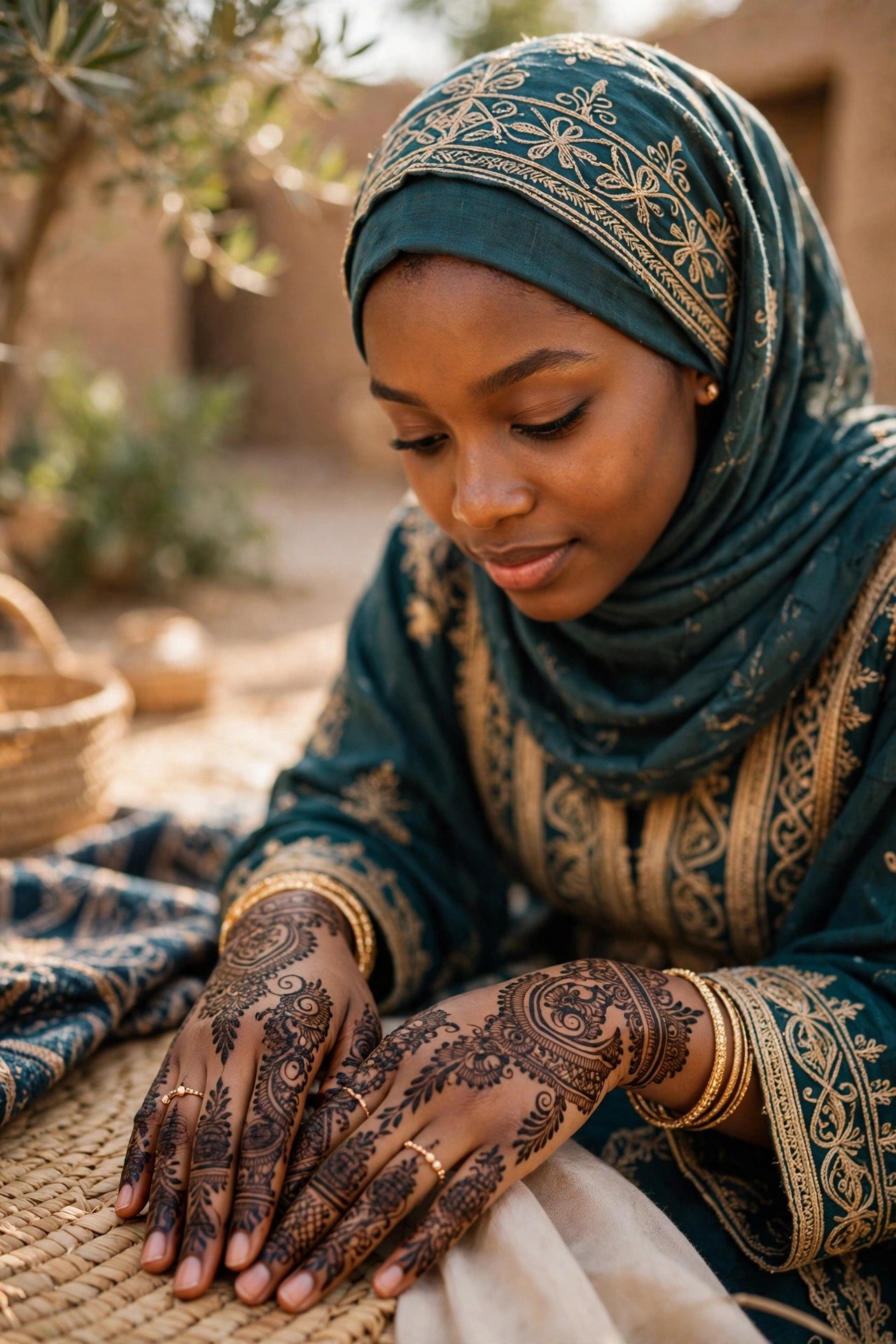
Hausa weddings in northern Nigeria often span several days, including kamu — literally ‘catch the bride’ — a playful event where the bride’s friends bargain before the groom’s side may see her, and henna (lalle) is applied to the bride’s hands and feet in intricate patterns. Events are shaped by Islamic tradition and family custom, with music, food and visiting woven through the days. Modesty in dress is expected at many Hausa celebrations.
Aso Ebi: One Fabric, One Family
 📌 Save
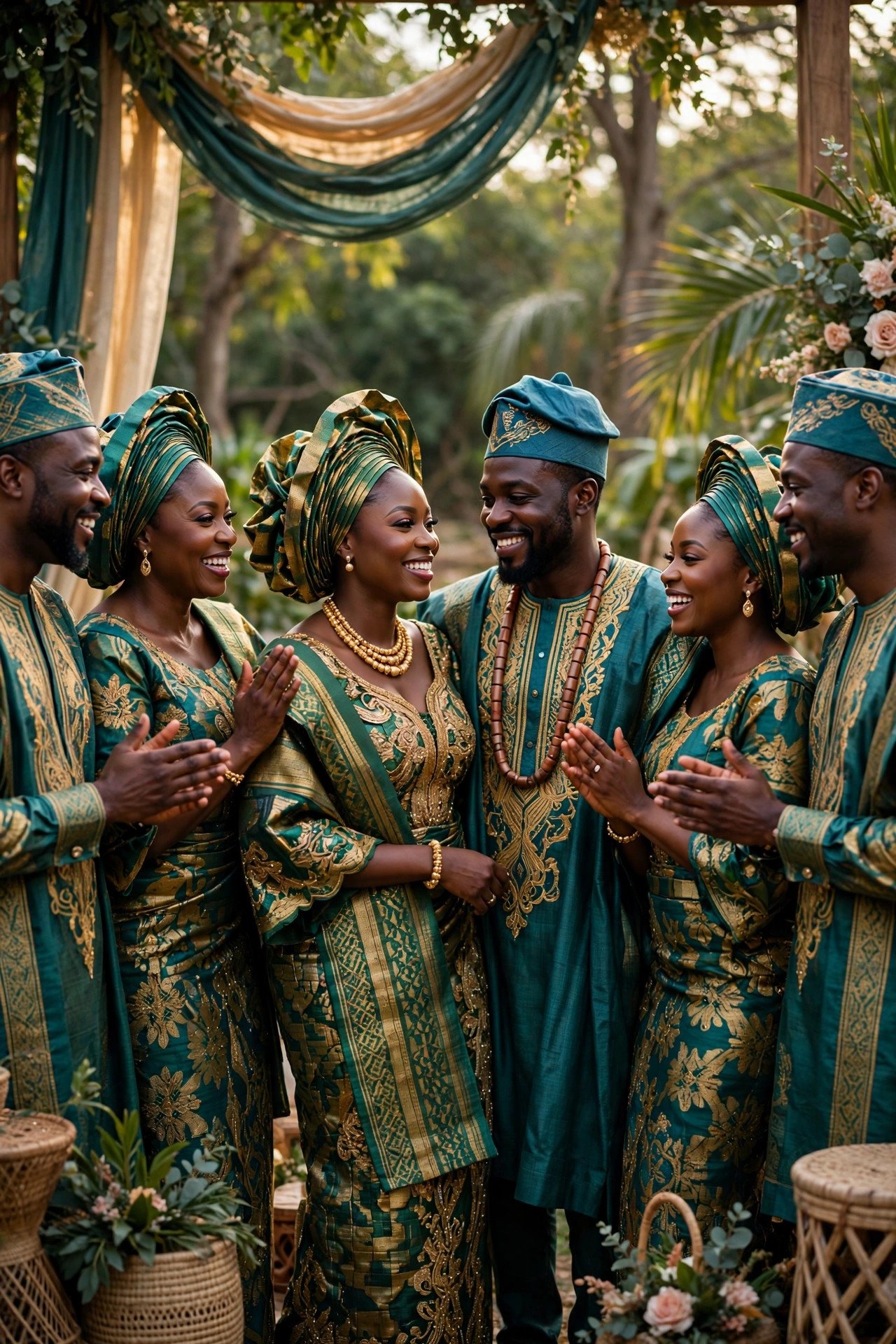
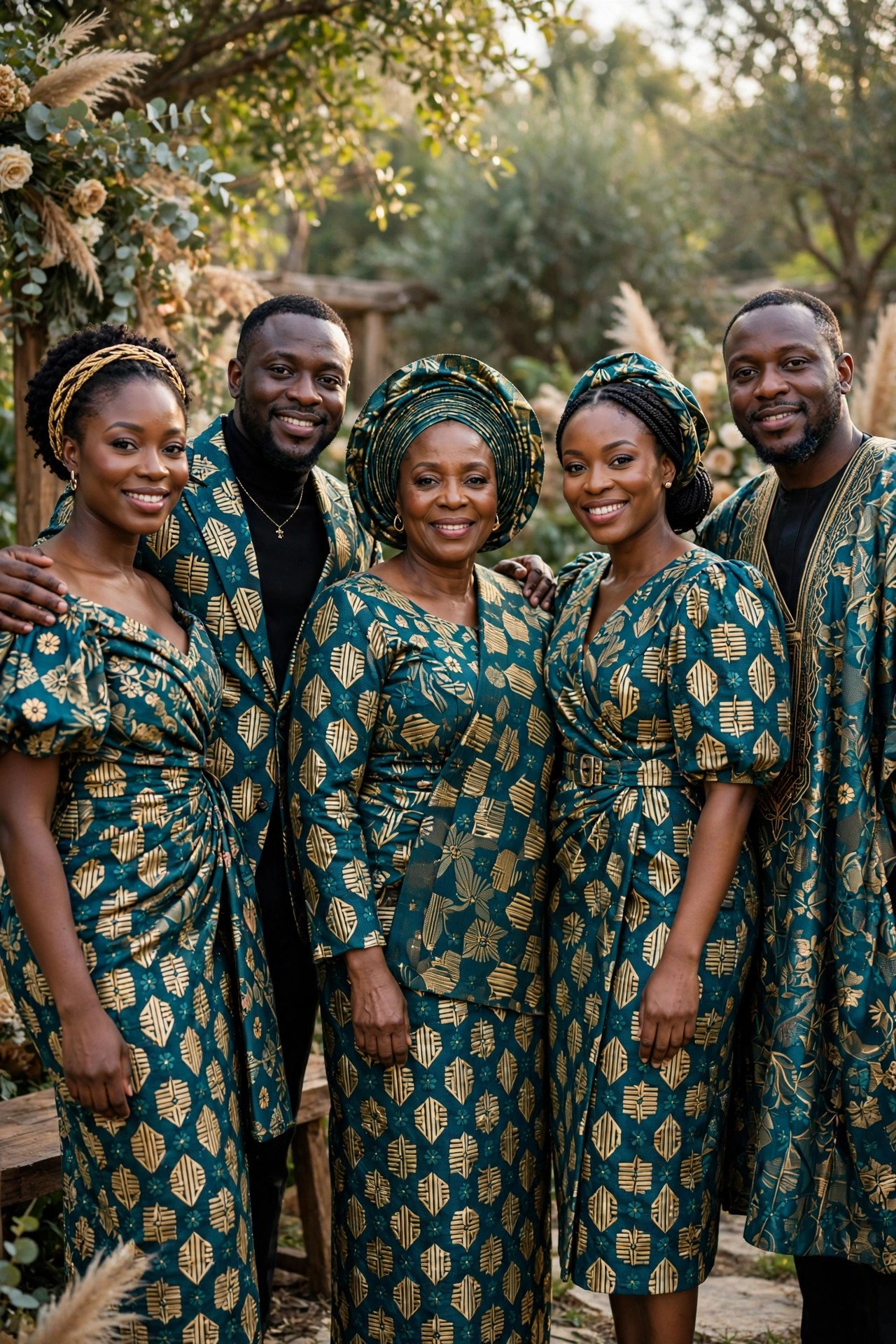
Aso ebi — ‘family cloth’ — is the practice of family and close friends wearing matching fabric, tailored into individual styles, to show solidarity with the couple. The couple or family chooses the fabric, guests buy their portion and take it to their own tailor, and on the day the room blooms with coordinated color. It is both a visual spectacle and a financial contribution that helps the couple celebrate.
Aso Oke and the Gele Headwrap
 📌 Save
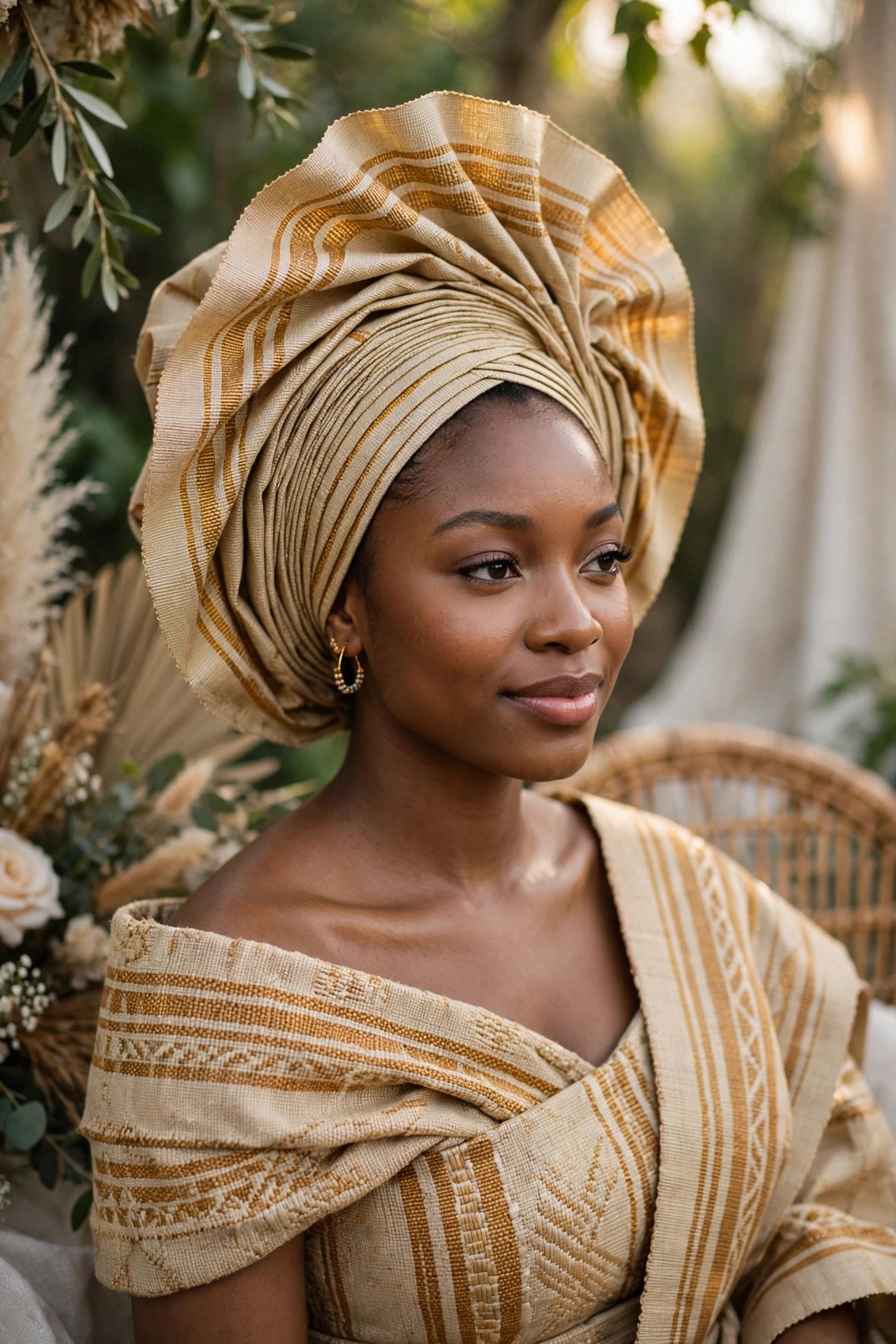
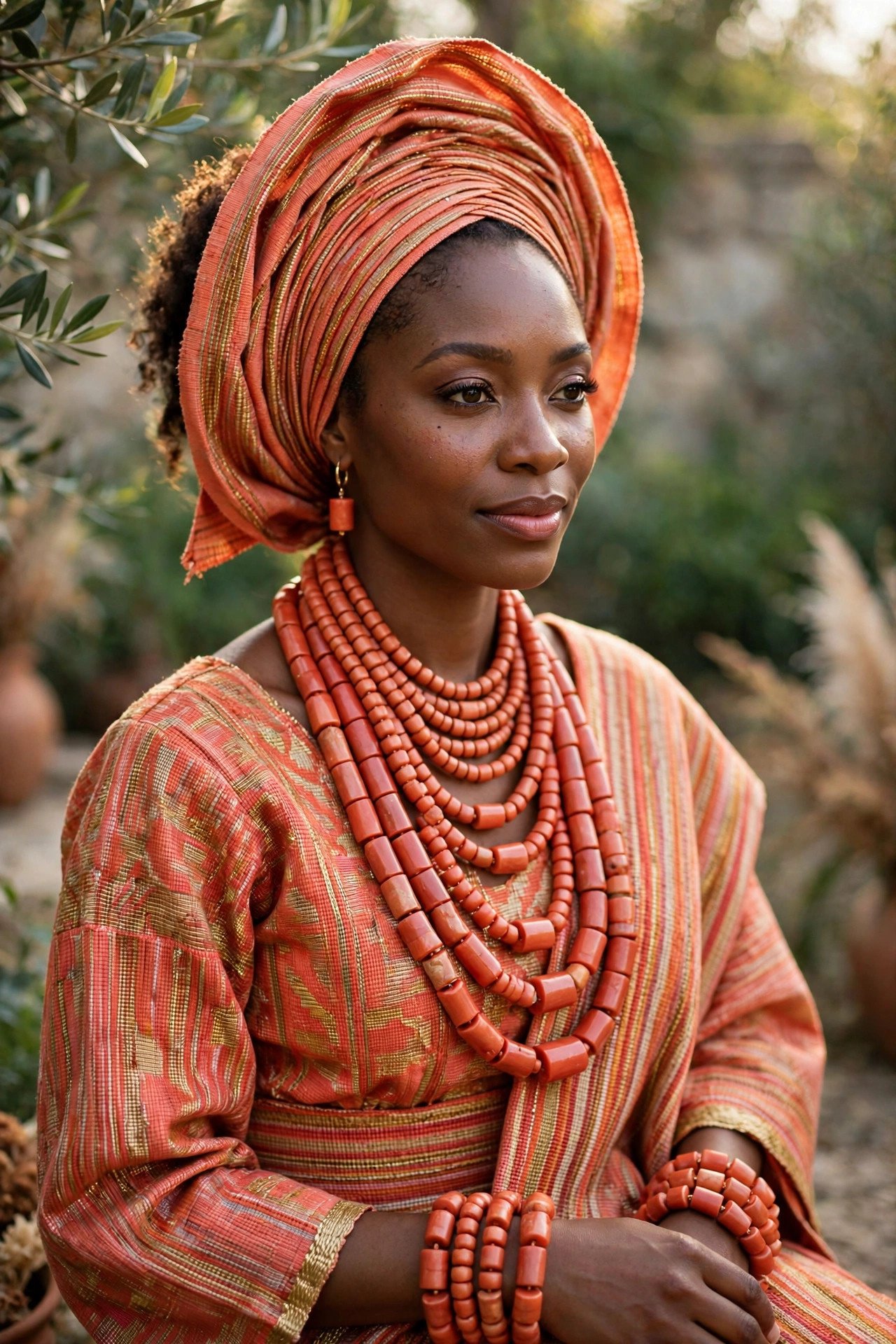
For traditional engagements, brides and grooms often wear aso oke, a hand-woven cloth with a rich, structured texture, styled into gowns, agbada robes and the gele — the sculpted headwrap that is an art form in itself. Professional gele stylists can create towering, architectural wraps in minutes. The groom’s fila cap completes the look, often in the same woven cloth.
Coral Beads (Ileke): Jewelry with History
 📌 Save
Coral beads, ileke, are worn by brides and grooms across Yoruba and Igbo celebrations, layered at the neck, wrists and sometimes as a crown or staff. Historically associated with royalty and status, the beads signal celebration, heritage and the family’s standing. Real coral is precious and often inherited; beautiful costume versions are widely worn and photographed just as proudly.
The Money Dance and Spraying, Explained
 📌 Save
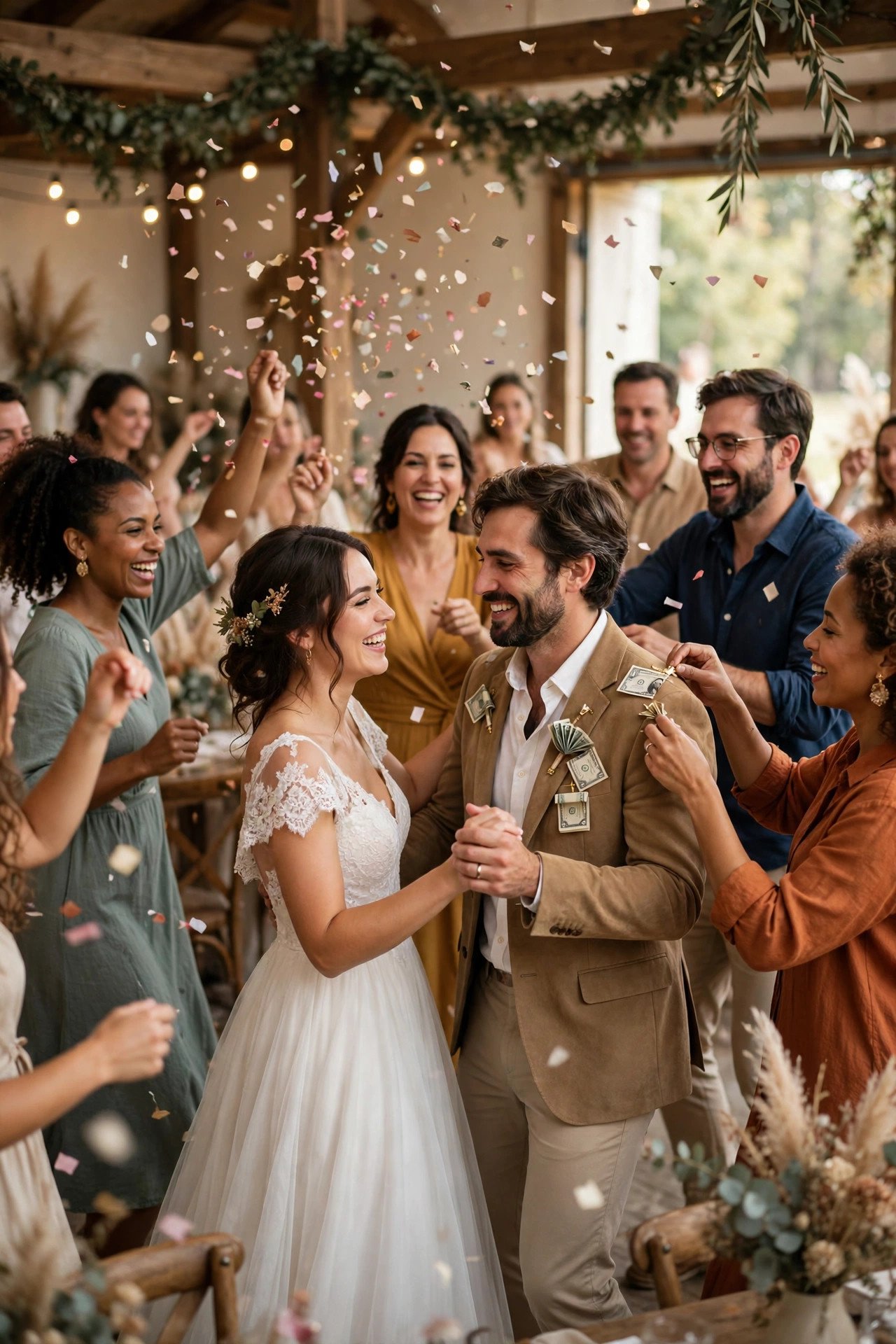
During the reception, guests celebrate the couple by dancing with them and showering them with cash — the money spray — while a live band or DJ hypes the moment. It is exuberant, generous and deeply social. Note that customs and rules vary: in Nigeria, official rules about handling currency have led many couples to use spray boxes, envelopes or decorative alternatives, and venues abroad often require those options — follow the couple’s stated plan.
Nigerian Wedding Food: Jollof and Party Favorites
 📌 Save
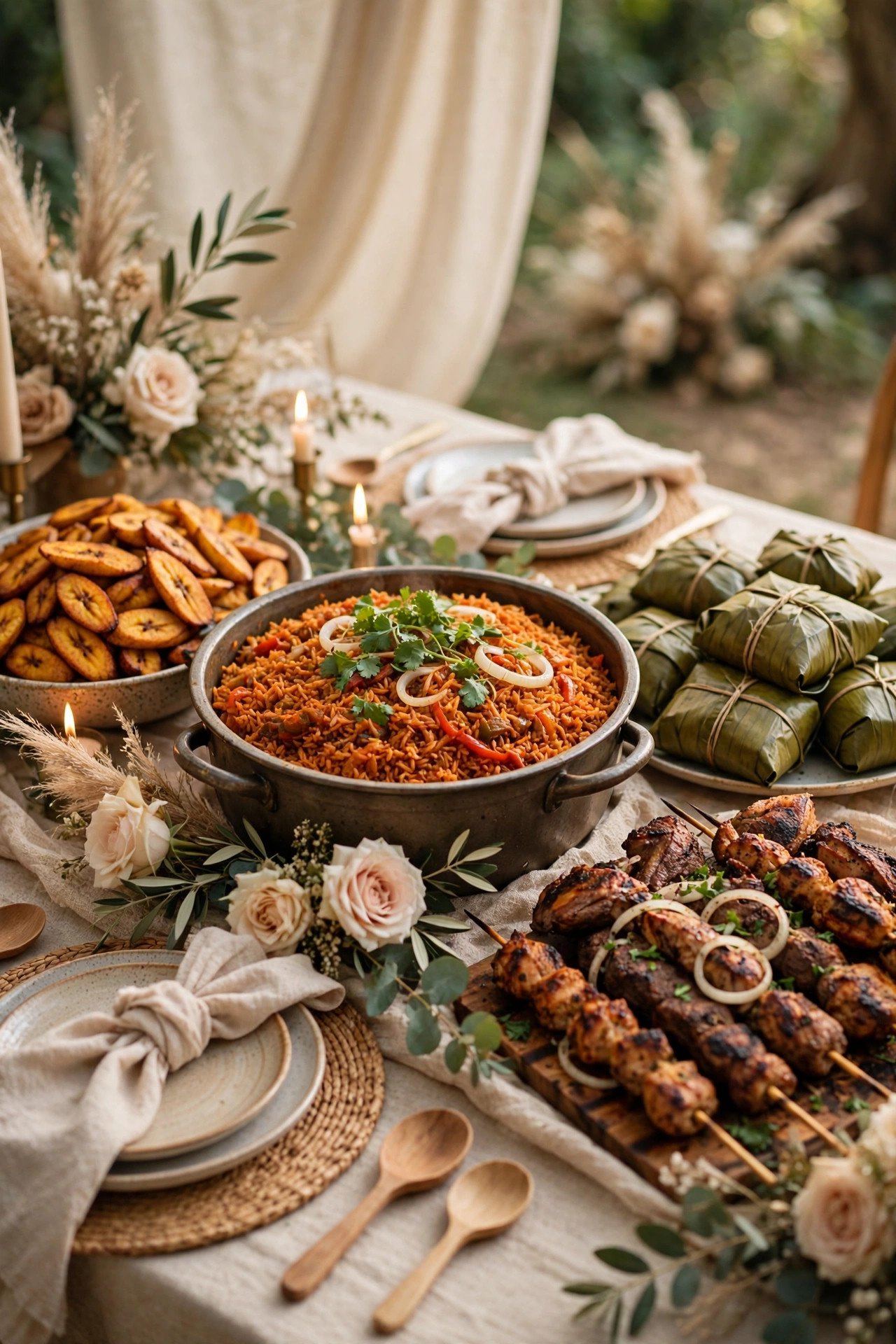
Ask any guest: the food matters. Smoky party jollof rice is the headline dish — the subject of friendly international rivalry — served with fried rice, moi moi, plantain, salads and a rotation of chicken, beef and fish. Small chops (samosas, spring rolls, puff puff and grilled meats) circulate early so nobody waits hungry. Diaspora caterers have turned Nigerian wedding menus into a serious craft.
Afrobeats, Live Bands and the Entrance Dance
 📌 Save
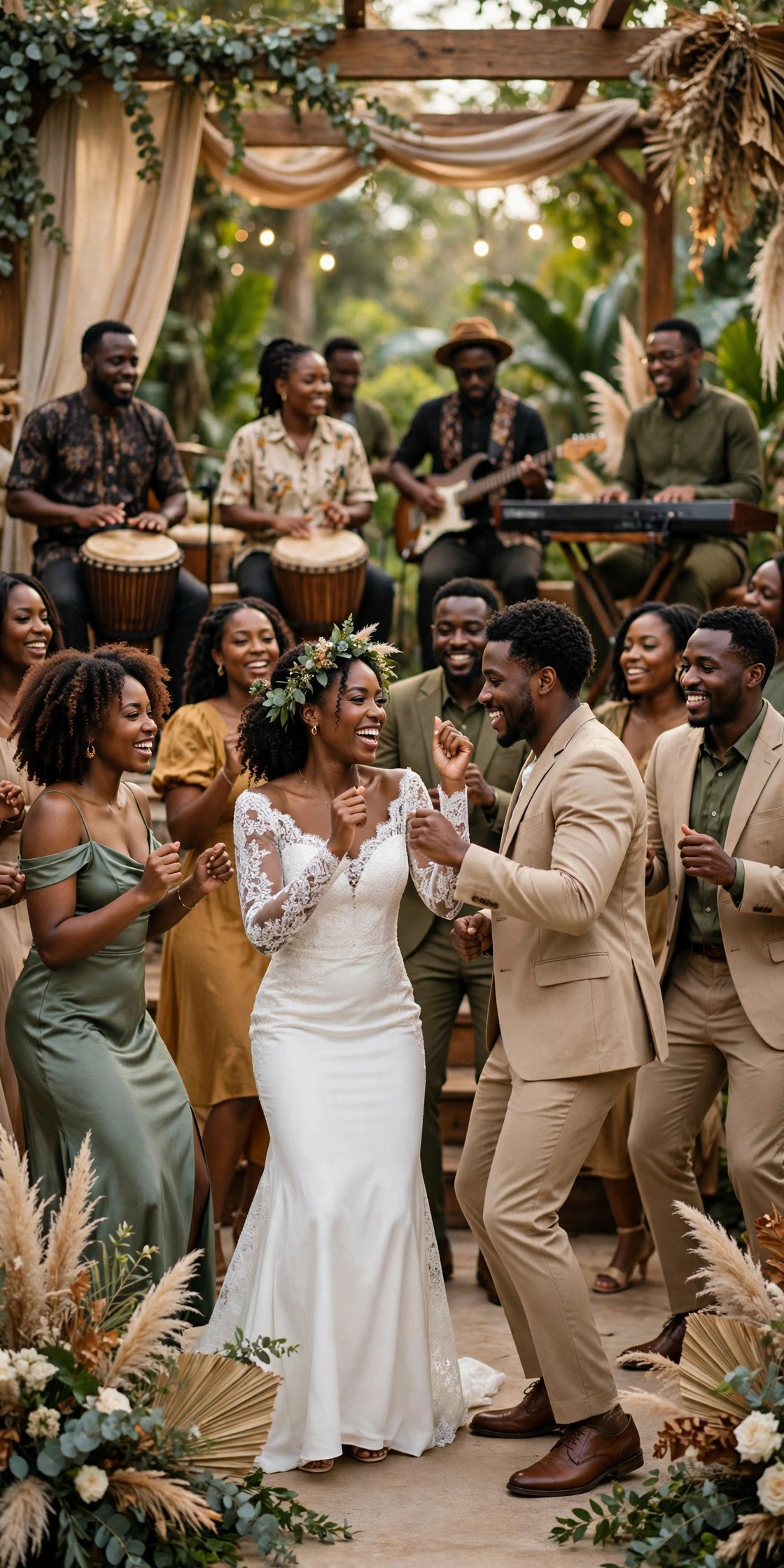
Nigerian receptions run on music: live bands for the traditional day, DJs spinning Afrobeats at the reception, and bridal party entrances choreographed like music videos. Couples often change outfits between the ceremony music and the party set, and the dance floor rarely empties once it opens. Elders are honored with classic highlife and older favorites early in the evening.
Multiple Outfits: Two or Three Looks in a Day
 📌 Save
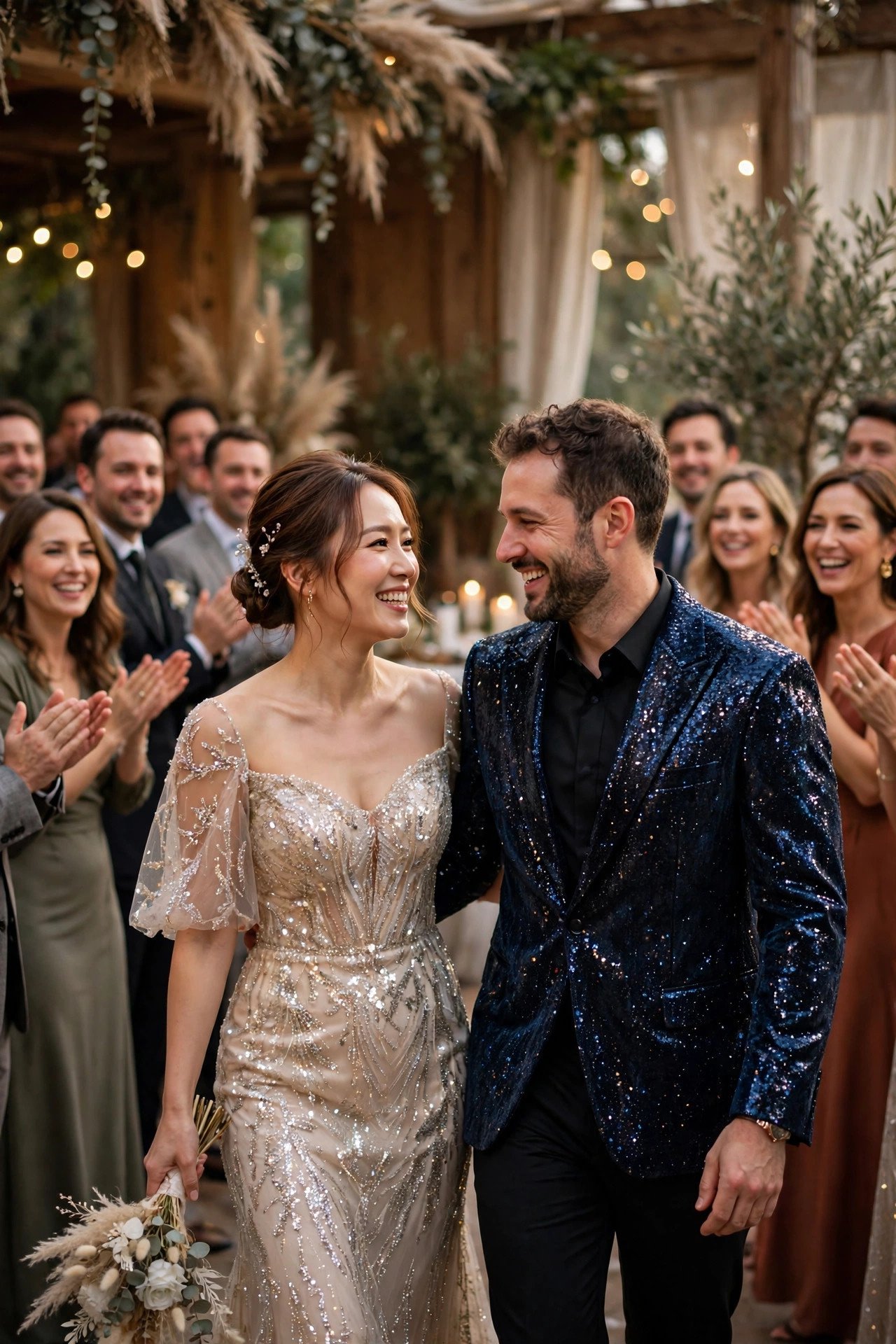
Nigerian couples famously change outfits: traditional attire for the engagement, white wedding dress and suit for the ceremony, and sometimes a third look for the reception party. Each change is a fresh entrance with its own music and photography moment. The logistics are real — dressers, a private changing room and a strict timeline keep the day flowing.
Prayers and Blessings from Elders
 📌 Save
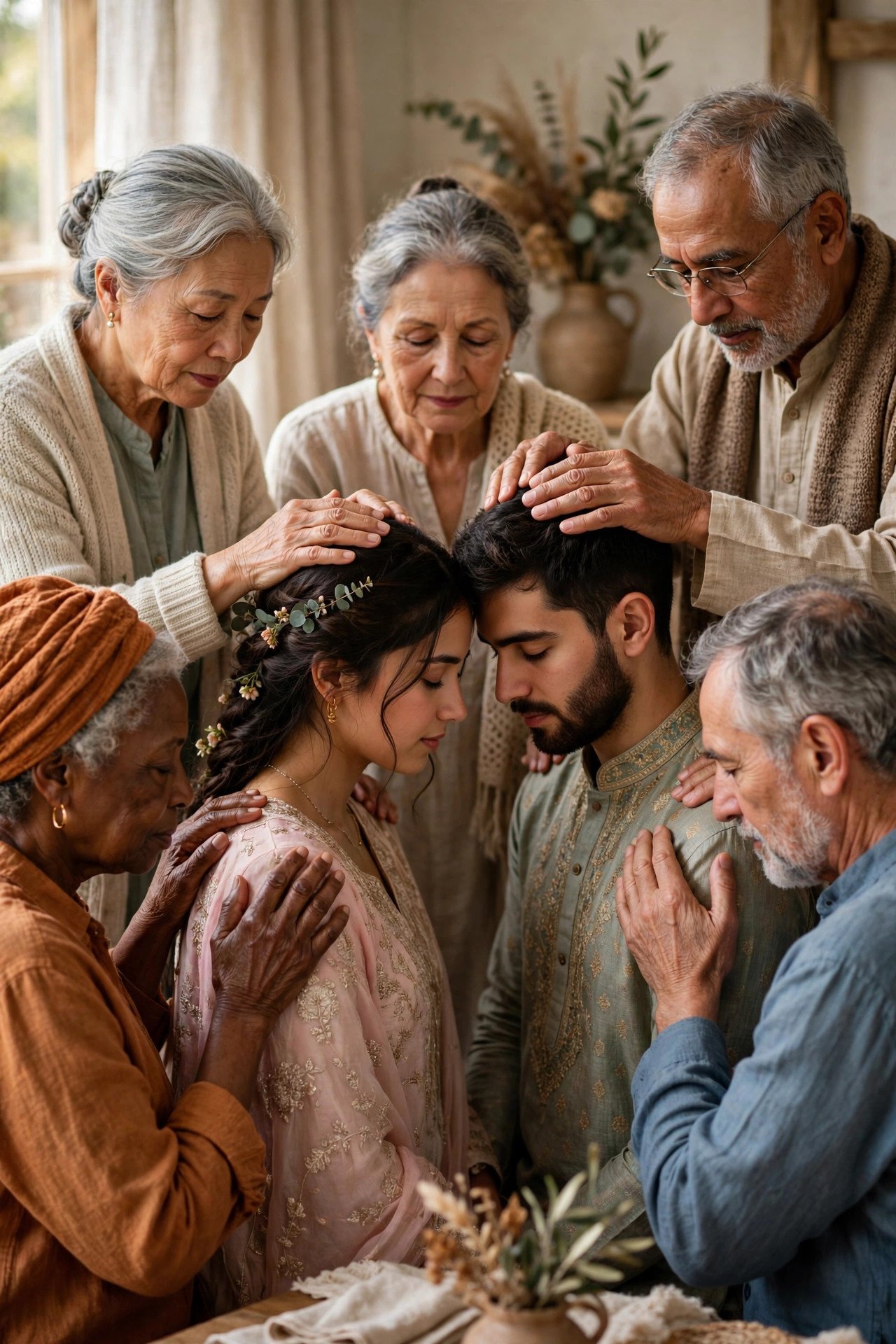
Across Nigerian traditions, the day is anchored by prayer. Elders from both families bless the couple publicly — for long life, children, prosperity and peace — and religious leaders may lead prayers at both celebrations. These moments are not filler between party segments; for many families they are the most important part of the day. Guests respond with ‘amen’ and respectful attention.
Henna (Lalle) in Northern Celebrations
 📌 Save
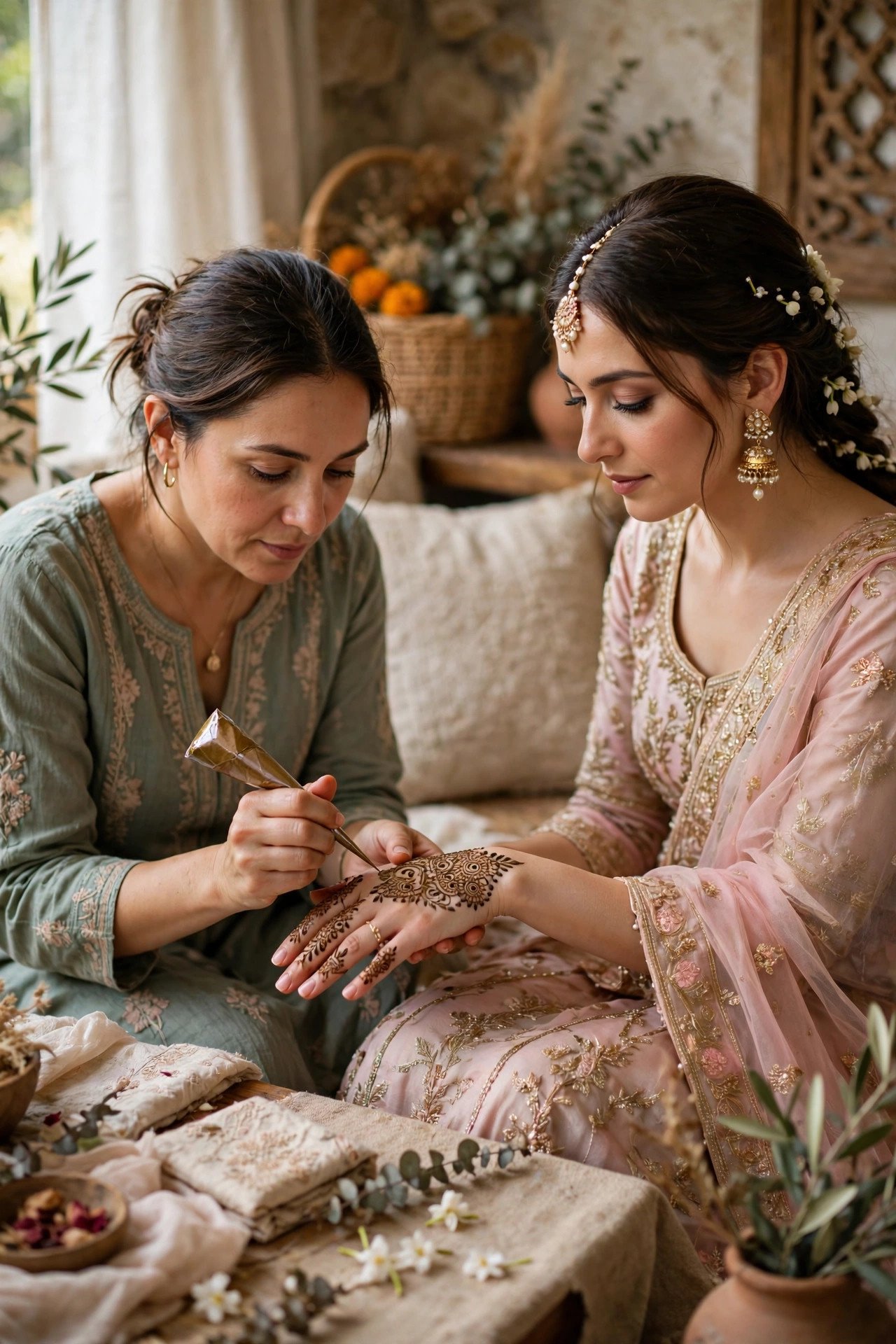
In Hausa and other northern celebrations, a henna artist decorates the bride’s hands and feet — and often her friends’ too — with lalle, in patterns that can take hours and deepen in color over a day or two. The session itself is a social event with music, snacks and visiting aunties. Designs vary by artist and region, from bold black patterns to fine red lines.
Northern Pageantry: Durbar Style and Royal Touches
 📌 Save
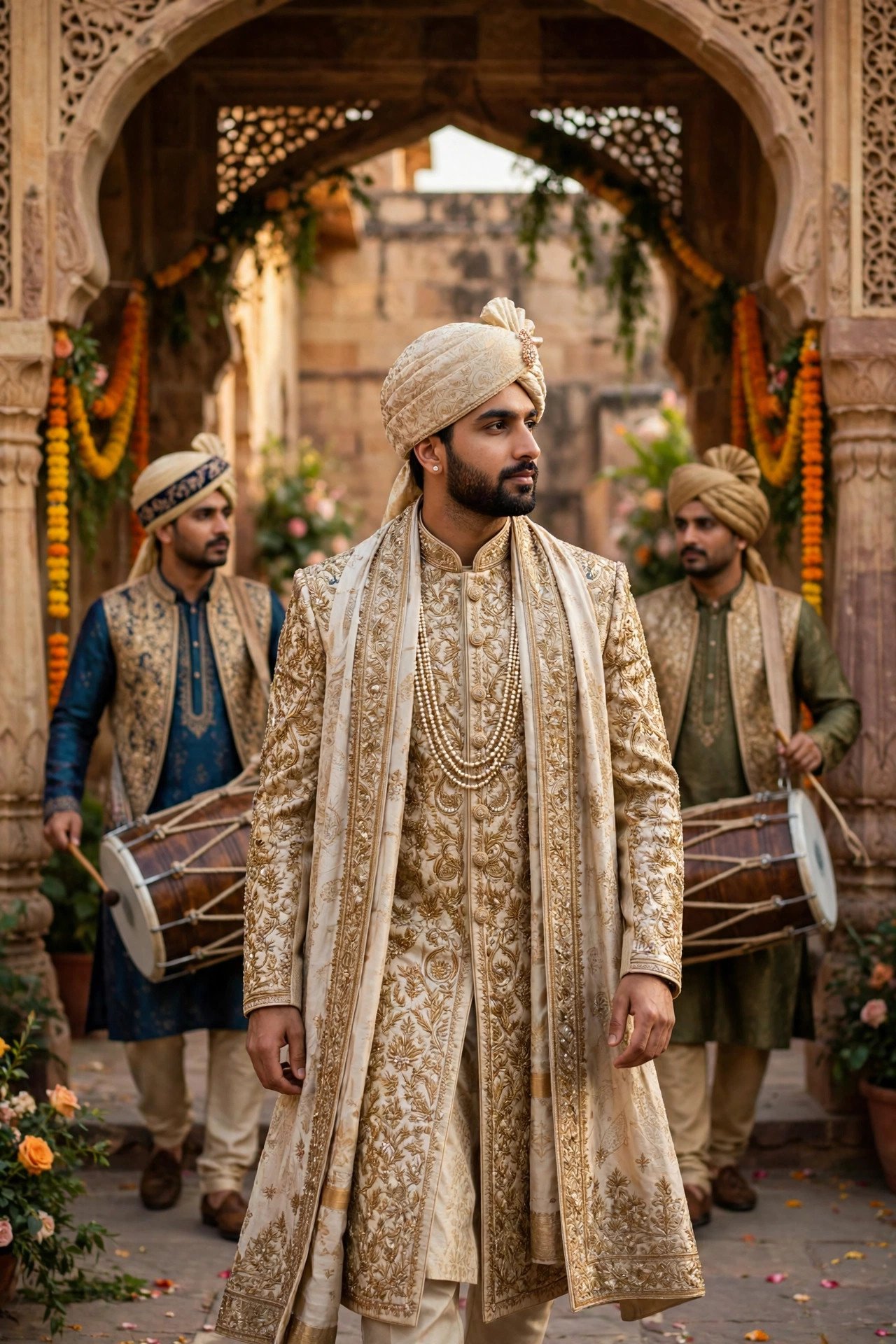
Durbar festivals in northern Nigeria — grand processions of horsemen in flowing robes — inspire the pageantry of some northern weddings, where grooms arrive with ceremony, rich embroidery and drumming. Even without horses, the influence shows in regal robes, turbans and a formal, stately entrance style. Families vary widely in how much pageantry they include.
Feeding Each Other Cake
 📌 Save
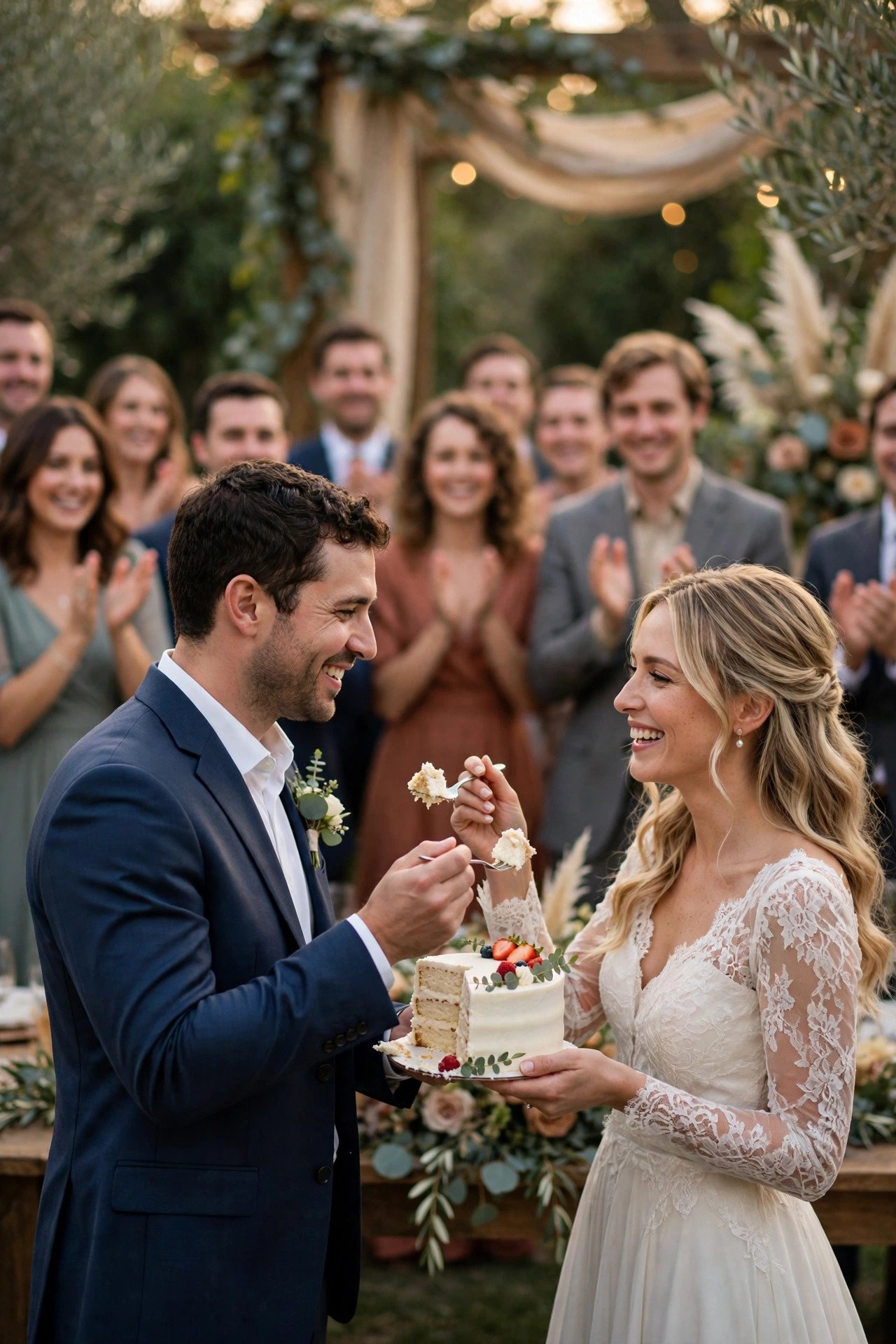
At Nigerian receptions, the couple cuts the cake together and feeds each other a bite — the bride often kneeling briefly in a playful nod to respect, the groom returning the gesture — while the MC narrates and guests cheer. It is a short, sweet pause between the formal program and the dancing. Towering, elaborately decorated cakes are a point of pride for Nigerian bakers.
What Guests Should Wear
 📌 Save
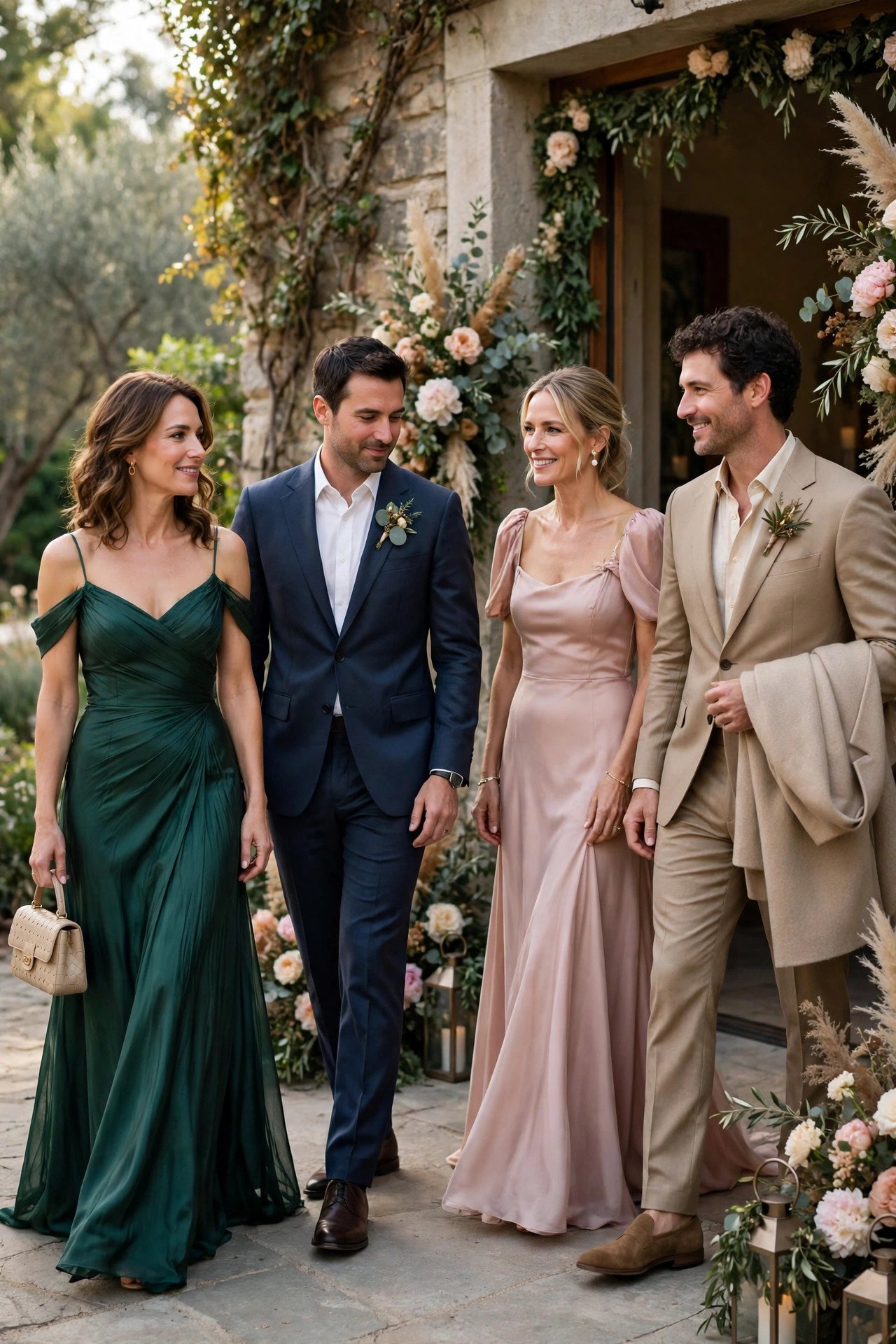
Nigerian weddings reward dressing up: guests arrive in their best, whether that is aso ebi in the family fabric, a tailored suit, or a glamorous gown. Underdressing stands out more than overdressing. If aso ebi is offered for your group, wearing it is the warmest choice; if not, rich colors and polished tailoring fit right in — just avoid the couple’s exact family fabric unless invited.
Gifts and Envelopes: Guest Guidance
 📌 Save
Cash gifts in envelopes are common and appreciated, alongside registry gifts where couples provide one. At receptions with a money dance, guests give during the dance itself; otherwise, a gift table or a designated family member receives envelopes. In the diaspora, many couples add a registry or a bank-transfer option on their wedding website — check there first.
Faith at the Center: Church, Mosque and Traditional Rites
 📌 Save
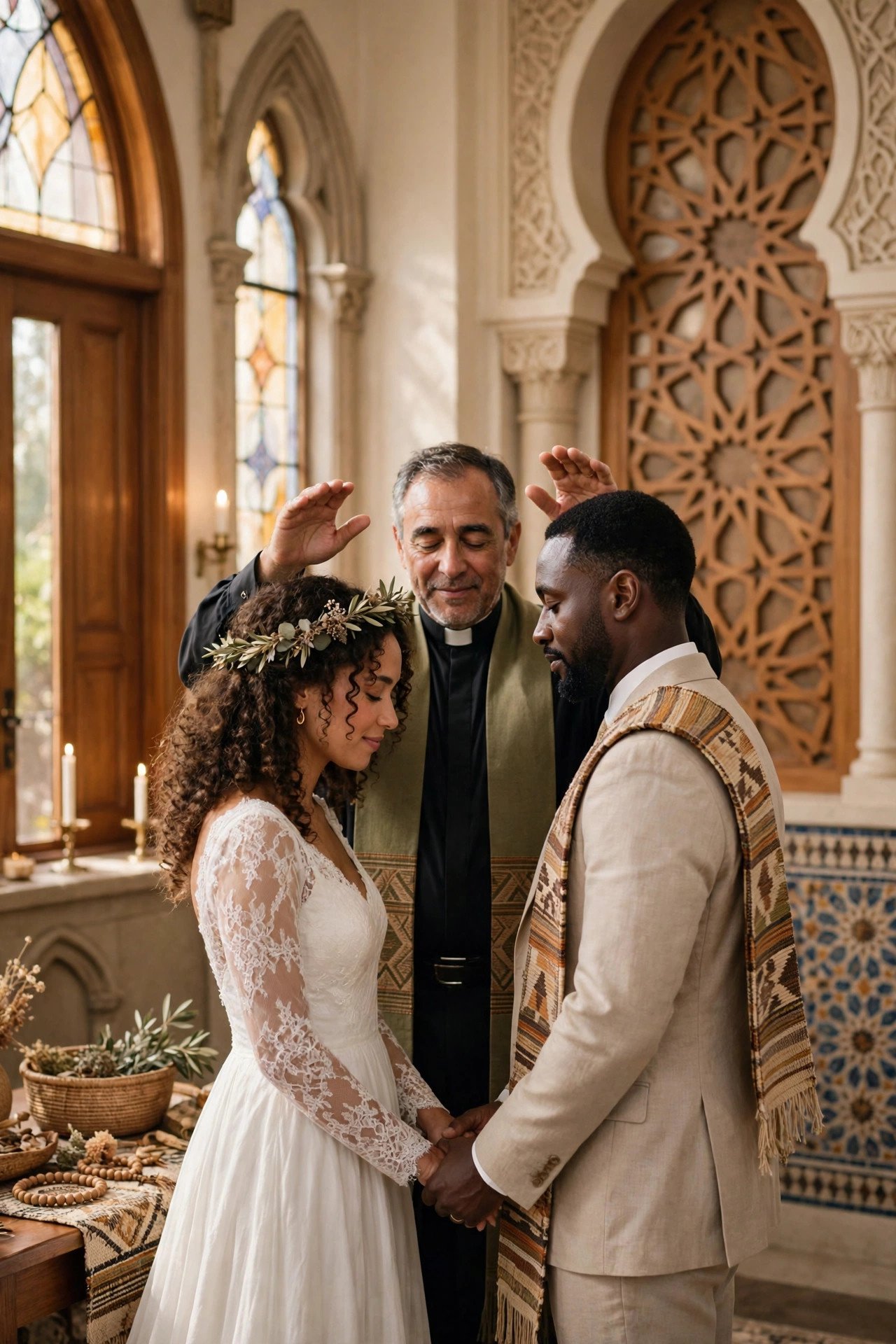
Nigeria is a deeply religious country, and most weddings weave faith through every stage — church services, mosque blessings, and prayers within traditional ceremonies themselves. Interfaith couples navigate this with their families and clergy, sometimes holding separate blessings so each tradition is honored fully. Guests of other faiths are welcomed warmly and expected only to be respectful during prayers.
Blending Nigerian and Western Ceremonies
 📌 Save
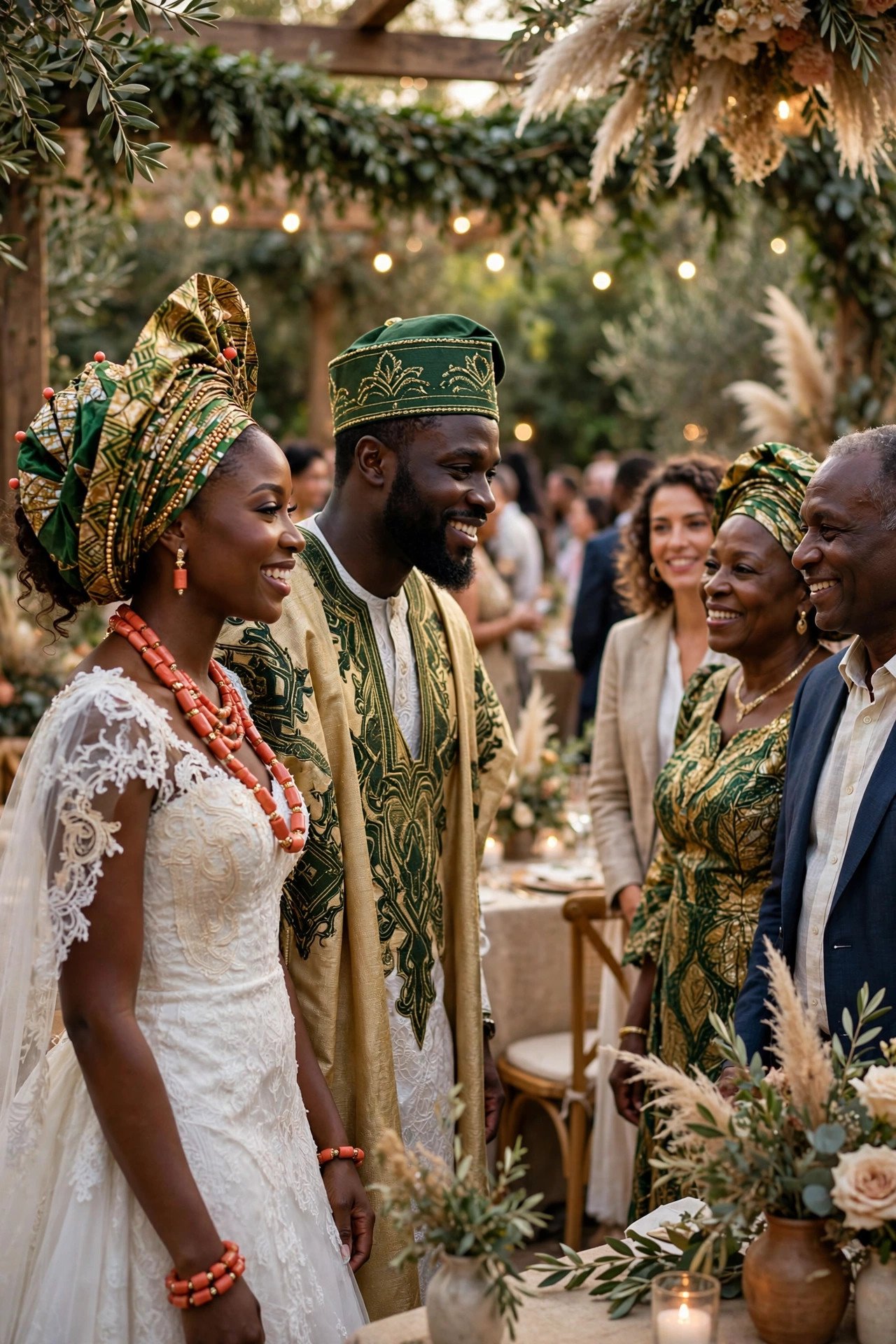
In London, Houston, Toronto and beyond, couples blend: a morning traditional engagement with aso ebi and alagas, an afternoon church service, and an evening reception with Afrobeats. The keys are a ruthless timeline, outfit-change logistics and an MC who can narrate both worlds for mixed guests. Done well, neither culture is a ‘segment’ — the whole day feels like one family story.
Honoring Elders Throughout the Day
 📌 Save
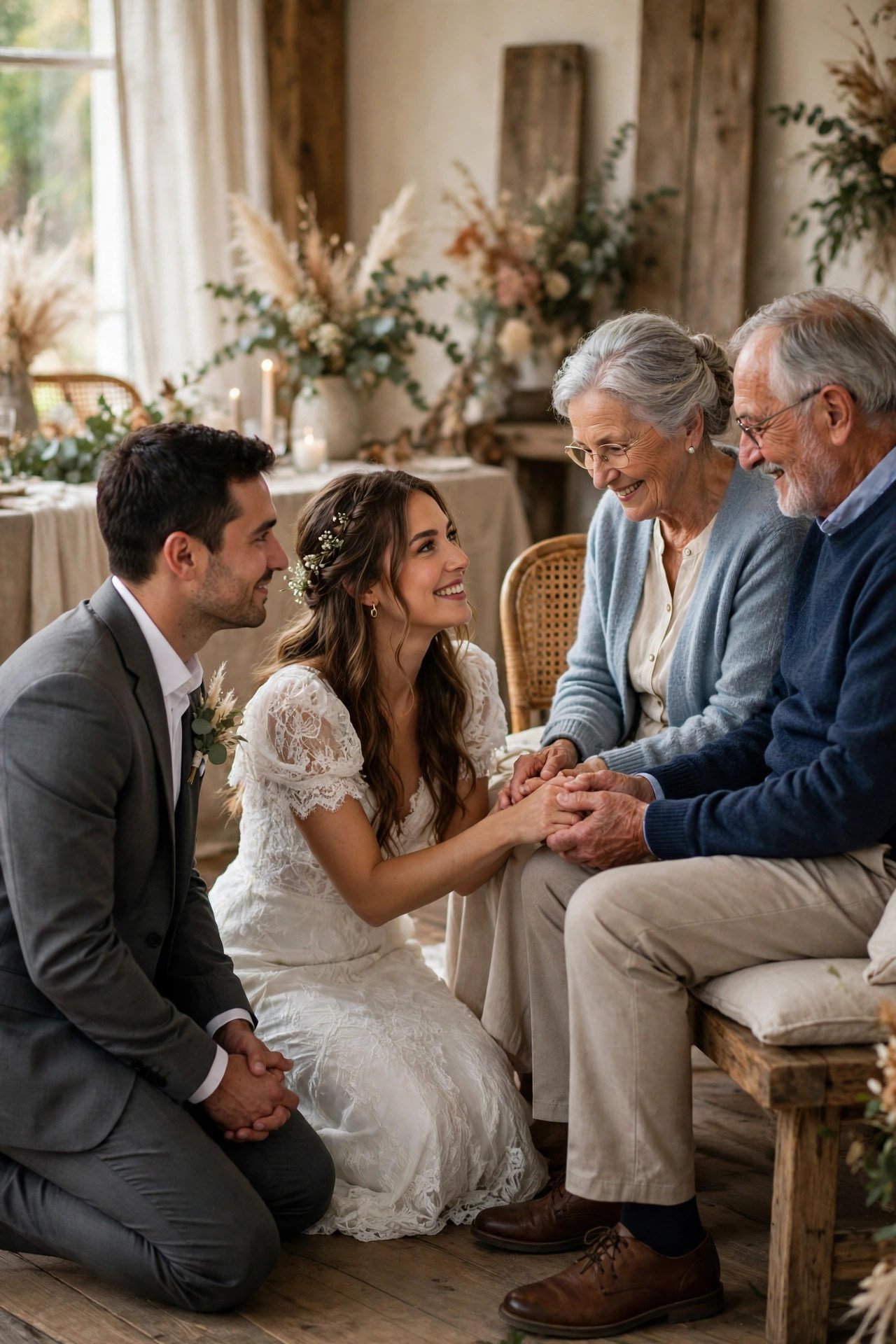
Respect for elders structures a Nigerian wedding: grandparents and senior relatives receive the best seats, personal greetings from the couple, first service at the buffet and public acknowledgment in speeches. The couple may kneel to greet senior family members — a gesture of respect guests will see several times. Diaspora couples sometimes fly elders in as guests of honor and seat them at the center of the celebration.
Regional Pride: Every State Adds Its Own Flavor
 📌 Save
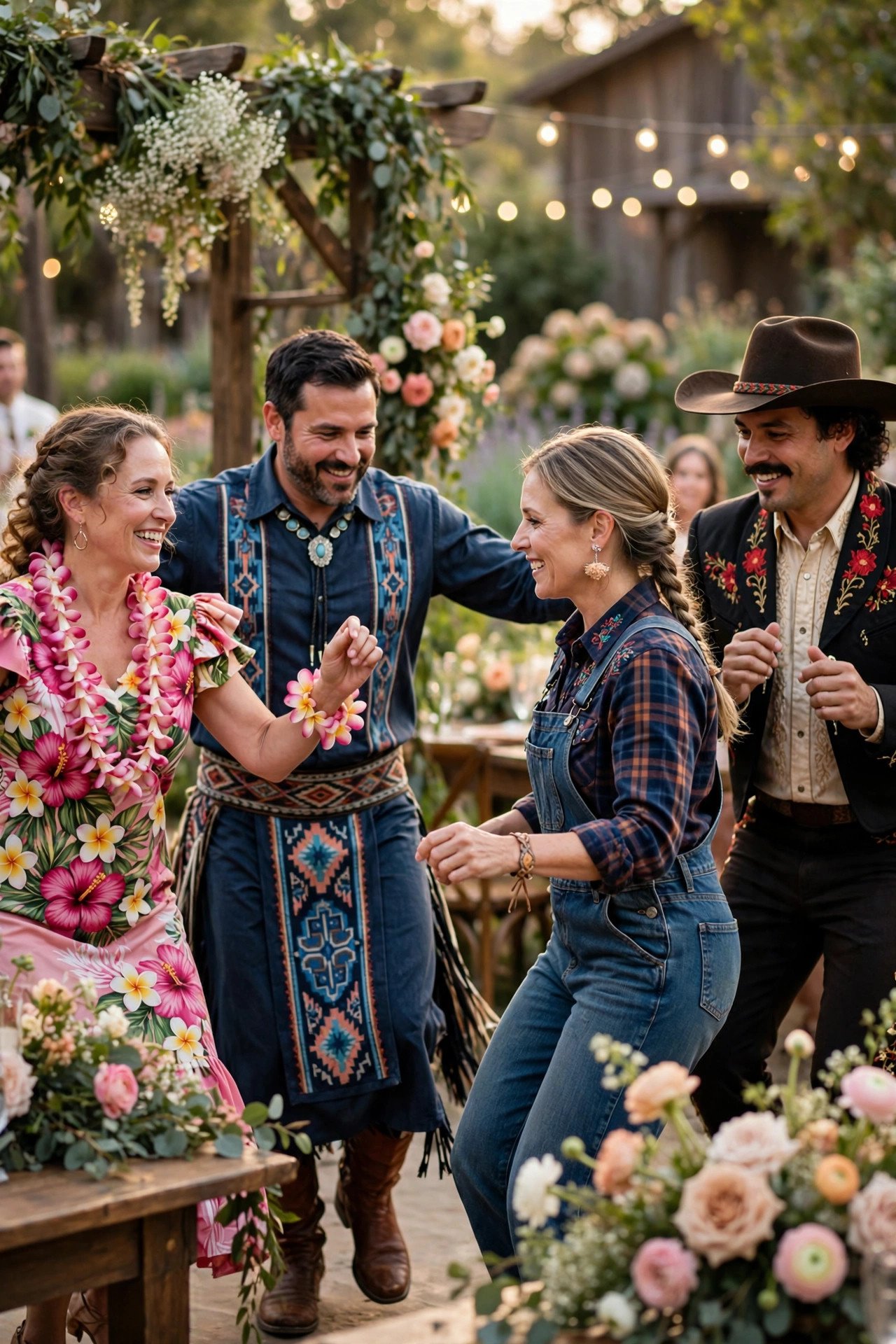
Beyond the three largest groups, hundreds of traditions shape Nigerian weddings: Efik and Ibibio ceremonies in the south-south with their own attire and dances, Tiv celebrations in the middle belt, Igbo-Ukwu heritage touches, and coastal fishing-community customs, to name a few. A couple’s specific hometown custom always outranks generic ‘Nigerian wedding’ advice — including this guide. Ask the families what their people do.
Nigerian Wedding Traditions FAQs
What is aso ebi and do I have to wear it?+
Aso ebi is matching fabric chosen by the couple or family and worn by family and friends to show solidarity. If fabric is offered to your group, buying and wearing it is a warm gesture of support — it also often helps fund the celebration. If you cannot, dress formally in rich colors and you will still be welcome.
What is the difference between a traditional engagement and a white wedding?+
The traditional engagement is the ethnic, family-centered ceremony — with compères, gifts, prayers and customs like the Yoruba prostration or Igbo igba nkwu — where families formally agree to the marriage. The white wedding is the church or registry service with Western-style dress, followed by a reception. Many couples celebrate both.
How does the money dance work?+
Guests dance with the couple and give cash as a joyful public gift, traditionally sprayed or showered over the couple while music plays. Rules vary by country and venue — many couples now provide spray boxes, envelopes or decorative alternatives. Follow the couple’s stated plan, bring small bills, and never throw coins.
What food is served at a Nigerian wedding?+
Expect small chops (samosas, puff puff, spring rolls and grilled meats) and mains built around smoky party jollof rice, fried rice, moi moi, plantain and a choice of meats and fish, with regional dishes depending on the families. Food is abundant and is a point of pride — arrive hungry.
I am not Nigerian — how do I take part respectfully?+
Dress up, greet elders warmly, join the dancing when invited, and learn names for the customs you see from the program or the MC. Wearing aso ebi offered to you and trying the food enthusiastically are genuine compliments. When a prayer is said, simply stand or sit respectfully with everyone else.
Key Takeaways
- Nigeria has 250+ ethnic traditions — the family’s own customs always outrank generic guides.
- Most couples celebrate twice: a traditional engagement and a white wedding, often across one weekend.
- Aso ebi turns solidarity into color: buy the fabric early and tailor it well.
- Compères, elders’ prayers and the proposal letter give the traditional day its structure and soul.
- Guests: dress boldly, bring small bills if a money dance is planned, and follow venue rules on spraying.
Final Thoughts
A Nigerian wedding is not an event so much as a family summit with music — elders blessing, aunties inspecting outfits, two lineages negotiating, laughing and finally dancing as one. Come ready to dress up, eat well, greet your elders and stay for the dancing. Whether your celebration is in Lagos, London or Houston, the formula holds: family first, joy always, and jollof for everyone.