
7 Emotional Parents of the Groom Speech Examples
By zainzari • Published April 2026 • Updated October 10, 2026
 📌 Save
The best parents of the groom speeches follow one of seven proven styles: the heartfelt welcome, the childhood stories speech, the short and sweet toast, the funny-but-tender speech, the blended family speech, the proud parents speech, or the advice and blessing close. Each runs three to five minutes, opens with gratitude, includes one or two personal stories, welcomes the new partner by name, and ends with a raised-glass toast. Below you will find original example excerpts for every style plus delivery tips.
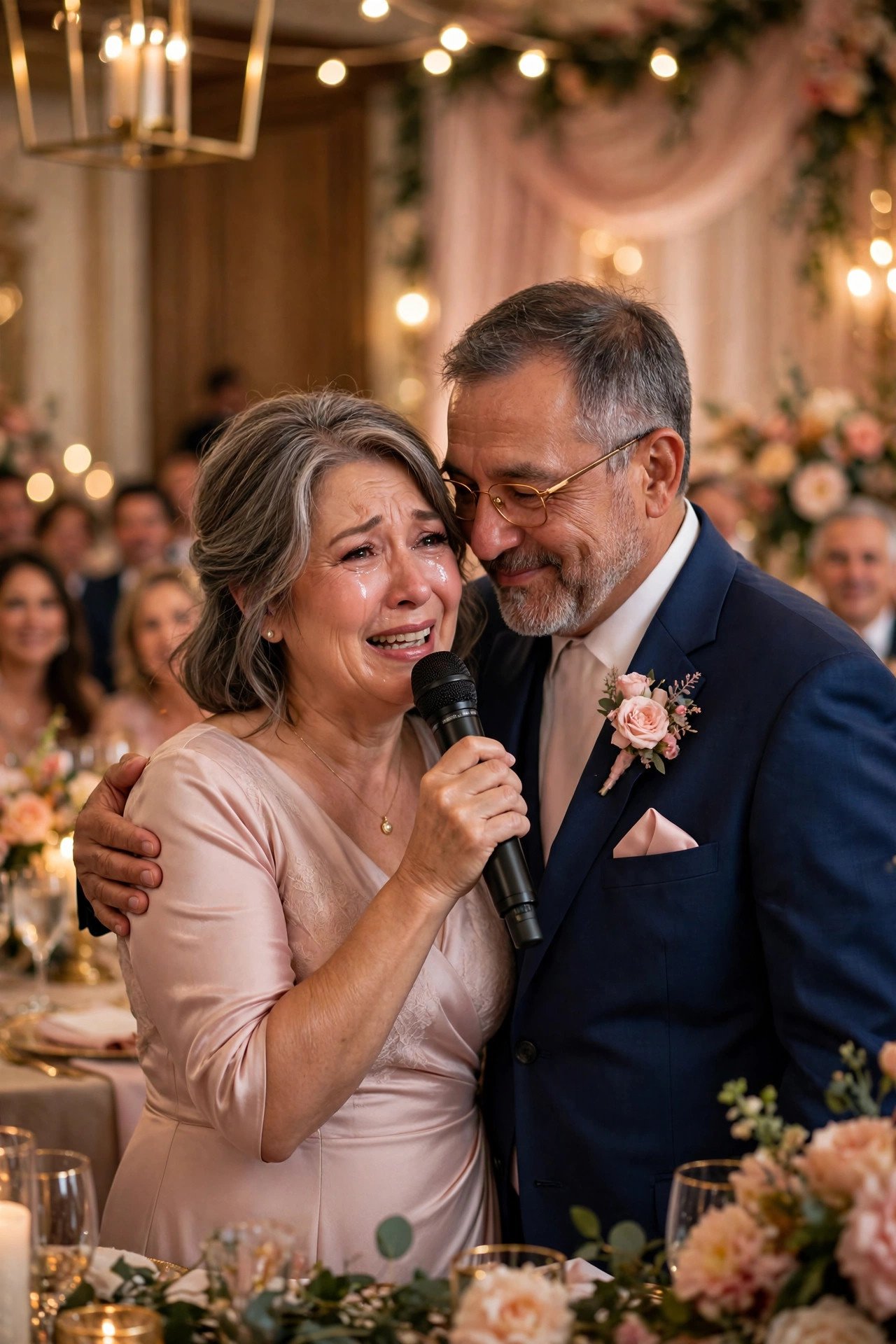
Standing up with a microphone while your son — your little boy — watches you from the head table in a tuxedo is one of parenthood’s most emotional moments. You want to be heartfelt without rambling, funny without embarrassing anyone, and memorable without stealing the spotlight. That is a lot to balance on trembling hands and a full heart.
This guide gives you seven complete speech styles, each with an original example excerpt written for inspiration, delivery guidance, and the exact moments where each style shines. Pick the one that sounds like you, borrow the lines that make your heart squeeze, and make them your own.
At a Glance: Speech Styles, Tone & Timing
| Speech Style | Tone | Length | Best For |
|---|---|---|---|
| The Heartfelt Welcome | Warm, grateful | 3–4 min | Opening the parent speeches |
| The Childhood Stories Speech | Nostalgic, sweet | 4–5 min | Storytelling parents |
| The Short & Sweet Toast | Bright, sincere | Under 2 min | Nervous speakers, big weddings |
| The Funny-but-Tender Speech | Playful, then emotional | 4–5 min | Natural humorists |
| The Blended Family Speech | Inclusive, graceful | 3–4 min | Blended families |
| The Proud Parents Speech | Admiring, warm | 3–5 min | Milestone-focused parents |
| The Advice & Blessing Close | Wise, tender | 3–4 min | Closing the speeches |
Every style below includes an original example excerpt — written fresh for inspiration, not copied from anywhere. Borrow the structure, swap in your own stories and names, and speak in your own voice.
The Heartfelt Welcome
 📌 Save
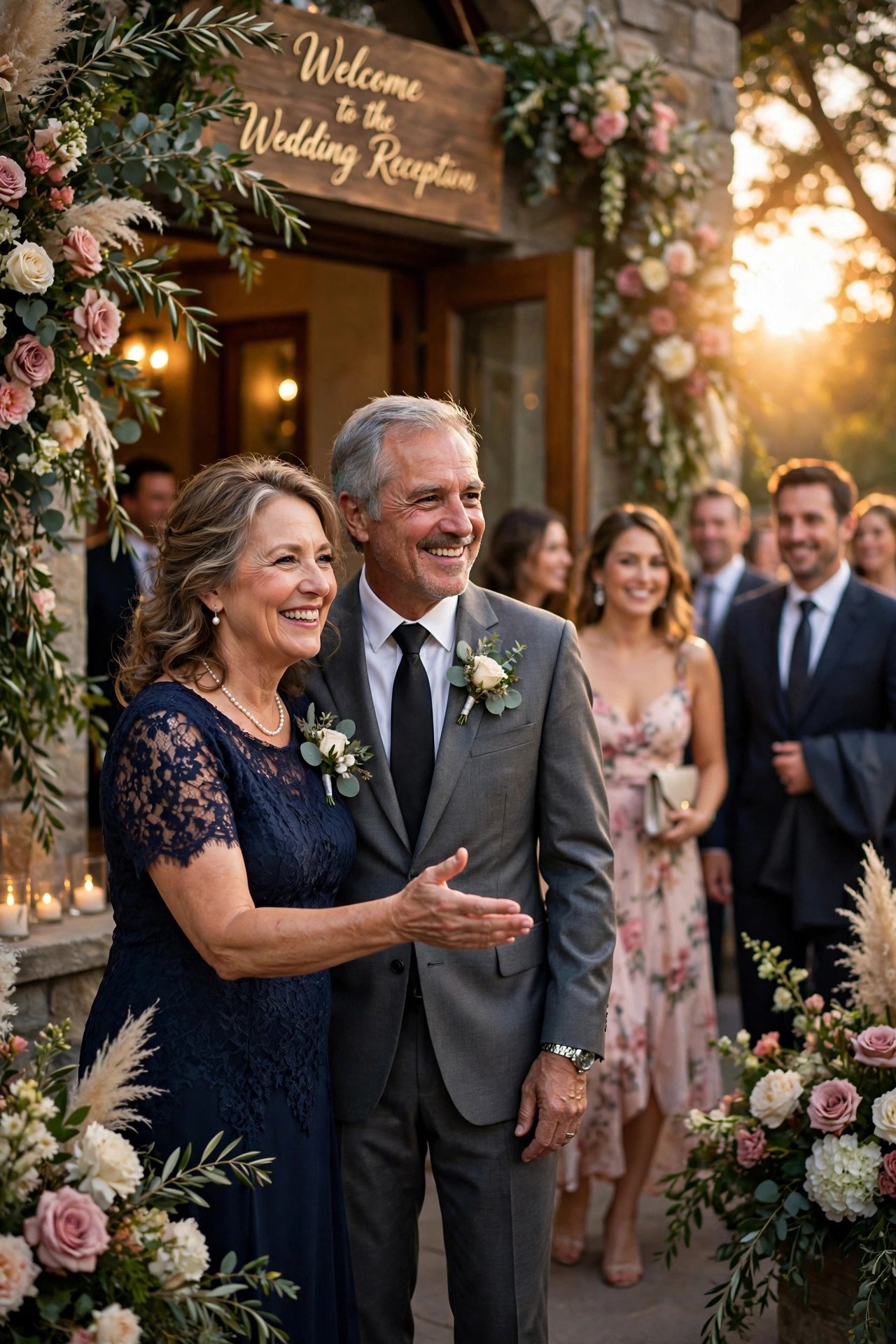
The classic opening speech: thank the guests, welcome the new family, and set the emotional tone for every toast that follows.
The heartfelt welcome works because it does the essential job first — it makes everyone in the room feel included. Thank guests for traveling, acknowledge the other family by name, and say out loud what everyone is feeling: this day is the culmination of years of love. Keep the gratitude specific — “those who flew in from three time zones” lands harder than a generic “thanks for coming.”
“Good evening, everyone. When our son was born, we dreamed about days like this — and standing here tonight, seeing every person who loves him gathered in one room, we know those dreams came true. To our new family: thank you for raising someone so wonderful, and welcome to ours. You belonged here long before today.”
Deliver this one slowly. Make eye contact with the other parents during the welcome line — the room will melt. This is also the natural place for the first toast of the parent speeches, so end with glasses raised and the couple’s names.
Read next: 19 Wedding Readings From Movies You Love
The Childhood Stories Speech
 📌 Save
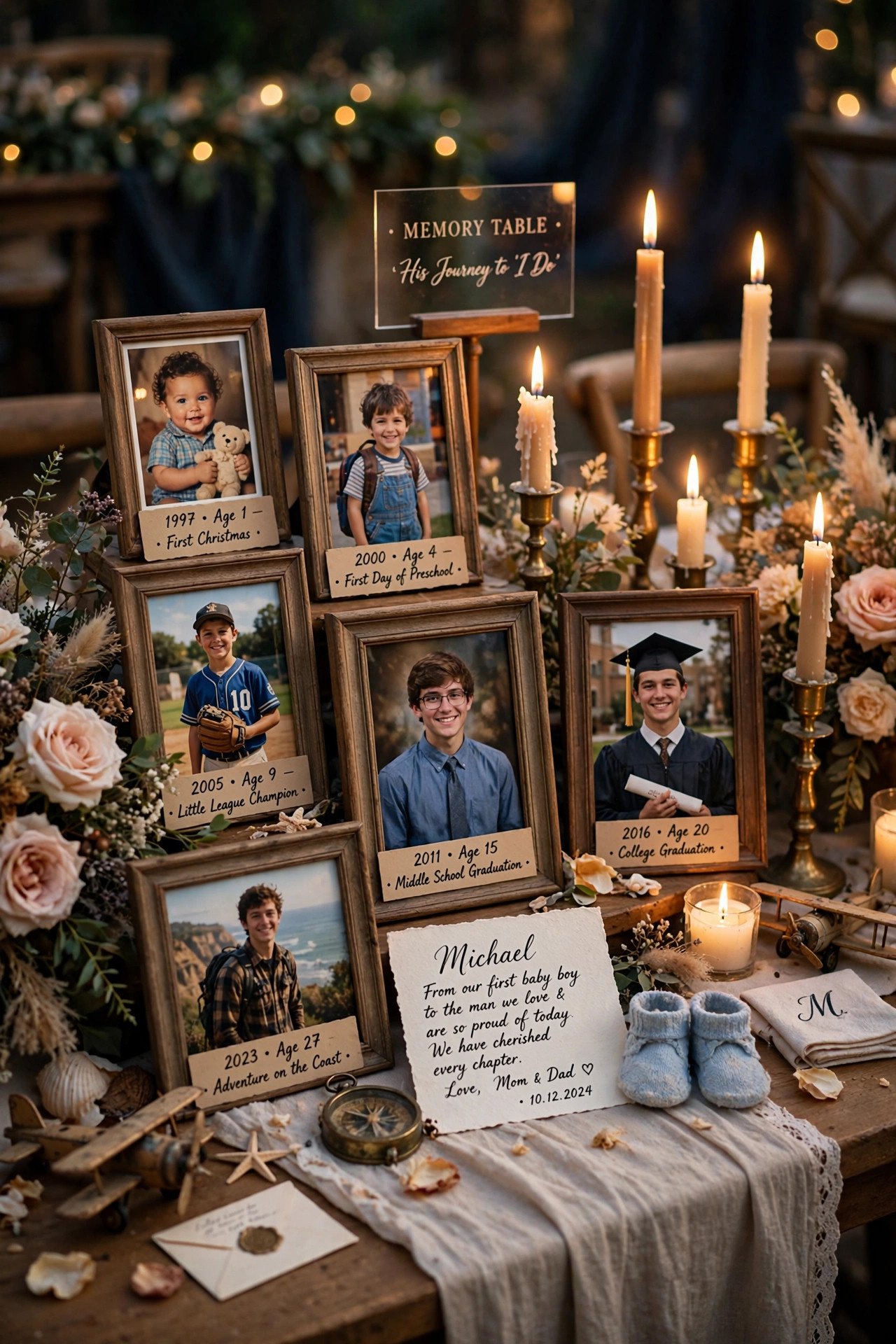
Sweet, carefully chosen childhood stories that show guests exactly who the groom has always been.
The secret to this style is curation: pick two or three stories maximum, and give them a theme — his determination, his kindness, his hilariously misplaced confidence. Every story should end at the same destination: a quality his new partner gets to enjoy every day. That through-line turns cute anecdotes into a love letter.
“At six years old, our son once ‘repaired’ our toaster with a butter knife and an enormous amount of confidence. The toaster did not survive. But that confidence — and that big heart that always wanted to fix things for the people he loves — is exactly what his beautiful partner gets every single day now.”
Funny is welcome; humiliating is not. The test is simple: if the story makes him sound lovable, keep it; if it makes him sound like a cautionary tale, cut it. And always, always run your stories past the groom beforehand — what was hilarious at the kitchen table in 2012 might feel very different in front of 120 guests.
Read next: 150 Best DIY Rustic Wedding Ideas
The Short & Sweet Toast
 📌 Save
Under two minutes, all heart — perfect for parents who would rather raise a glass than give a lecture.
Short speeches are secretly the hardest to write and the easiest to love. The formula is simple: one line of welcome, one line about your son, one line about the partner, then the toast. No stories, no tangents, no thank-you roll call — just the emotional core, delivered cleanly. Guests will remember every word because there are so few of them.
“We raised our son to be kind, and tonight we see the proof — in the friends who showed up, the family who traveled, and the wonderful person standing beside him. To our new daughter: thank you for making our son even better than we raised him to be. To the happy couple!”
This style is ideal for big weddings with many speakers, or for parents who know public speaking is not their gift. Write it on a card and read it word for word — nobody minds, and the card keeps you safely under two minutes when emotions threaten to take over.
The Funny-but-Tender Speech
 📌 Save
Laughs first, tears last — the crowd-pleaser that gets the biggest reaction of the night when done right.
The architecture of this speech is everything: open with two genuinely funny observations, then pivot — visibly, deliberately — into tenderness. The contrast is what makes the emotional landing hit so hard. The audience, relaxed and laughing, is completely unguarded when the sincere part arrives, which is exactly why this style produces the most tears.
“People ask what it was like raising our son. Imagine coaching a golden retriever through calculus — enthusiastic, loyal, and completely unbothered by the details. But here is what we learned watching him grow: that boy never once let a friend feel left out. Not once. And tonight, looking at this room full of people he has loved well — we understand. He was practicing for this.”
The pivot line is the whole speech — deliver it slower and quieter than everything before it, and pause before the tender part. The room will lean in. Keep the humor affectionate and self-deprecating rather than roasting; you are his parents, not his college roommates.
Read next: 40 Fun and Unique Bridal Shower Games
The Blended Family Speech
 📌 Save
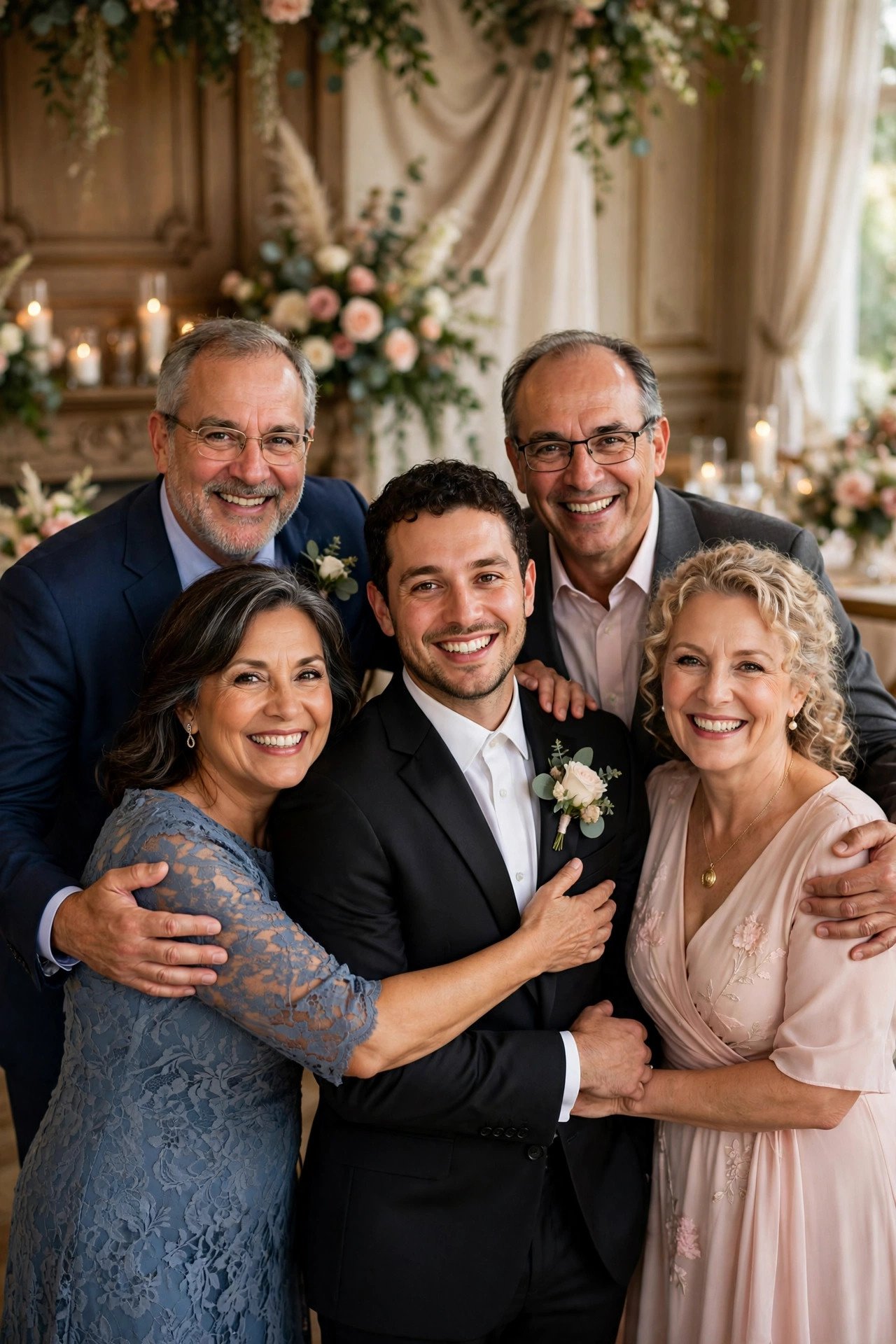
Honoring every parent figure in the room with grace, warmth, and zero awkwardness.
Blended families deserve speeches as beautiful as any other — the key is naming every parent figure explicitly and celebrating what each one contributed. The unifying theme writes itself: this young man was loved, loudly, by many people, and that abundance of love is exactly what he brings into his marriage. Keep the focus forward-looking rather than rehashing history.
“They say it takes a village to raise a child, and tonight that whole village is in this room. To his stepmother: thank you for loving our son as your own from the very first day — he is who he is because he was surrounded by love from every direction. And to our new daughter: you have just gained the loudest, most devoted cheering section in the world.”
Coordinate briefly with any other parent figures who are speaking so you are complementing, not repeating. If relationships are complicated, keep it simple and sincere — one genuine sentence of acknowledgment means more than a paragraph of careful diplomacy.
Read next: How to Make Bridal Shower Gift Opening Actually Fun
The Proud Parents Speech
 📌 Save
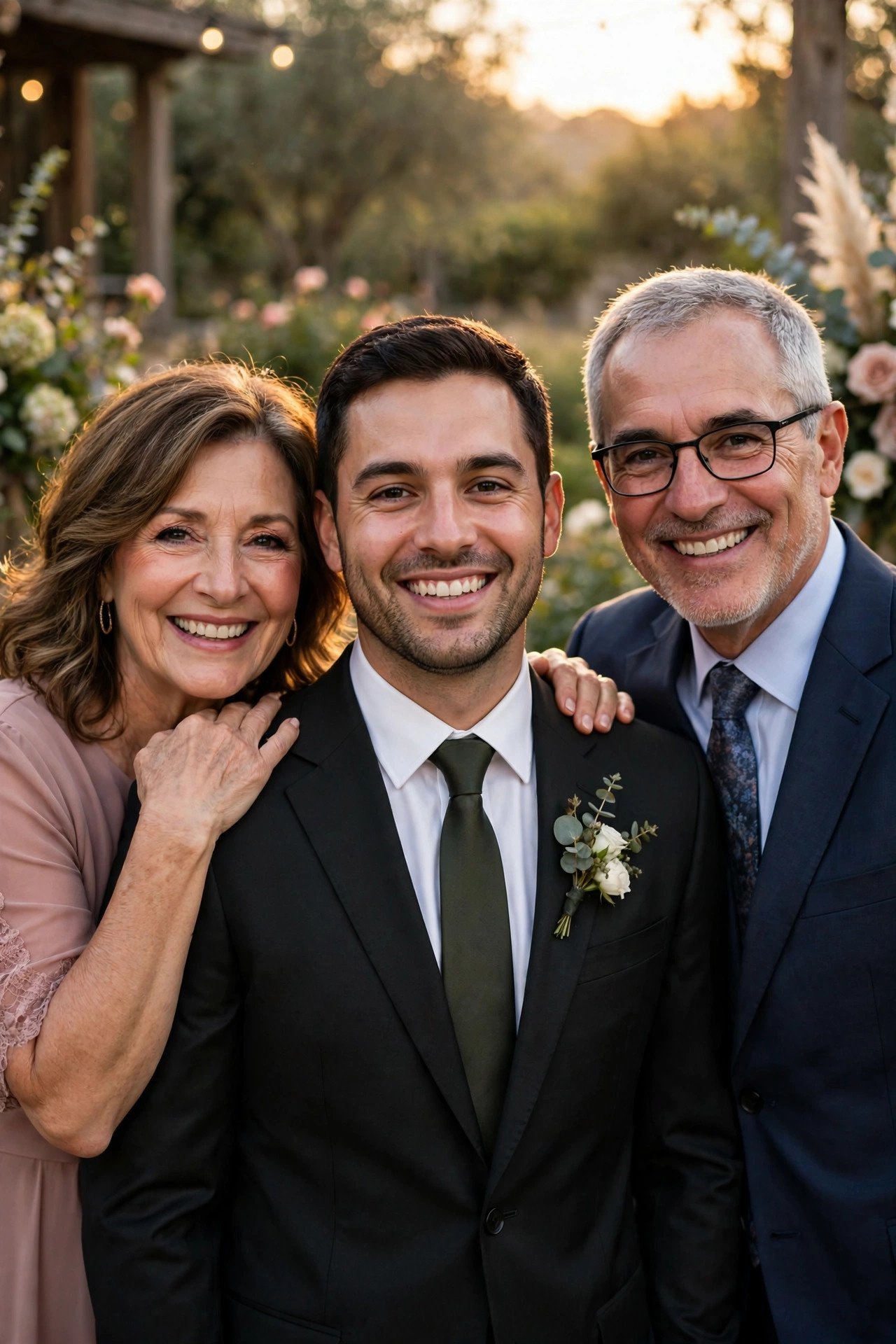
A full-hearted celebration of the man your son has become — pride, spoken out loud.
Some parents do not do “funny,” and that is perfectly fine — sincere pride, expressed directly, is profoundly moving. Build this speech around character rather than résumé: the integrity he showed when no one was watching, the way he treats people who can do nothing for him, the values he carries. Achievements impress; character moves people.
“We have been proud of our son a thousand times — first steps, graduation days, quiet moments when he did the right thing and thought no one noticed. But tonight is different. Tonight we are proud of the choice he made: choosing his partner, choosing forever, choosing love out loud in front of everyone he knows.”
End with forward-looking pride — pride in the husband he is about to become, not just the son he has been. Look directly at the couple for the closing lines; the rest of the room will feel like welcome witnesses rather than an audience.
Read next: 33 Beautiful Bridal Shower Ideas You’ll Want to Steal
The Advice & Blessing Close
 📌 Save
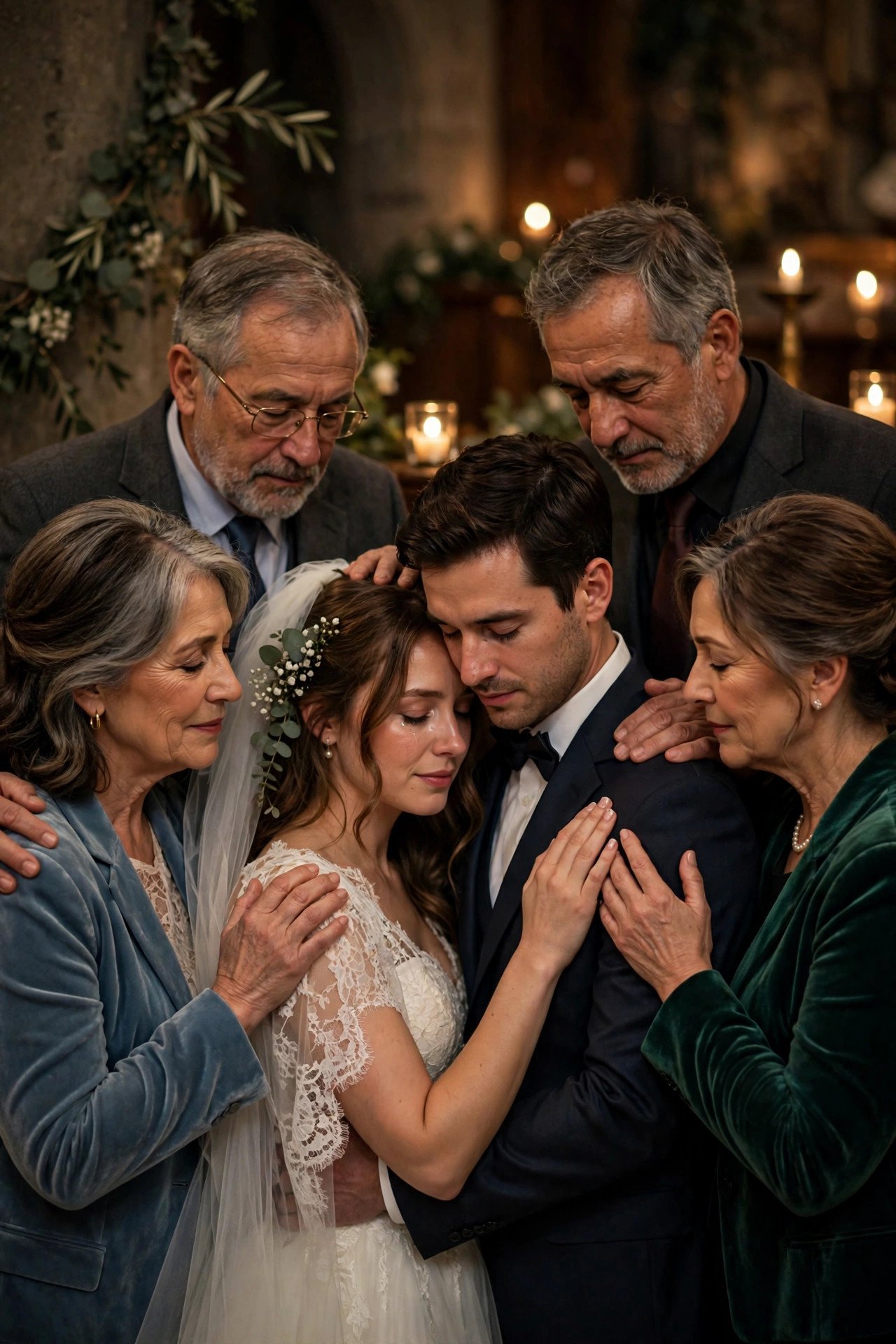
End the parent speeches with one piece of earned wisdom and a blessing that sends the couple into married life.
This is the ideal closing speech of the night: one genuine piece of marriage advice — earned, specific, and brief — followed by an explicit blessing. The advice should be universal enough to resonate with every married guest in the room; the blessing should be personal enough that the couple feels it was written only for them.
“Decades of marriage taught us this: the wedding is one day, but the marriage is every ordinary Tuesday. Choose kindness on the Tuesdays. Laugh at the small disasters. And never go to bed without naming one thing today made you grateful for. With all our hearts — we bless this marriage, today and always.”
Close with the actual toast: raise your glass on the final line so the whole room rises with you. There is no better final image for the speeches portion of the evening than every guest standing, glasses high, while the couple holds each other.
Read next: 24 Stunning Ideas for Bridal Shower
Frequently Asked Questions
How long should a parents of the groom speech be?
Aim for three to five minutes. That is long enough to tell a story and land an emotional moment, but short enough to hold the room. If several people are speaking, a crisp under-two-minute toast is even better — guests remember the feeling, not the word count.
Who speaks first — the groom’s parents or the bride’s parents?
Traditionally the bride’s parents speak first, followed by the groom’s parents, but modern weddings follow no strict order. The couple or wedding planner usually sets the speaking order — just ask, and coordinate so your speech does not repeat the same thank-yous or stories.
Should both parents speak, or just one?
Both options work beautifully. Many parents deliver the speech together, trading lines, while others have one parent speak with the other standing beside them. Choose whichever feels natural — authenticity matters far more than format.
Is it okay to read a parents of the groom speech from notes?
Absolutely. Reading from a card or your phone looks completely natural and keeps you on track when emotions run high. Glance down, then look back up at the couple for the important lines — nobody expects a memorized performance.
What should parents of the groom avoid saying in a wedding speech?
Skip exes, embarrassing stories the groom has vetoed, inside jokes only three people understand, long lists of thank-yous, and anything about money or wedding costs. When in doubt, run the speech past the groom — if he winces, cut it.
✨ Key Takeaways
- Aim for three to five minutes — short and heartfelt always beats long and rambling.
- Open with gratitude and close with a raised-glass toast; those bookends make any style work.
- Choose one or two stories maximum, and tie each one to a quality the partner will love.
- Practice aloud at least three times — nerves peak in the first 30 seconds, then fade.
- Welcome the new partner by name and end with the couple’s names — the room will follow your lead.
Final Thoughts
Your son does not need a perfect speech — he needs to hear, in front of everyone he loves, that you are proud of him and that you love the person he chose. Pick the style that sounds like you, borrow the lines that catch in your throat, and trust that sincerity will carry the rest. Years from now, he will not remember every word. He will remember that you stood up, that your voice shook a little, and that you meant every bit of it.



One Comment